Interior design in 2026 continues to lean toward spaces that feel warmer, more personal, and more connected to nature. Designers are paying closer attention to movement, sound, texture, and the way a room feels throughout the day. That shift is giving custom waterfalls a larger role.
Instead of being treated as decorative accessories, they are being planned as architectural features that help shape entrances, divide open areas, and give large interiors a clear point of focus. Current design forecasts also point toward multisensory, nature-led spaces with stronger emotional character, which makes moving water especially relevant this year.
Water Becomes Part of the Layout
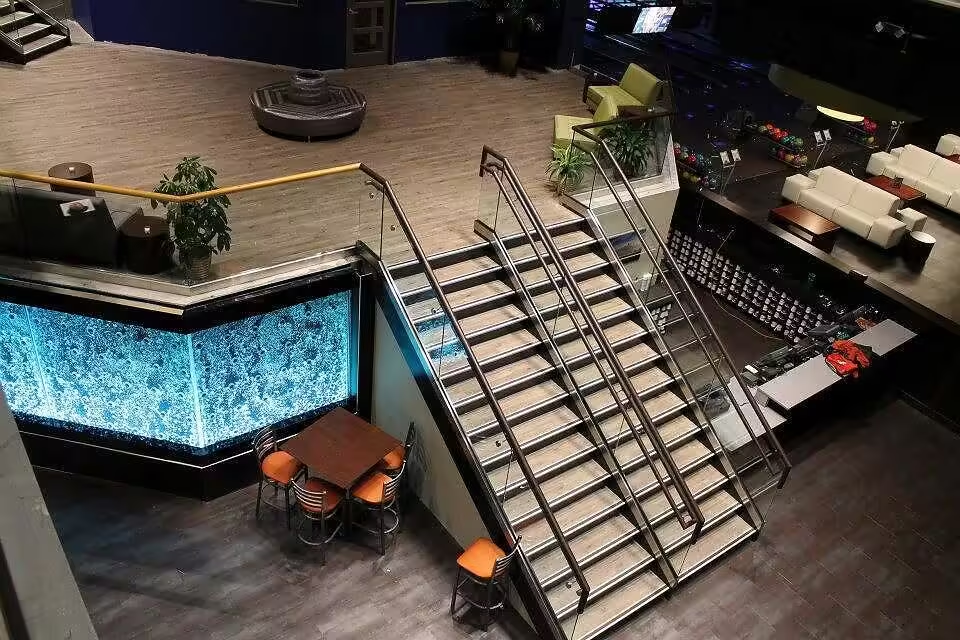
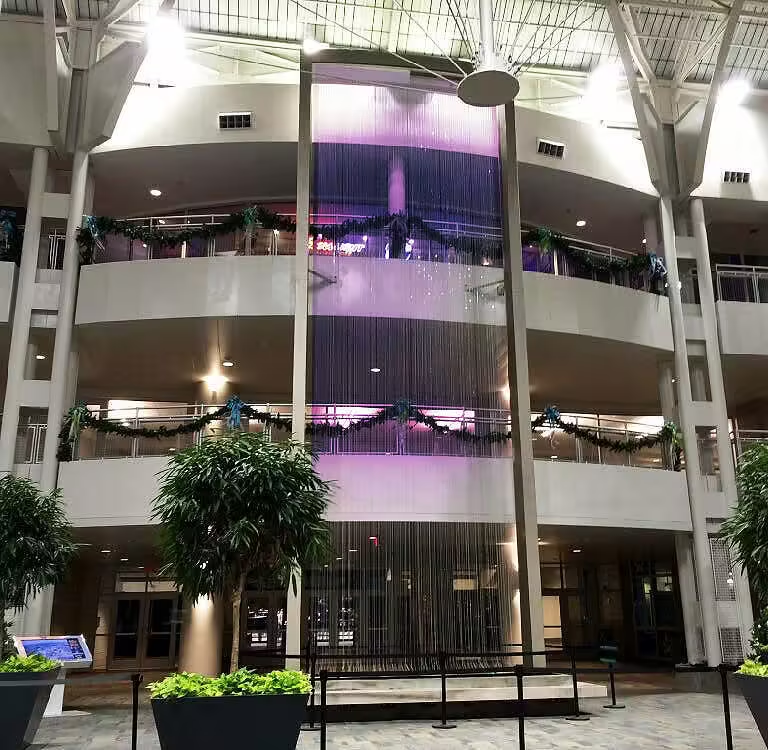
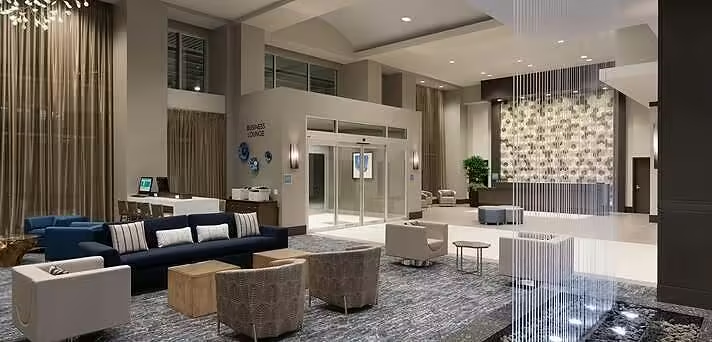
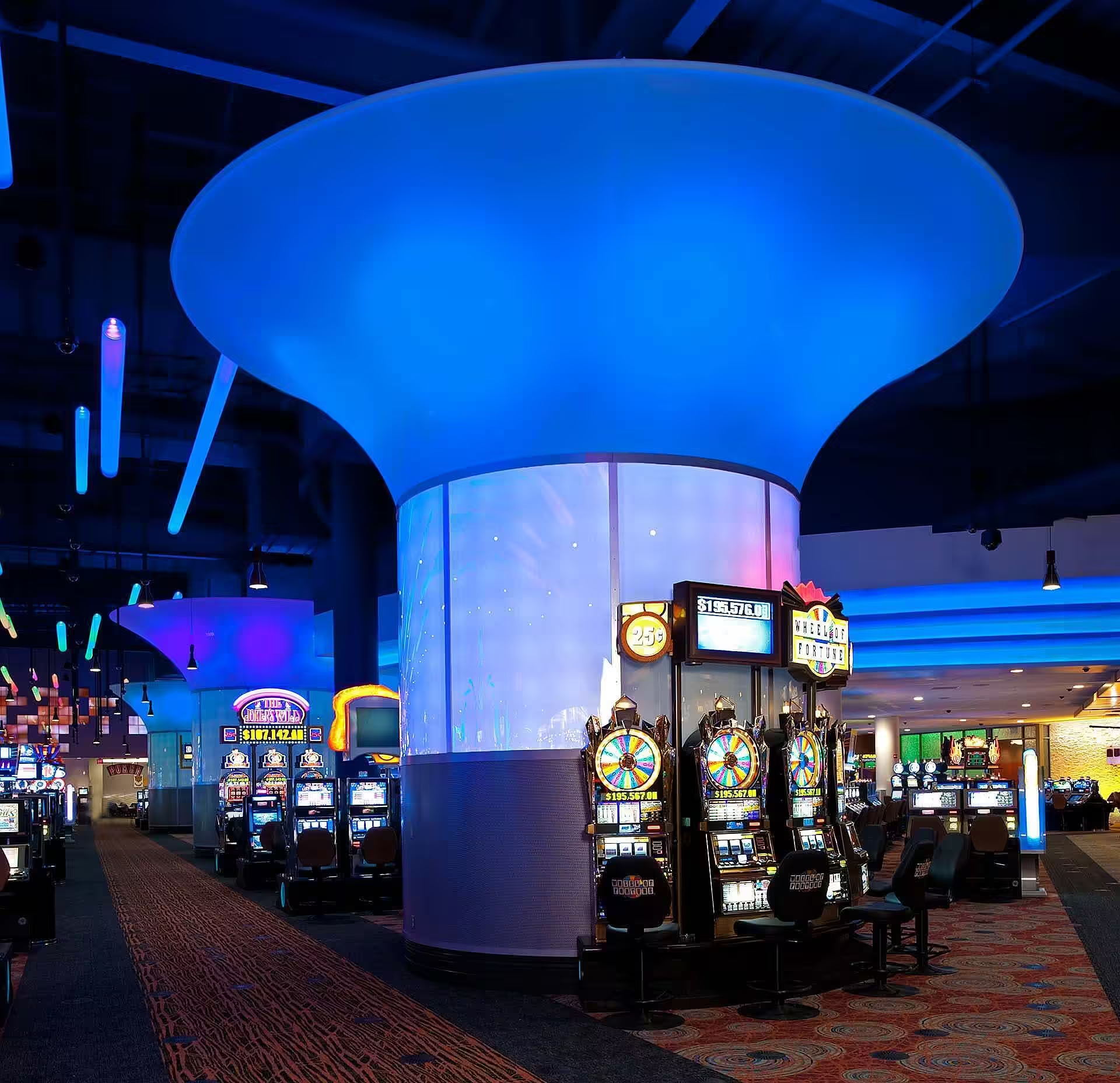
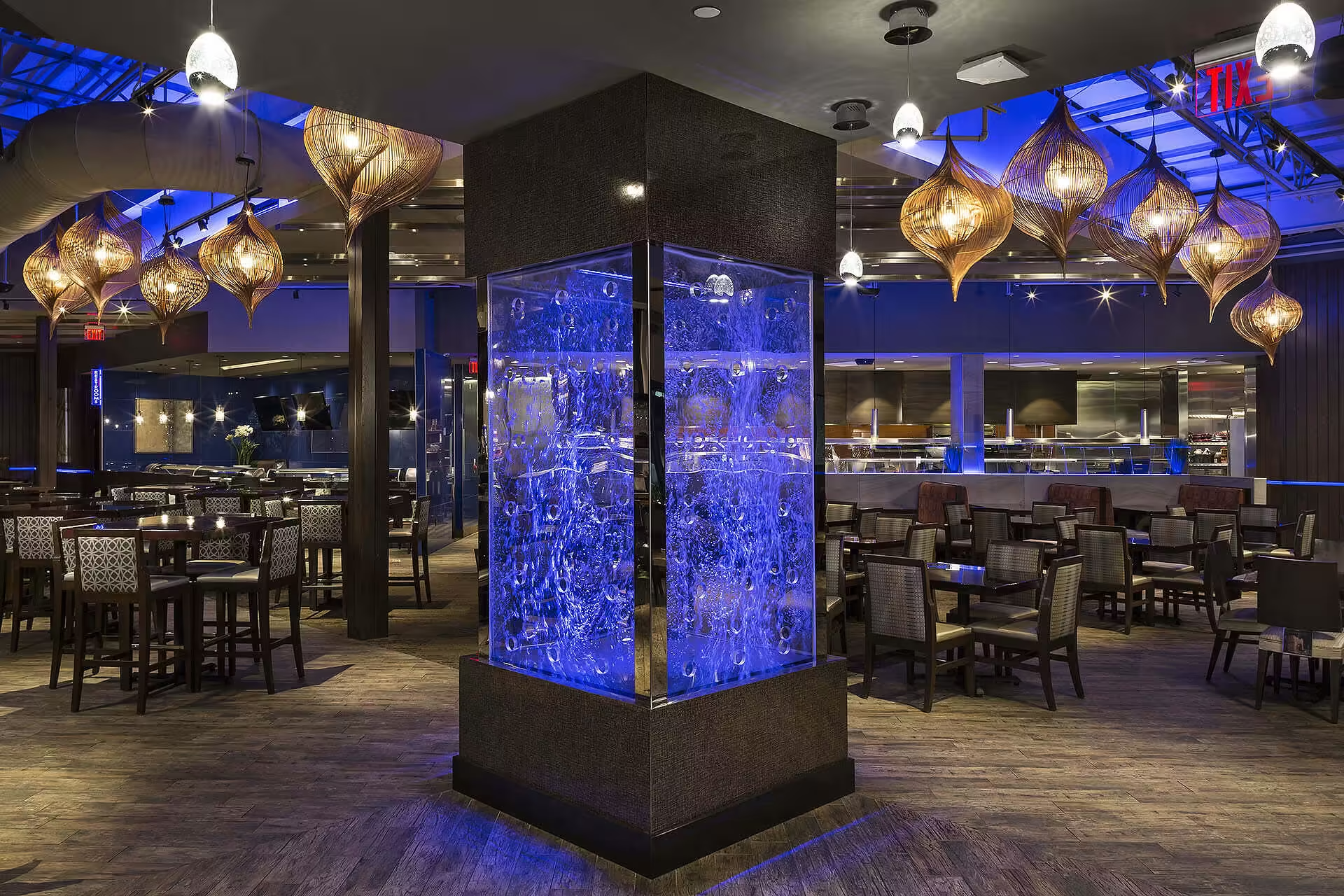
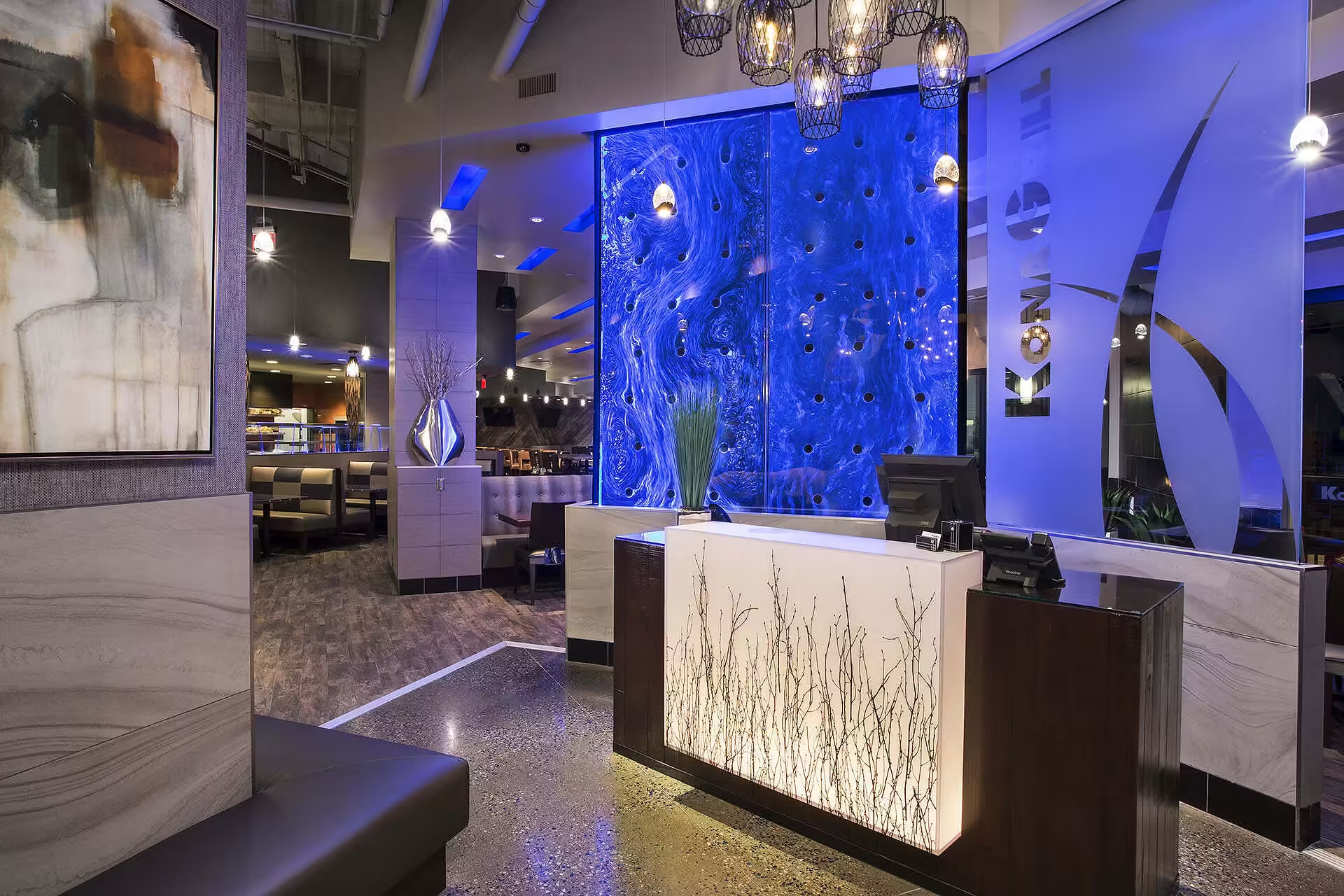
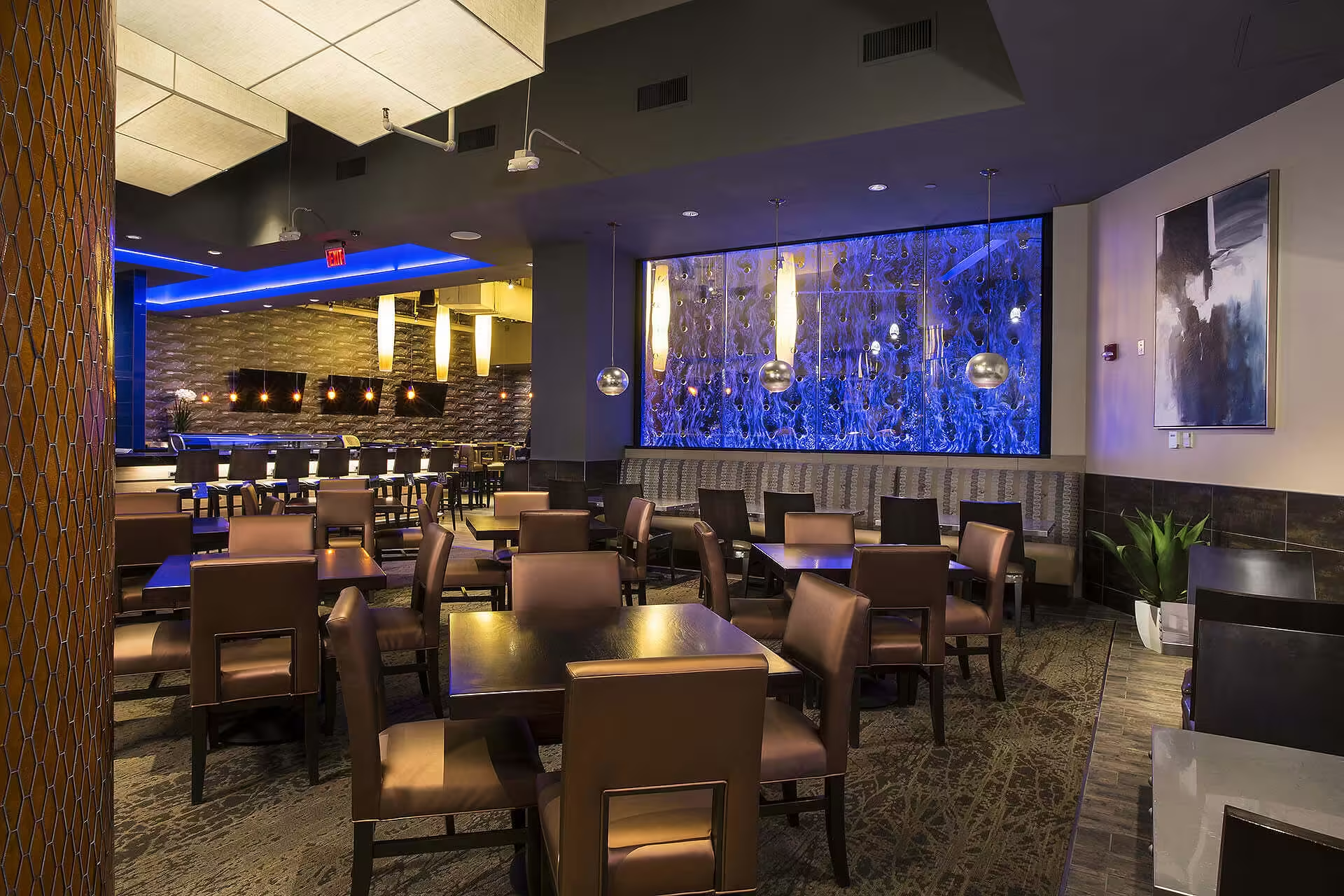
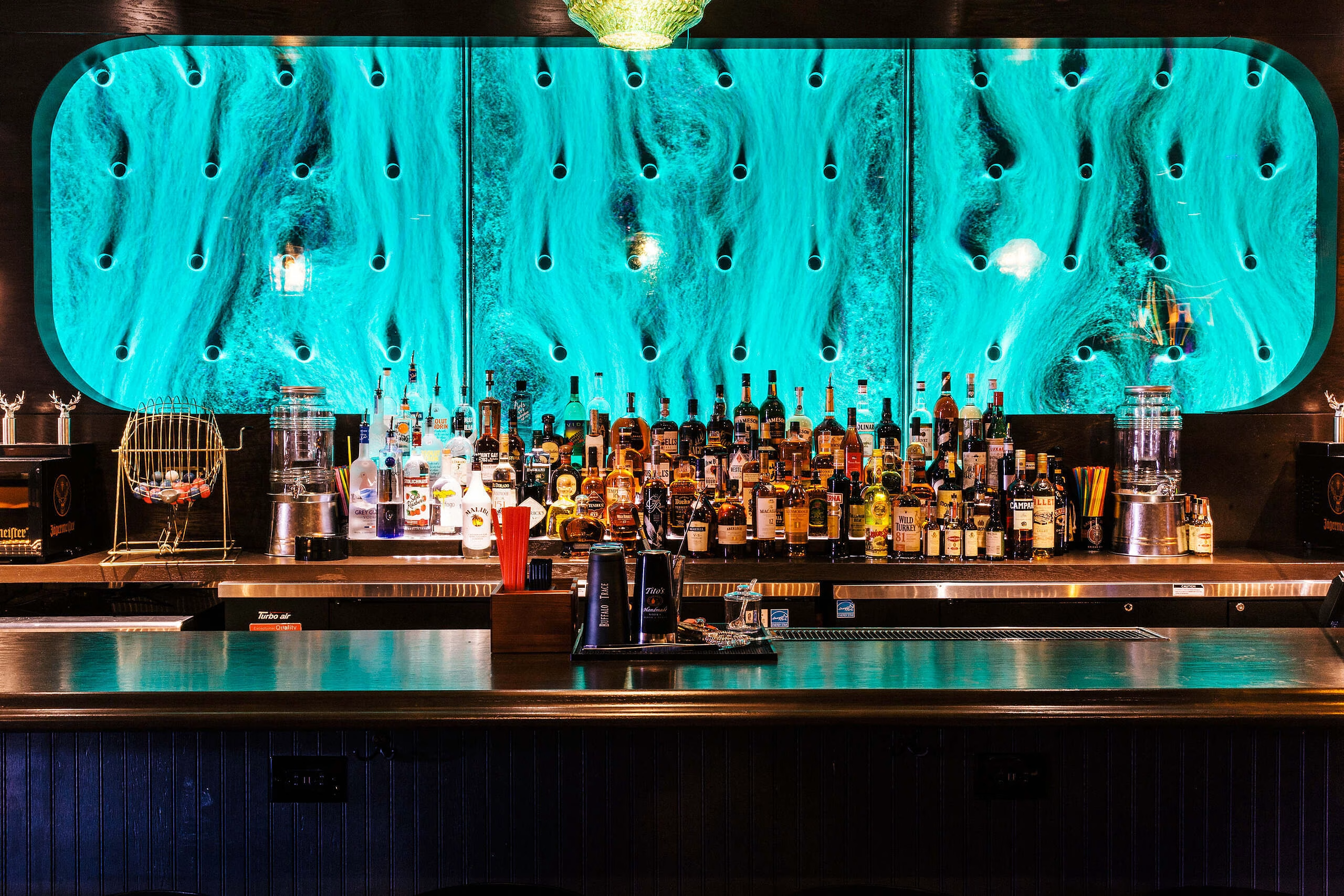
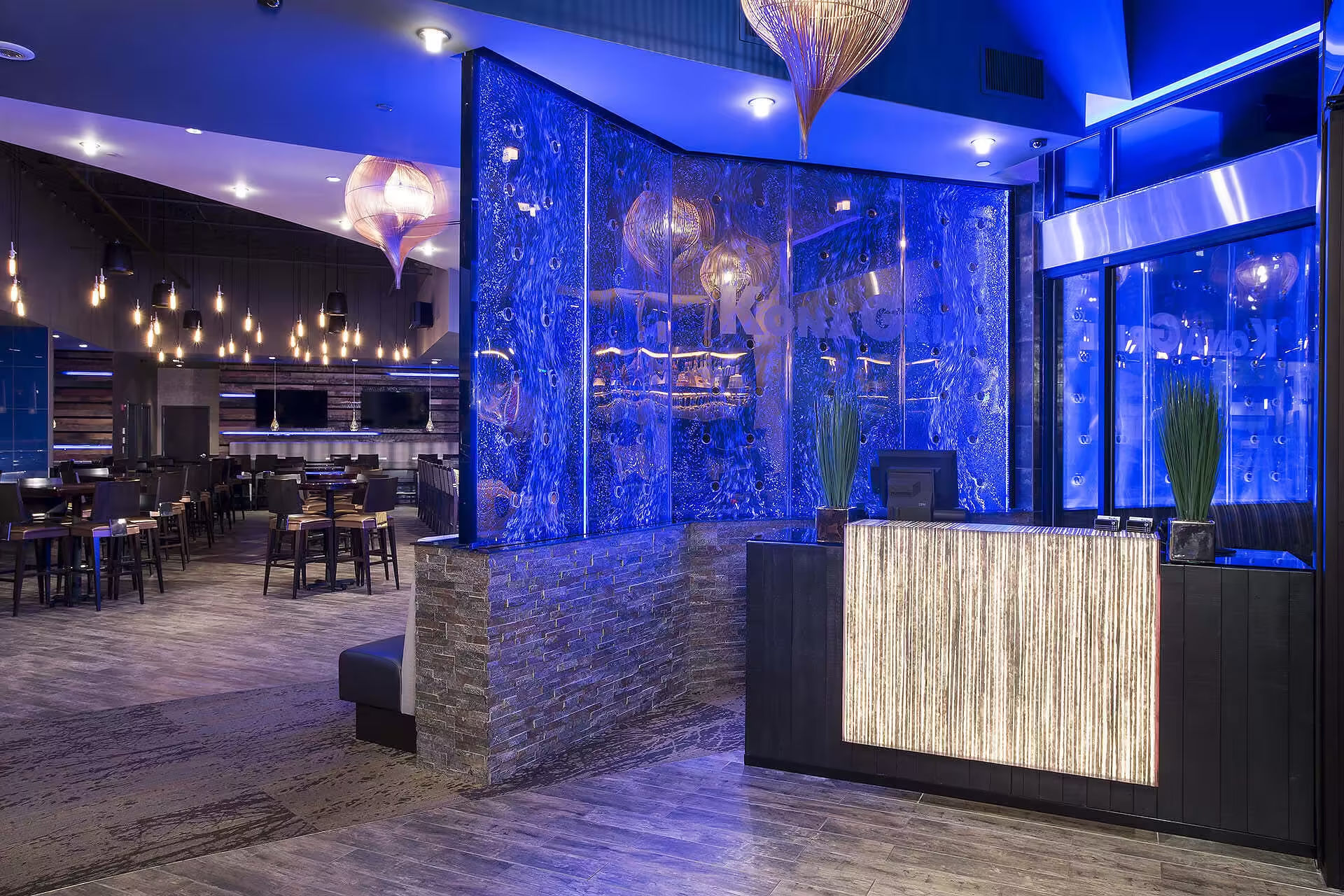
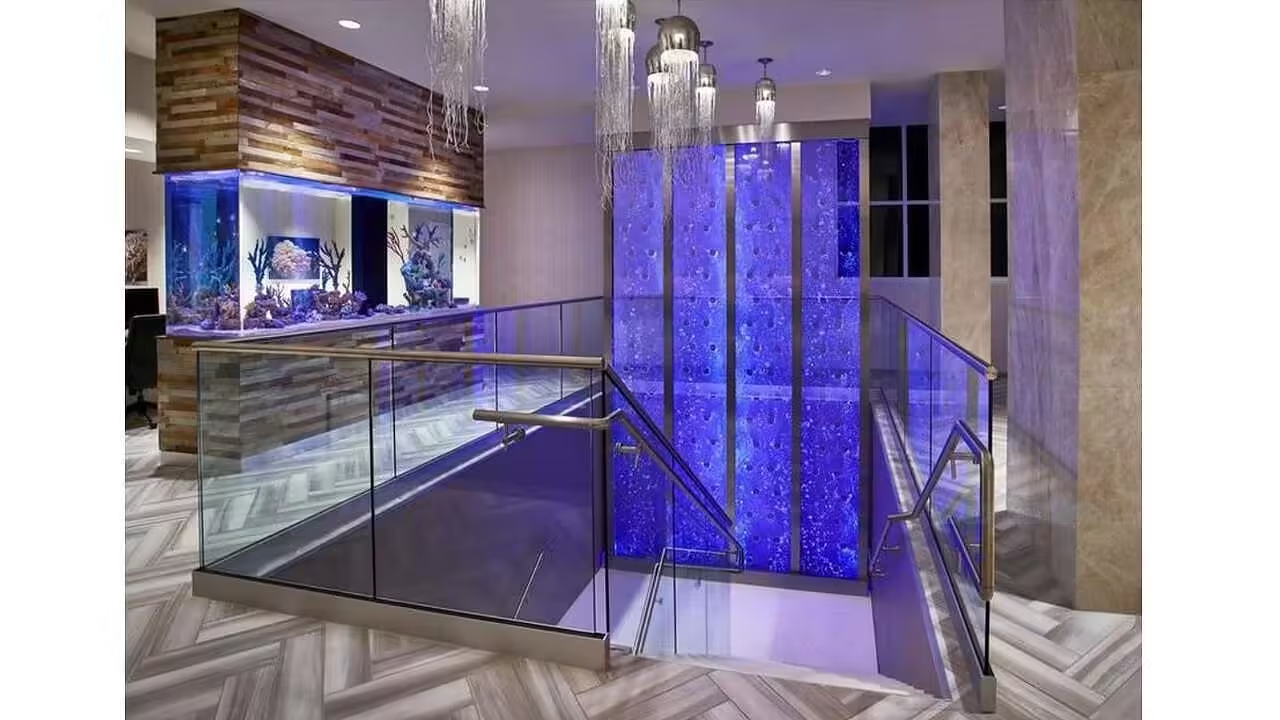
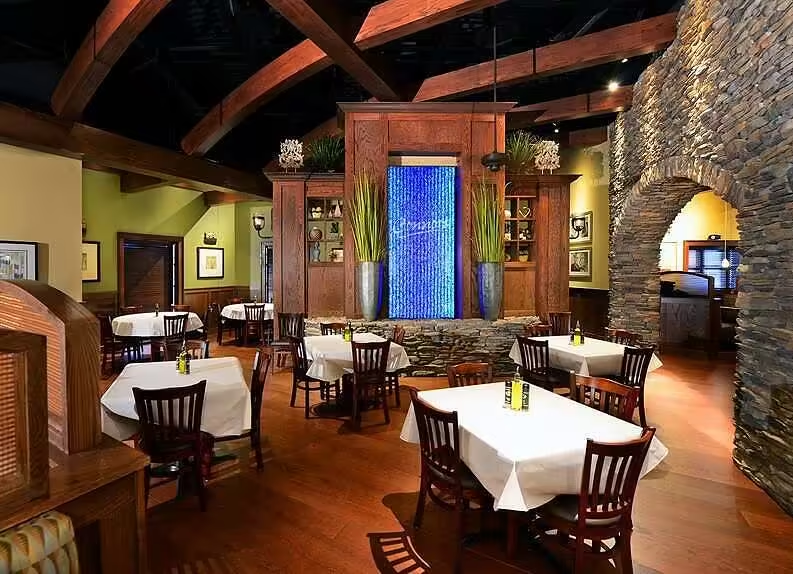
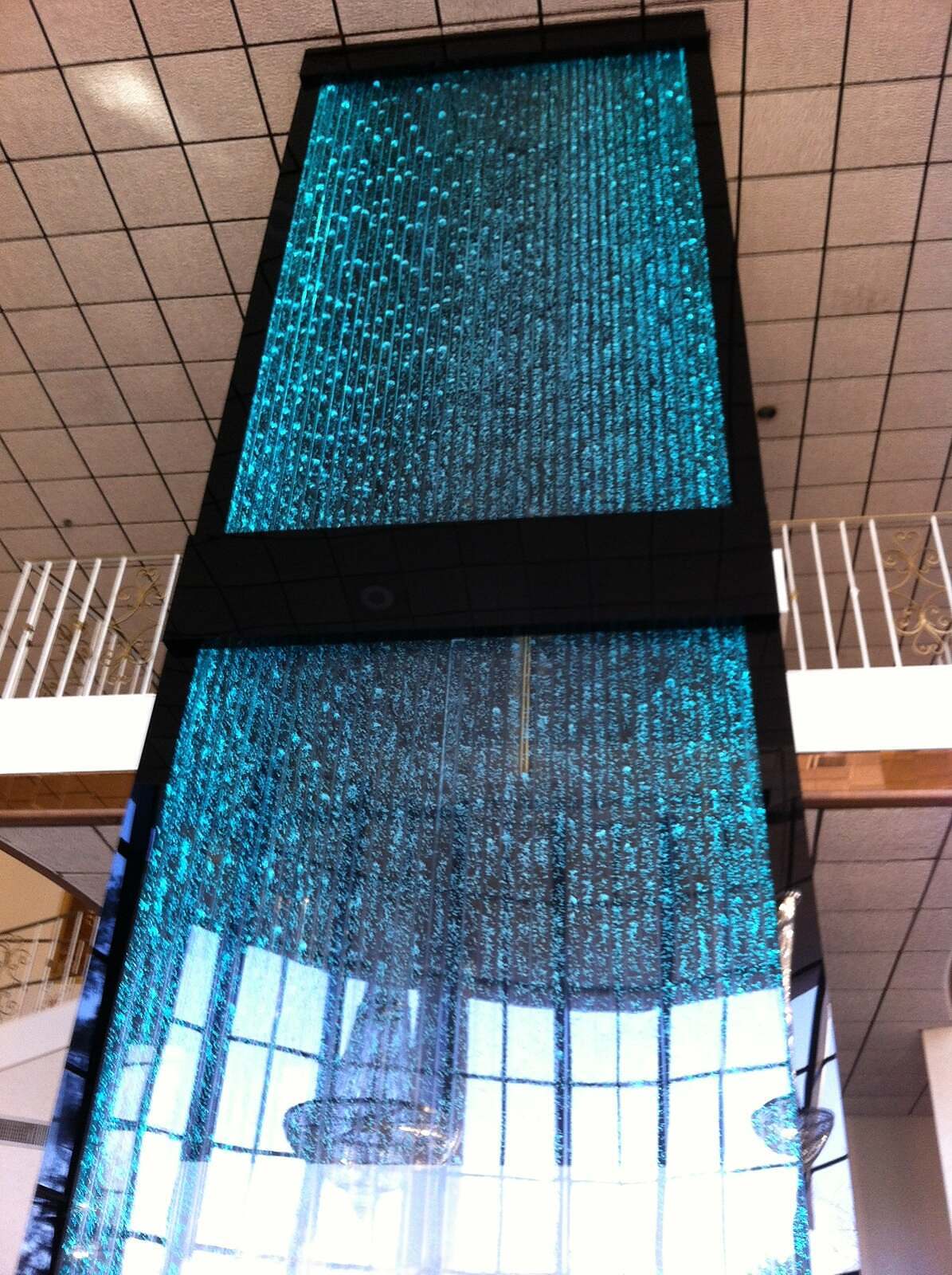
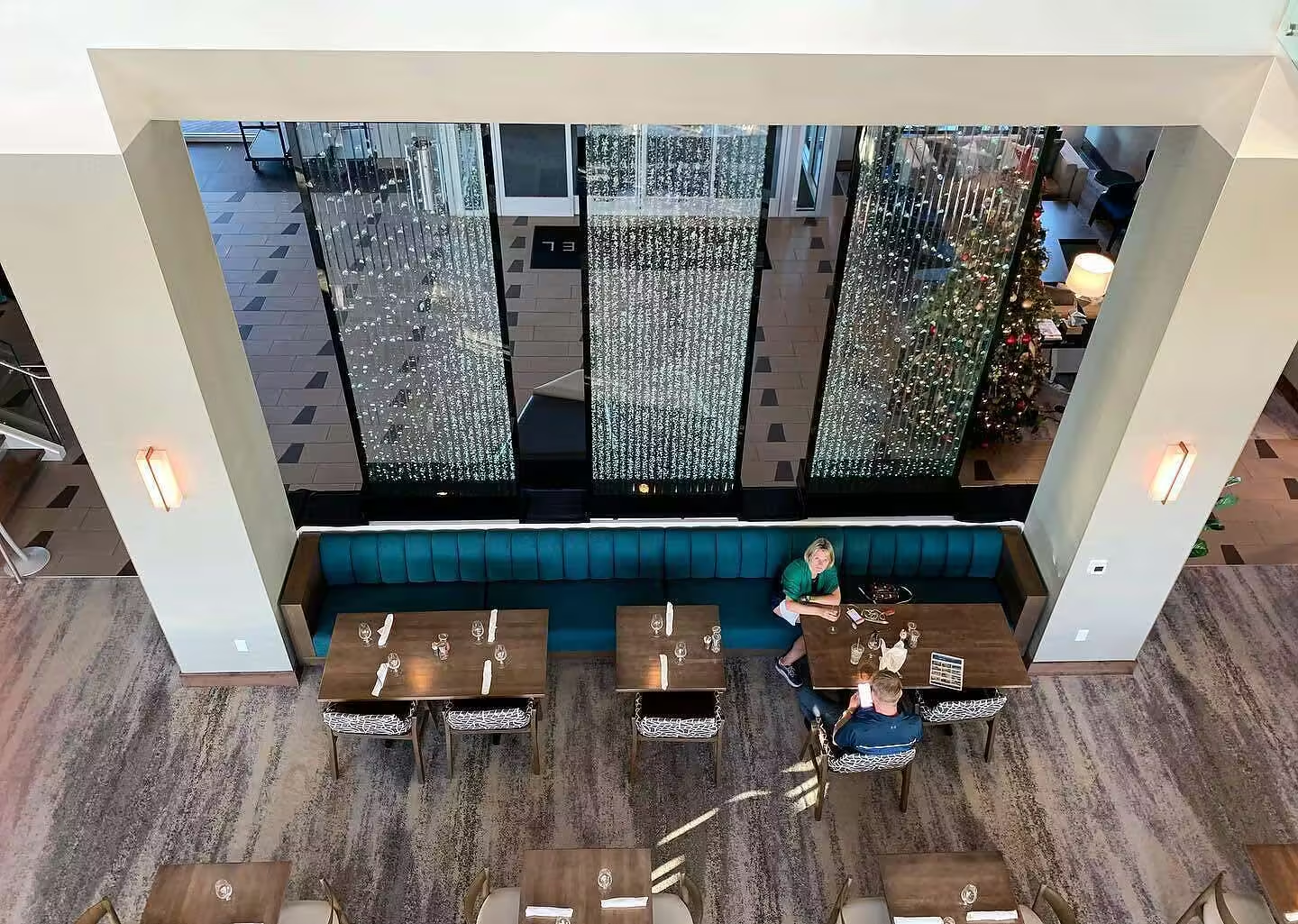
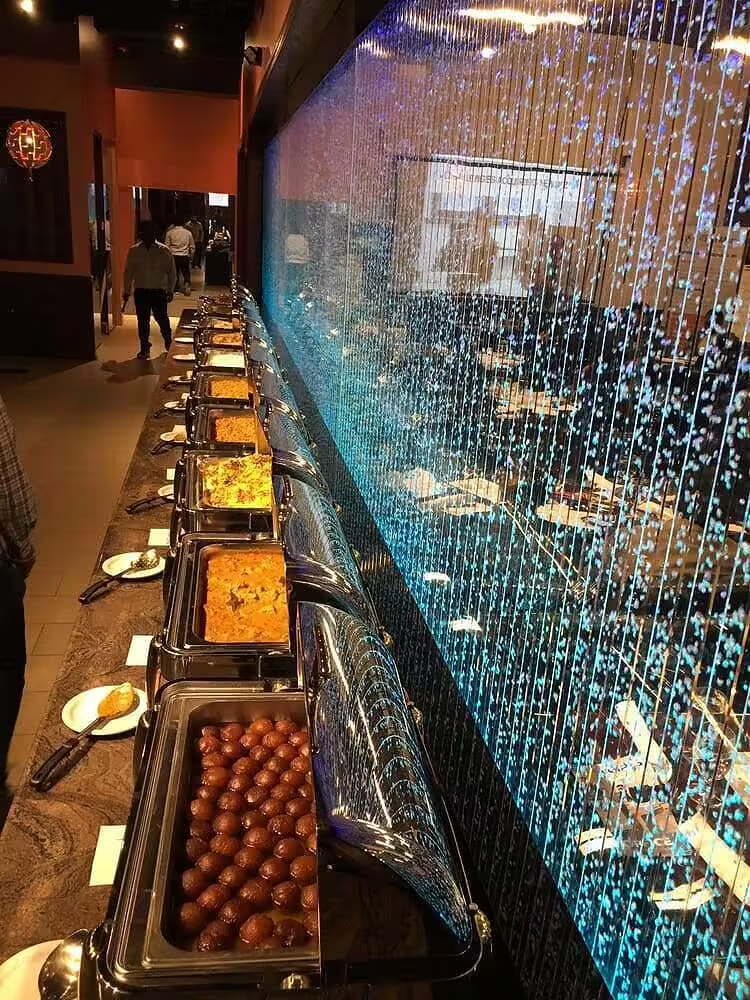
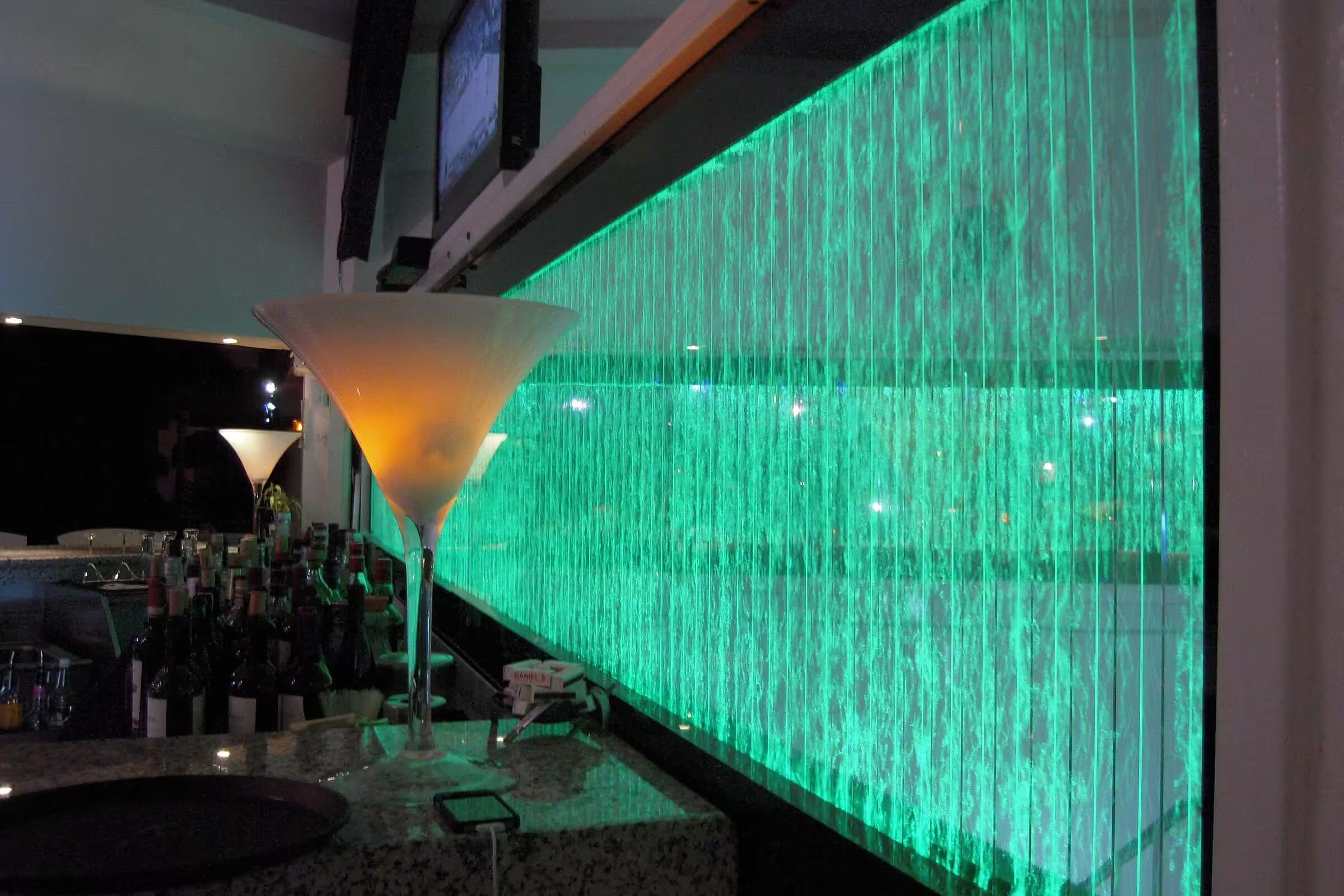
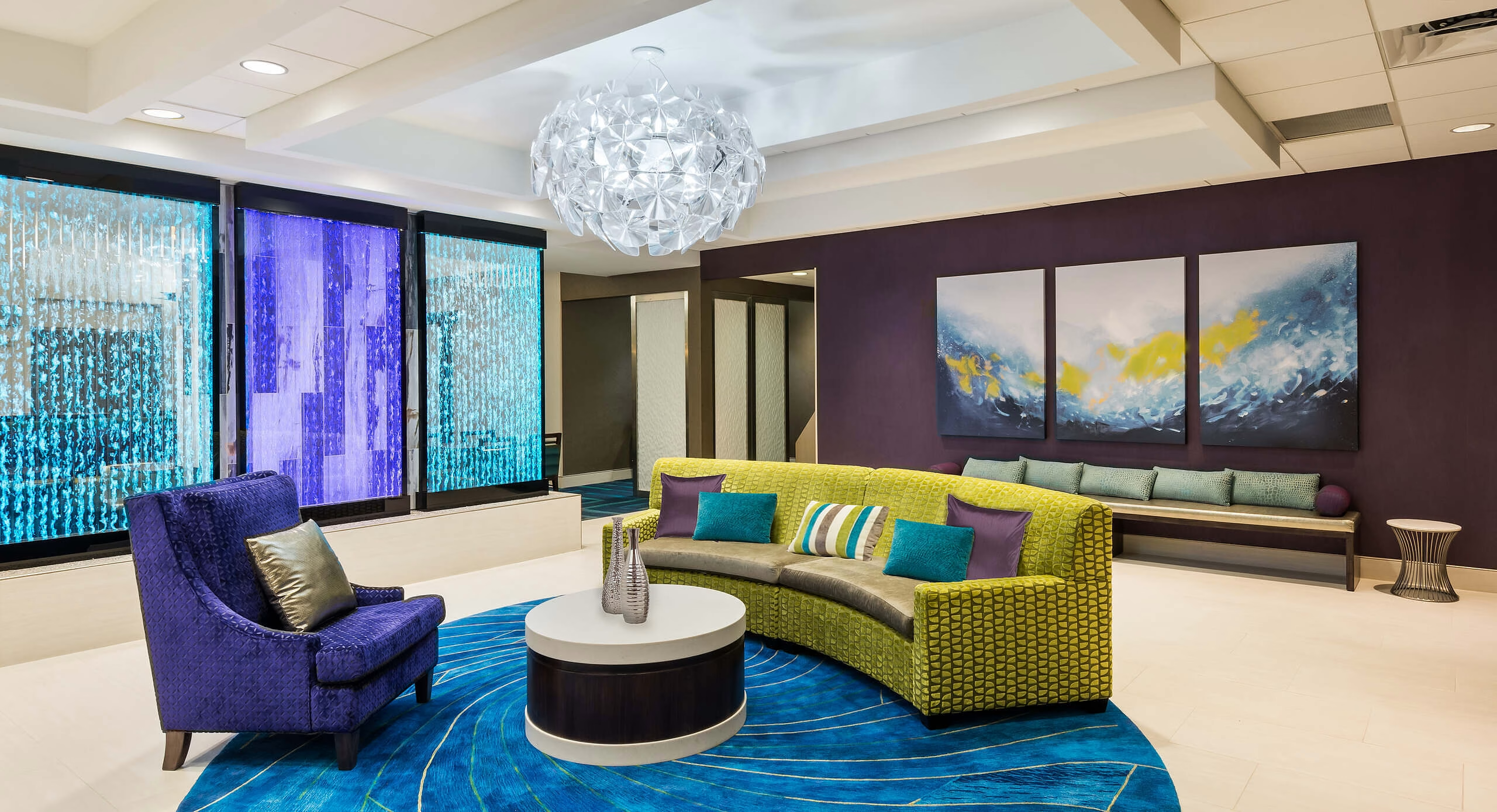
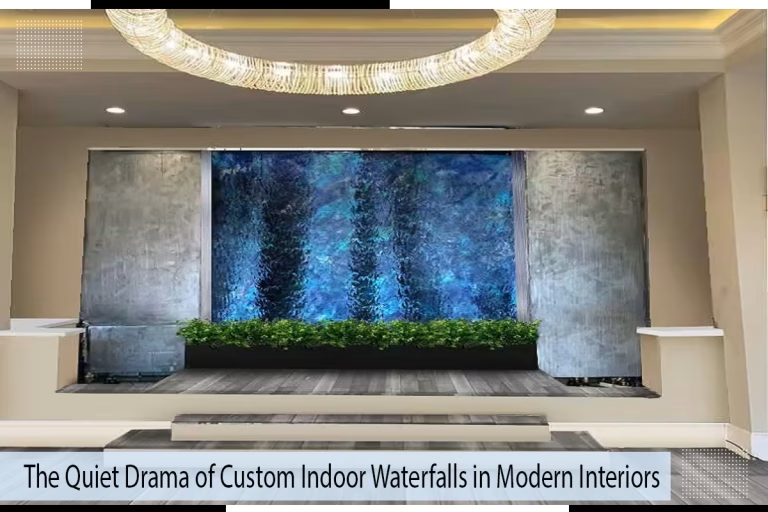
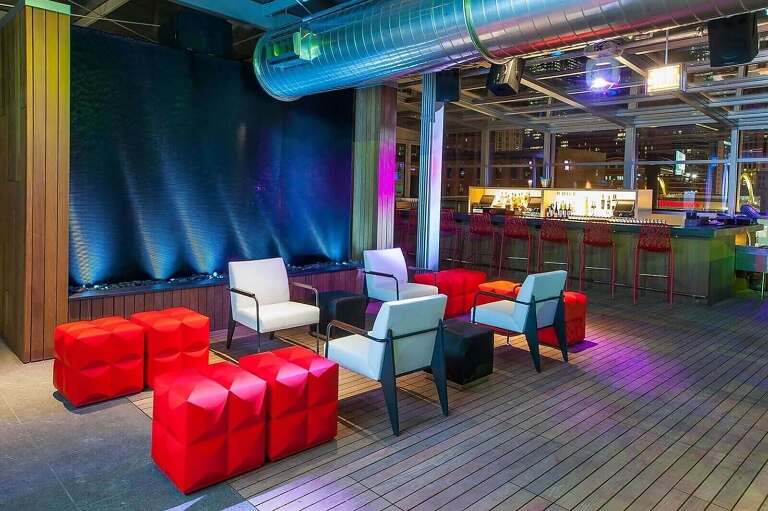
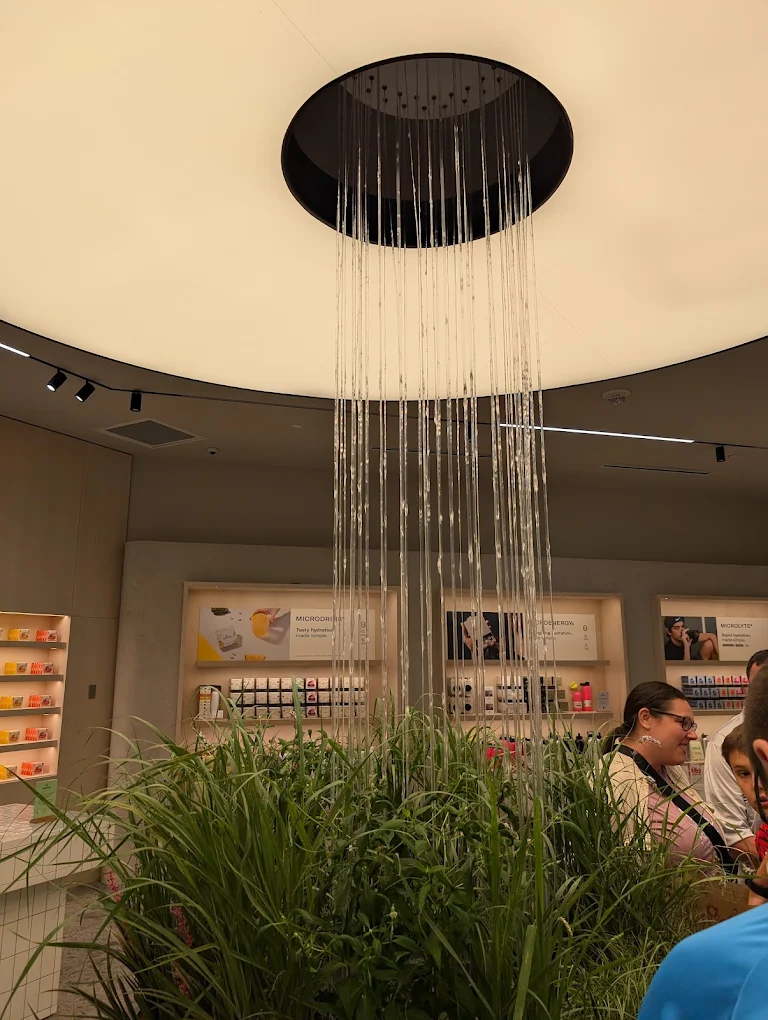
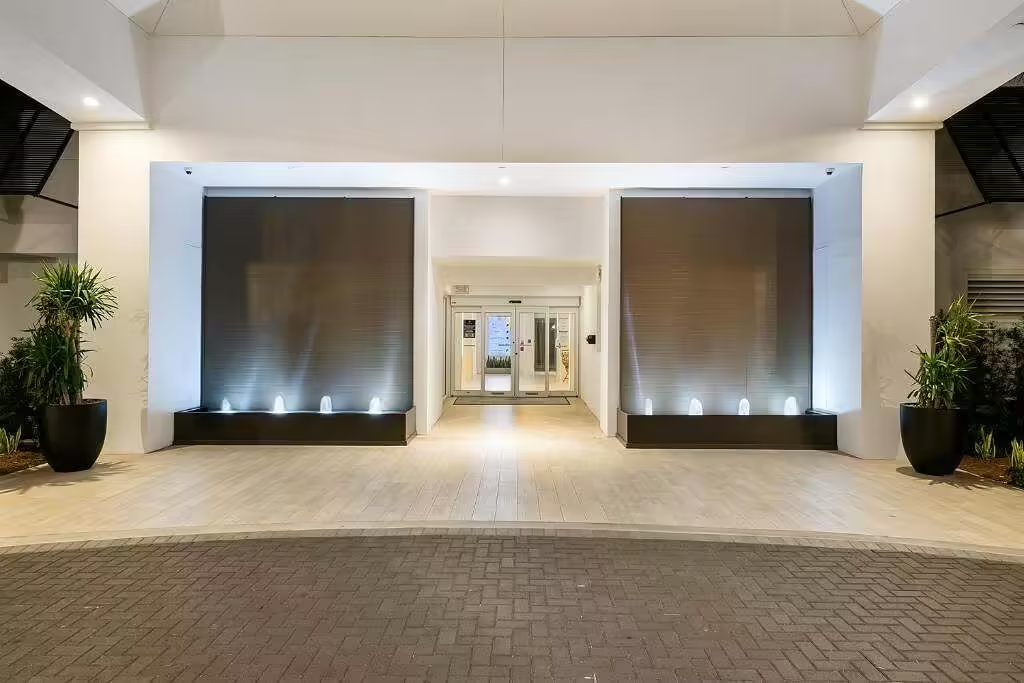
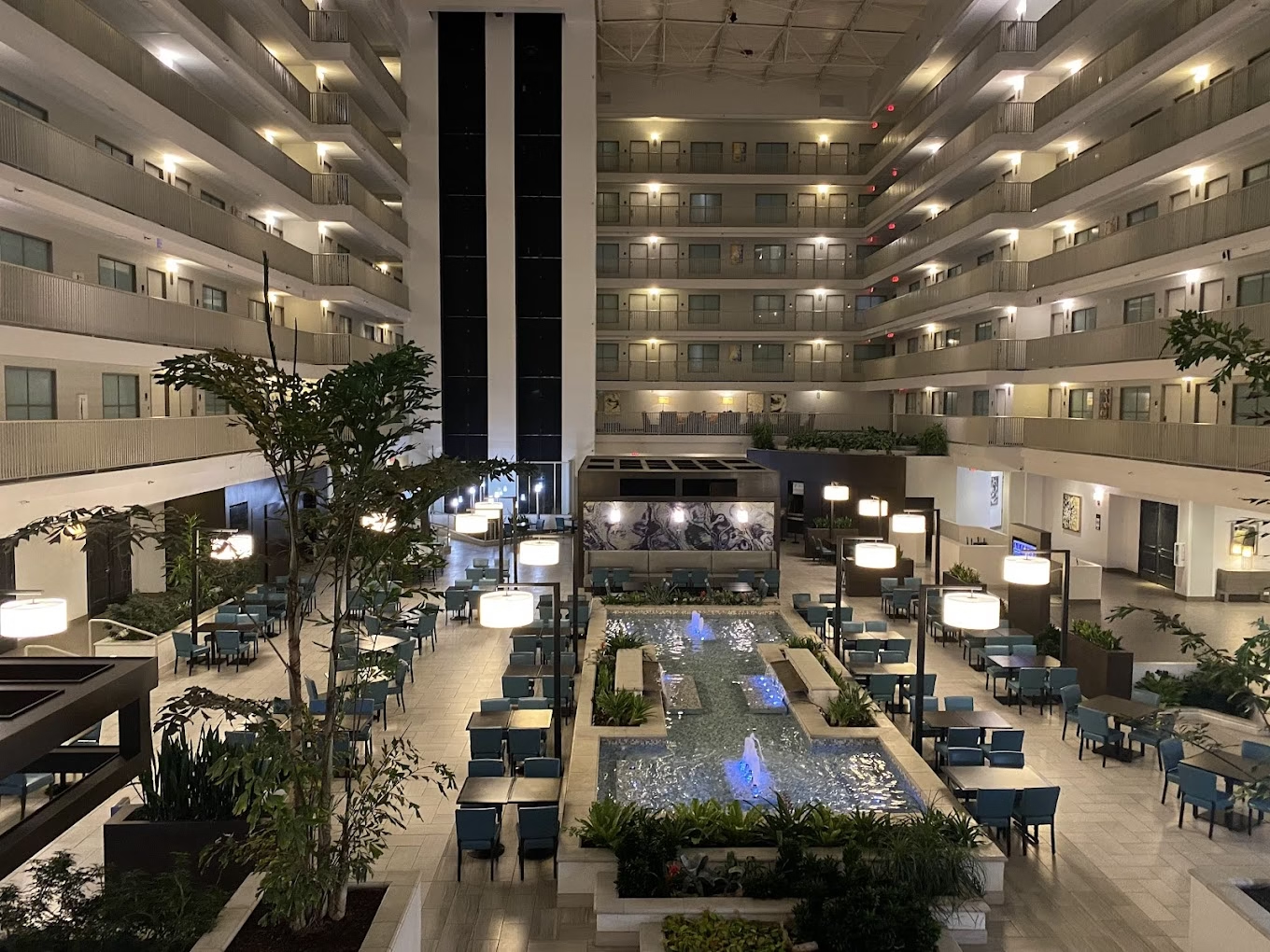
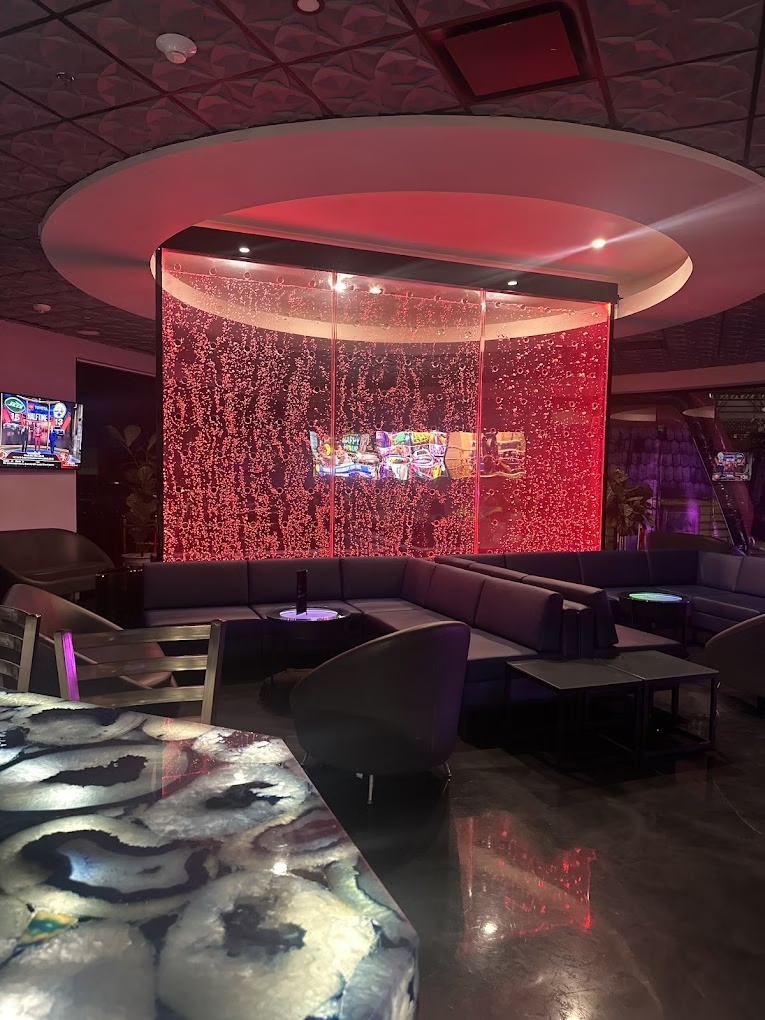
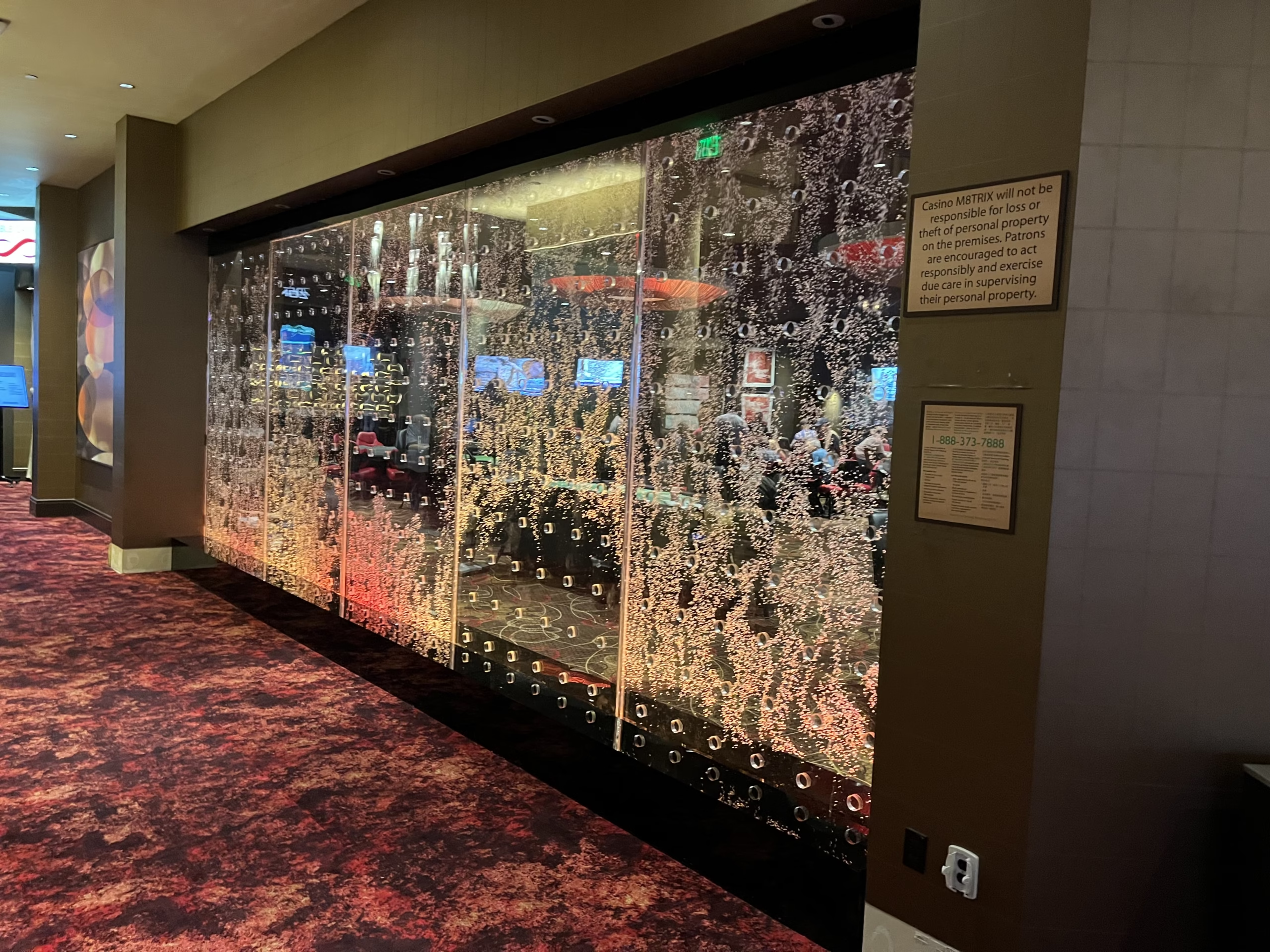
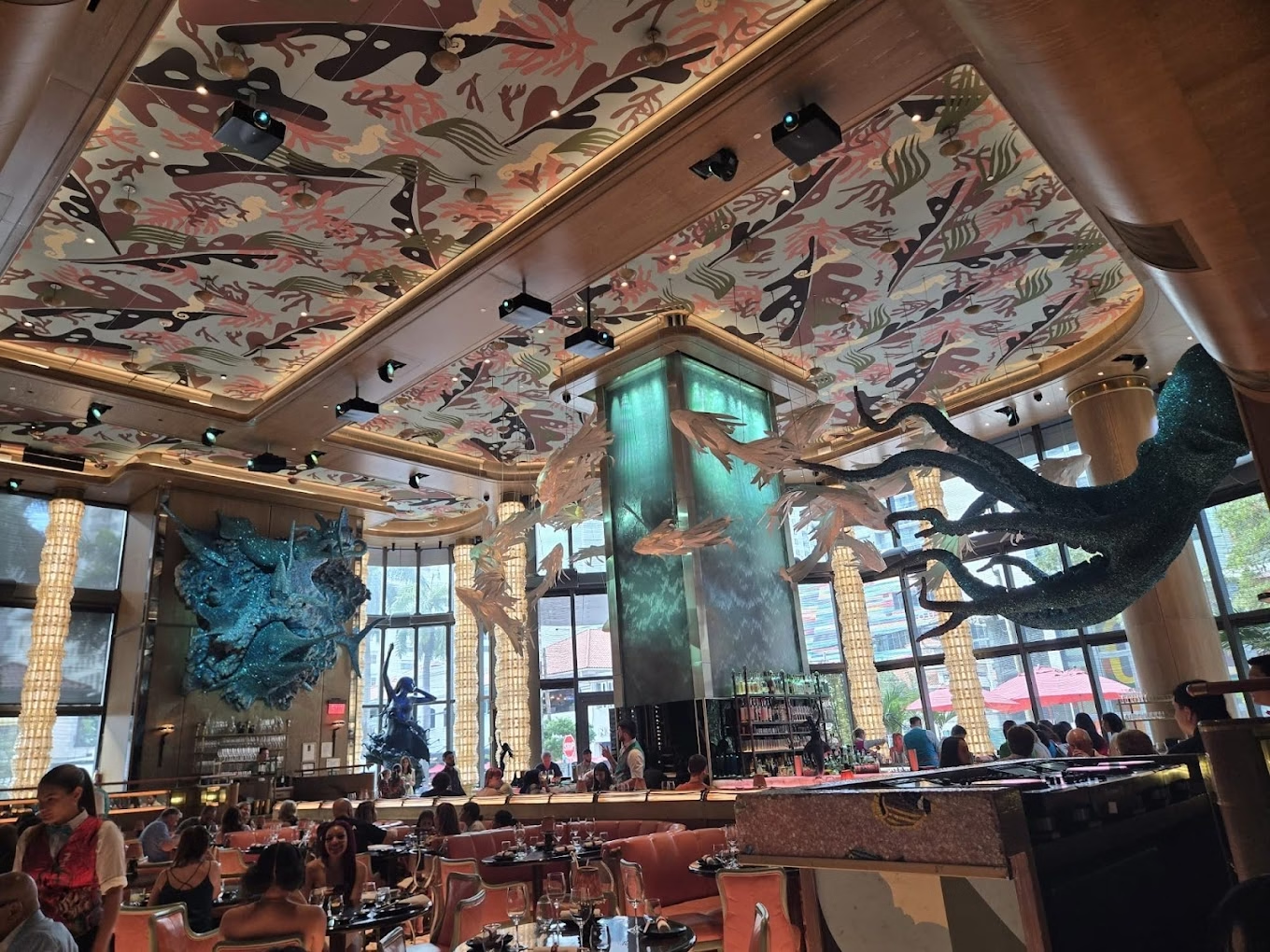
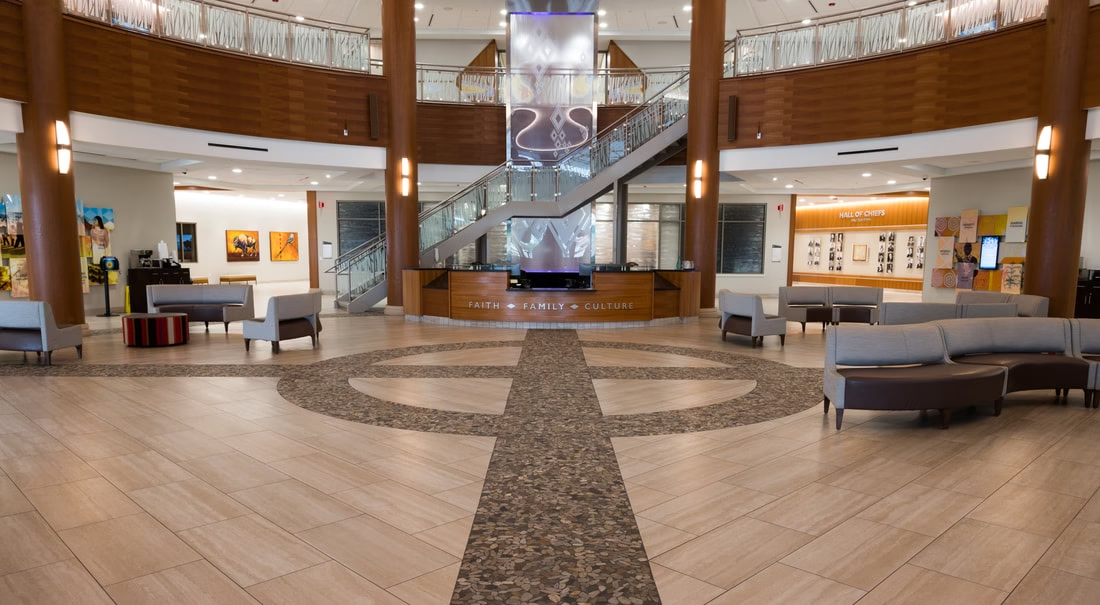
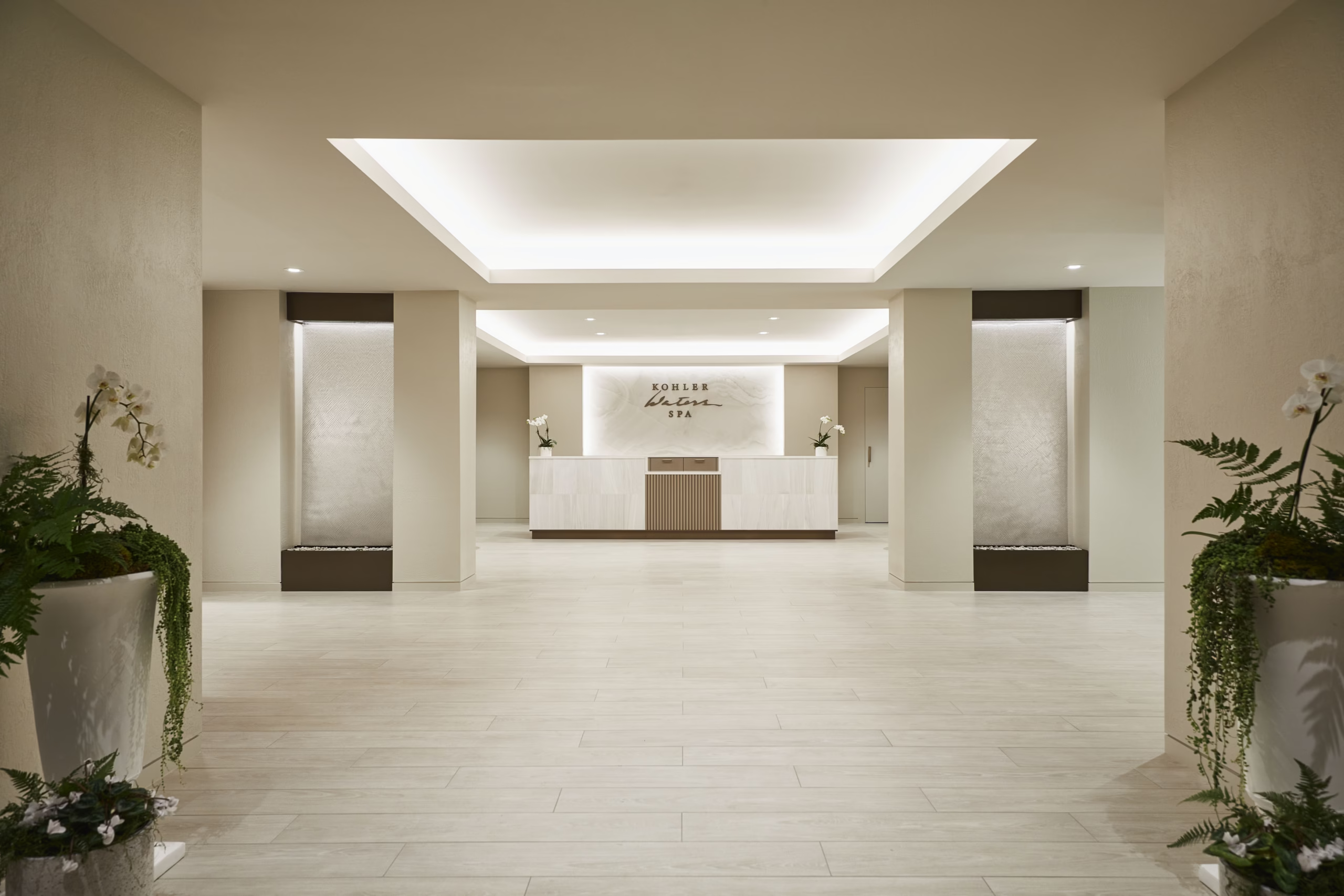
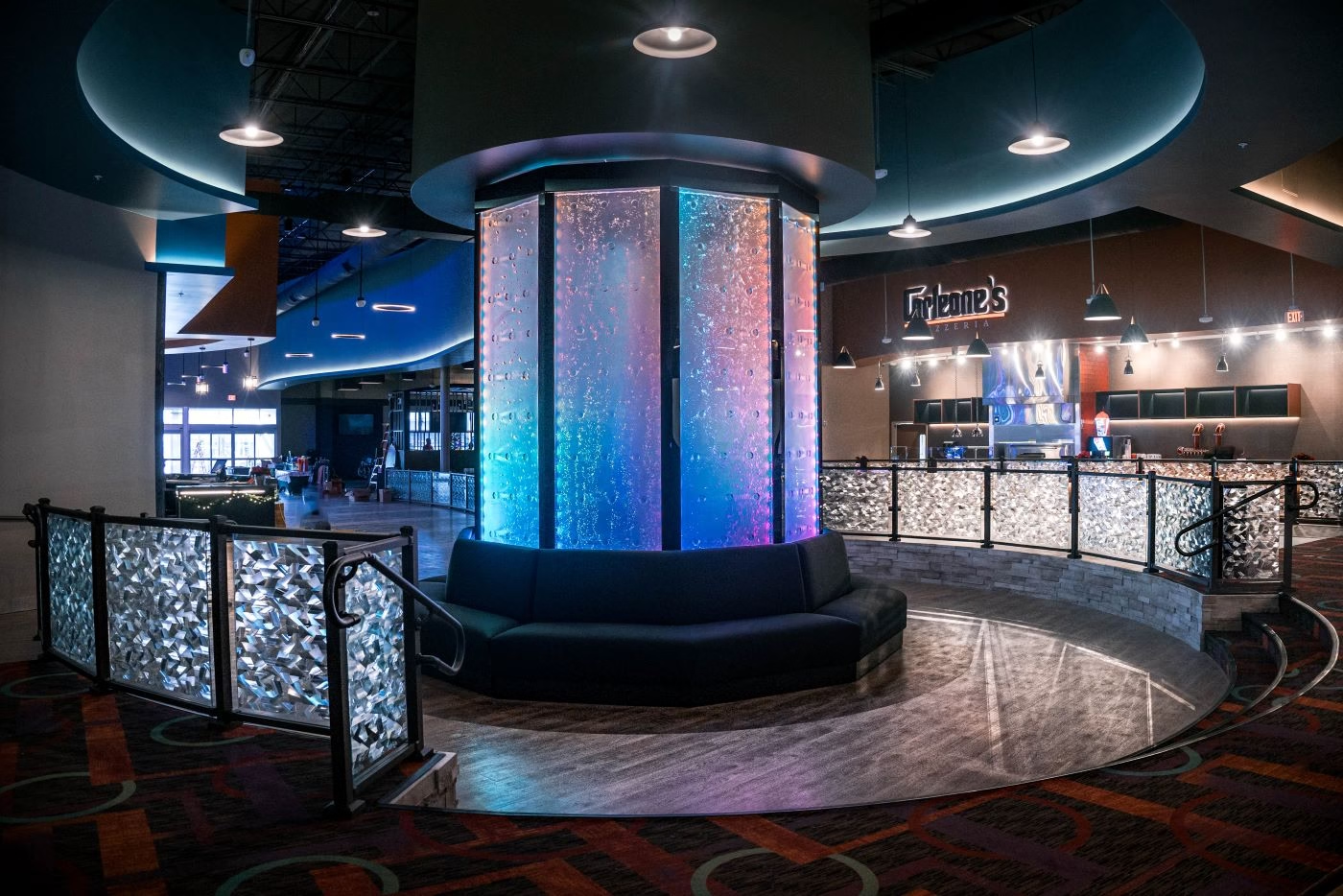
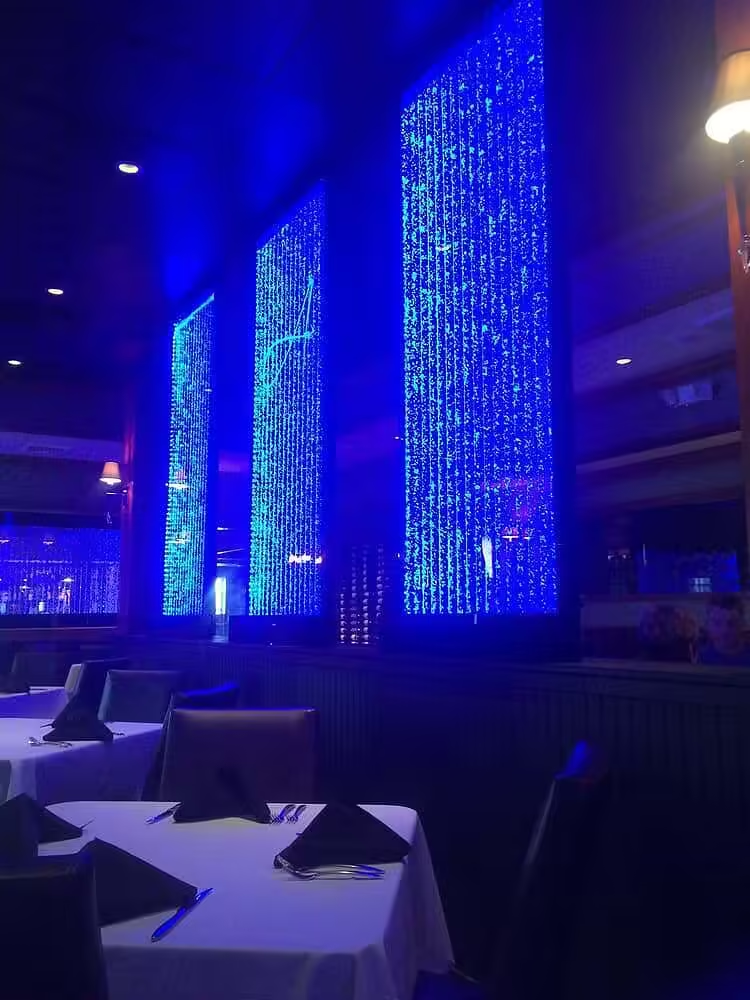
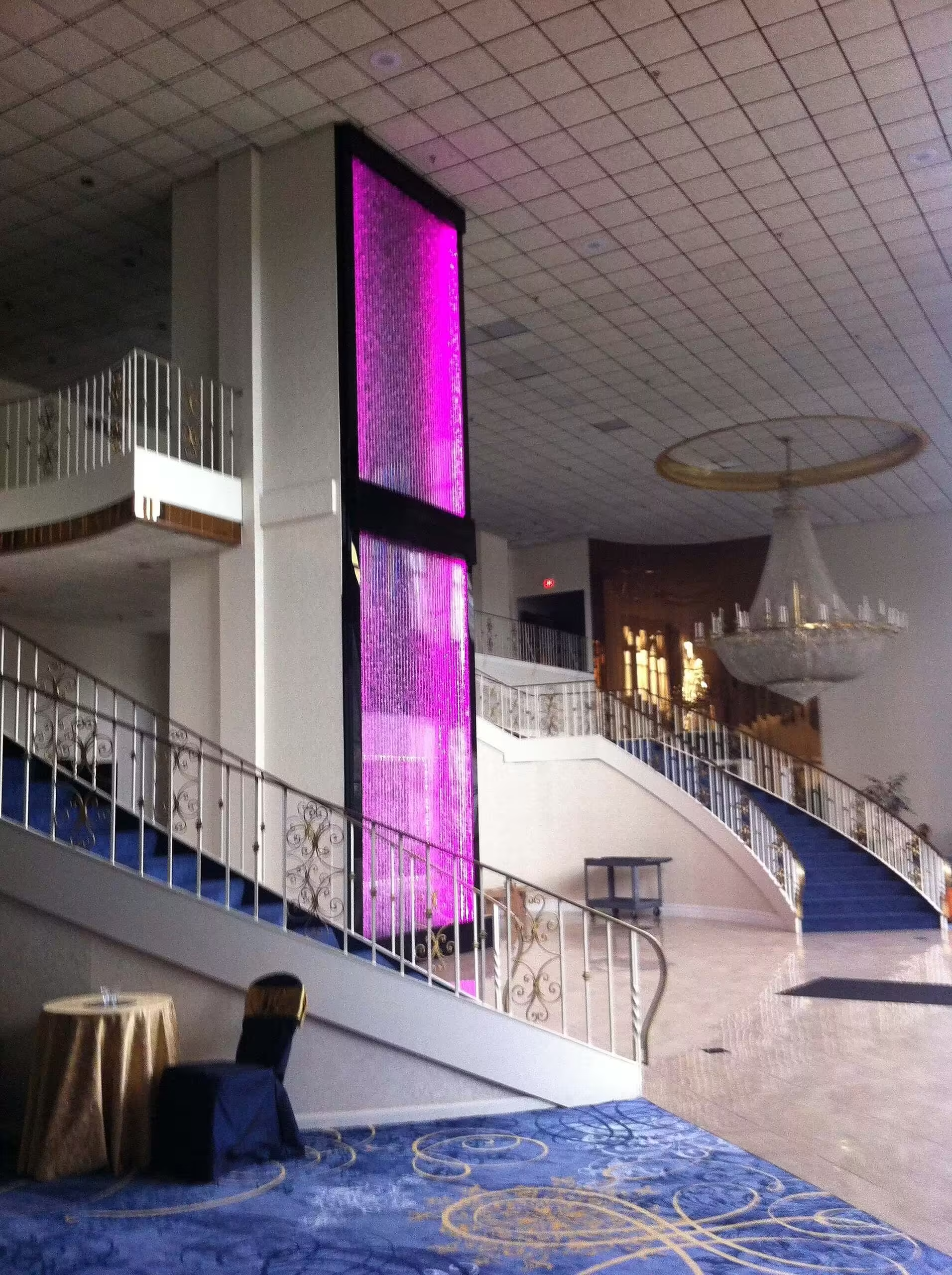
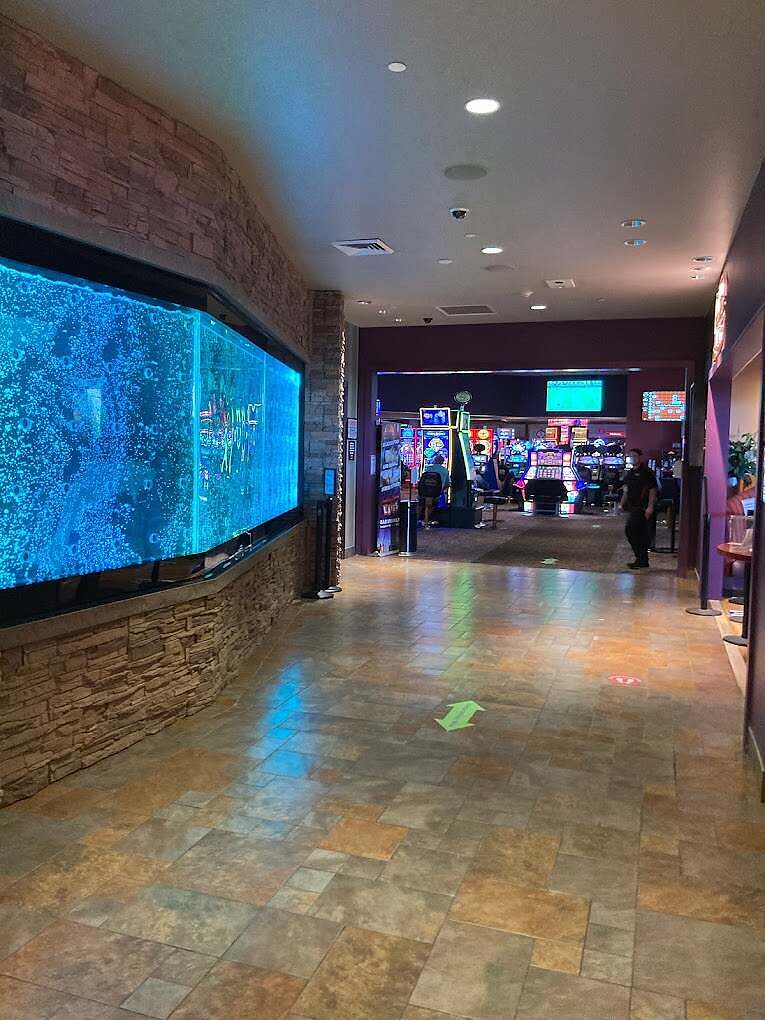
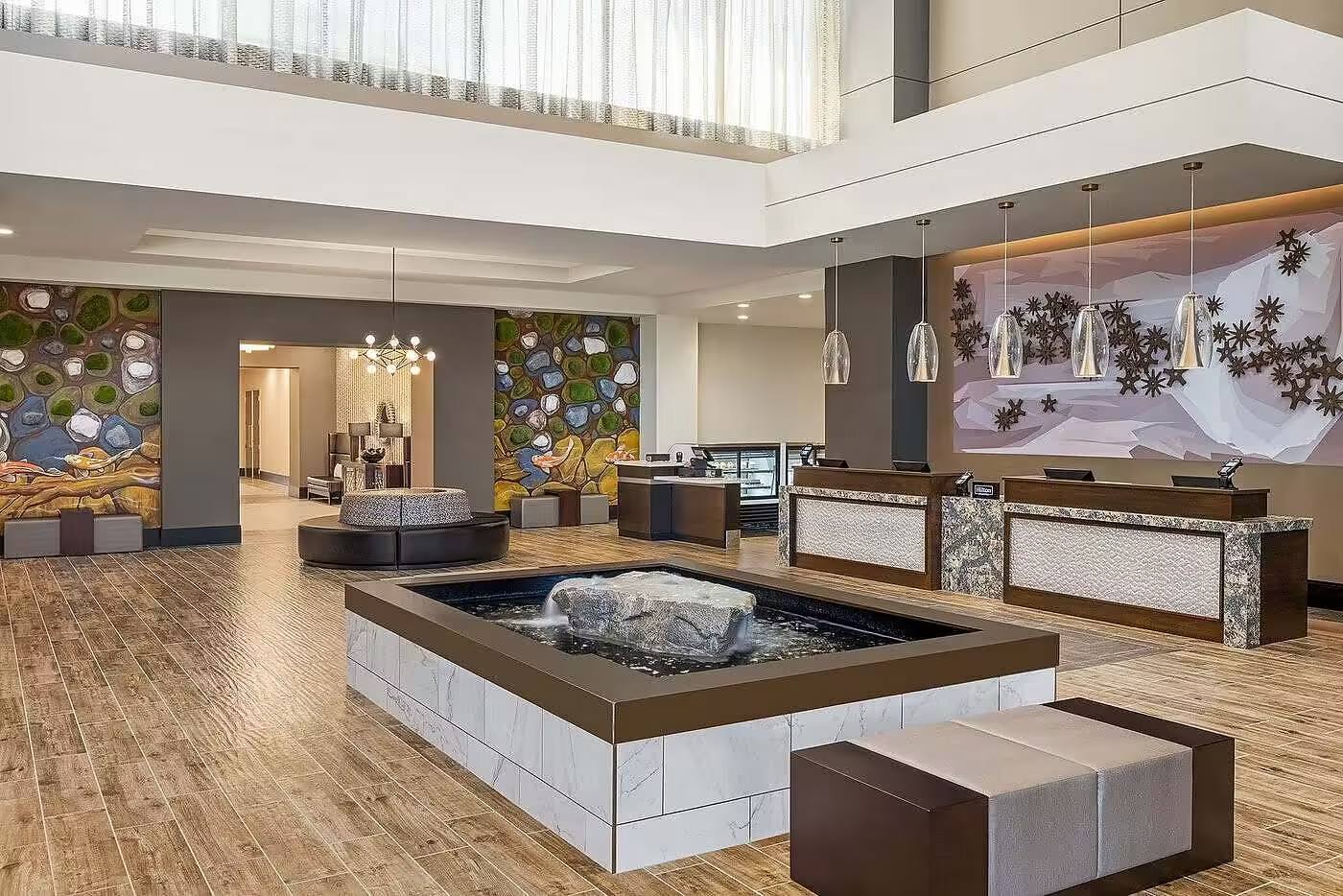
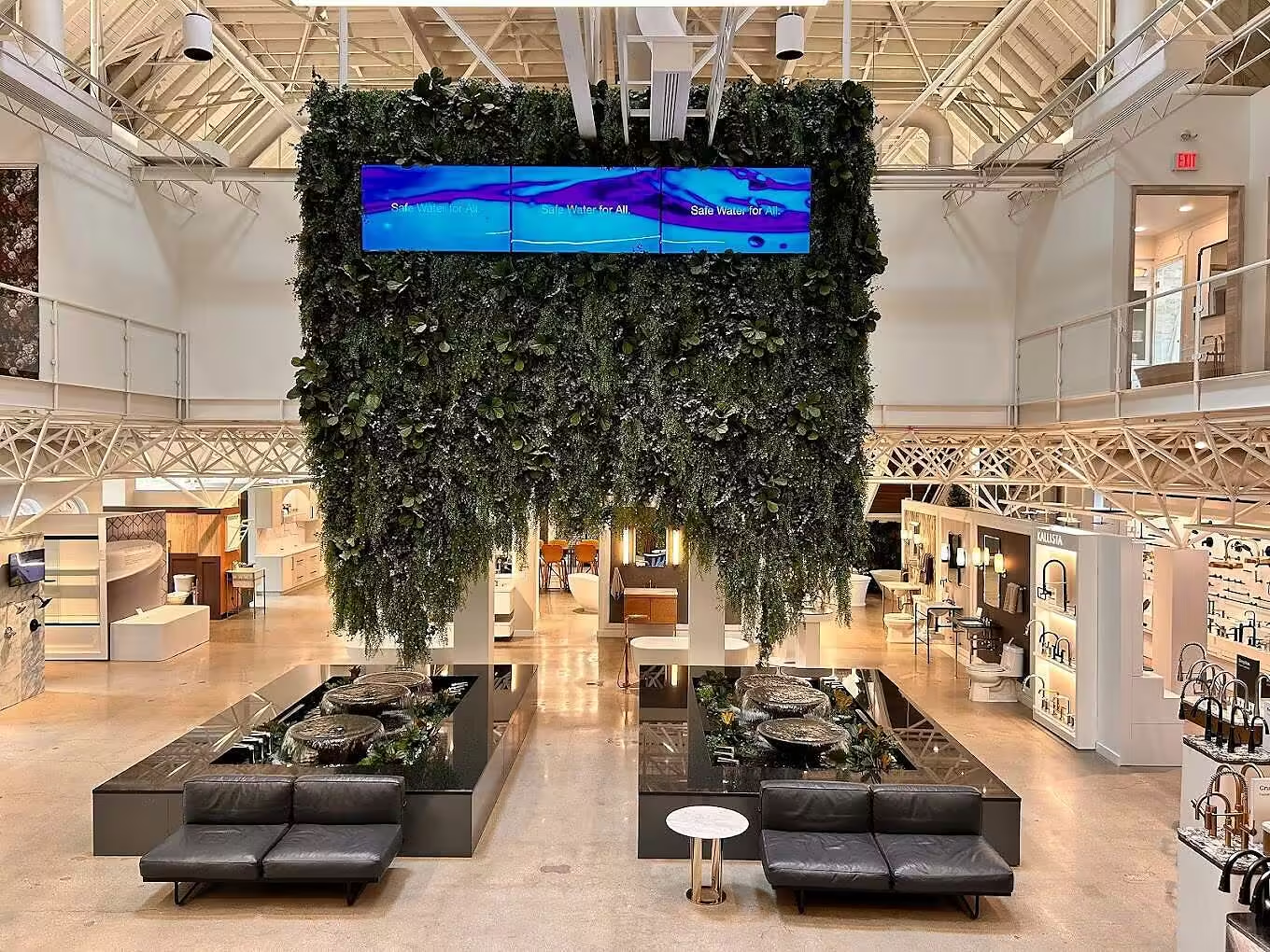
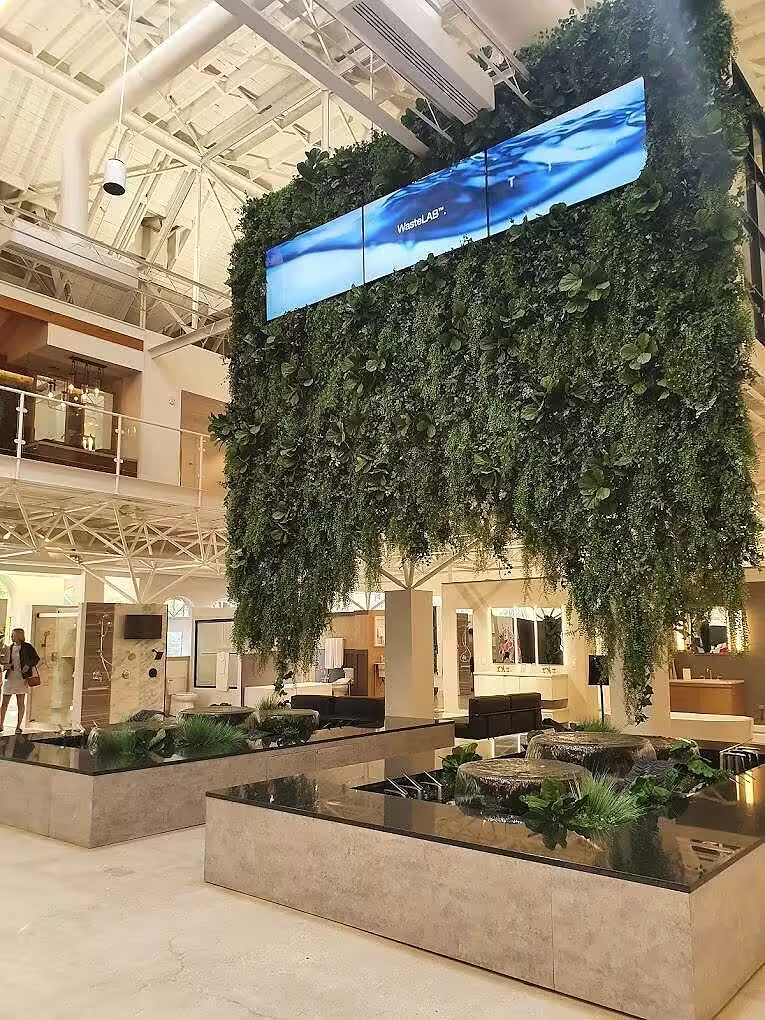
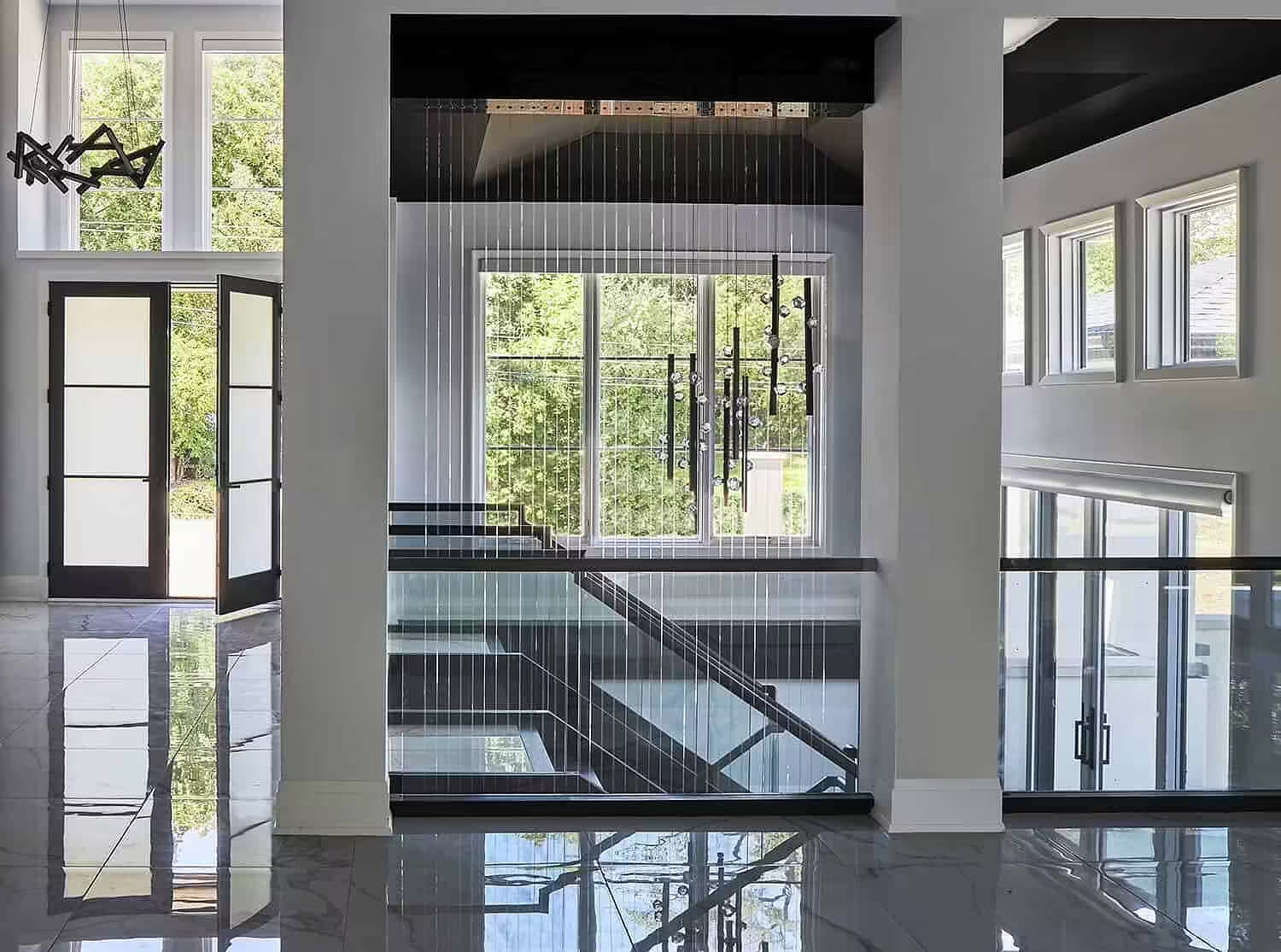
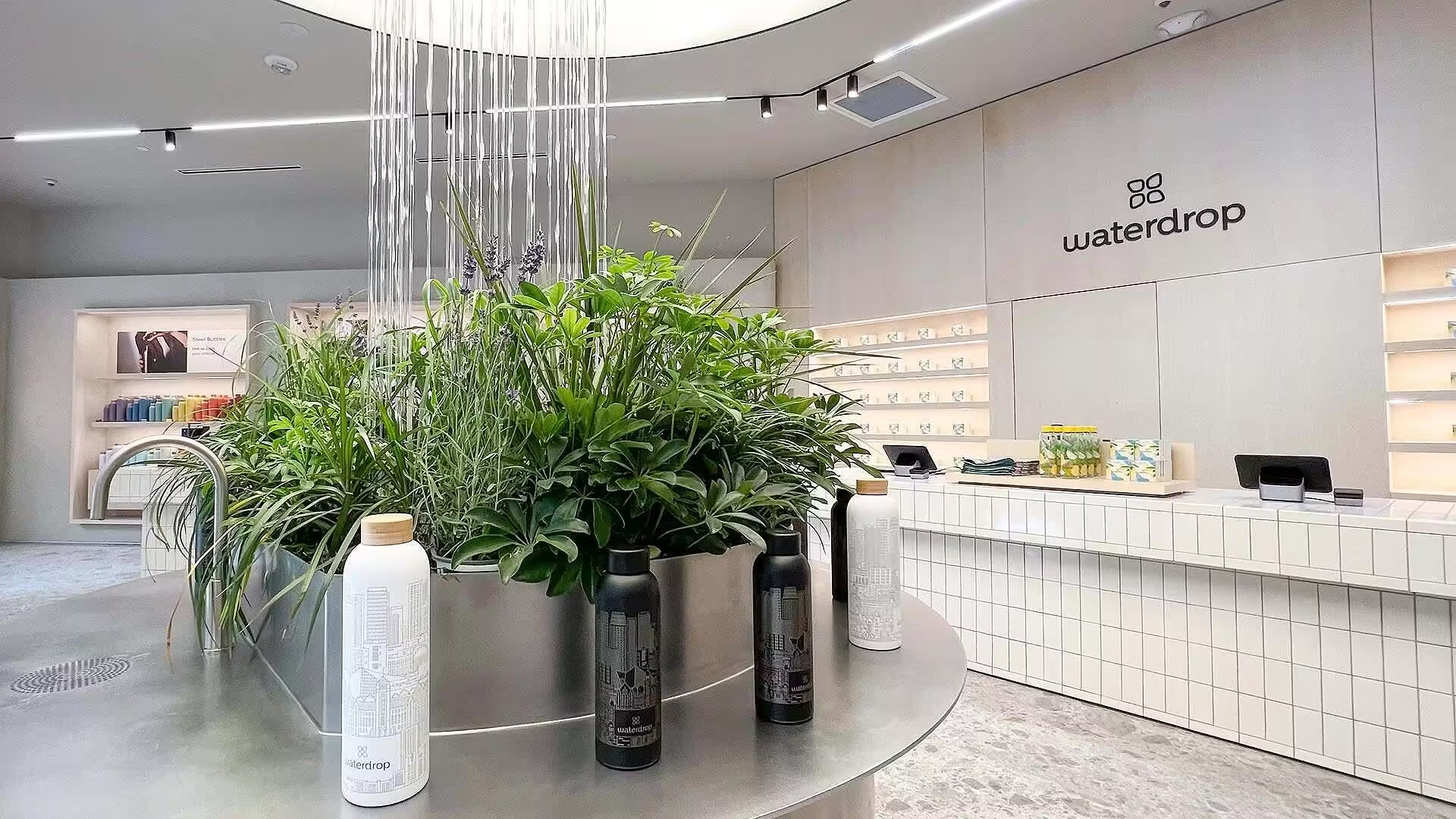
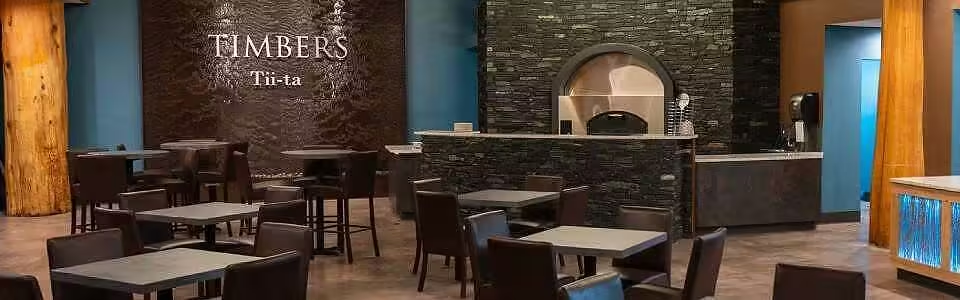
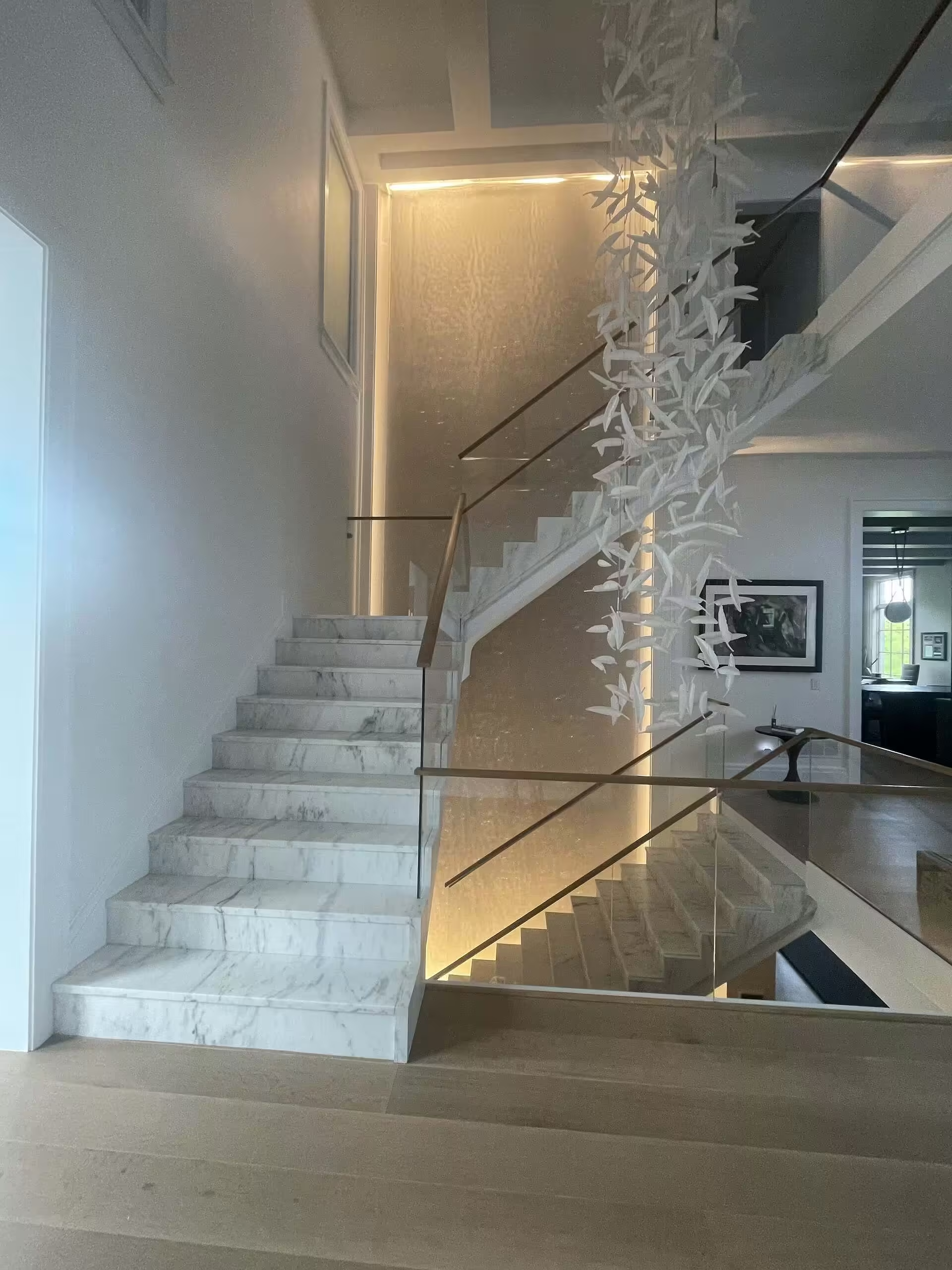
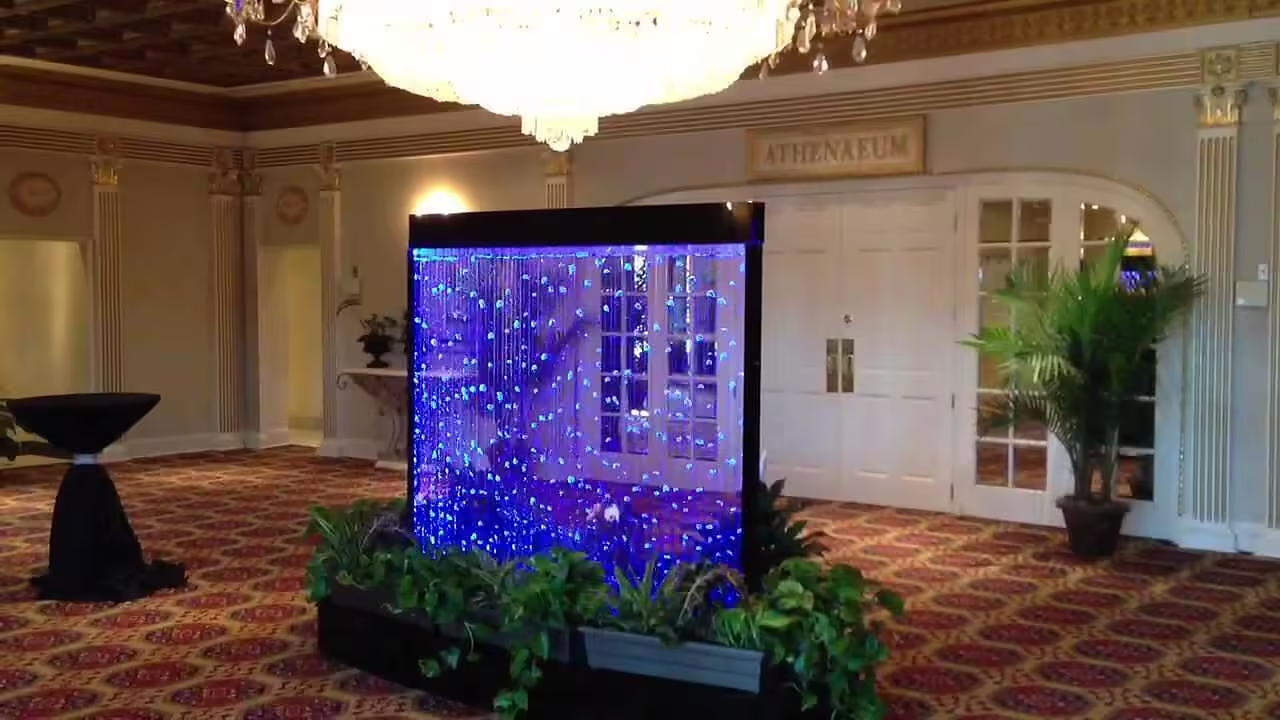
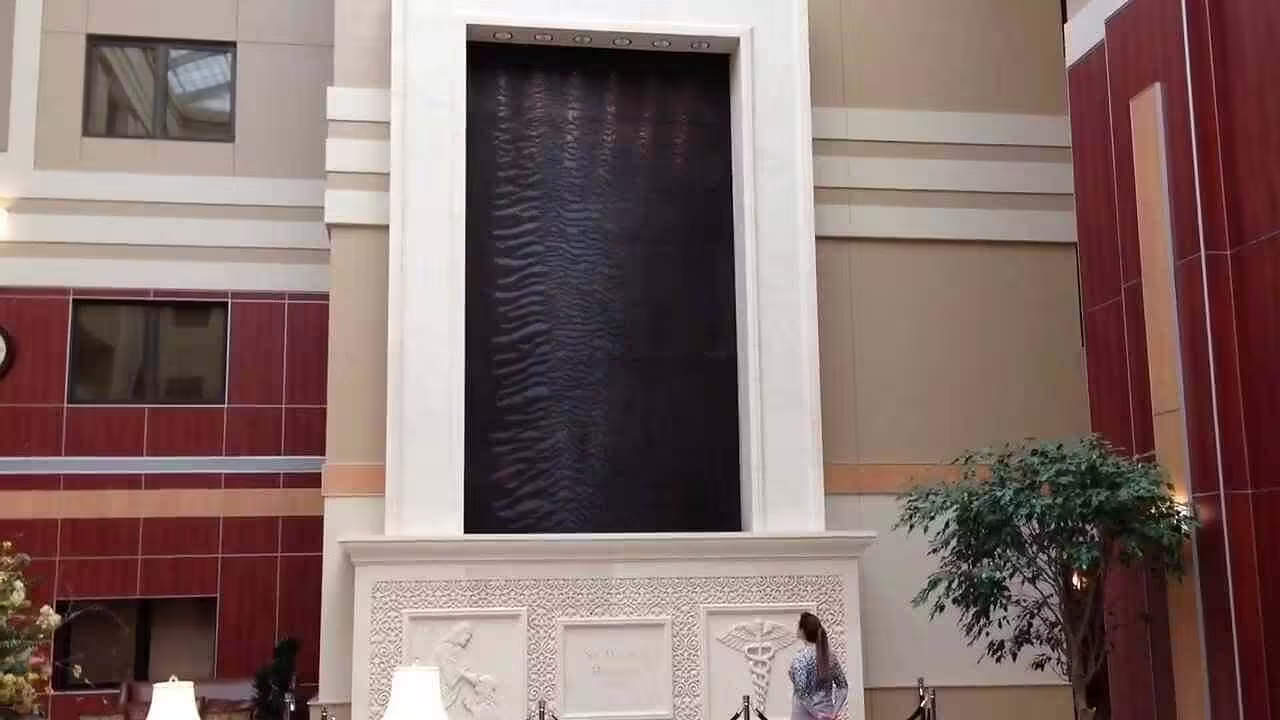
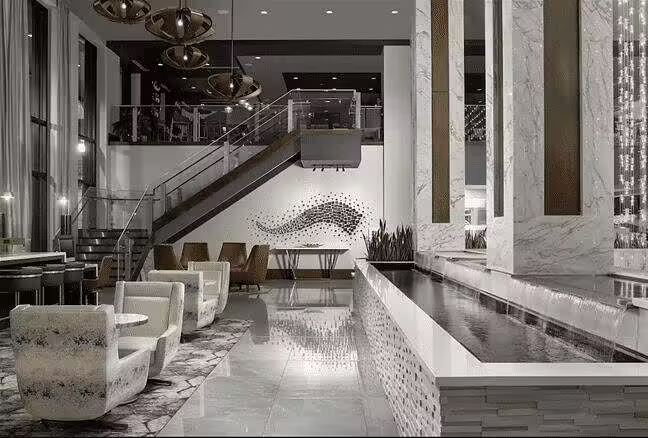
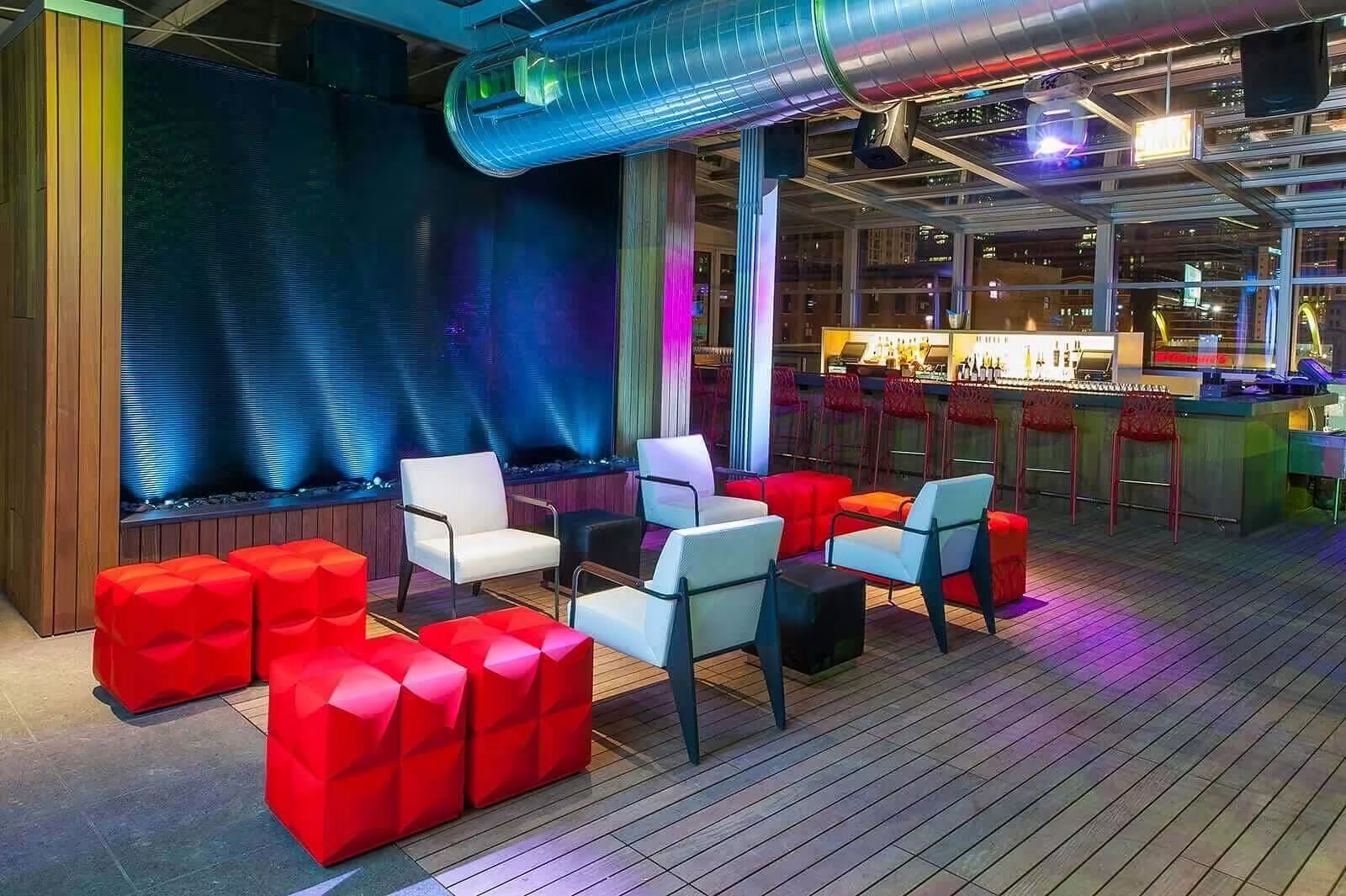
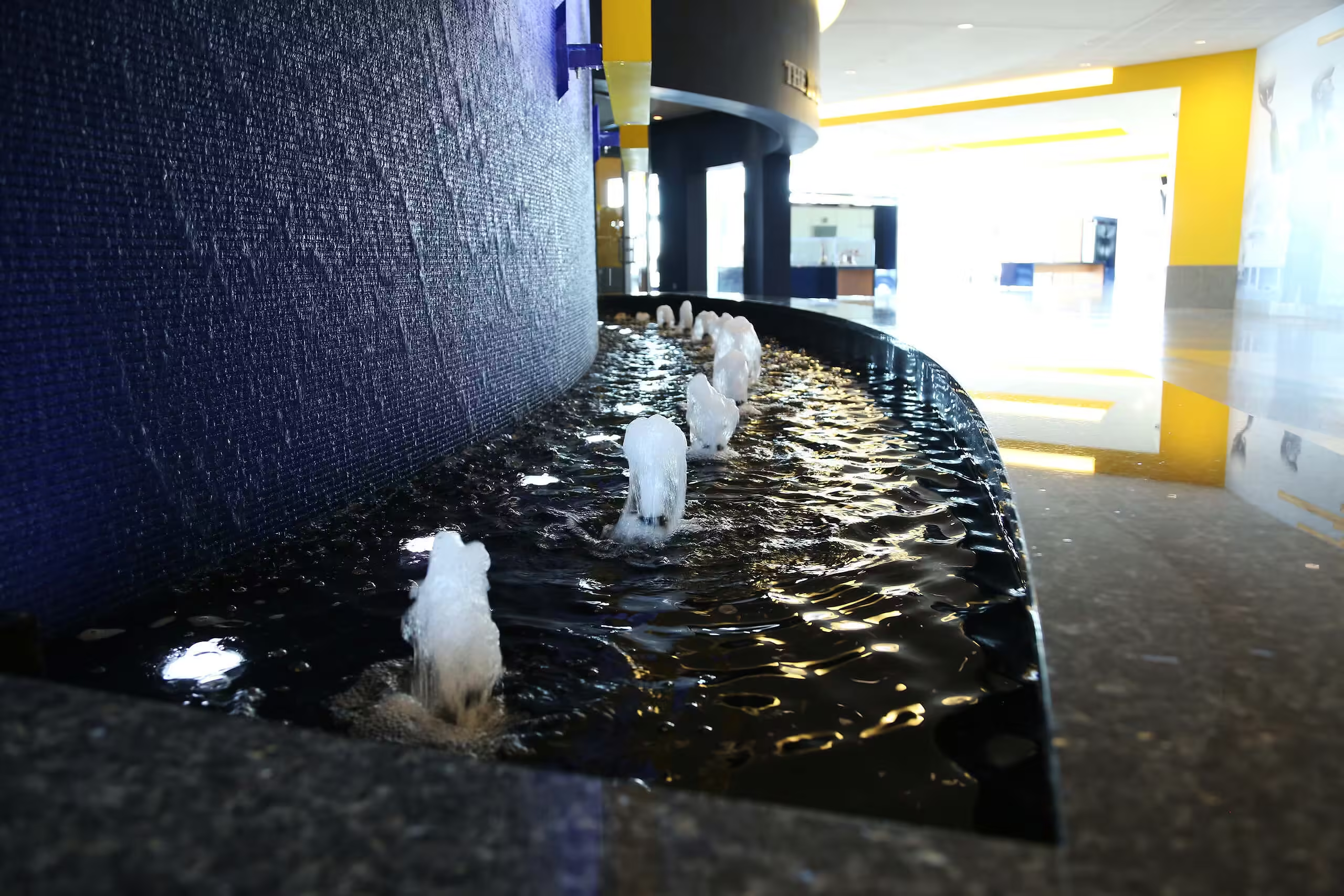
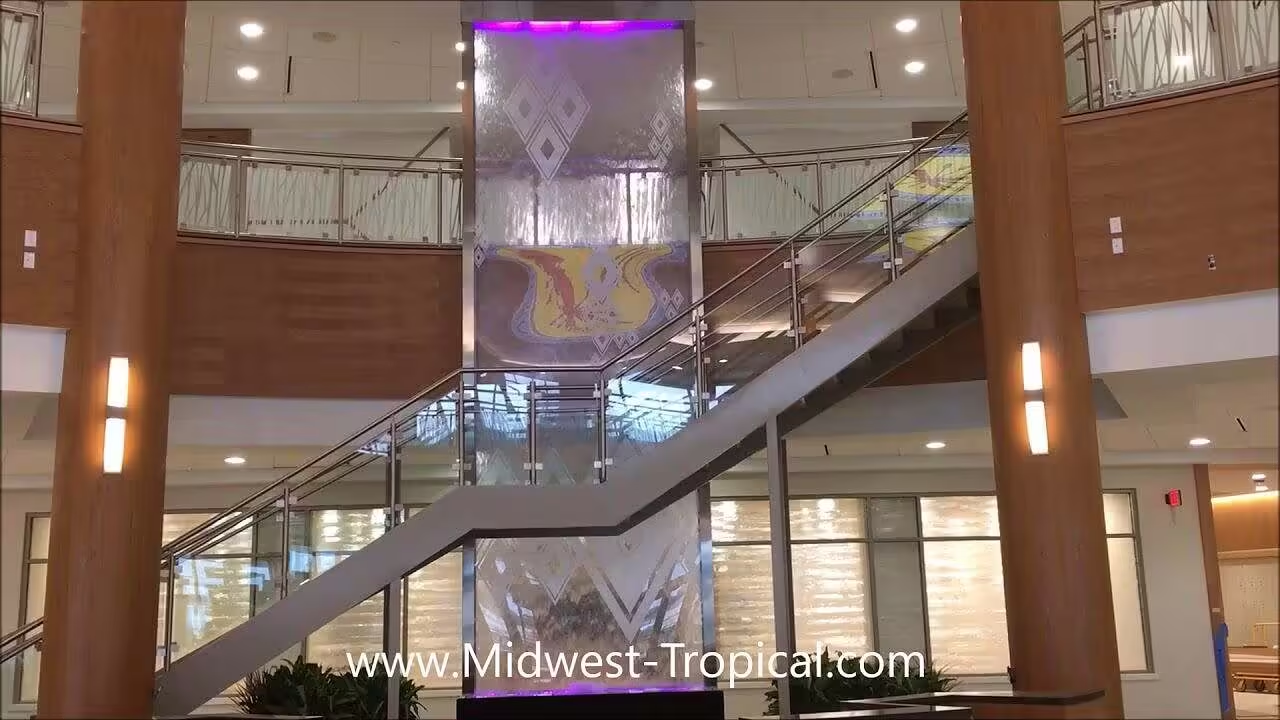
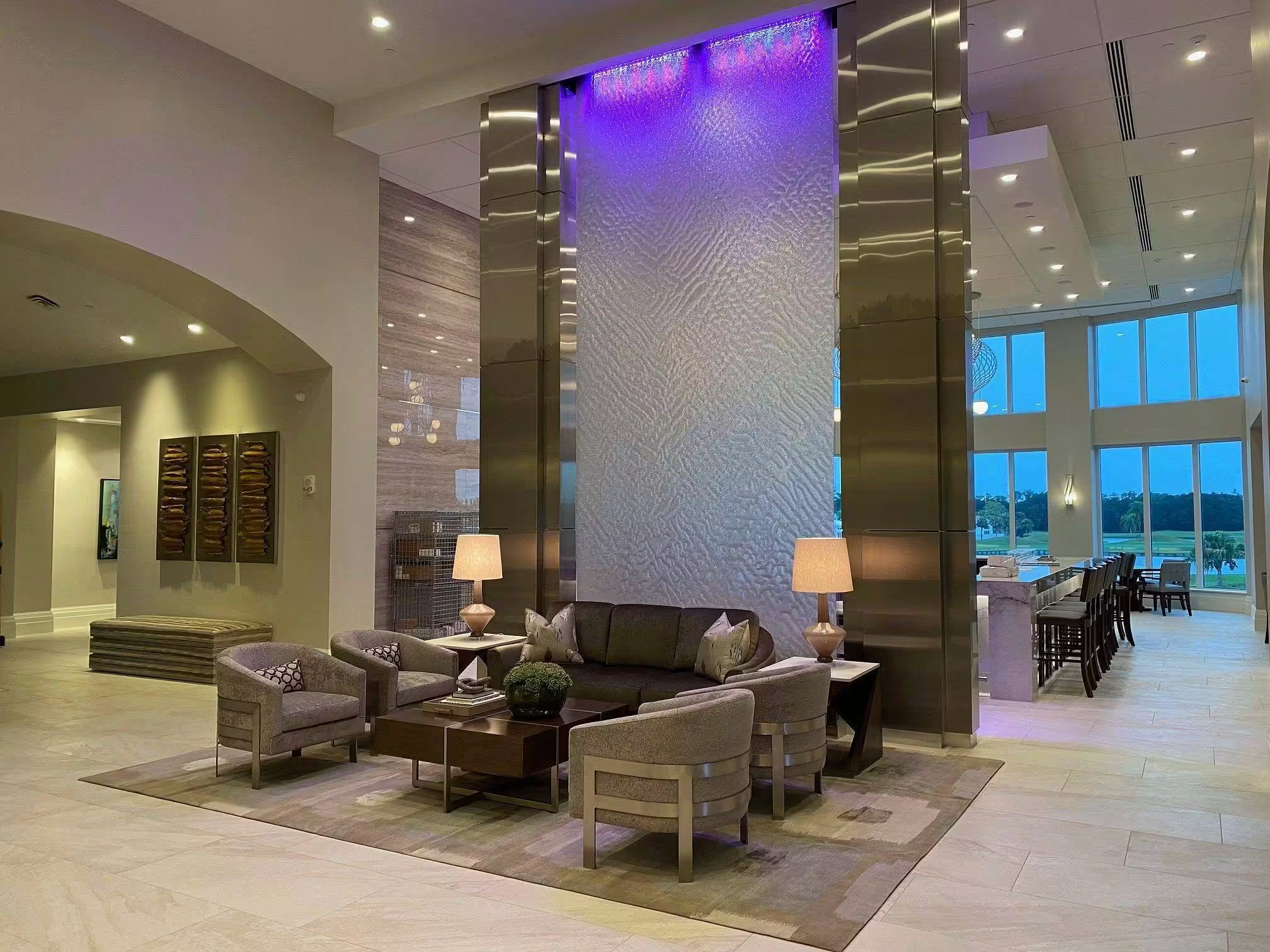
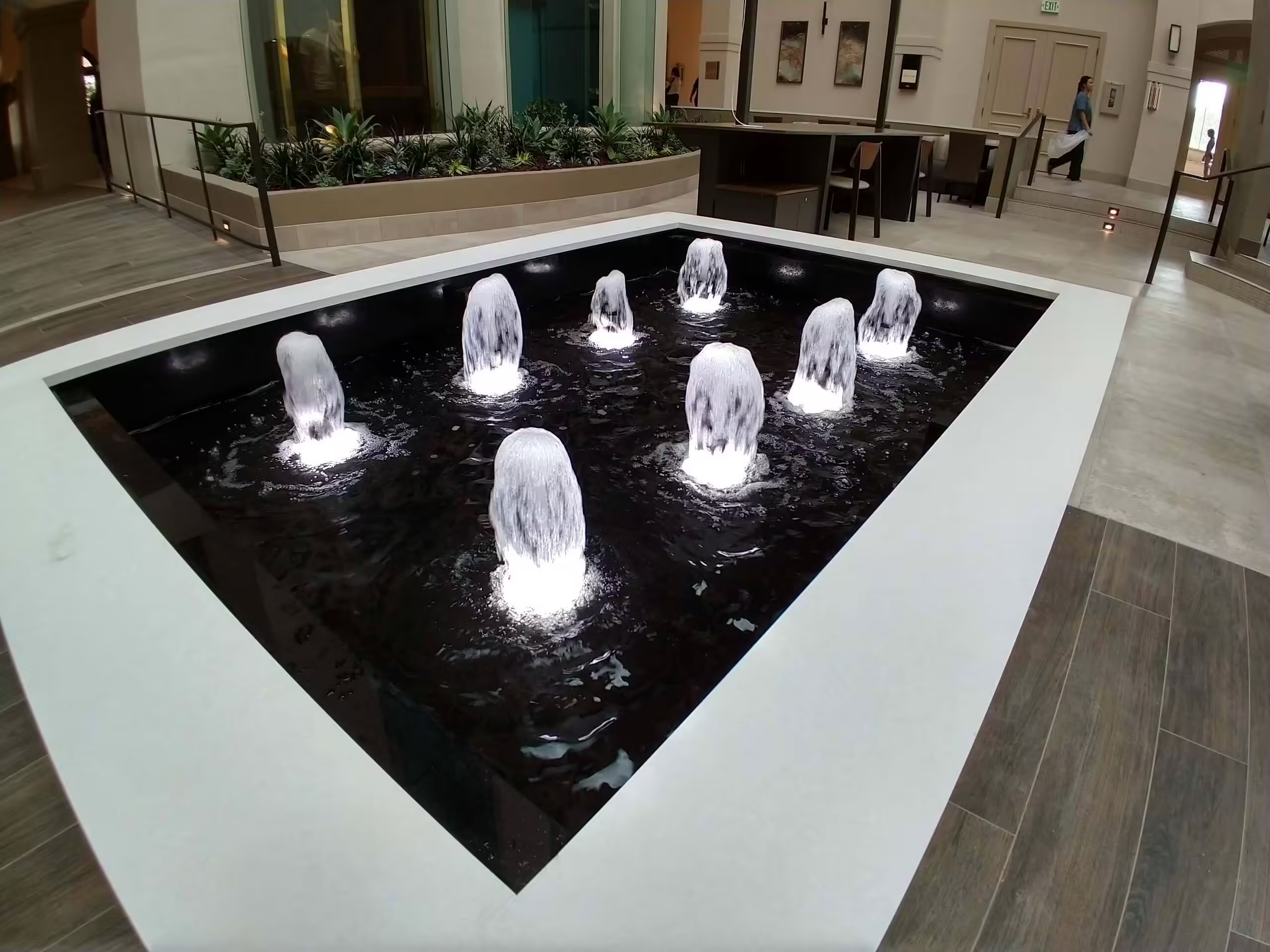
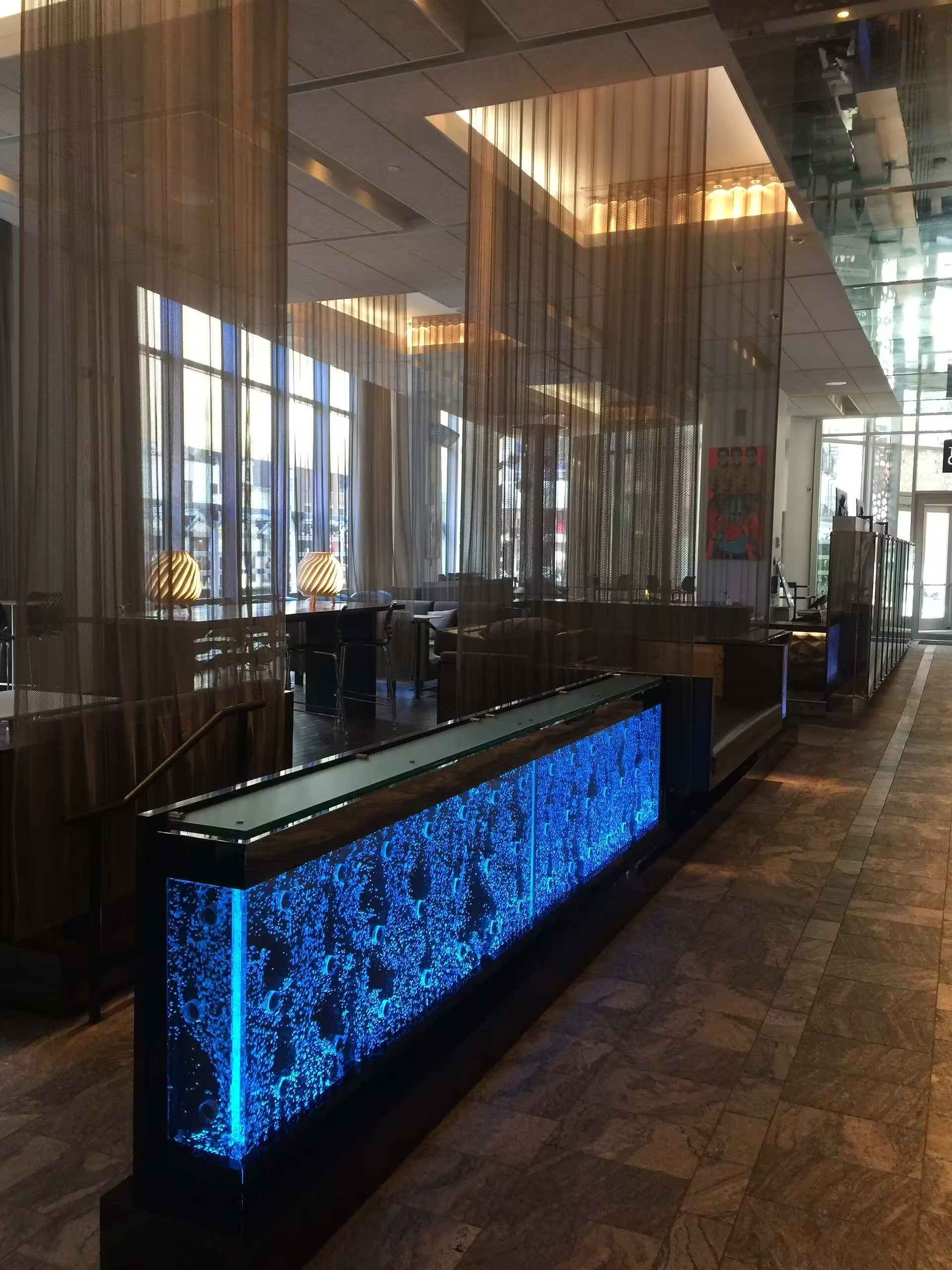
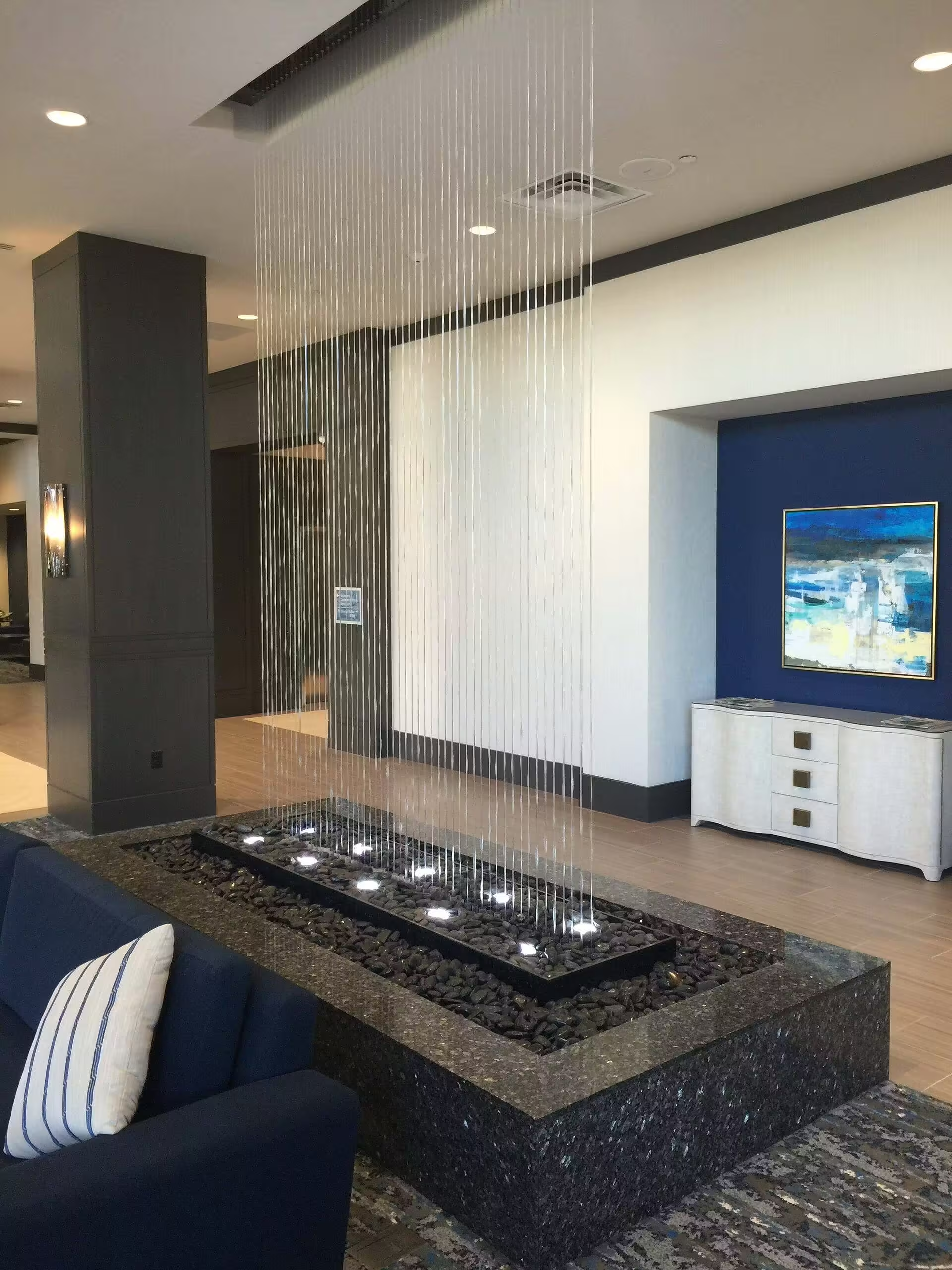
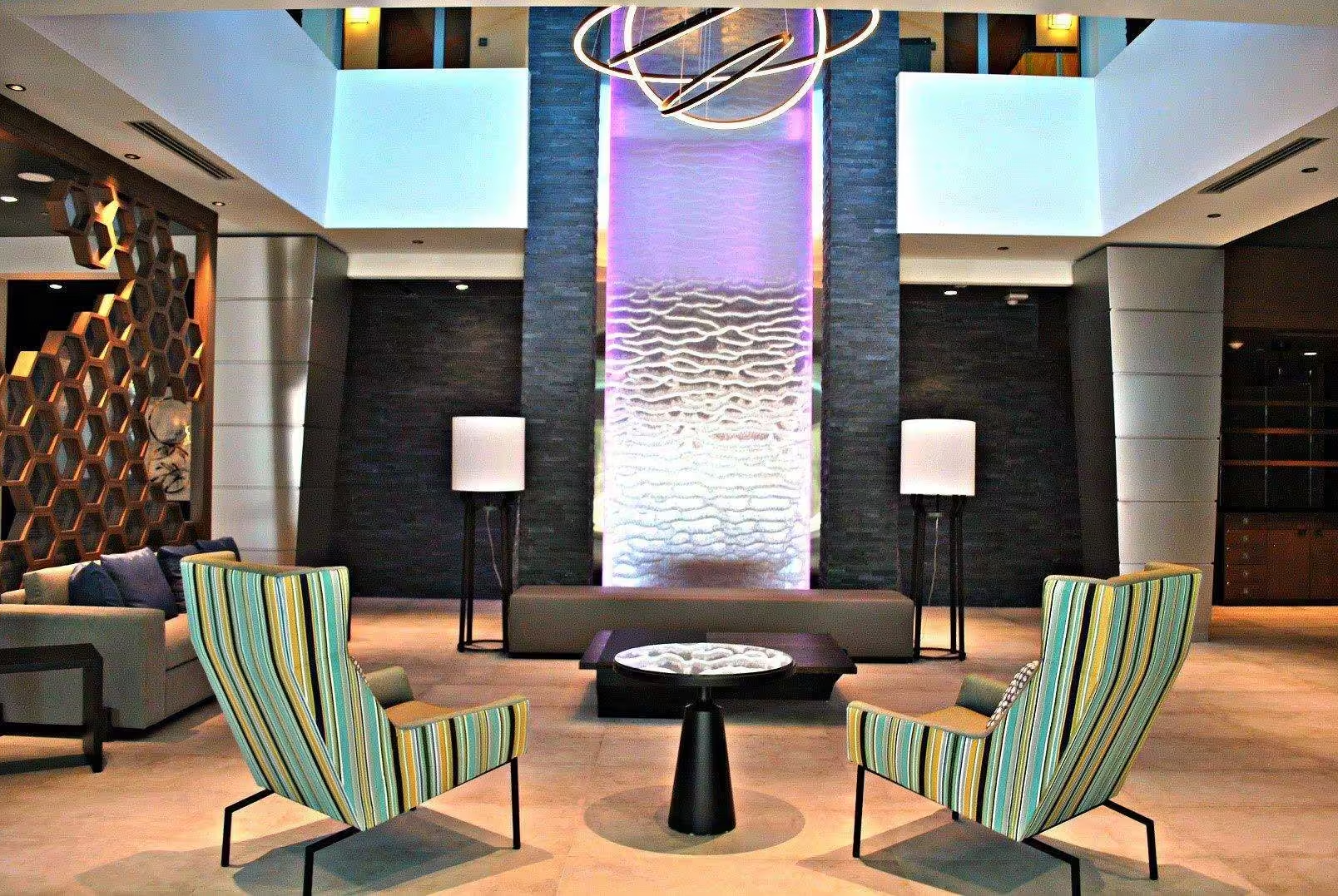
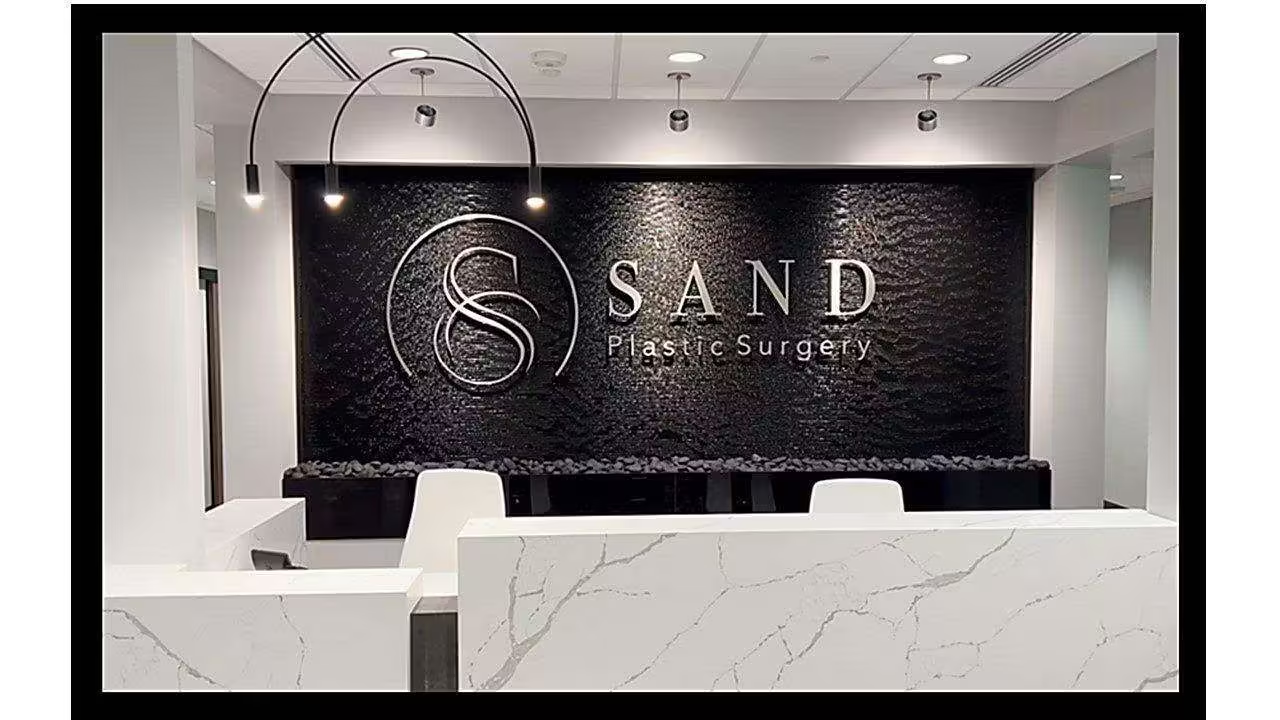
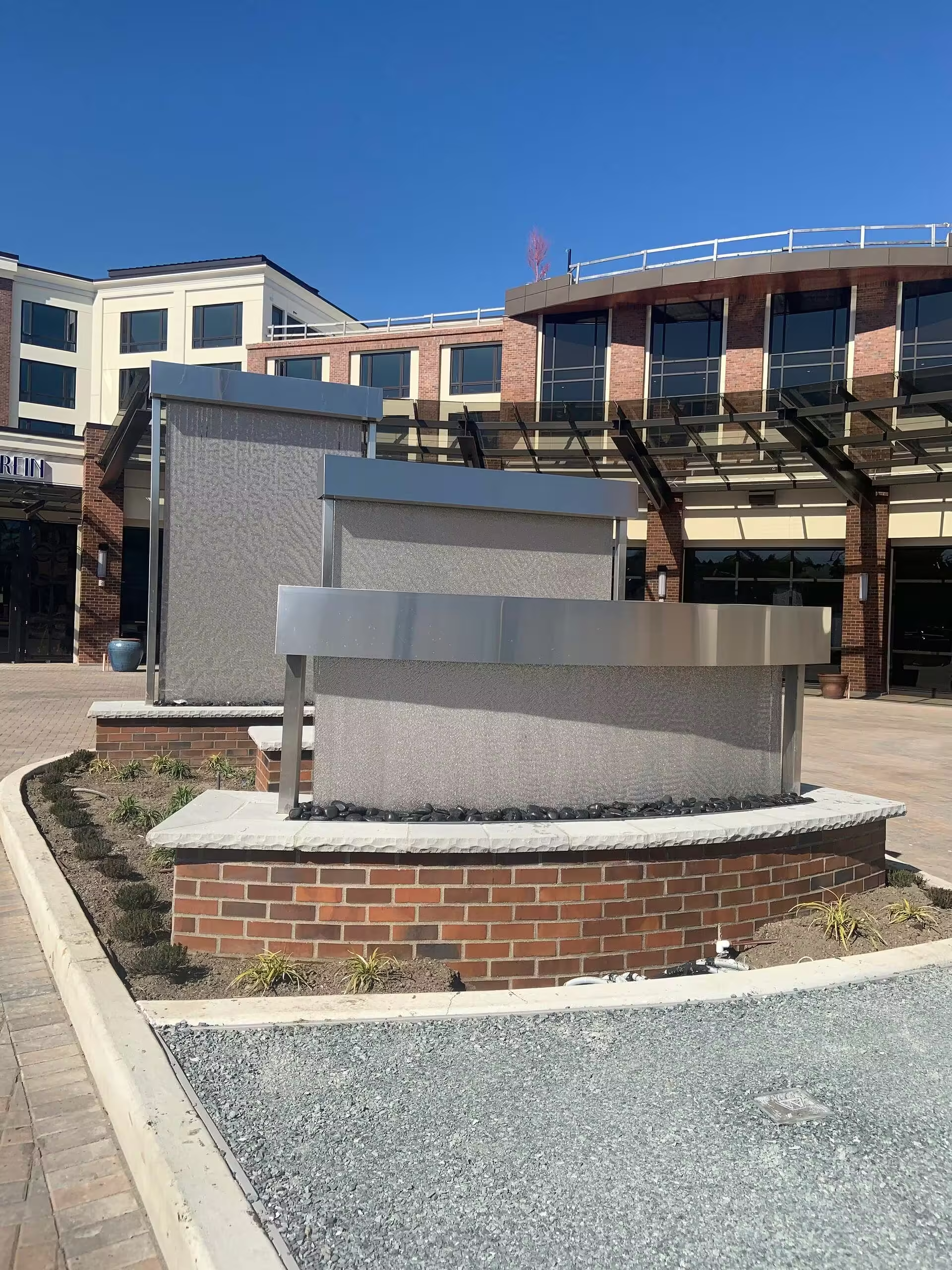
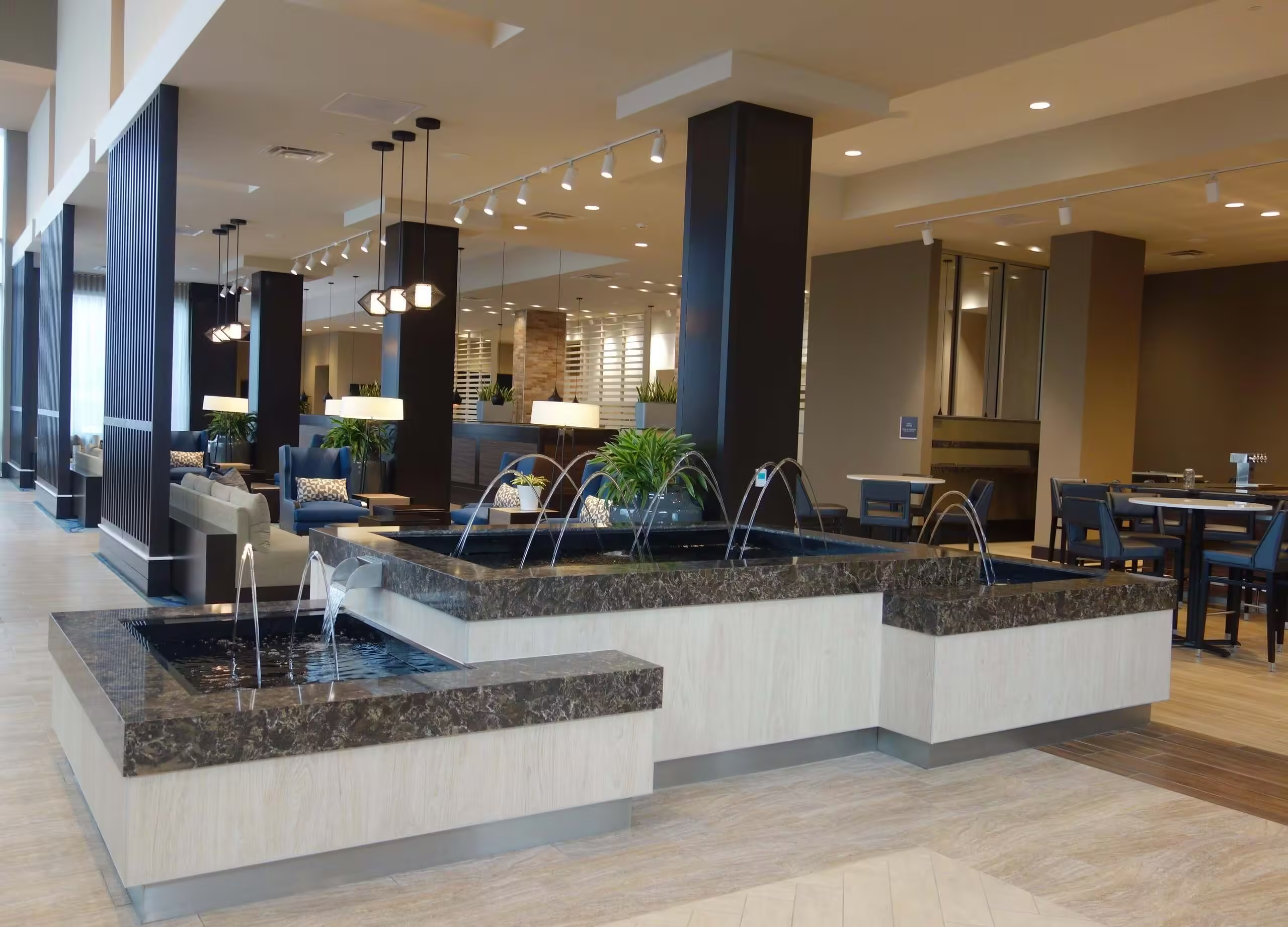
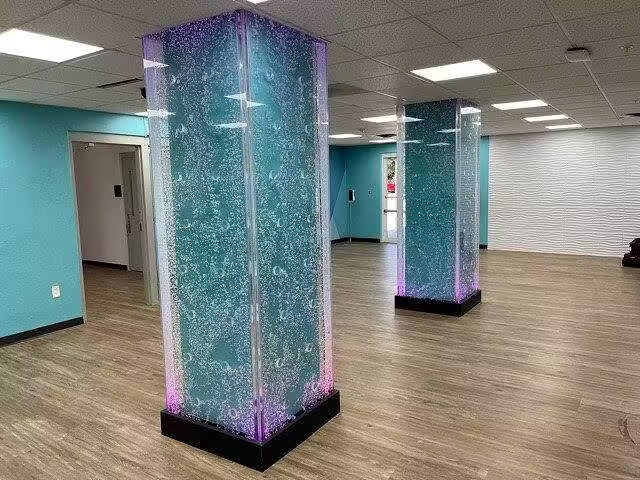
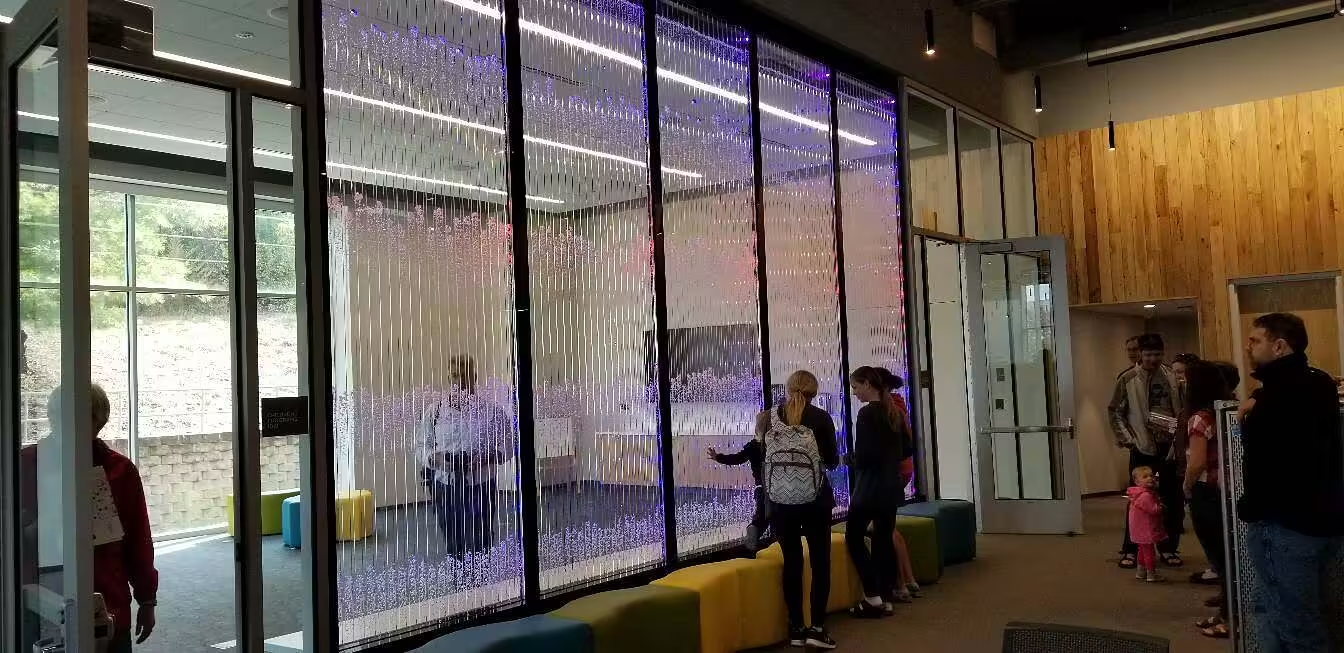
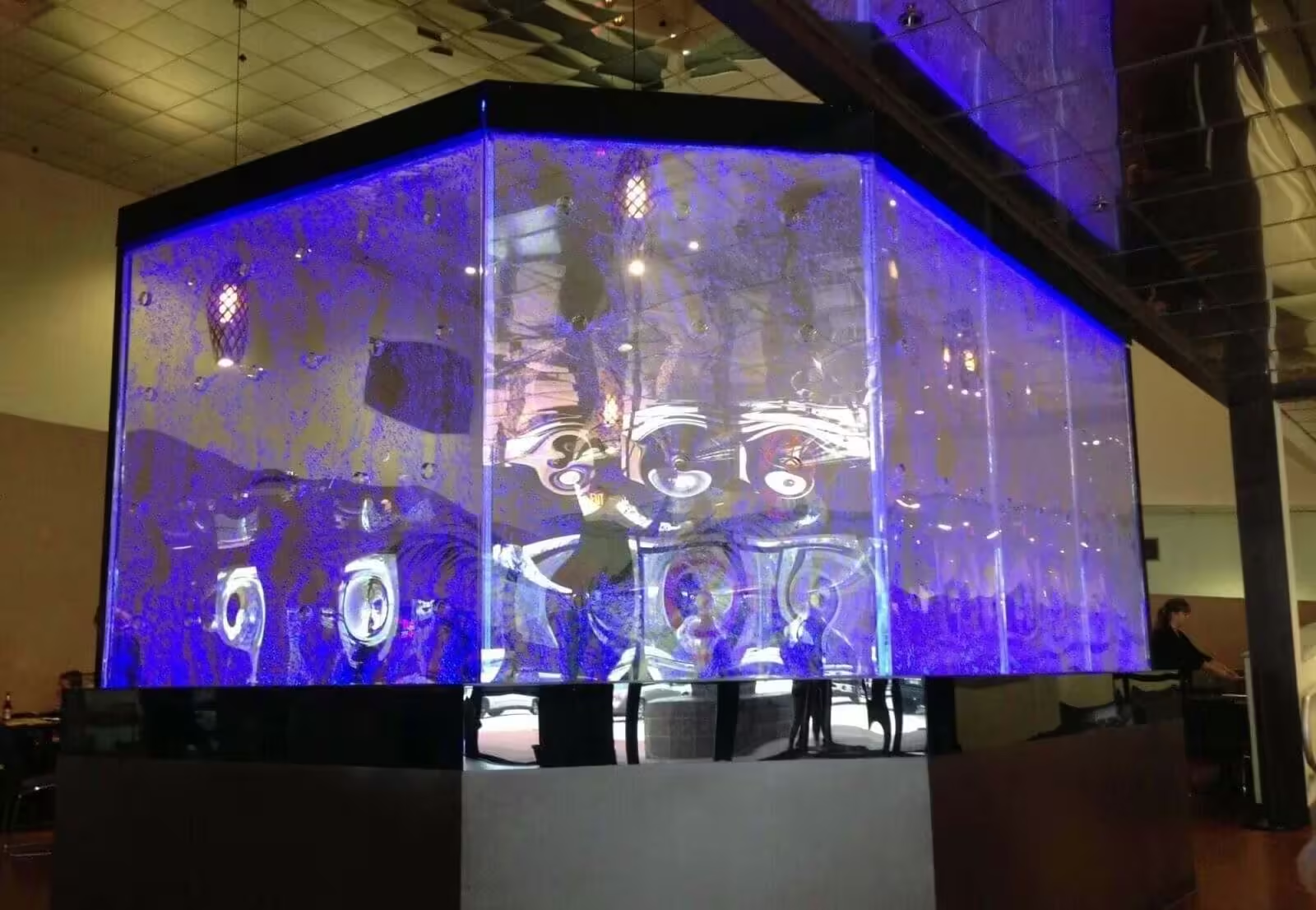
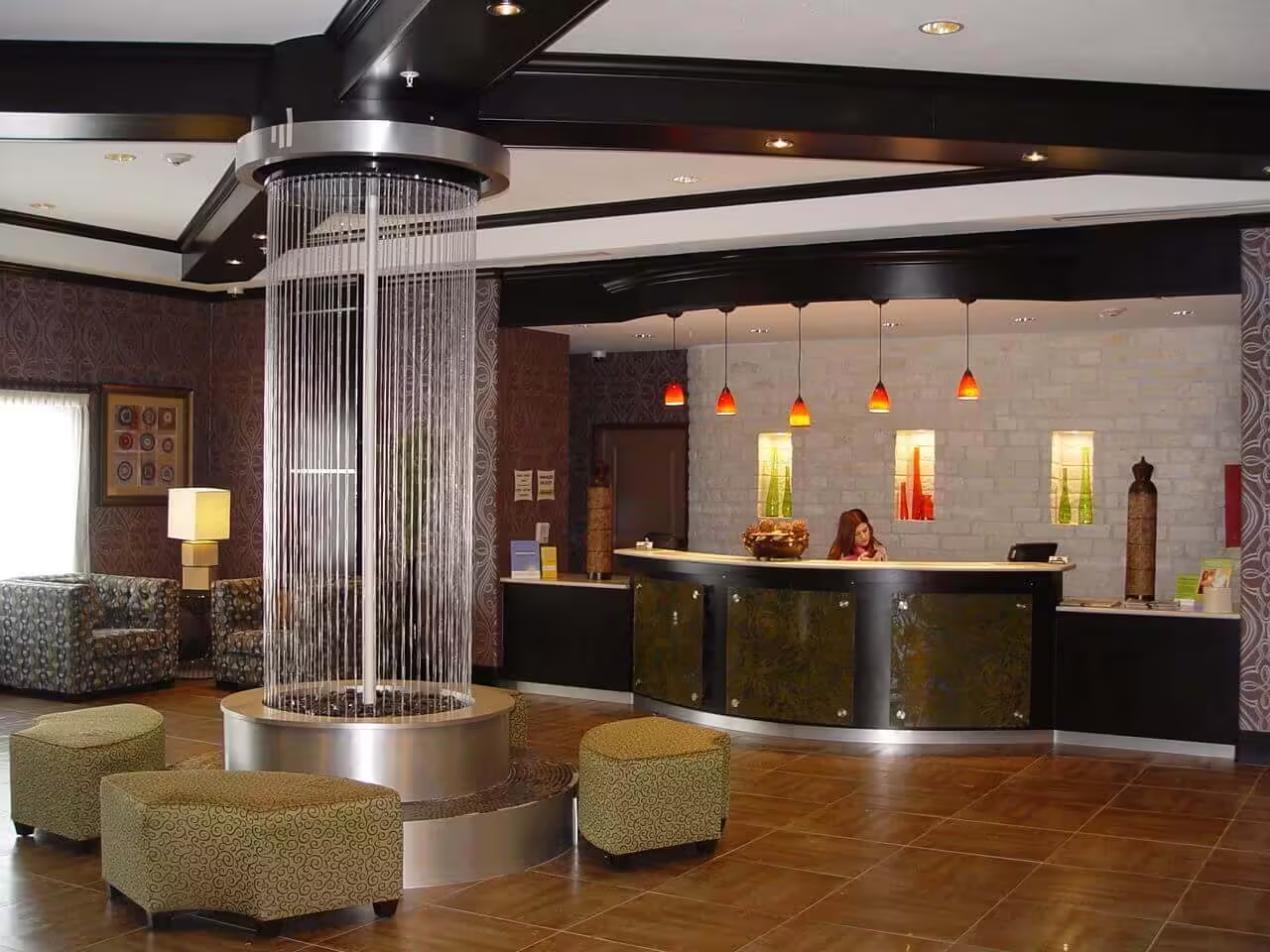
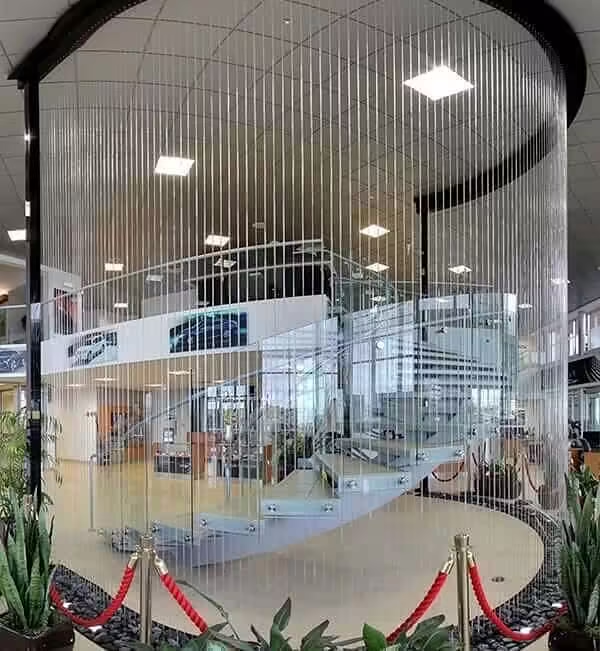
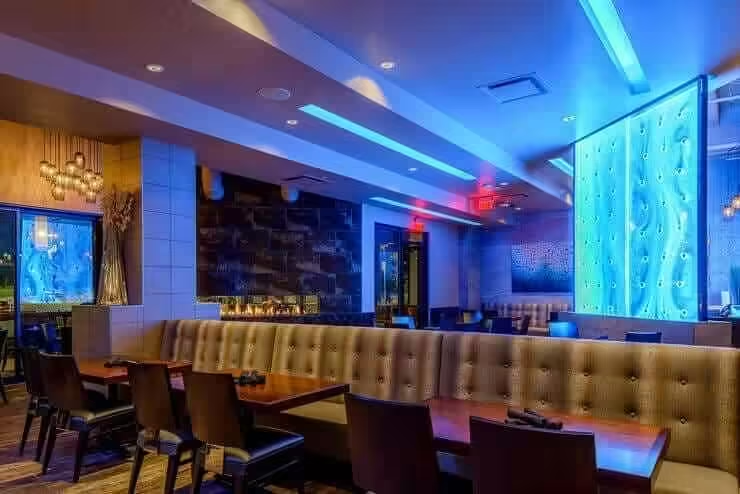
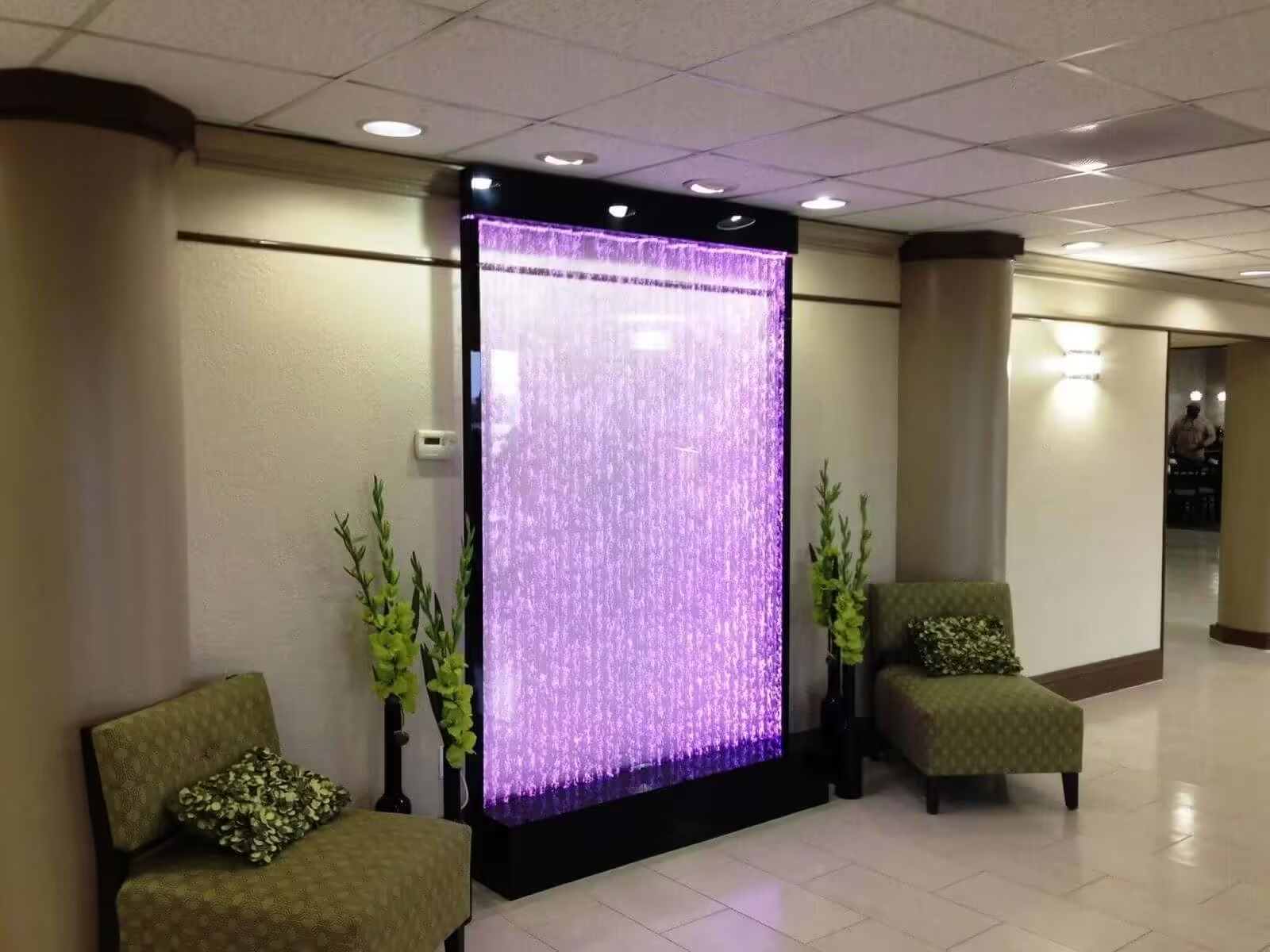
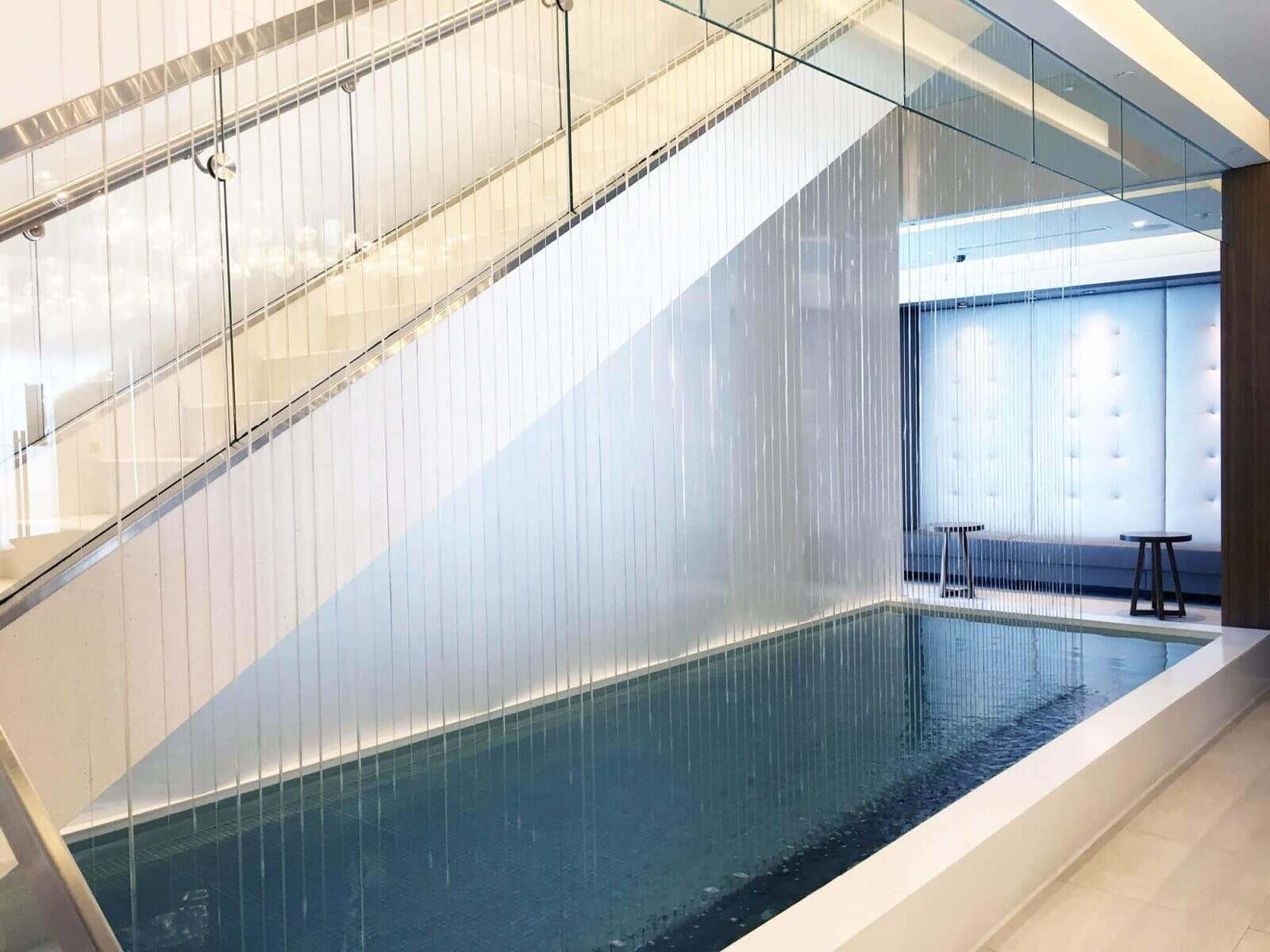
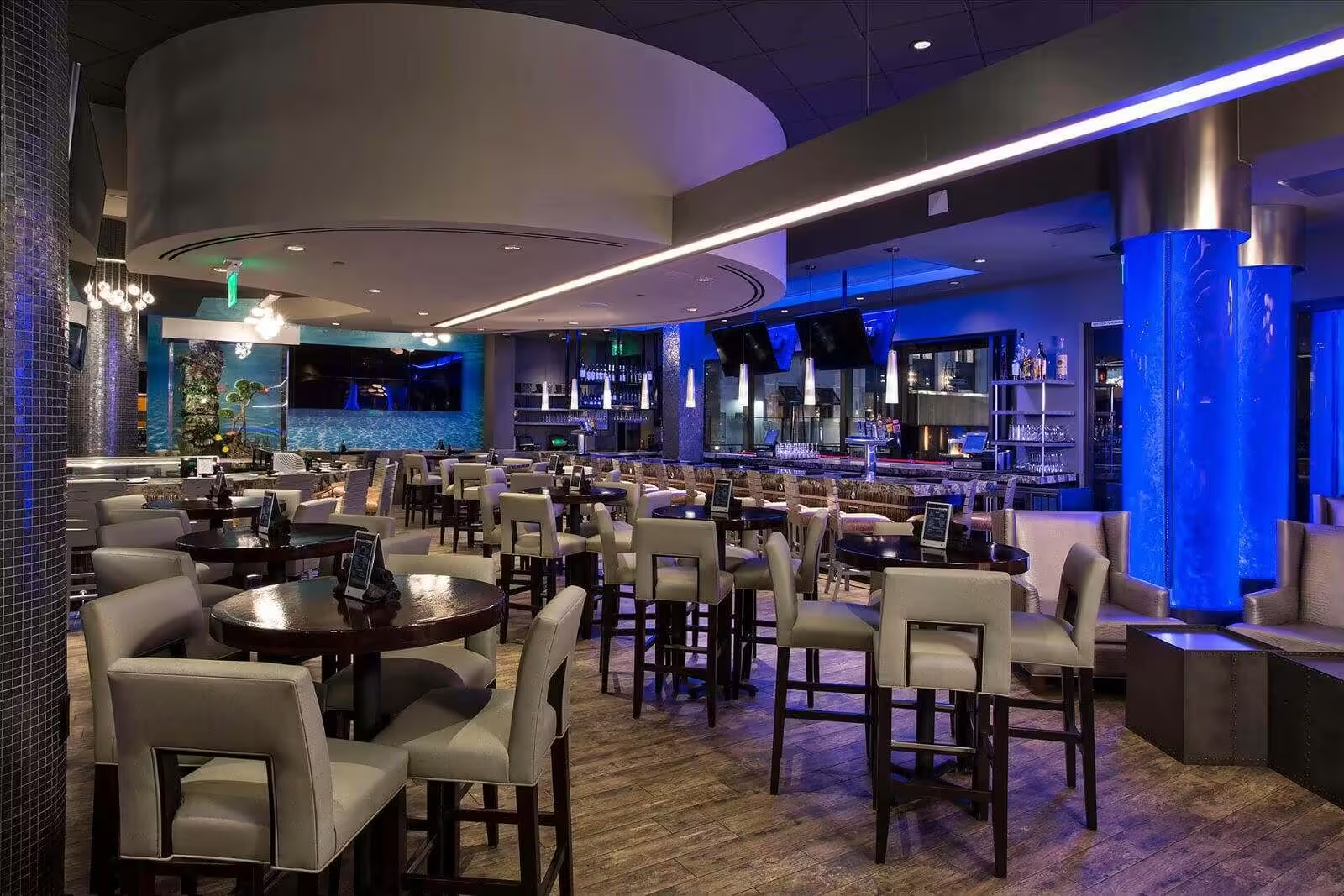
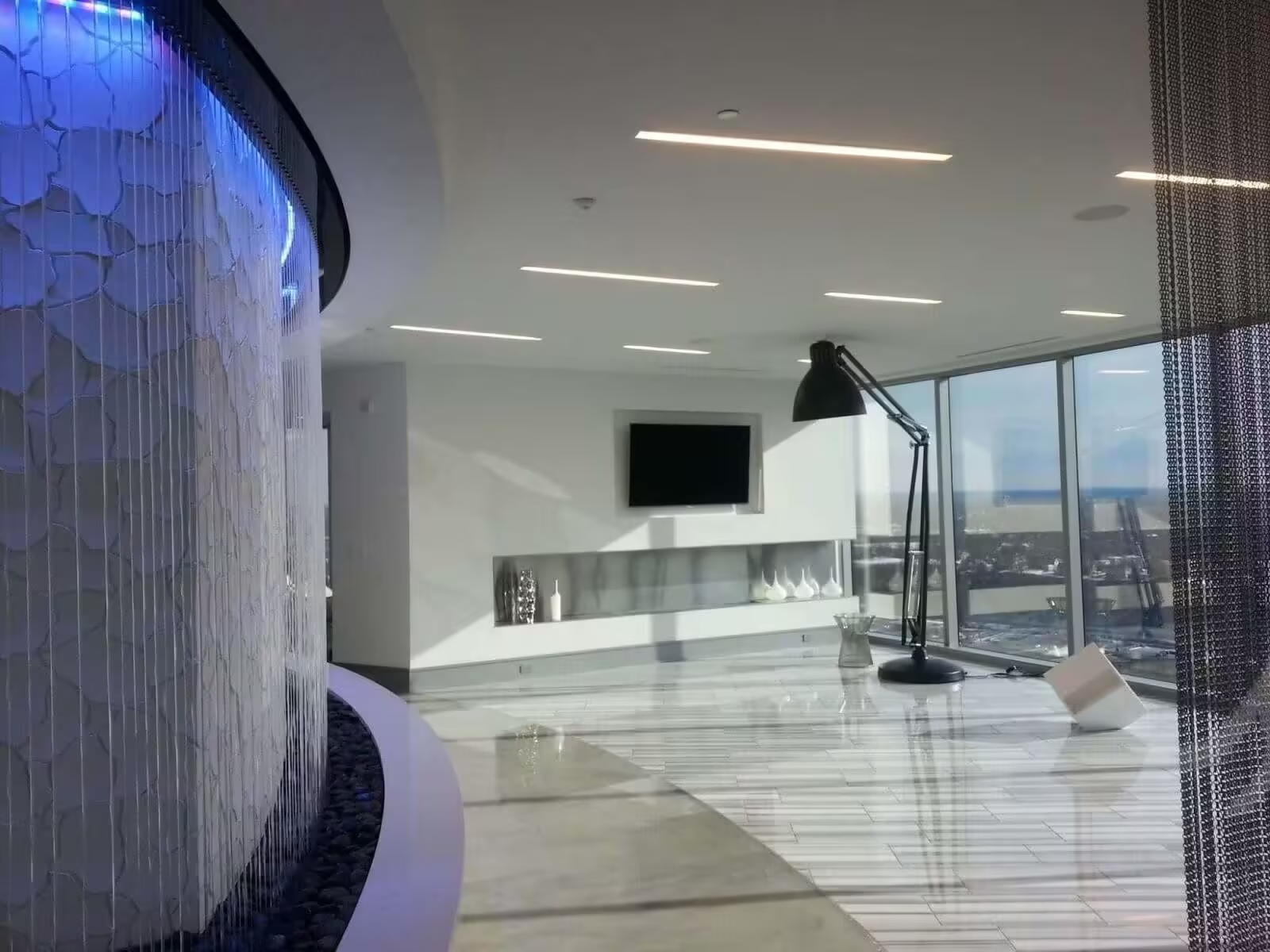
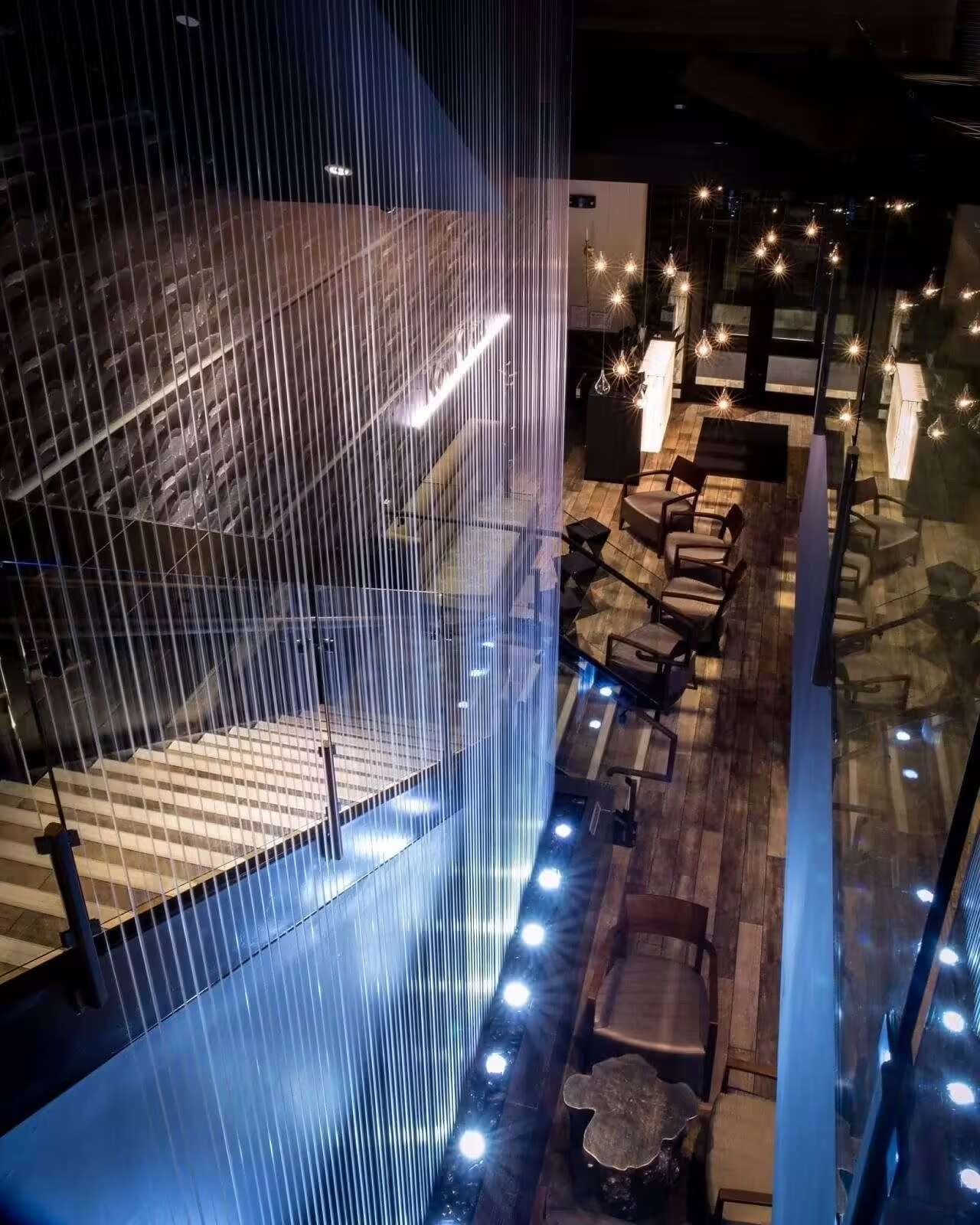
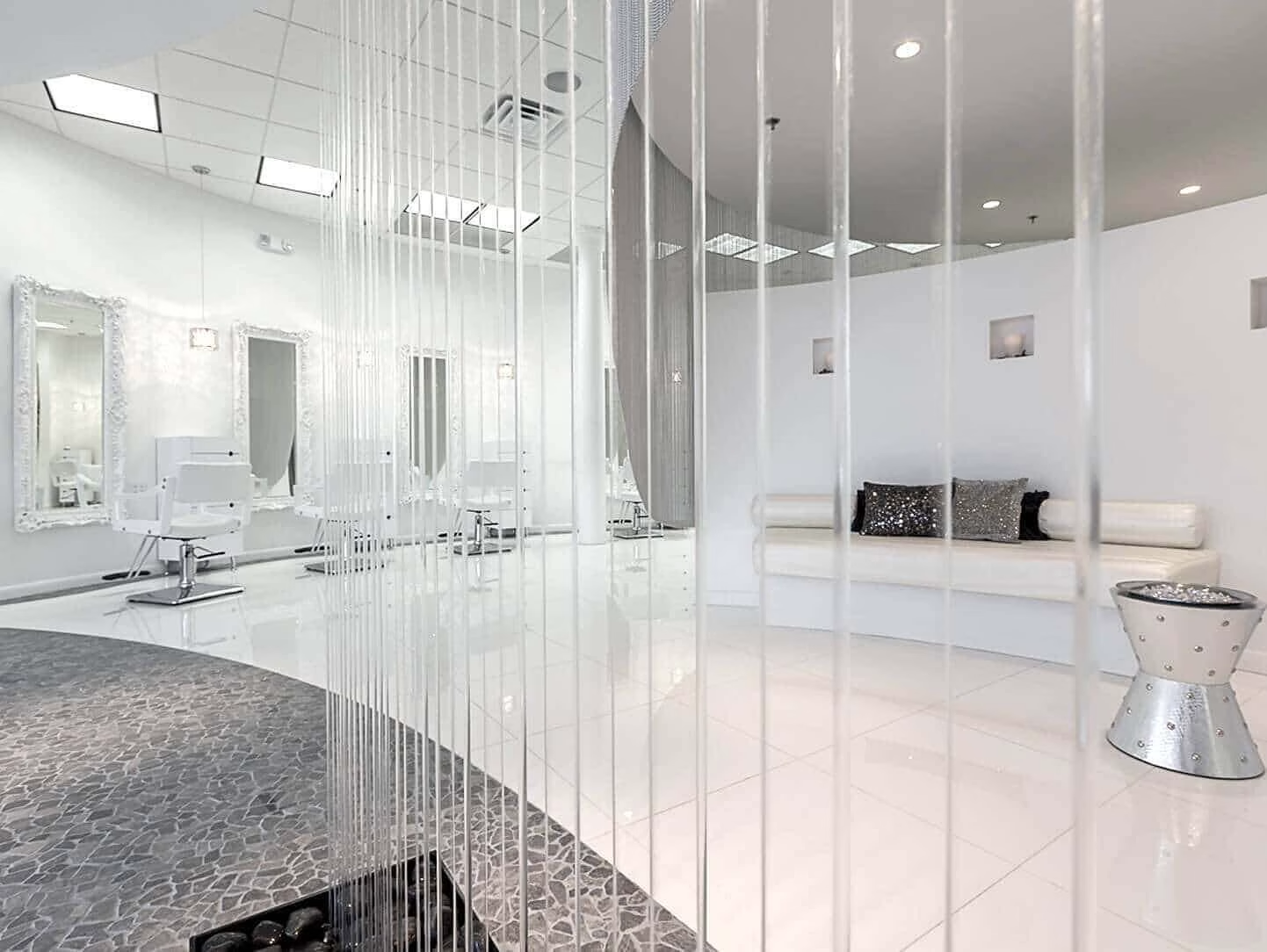
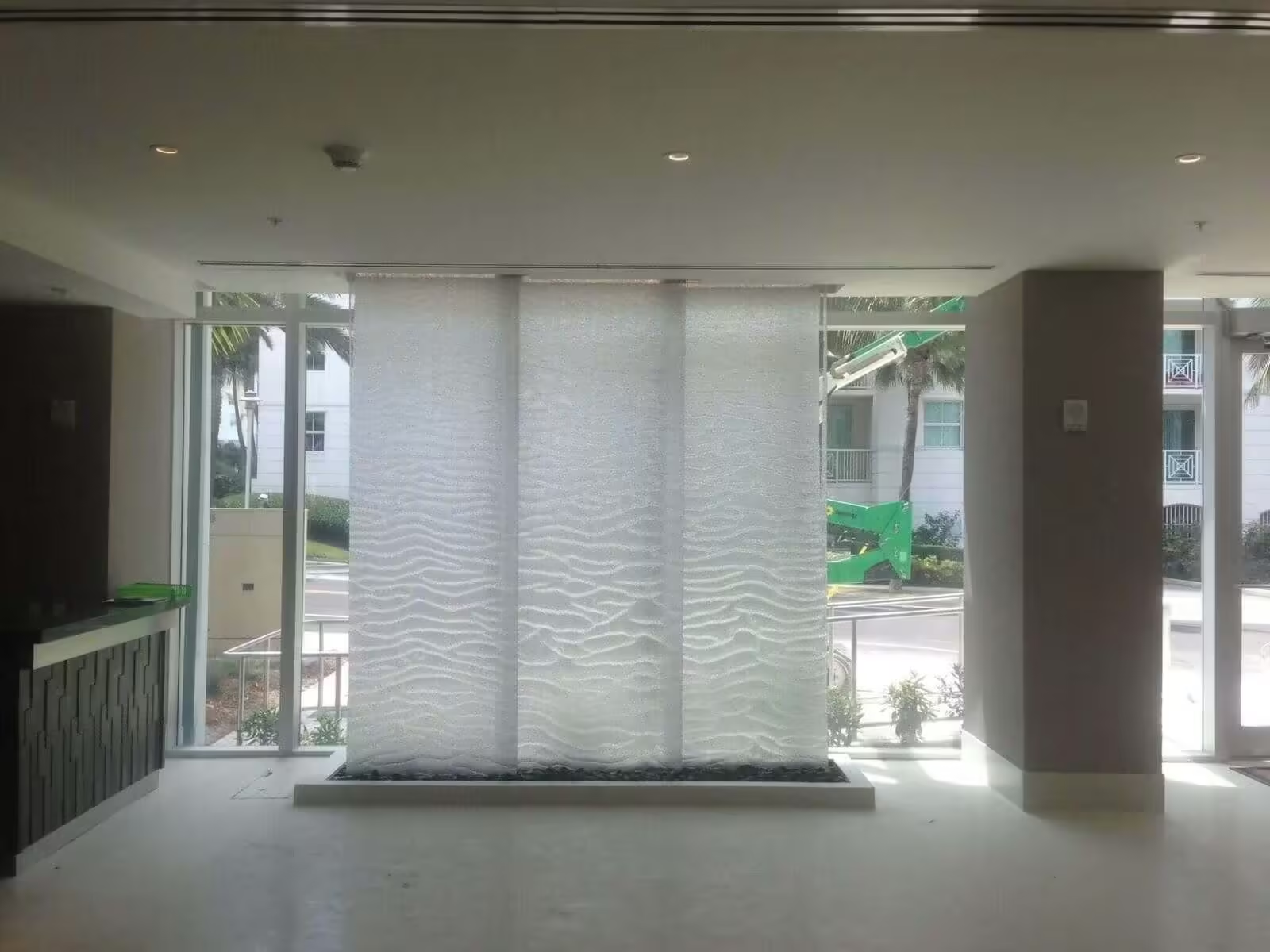
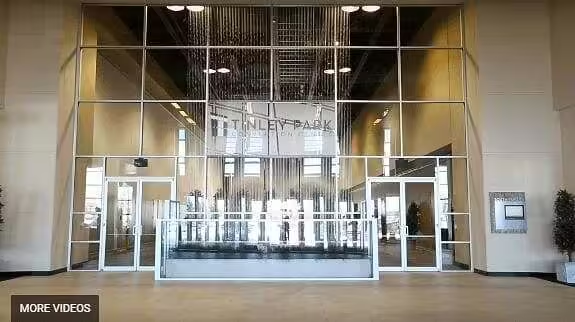
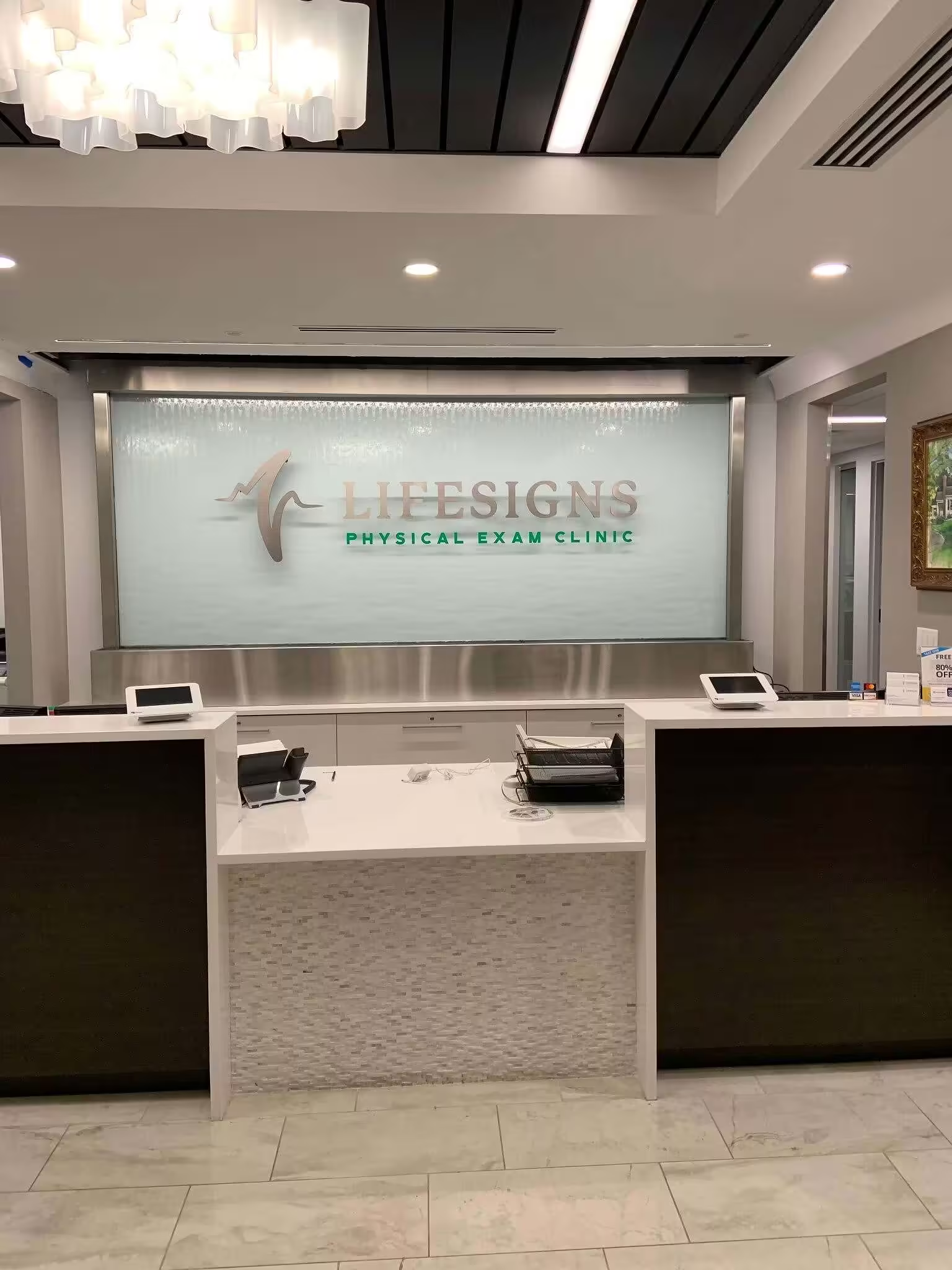
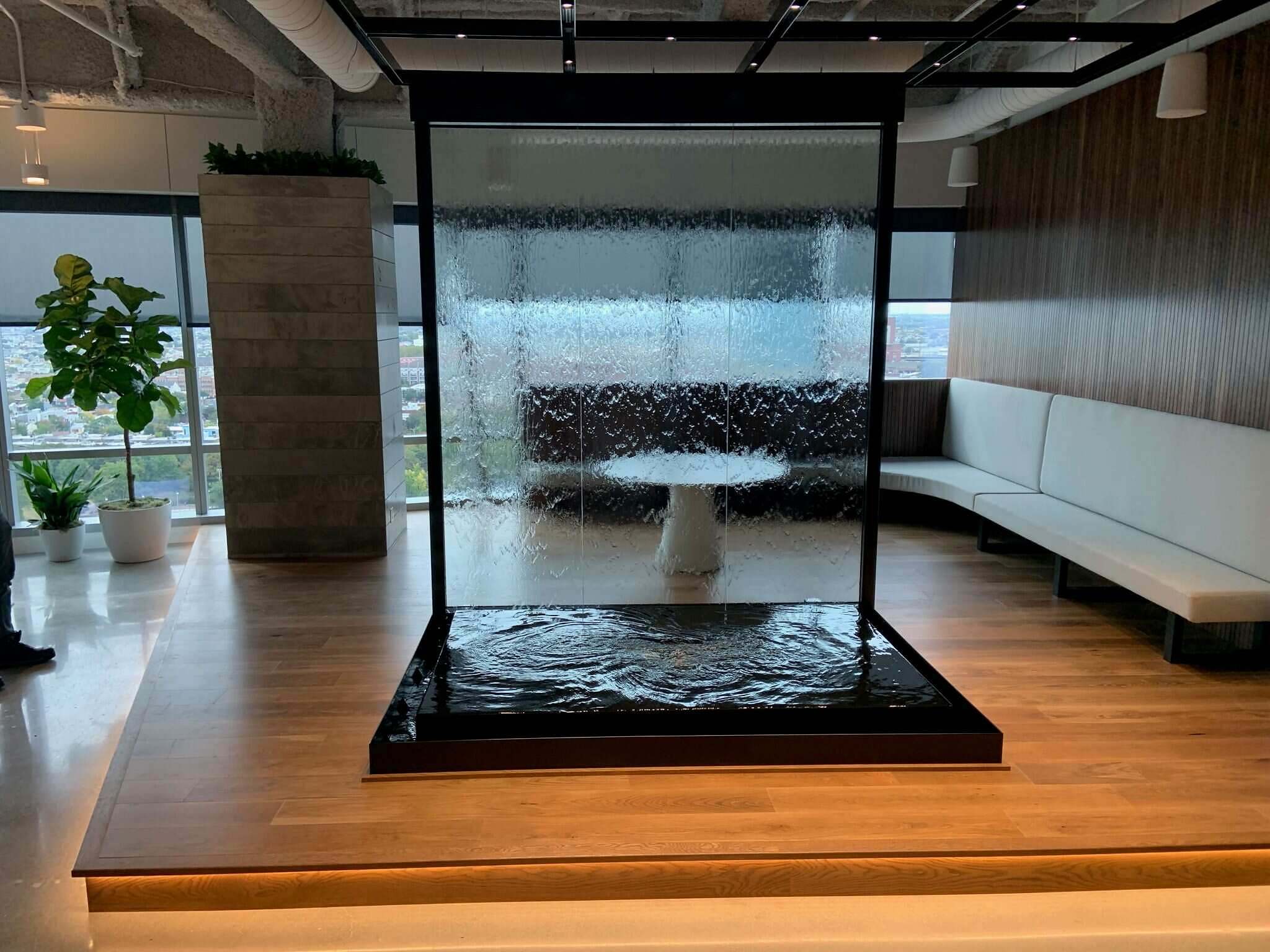
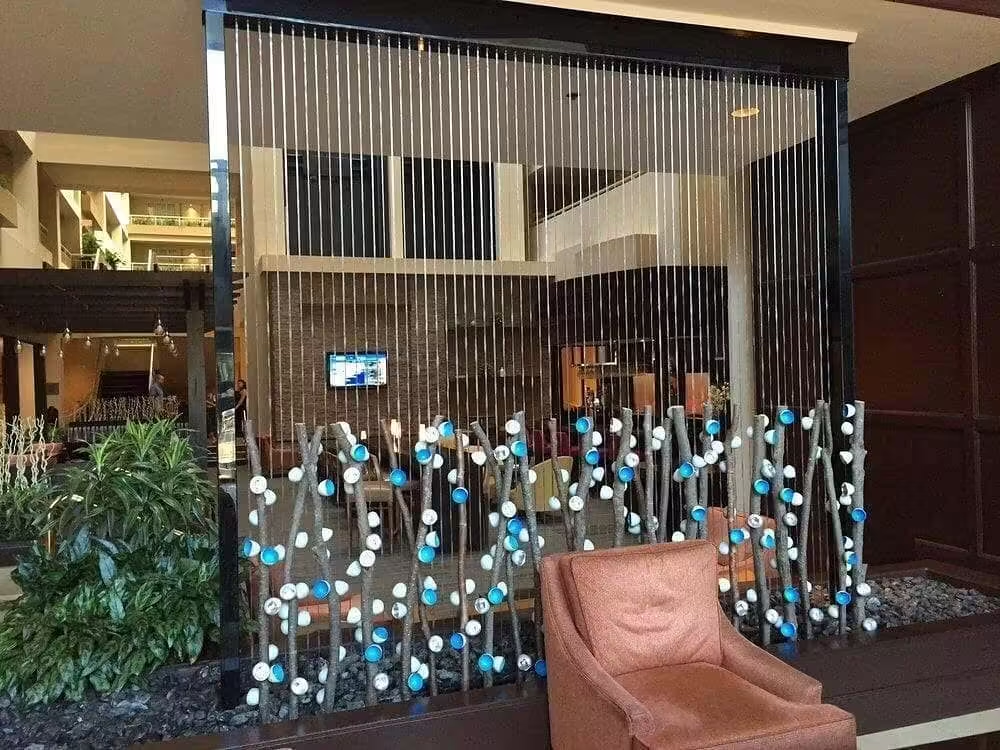
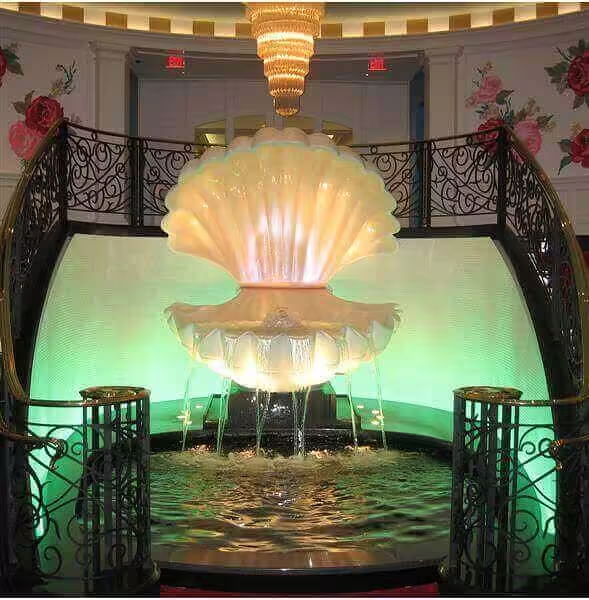
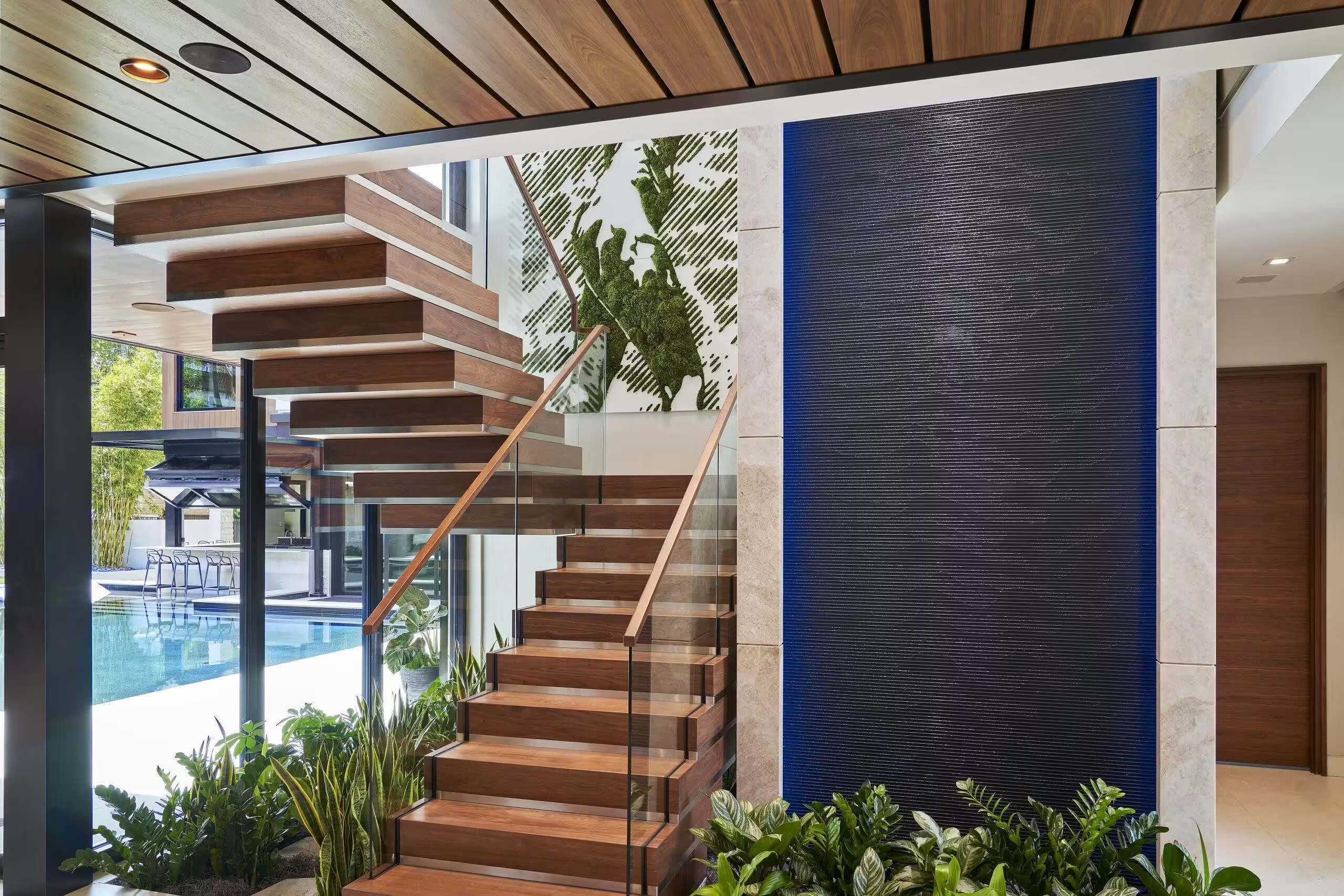
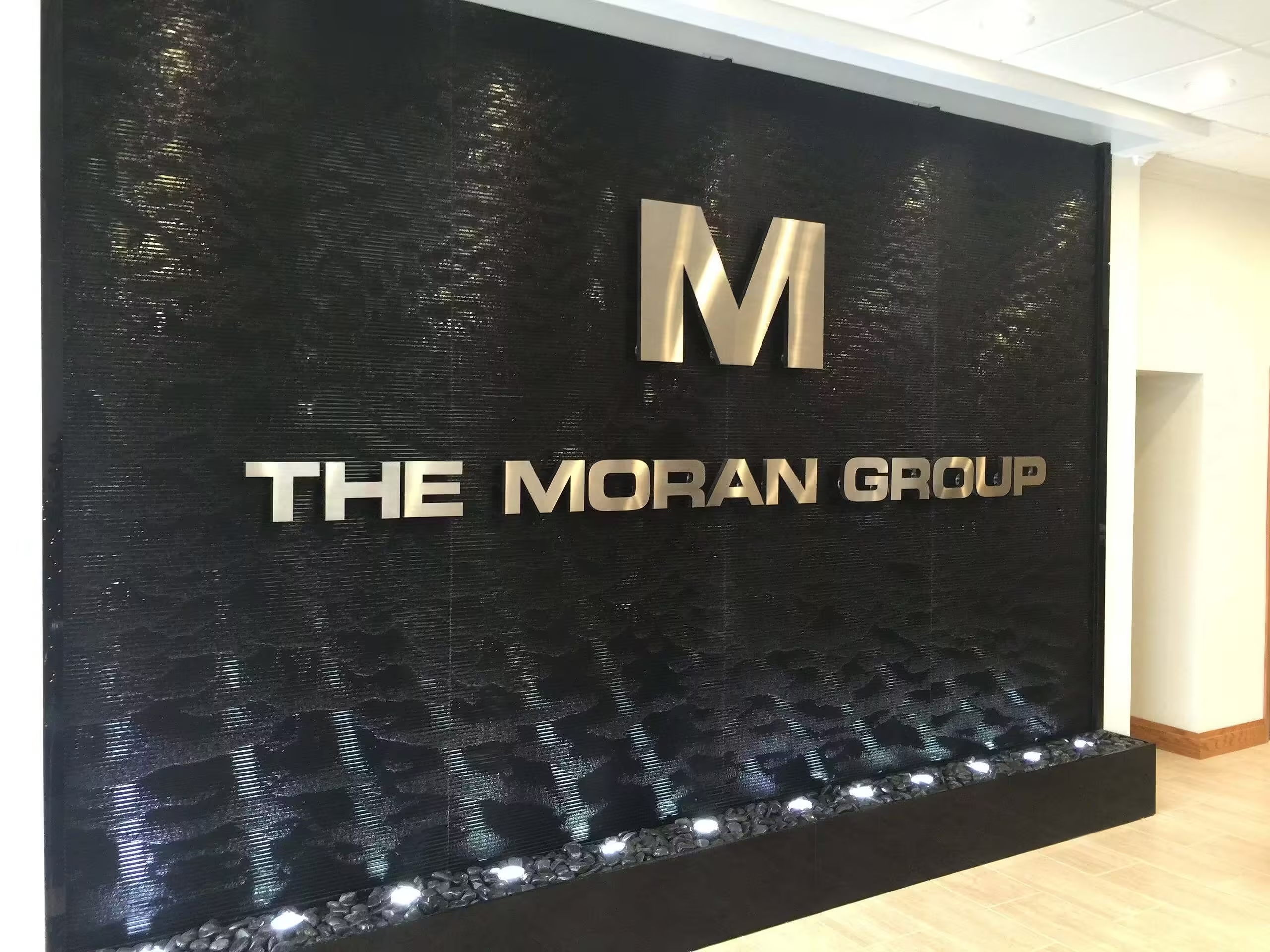
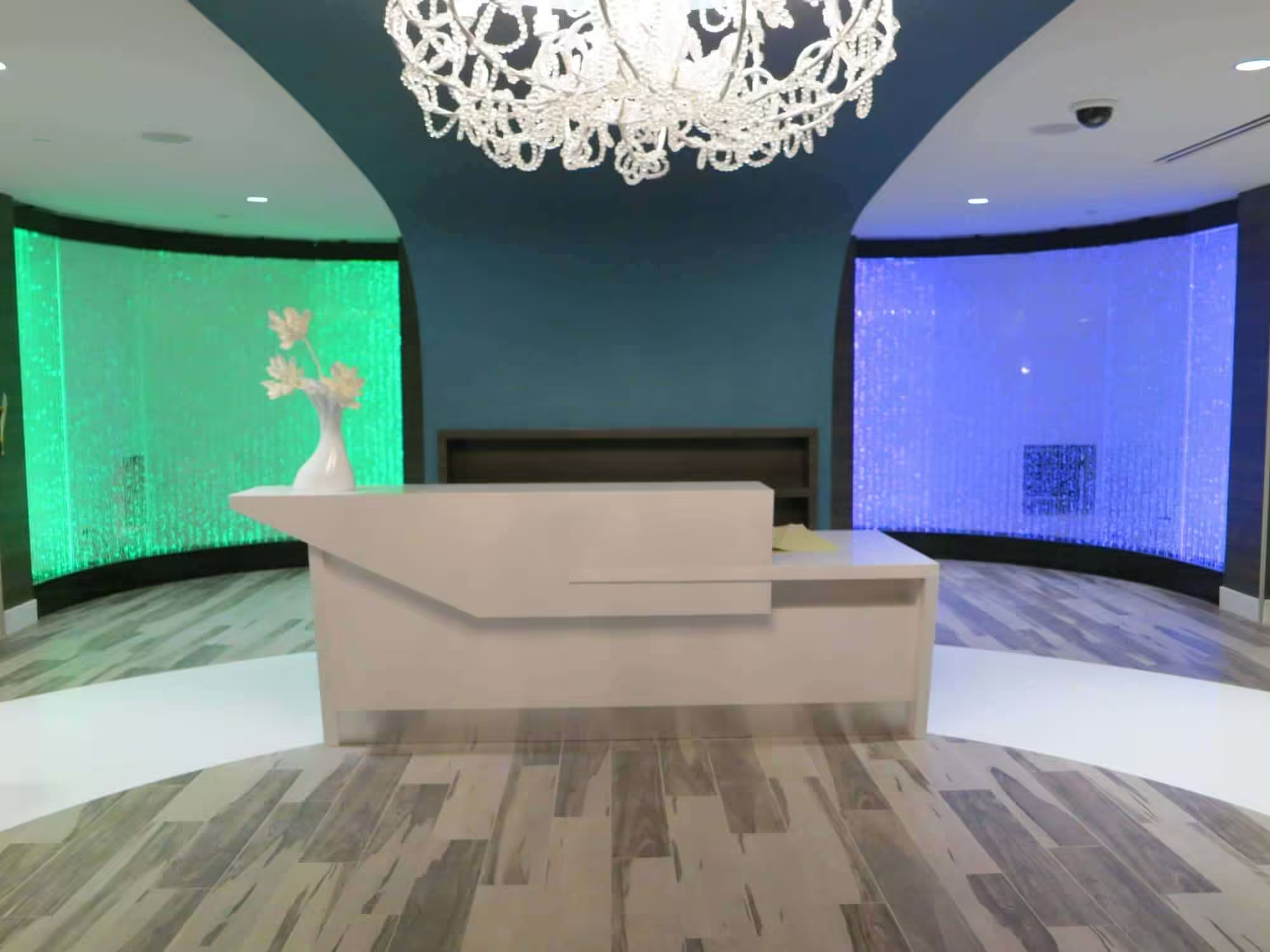
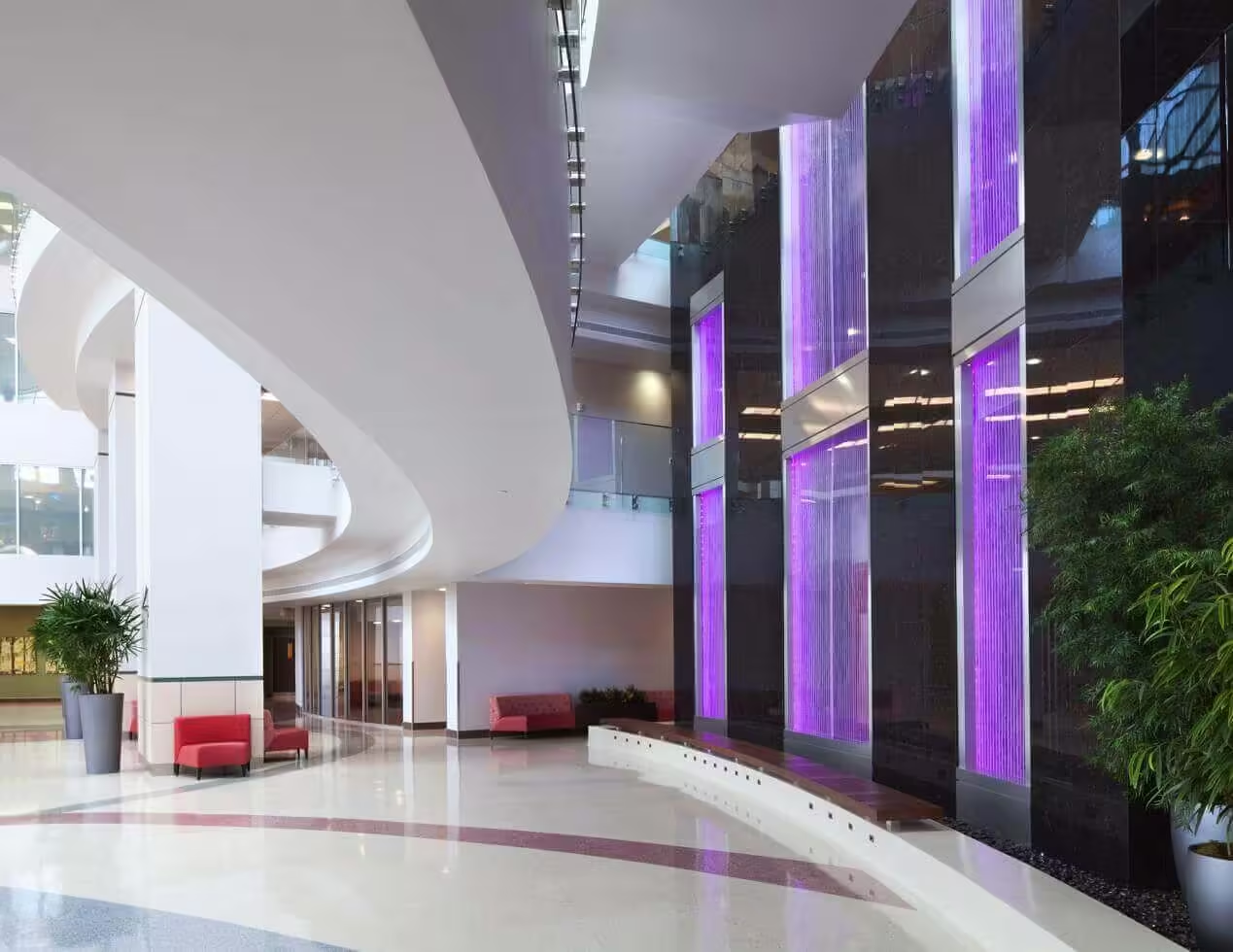
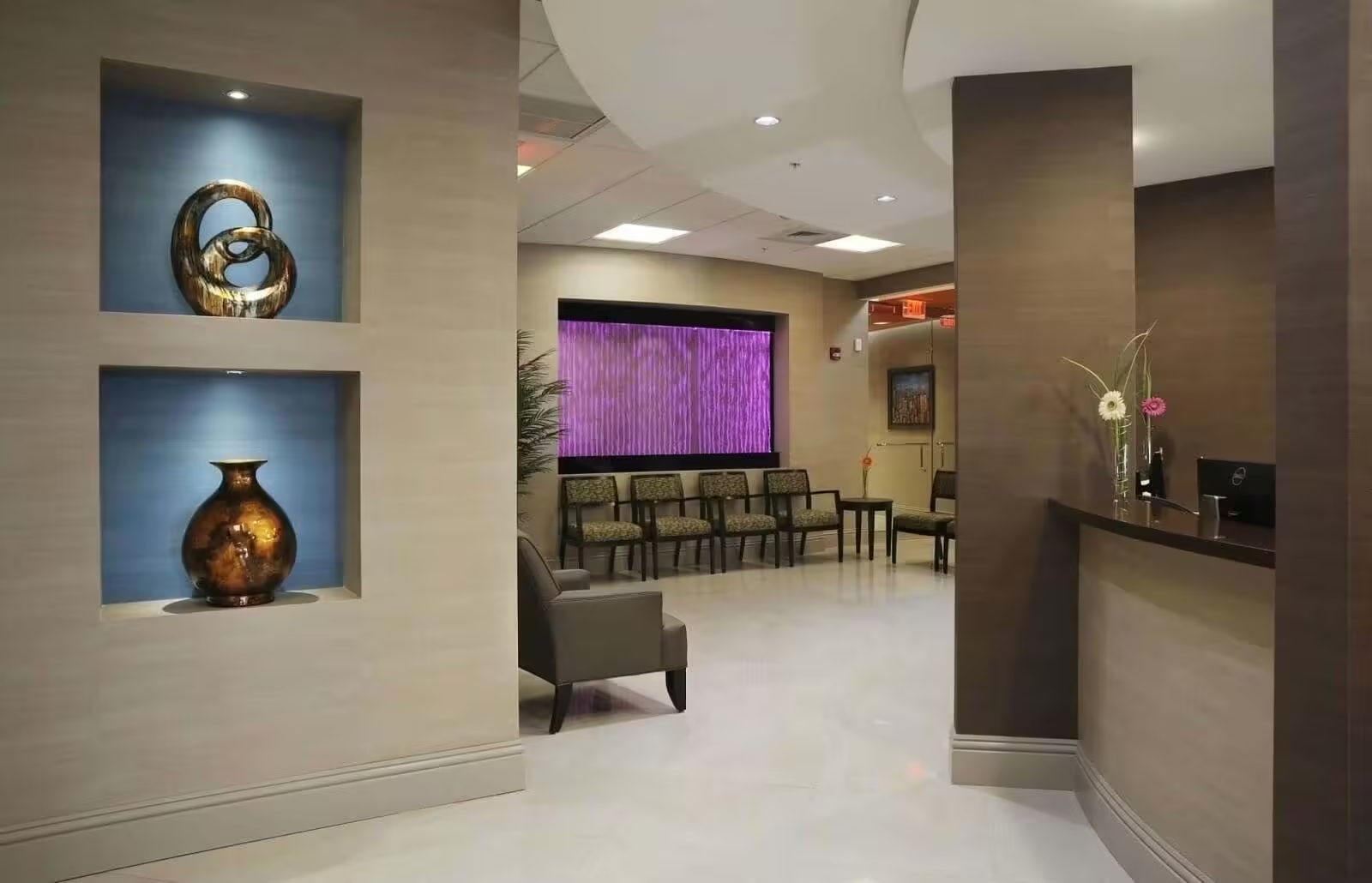
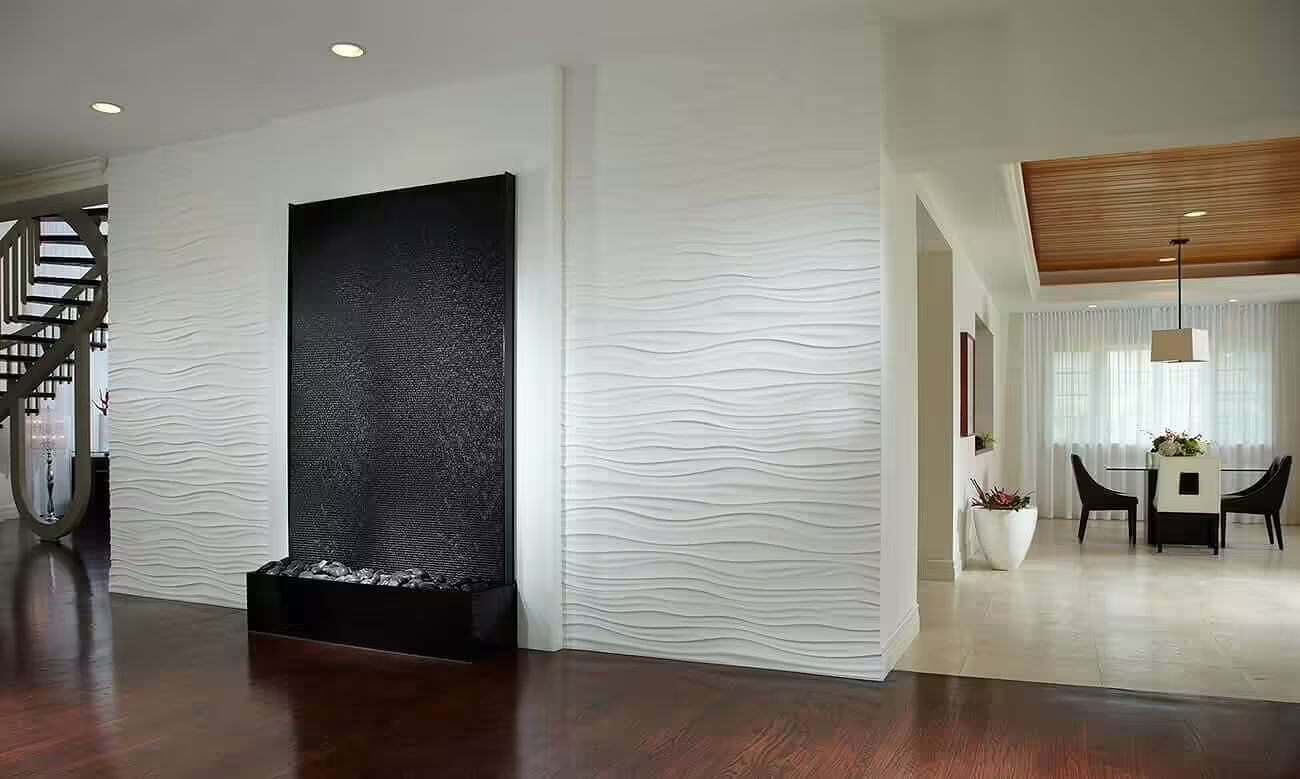
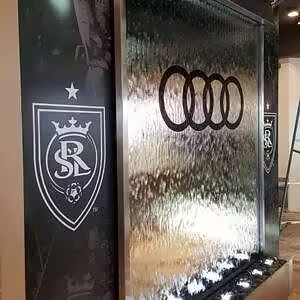
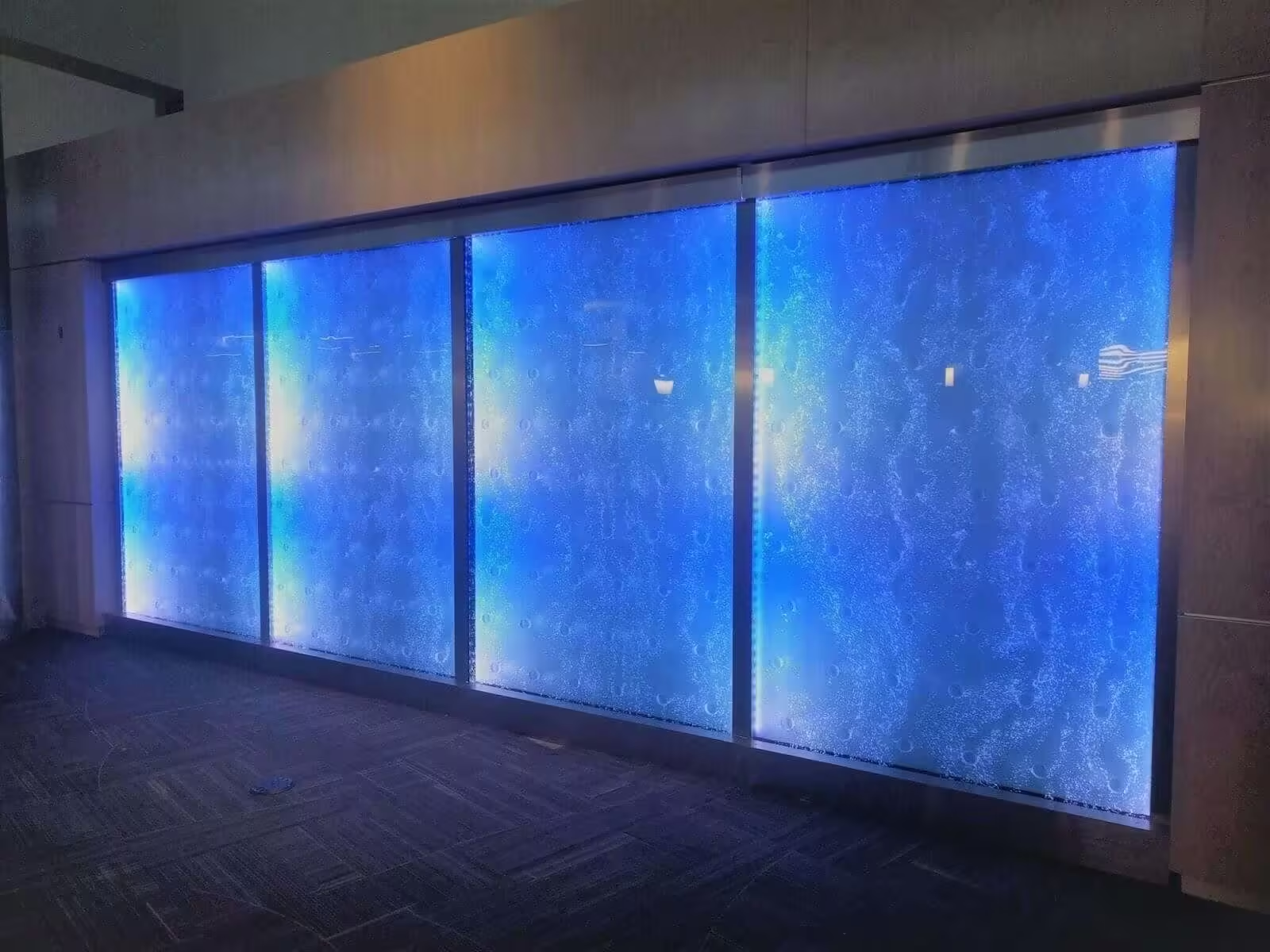
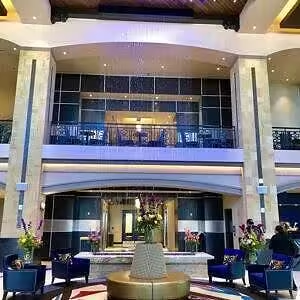
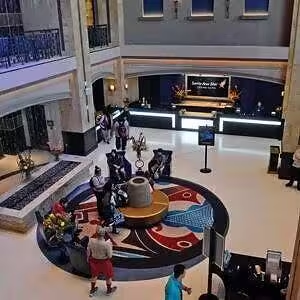
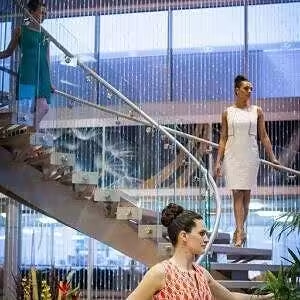
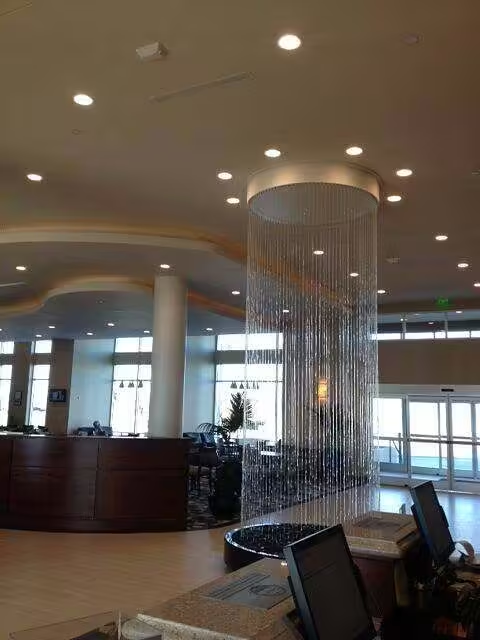
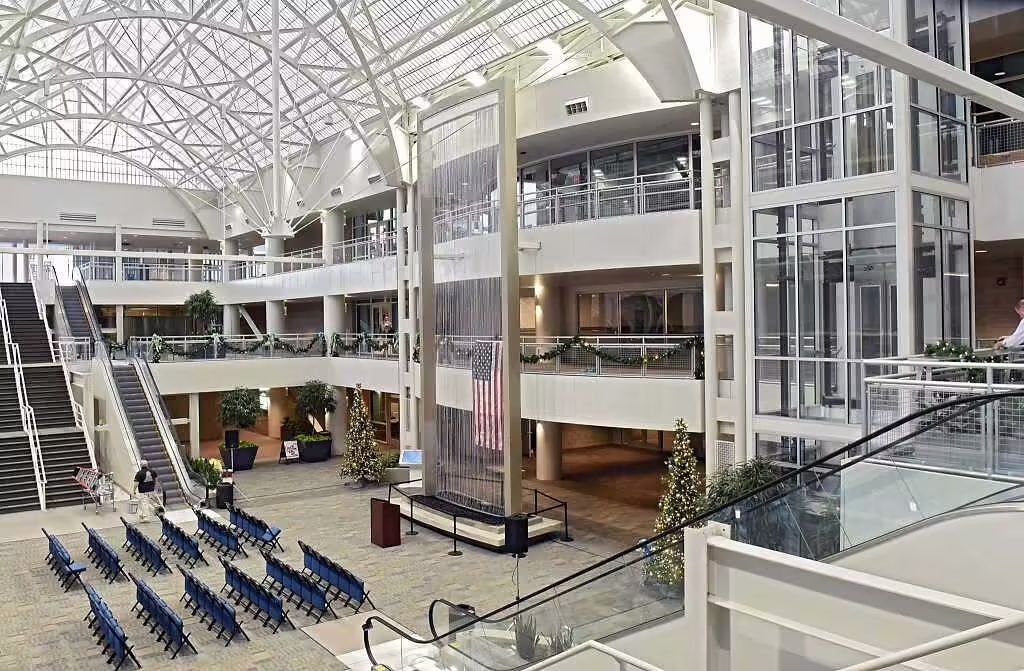
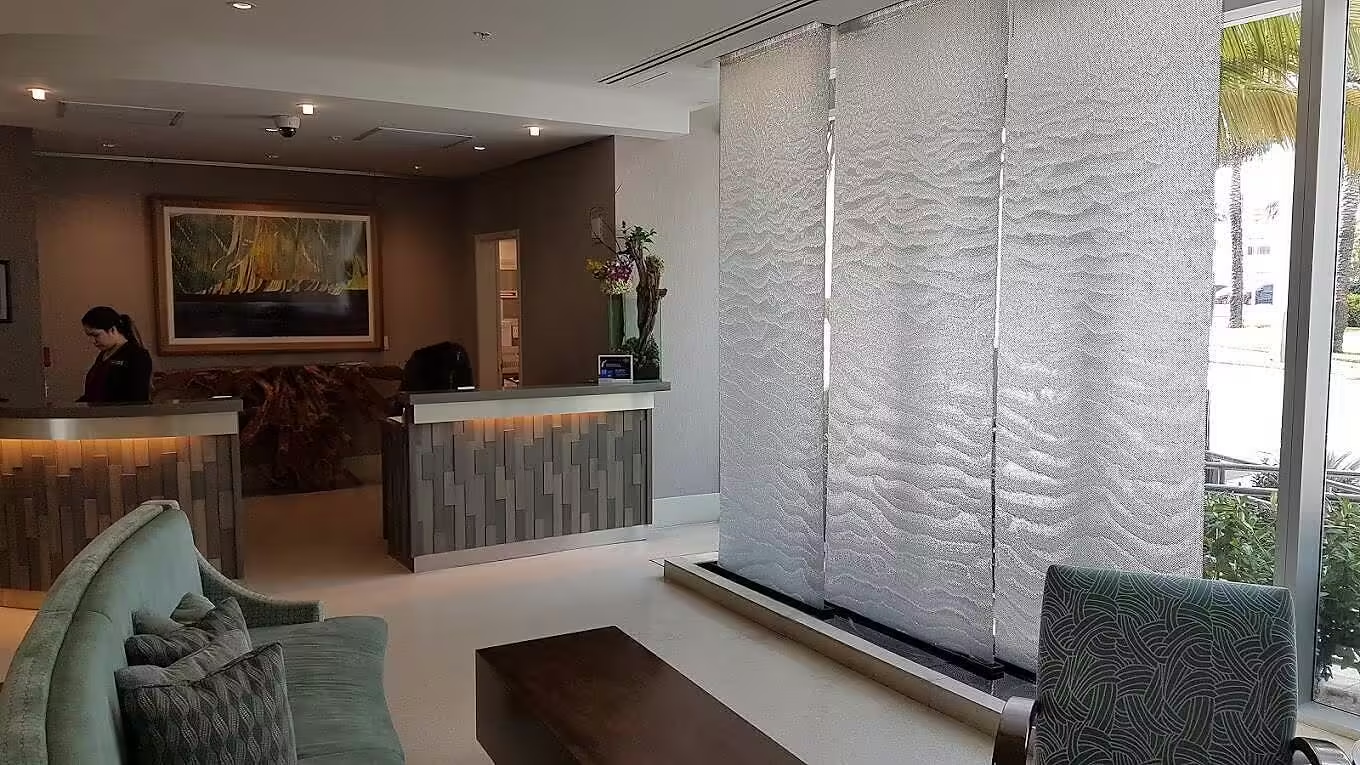
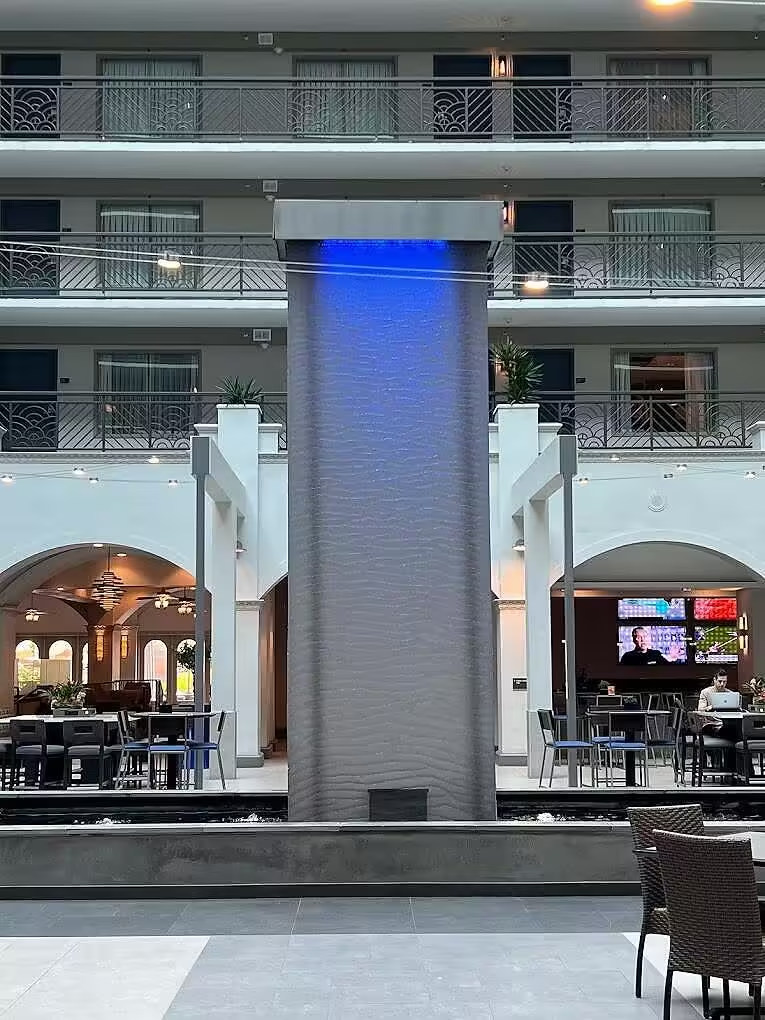
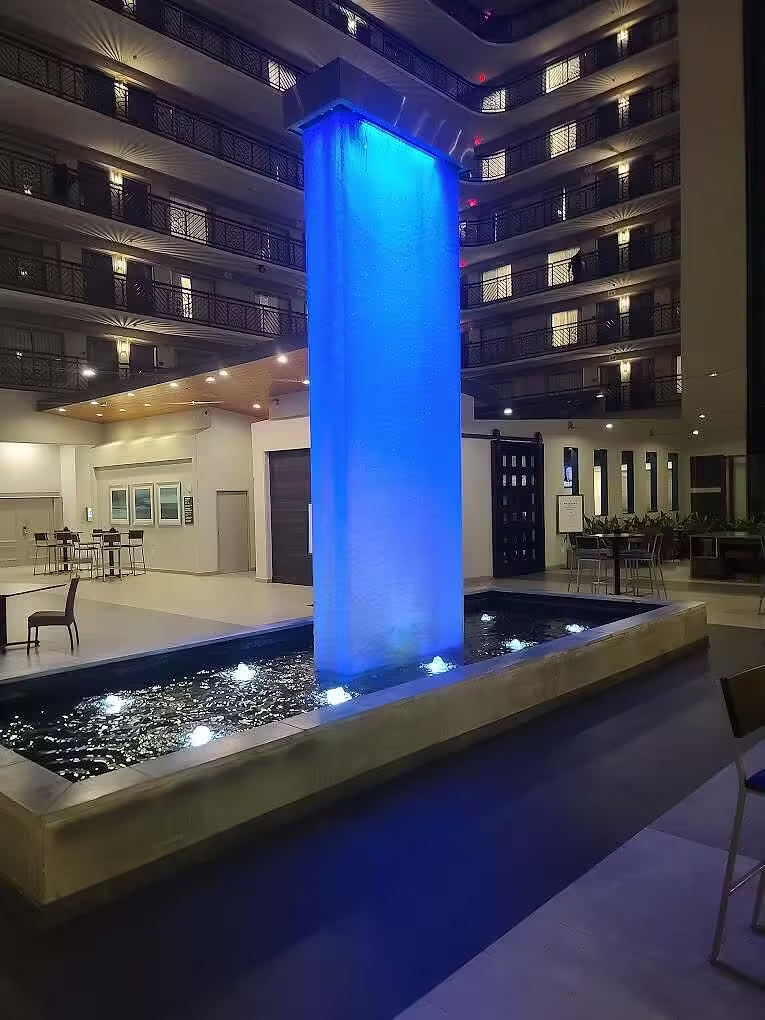
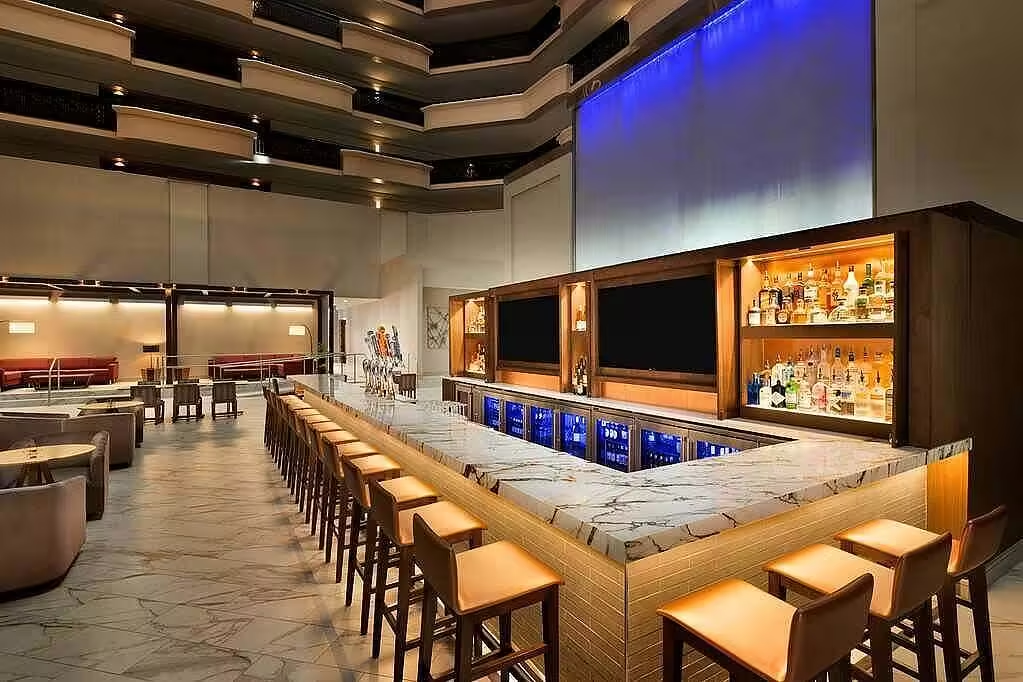
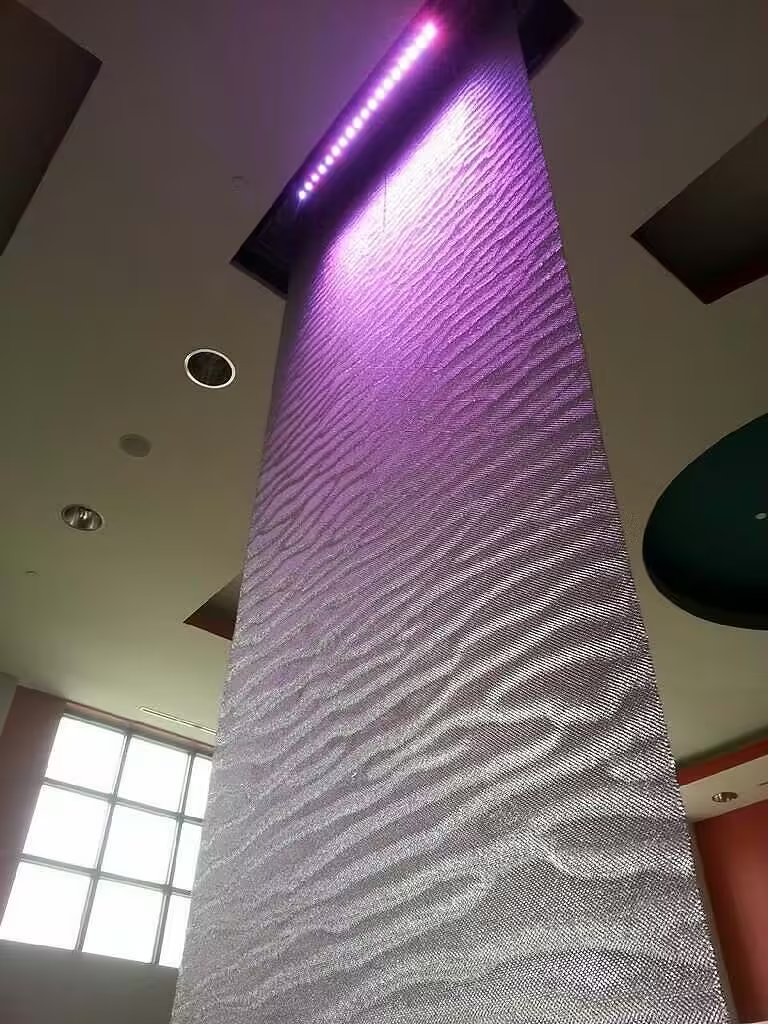
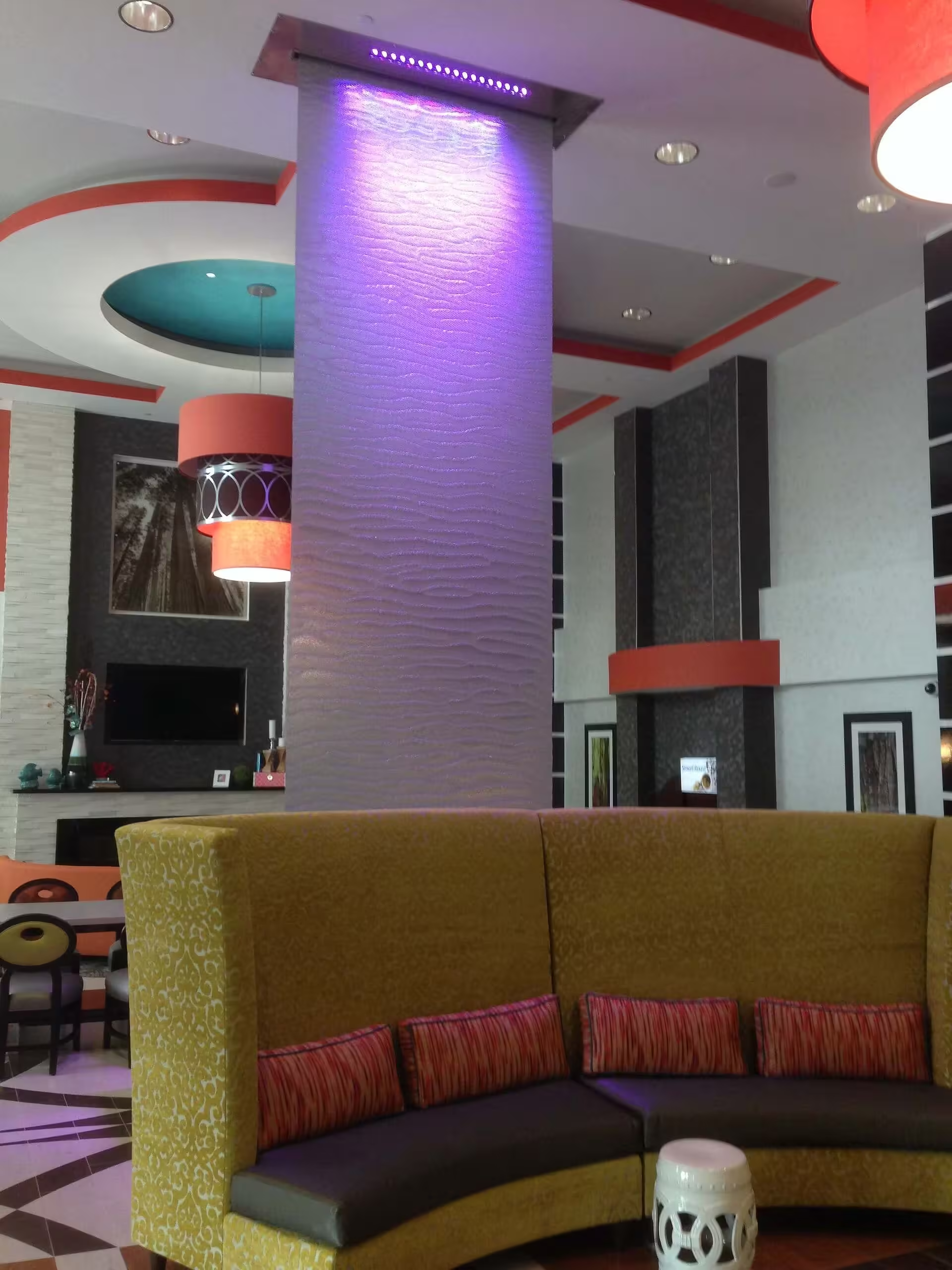
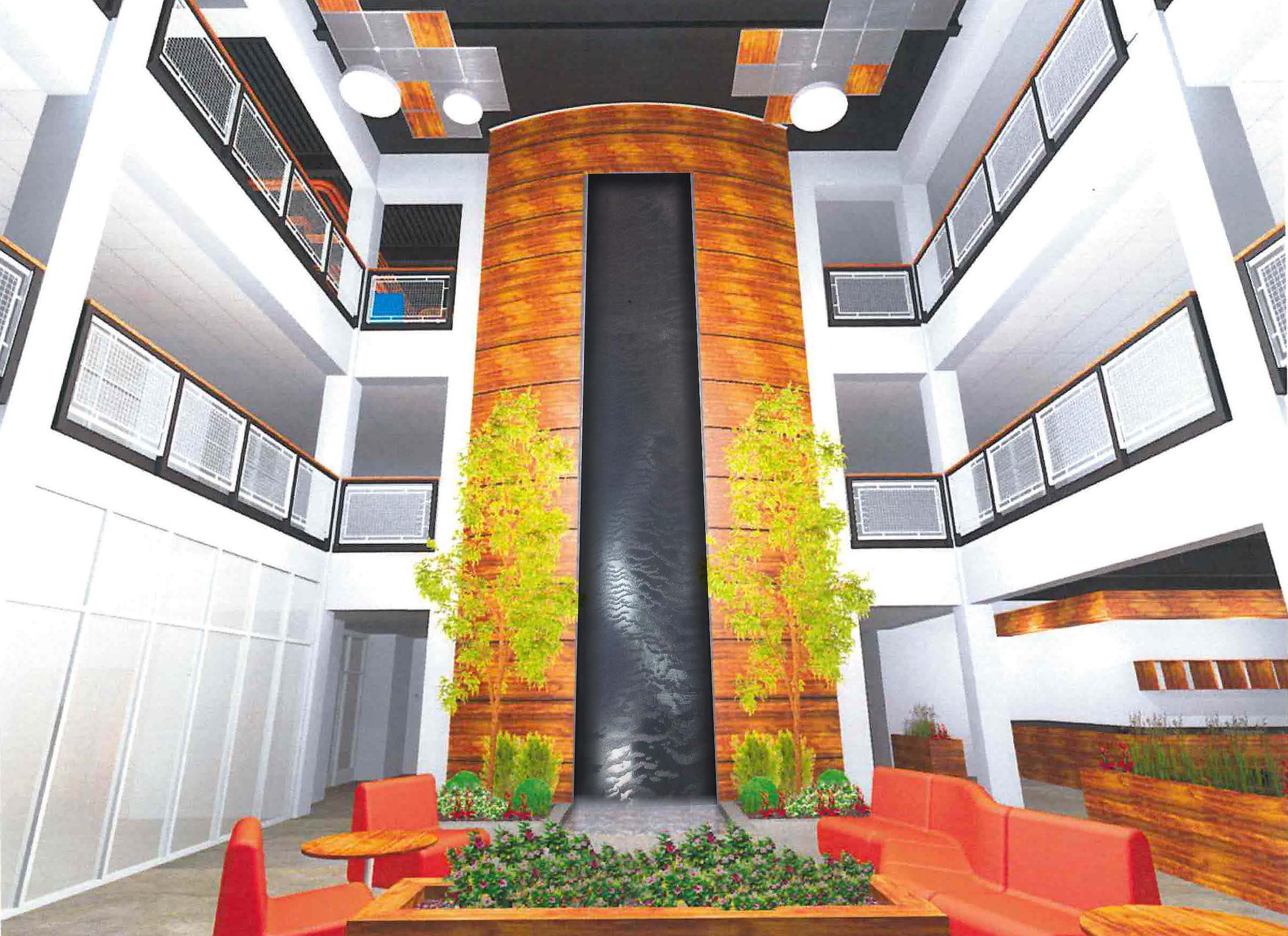
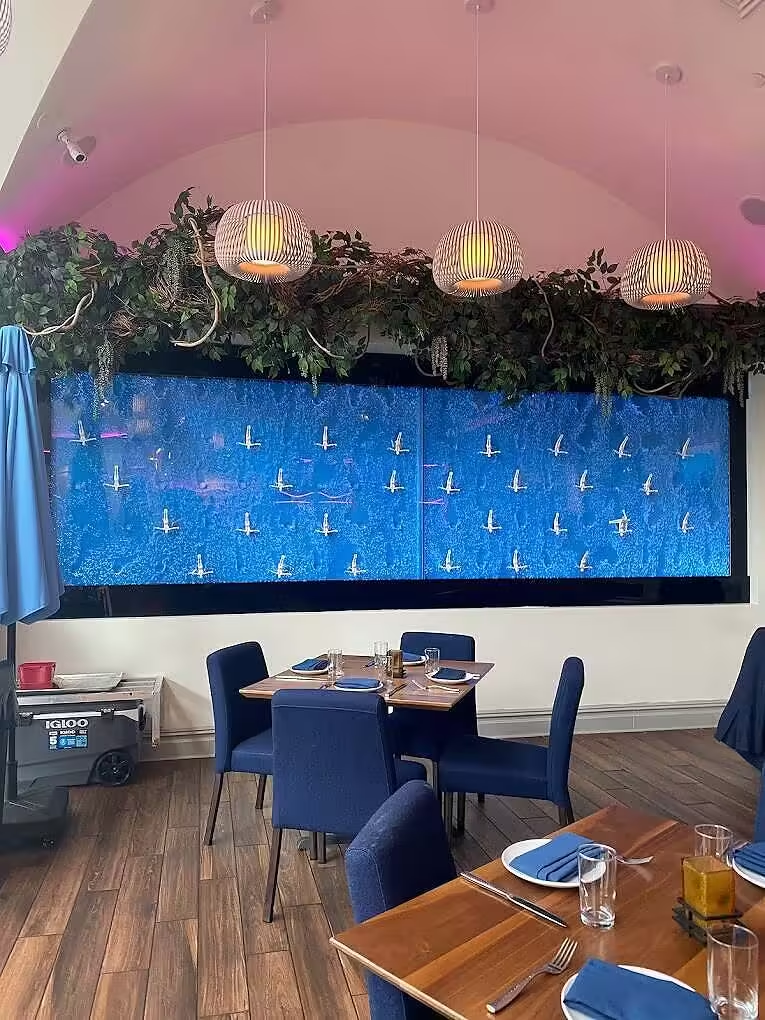
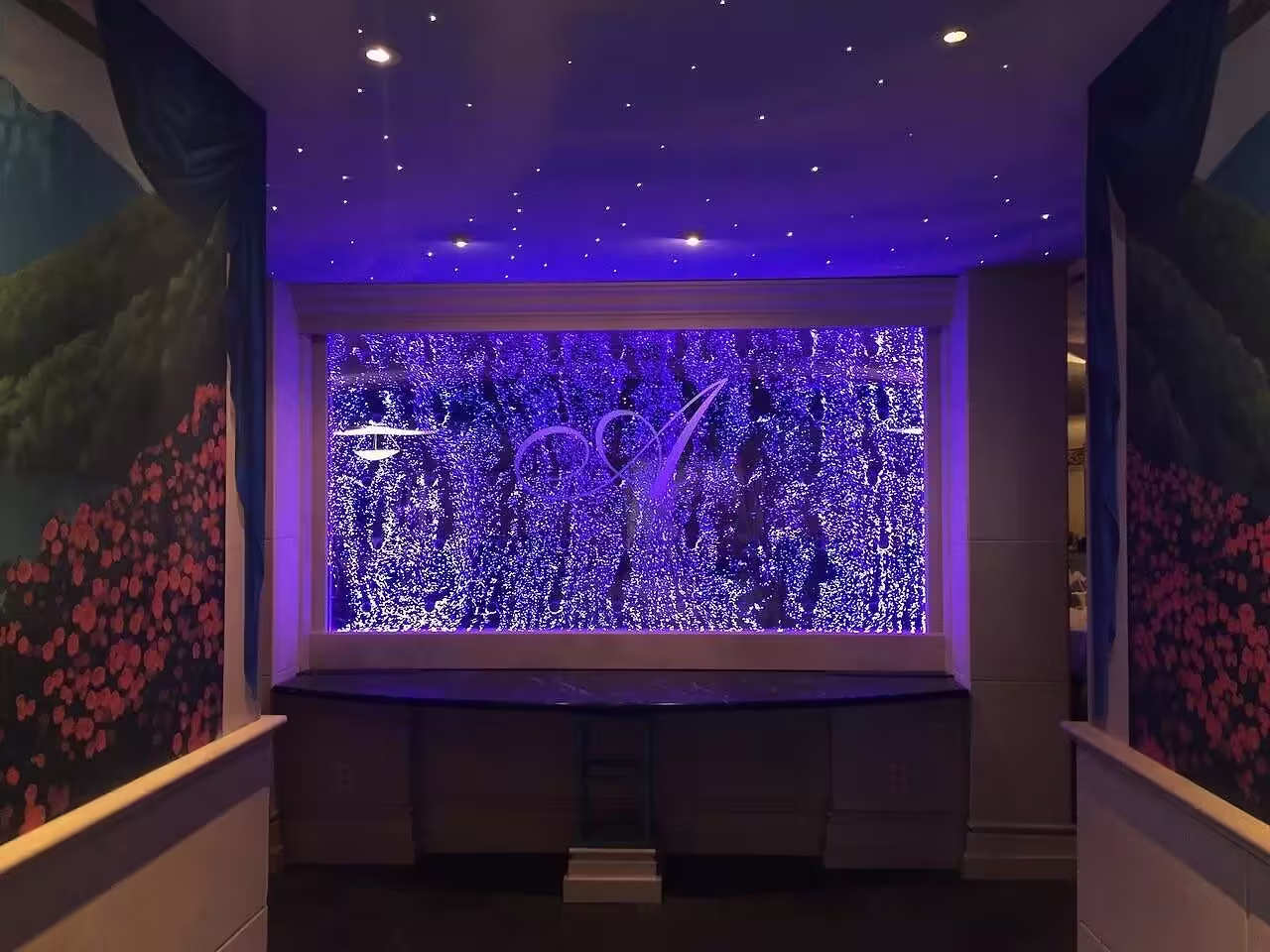
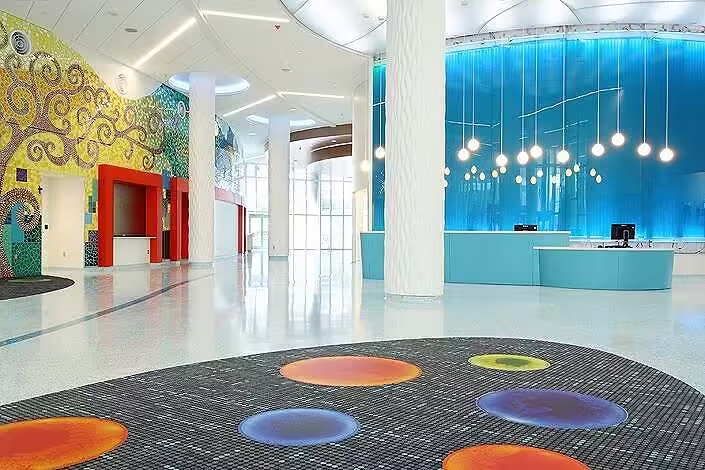
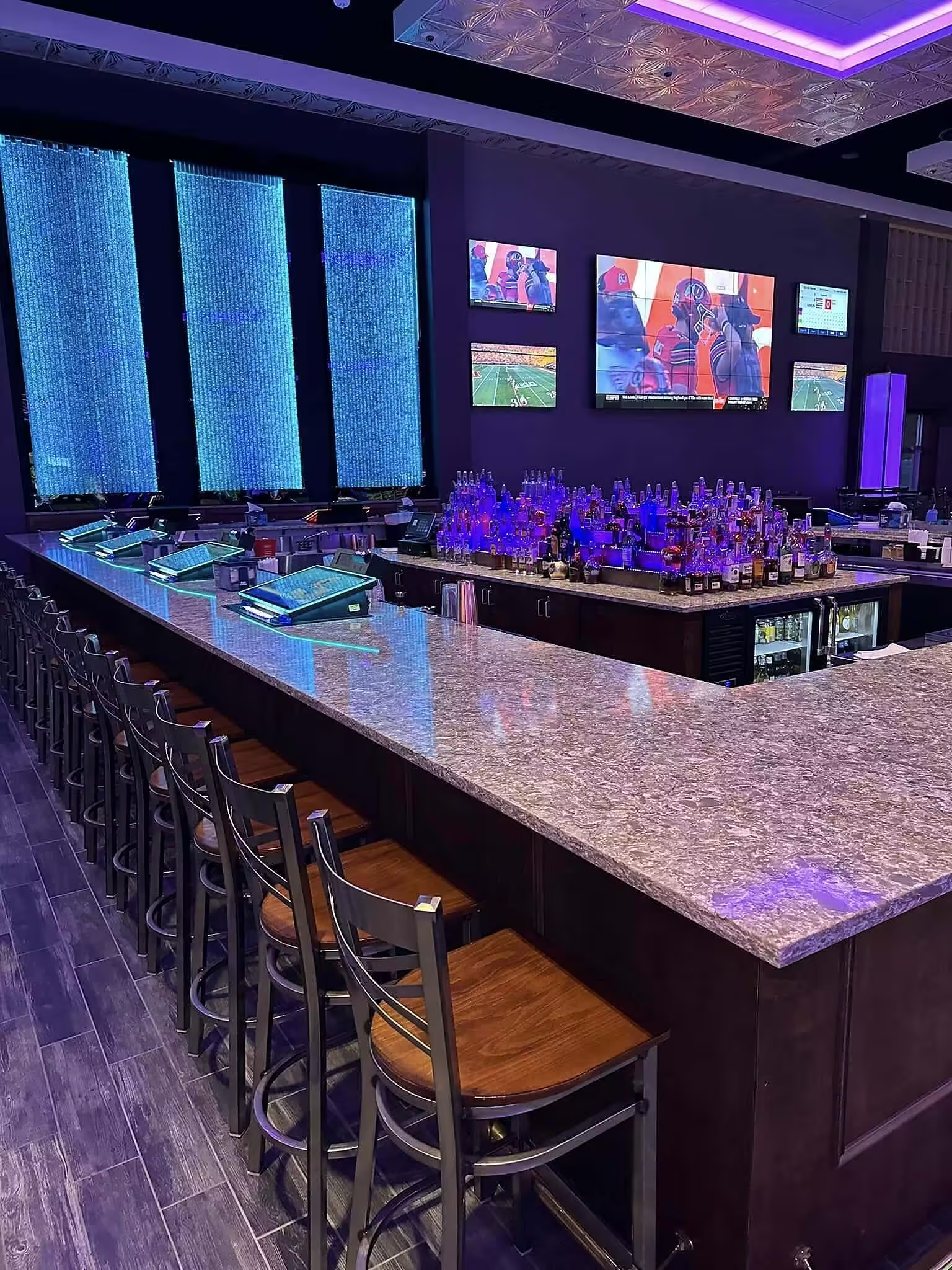
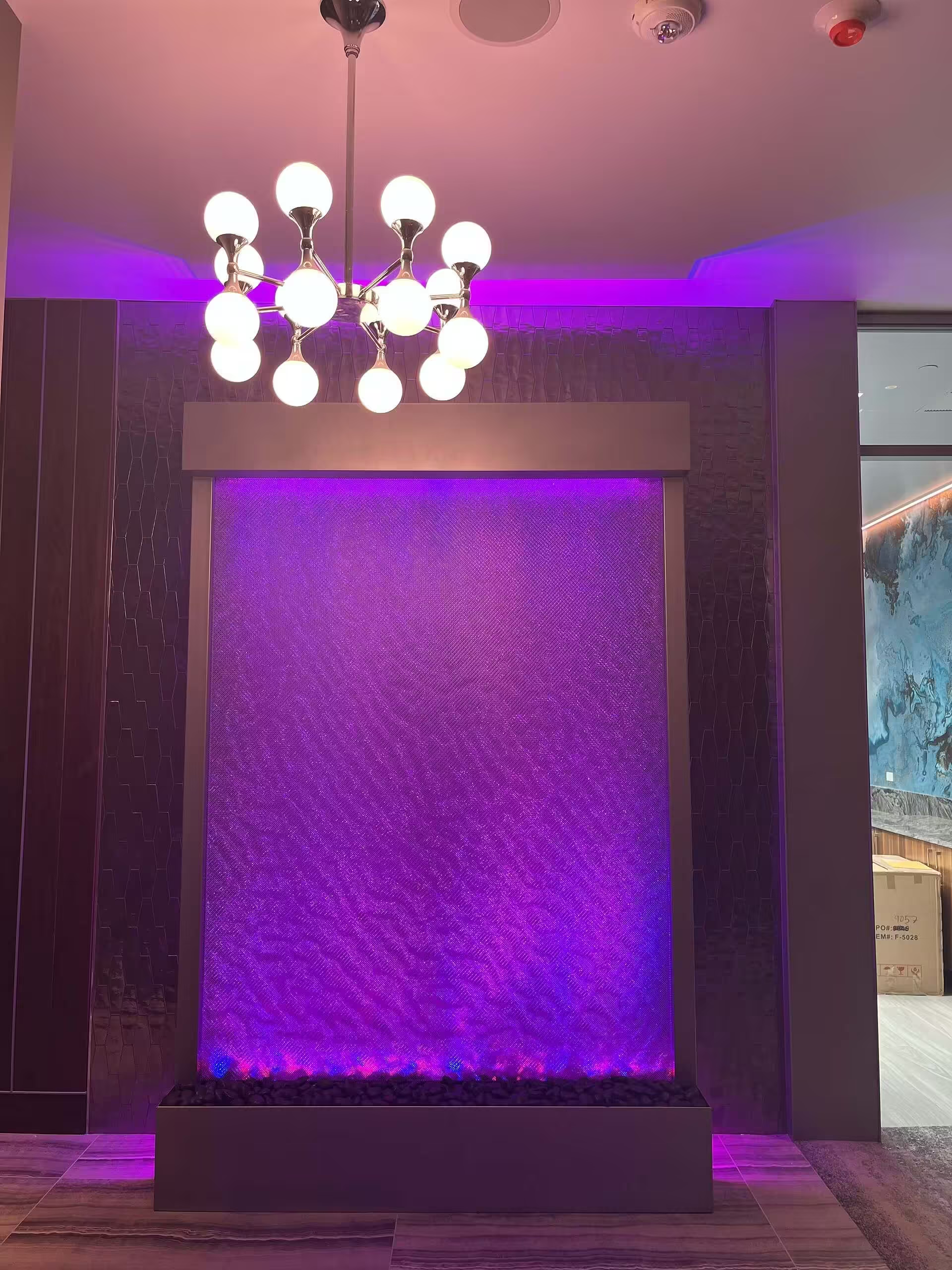
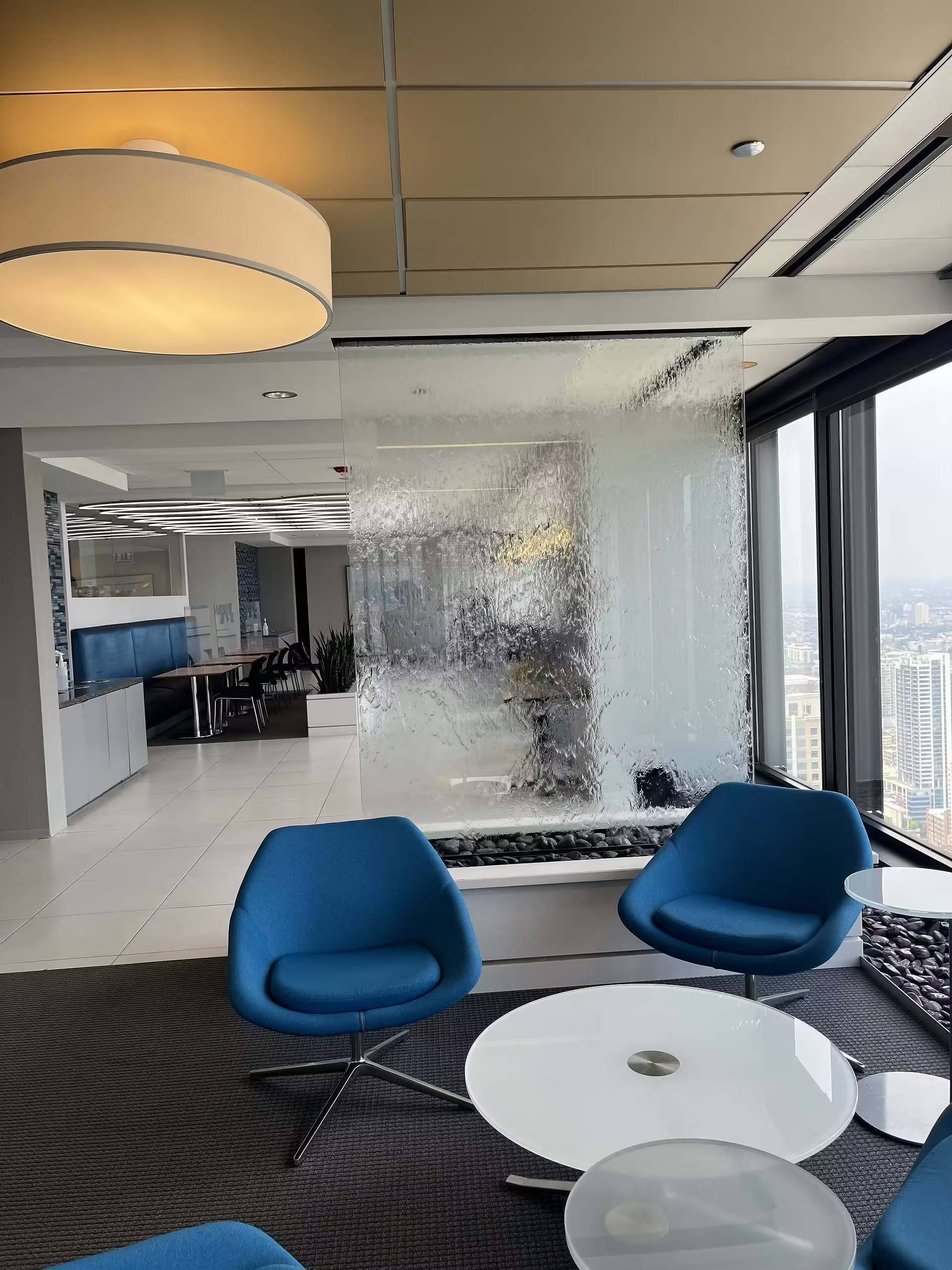
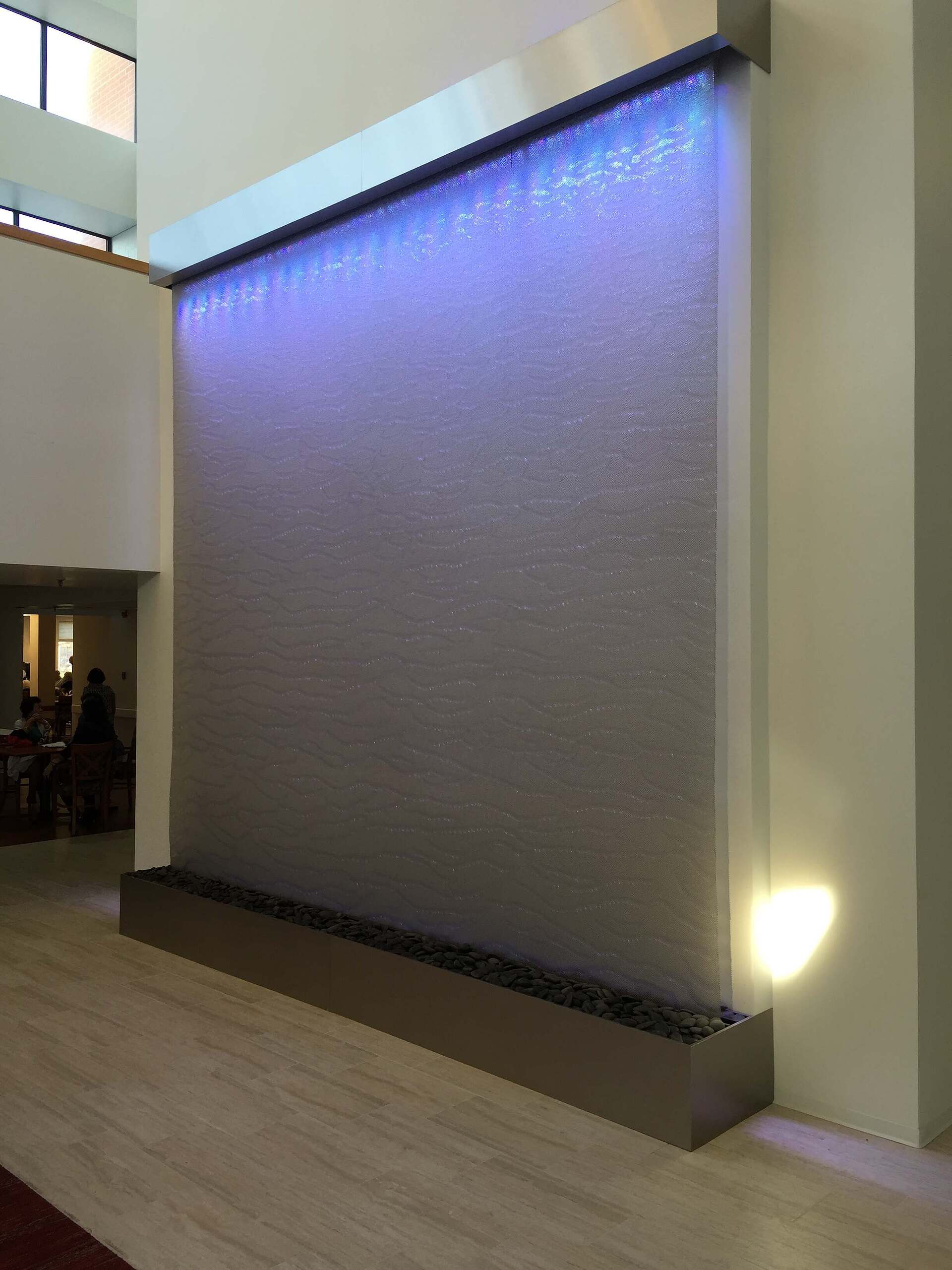
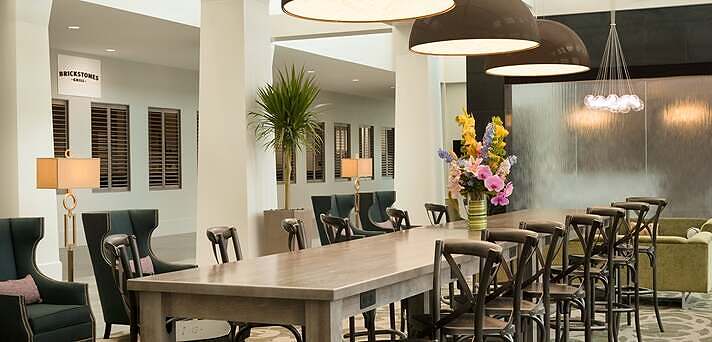
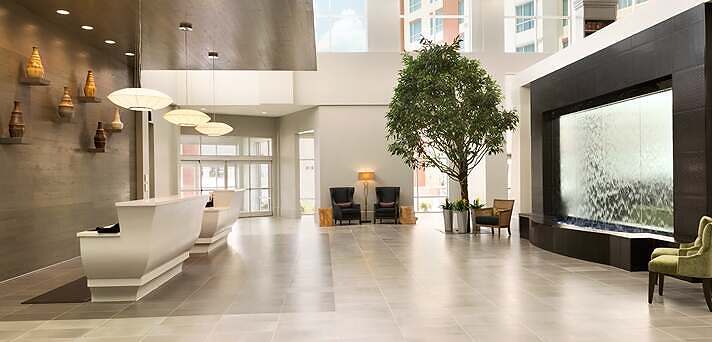
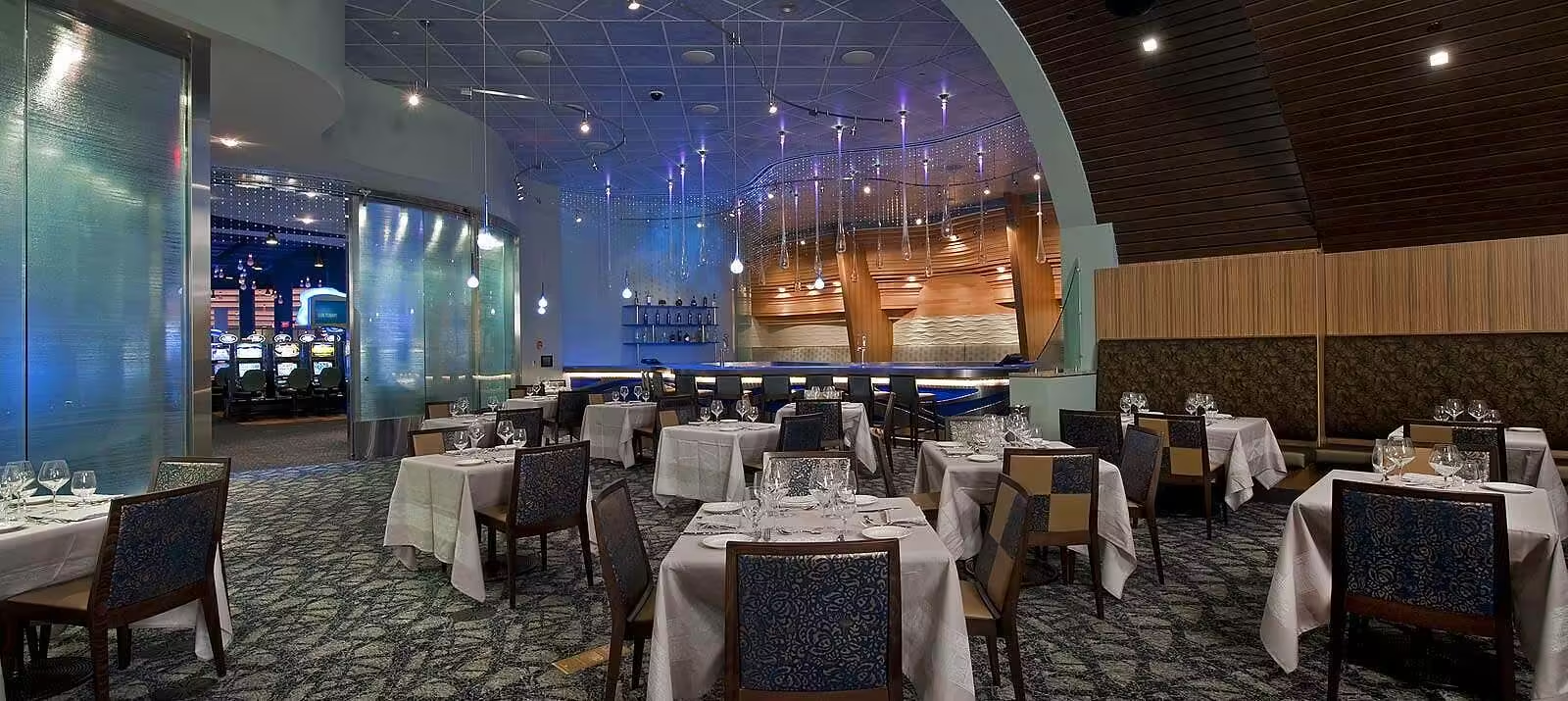
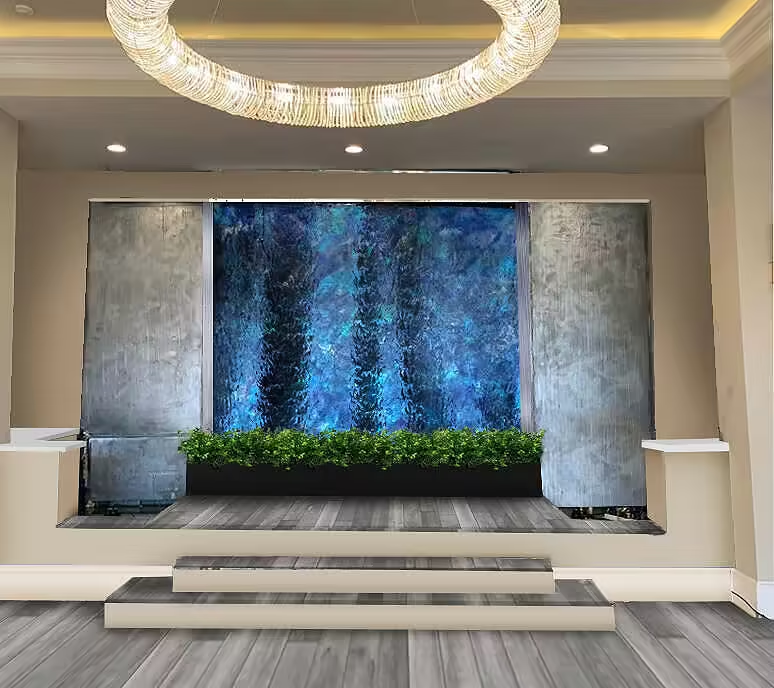
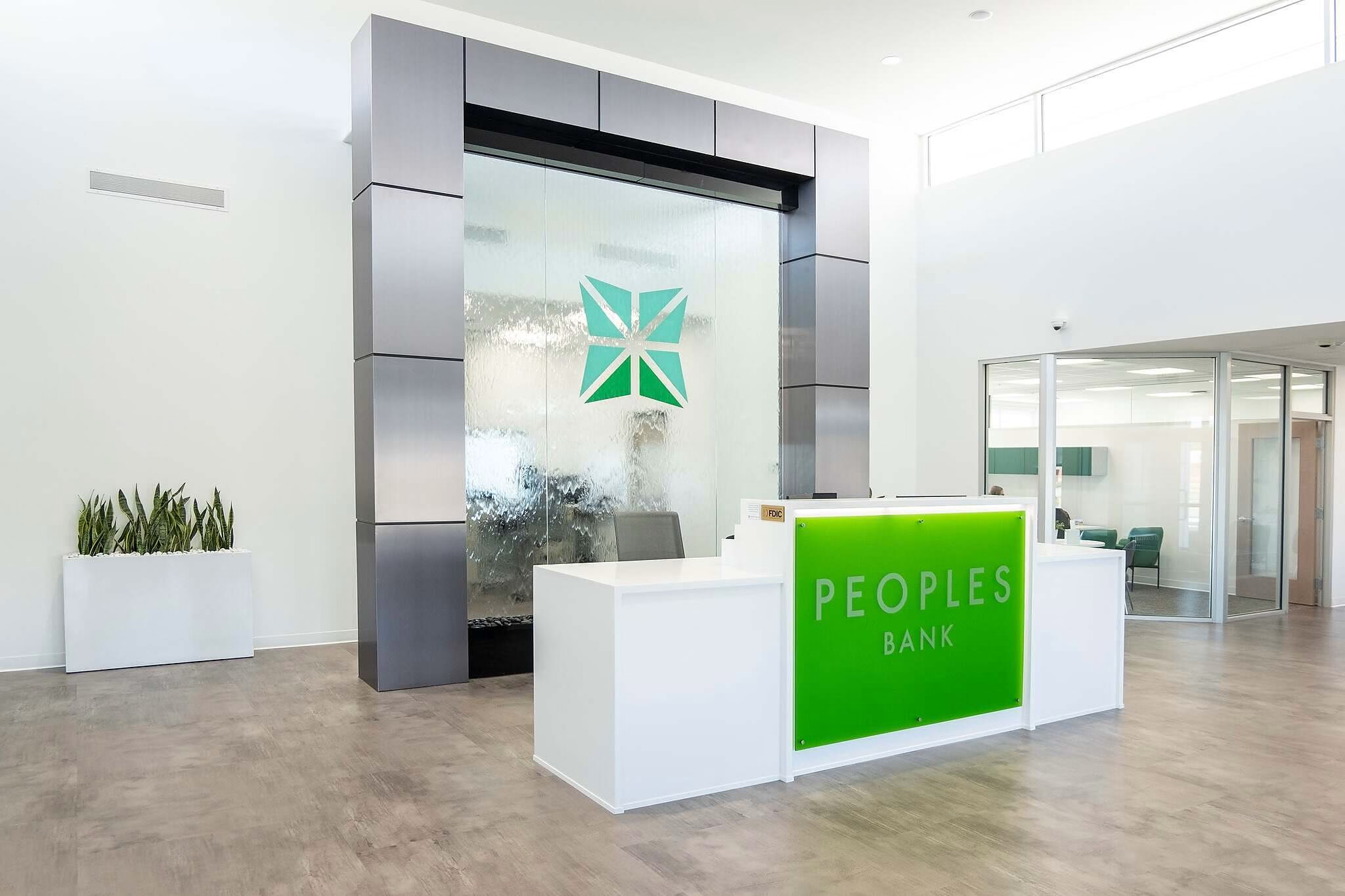
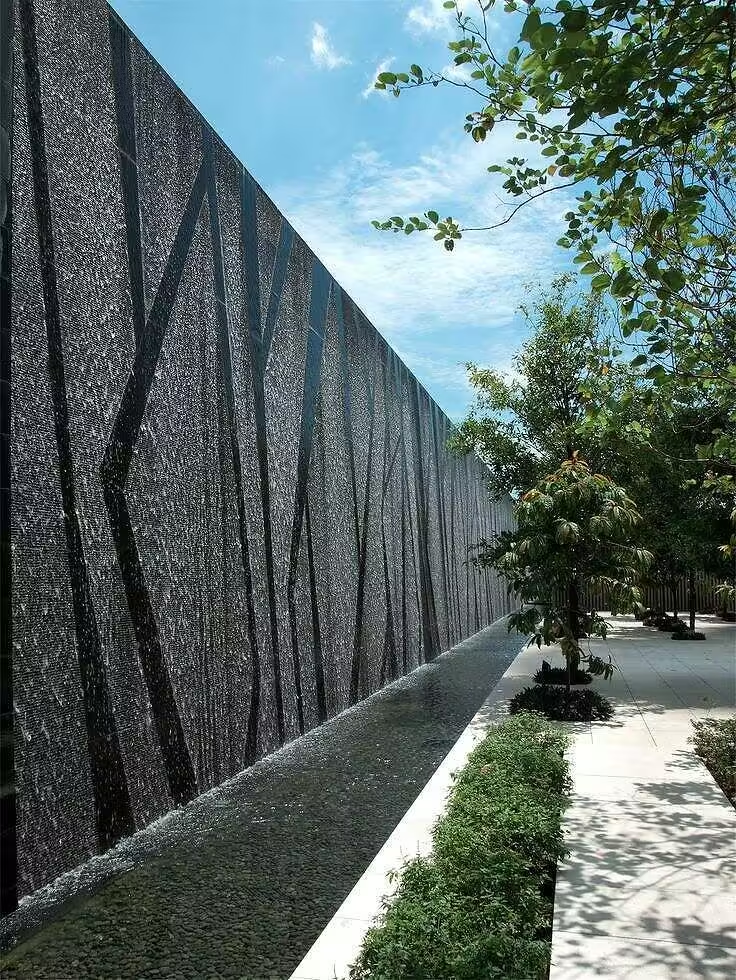
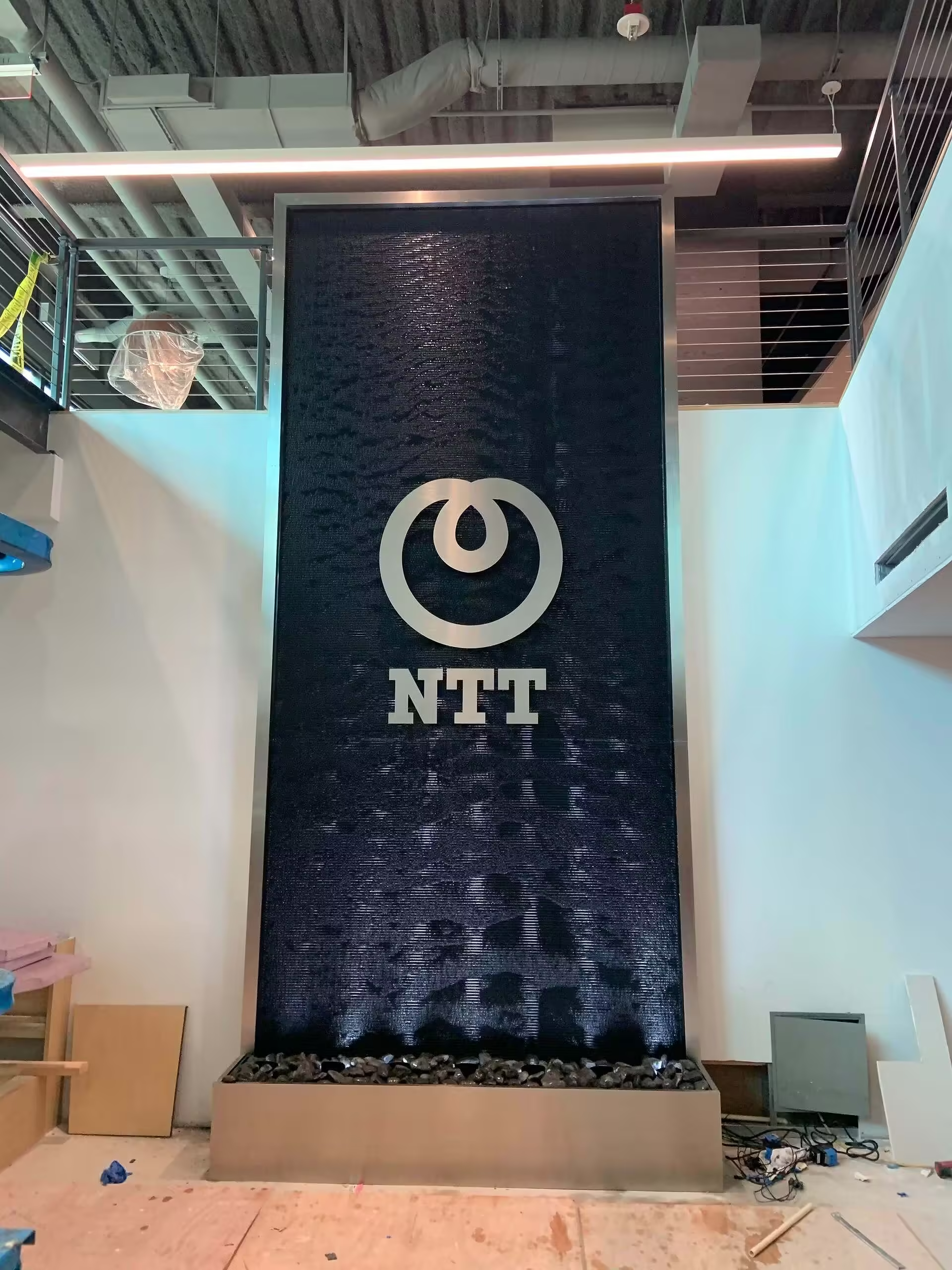
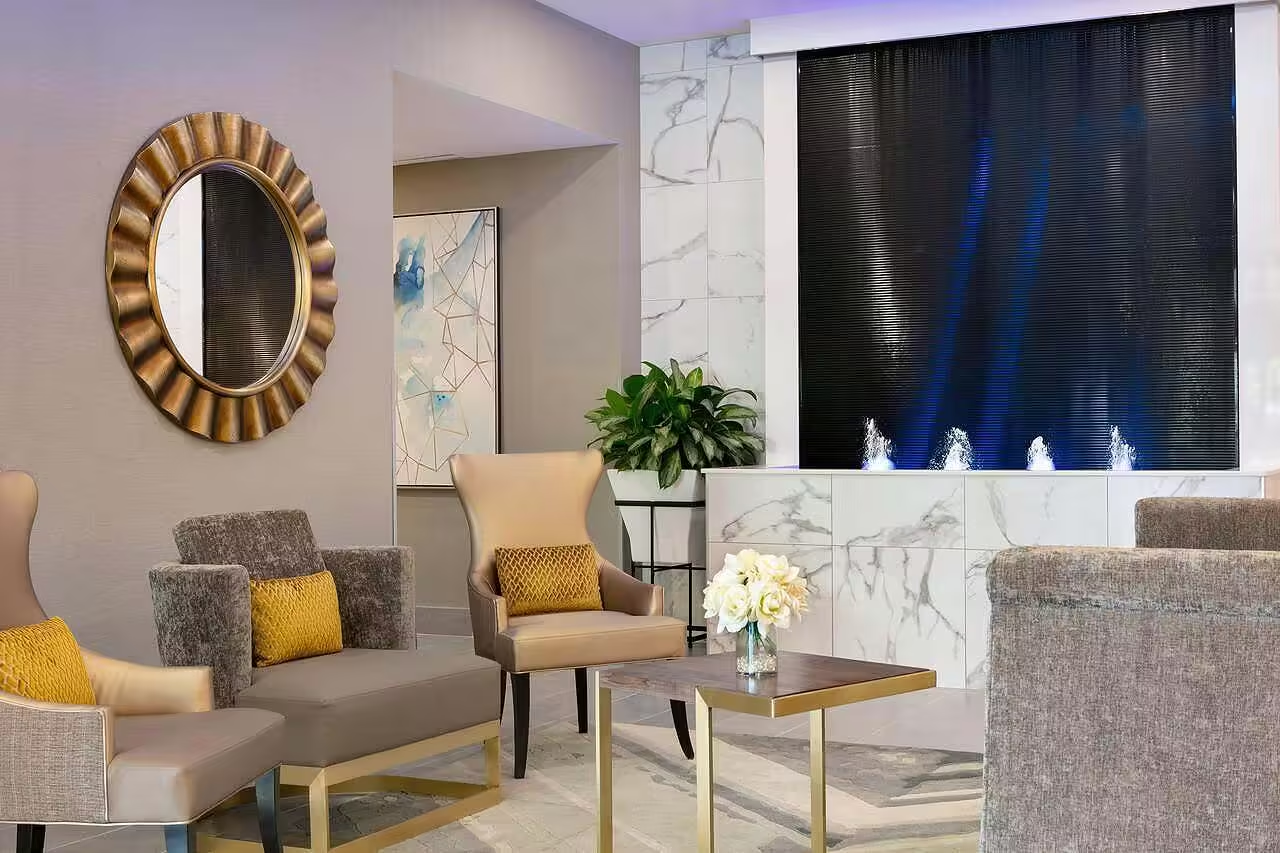
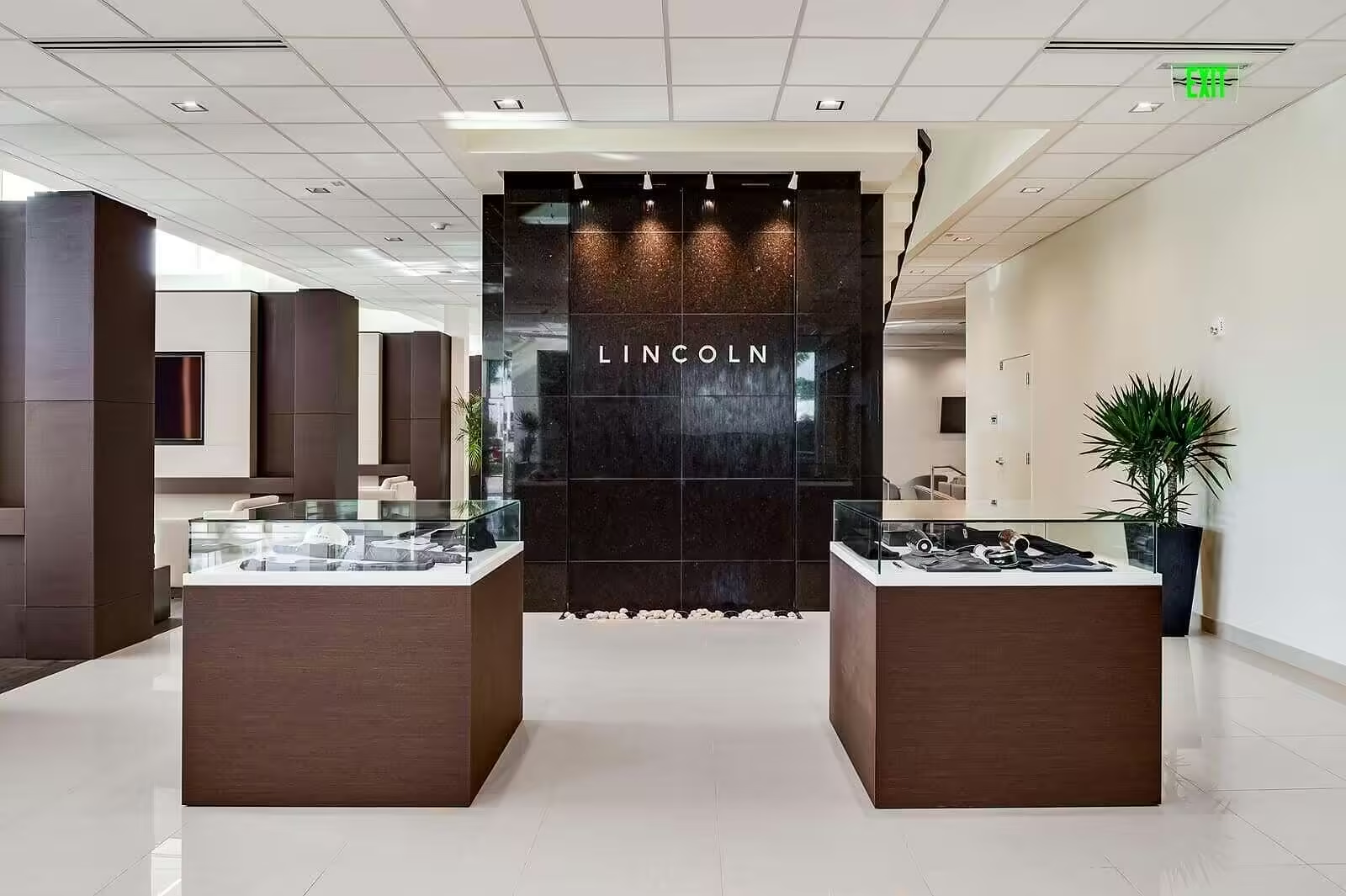
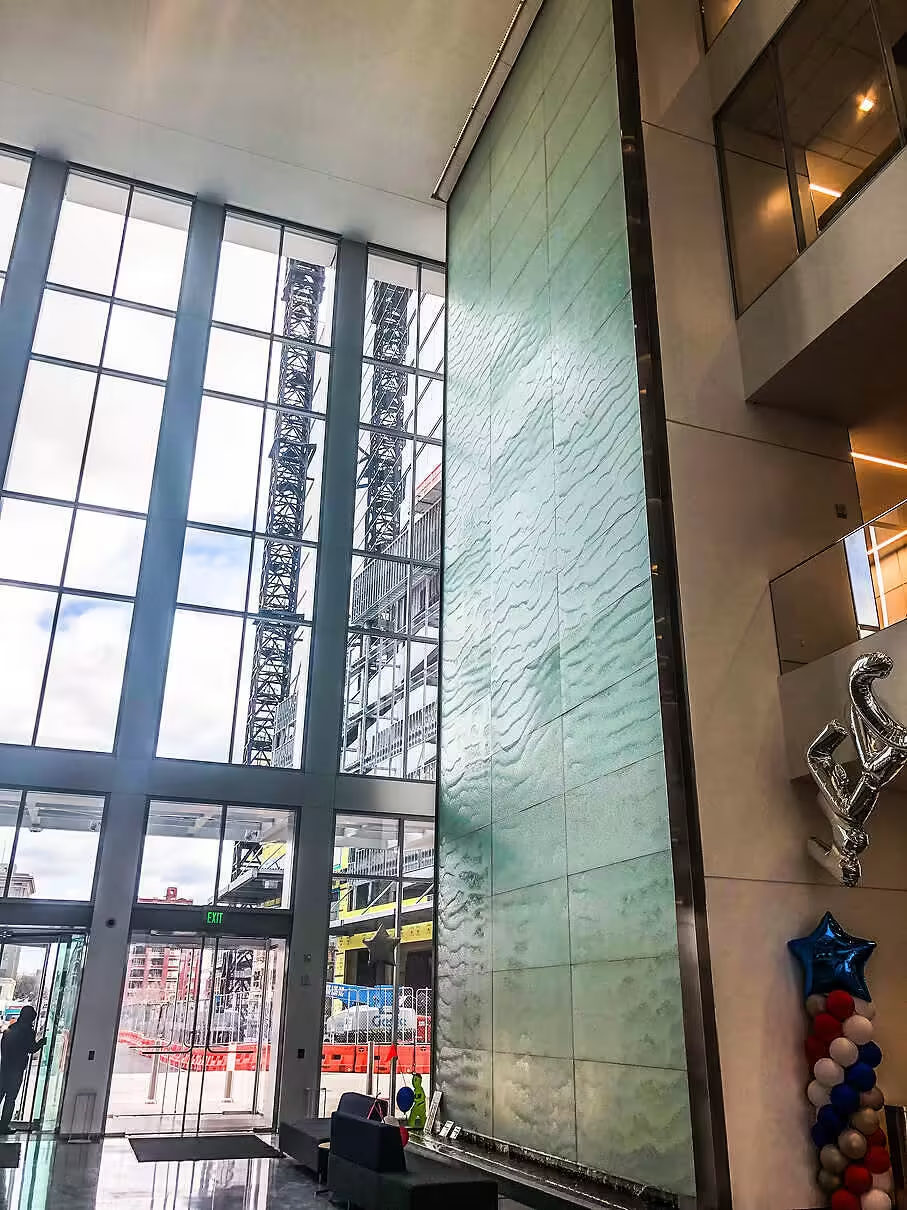
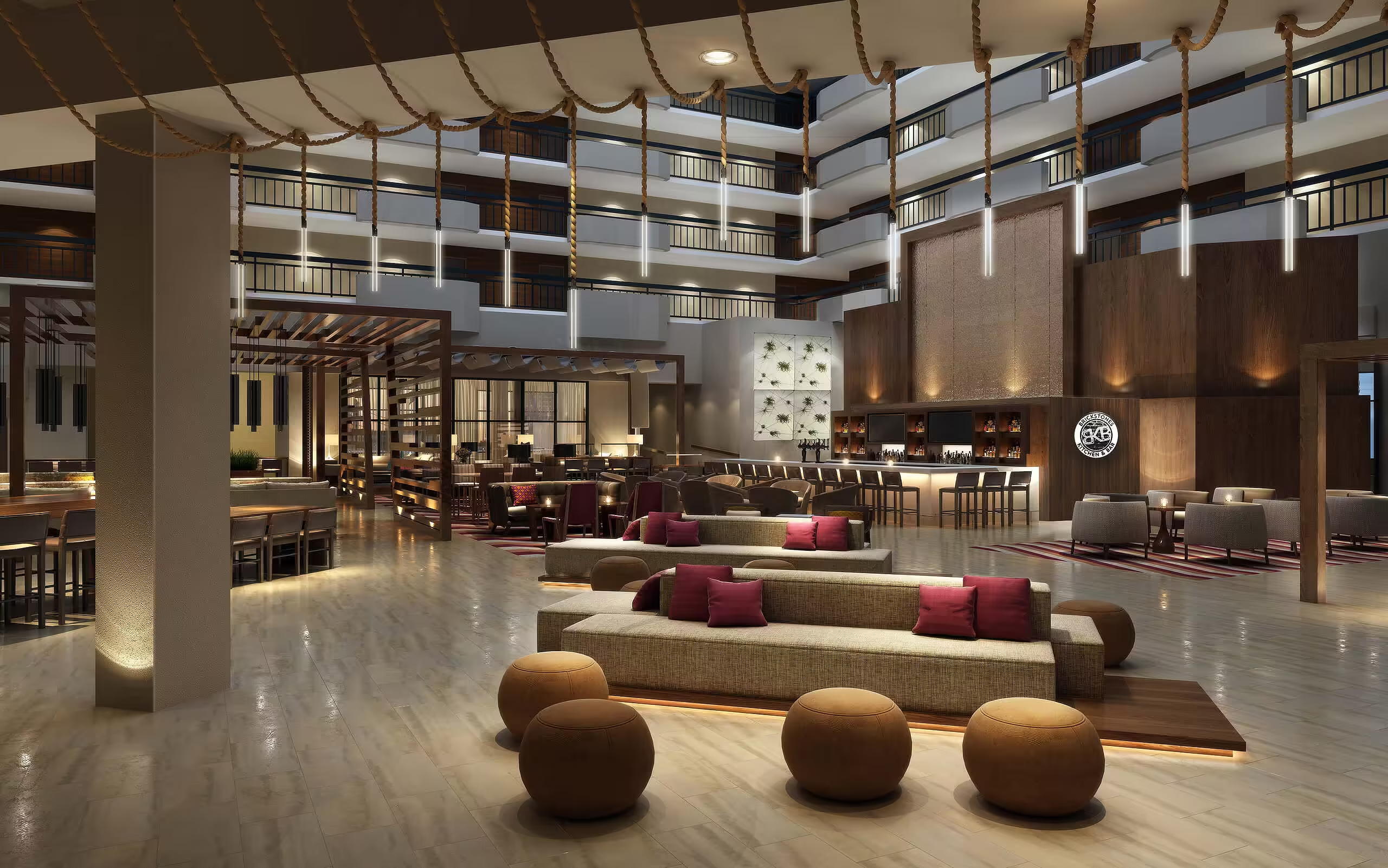
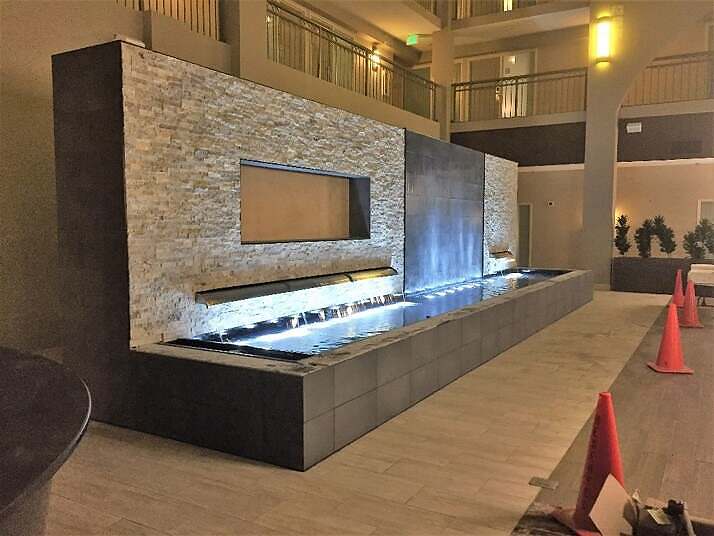
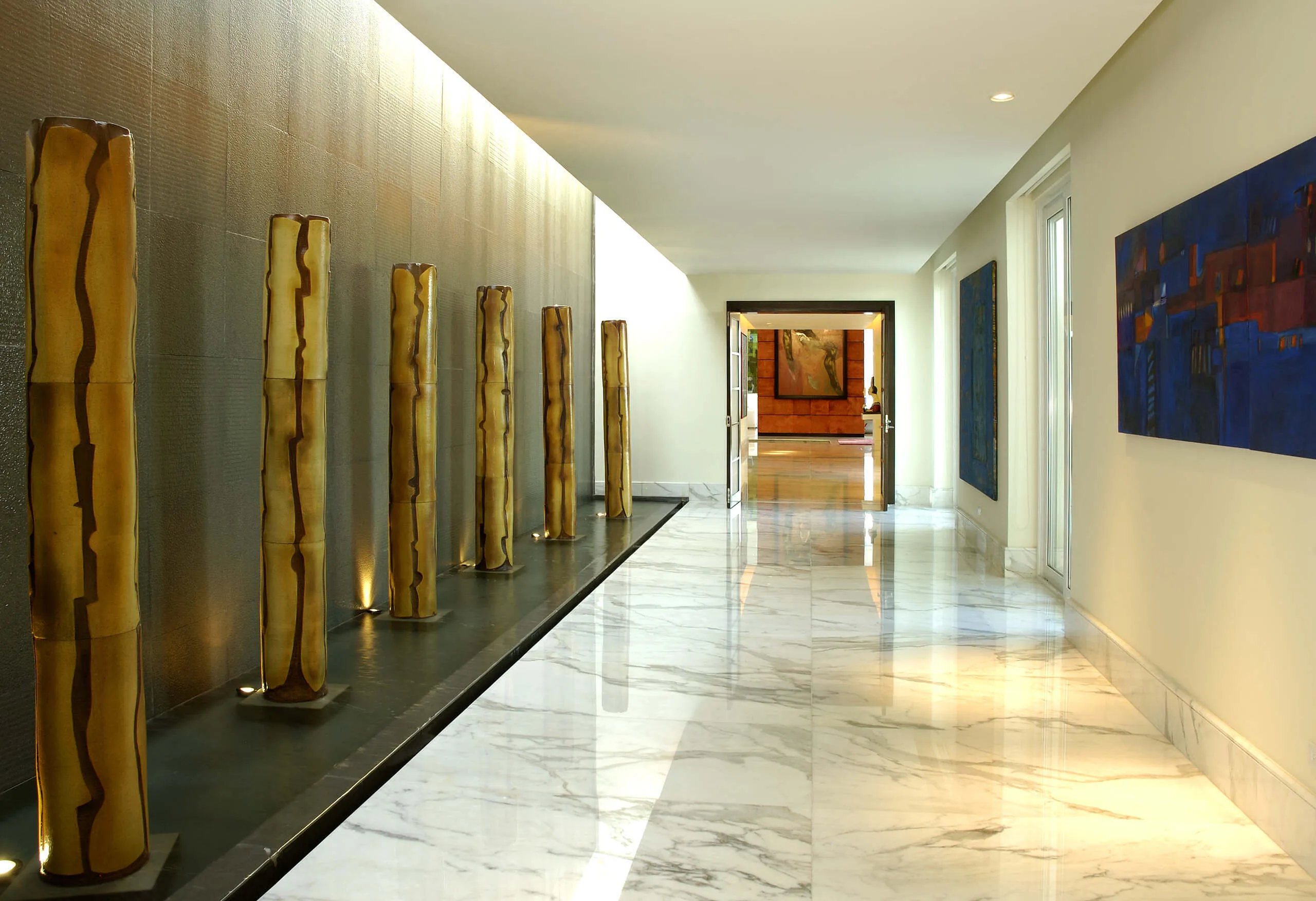
A custom indoor waterfall guides attention toward a reception desk, softens the edge of a staircase, creates separation between seating areas, or brings movement to a long corridor. In a large lobby, it can give the room a visual center. In a restaurant or office, it may create privacy without closing the space with a solid partition.
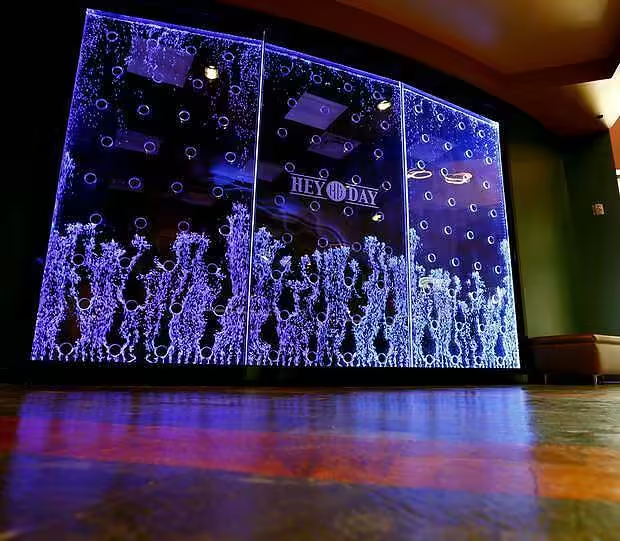
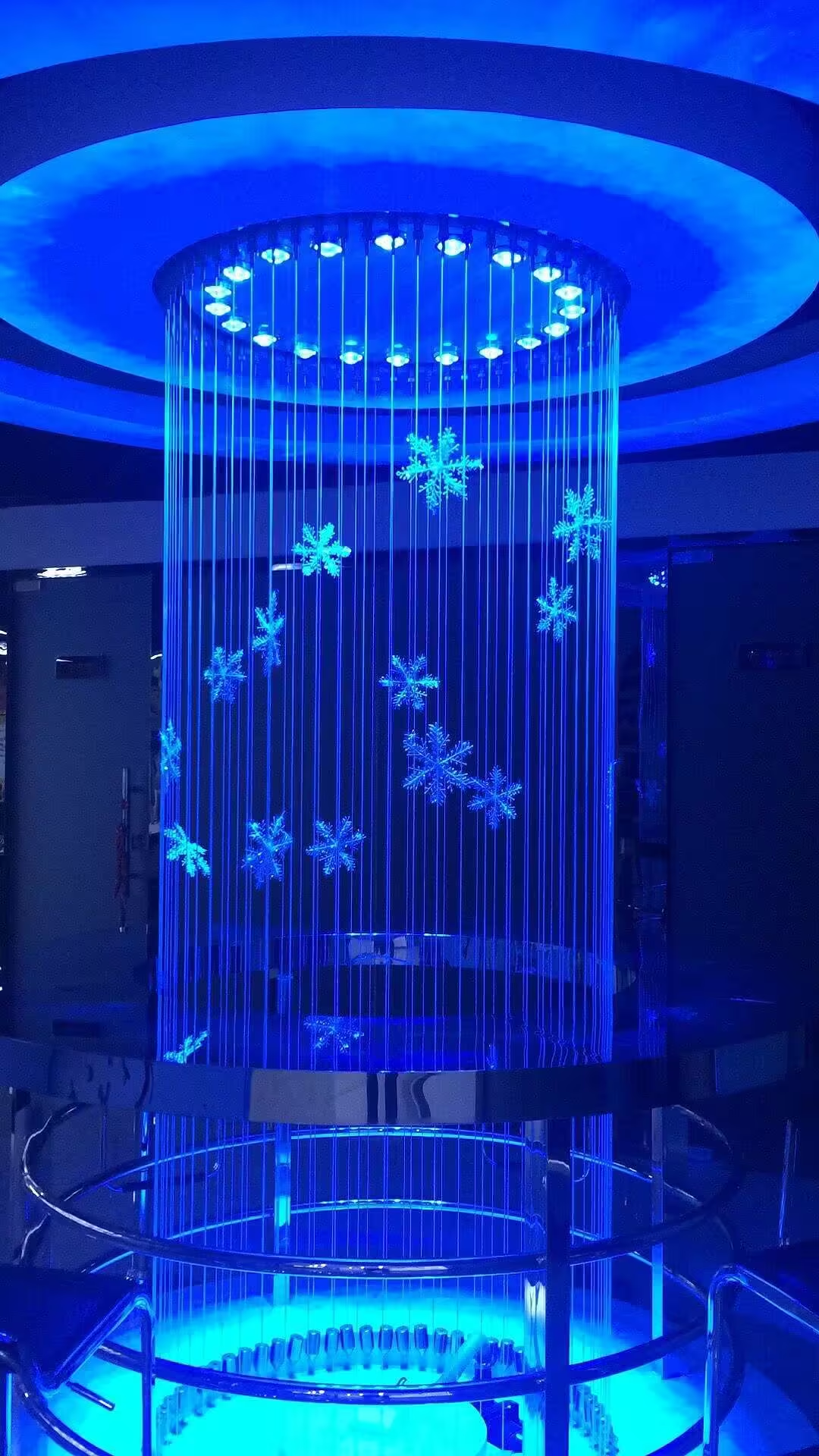
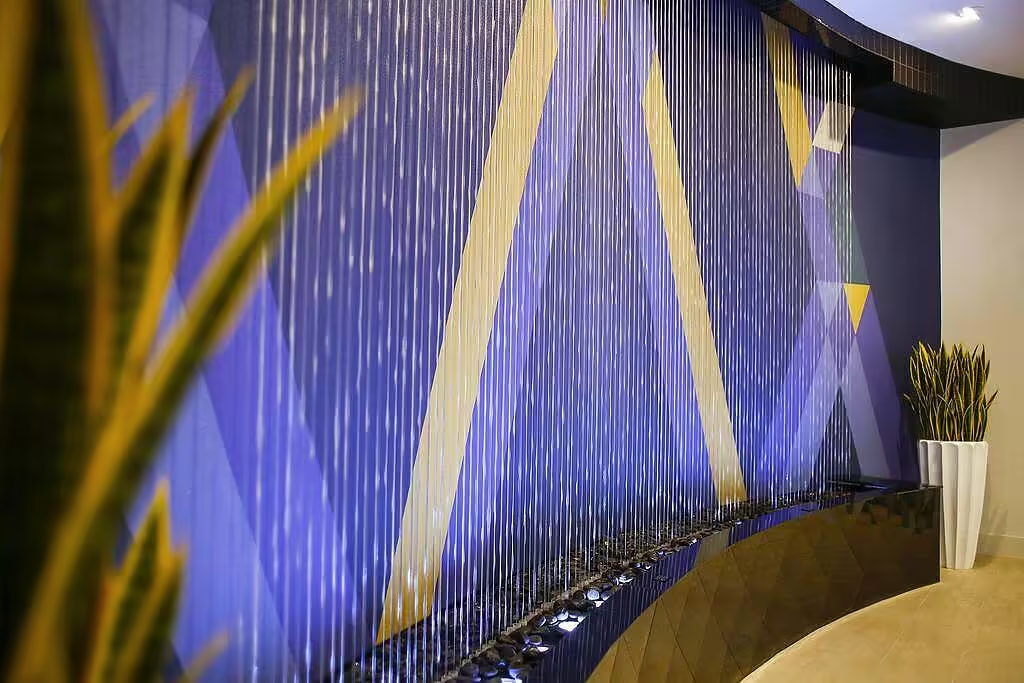
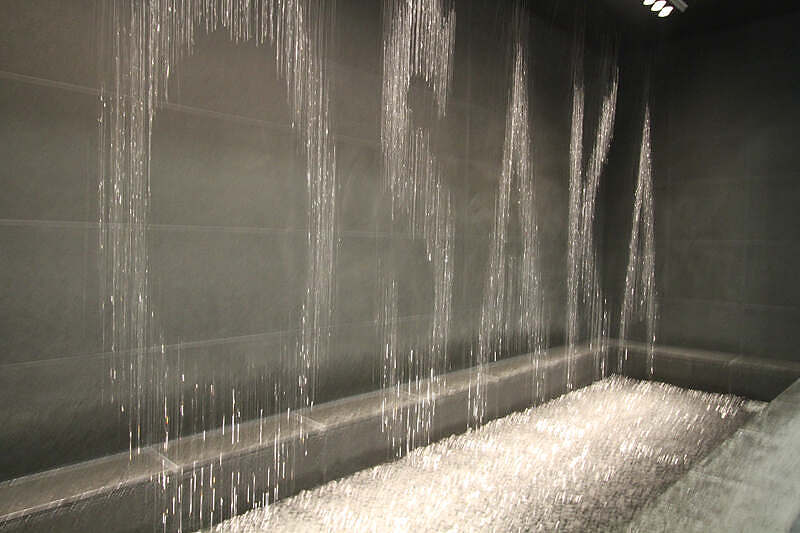
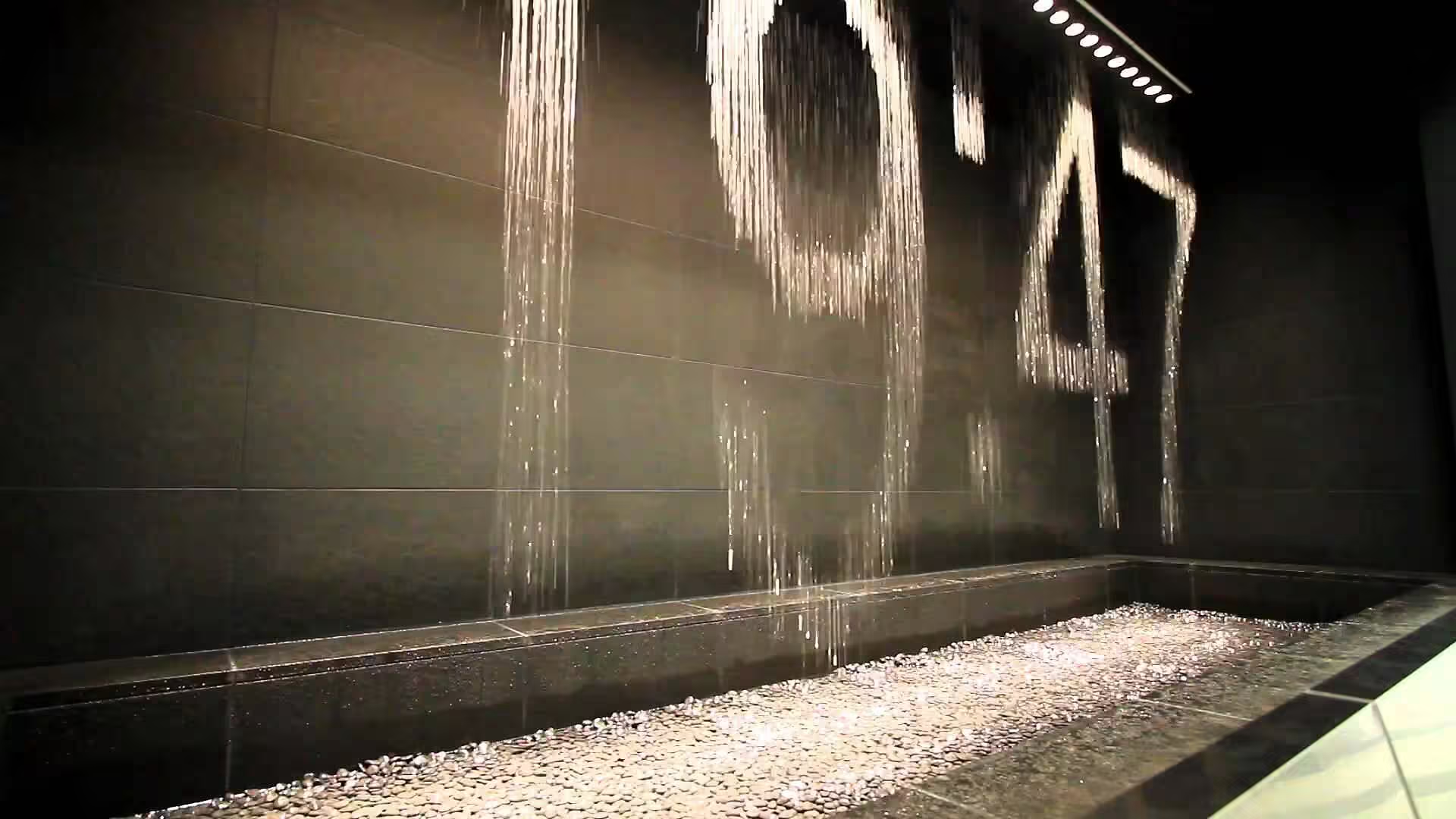
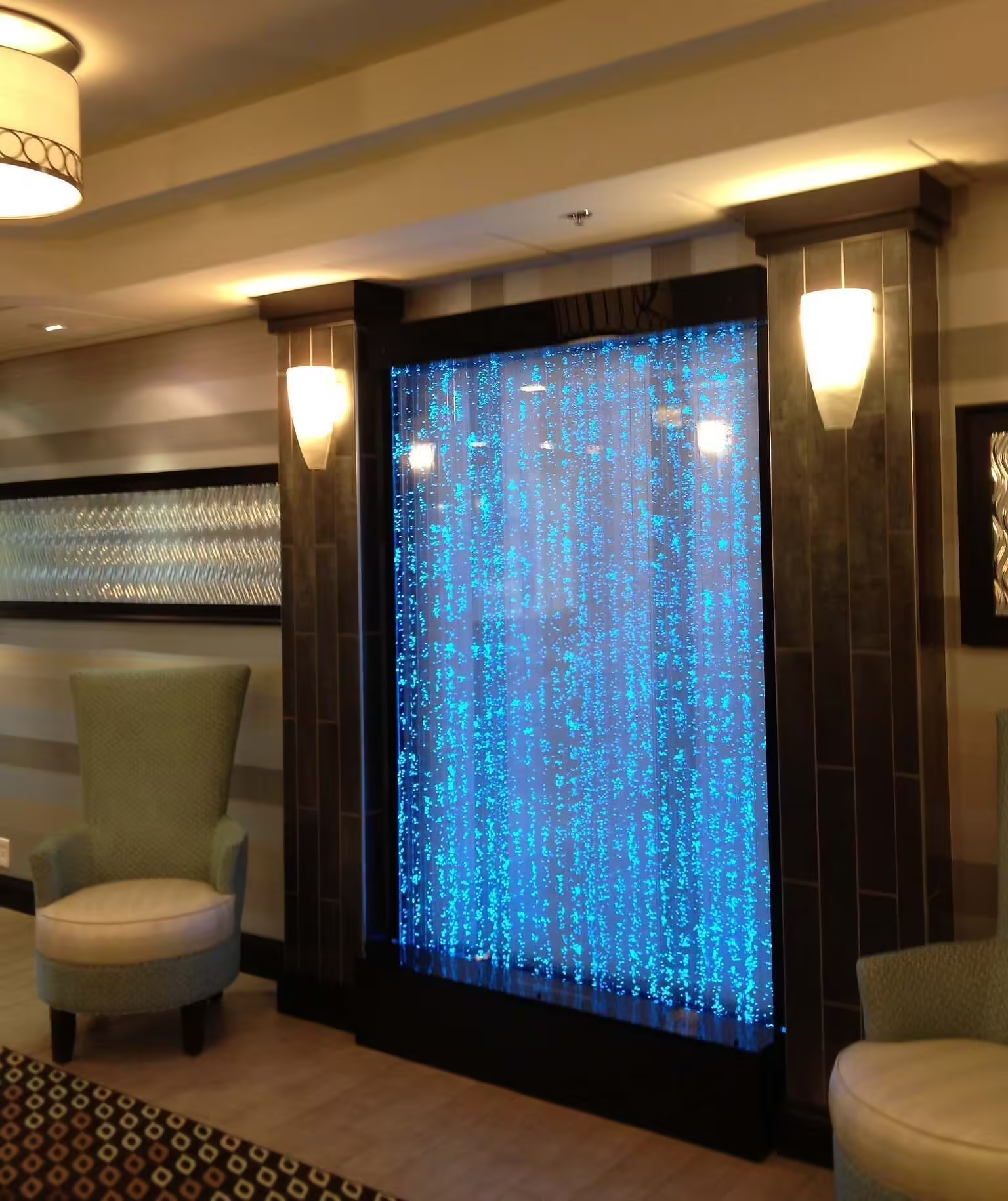
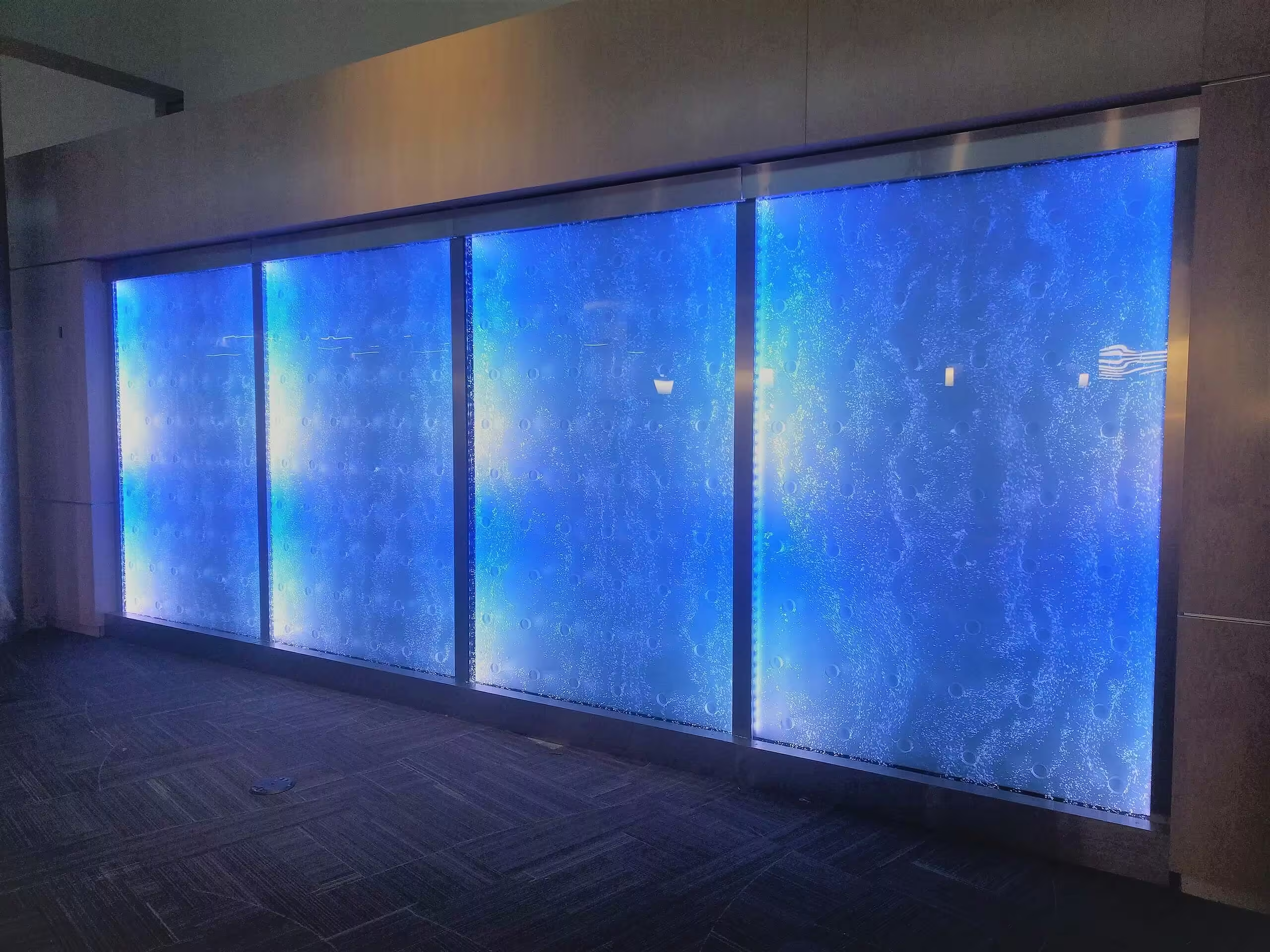
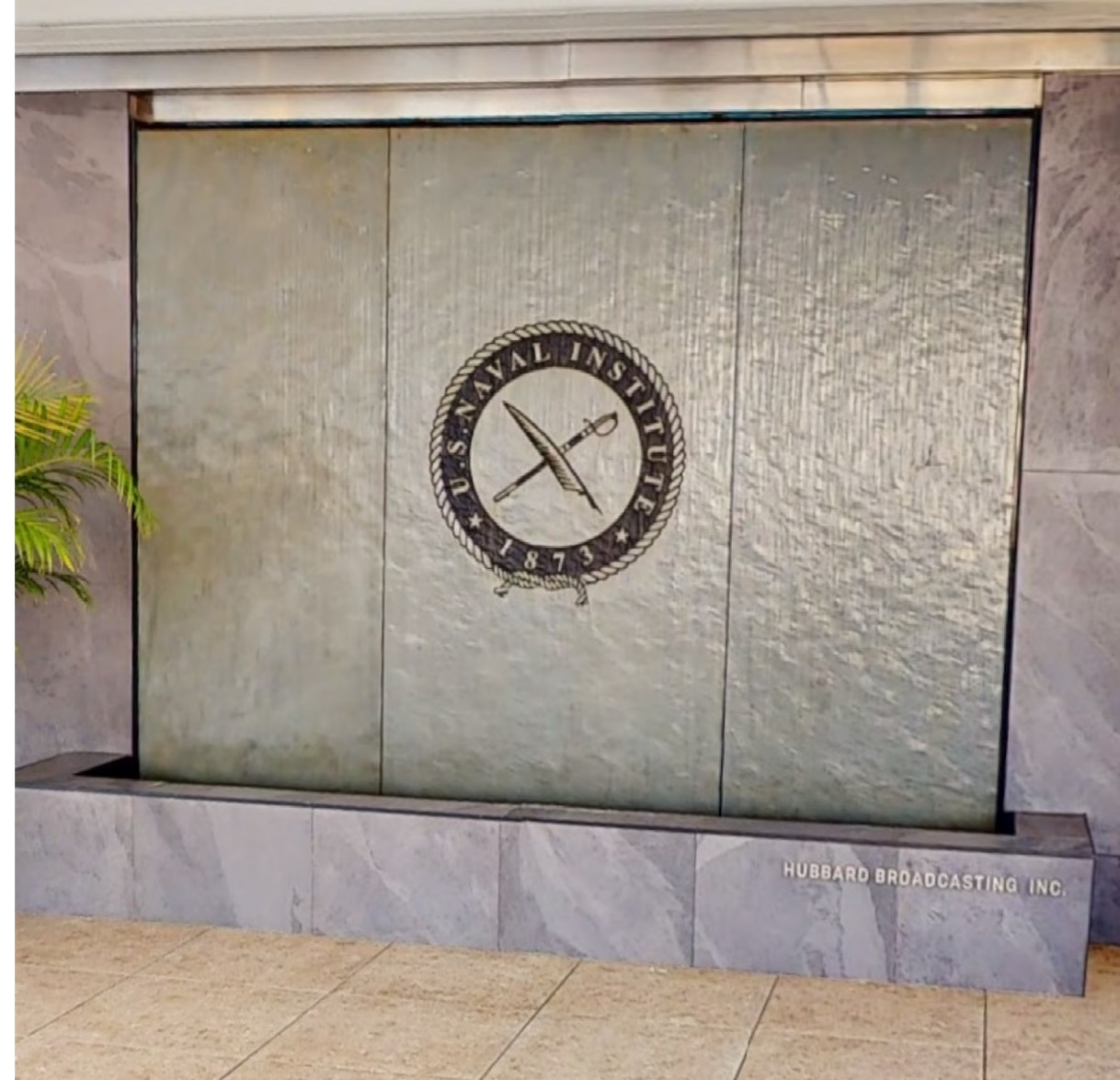
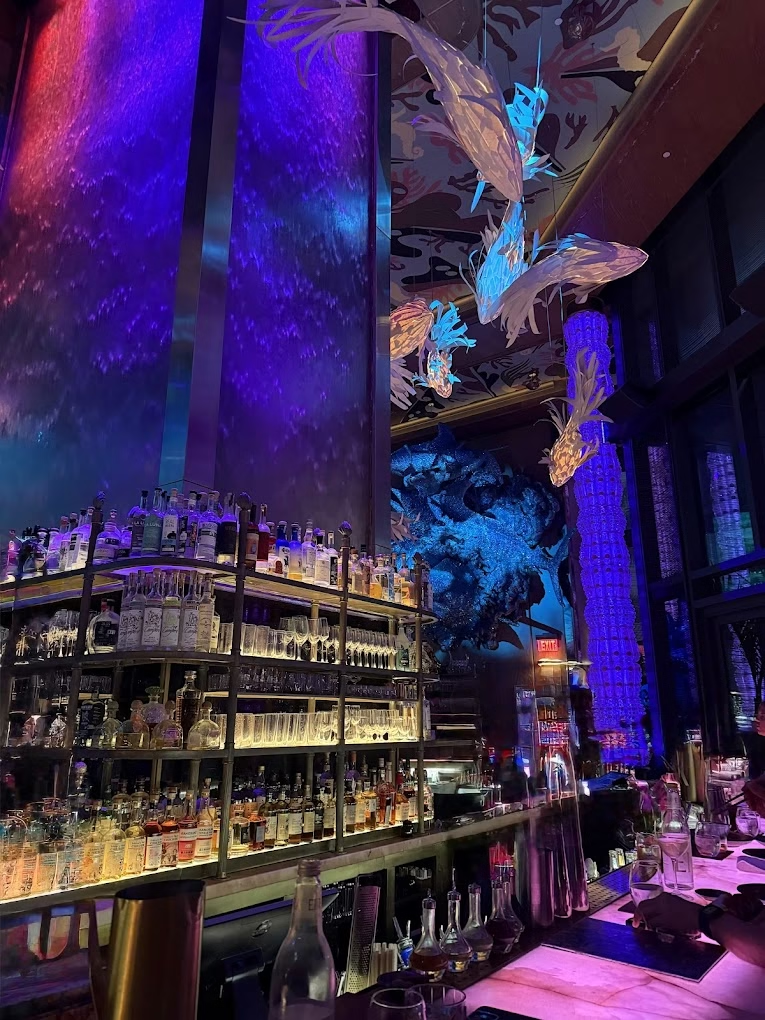
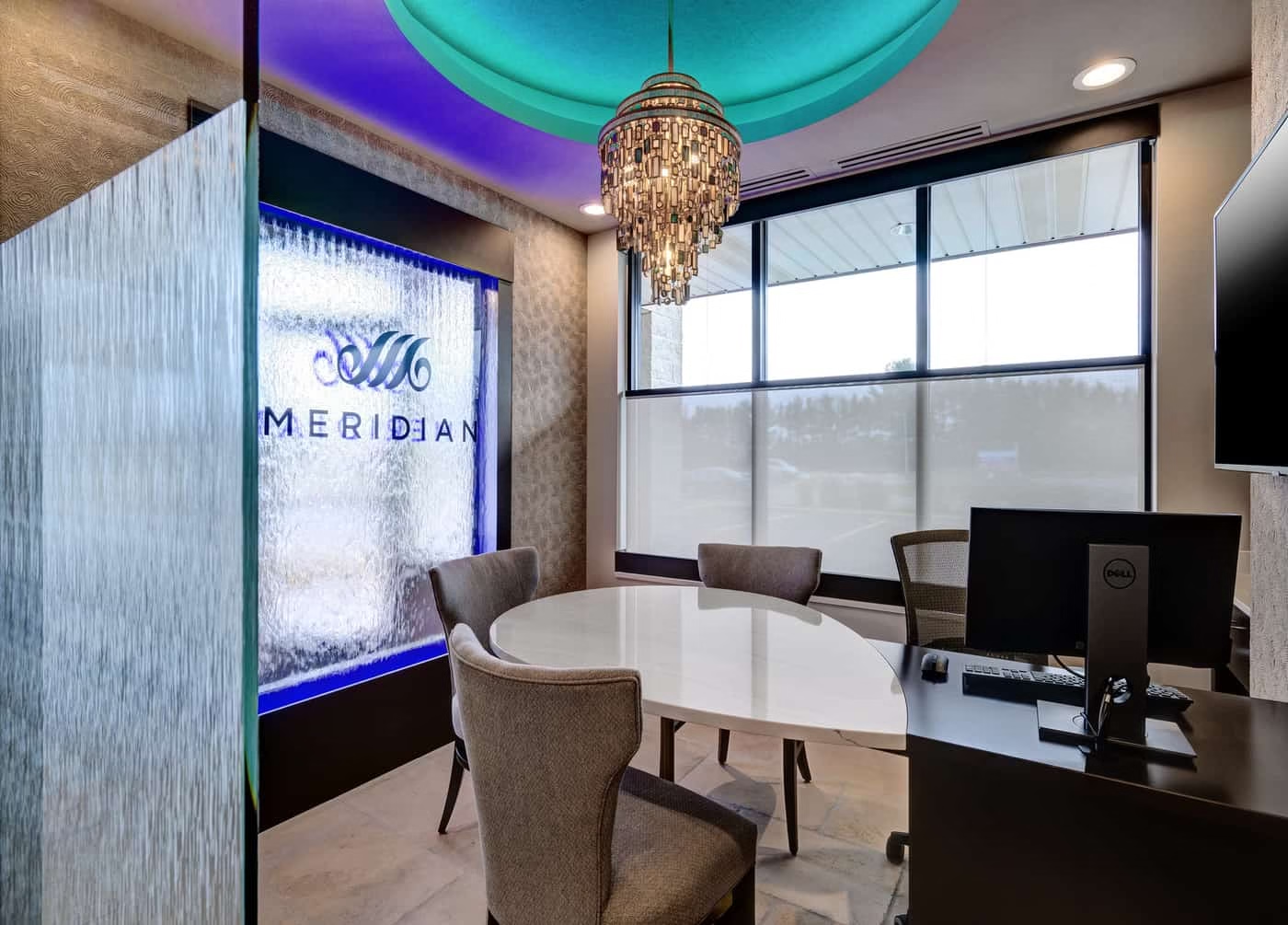
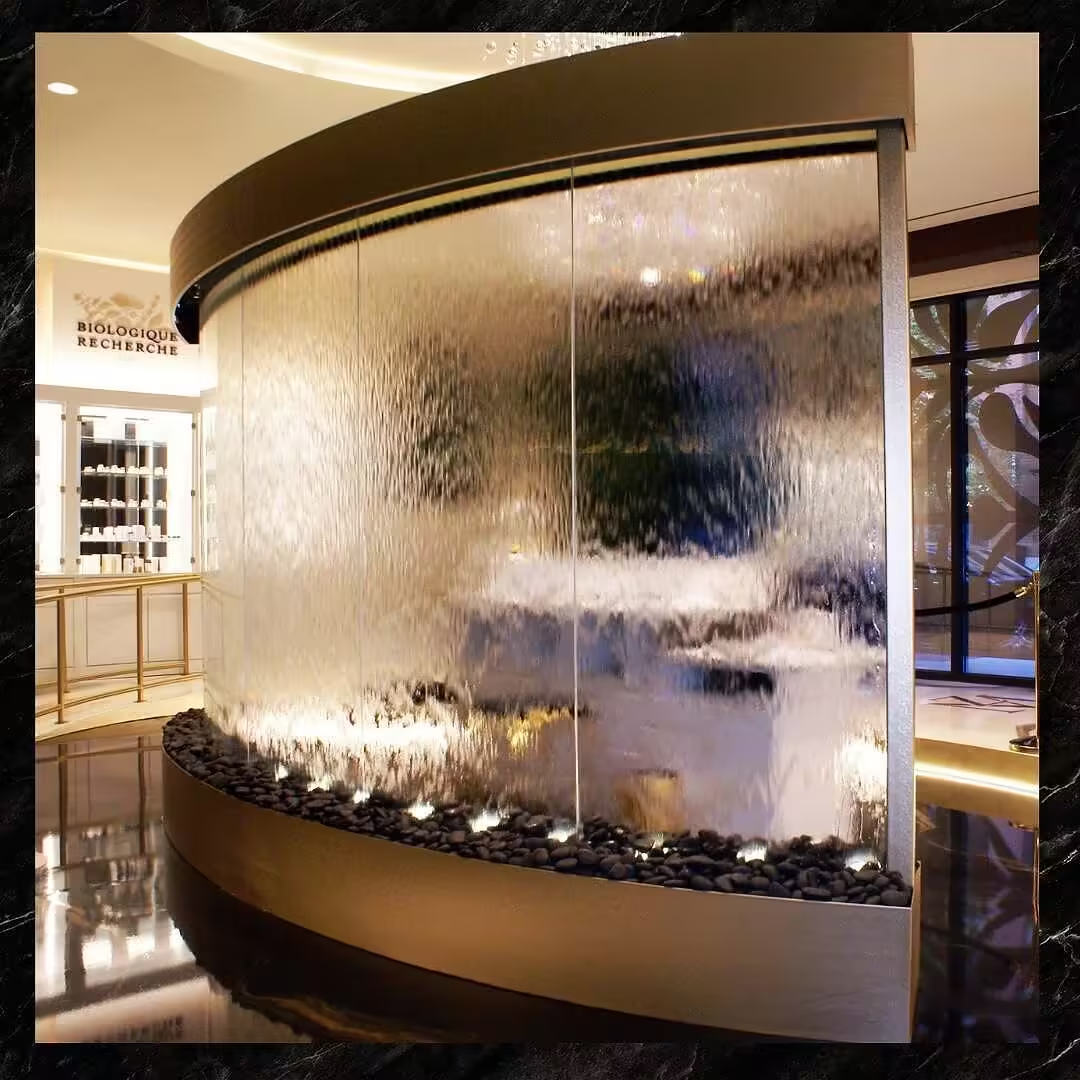
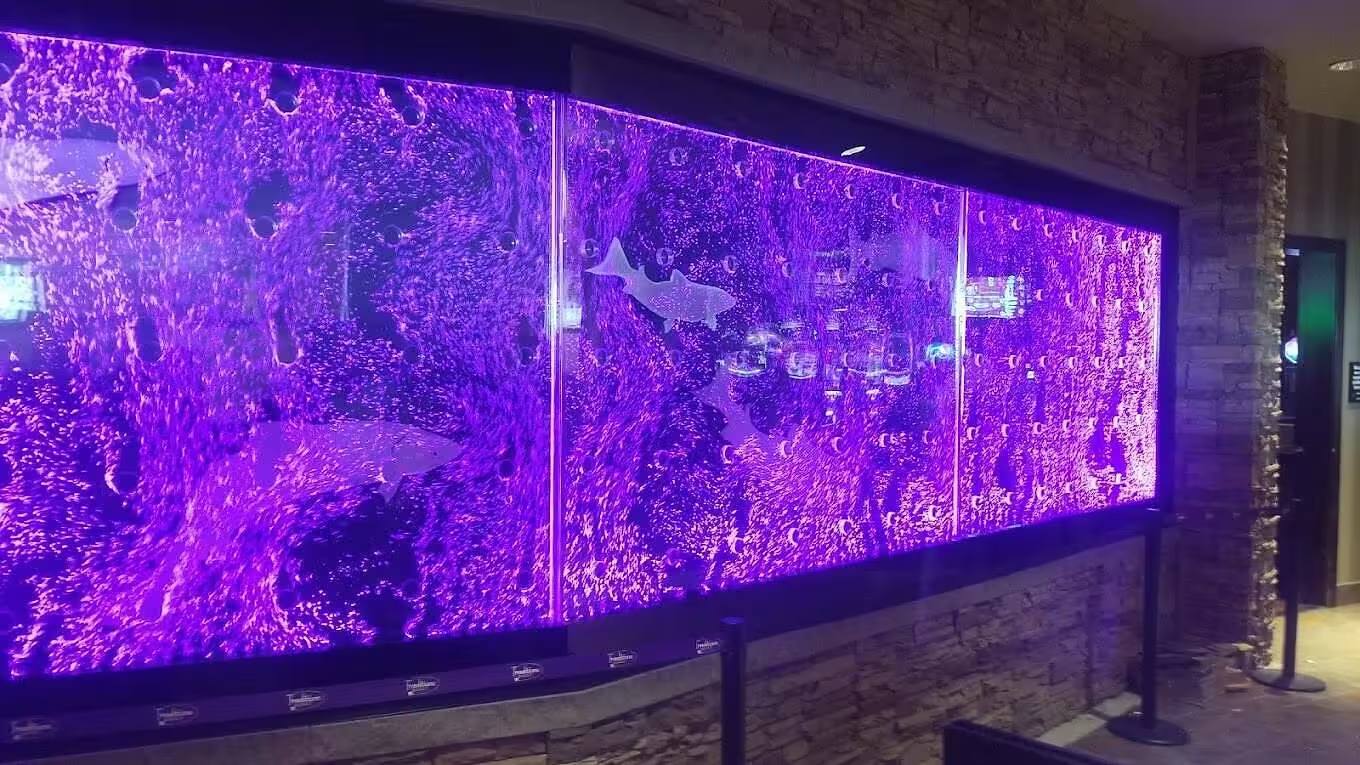
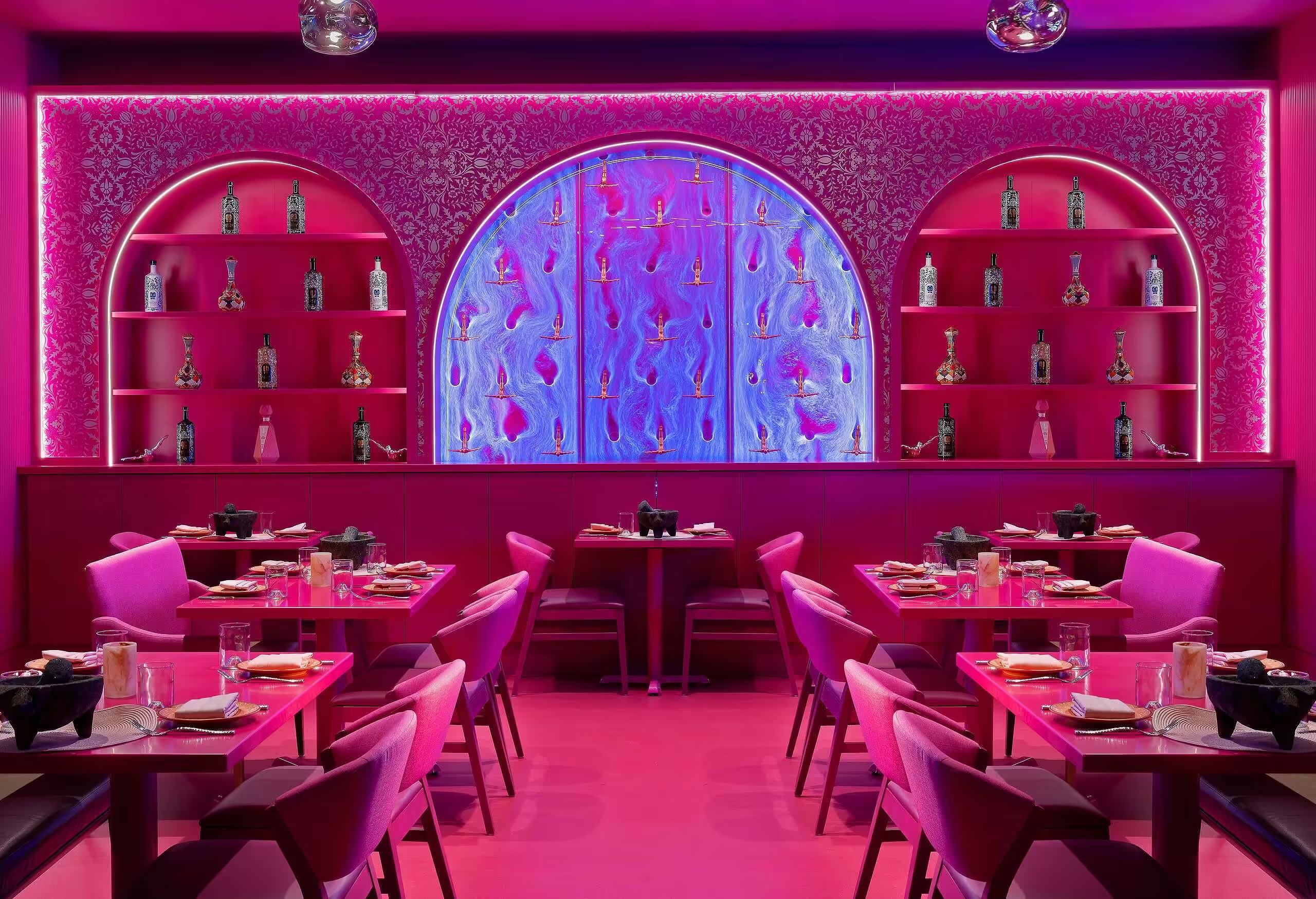
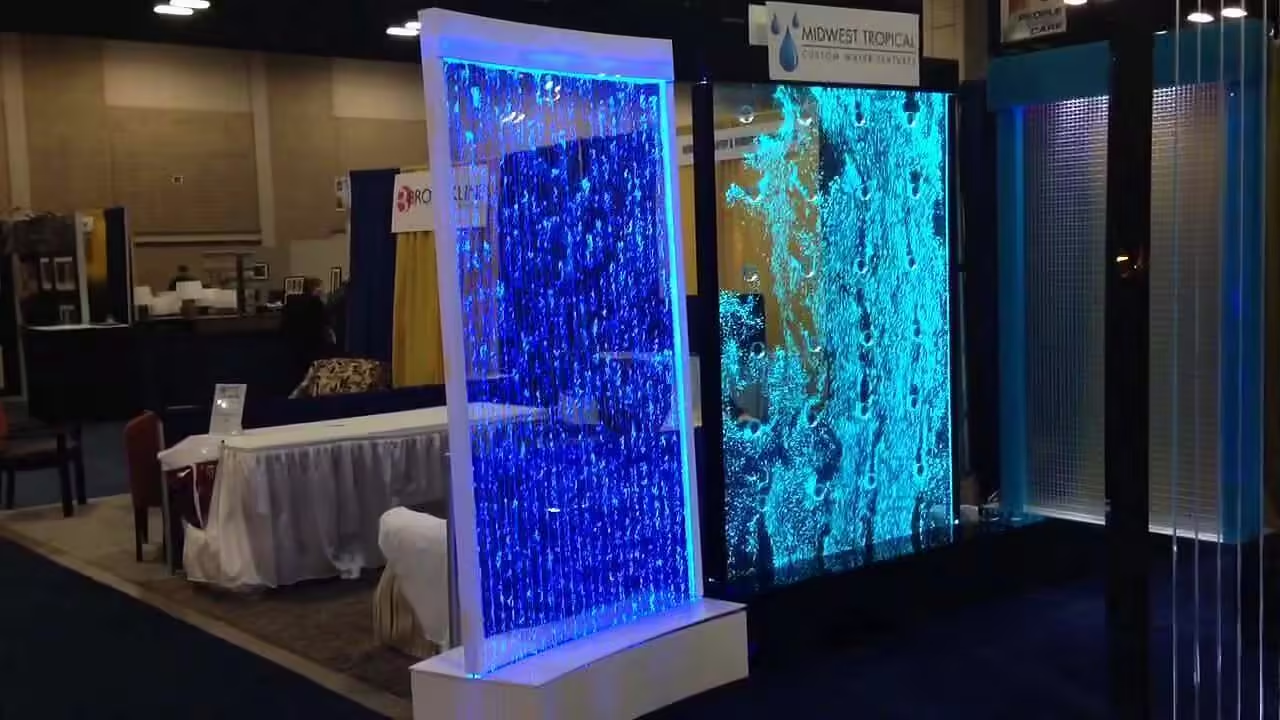
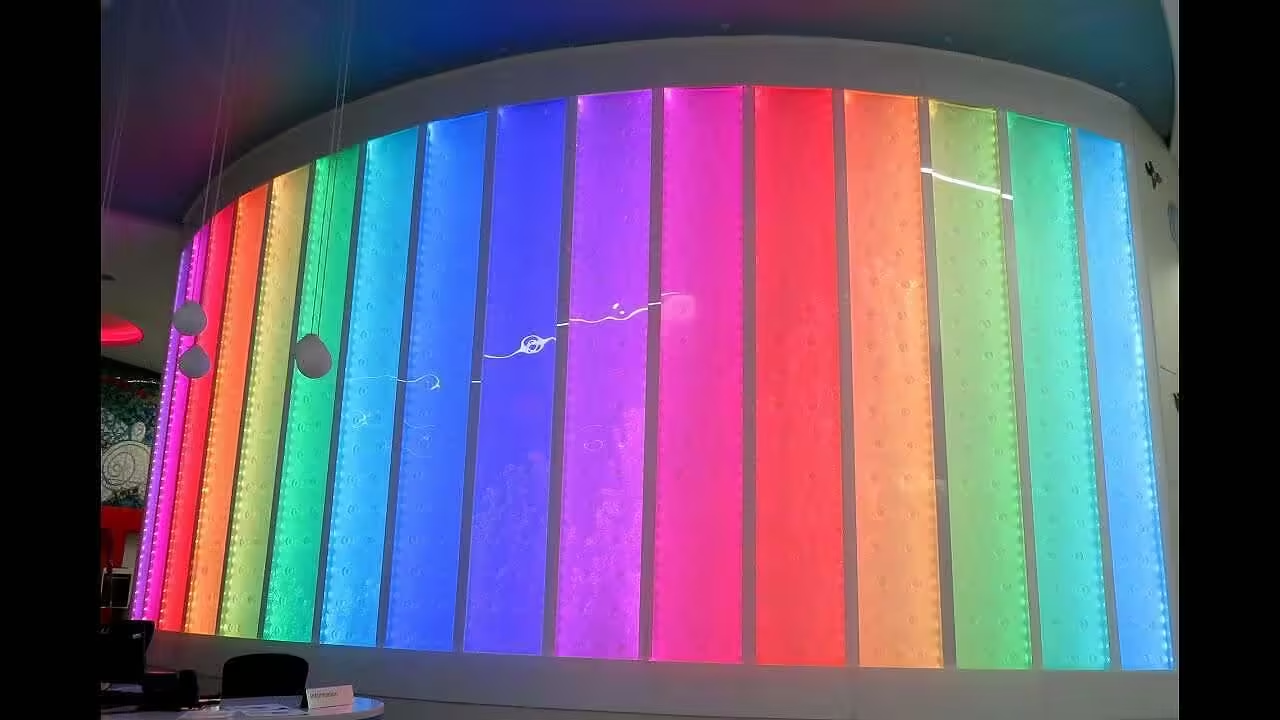
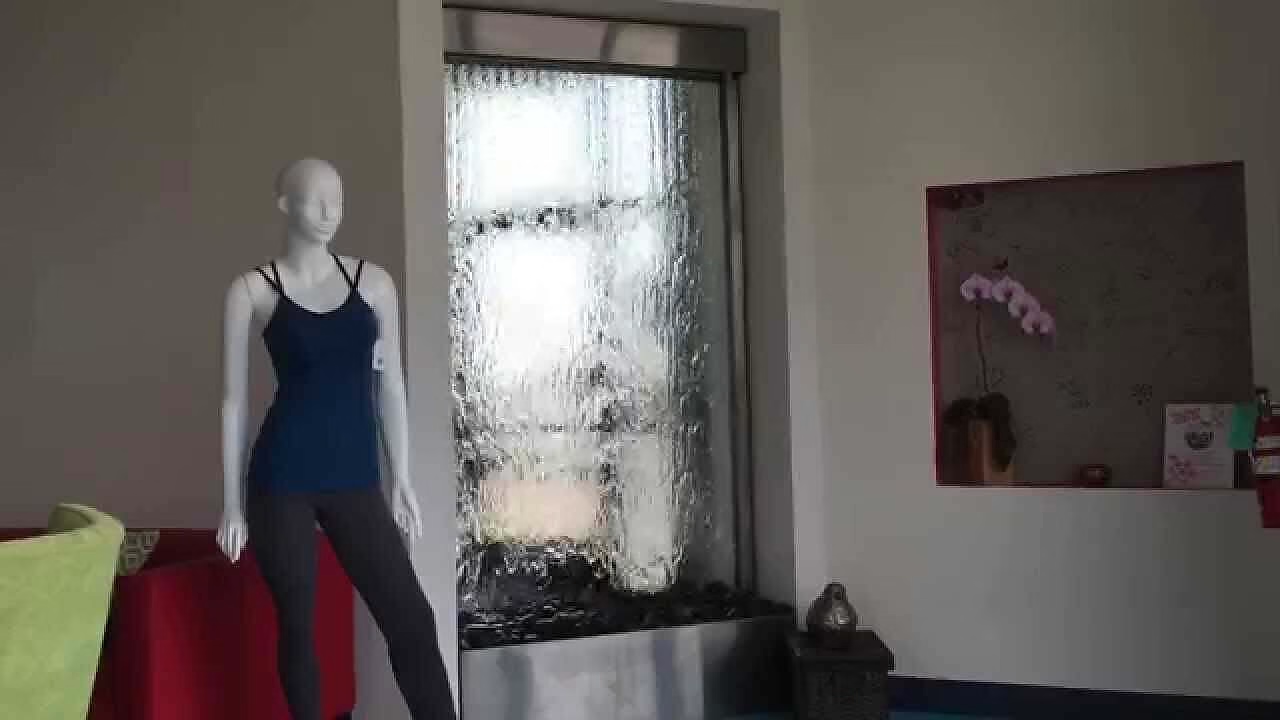
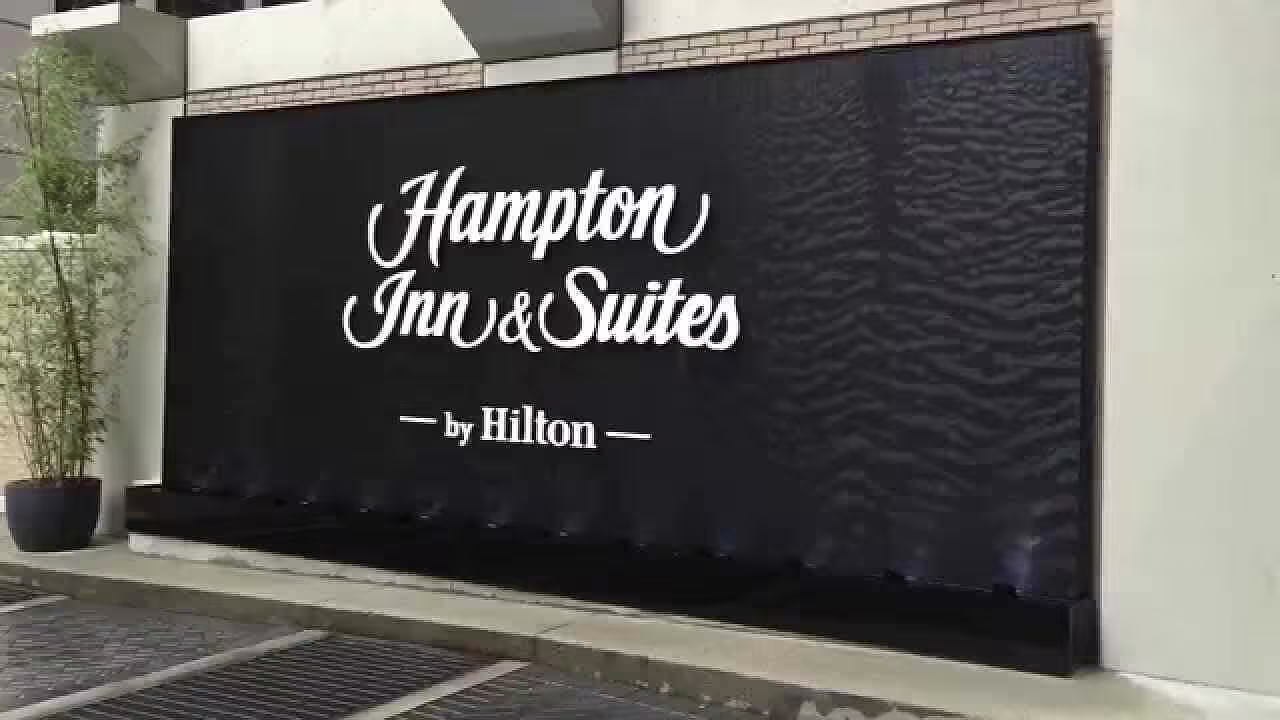
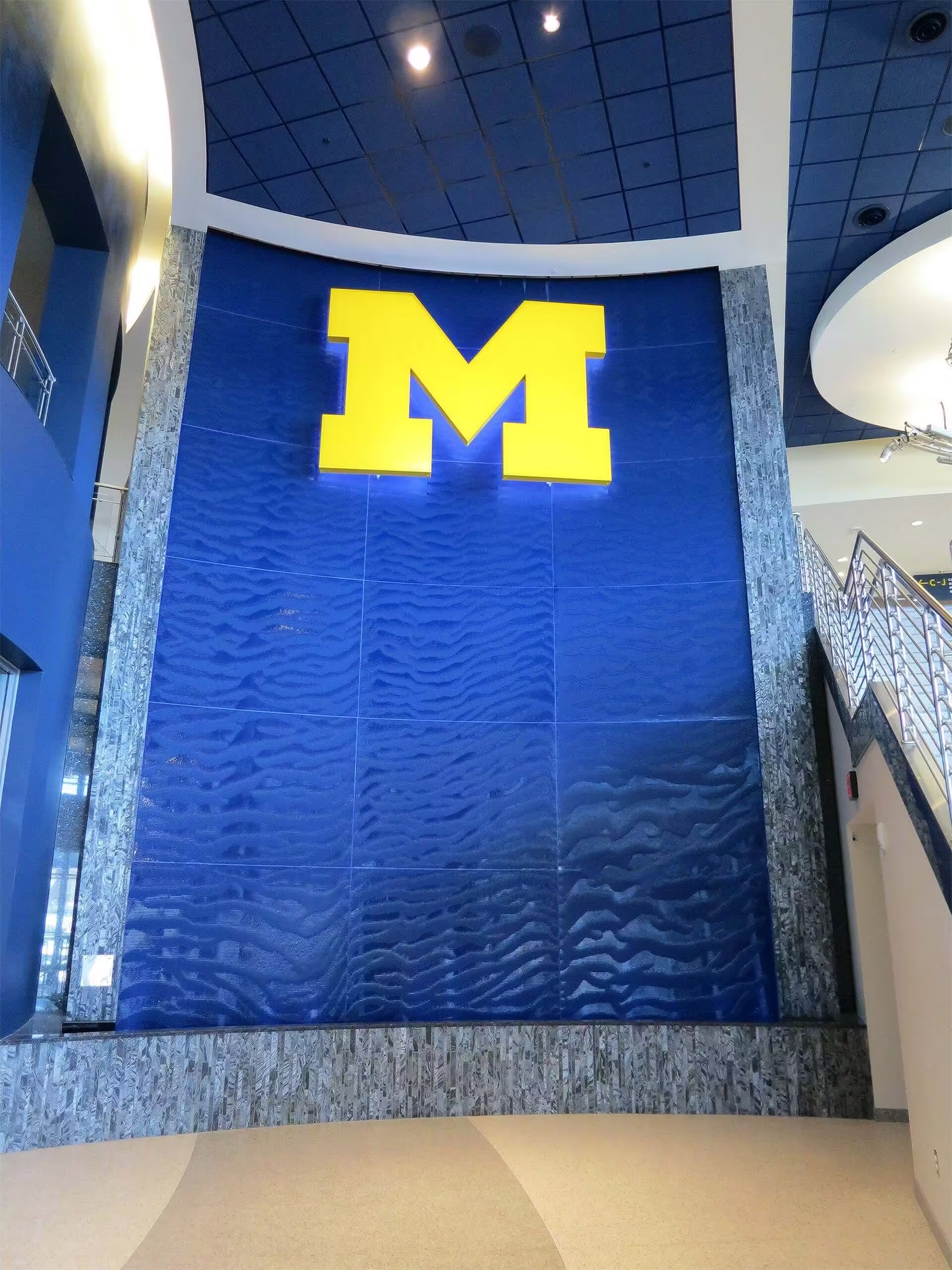
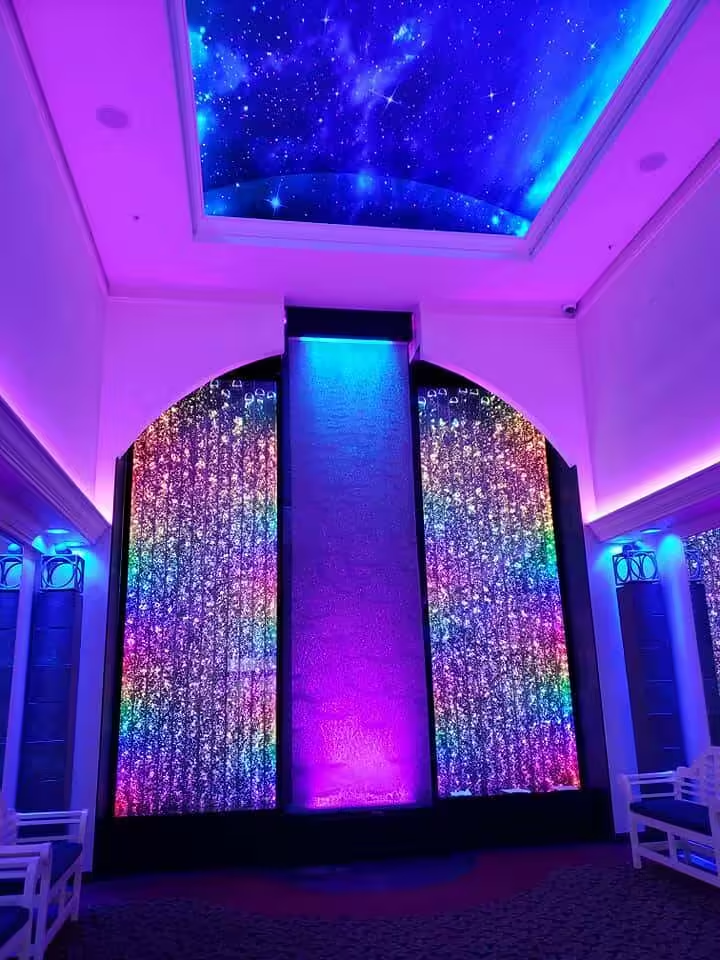
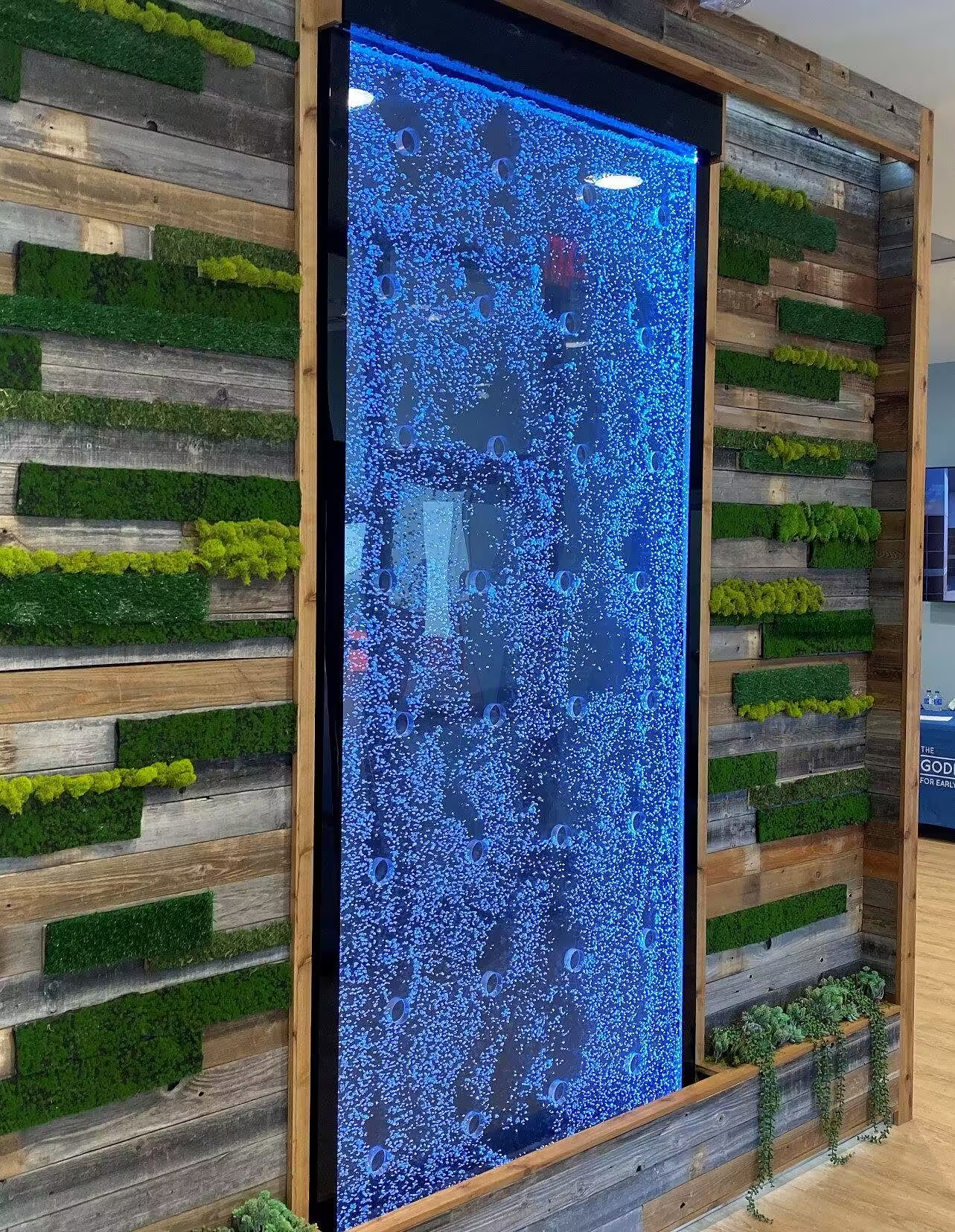
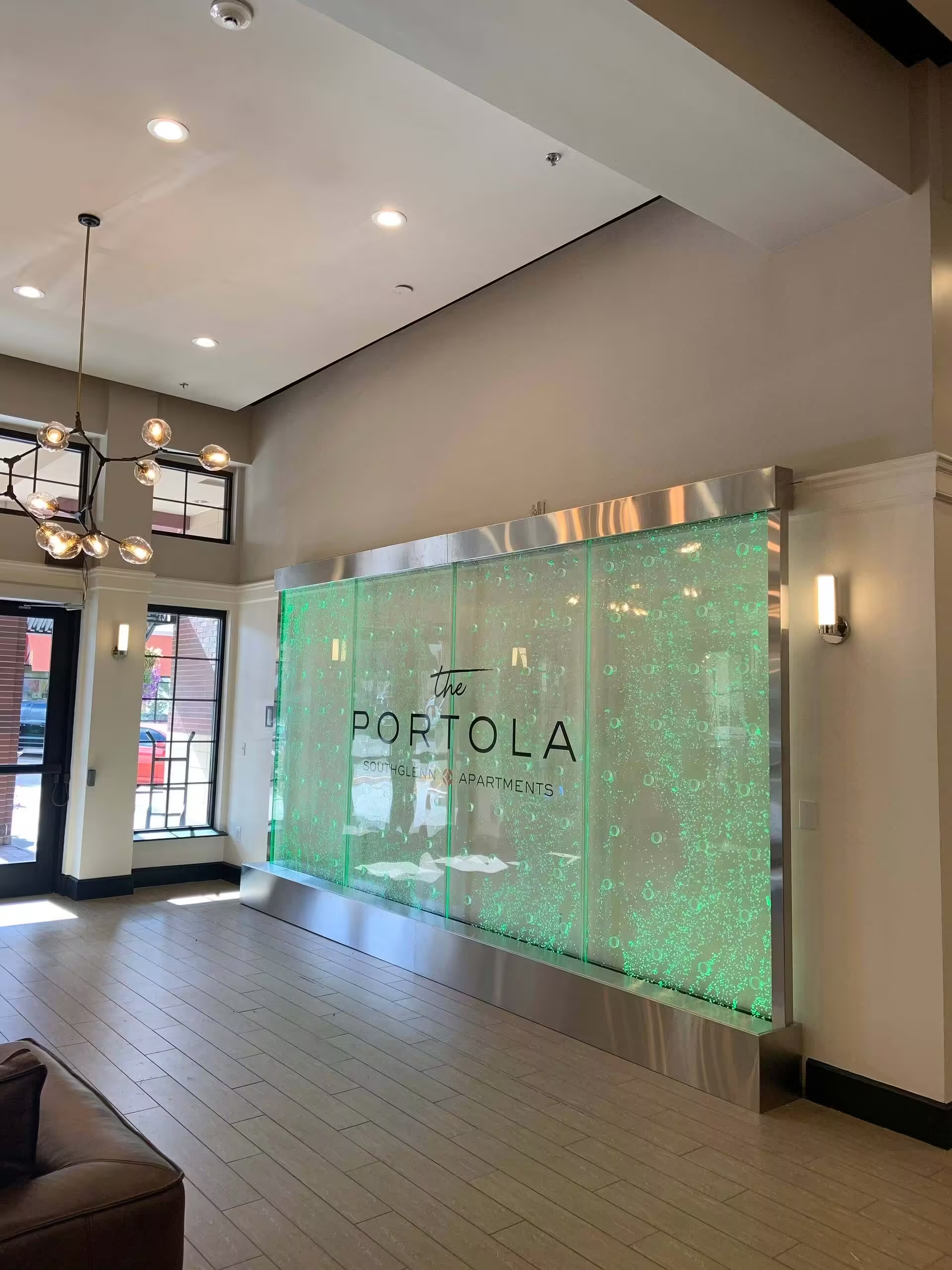
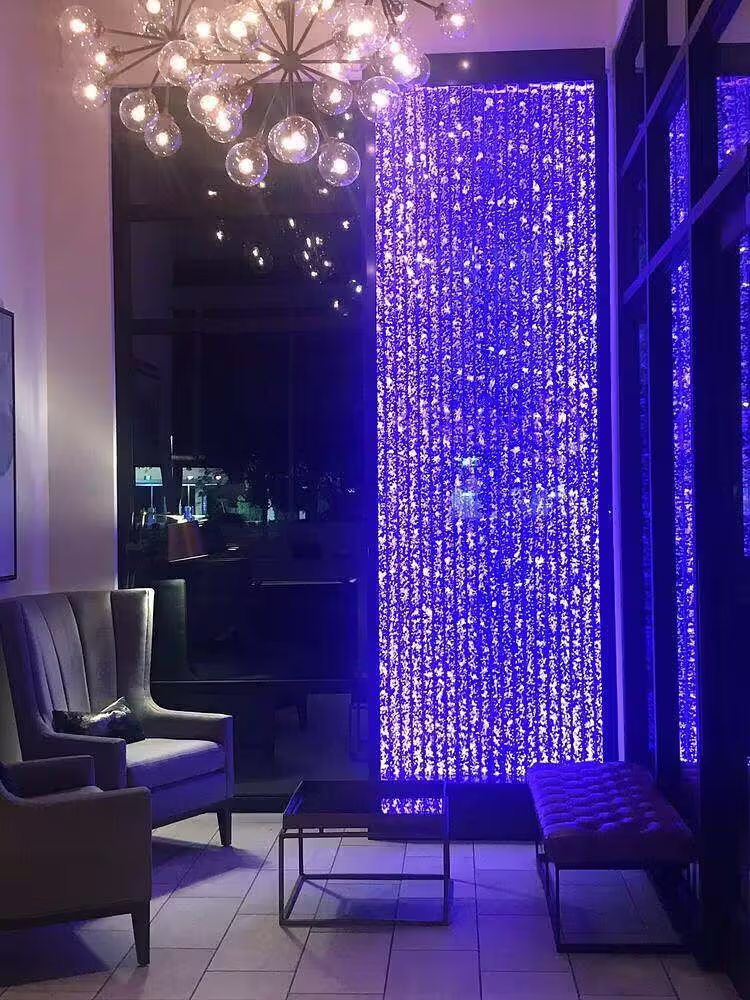
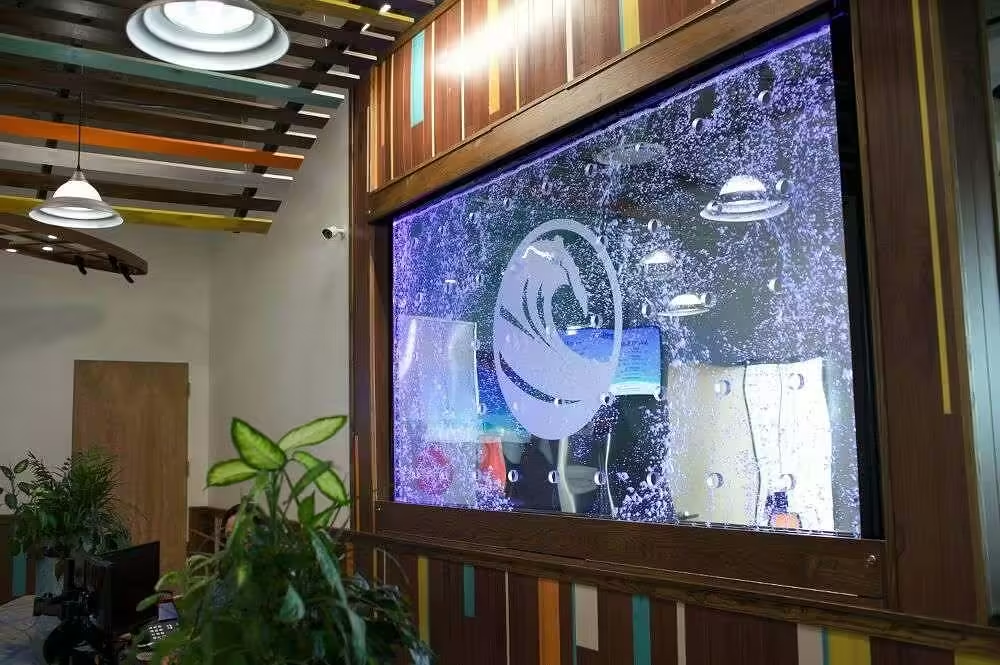
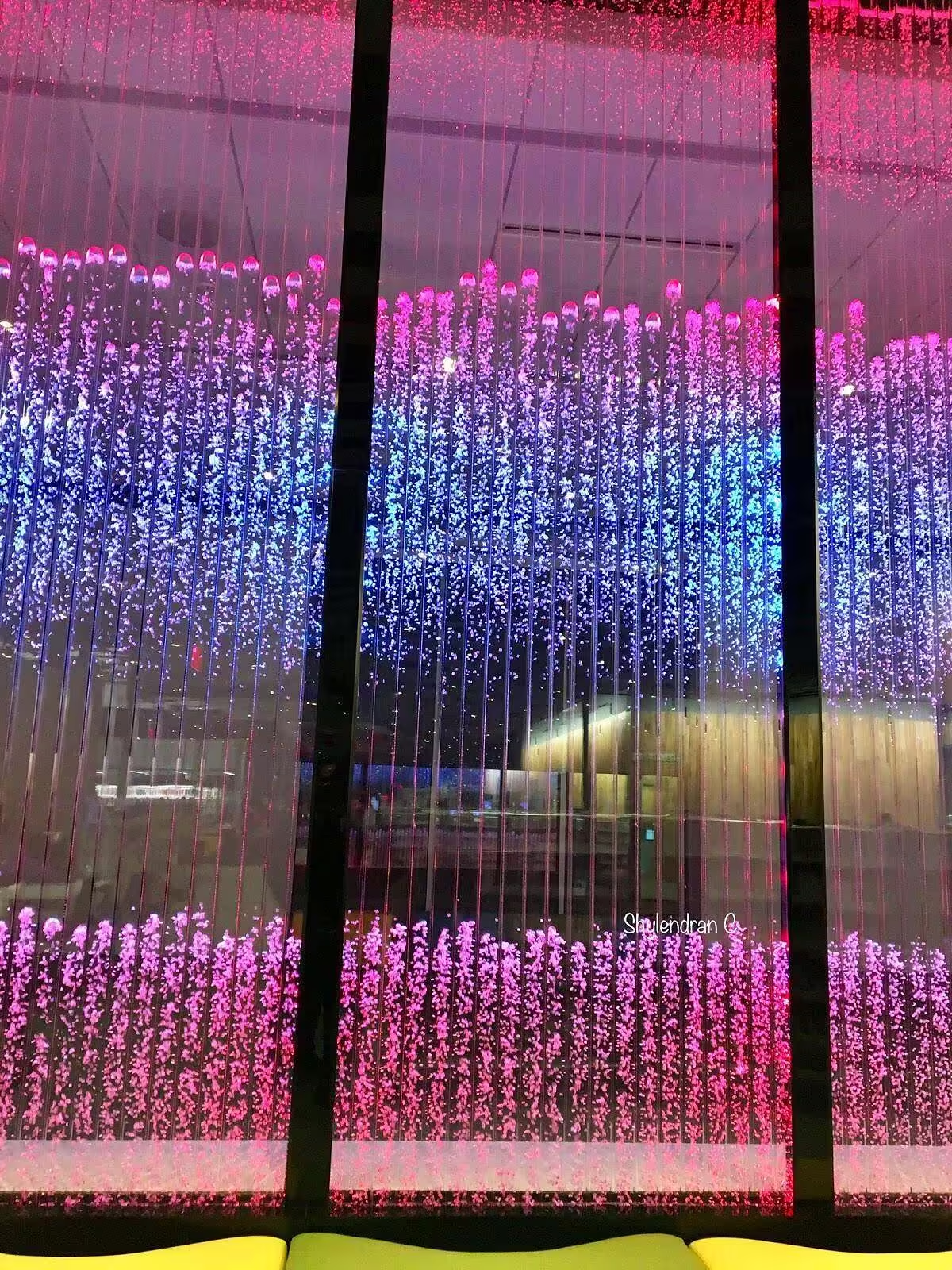
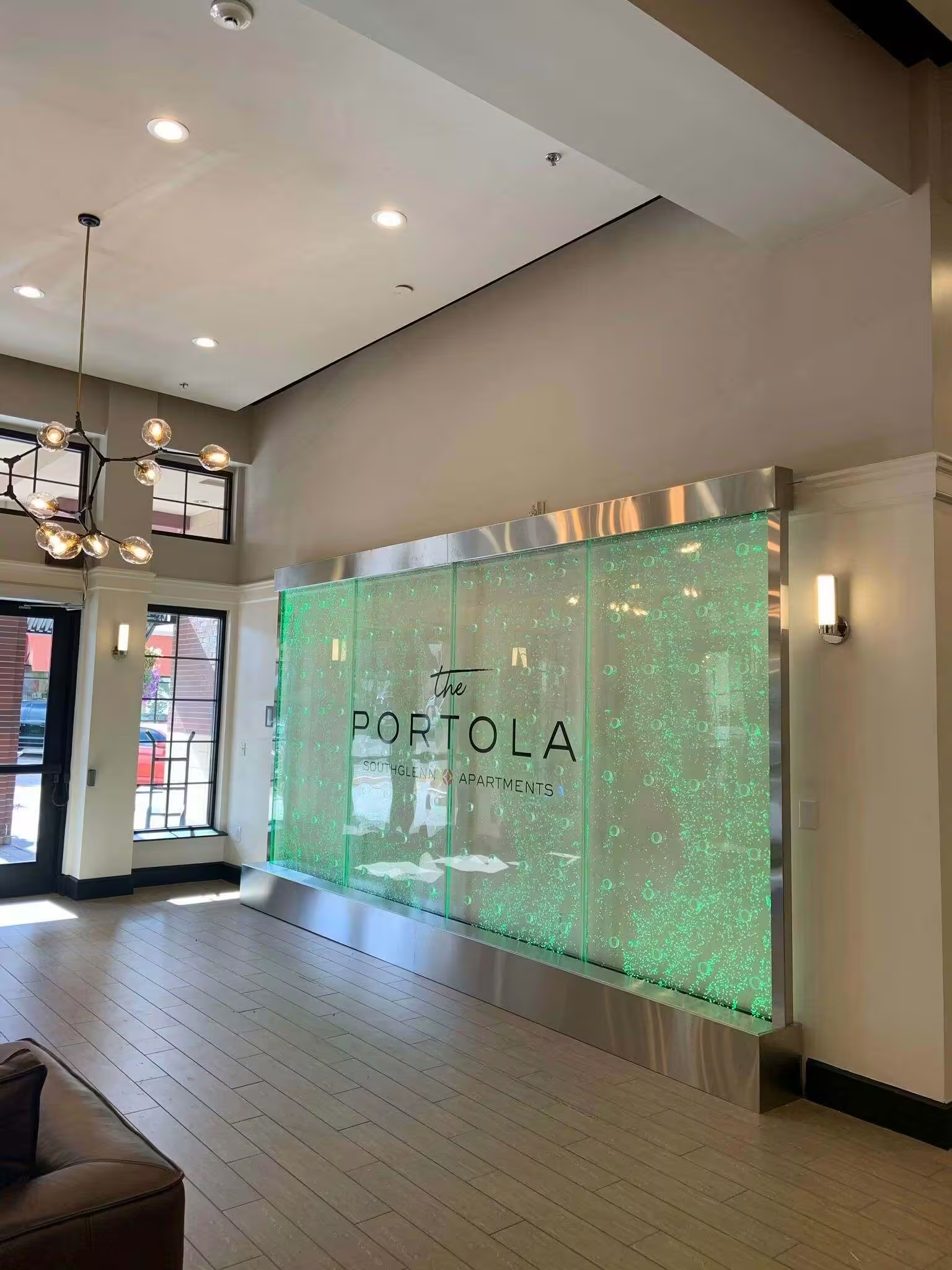
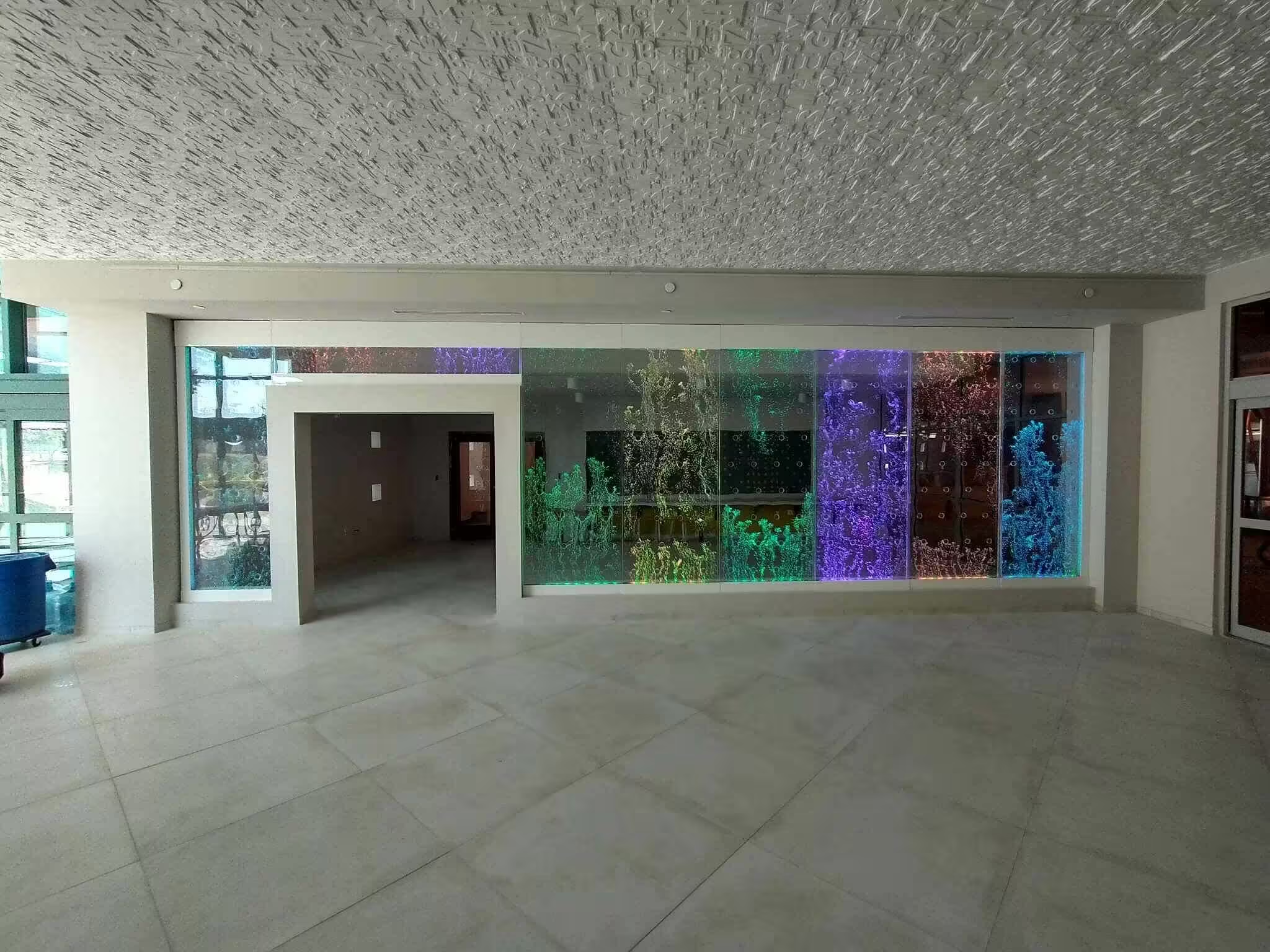
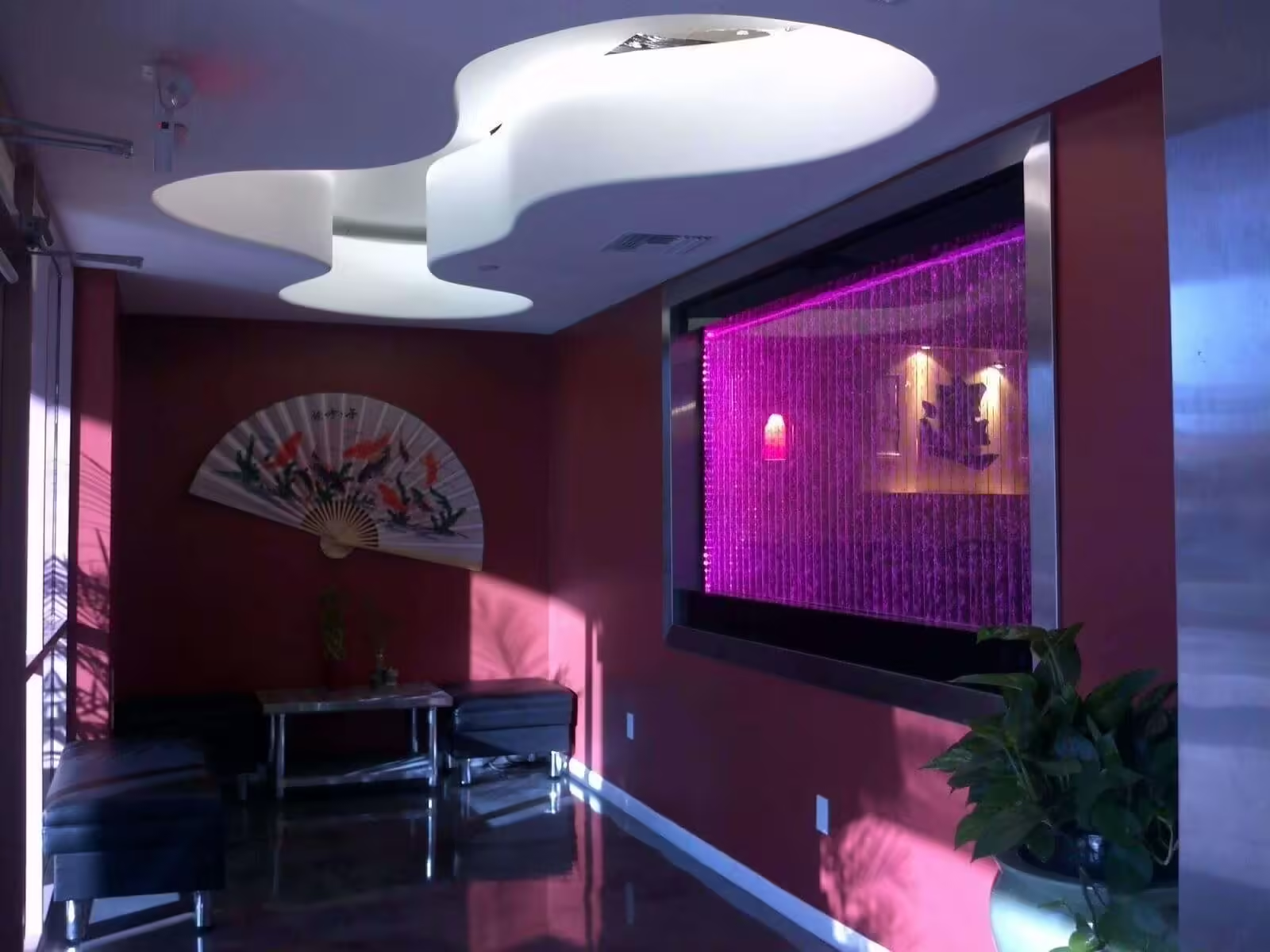
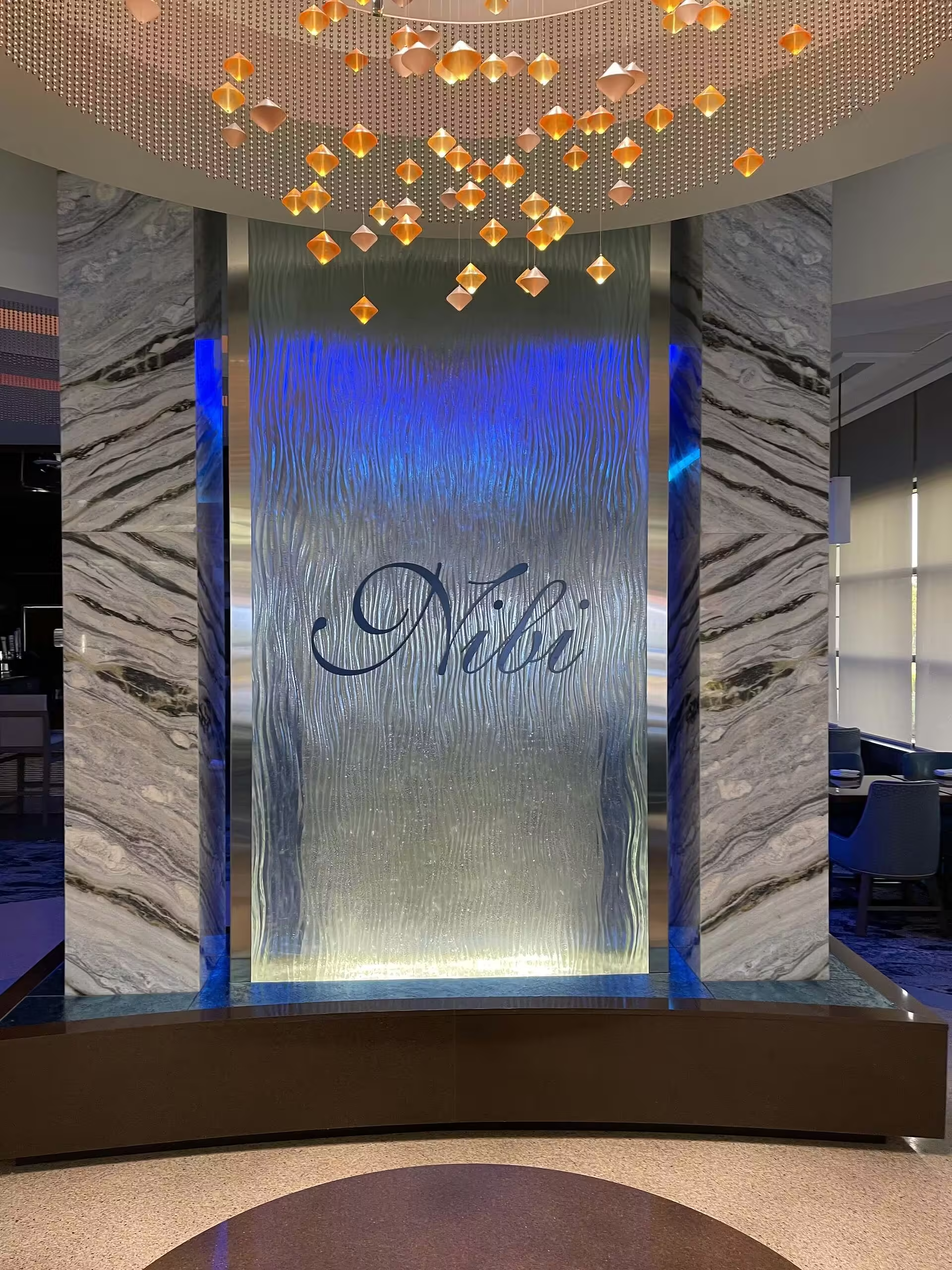
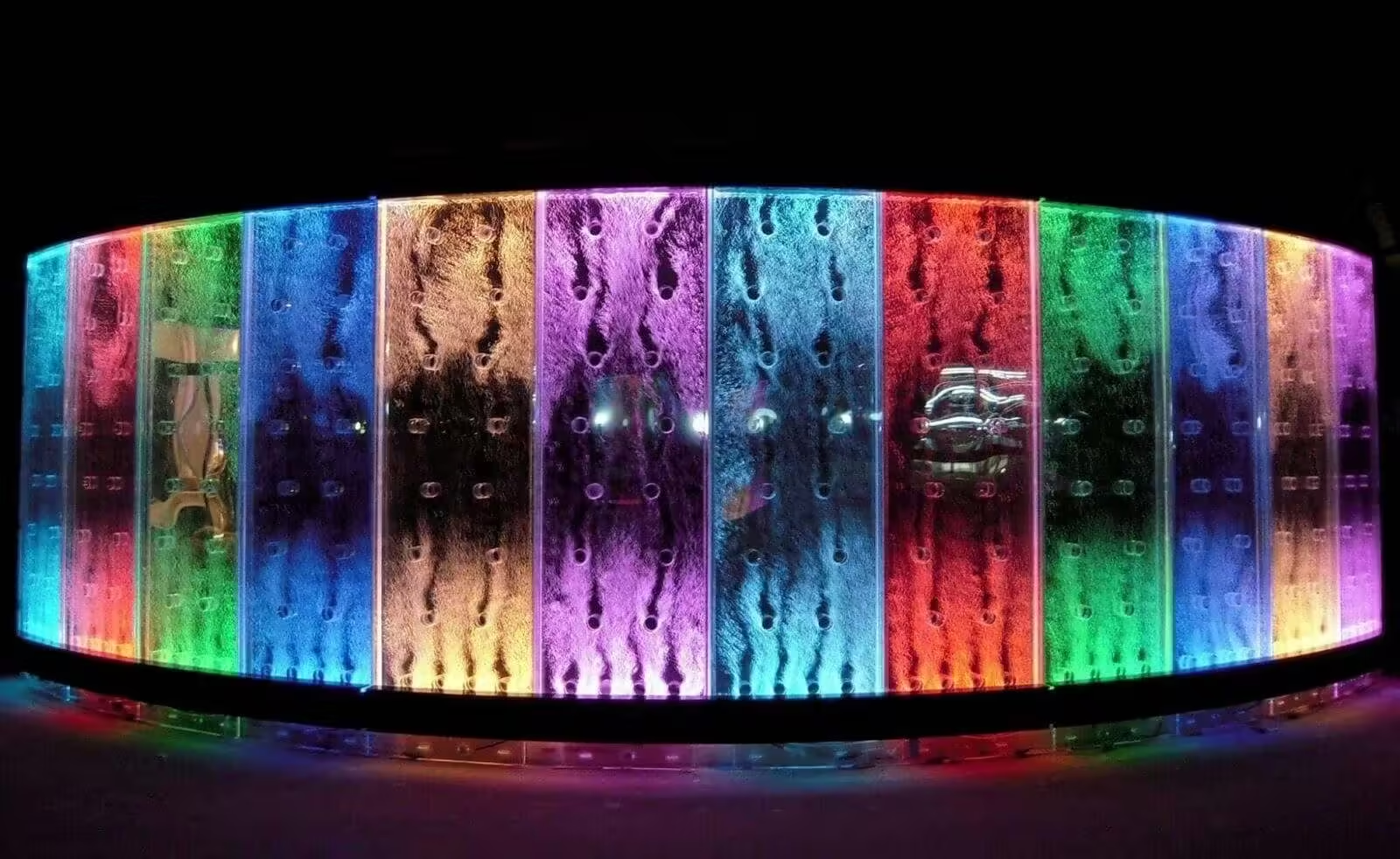
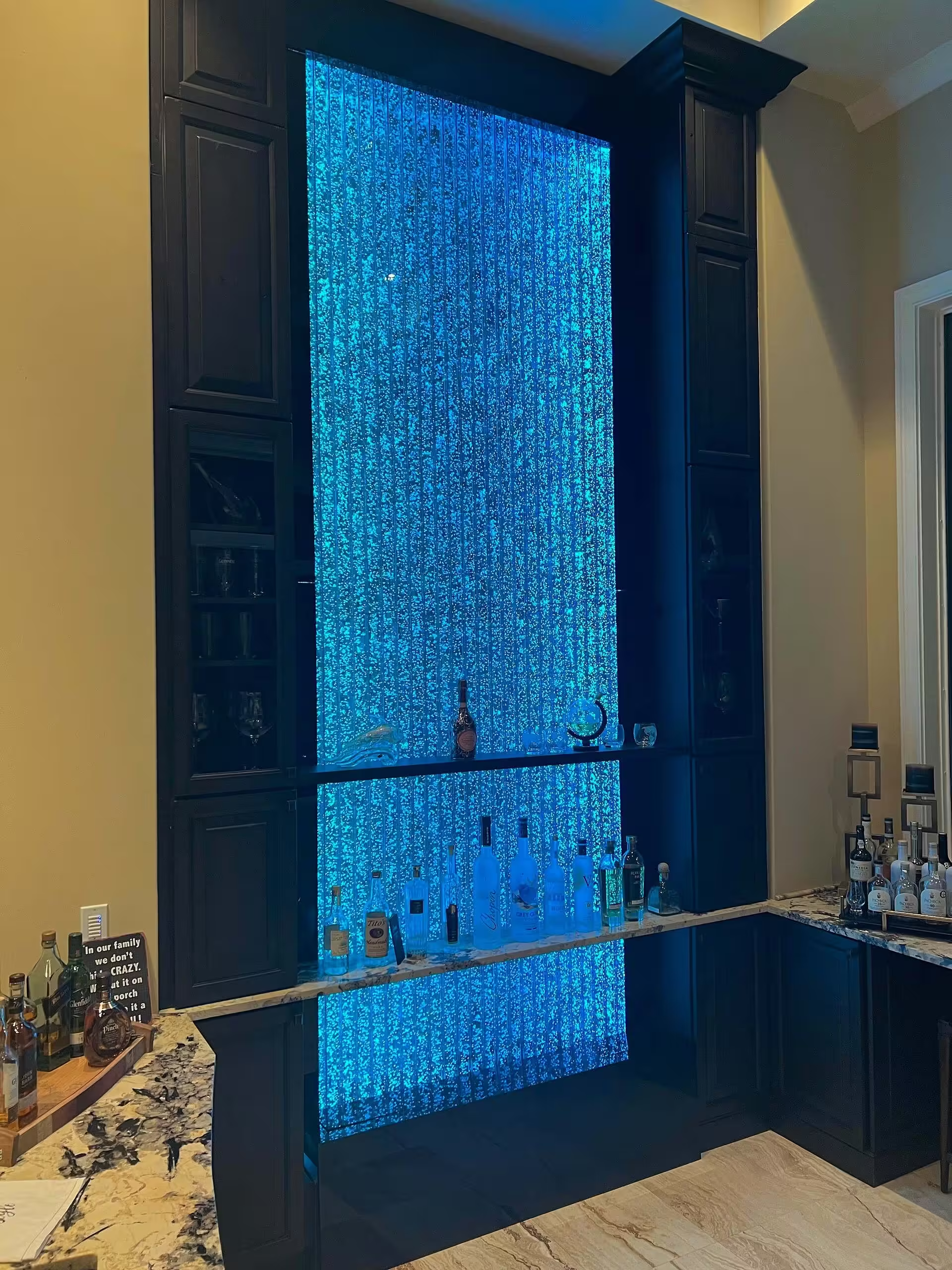
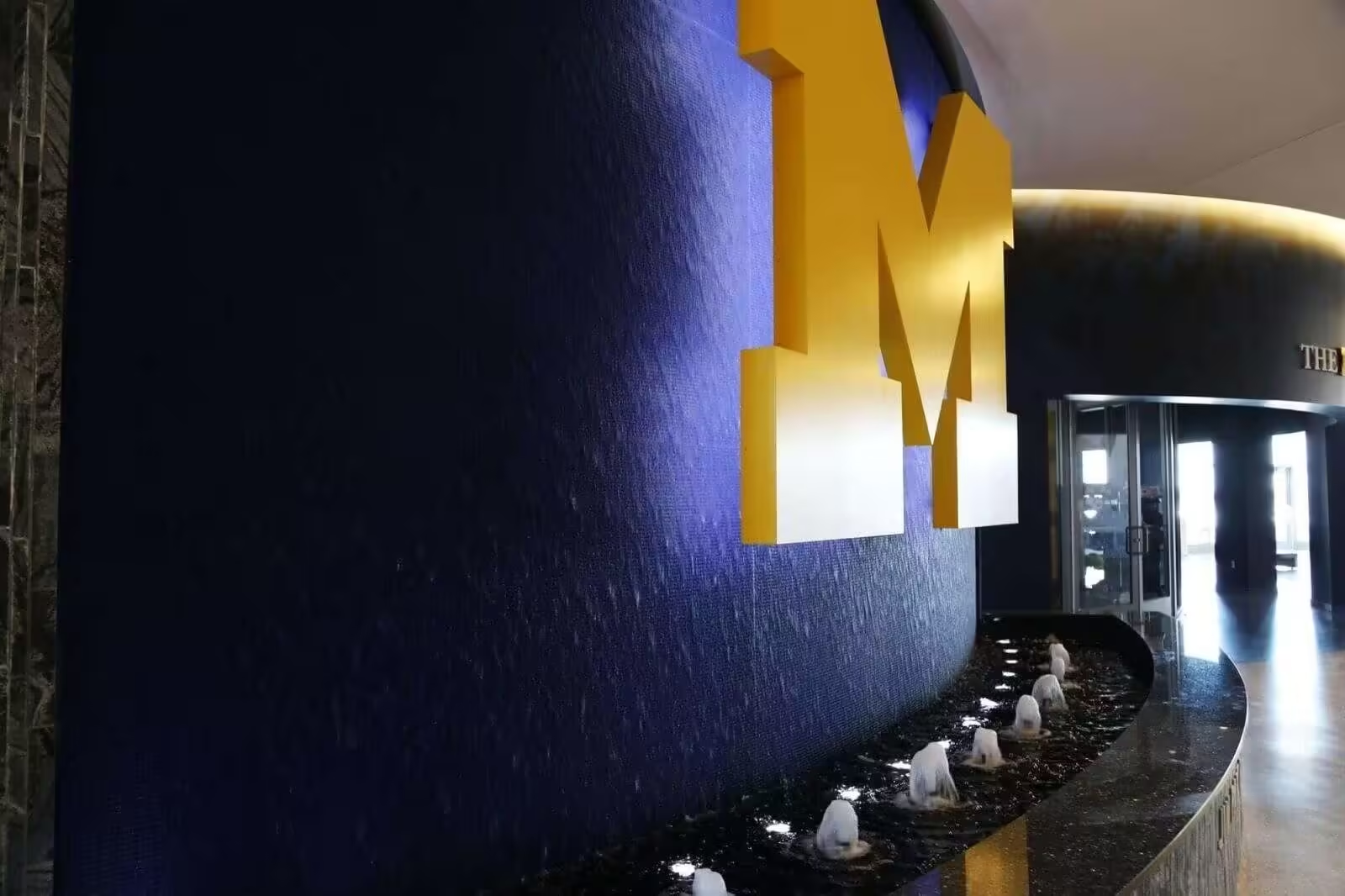
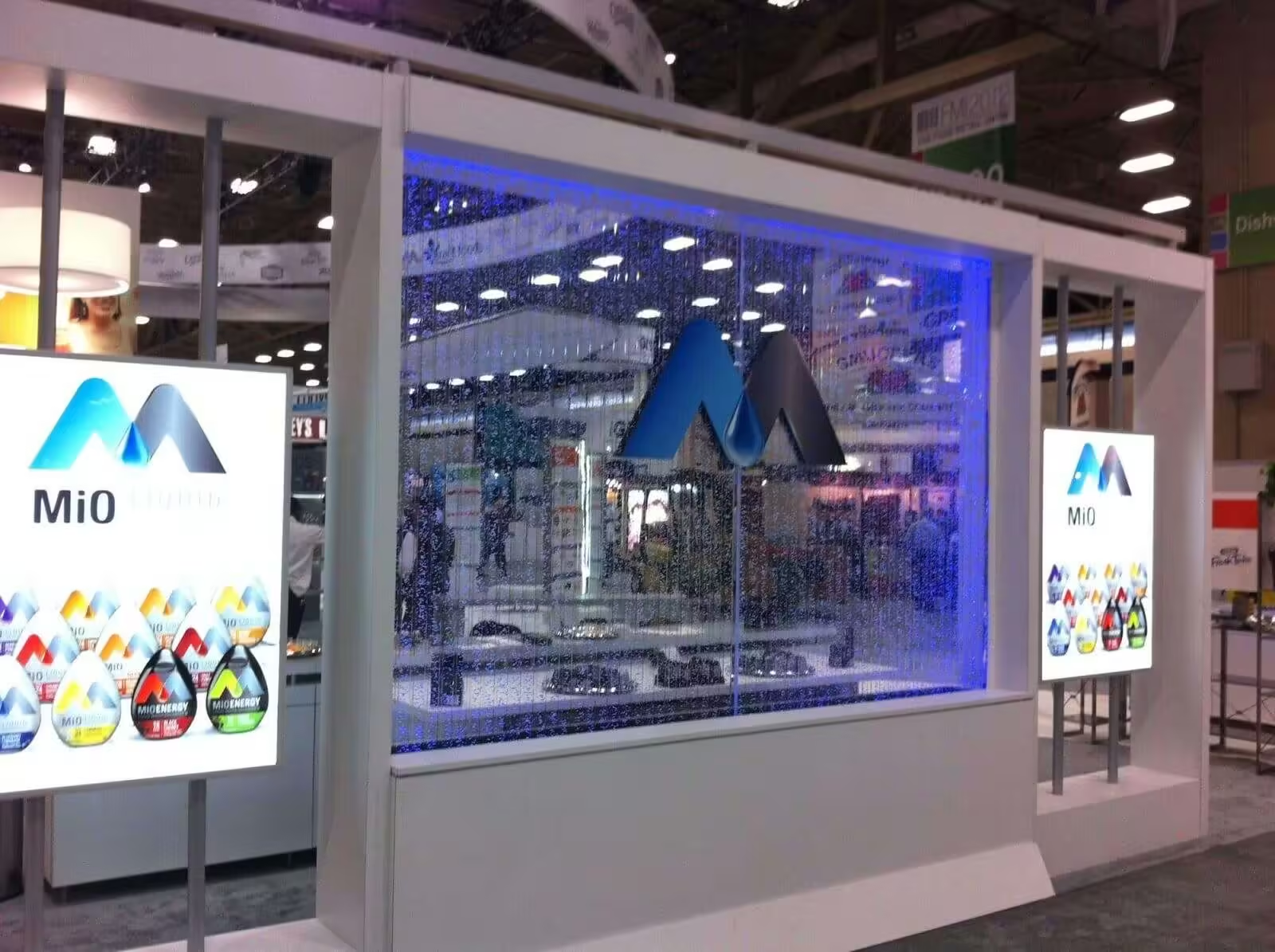
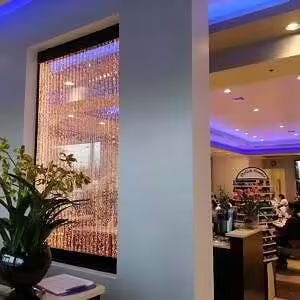
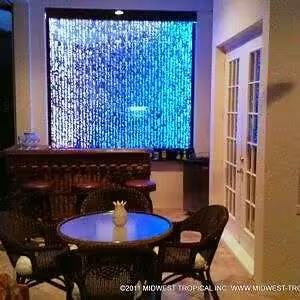
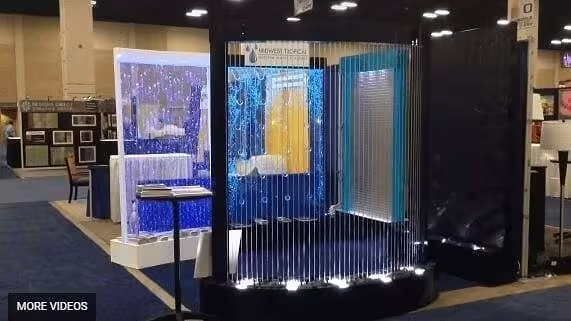
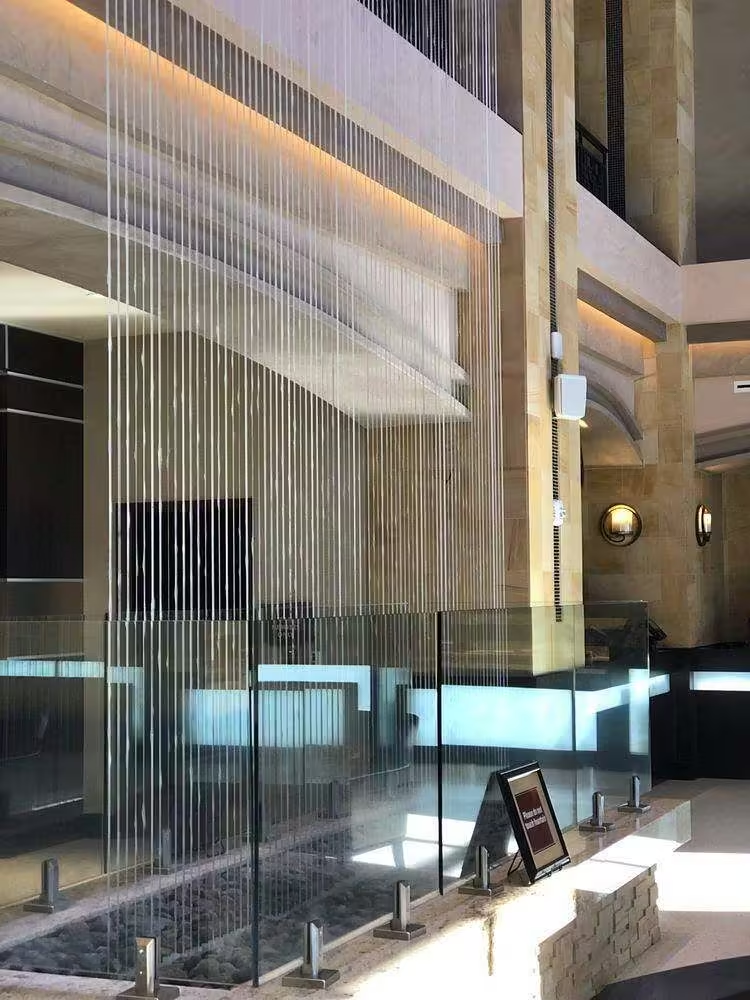
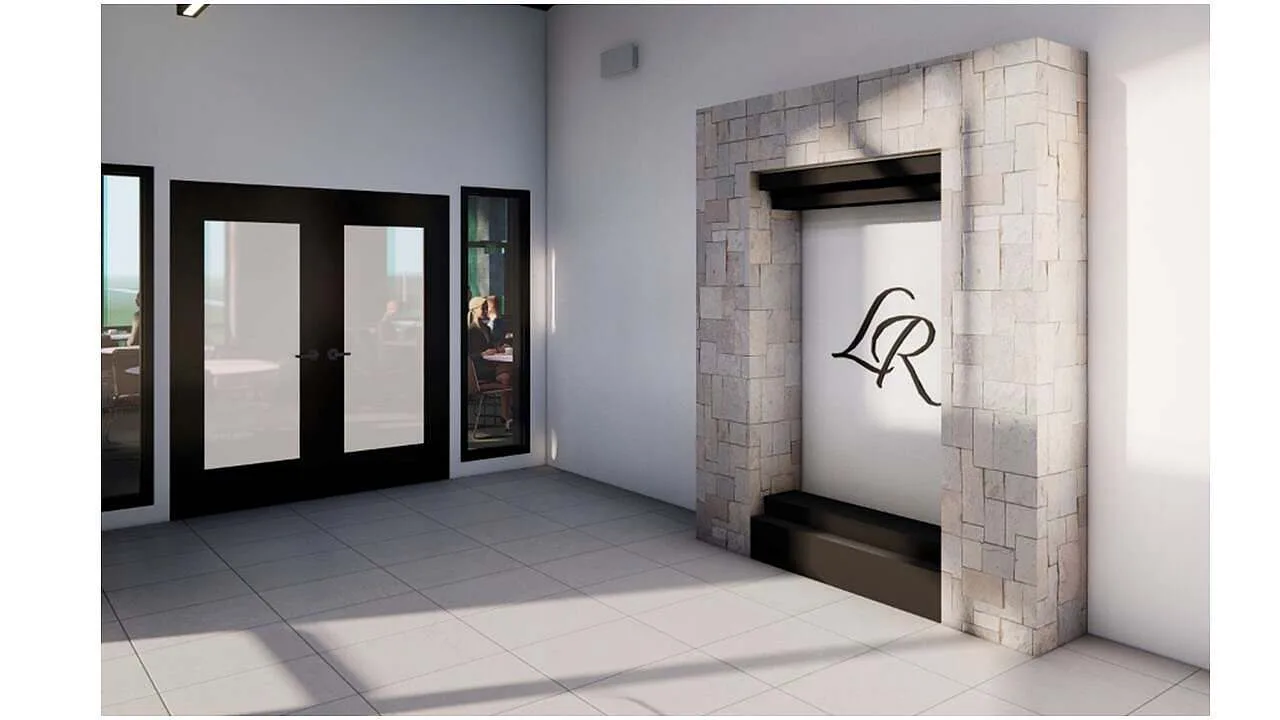
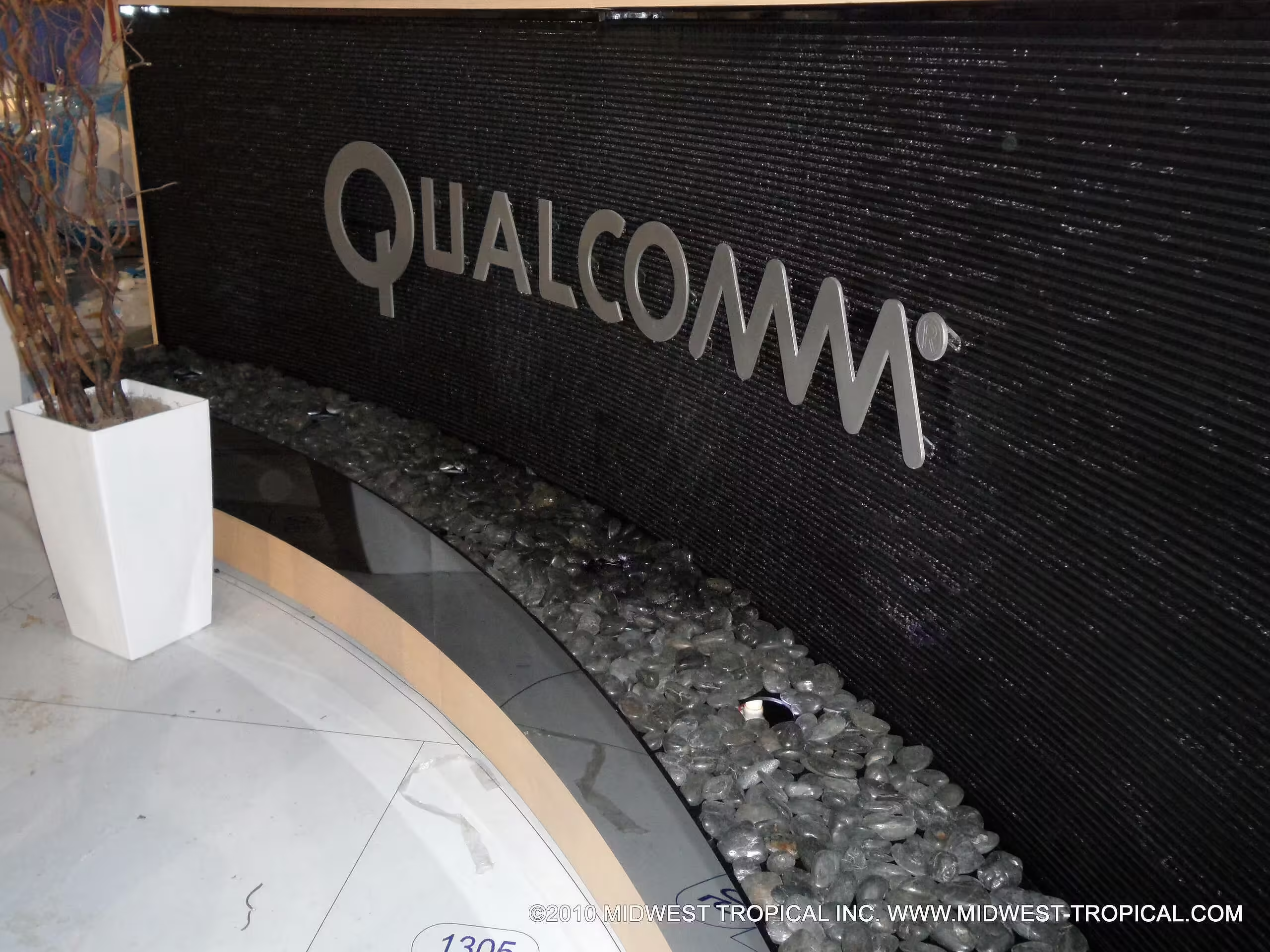
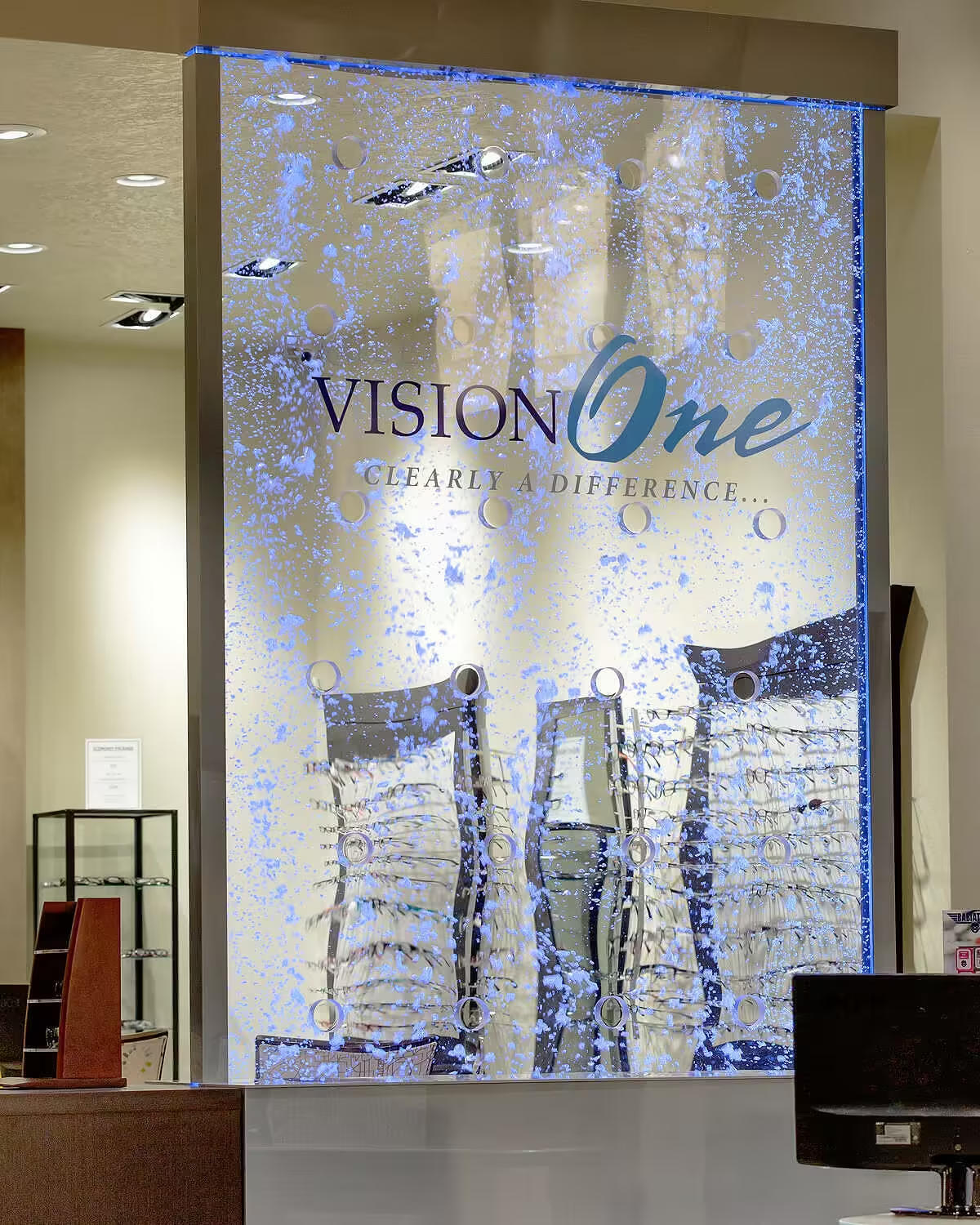
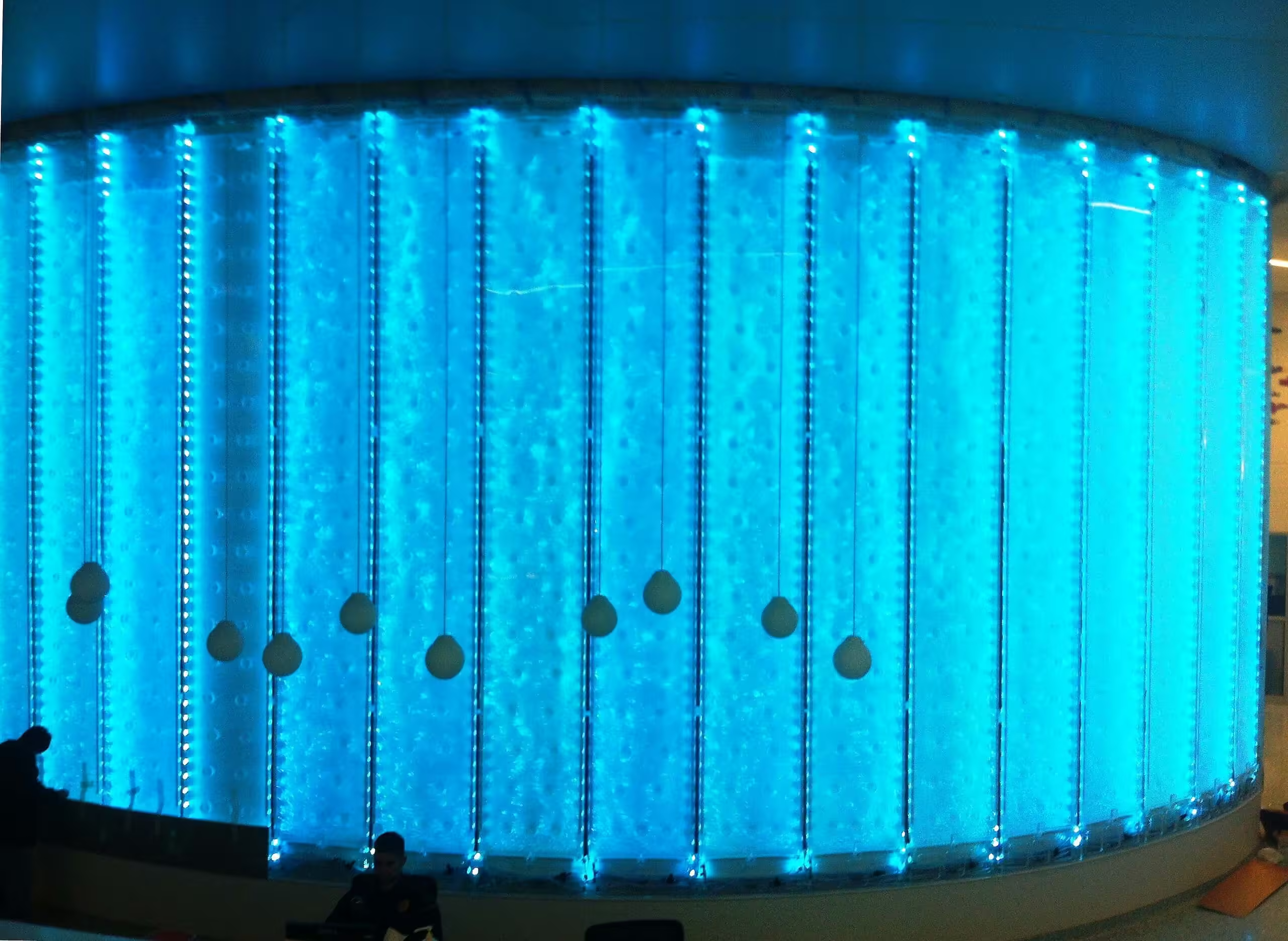
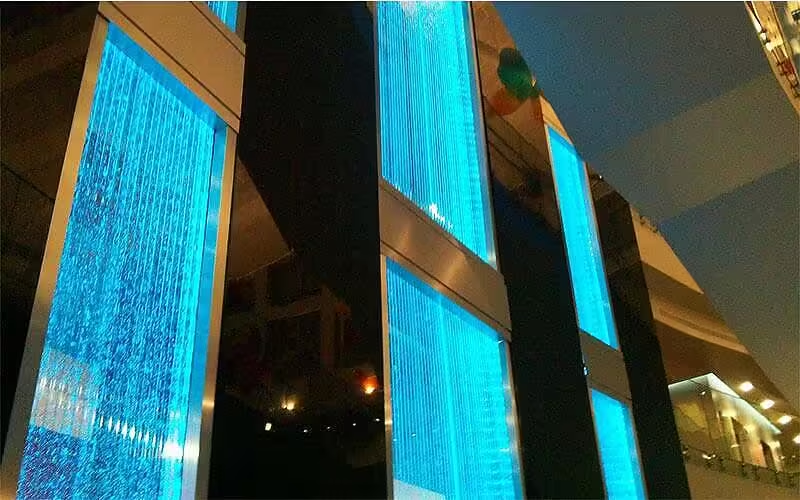
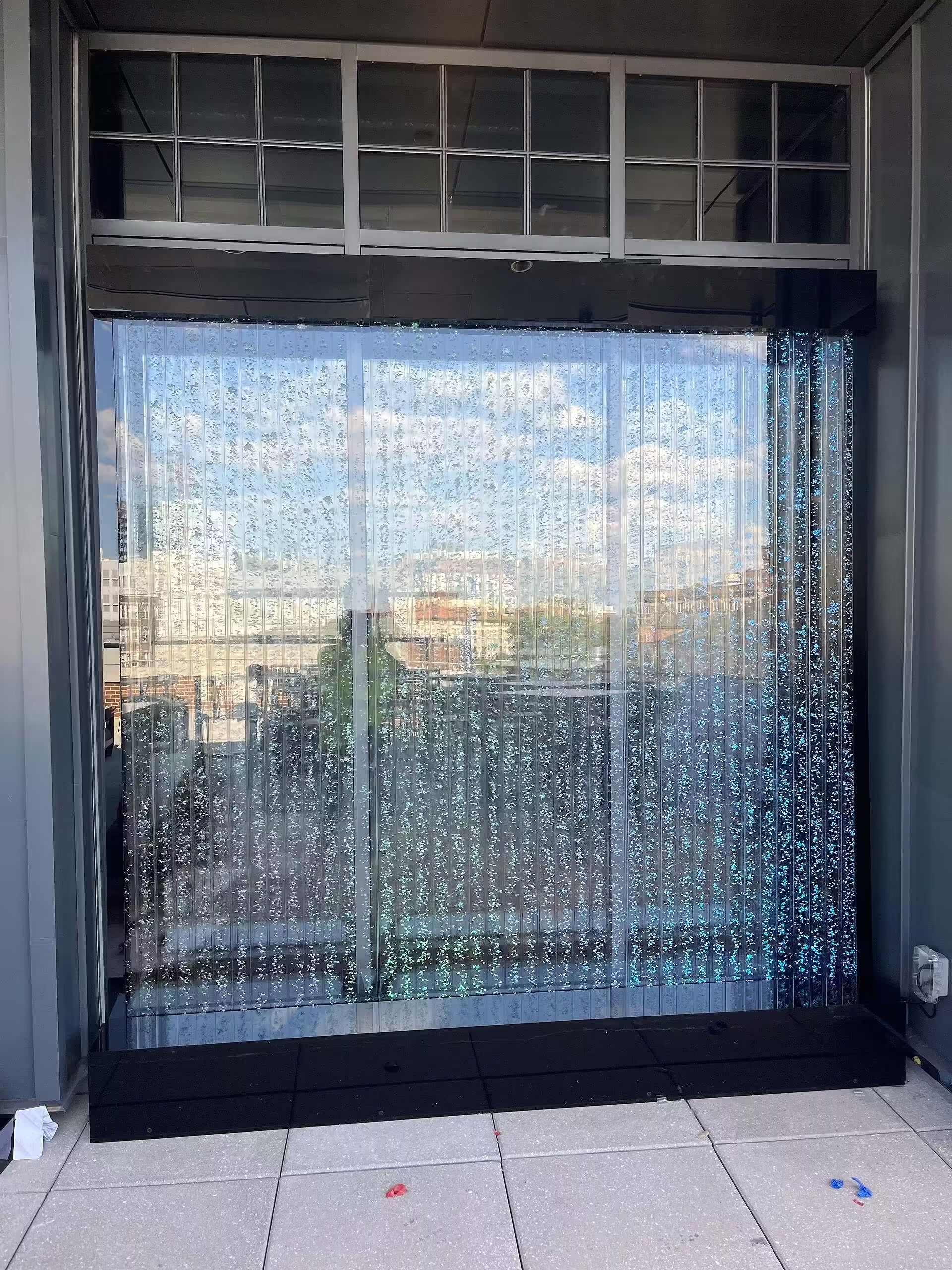
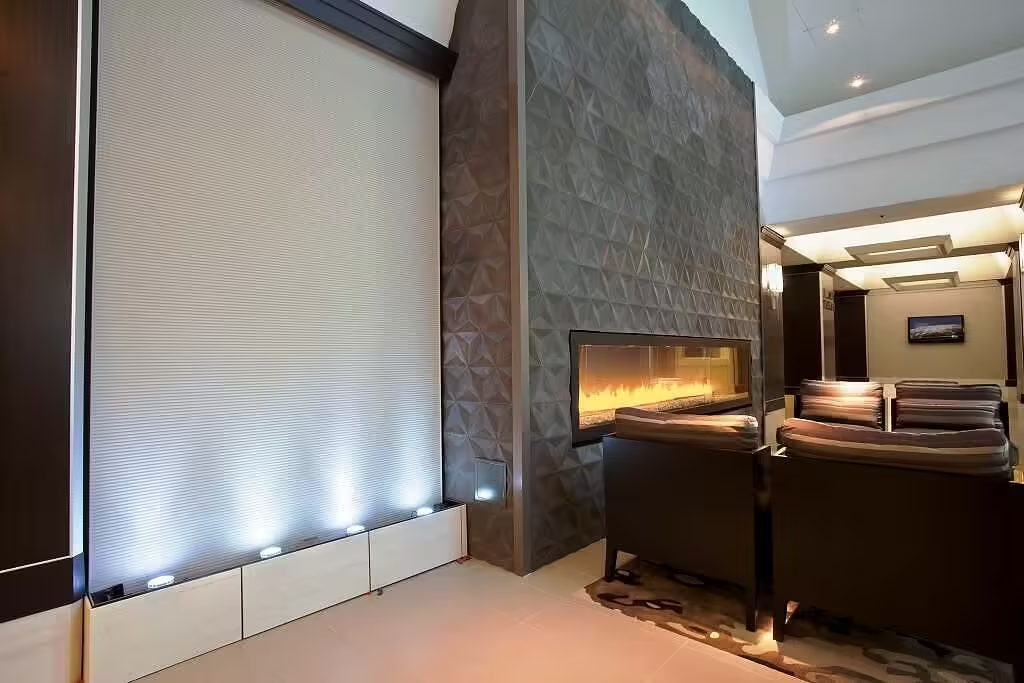
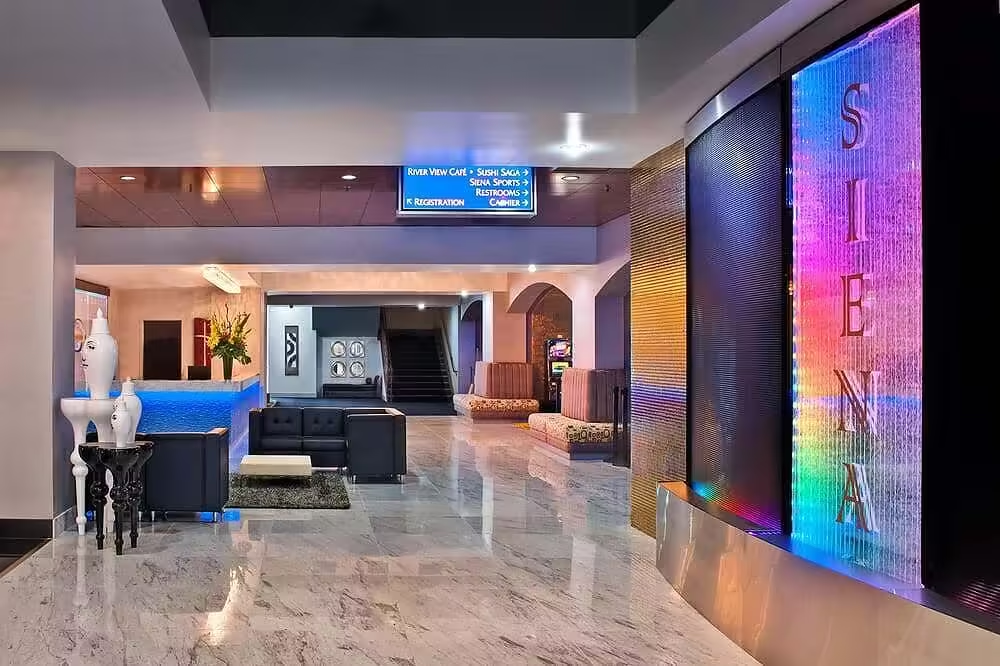
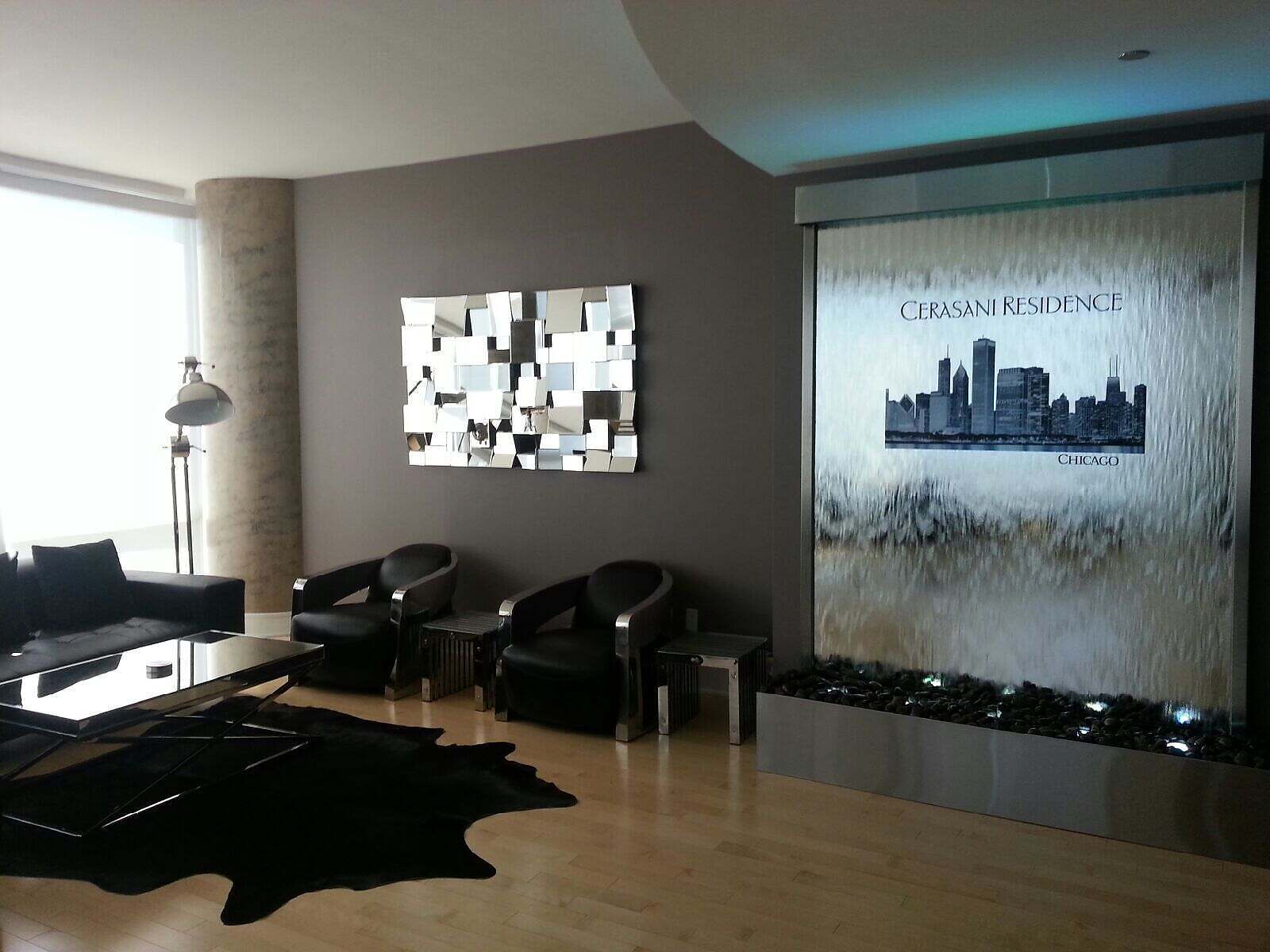
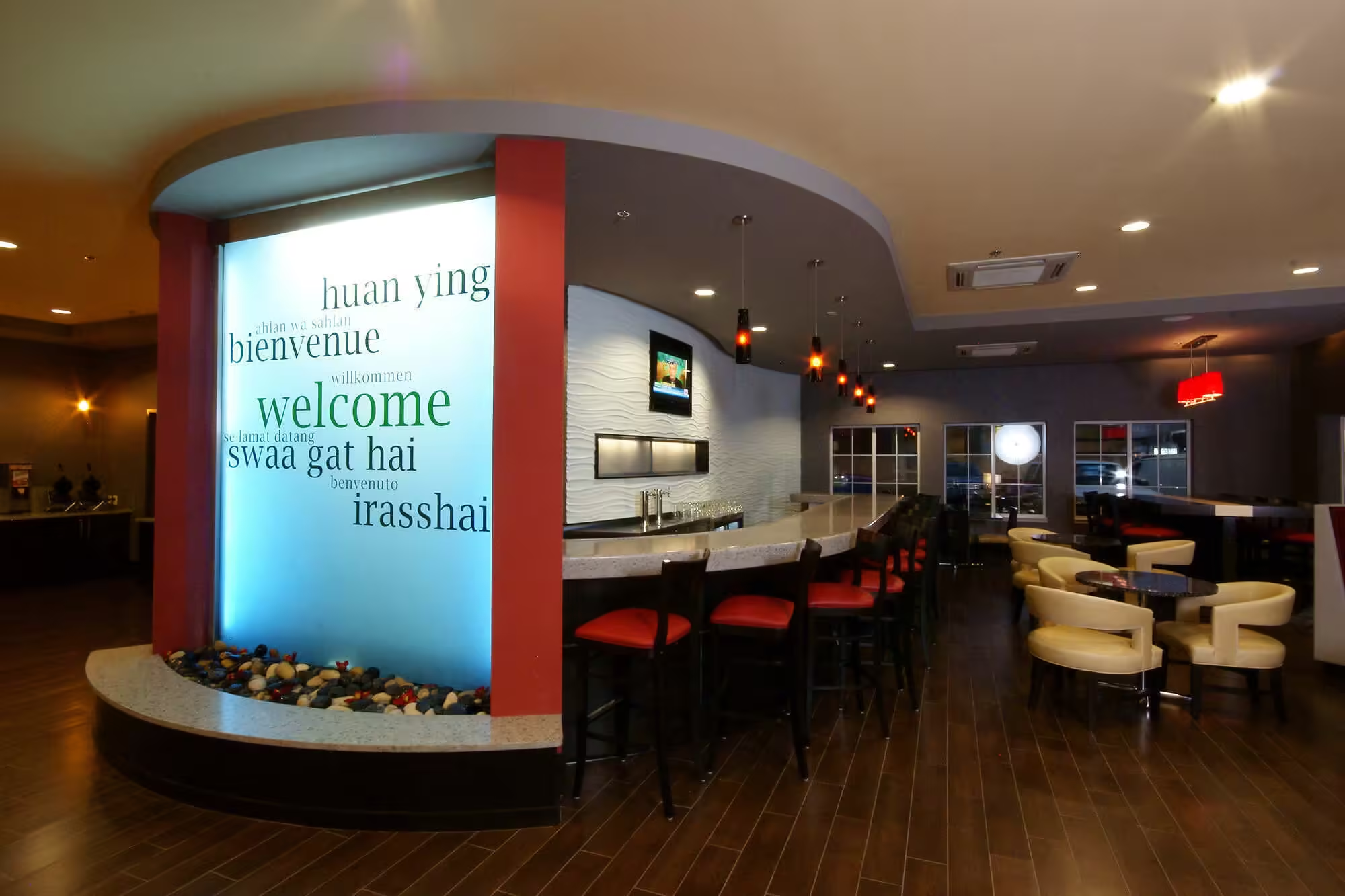
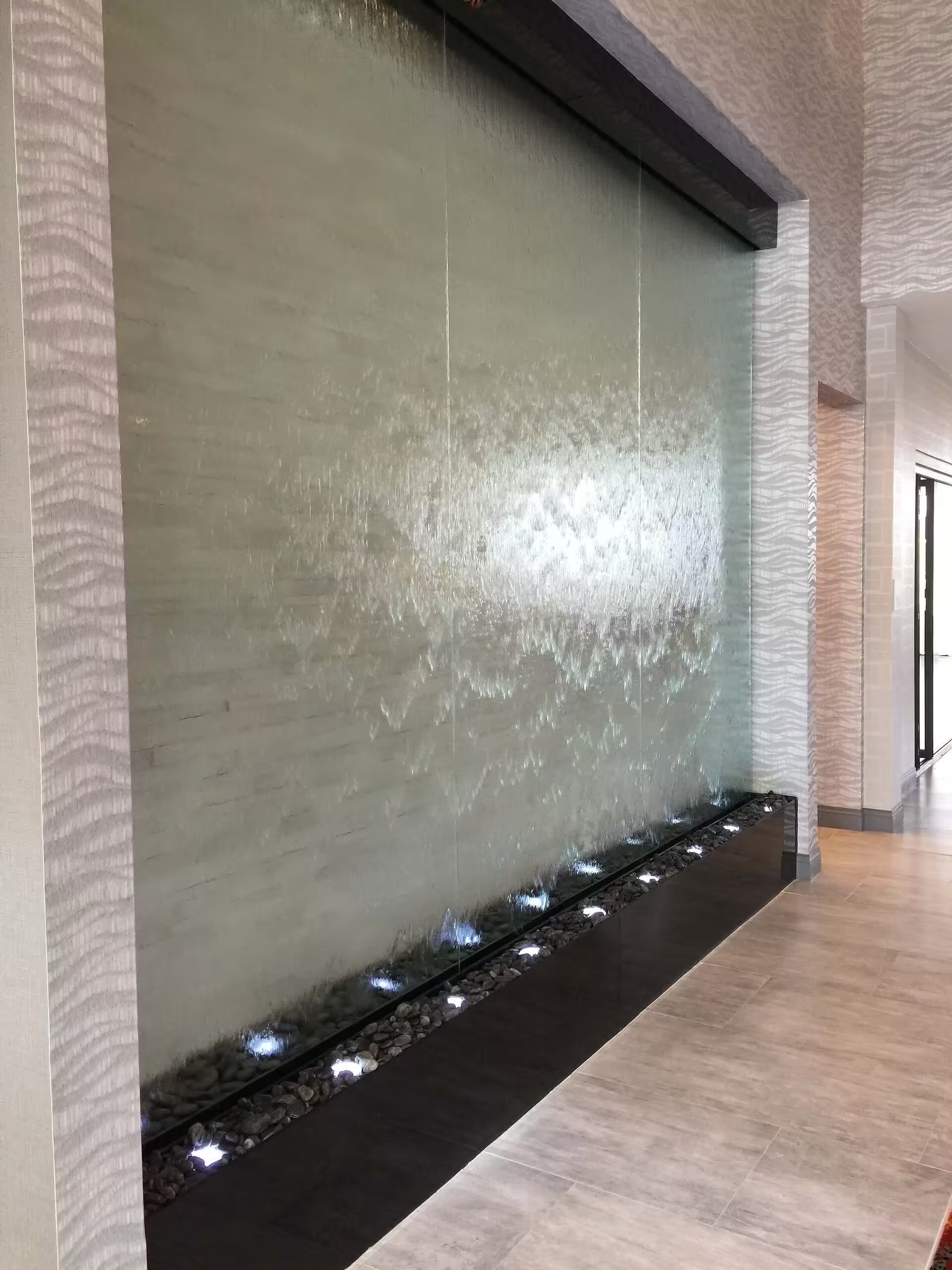
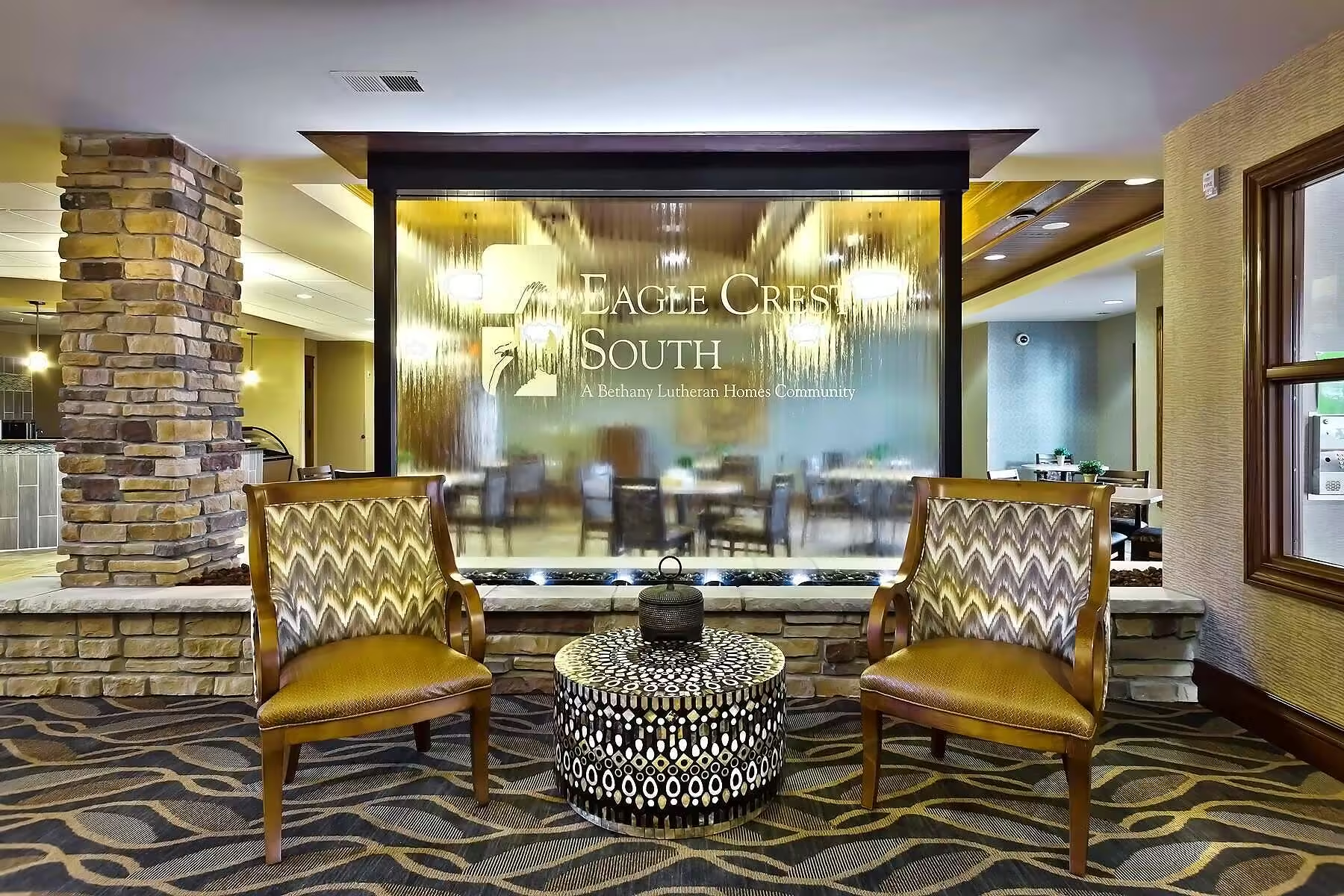
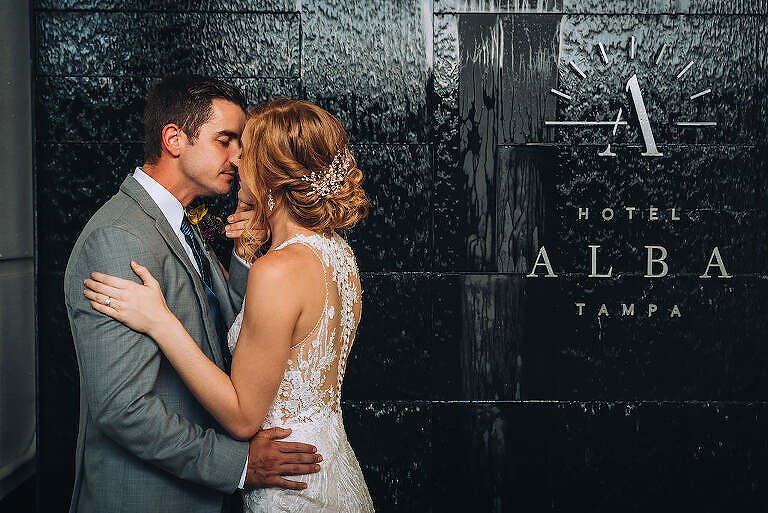
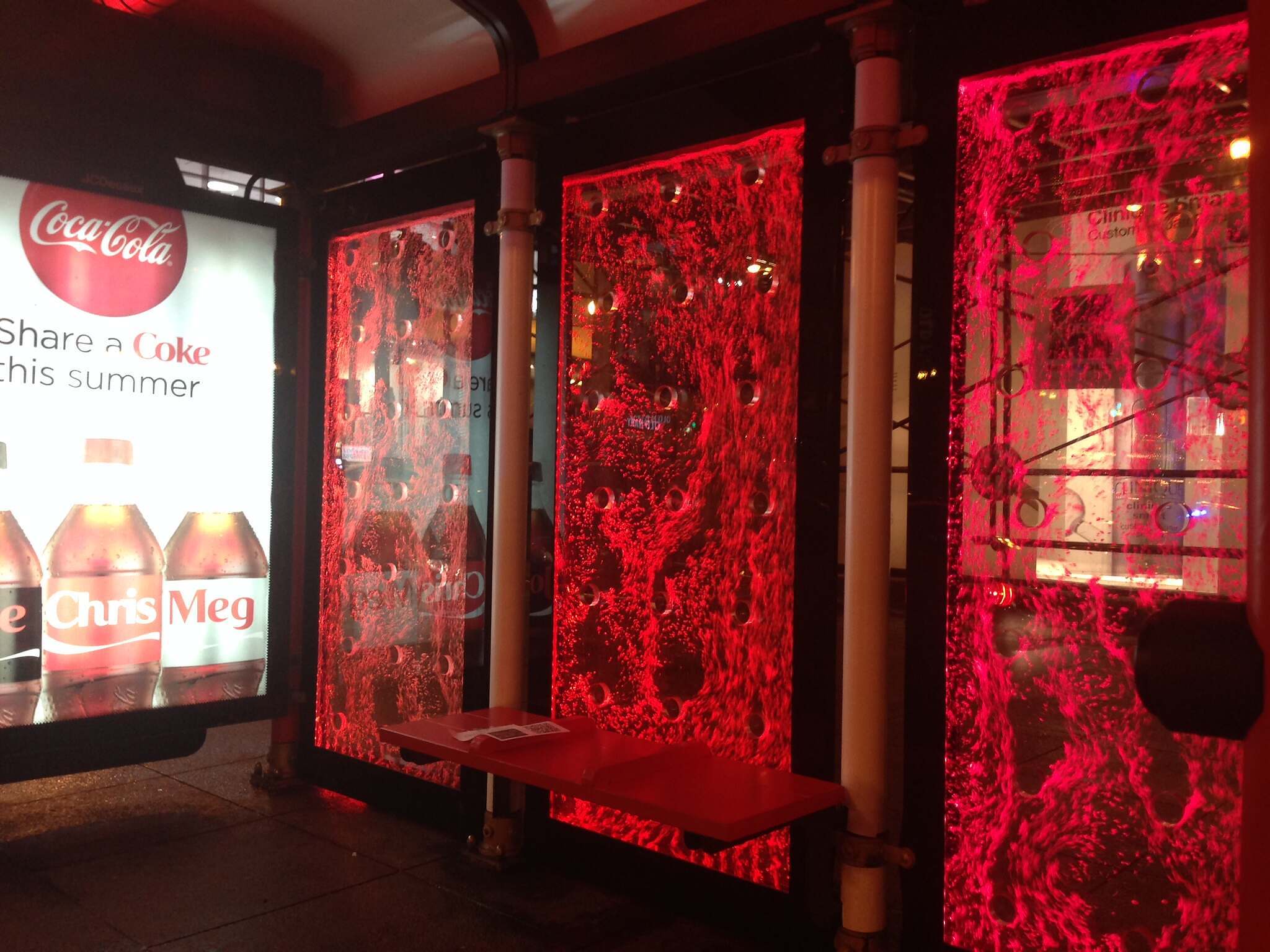
This is one reason an indoor glass waterfall works so well in modern interiors. Glass keeps the feature visually open while water adds constant motion across the surface. The room still feels connected from one side to the other, but the waterfall gives each area more definition. Lighting can make the water easier to see and help the feature work with nearby colors, finishes, and branding.
The feature should be considered early in the design process. Its size, viewing angle, water flow, lighting, basin, and access for maintenance all affect how naturally it fits into the room. A properly scaled waterfall feels built into the architecture rather than added after everything else was finished.
Custom Design Fits the Space More Precisely
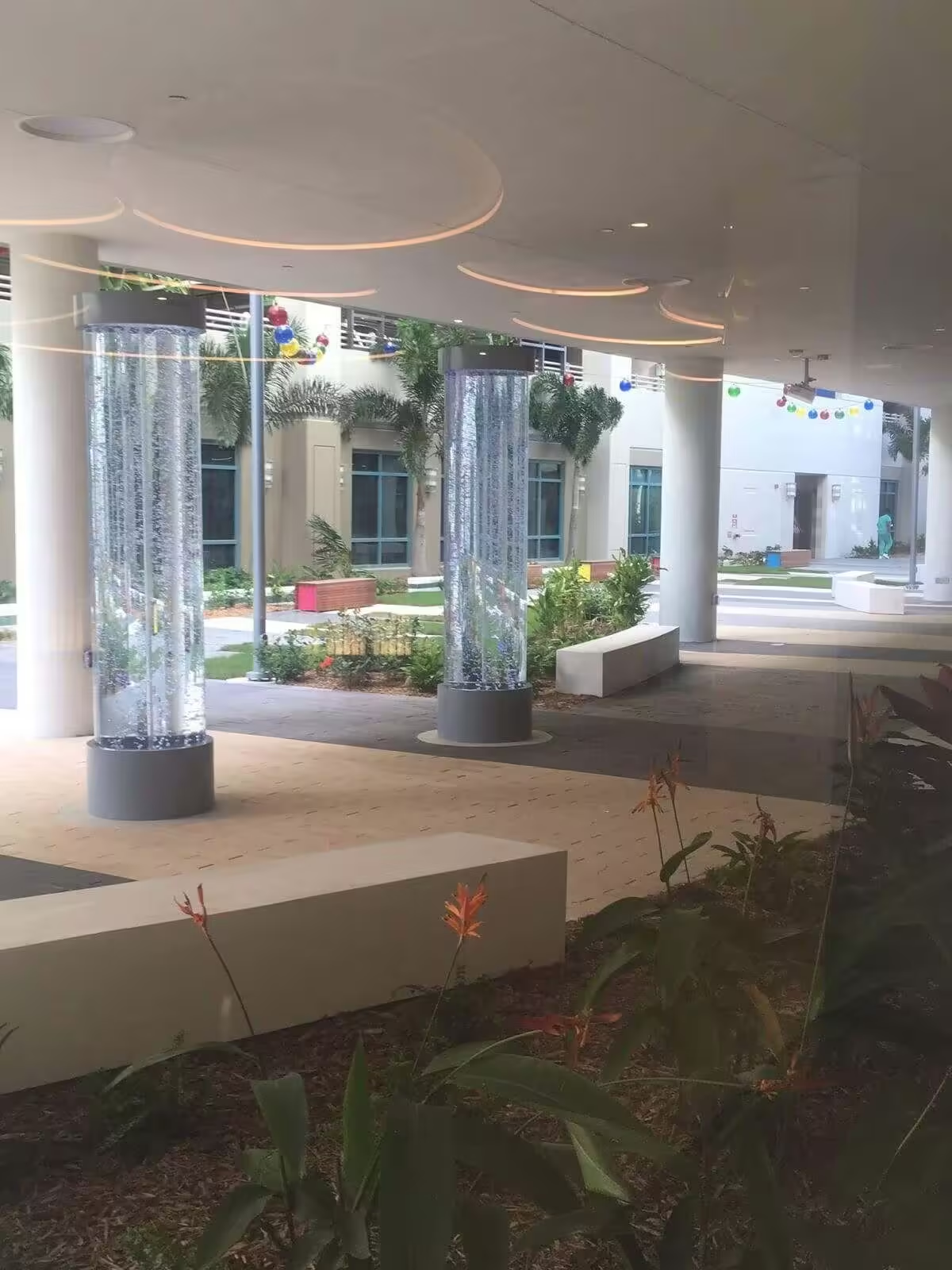
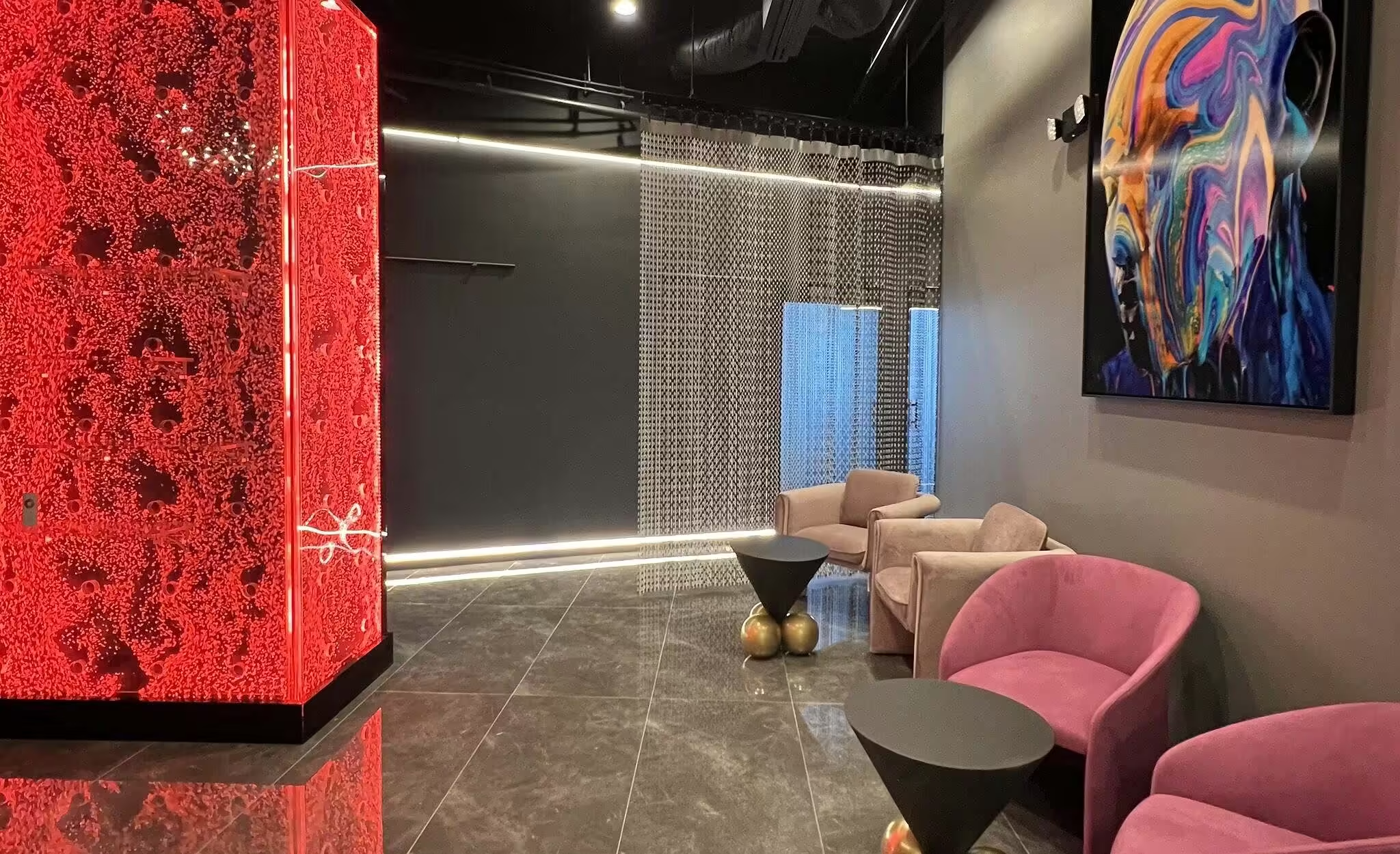
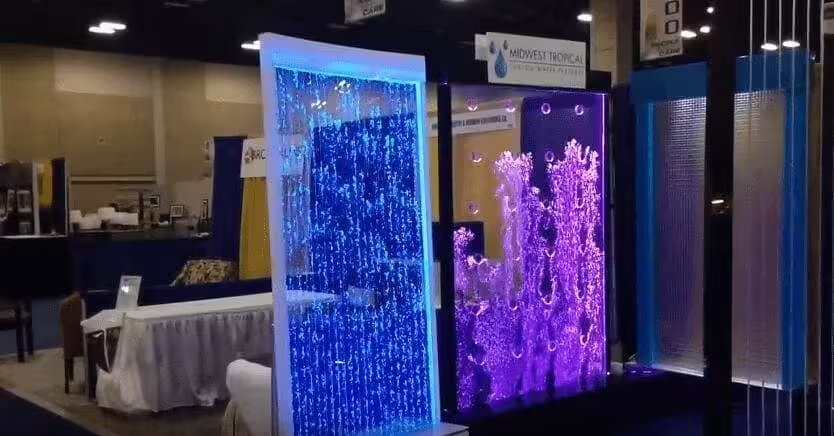
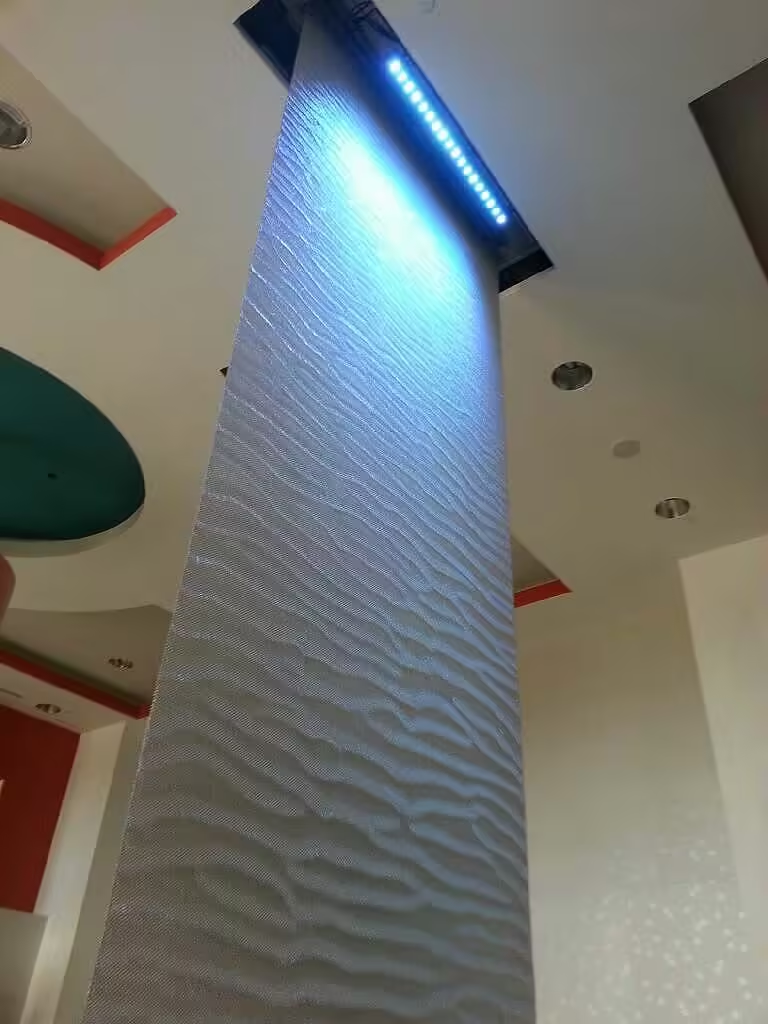
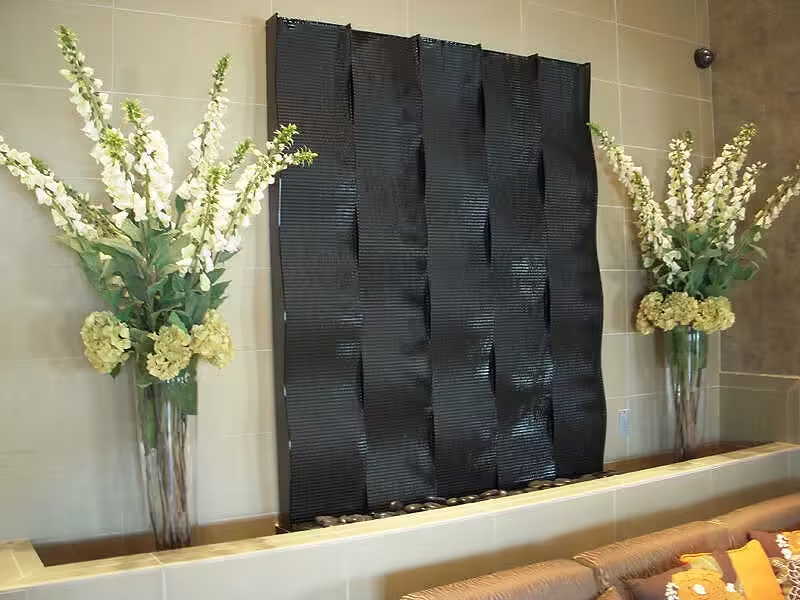
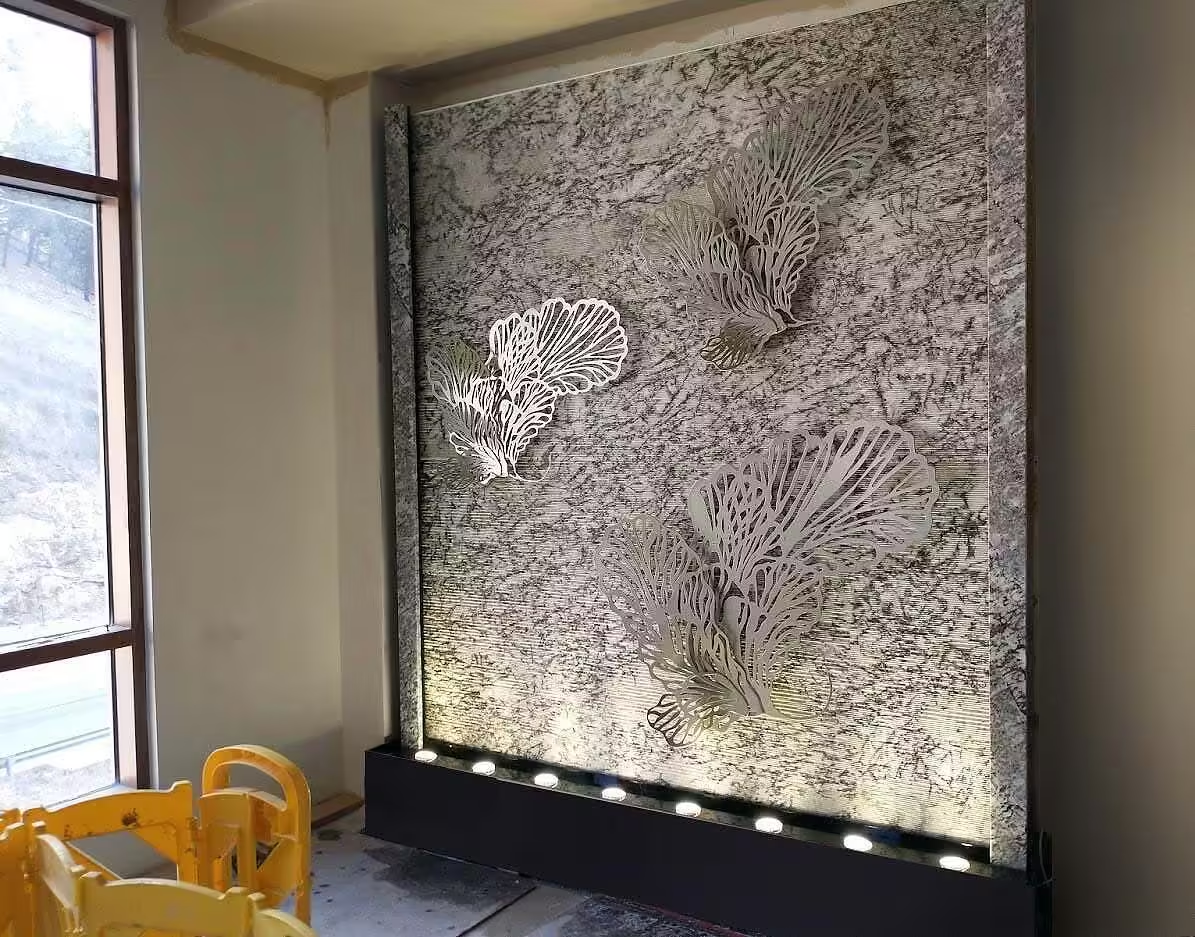
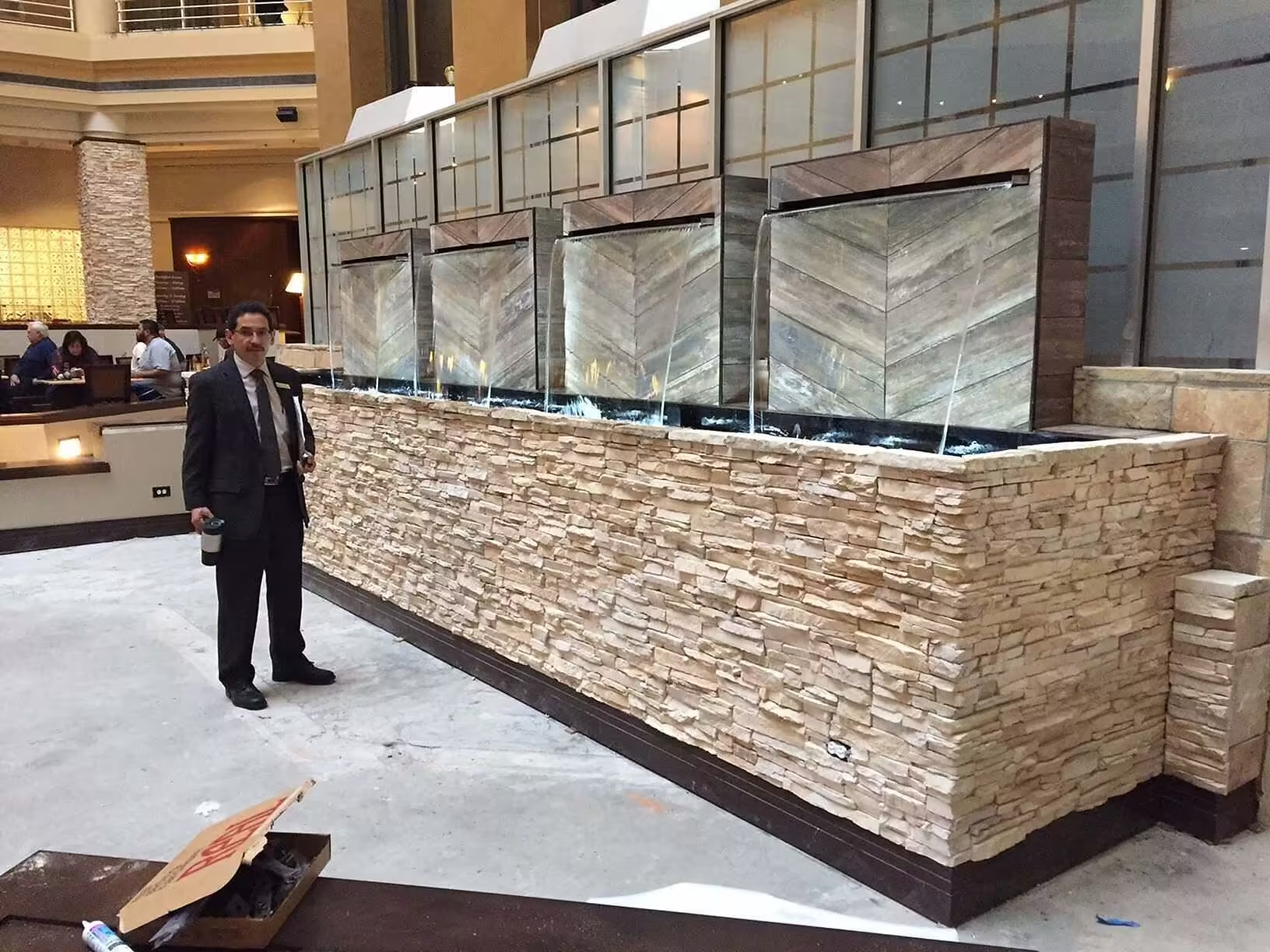
Standard water features can work in simple settings, but custom waterfalls give architects, designers, business owners, and homeowners more control. The height and width can be adjusted to the available wall or floor area. Glass, stone, metal, acrylic, and other materials can match the rest of the interior. Frame finishes and lighting can support a clean commercial look, a warmer residential style, or a bold hospitality setting.
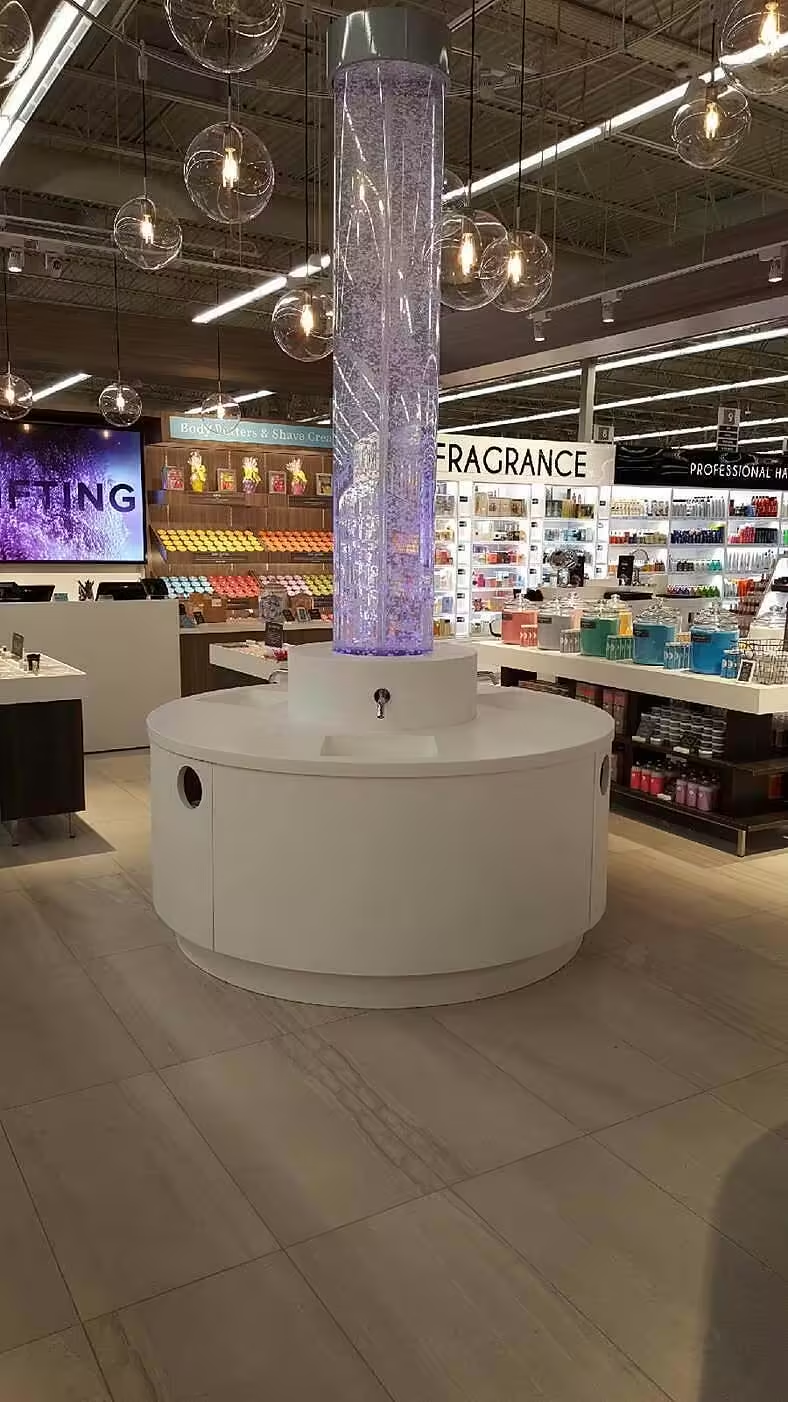
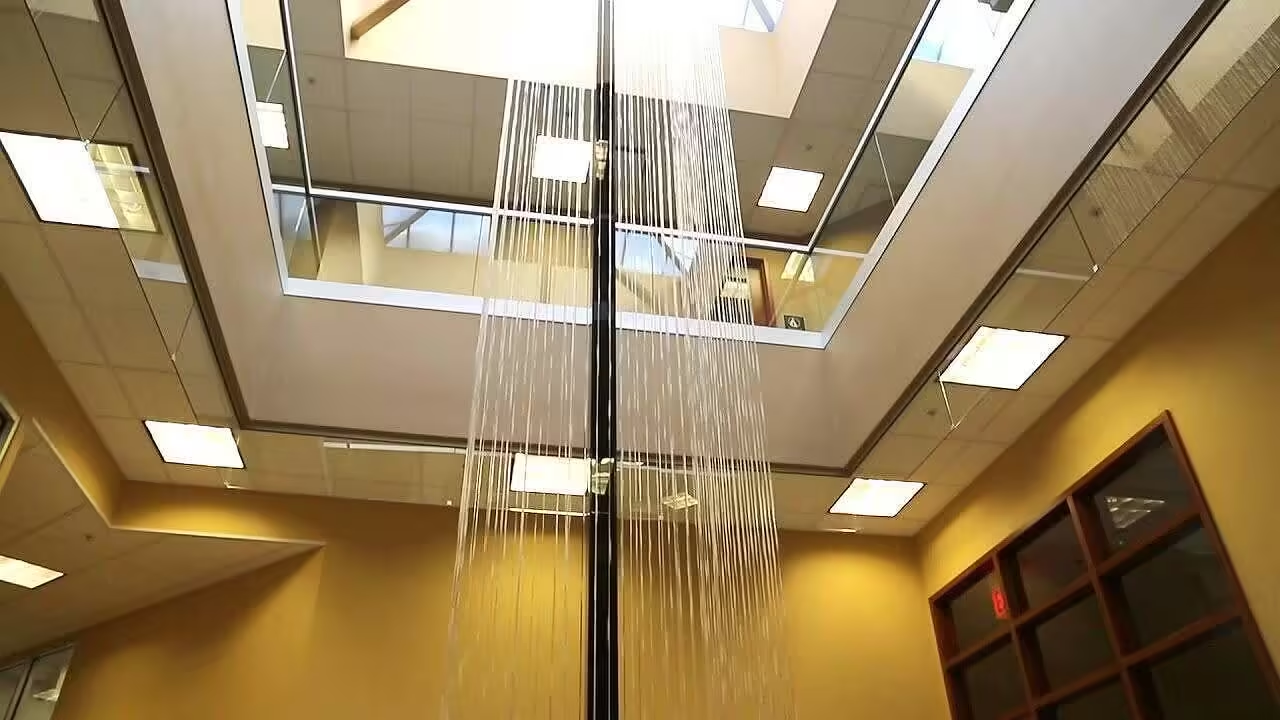
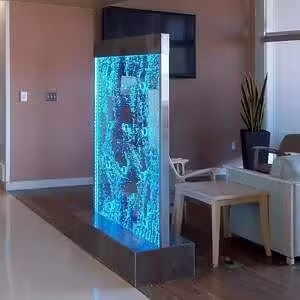
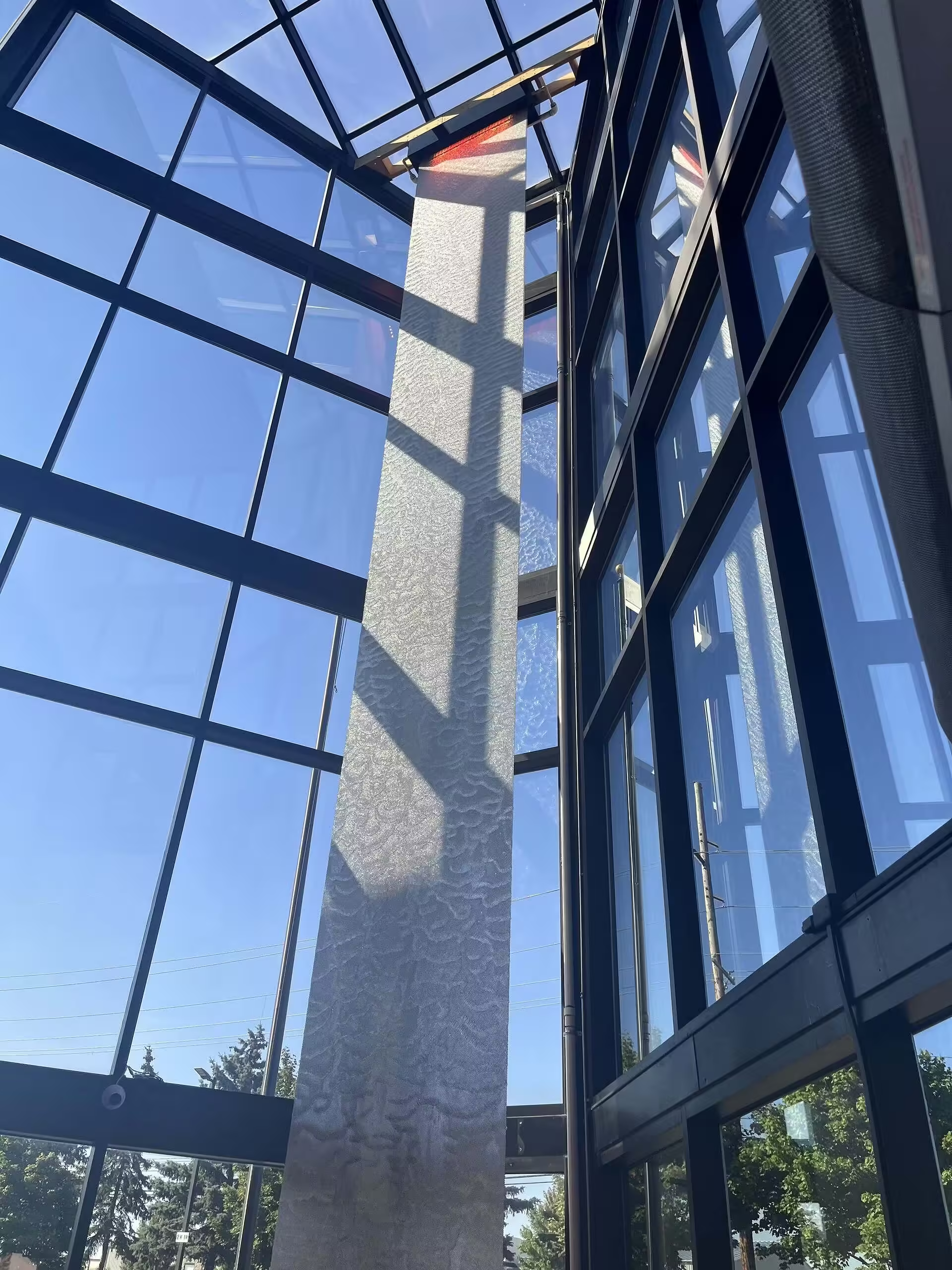
A custom indoor waterfall can also respond to practical needs. A tall entrance may need enough scale to be seen from across the room. A smaller office or home may need a compact design that adds movement without reducing usable space. Noise level, nearby seating, traffic flow, and maintenance access should all be part of the decision.
A Lasting Alternative to Short-Lived Decor
Wall art, furniture, and seasonal displays may change often. A well-planned indoor waterfall has a more permanent role because it becomes part of the room itself. It offers movement without a screen, visual interest without clutter, and a natural element that works across several design styles.
At Midwest Tropical, we create custom indoor water features for commercial and residential spaces, including indoor glass waterfalls, water walls, and made-to-order designs. Contact our team to discuss dimensions, materials, lighting, placement, and installation options for a waterfall that belongs in the architecture from the start.















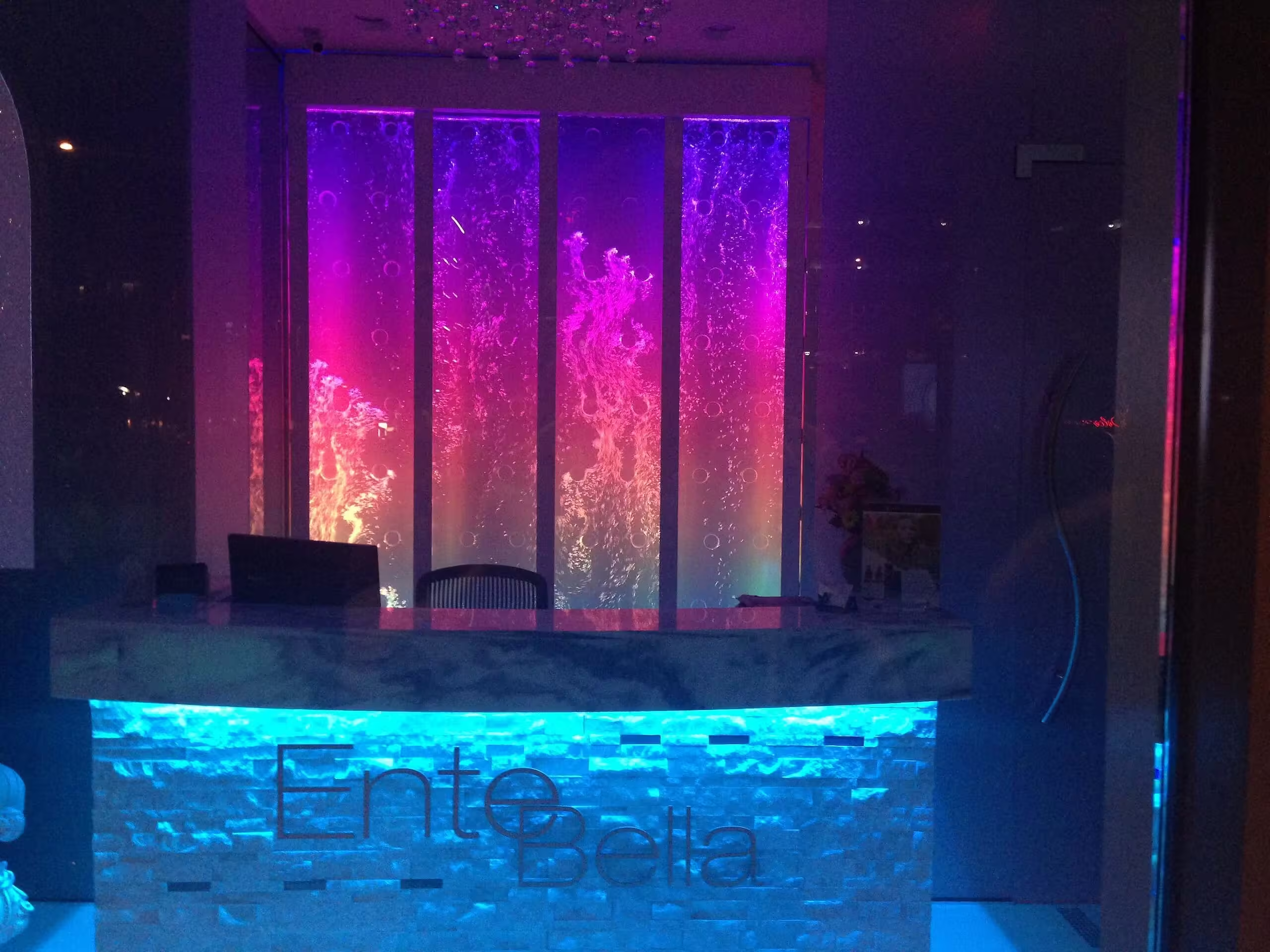
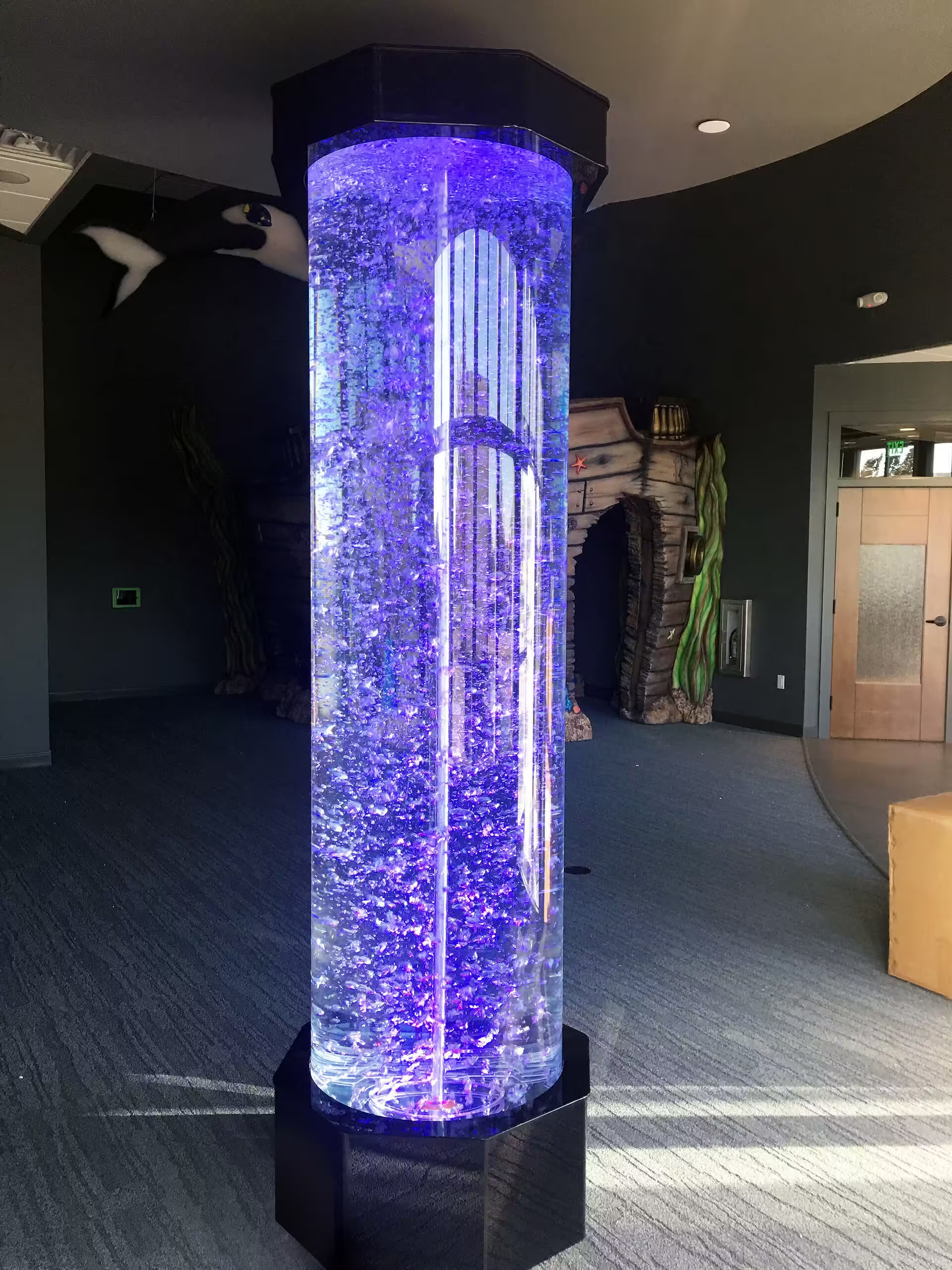
![Rod Style Bubble Wall Swirley for Bounce Empire in Denver, Colorado[84]](https://www.midwest-tropical.com/wp-content/uploads/Rod-Style-Bubble-Wall-Swirley-for-Bounce-Empire-in-Denver-Colorado84-jpg.avif)
![Rod Style Bubble Wall Swirley for Bounce Empire in Denver, Colorado 2[2]](https://www.midwest-tropical.com/wp-content/uploads/Rod-Style-Bubble-Wall-Swirley-for-Bounce-Empire-in-Denver-Colorado-22-jpg.avif)