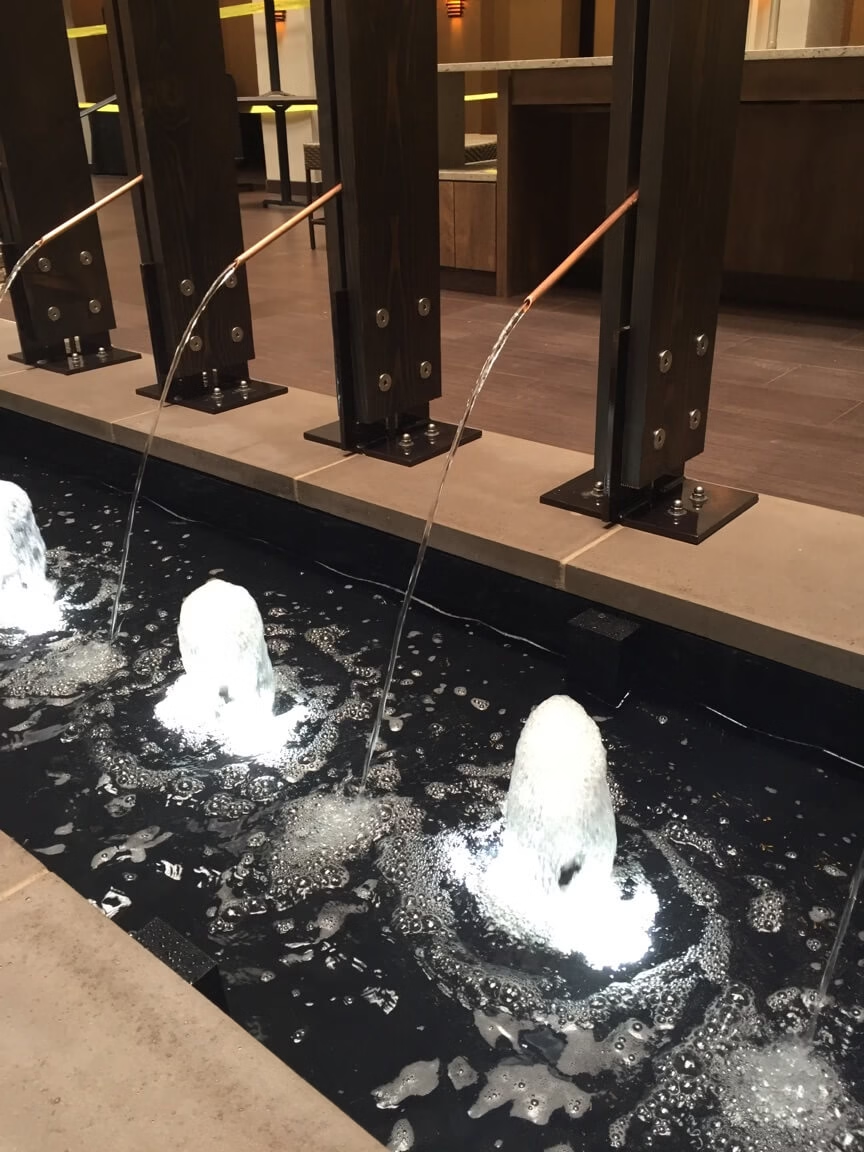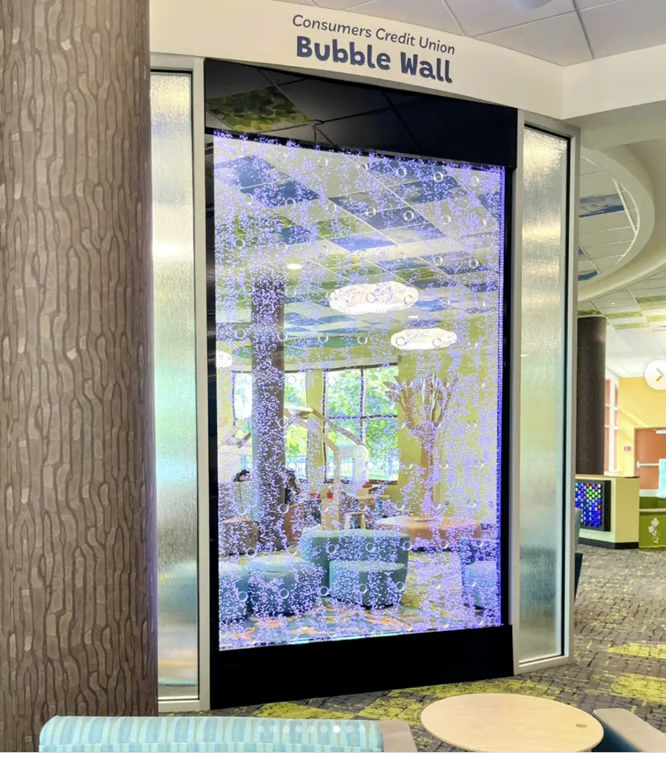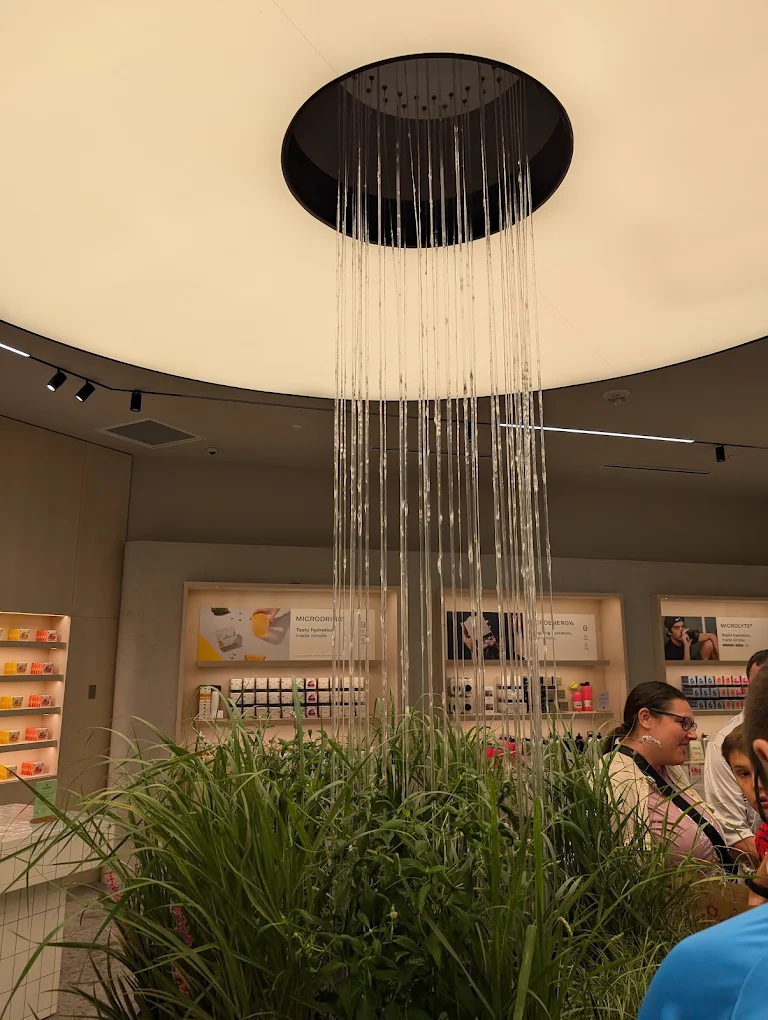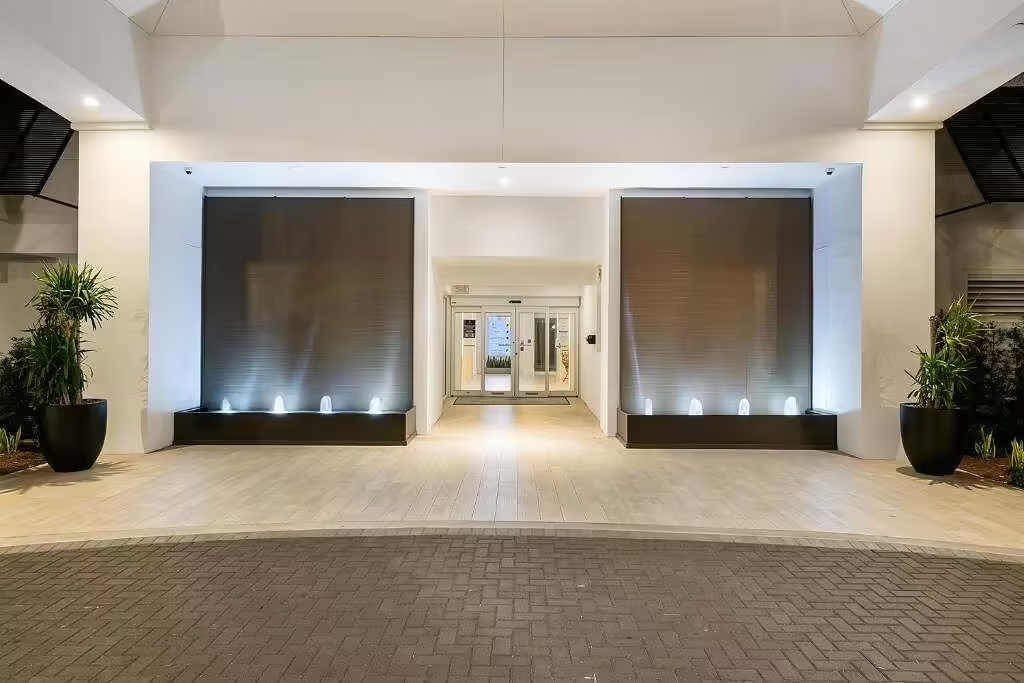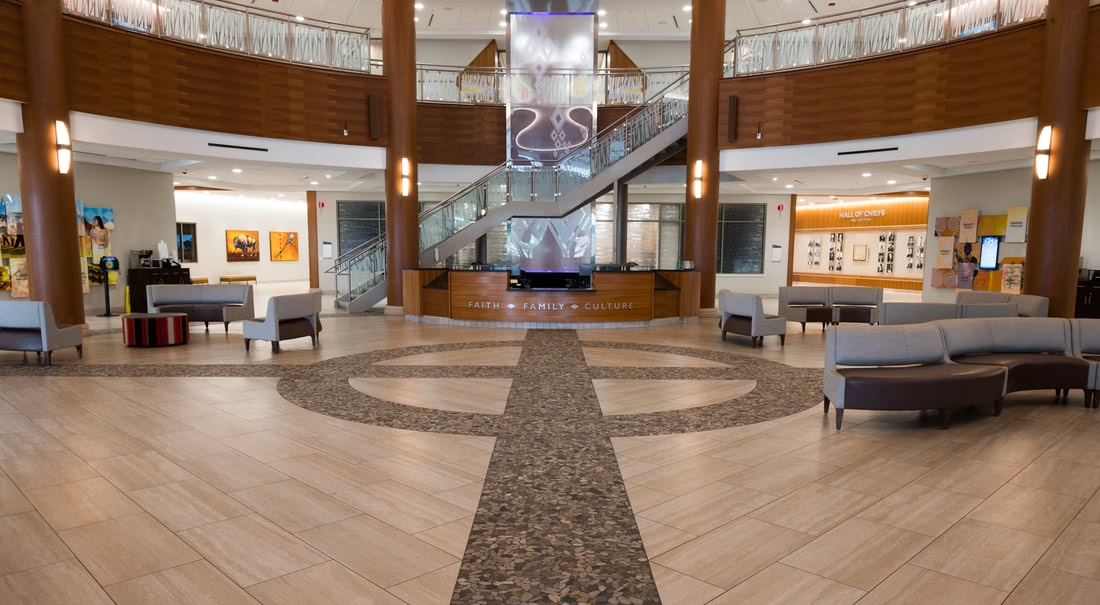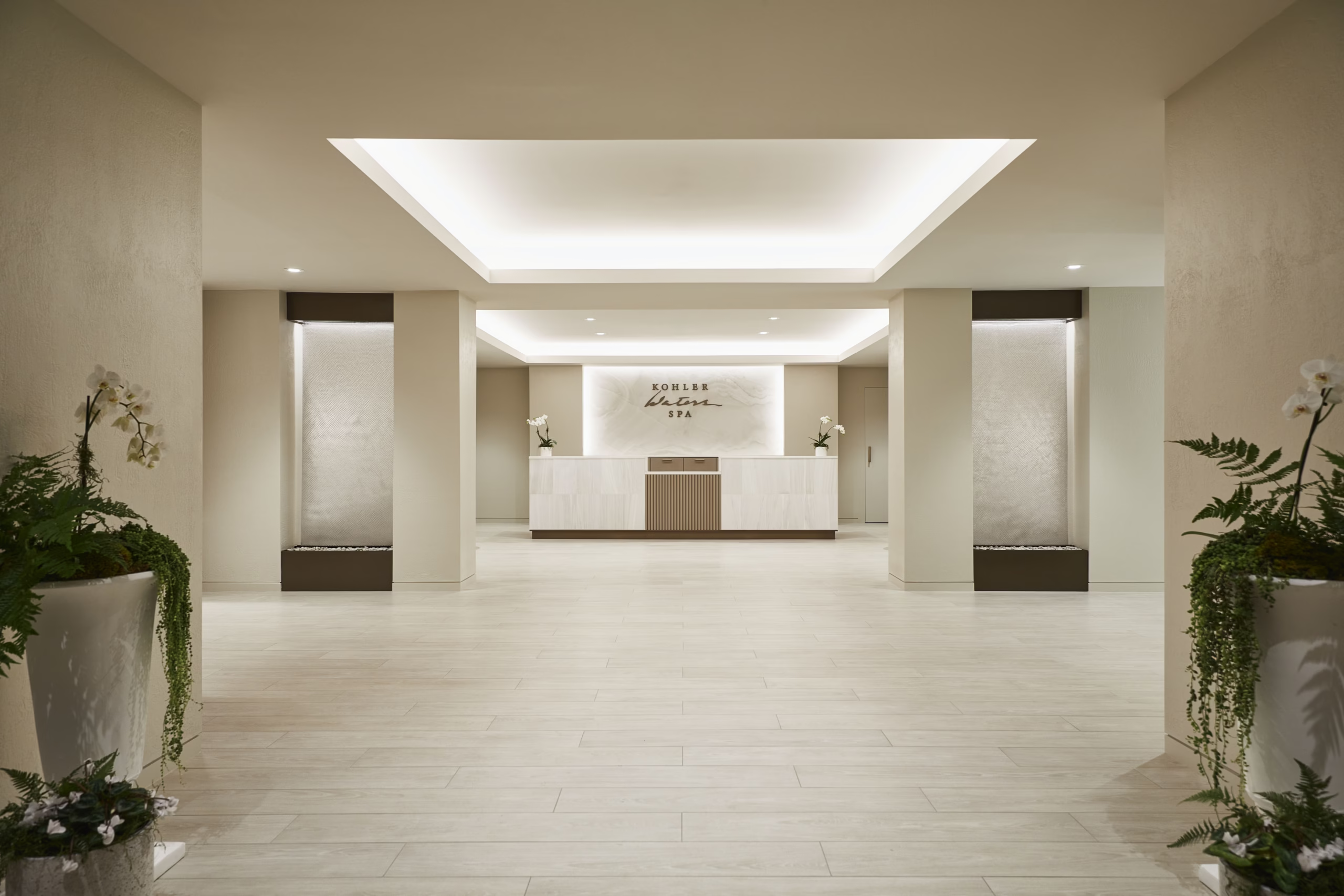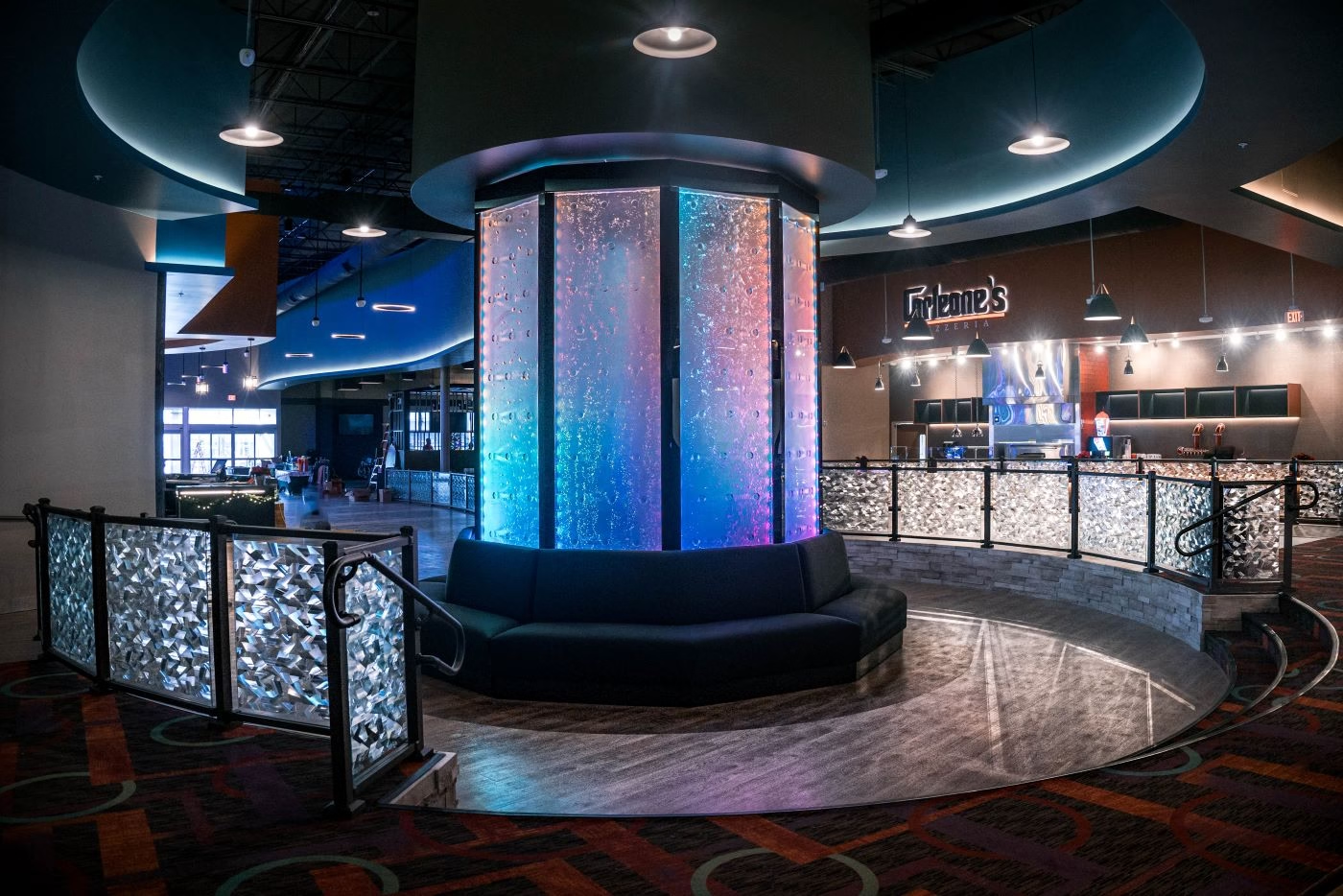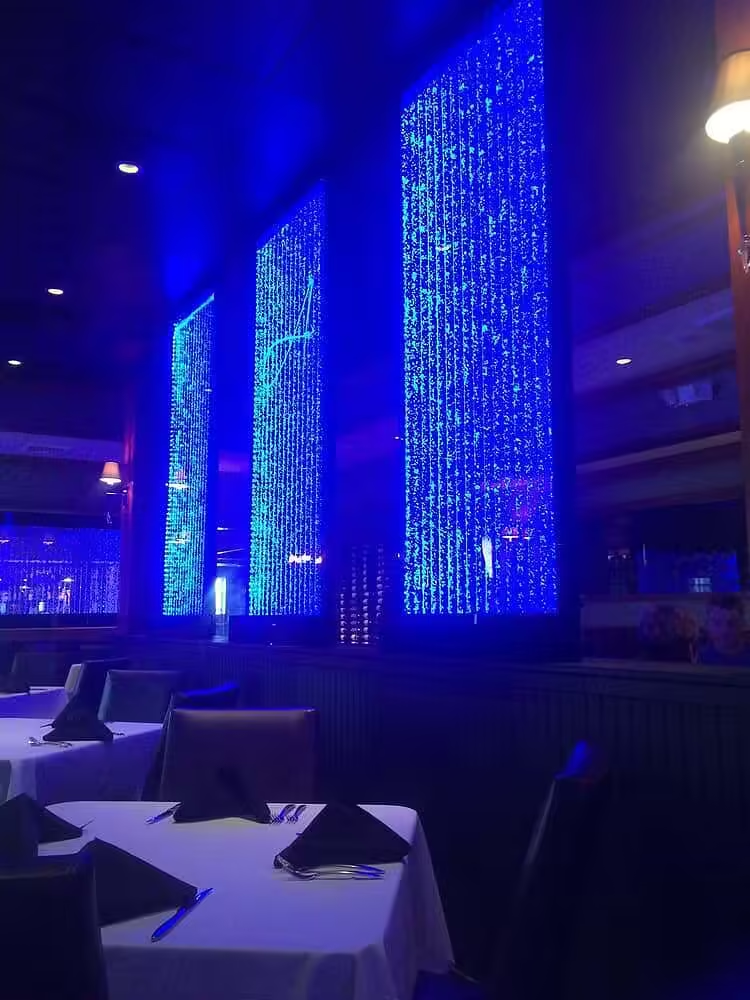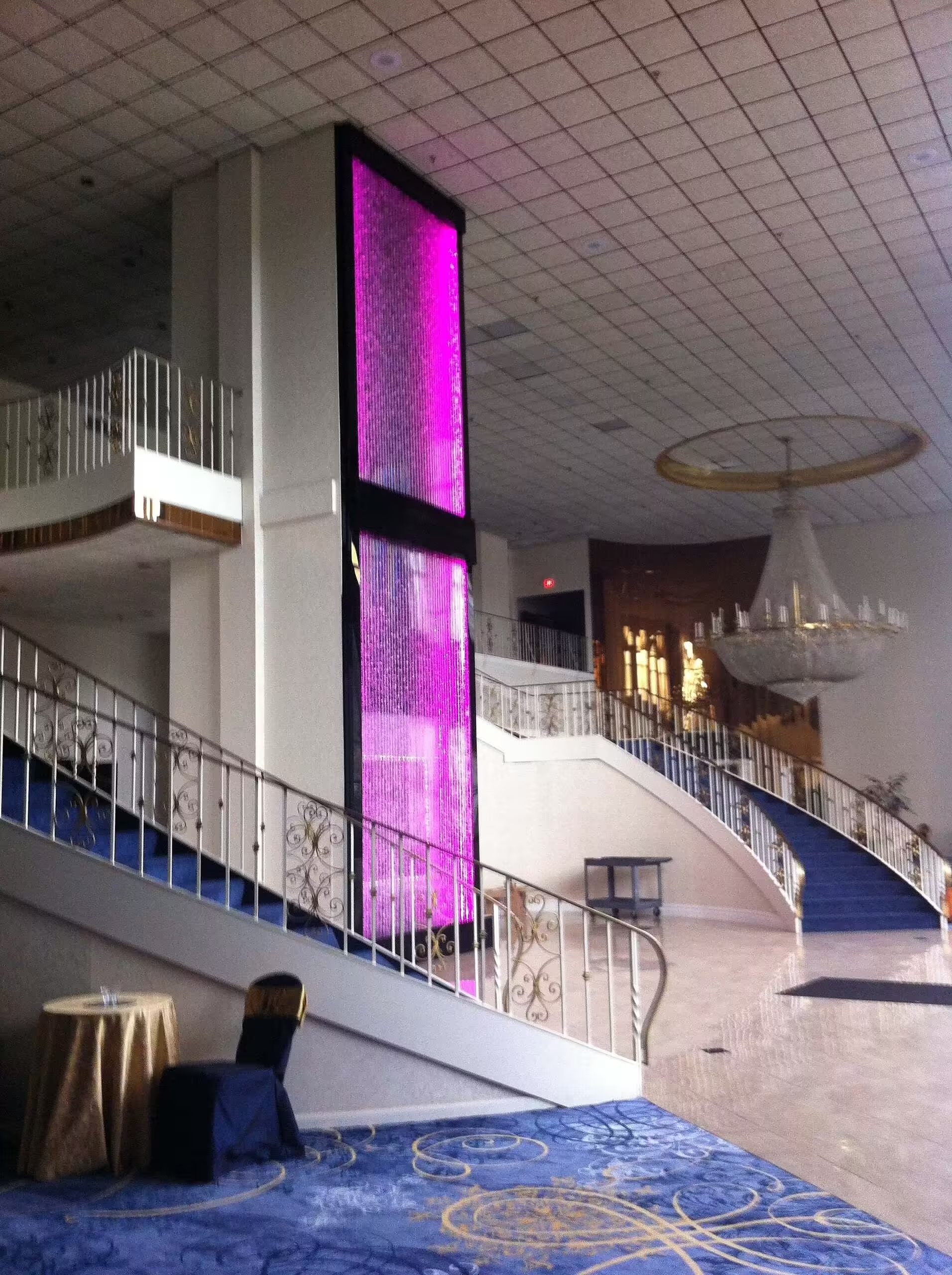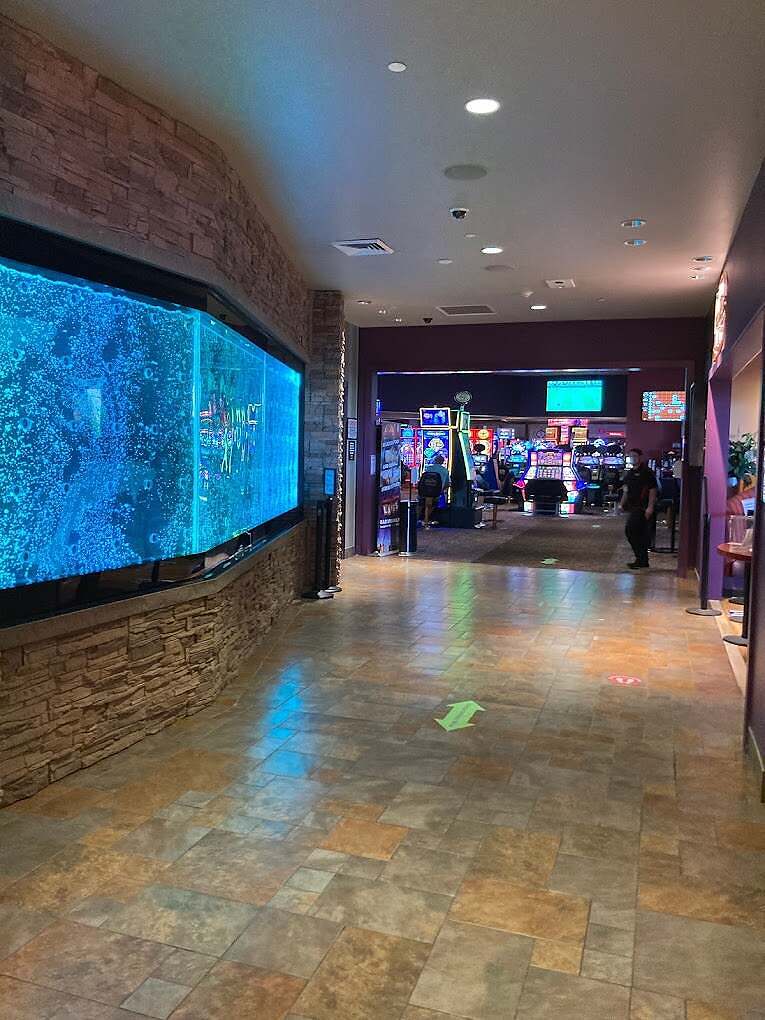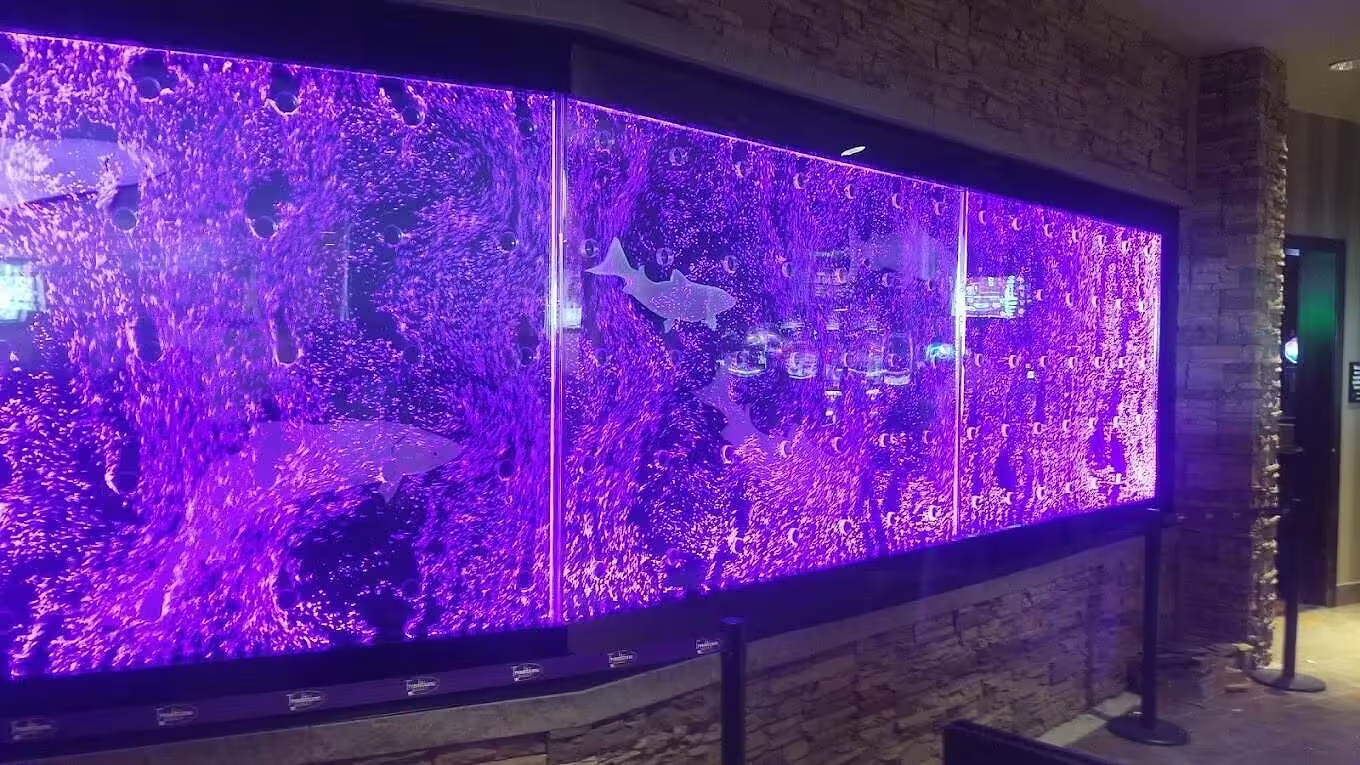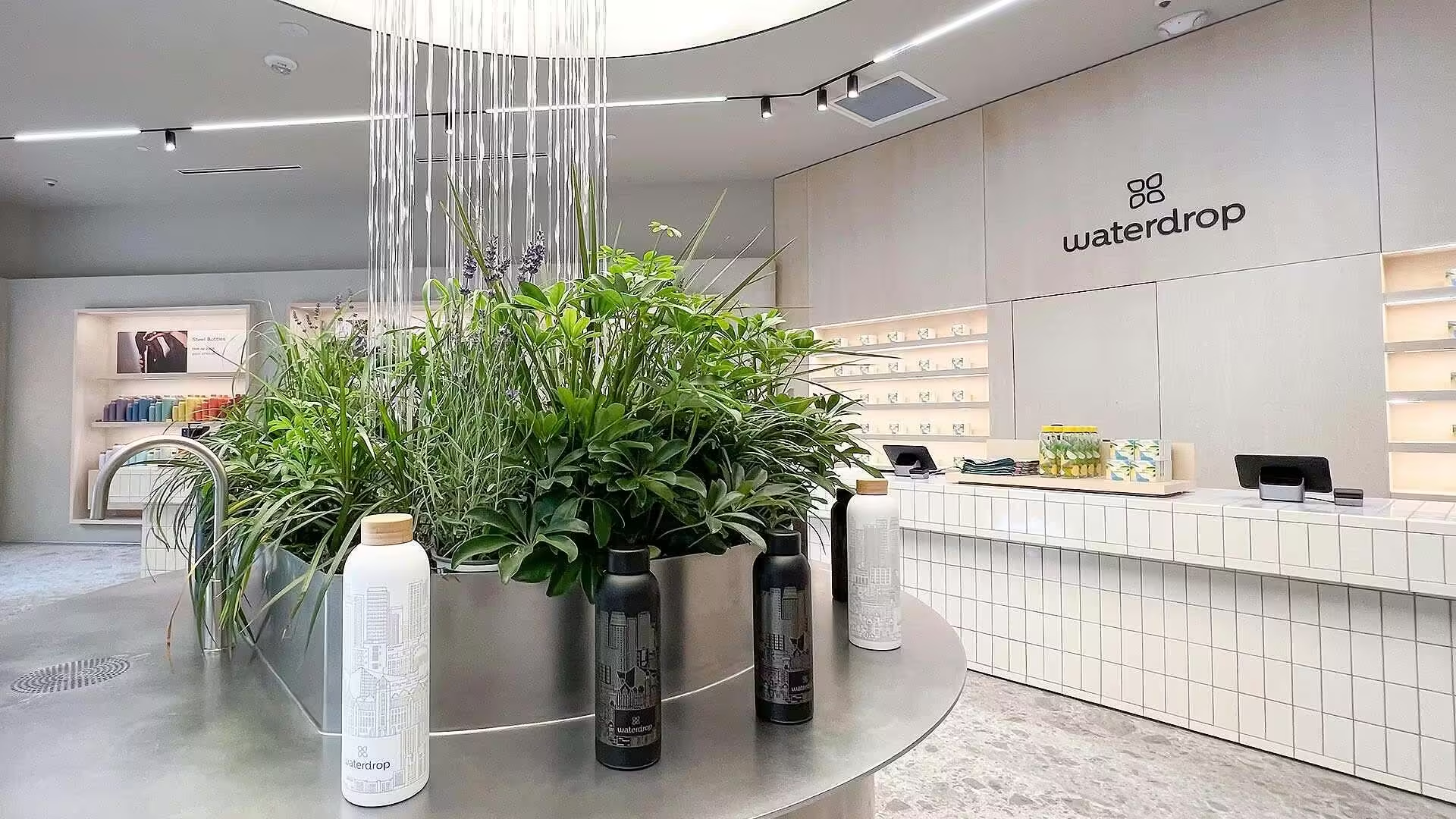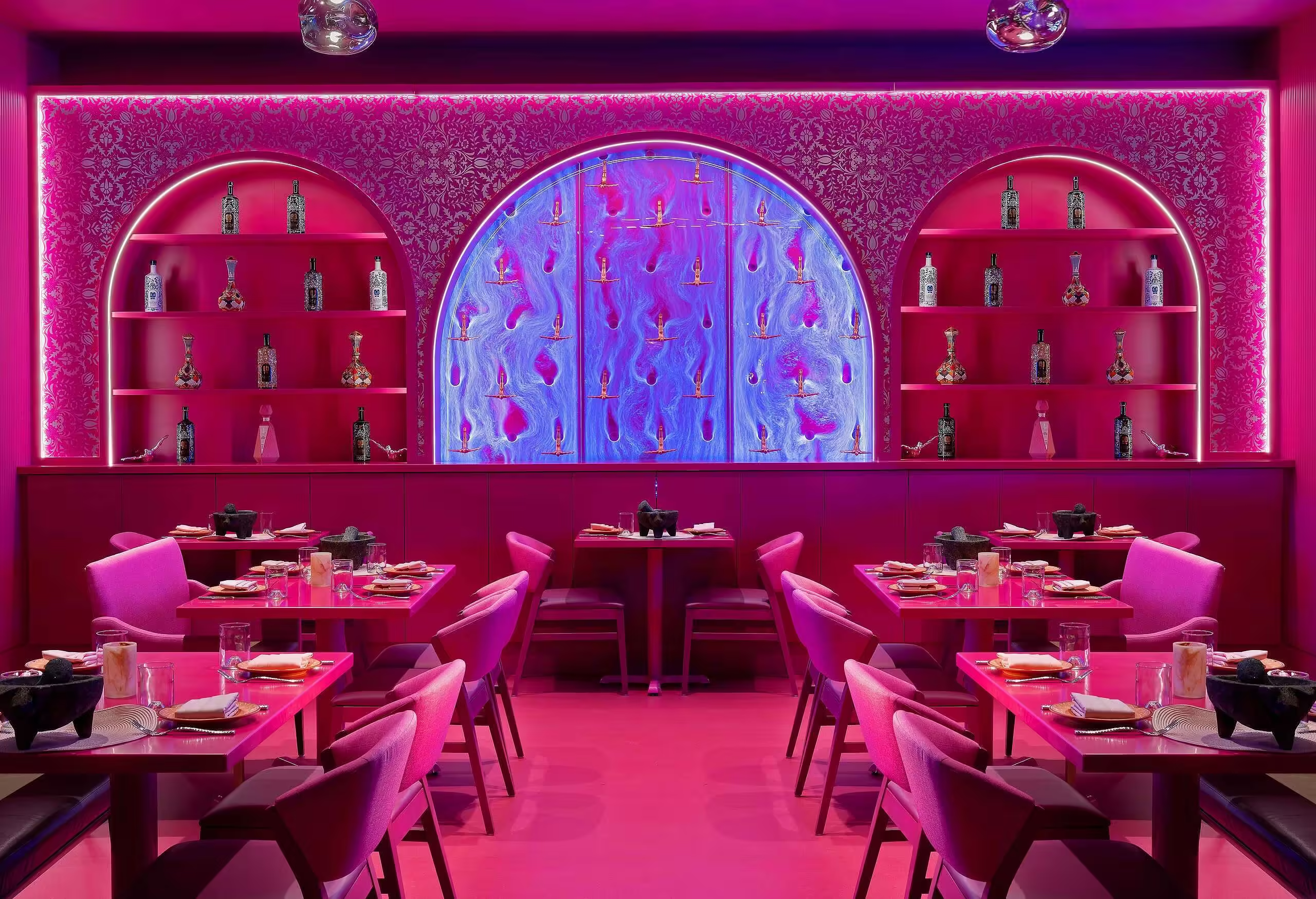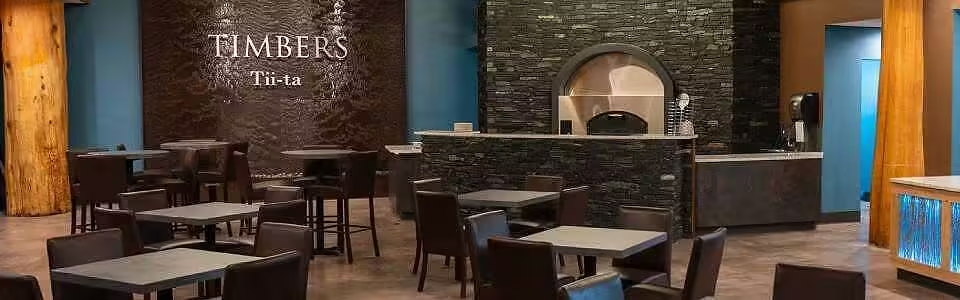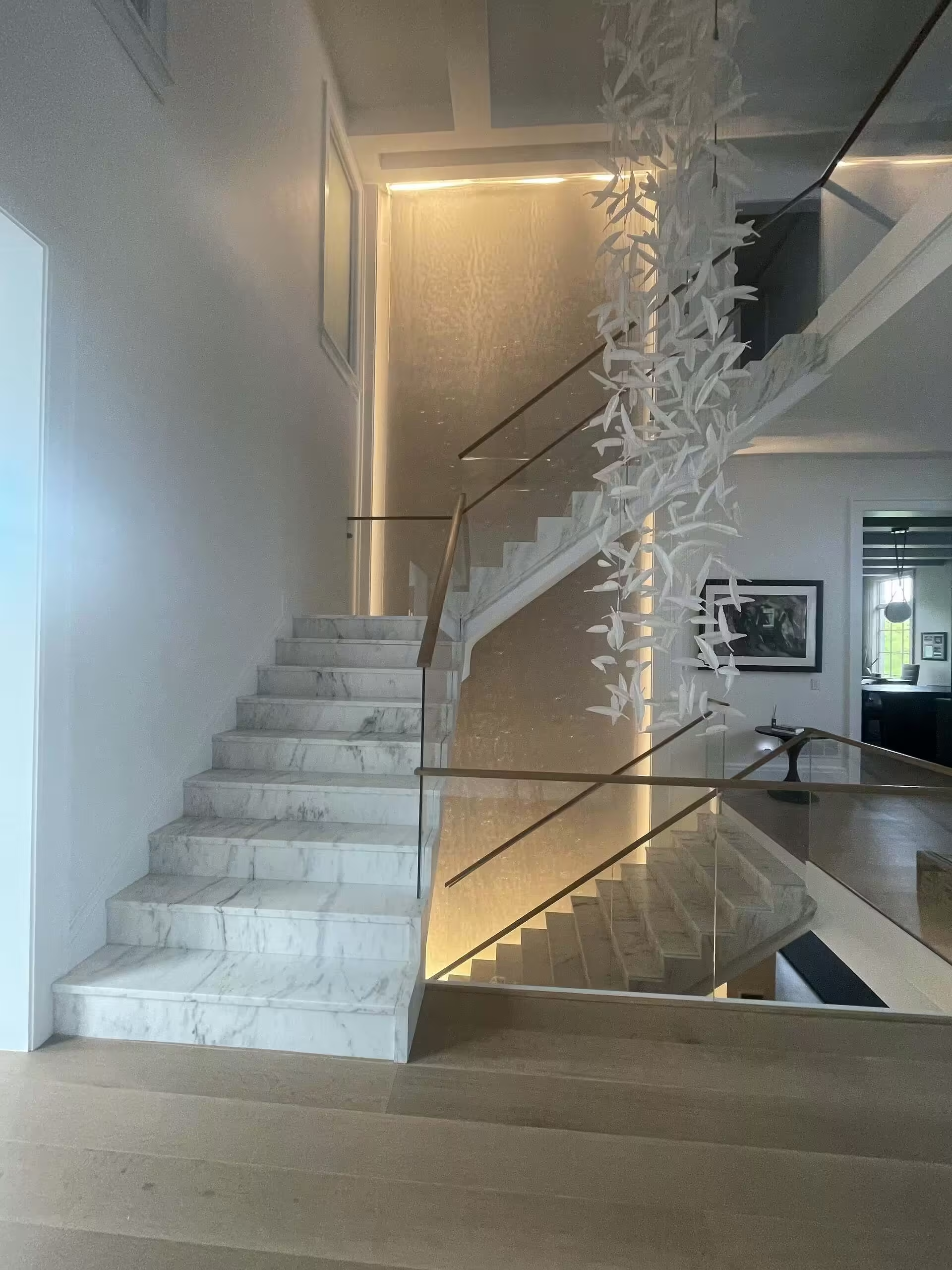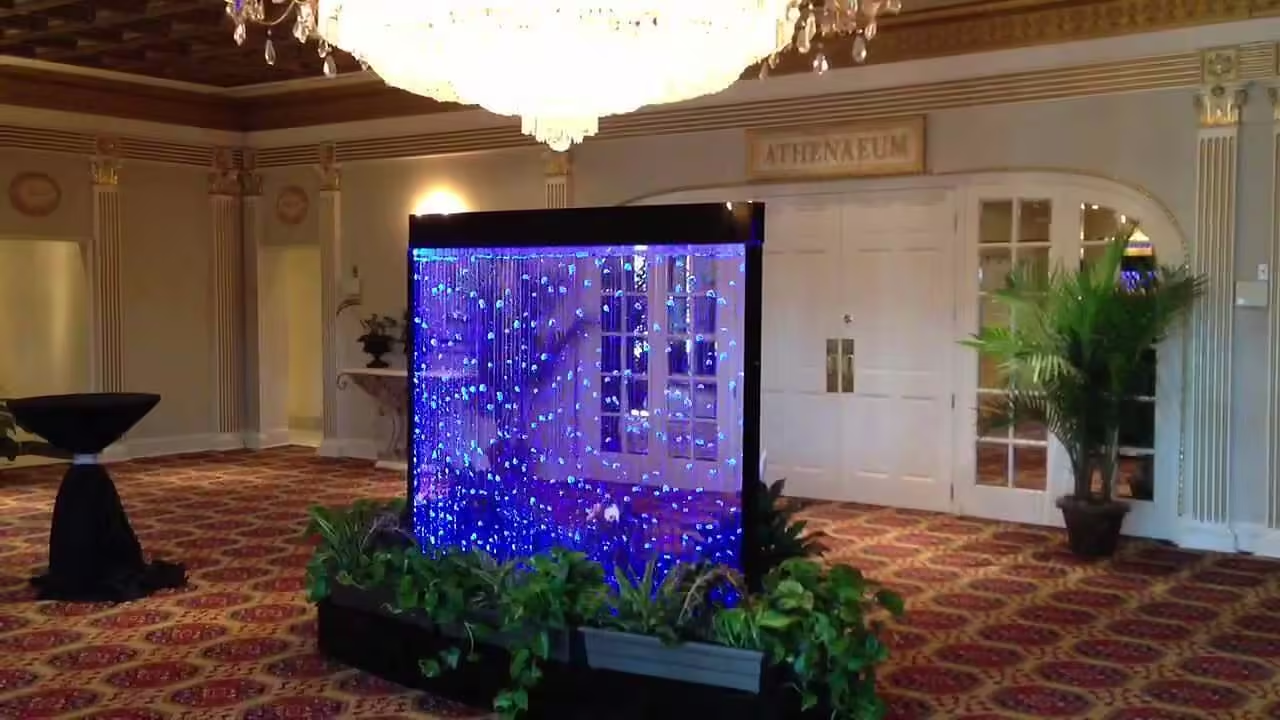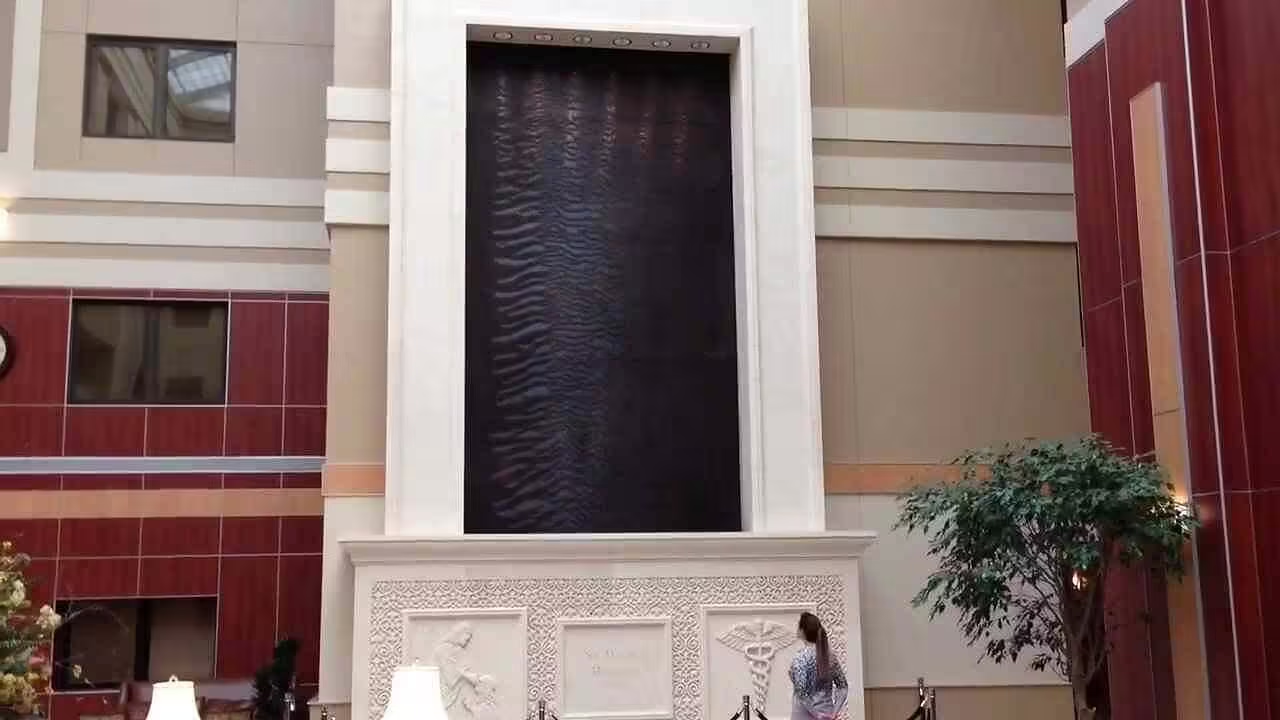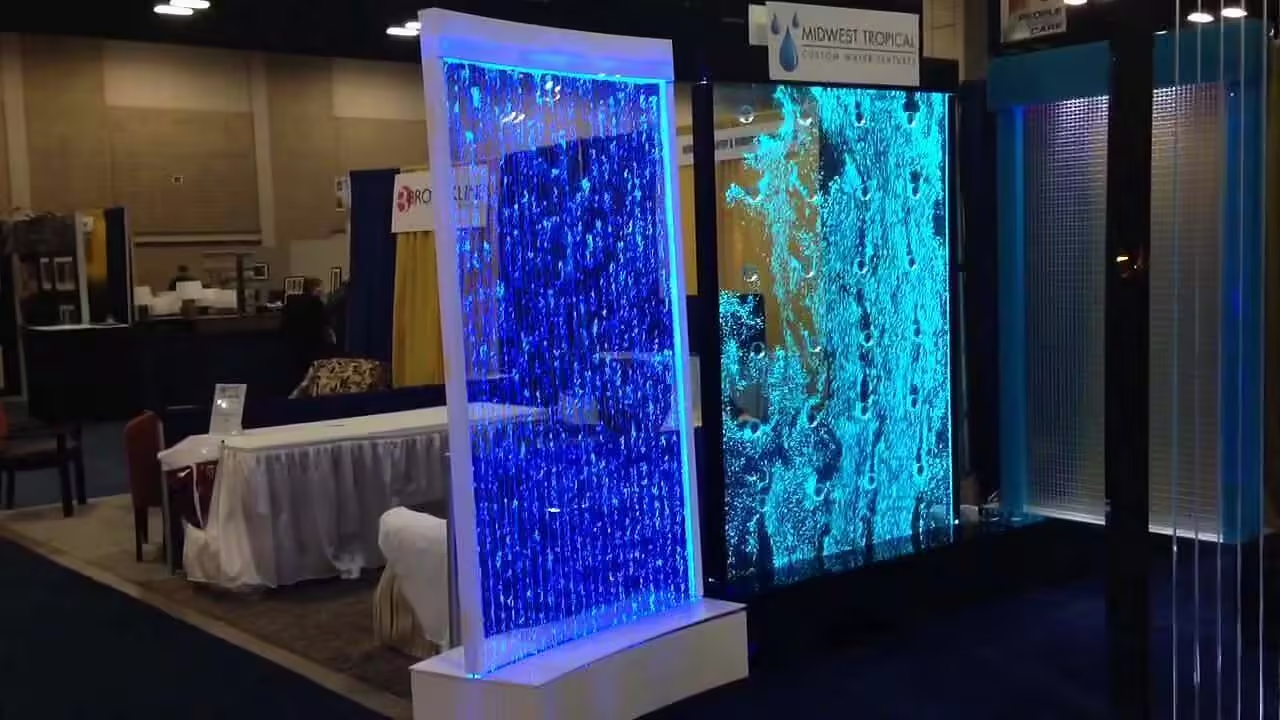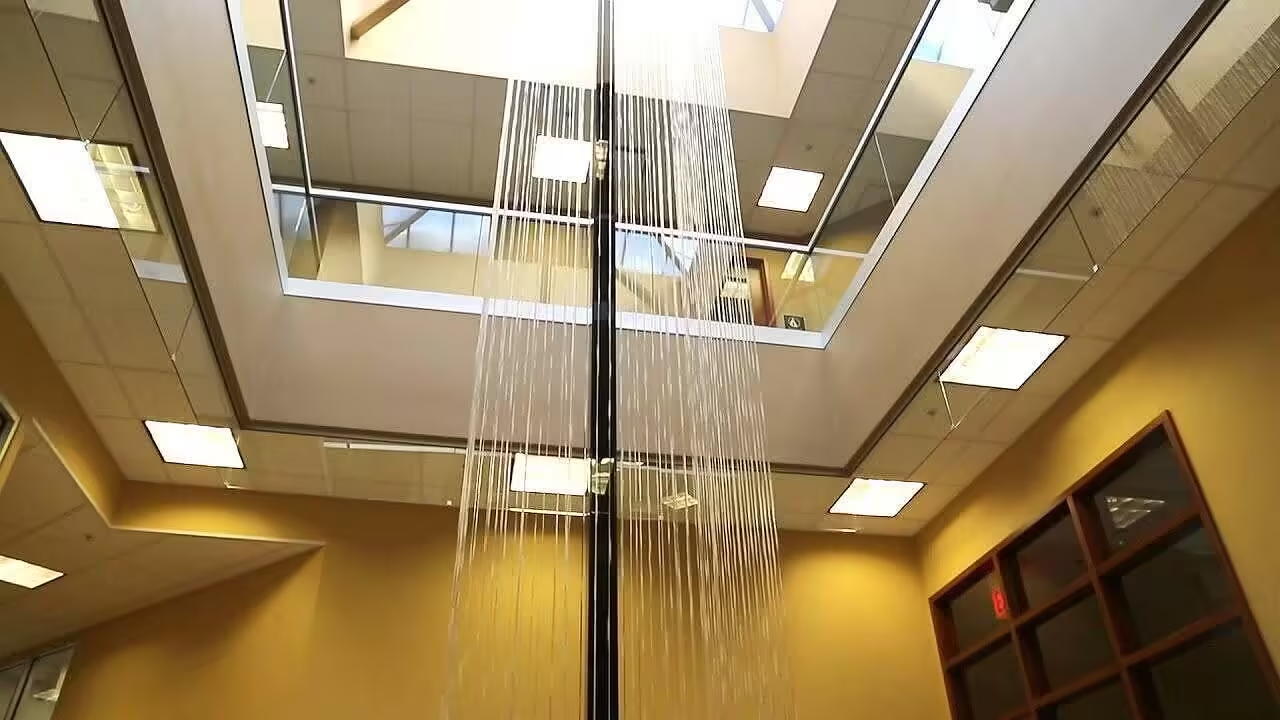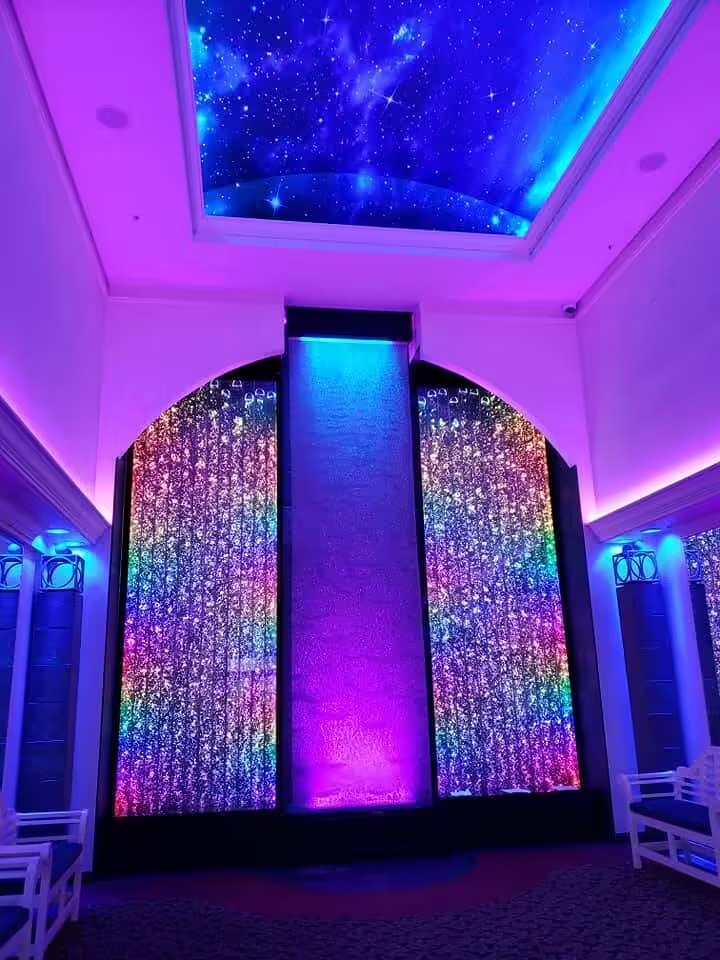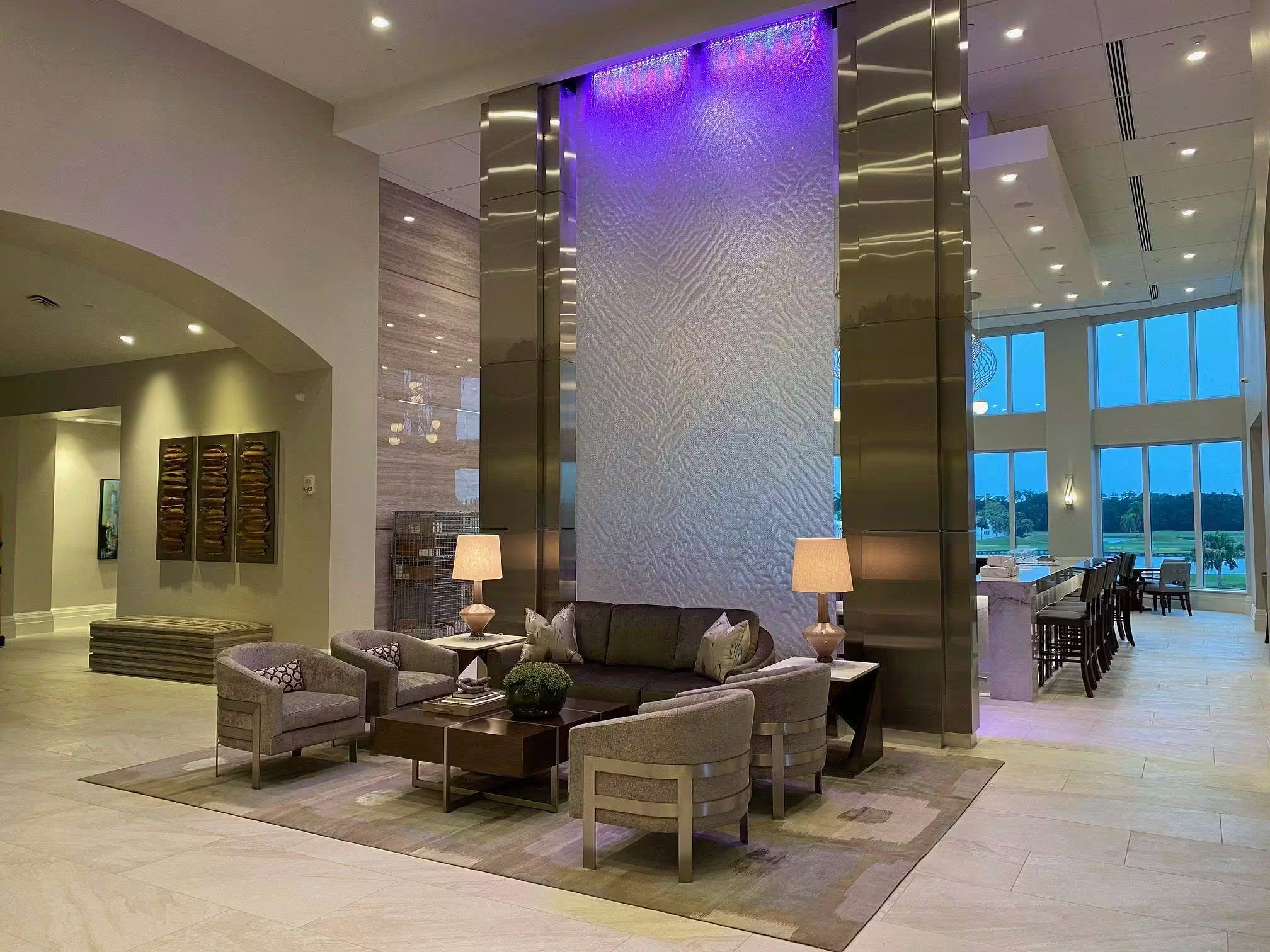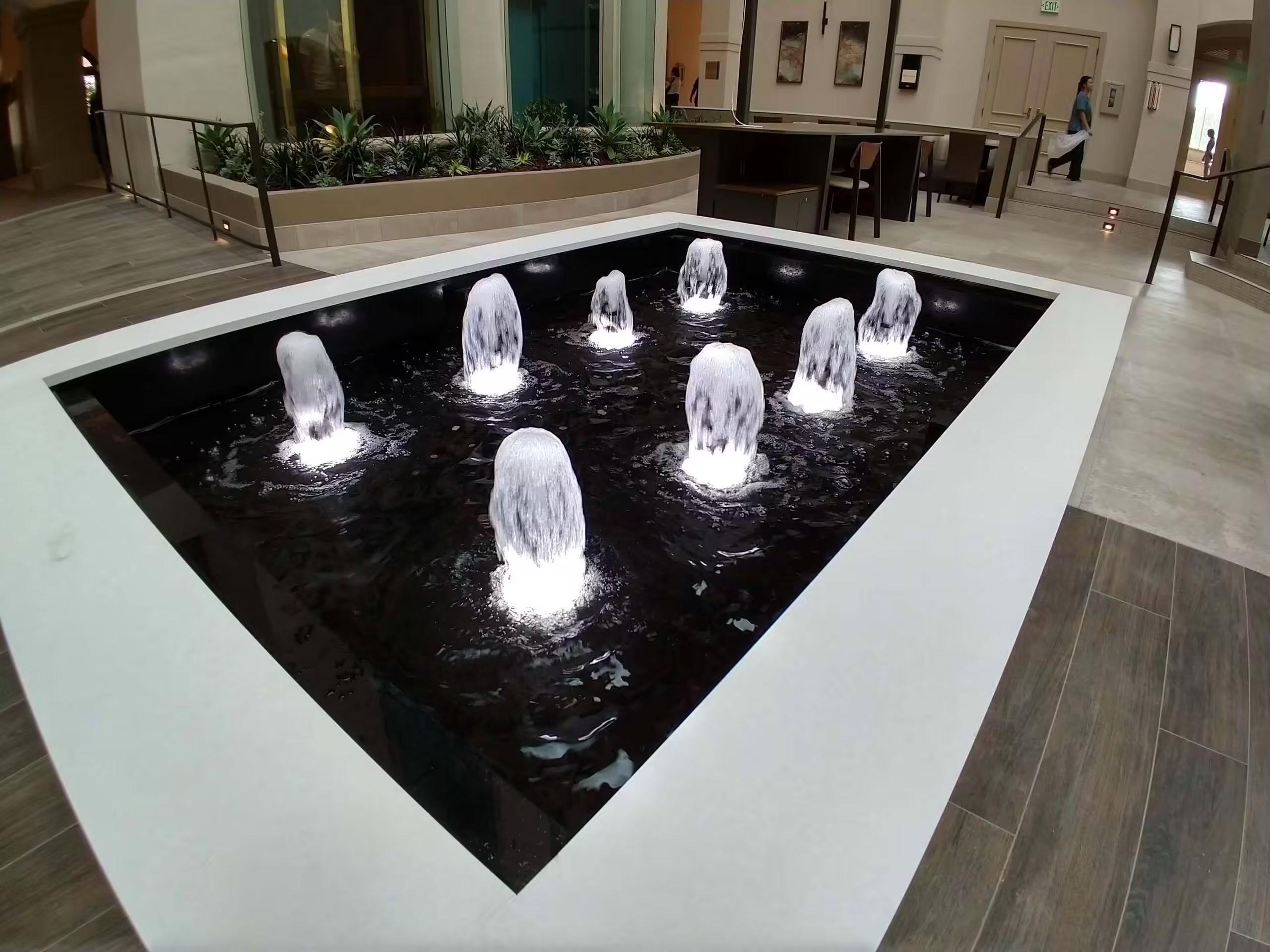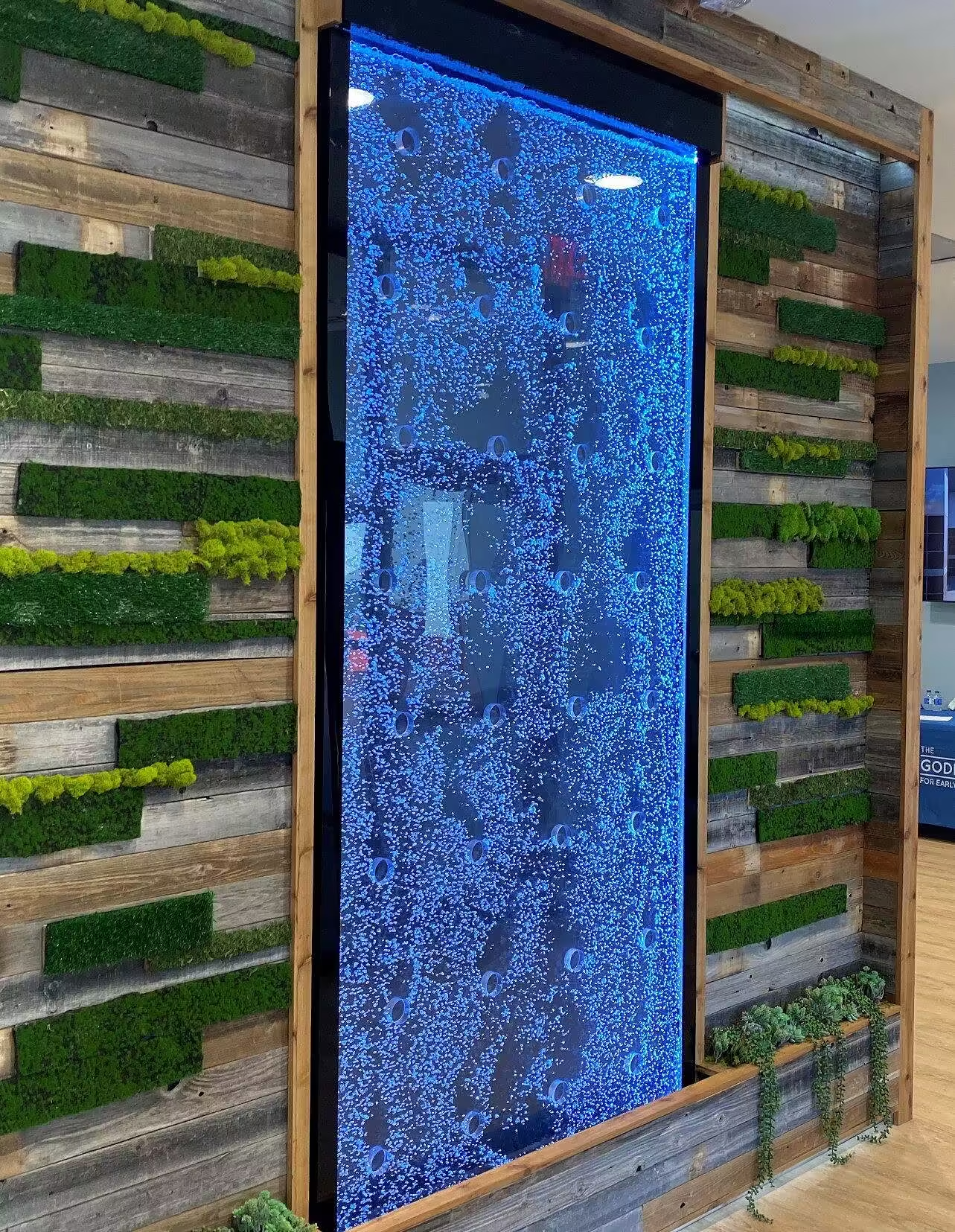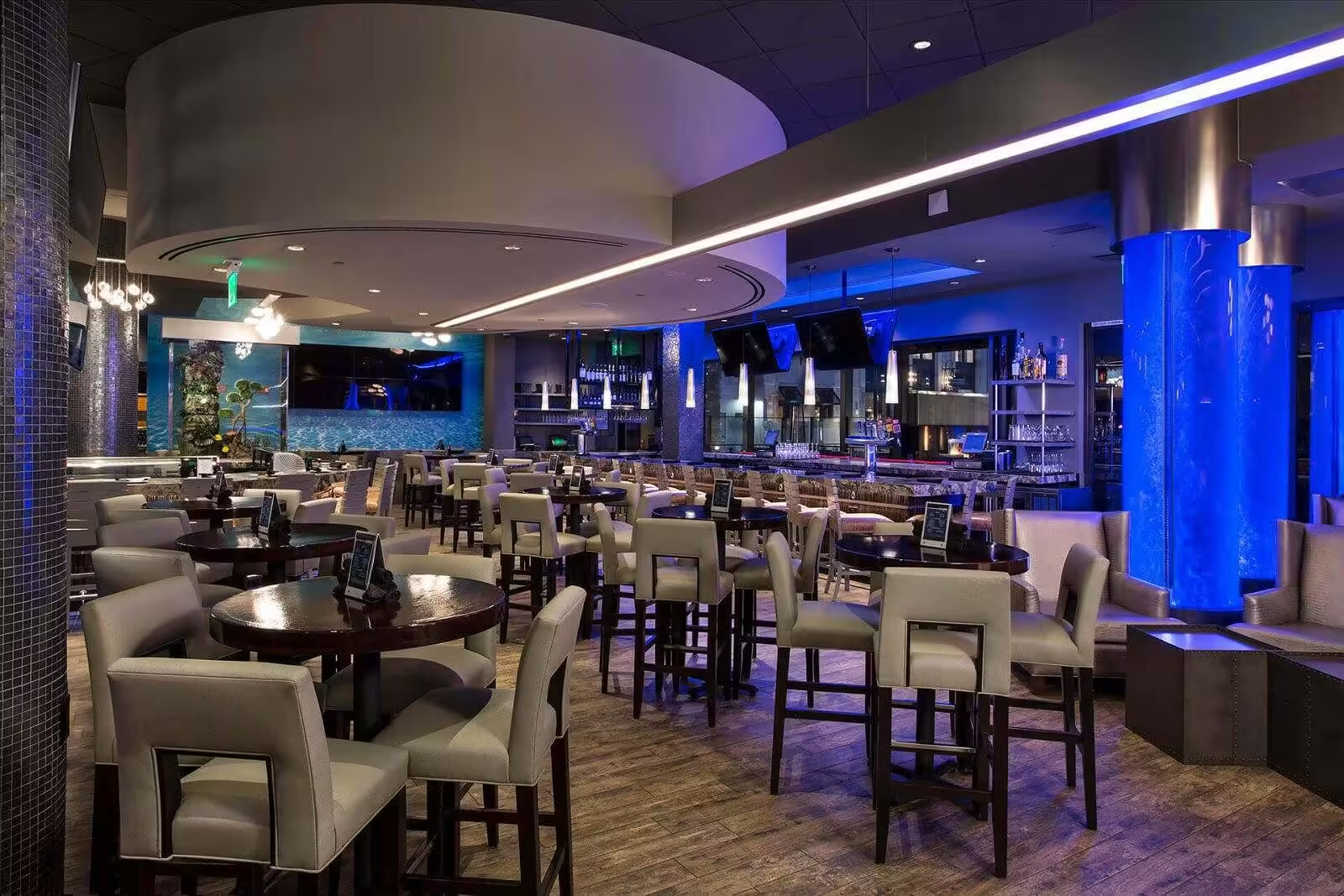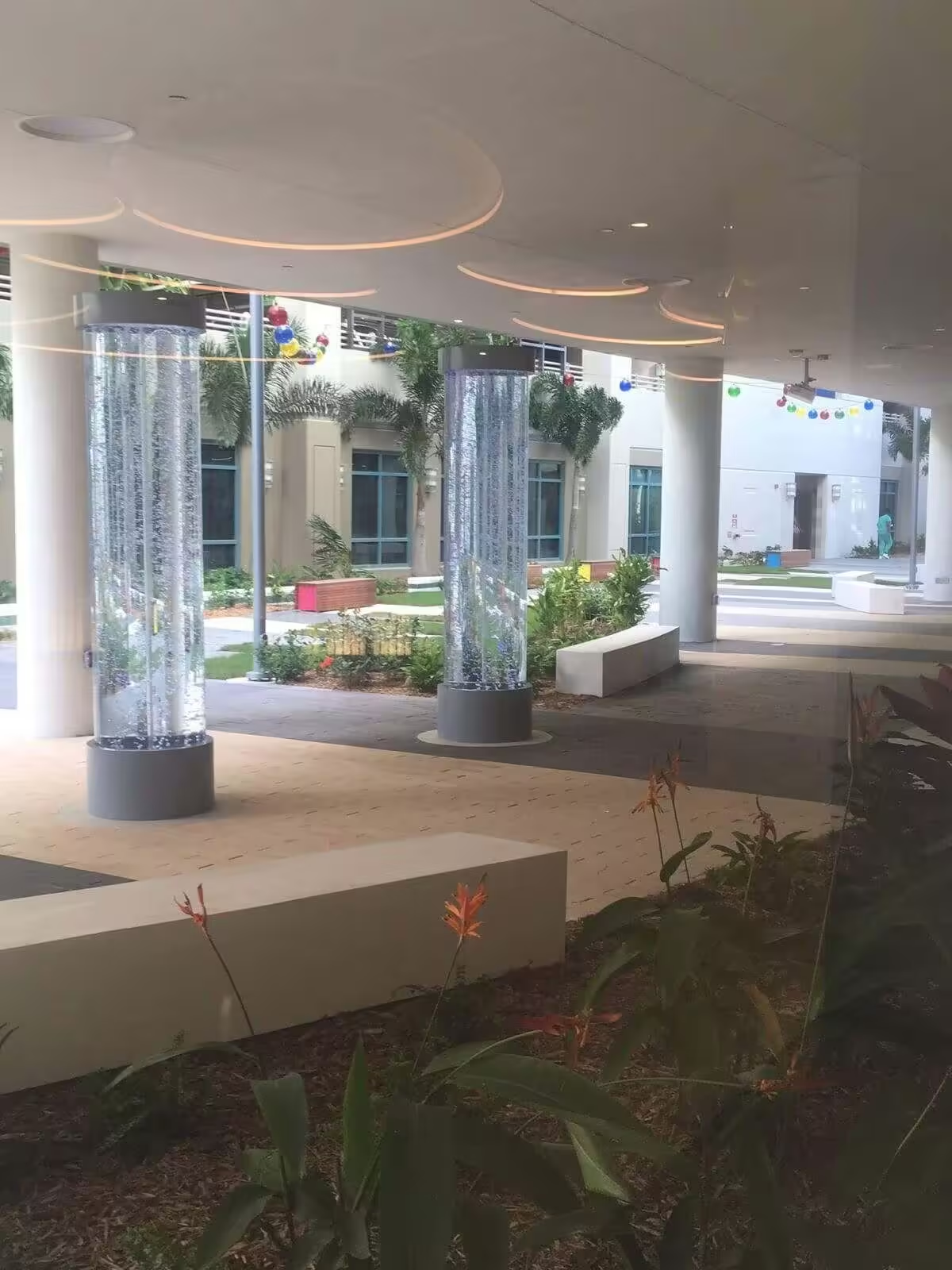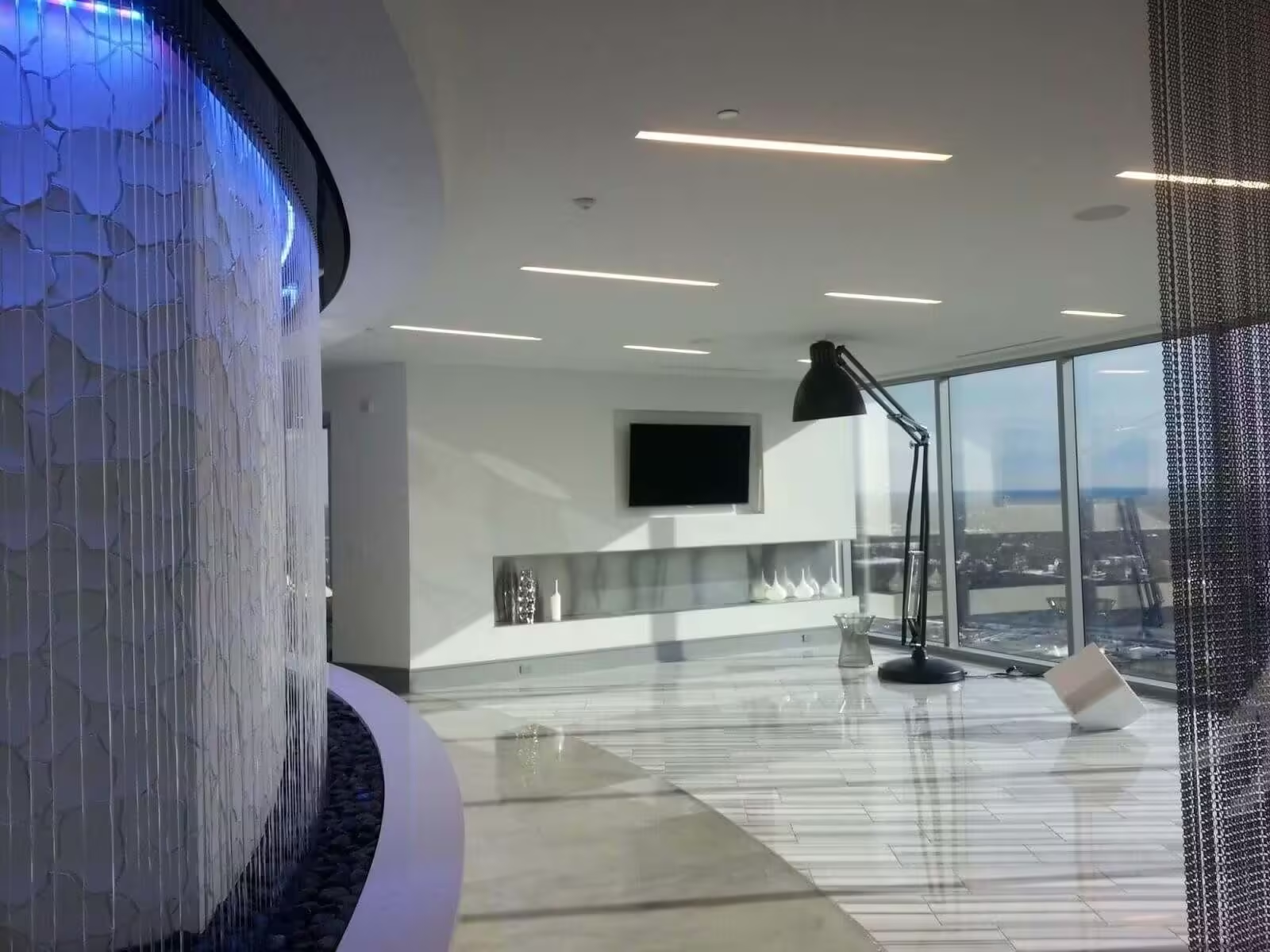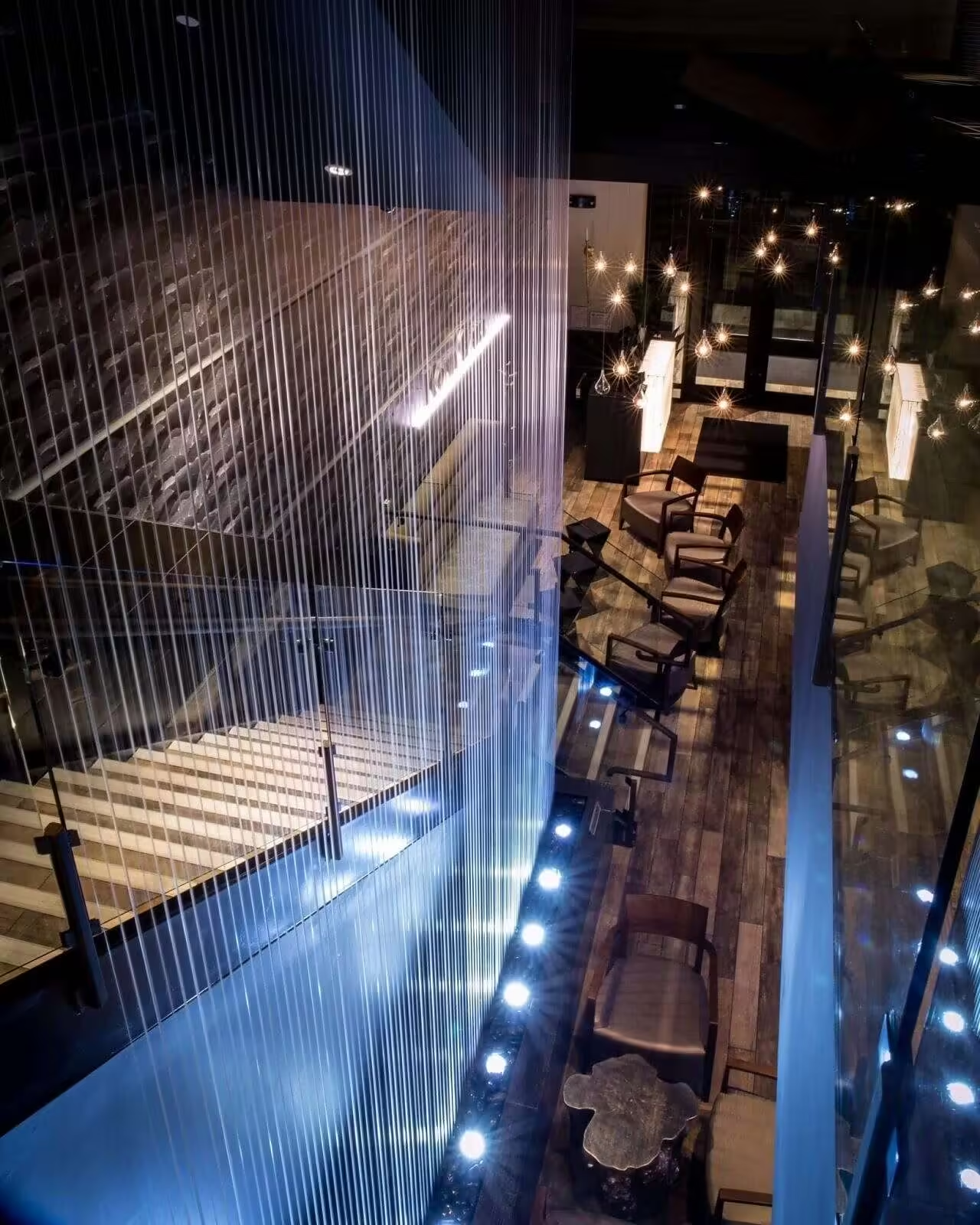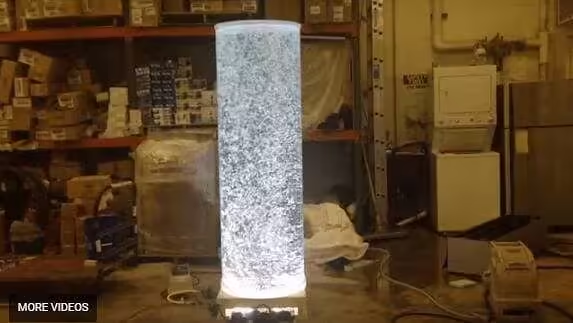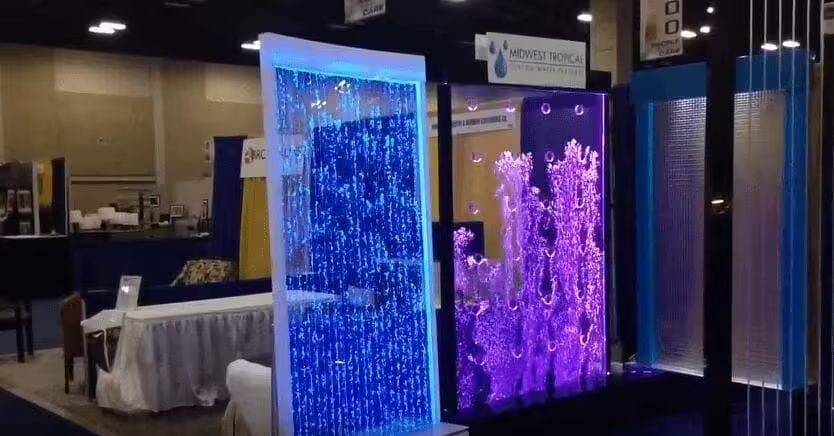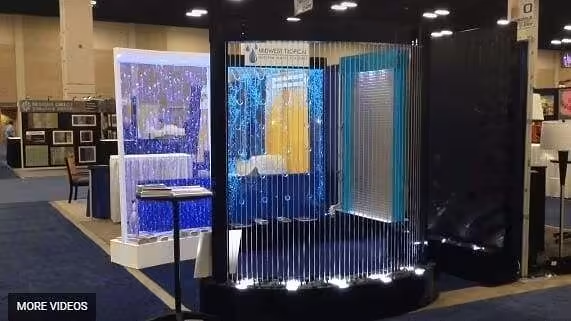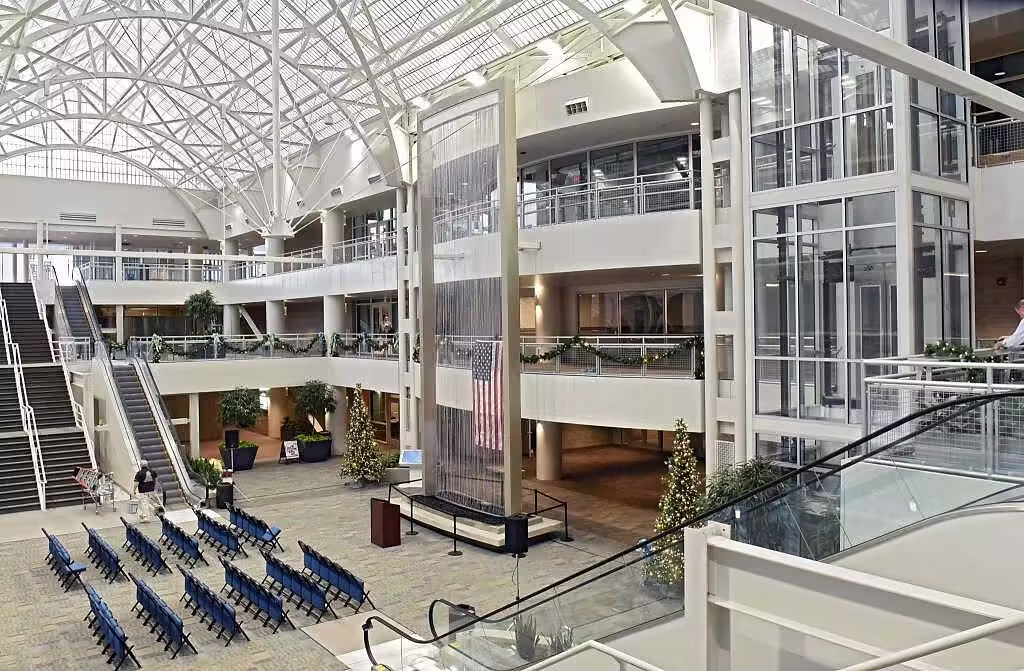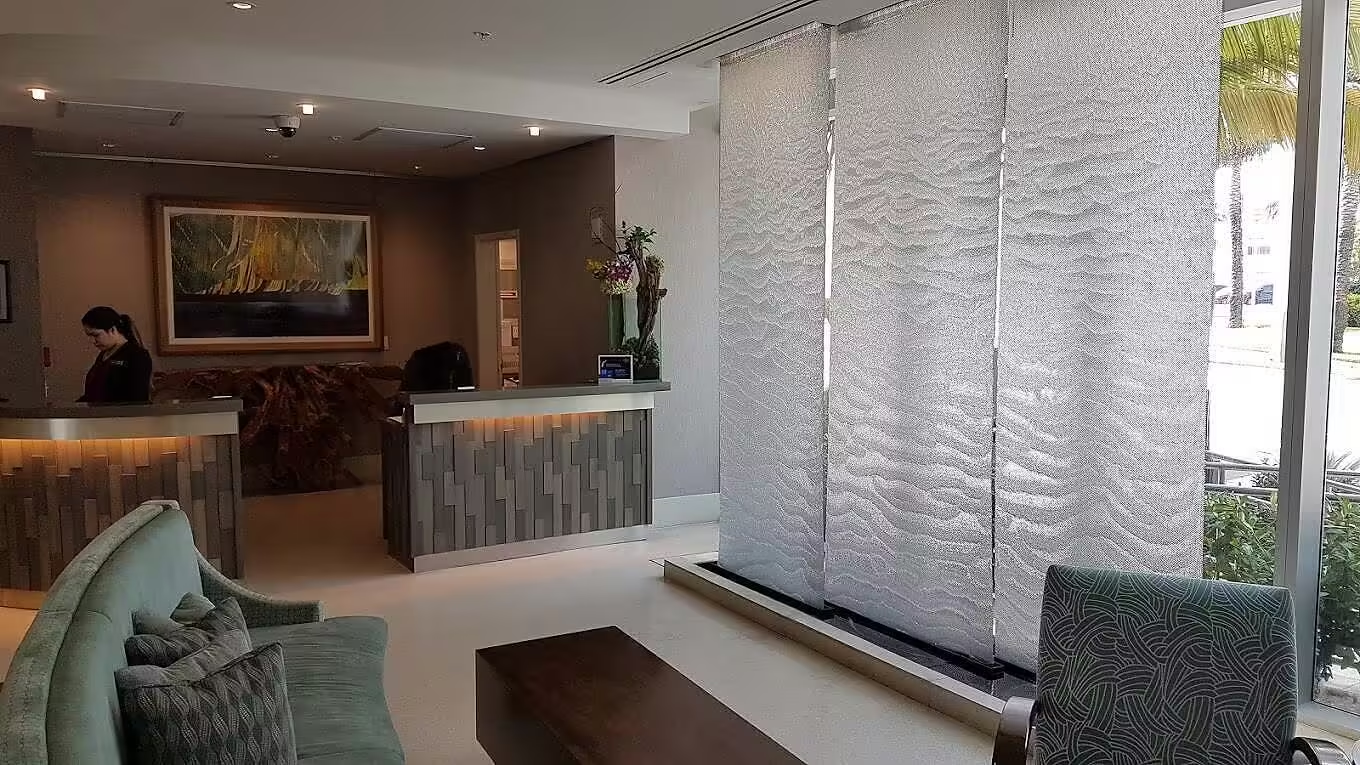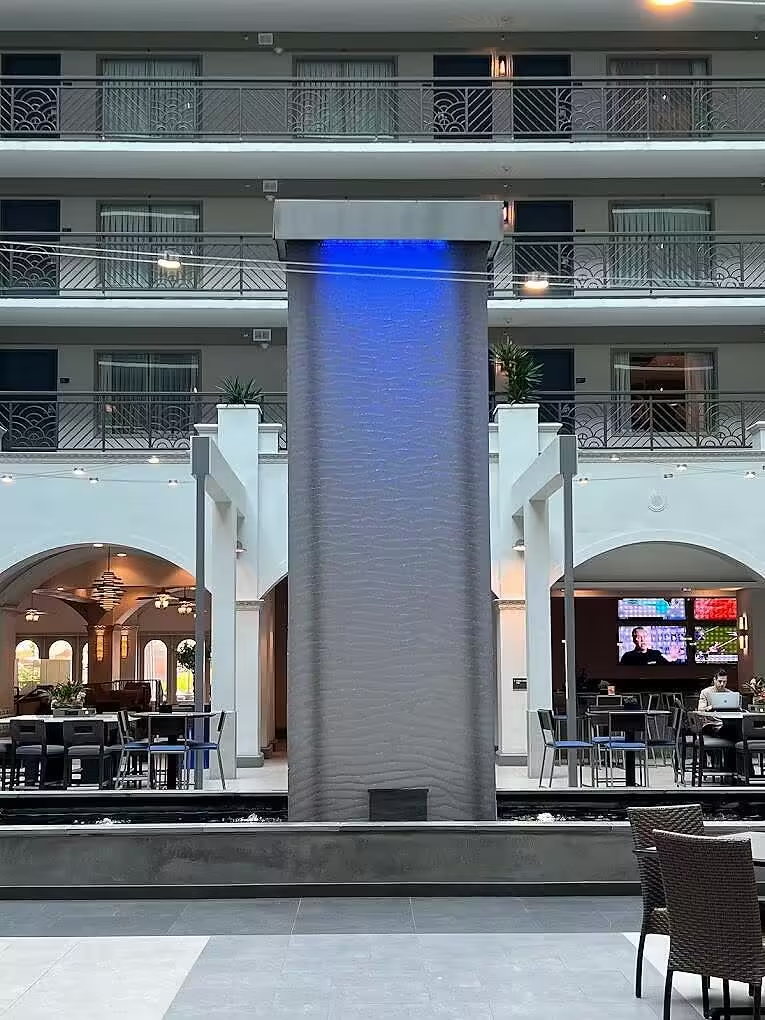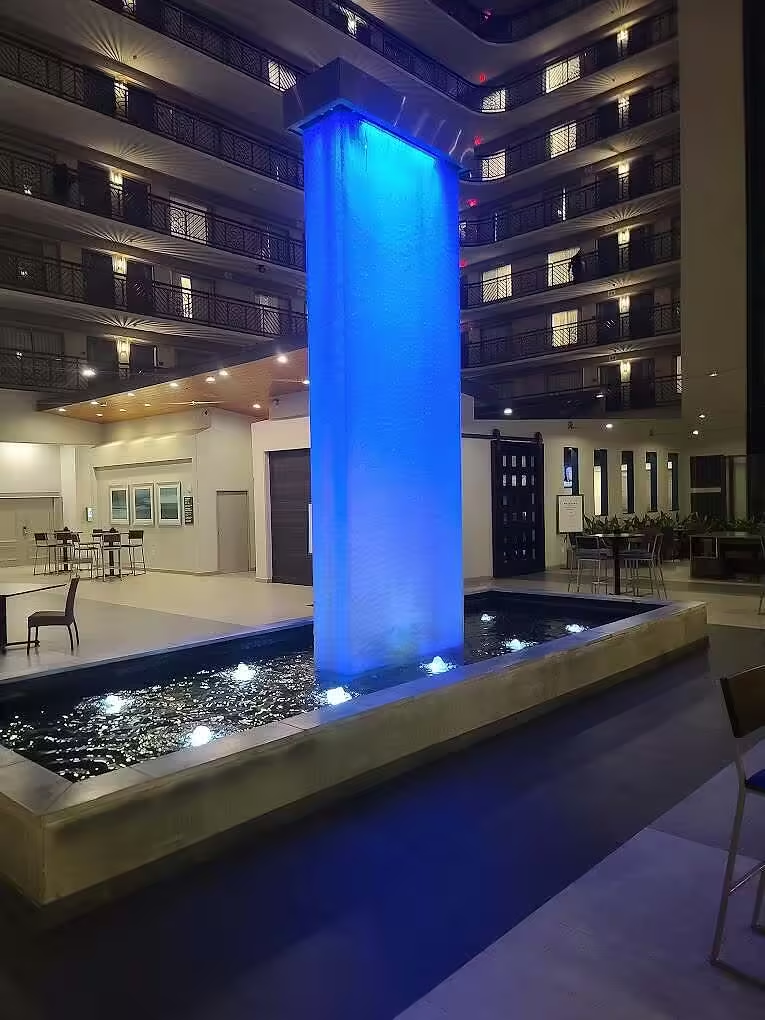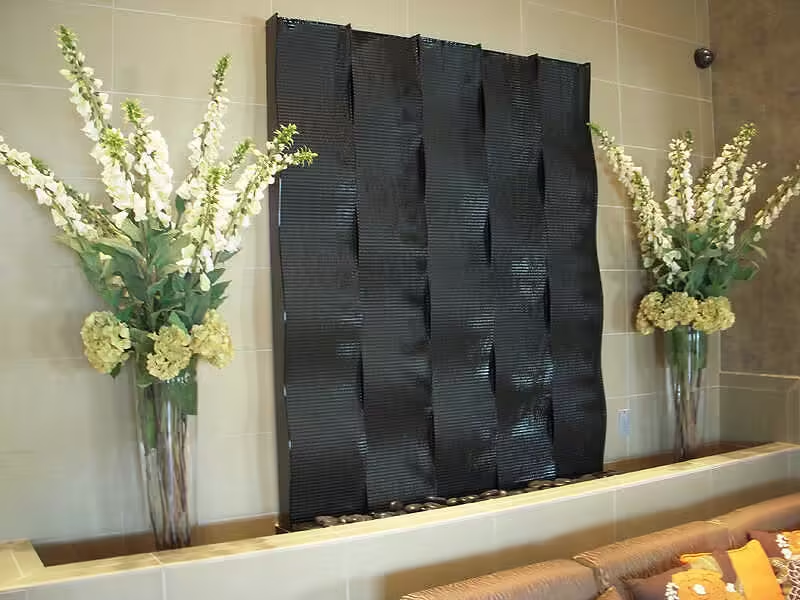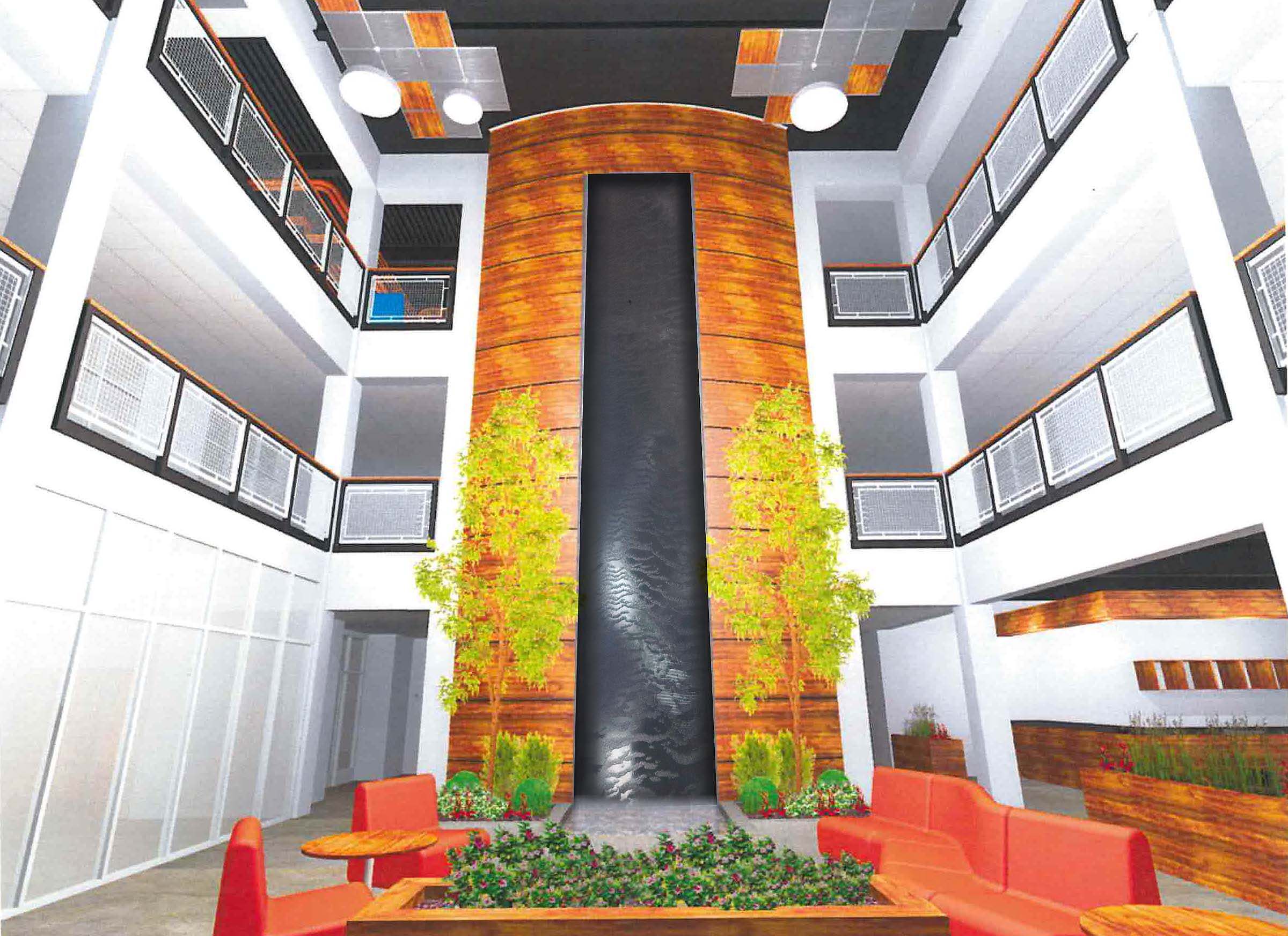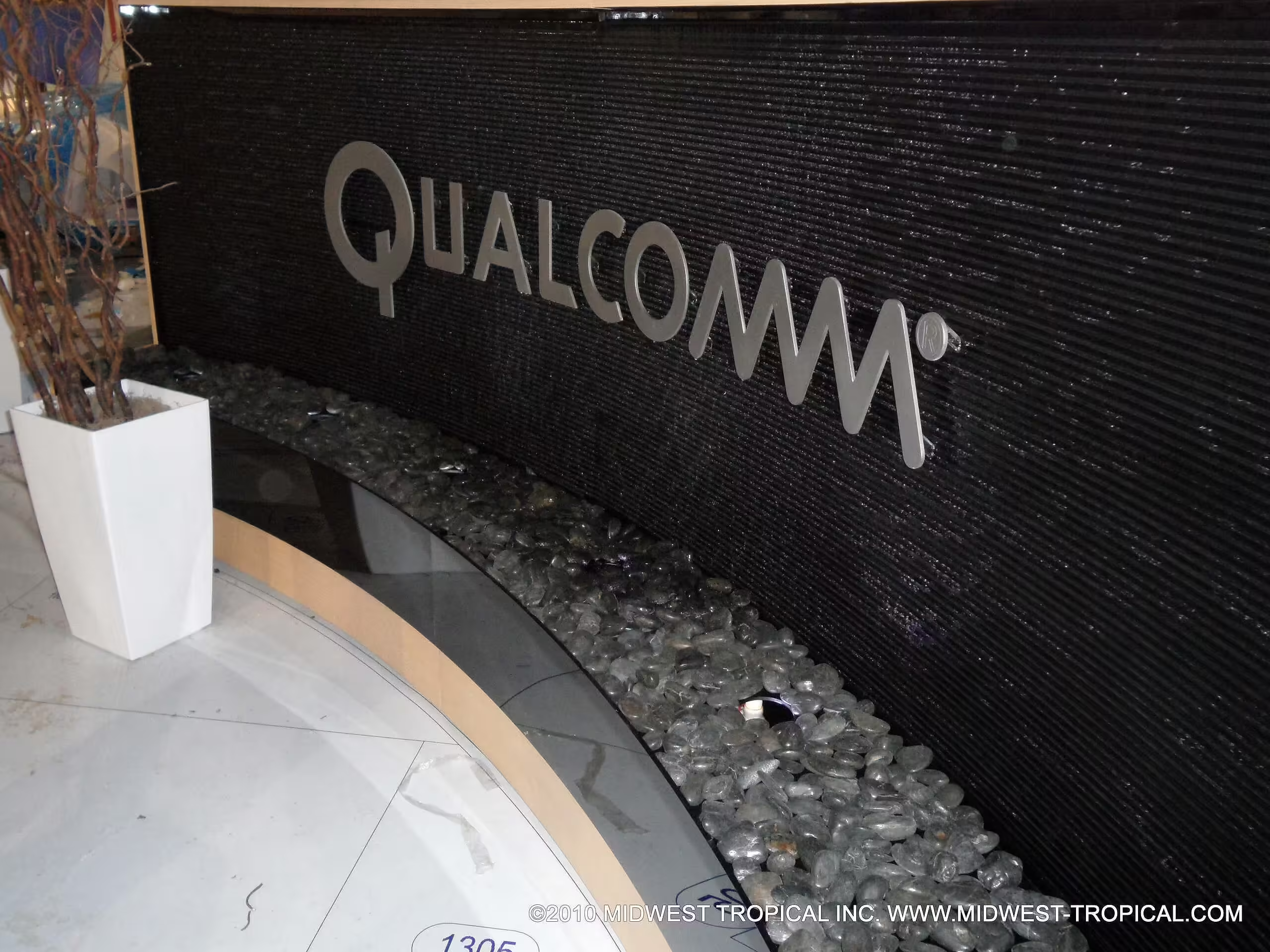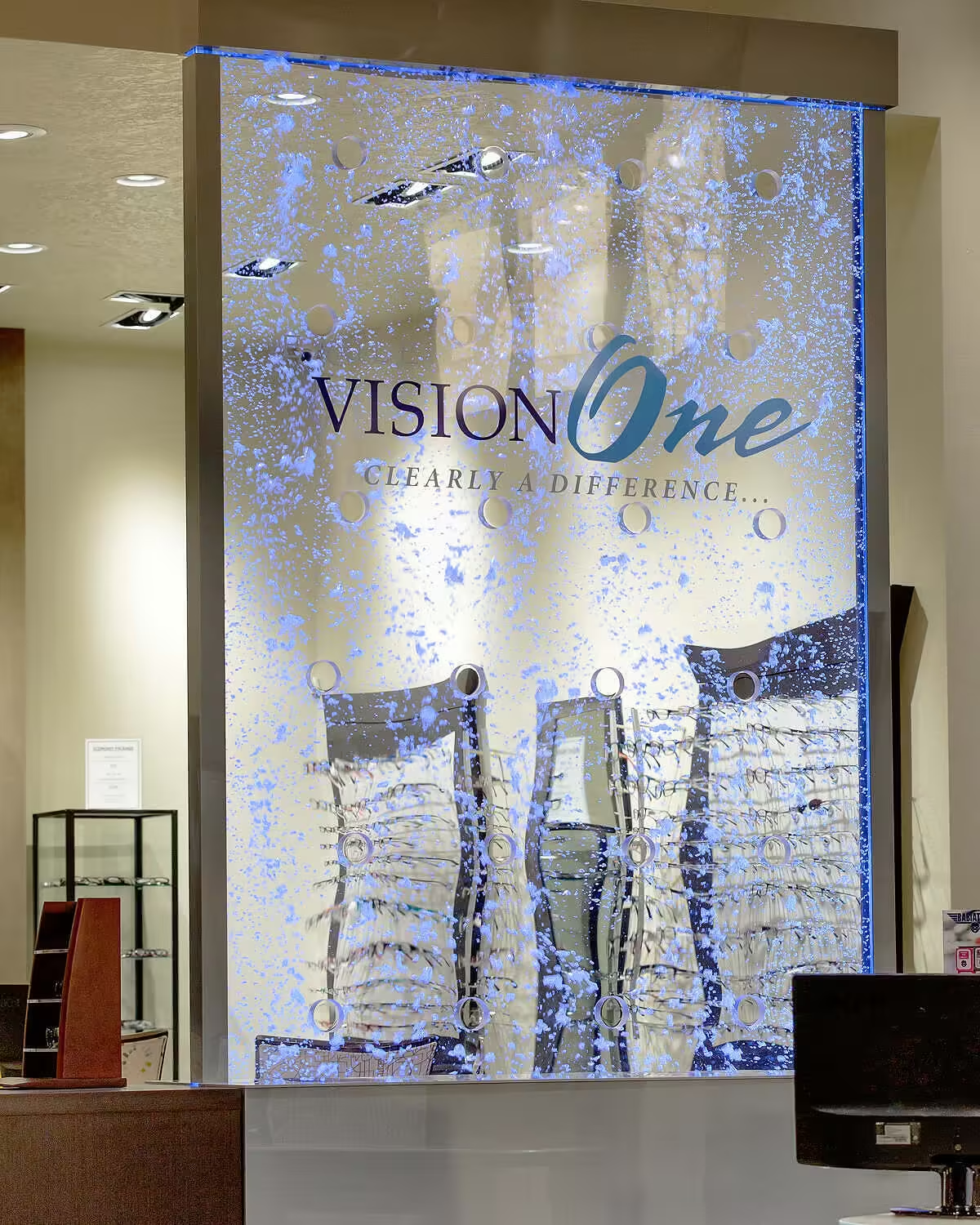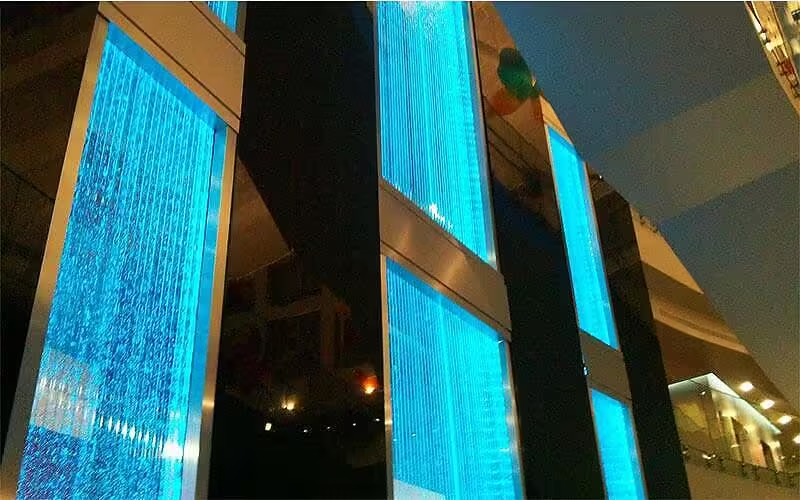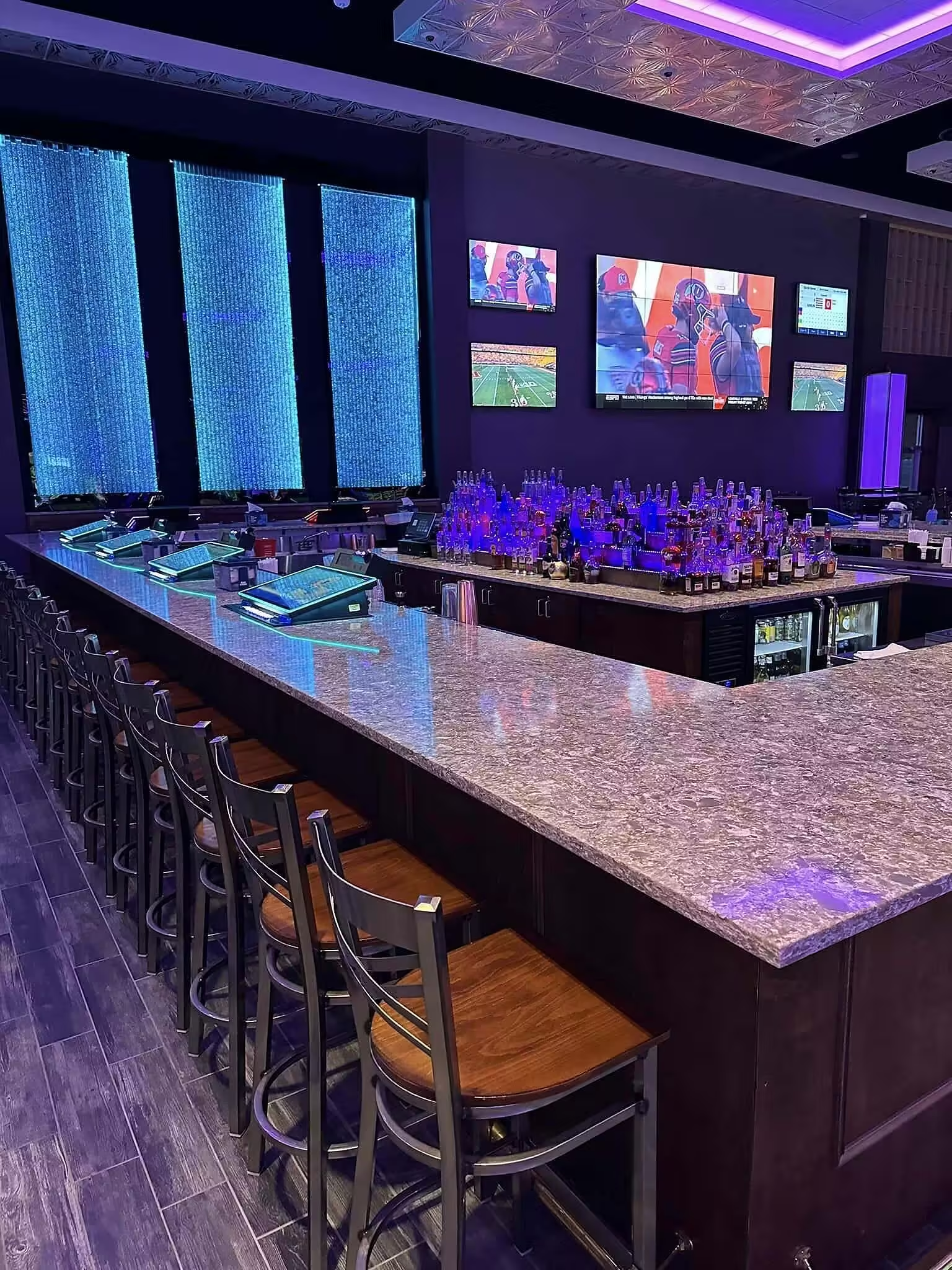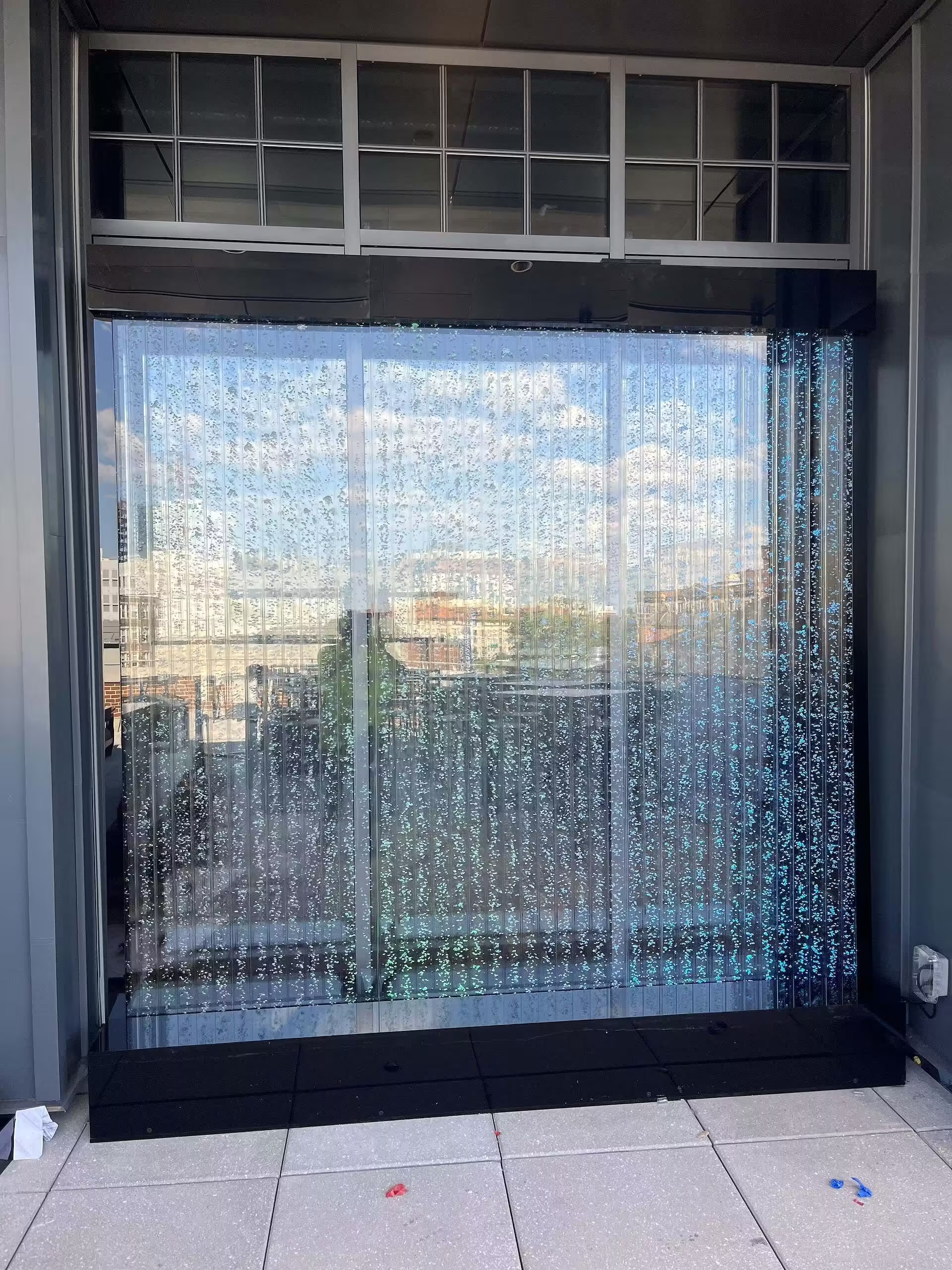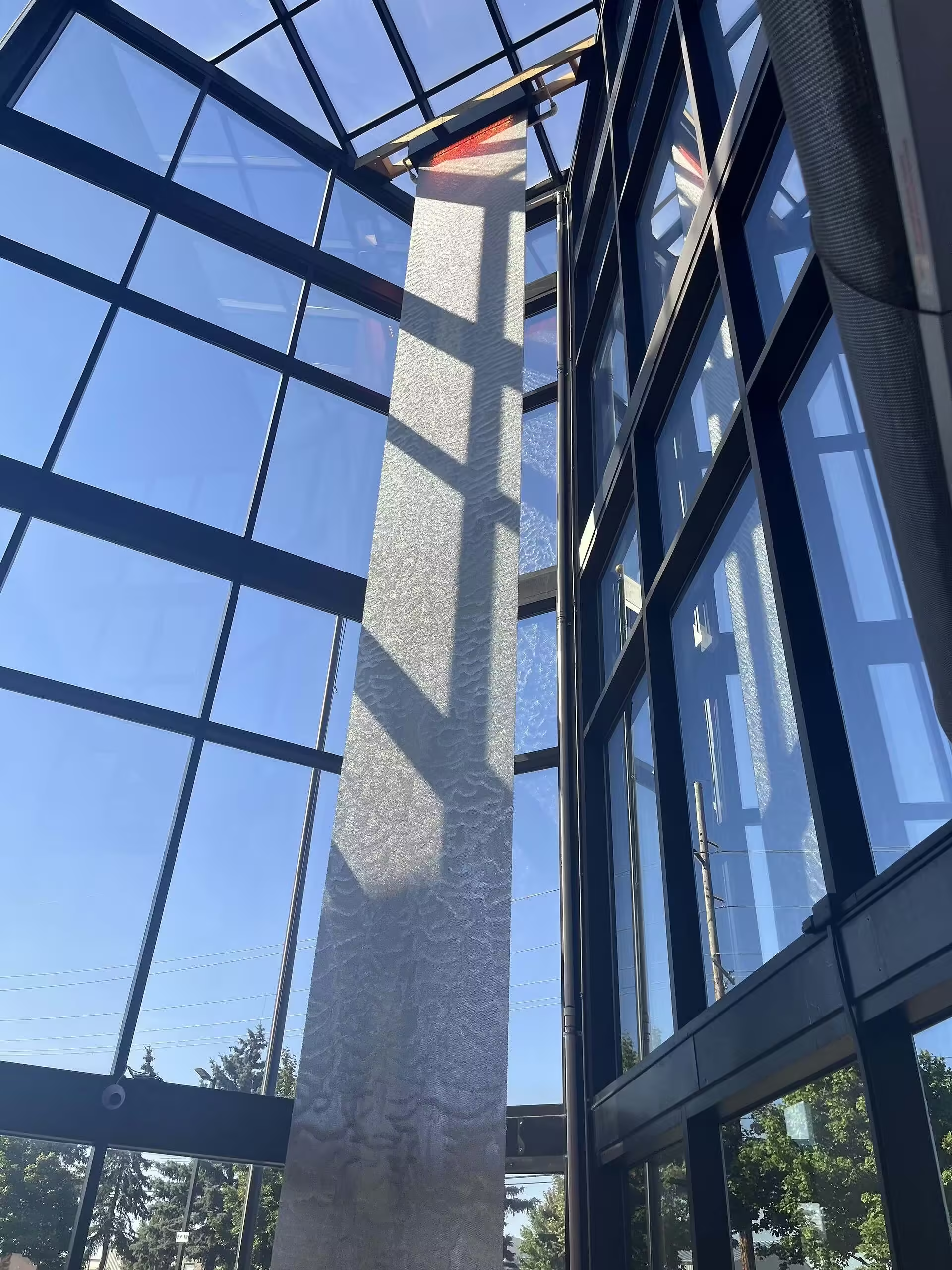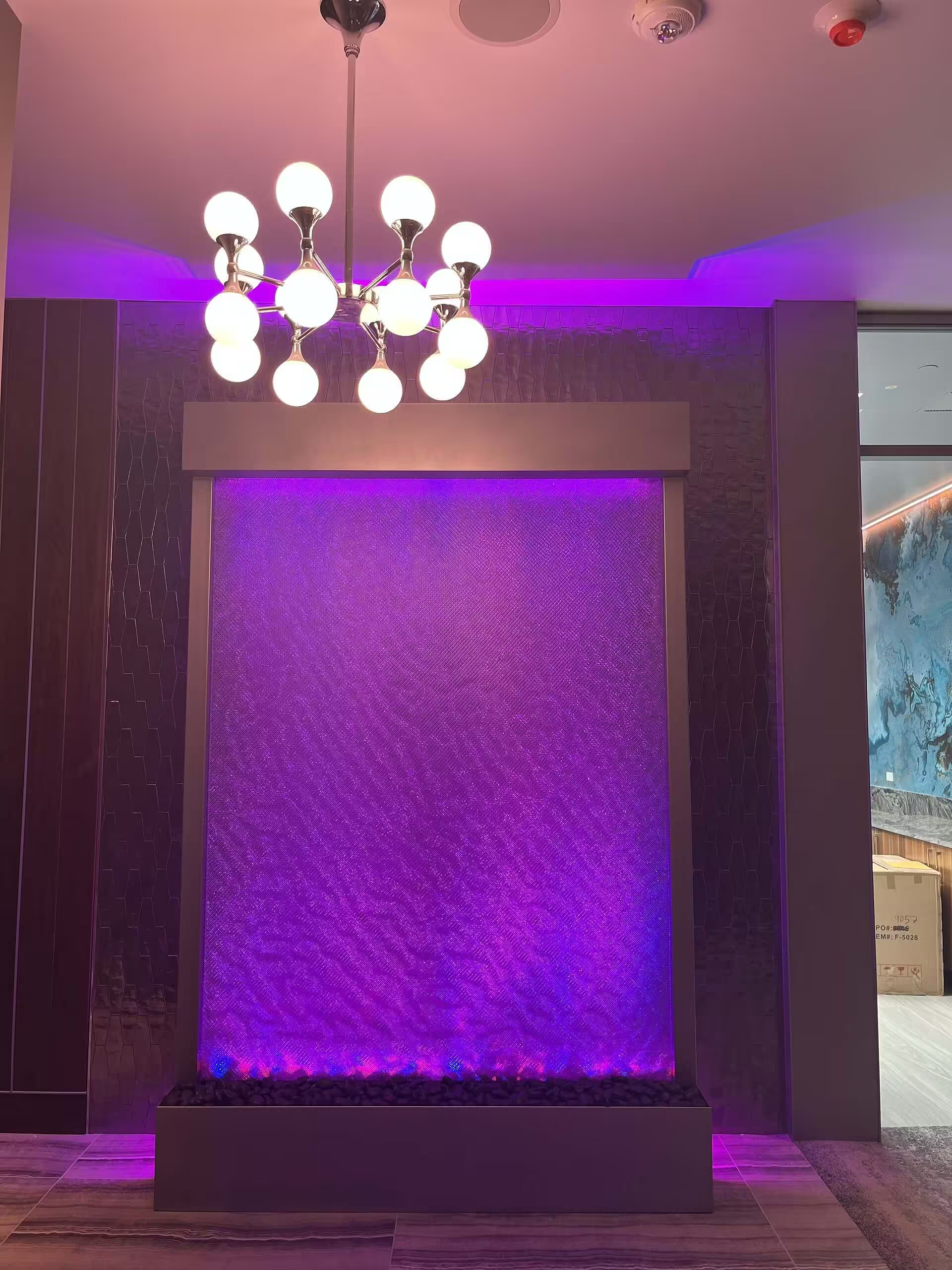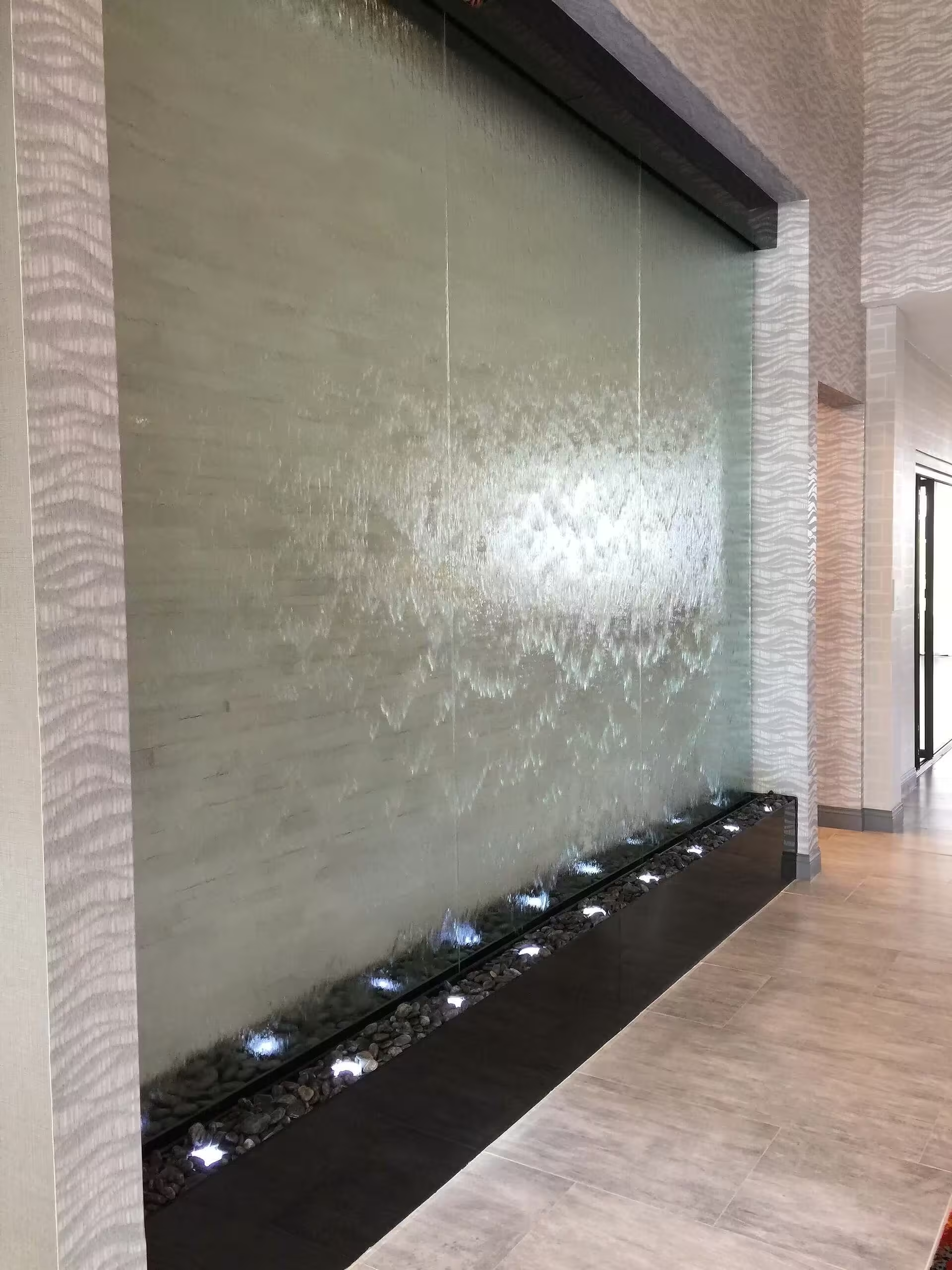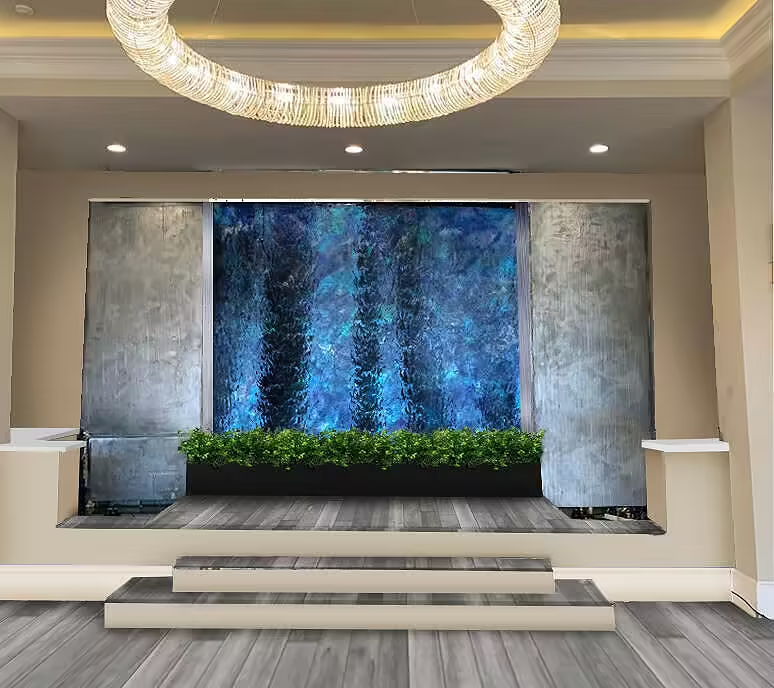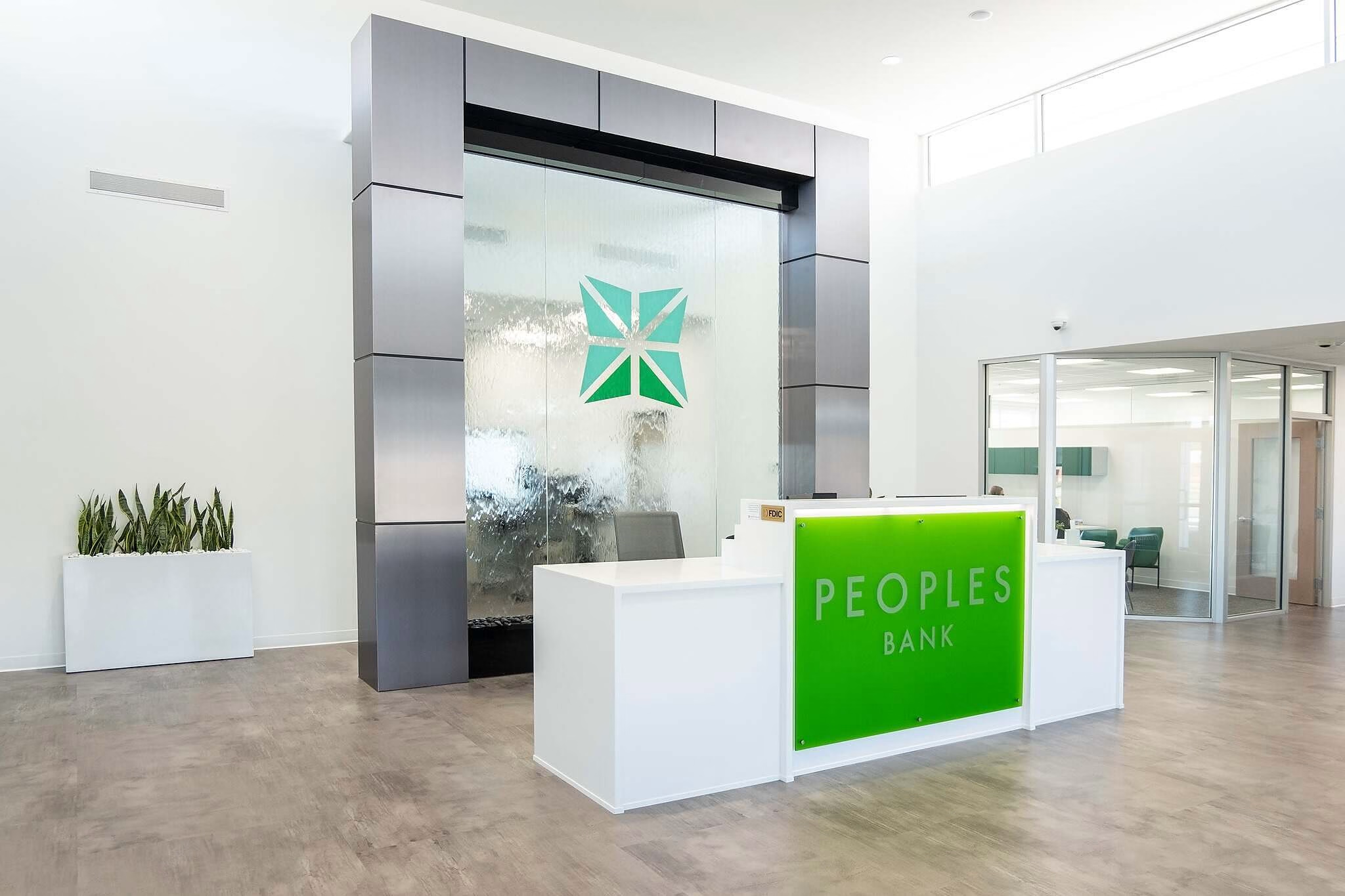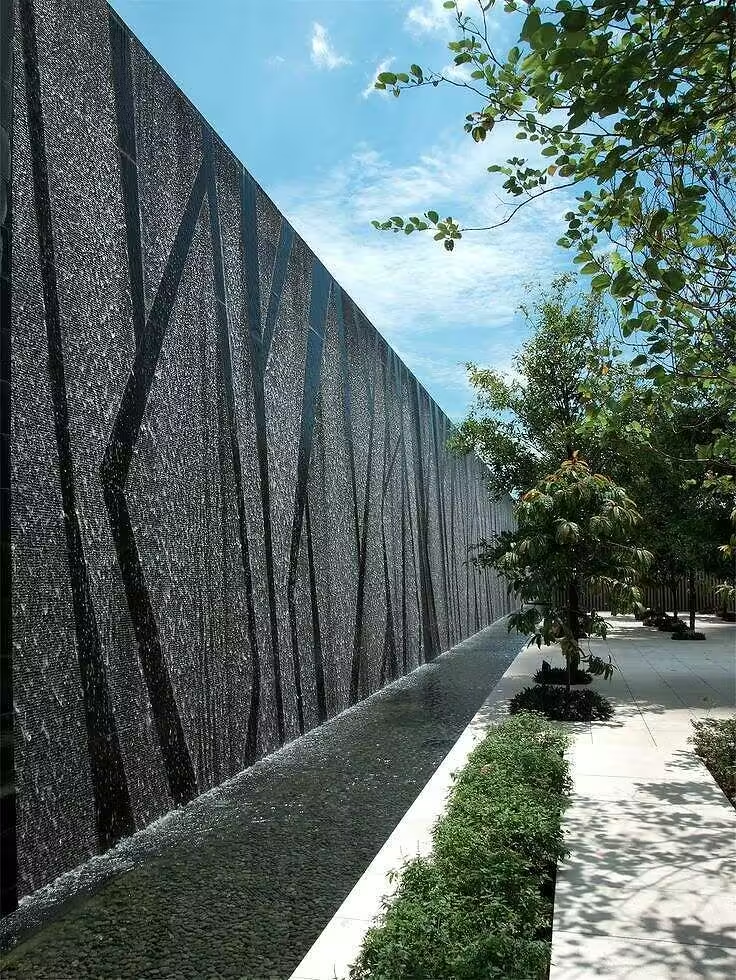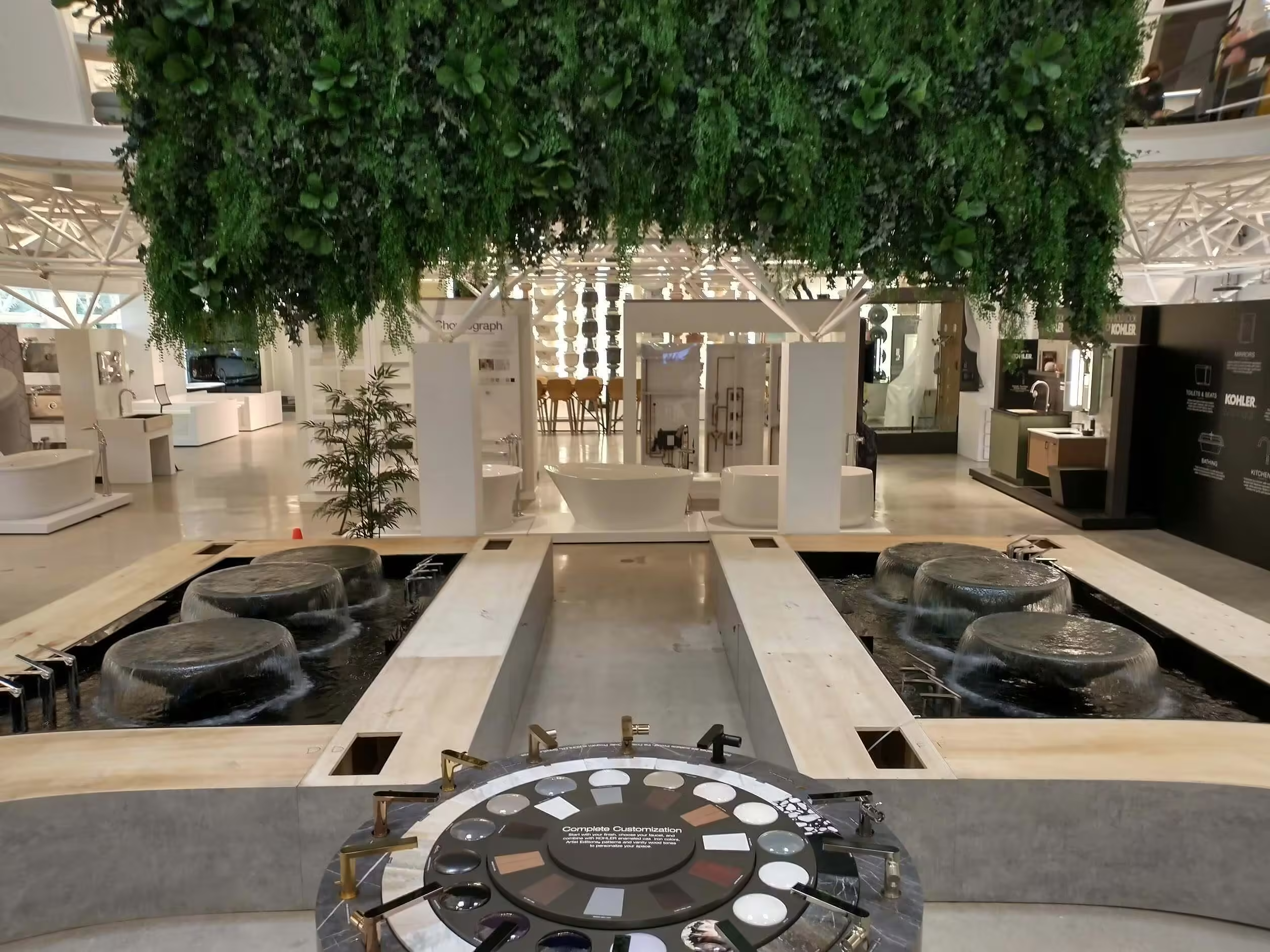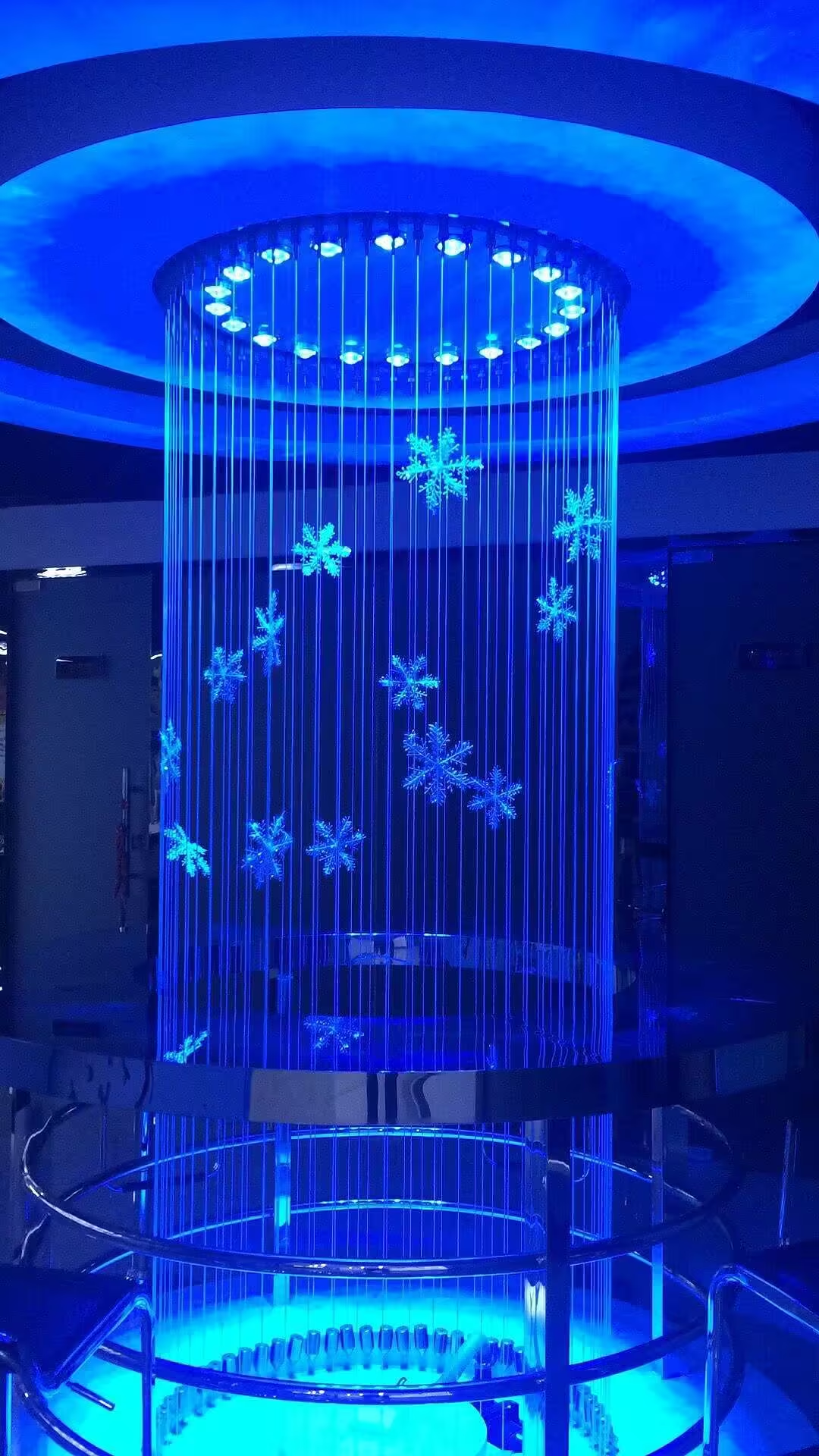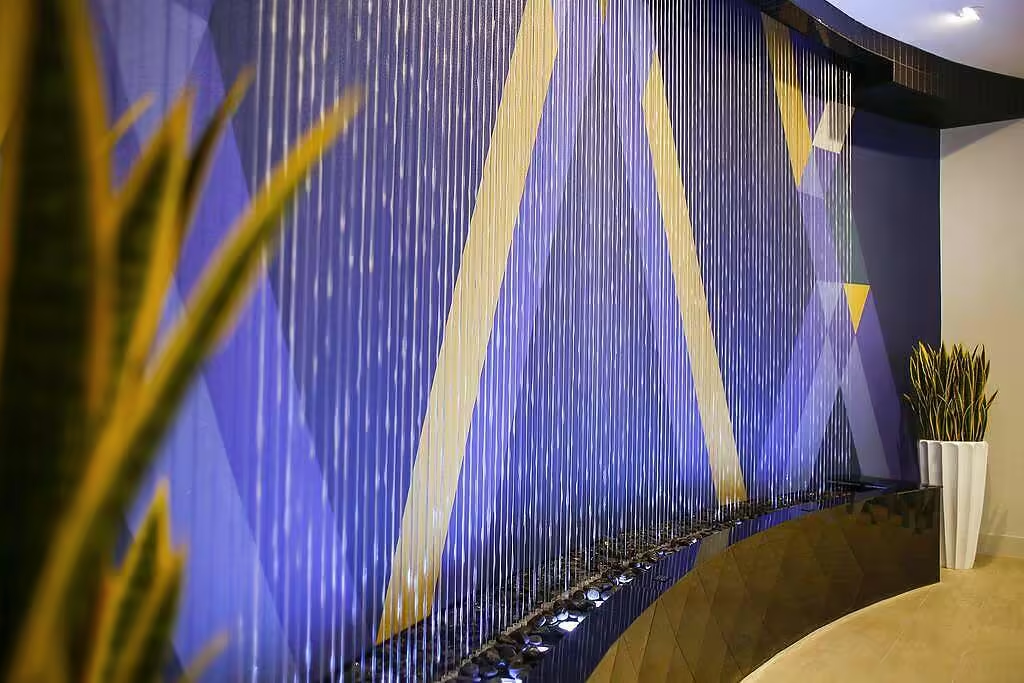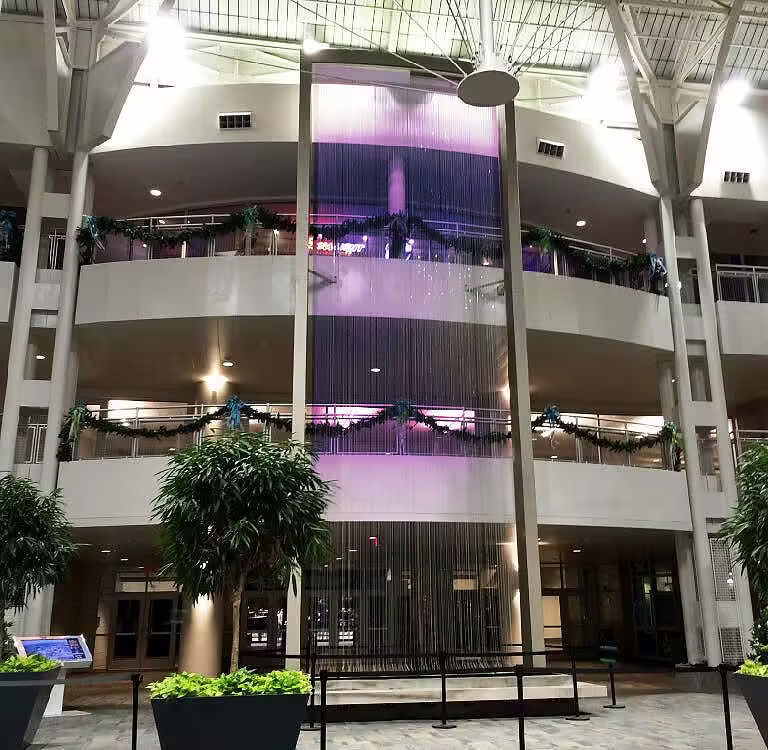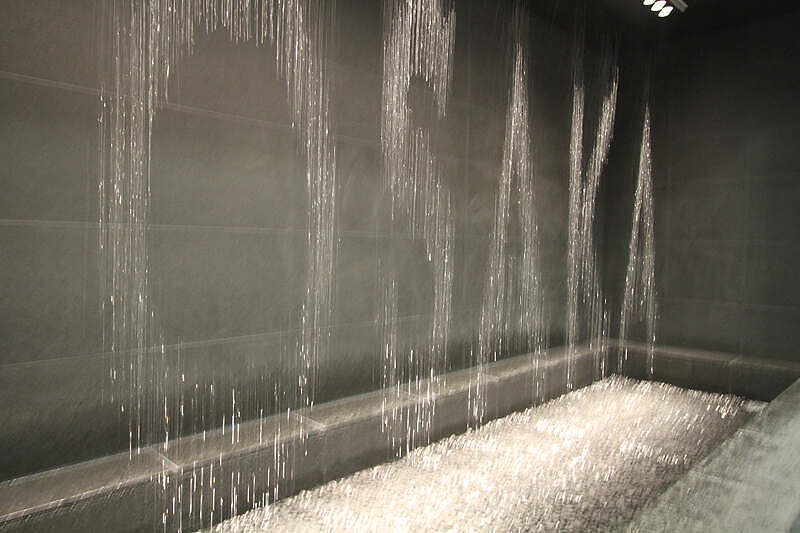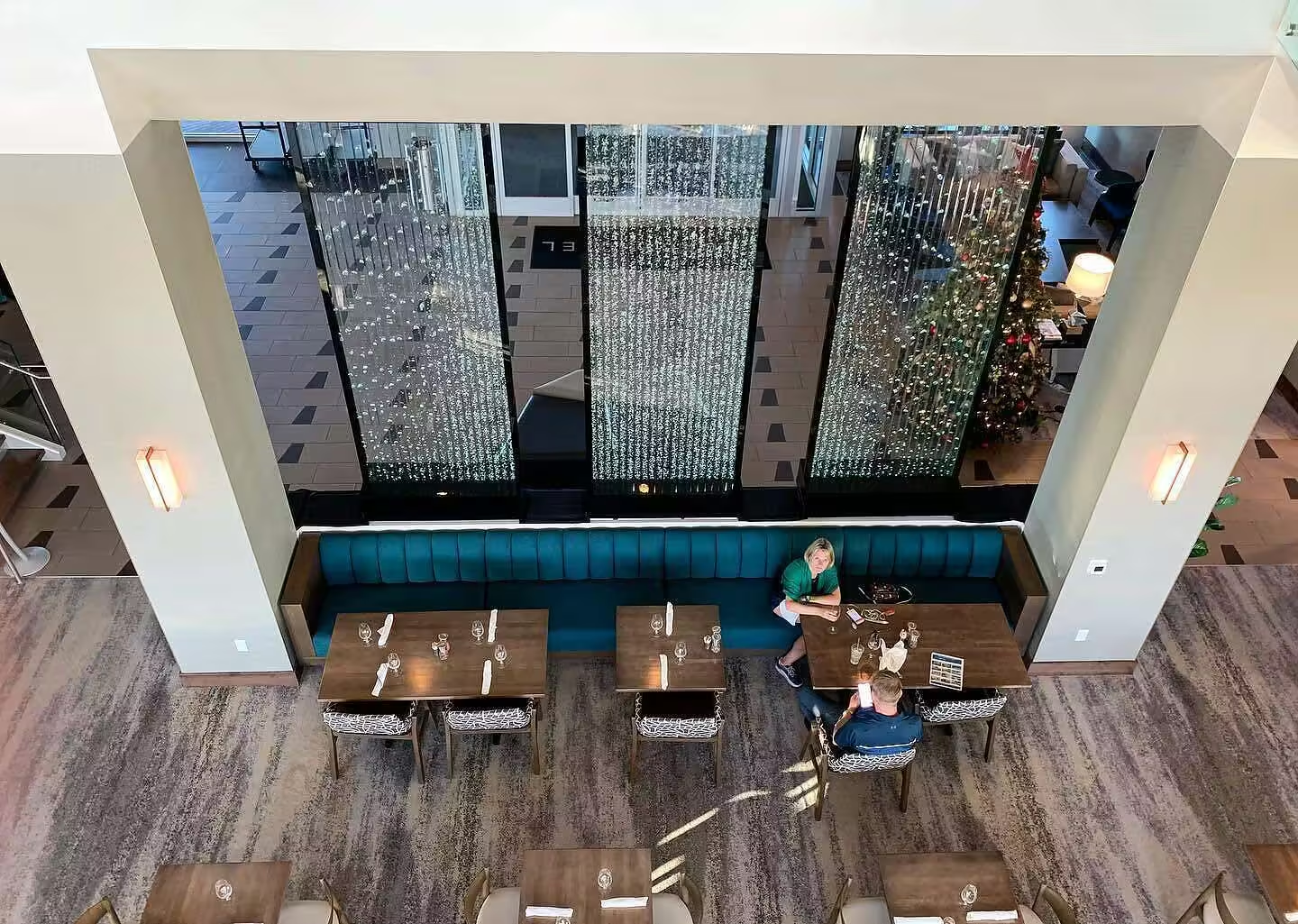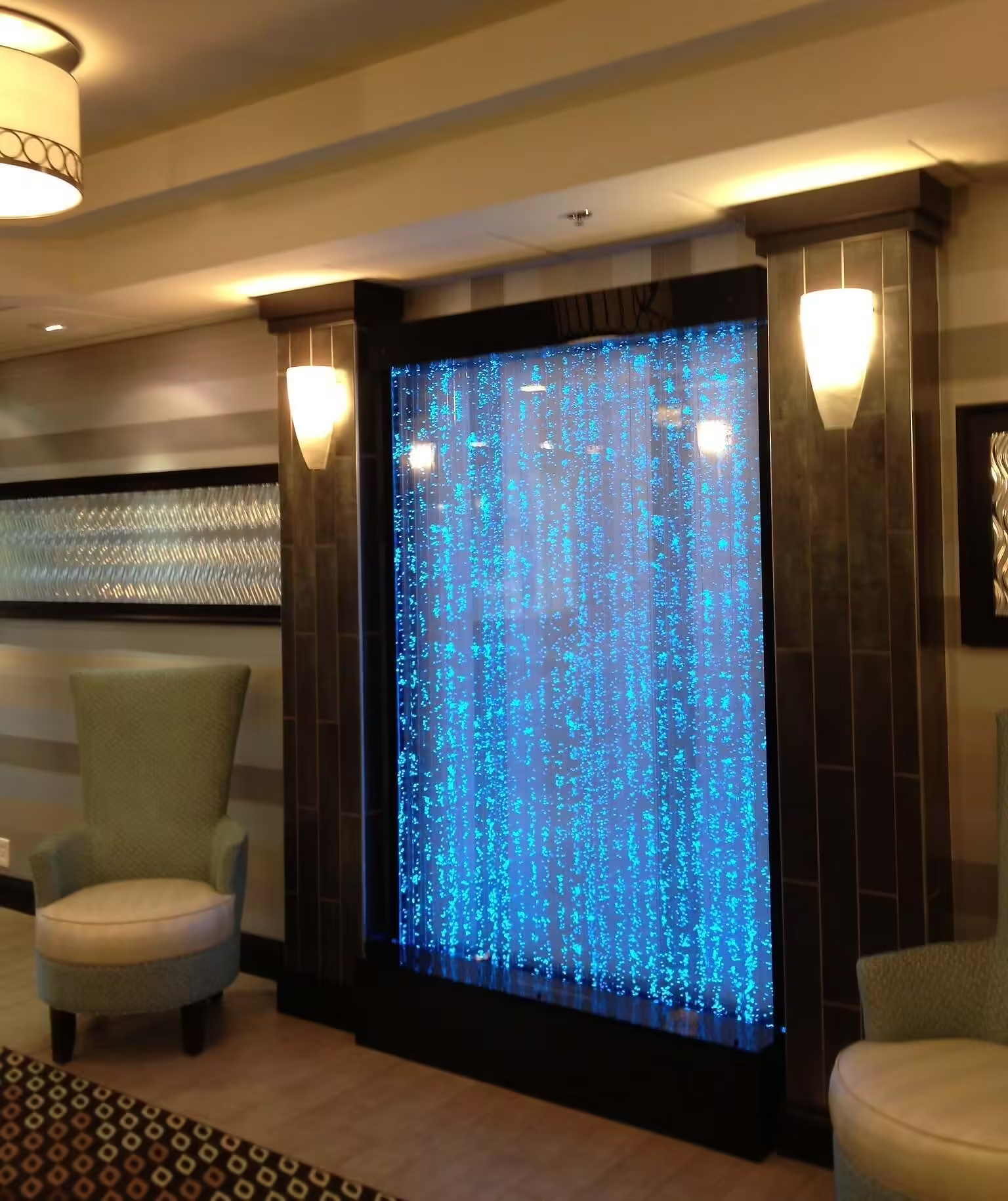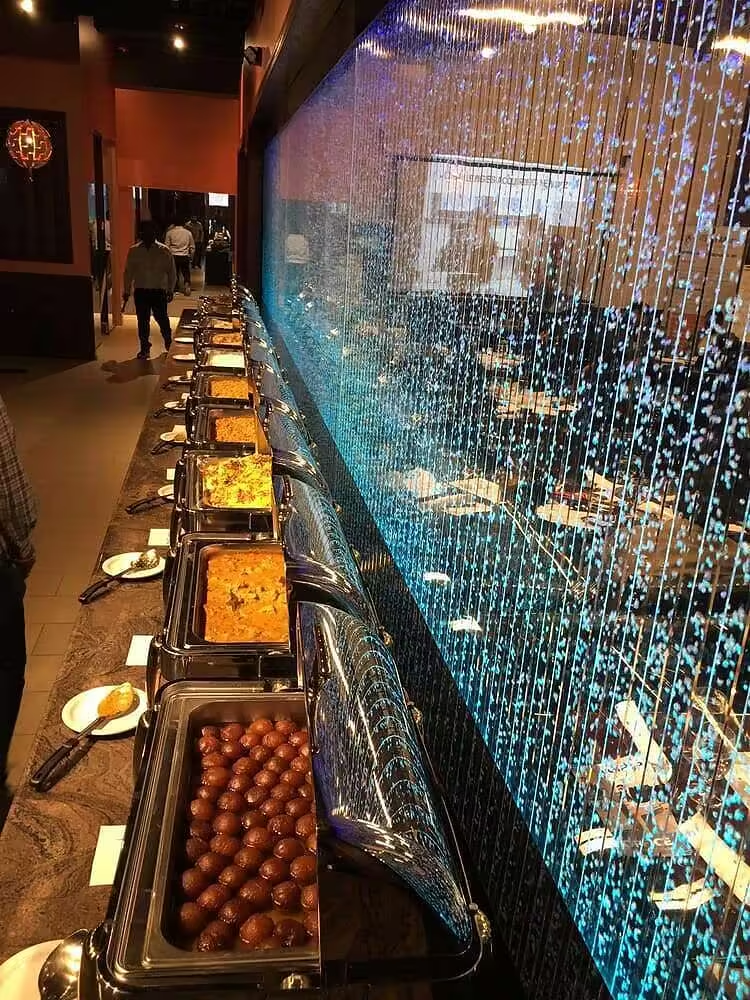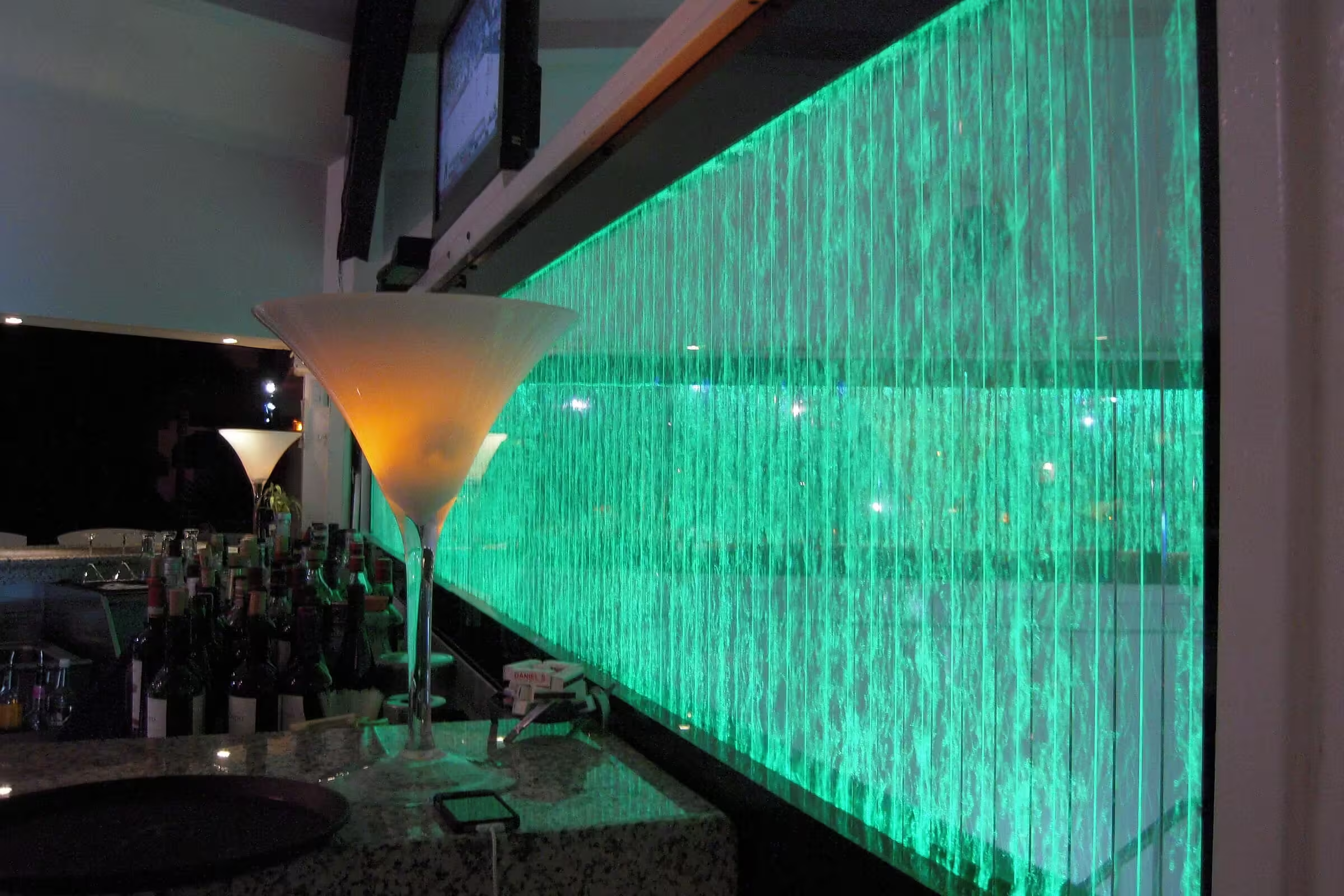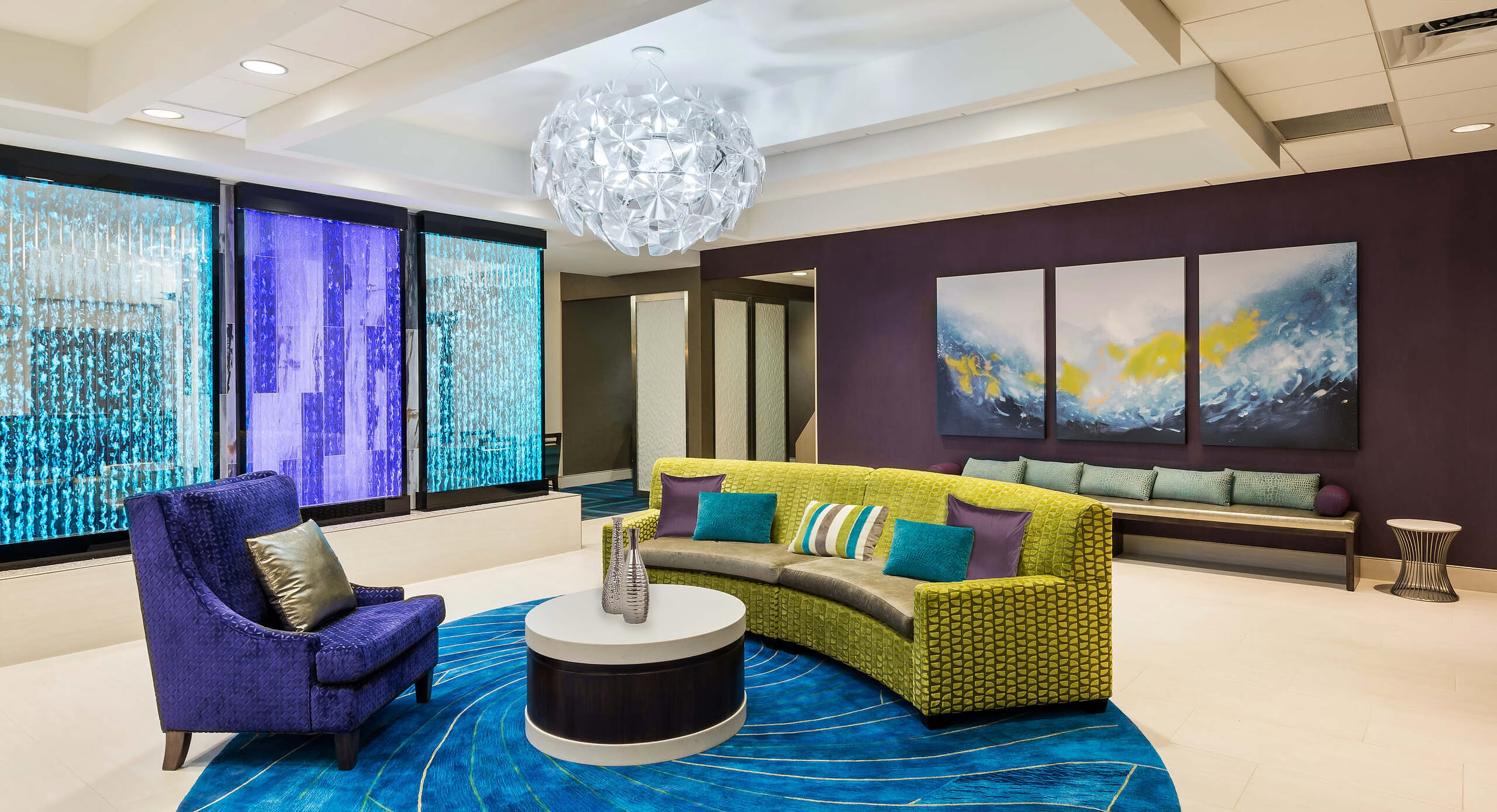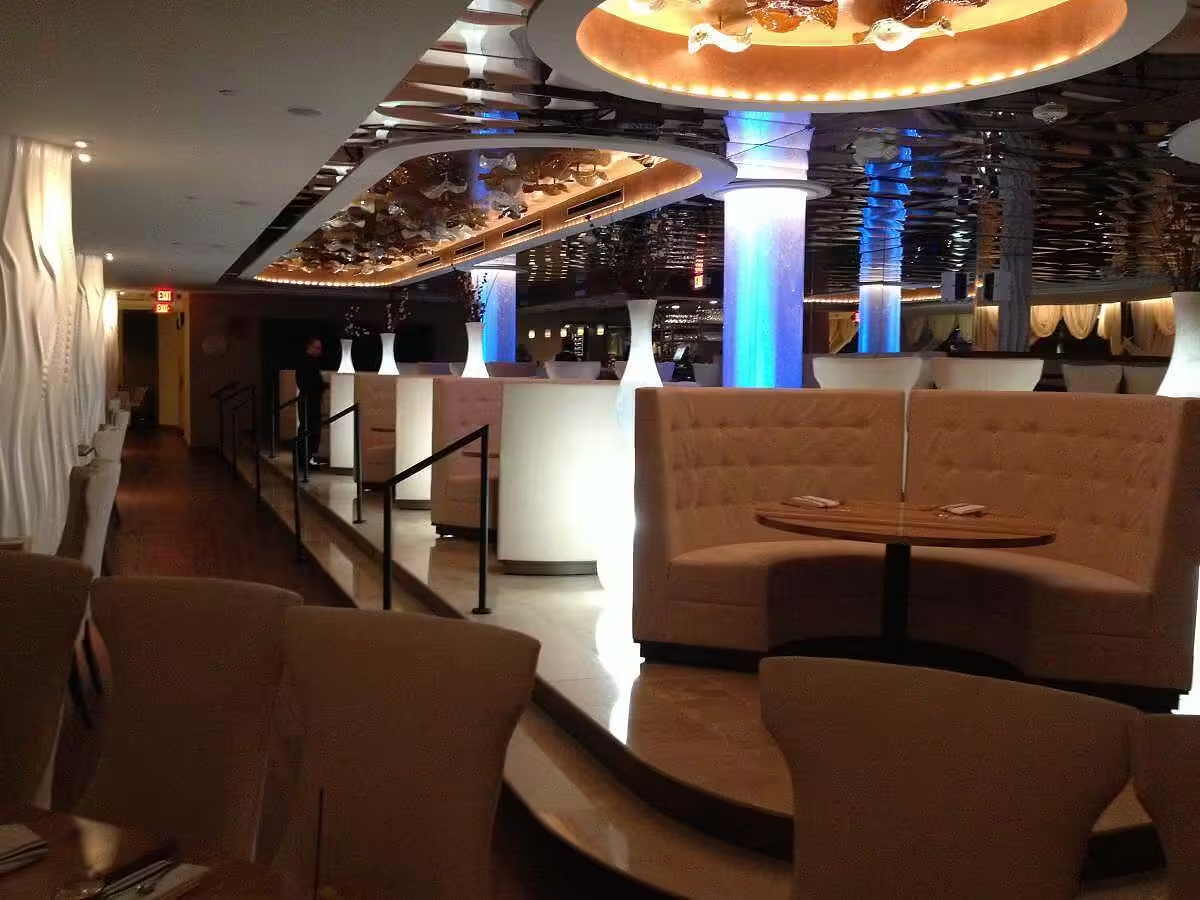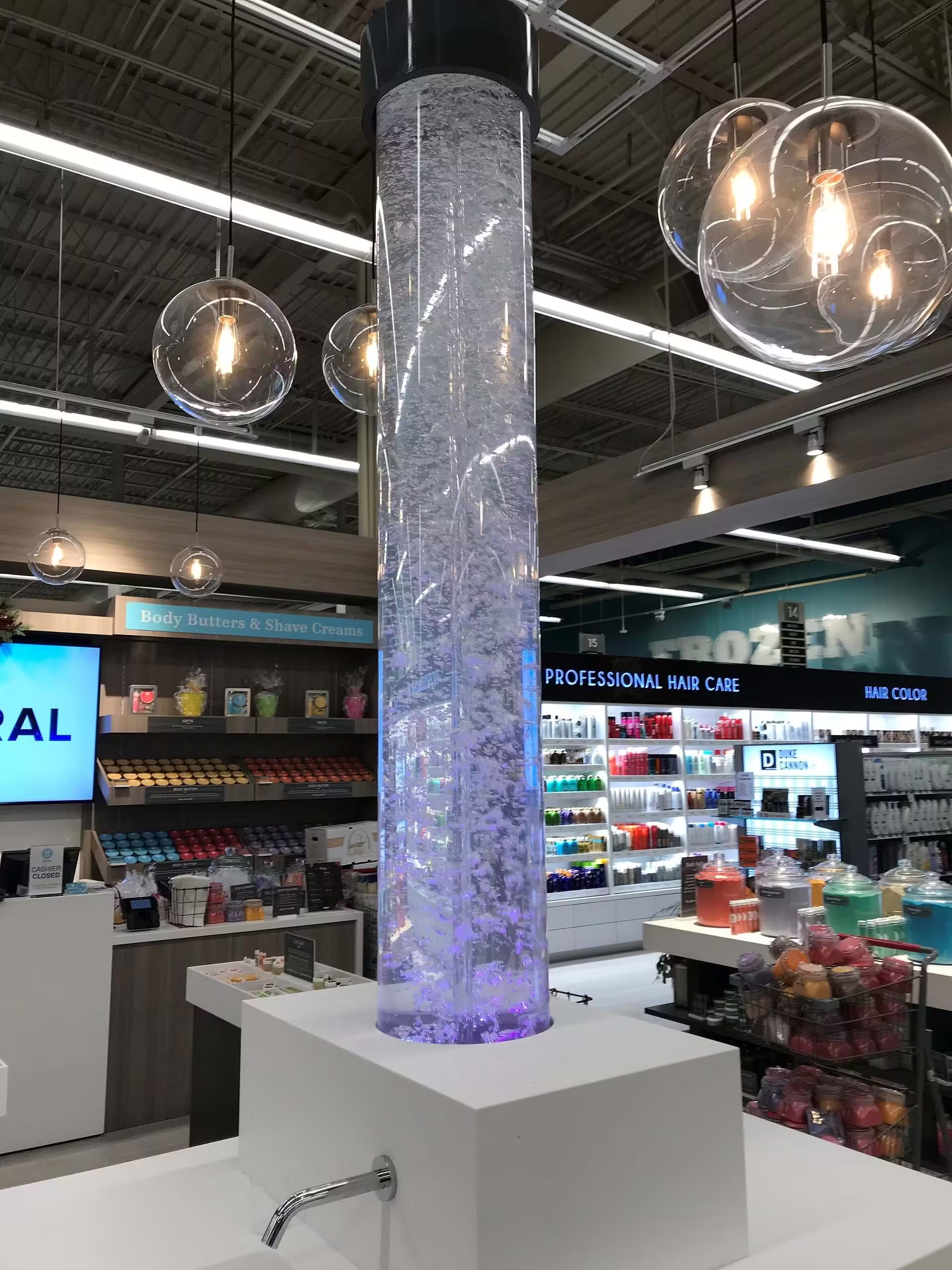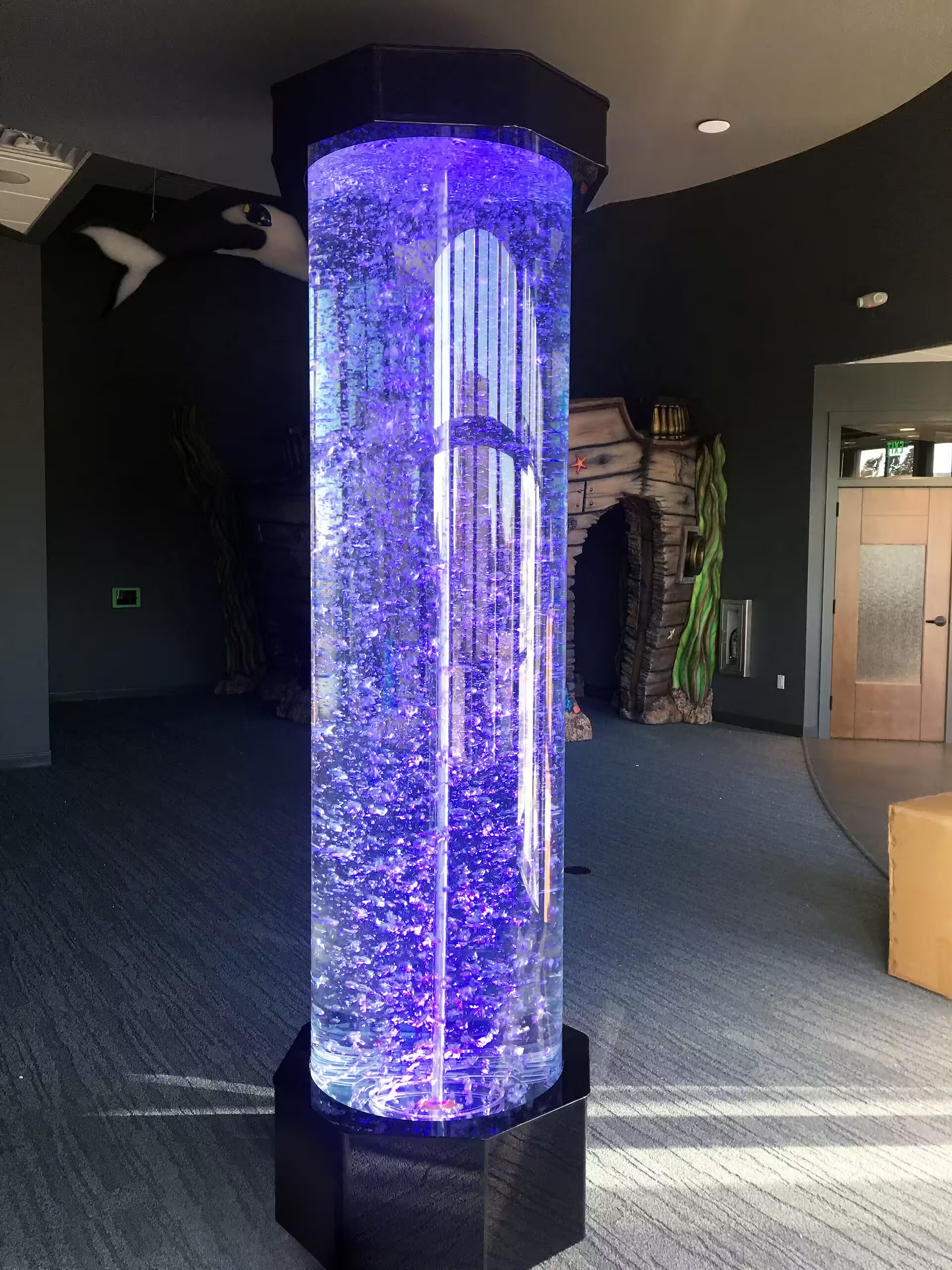

Standard water features usually begin with a fixed product size, fixed water flow, and limited material choices. That works when the space has simple requirements. A lobby corner, patio, or small reception area may only need a ready-made feature with basic circulation and visual movement.
A custom waterfall starts from a different question: what does the space need the water feature to accomplish?
For Midwest Tropical, that question guides the design process. Custom waterfalls are planned around scale, placement, materials, sound level, water movement, maintenance access, and how people will move through the space.
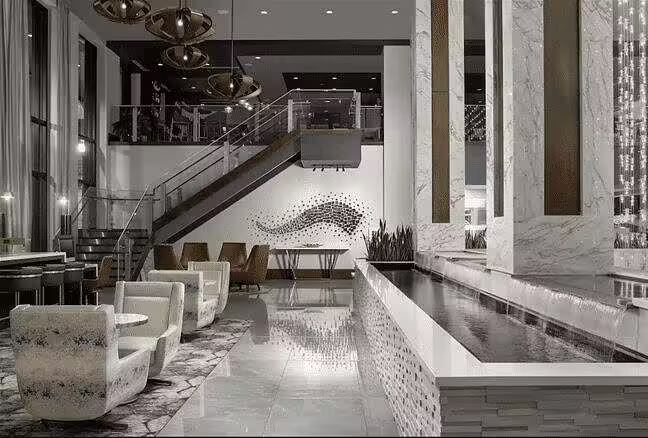
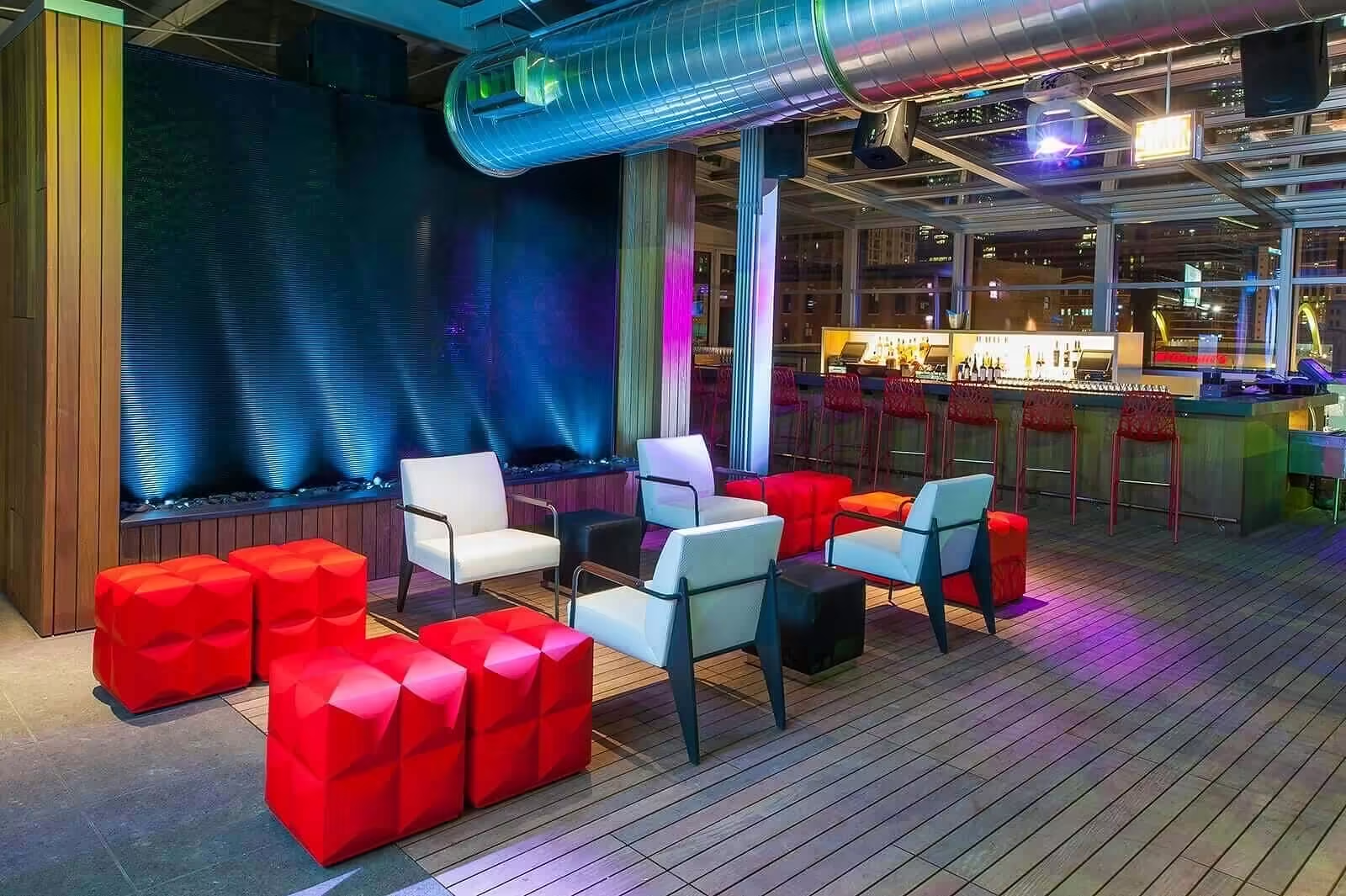
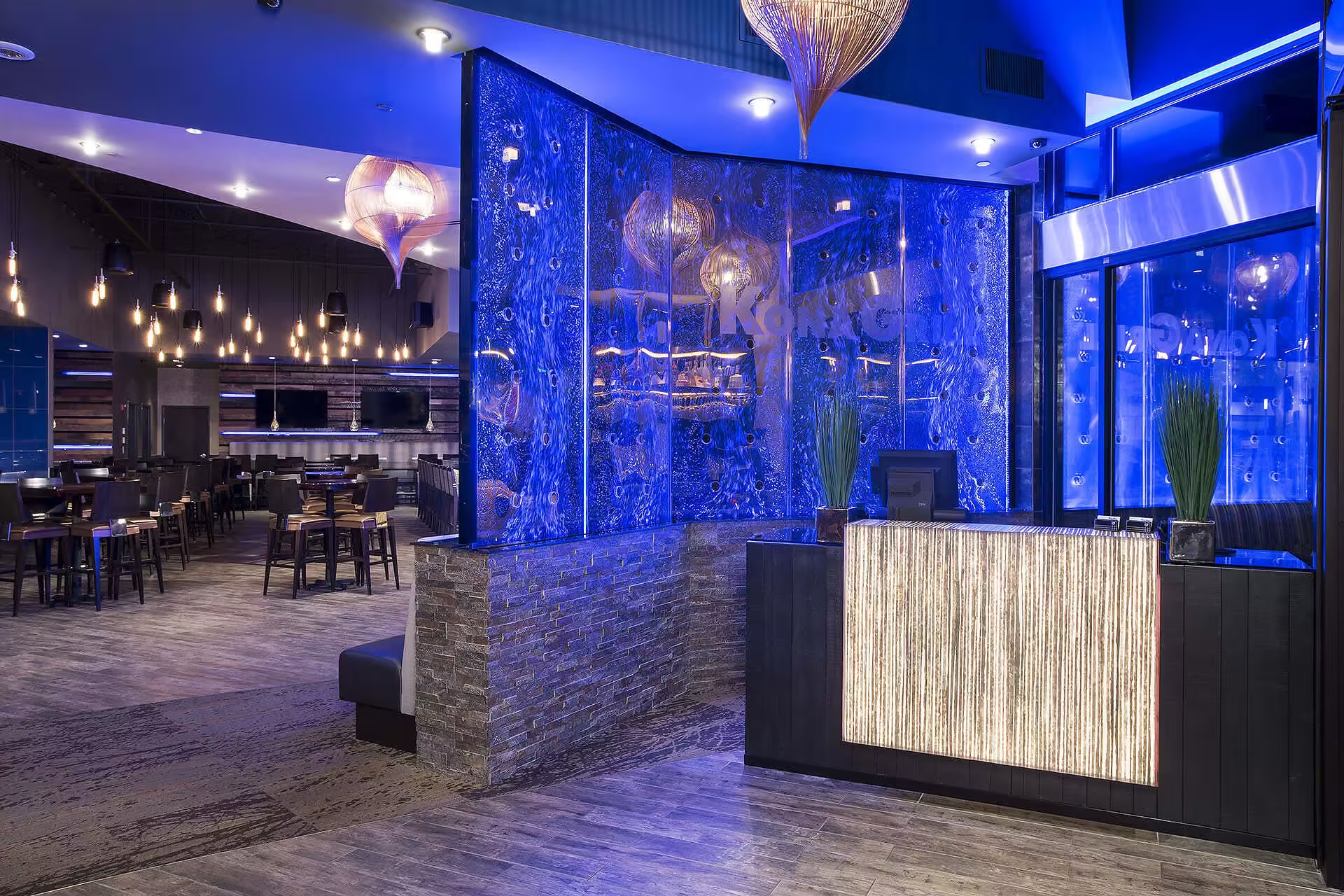
That difference is important in commercial interiors, hospitality environments, wellness spaces, and high-end residential projects where a standard unit may look undersized, misplaced, or disconnected from the surrounding design. Let’s compare the two in depth.
Standard Water Features Fit the Product First
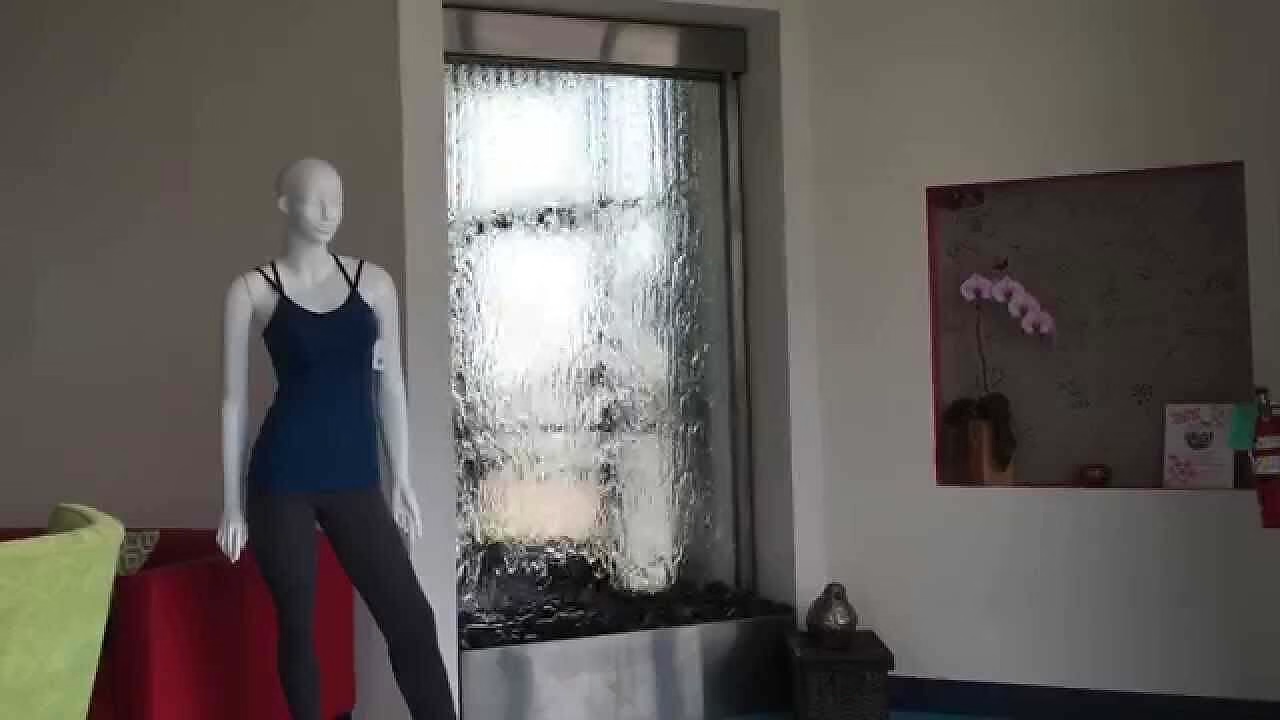
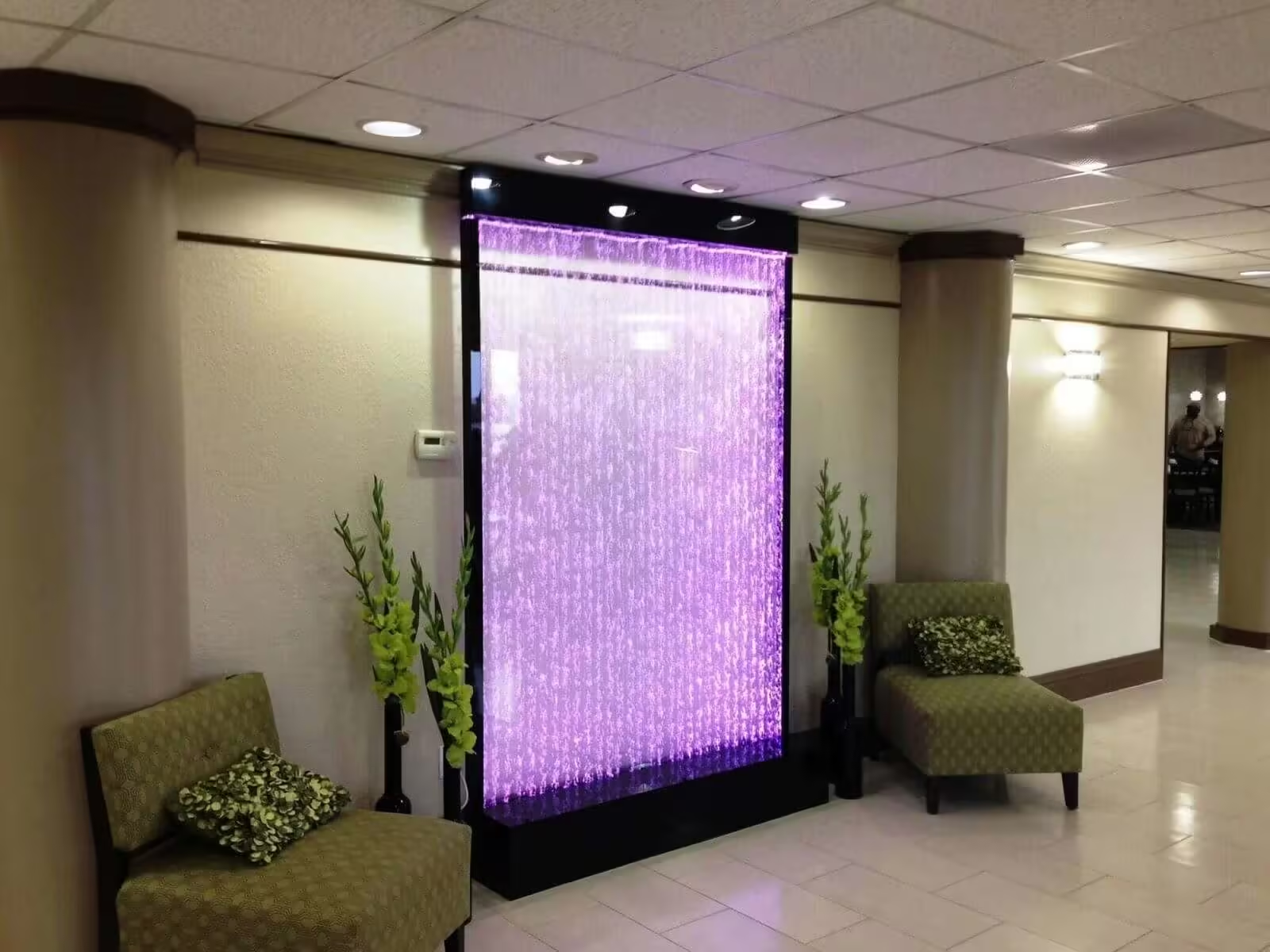
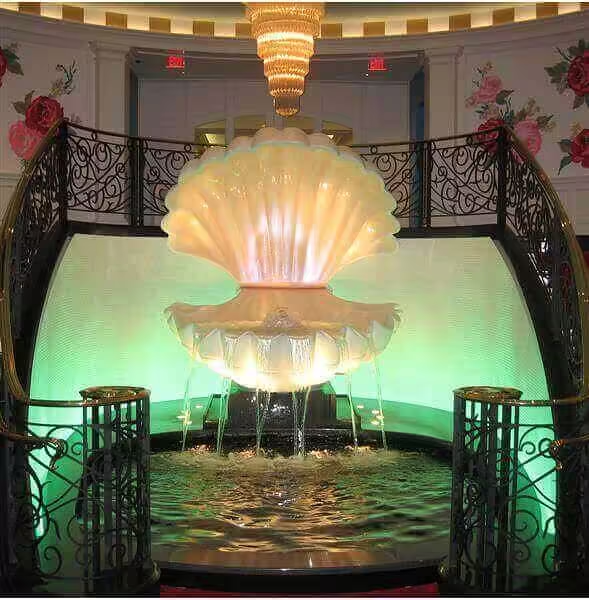
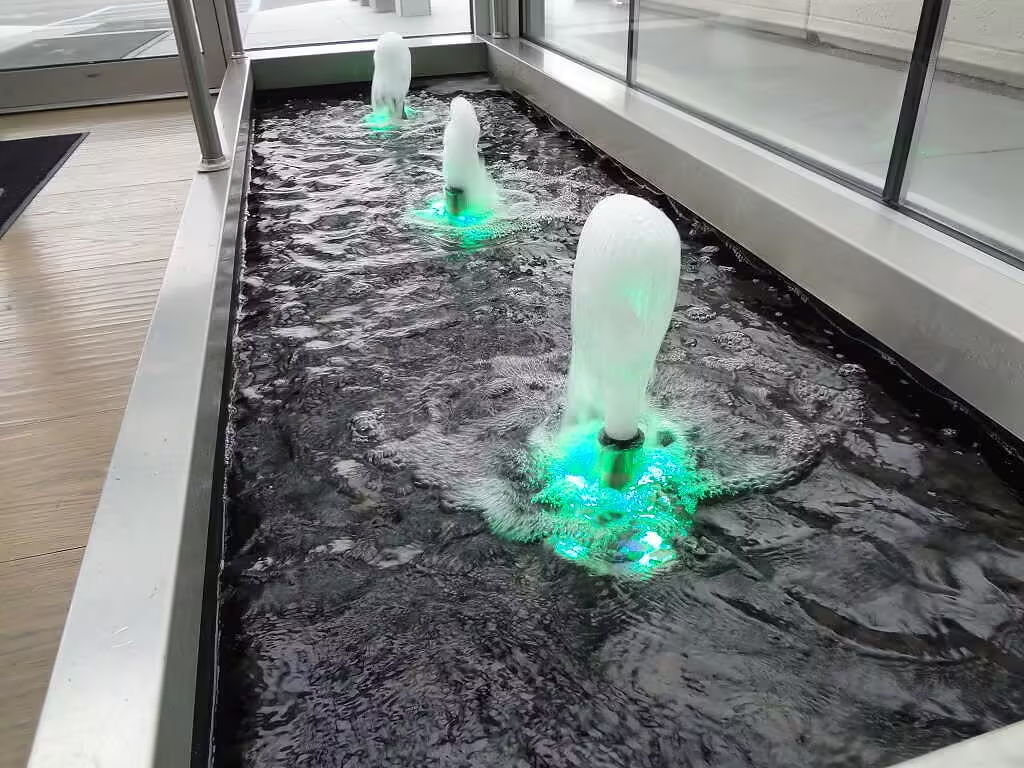
A standard water feature asks the space to adjust around the product. The dimensions are already set. The basin is already chosen. The water pattern is already limited. The finish options may not match the flooring, wall material, lighting, or furniture nearby.
This approach may work for small spaces, but it often creates problems in larger interiors. Standard options also give designers less control over sound. The water may be too quiet for a large open space or too loud for a treatment room, office, or private residence.
Custom Waterfalls Respond to the Room
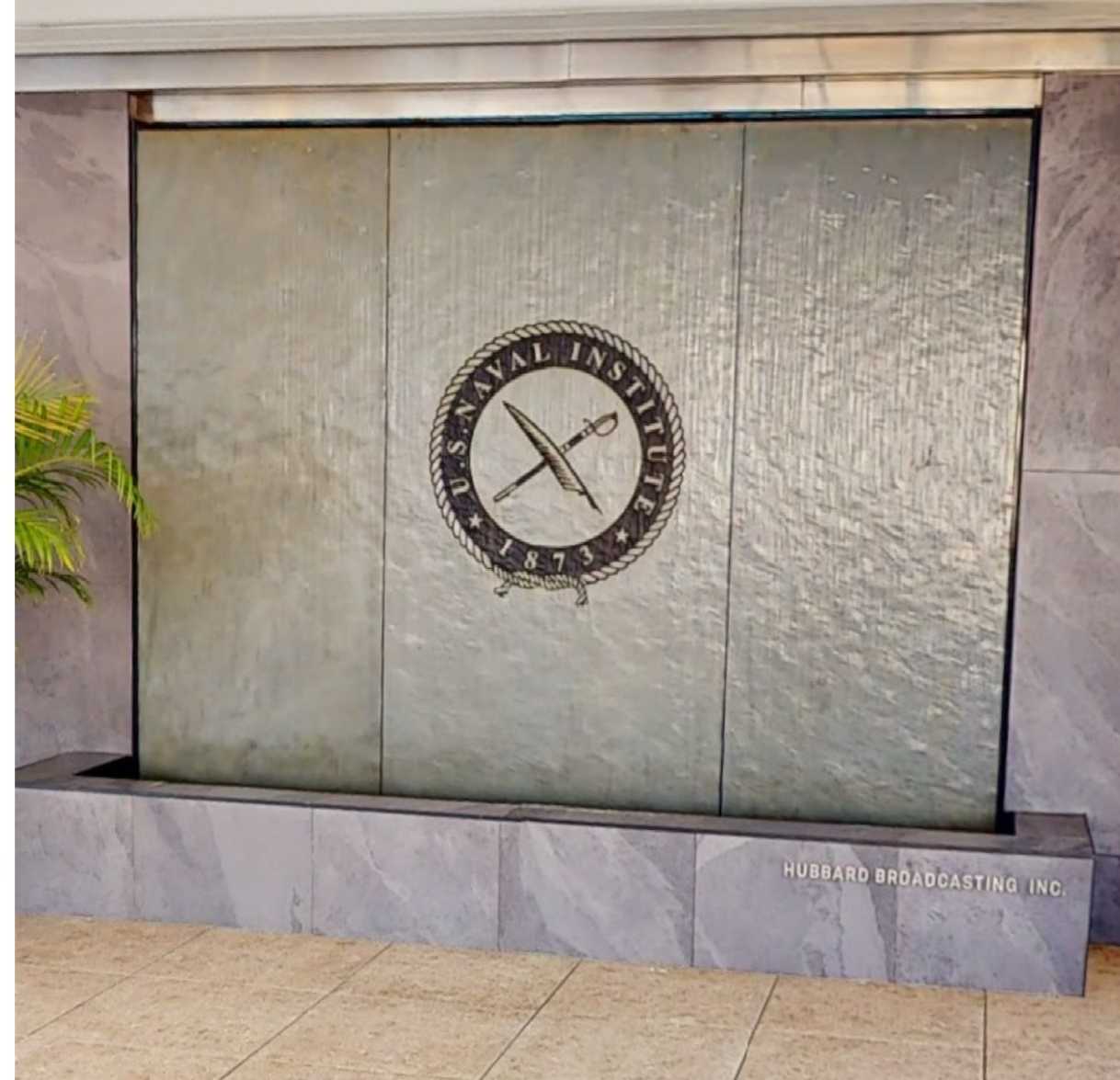
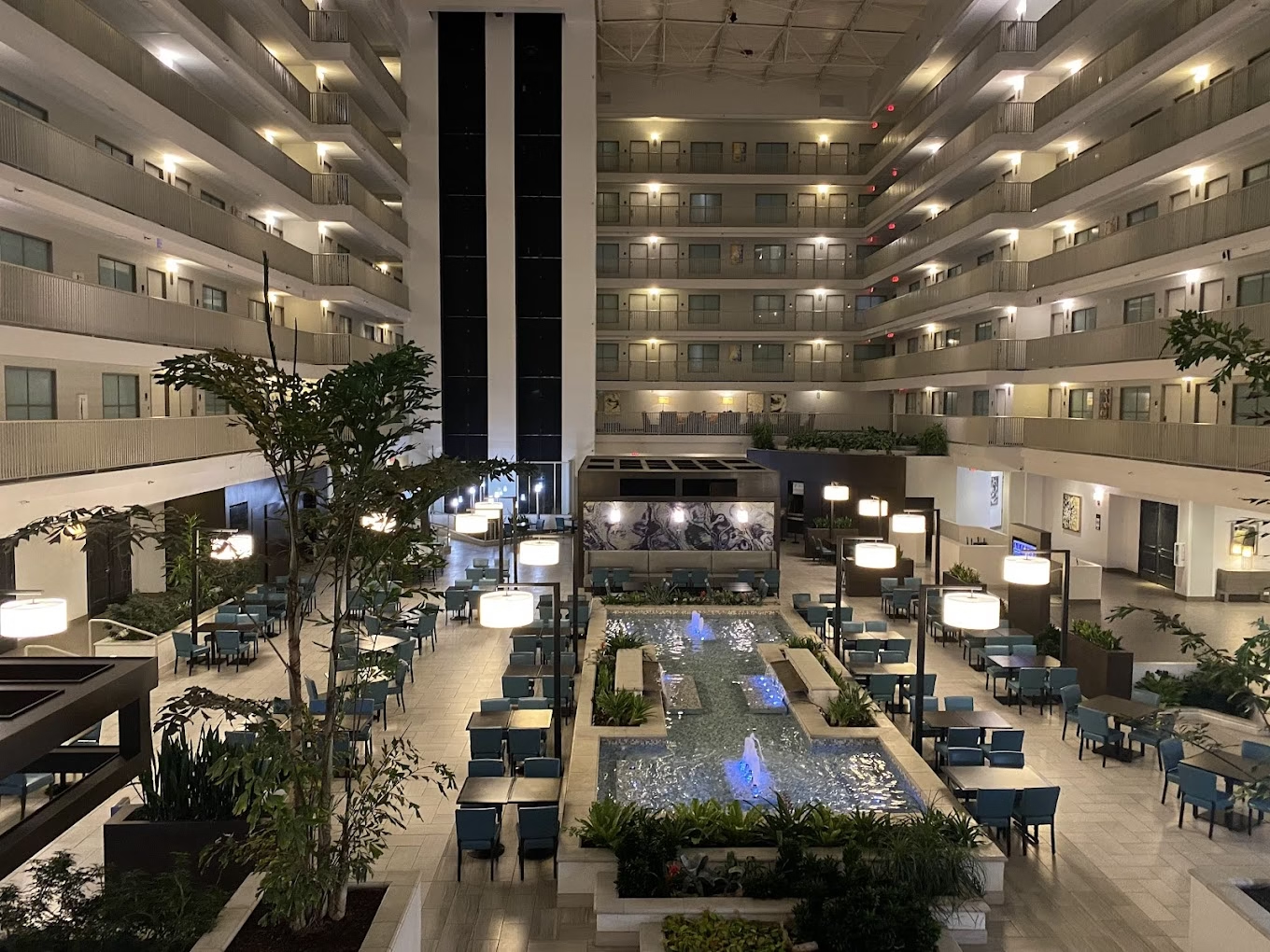
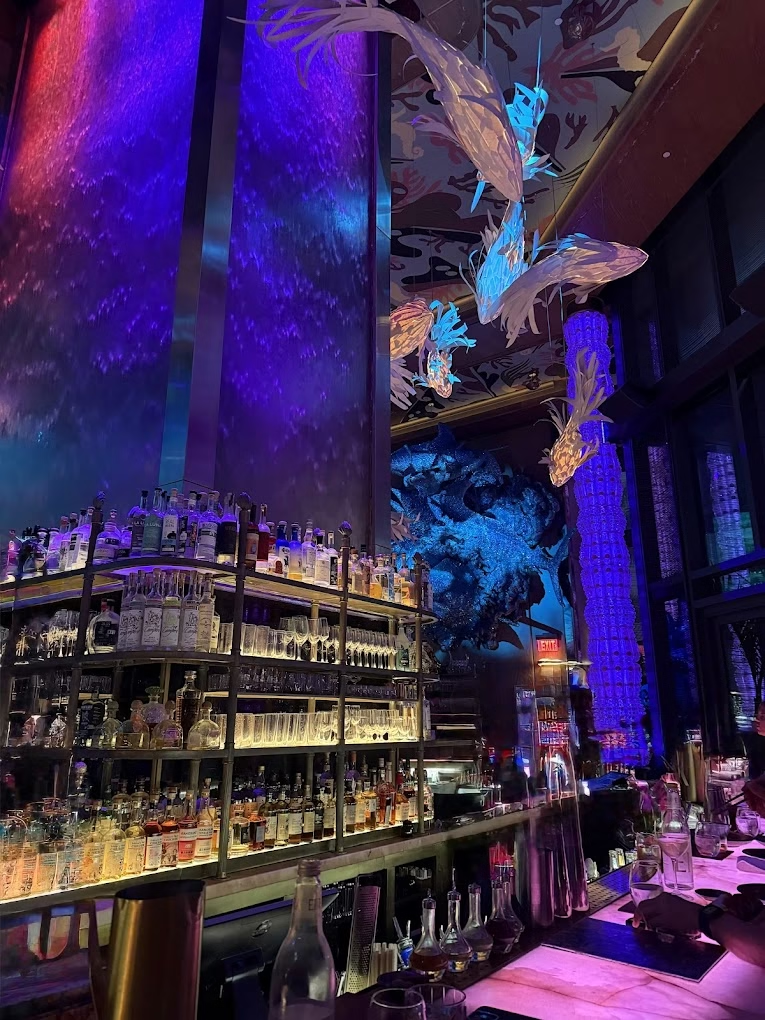
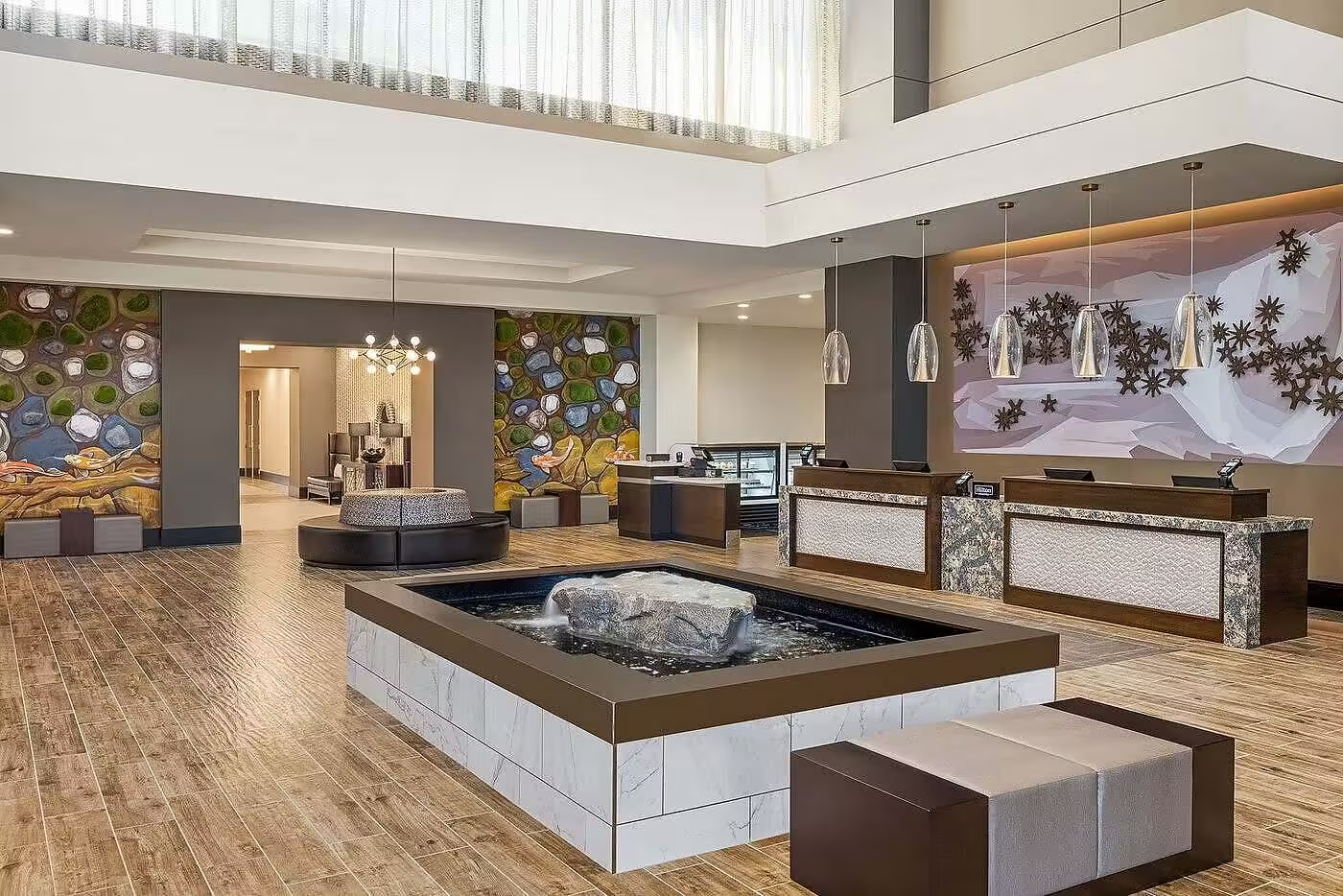
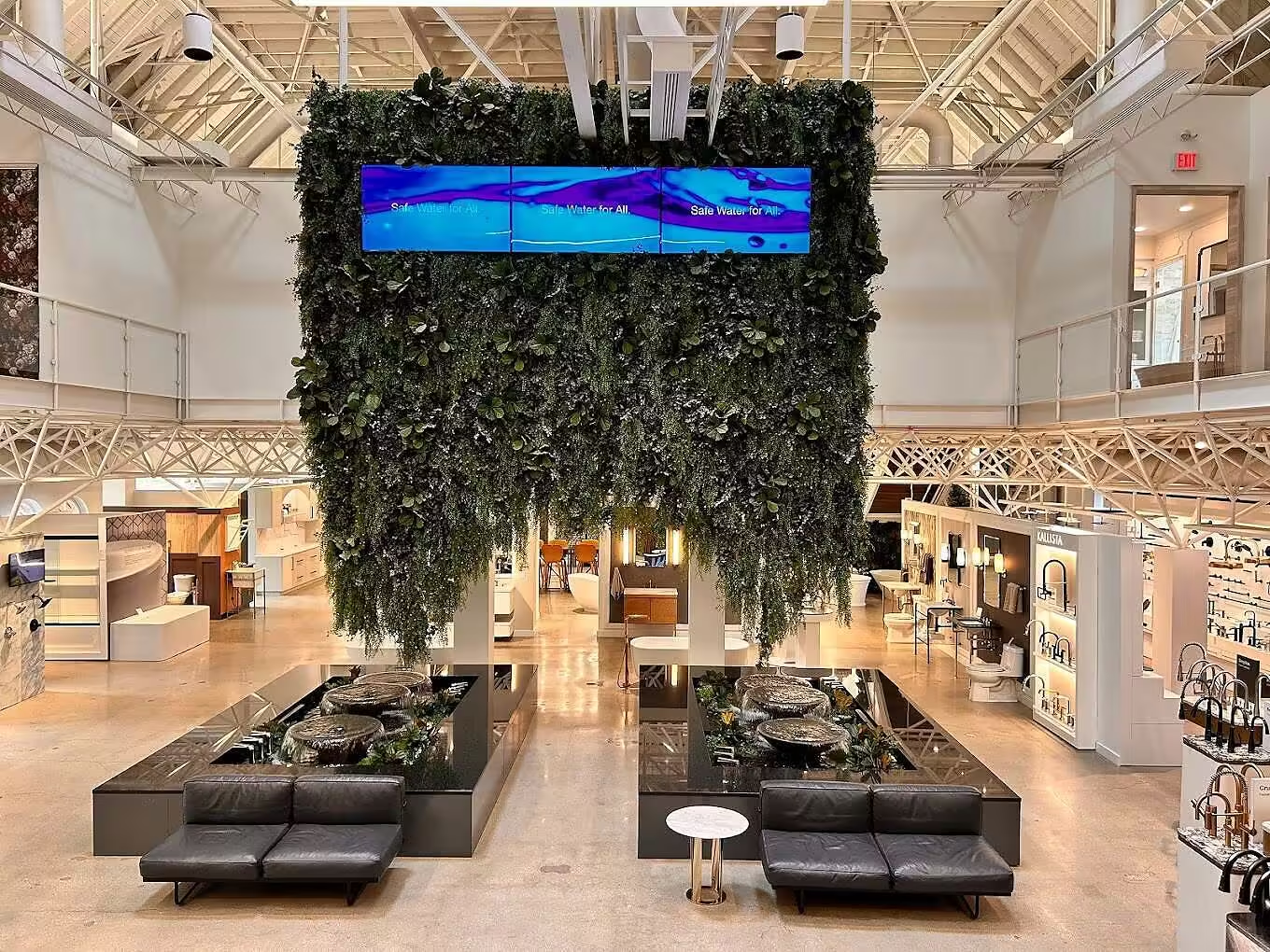
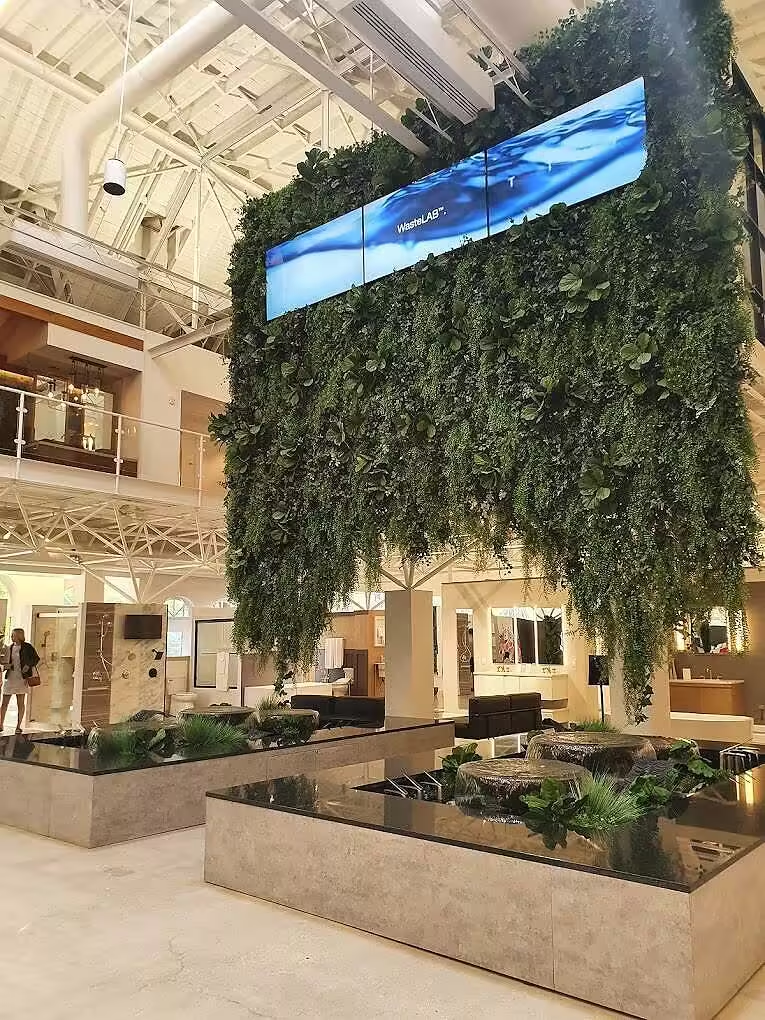
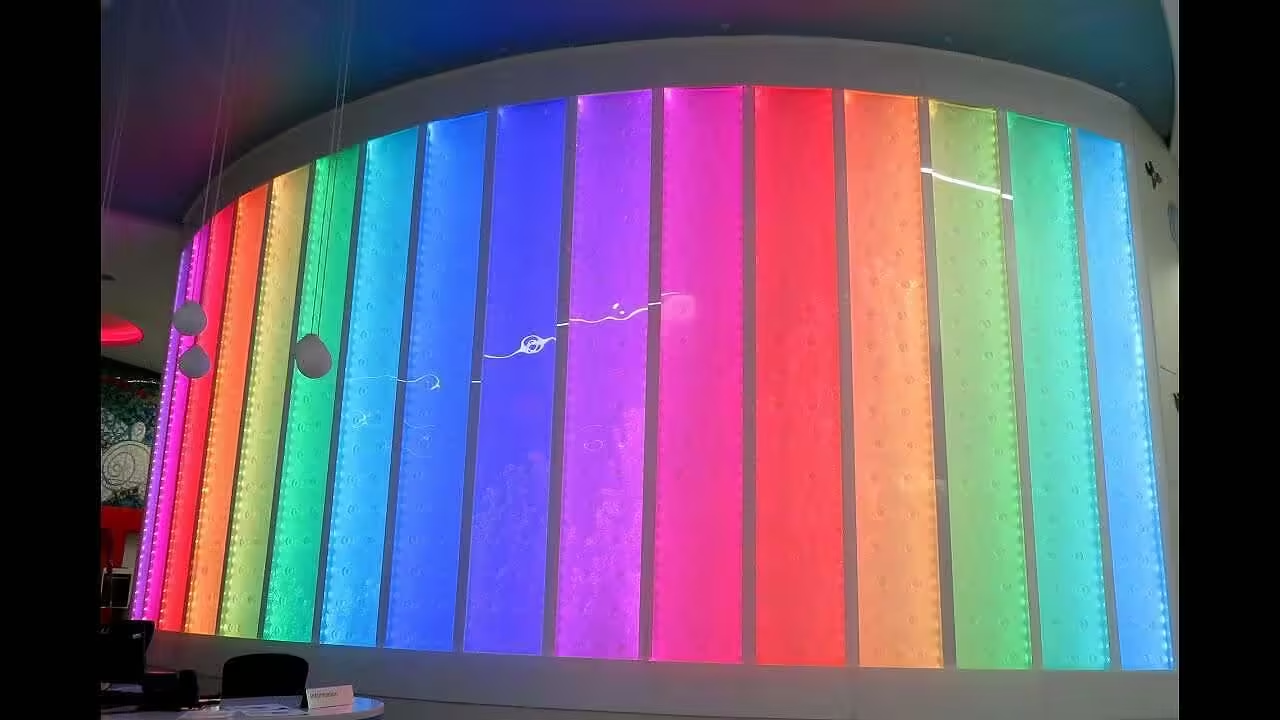
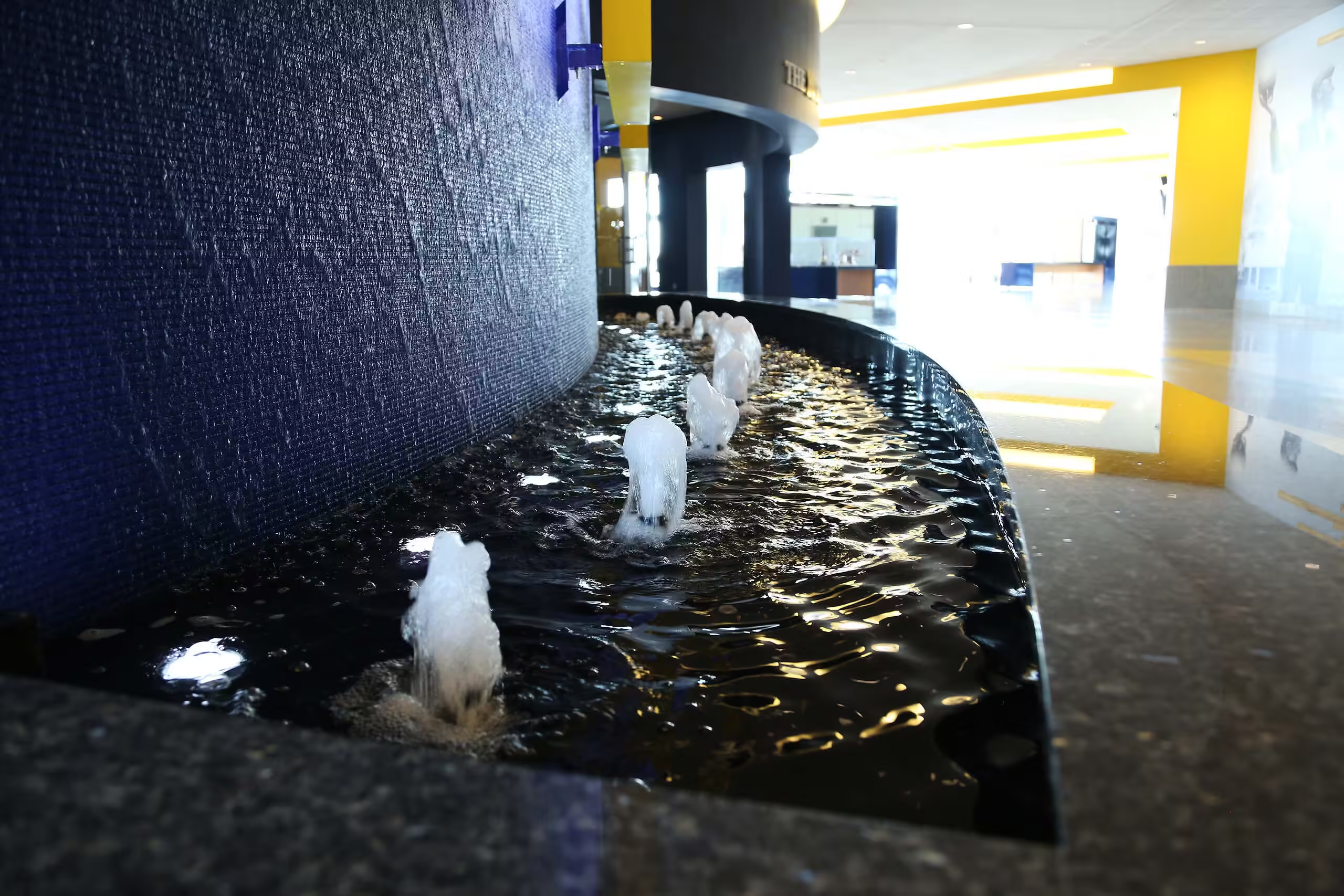
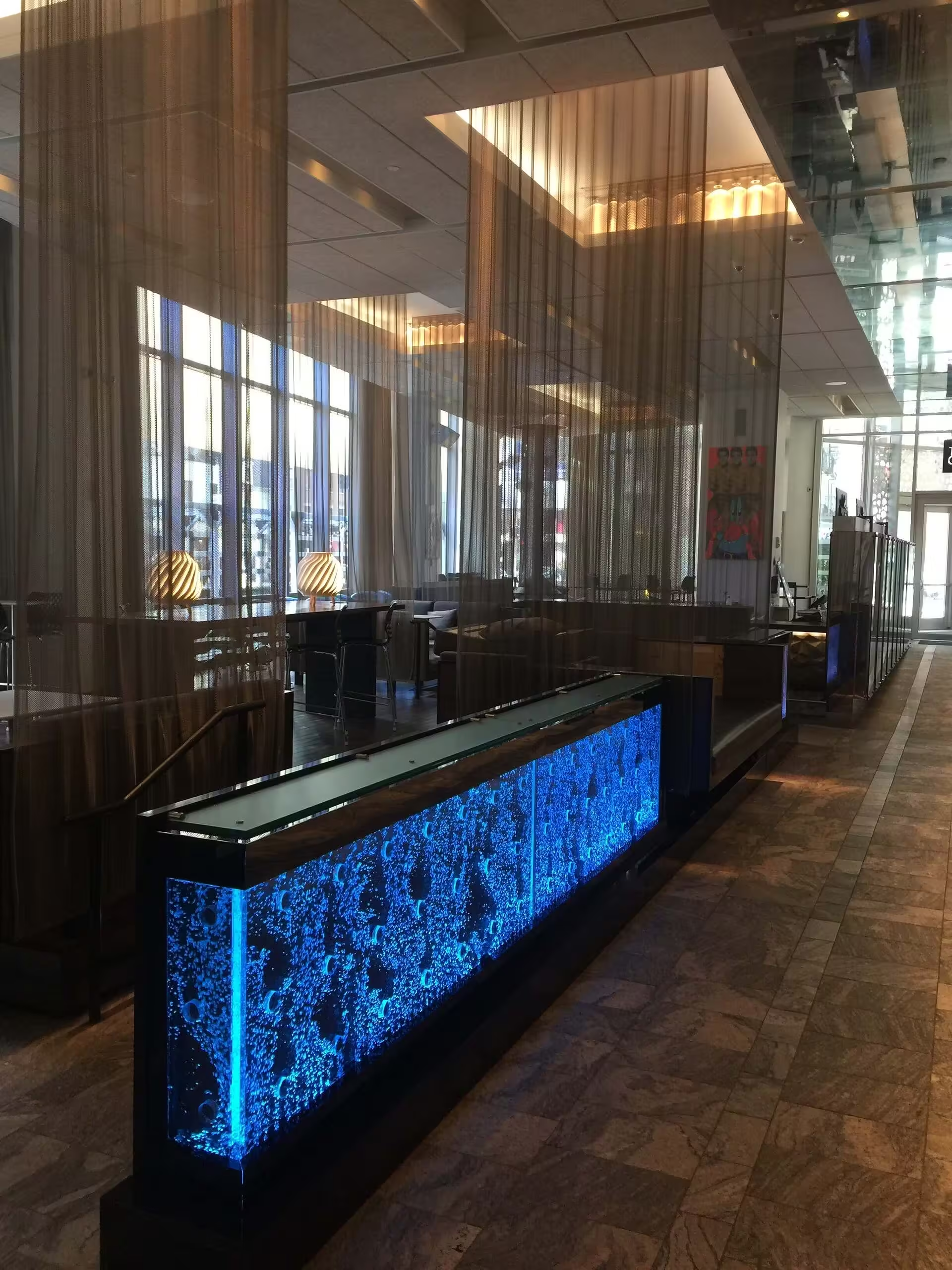
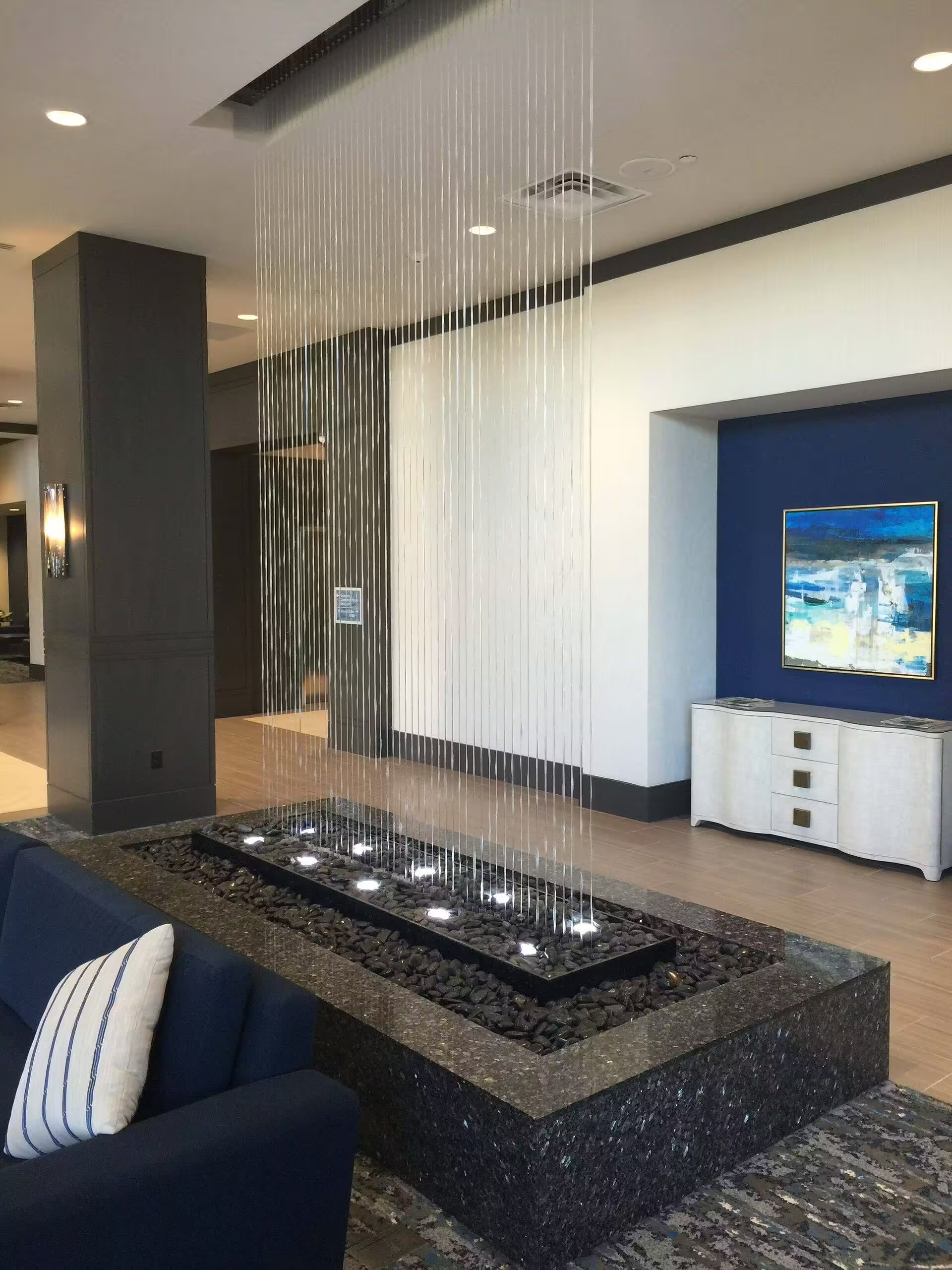
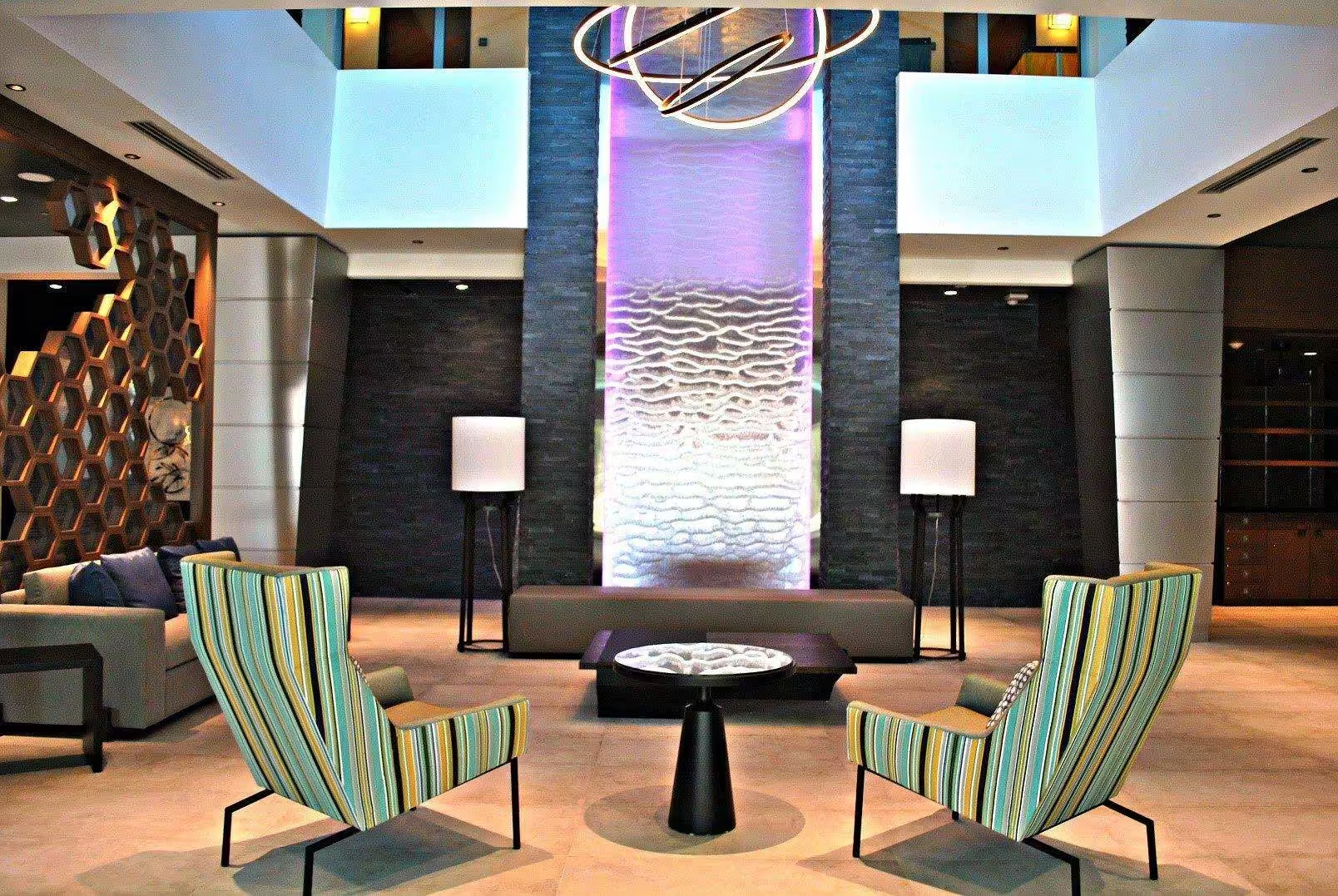
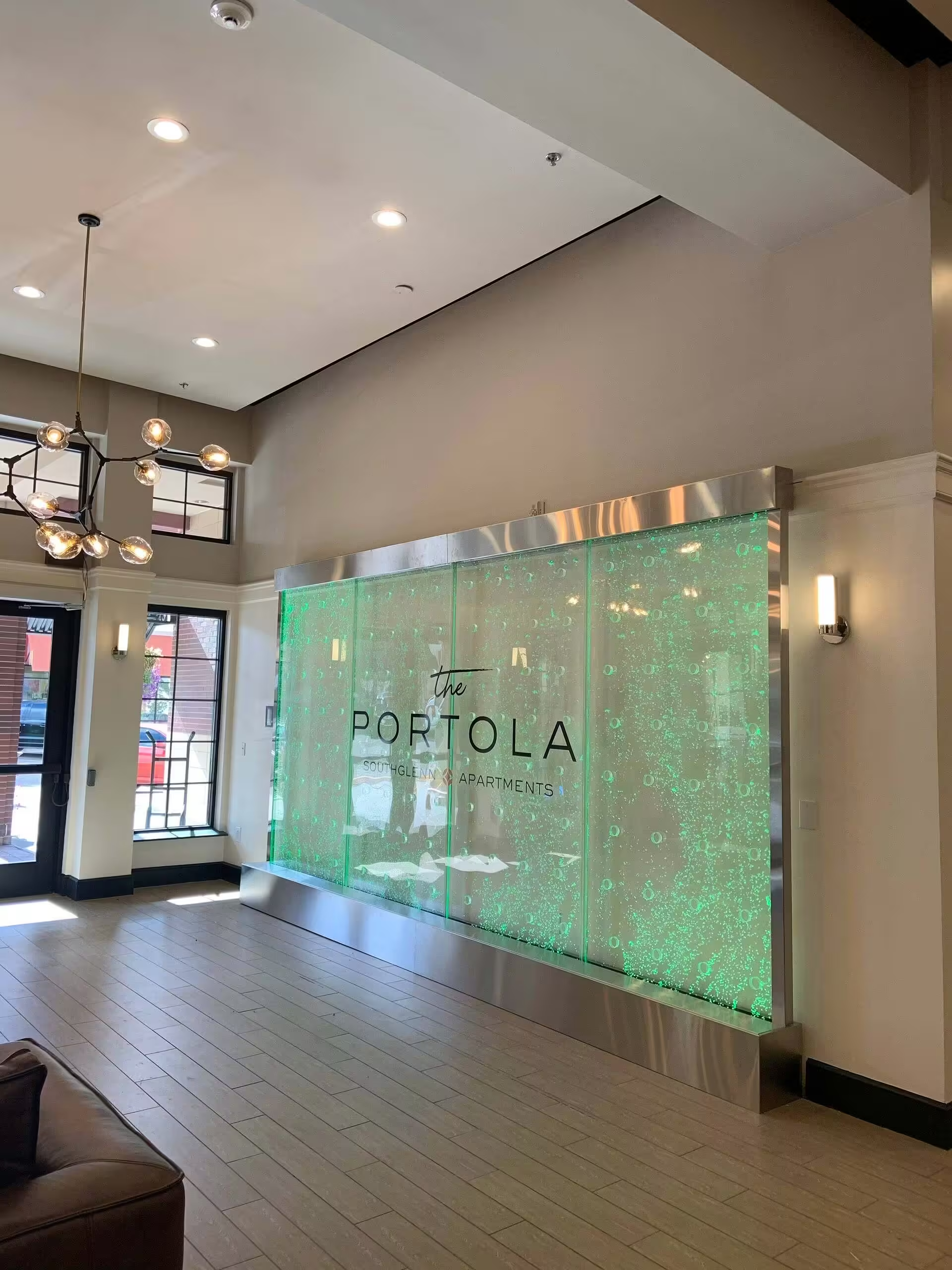
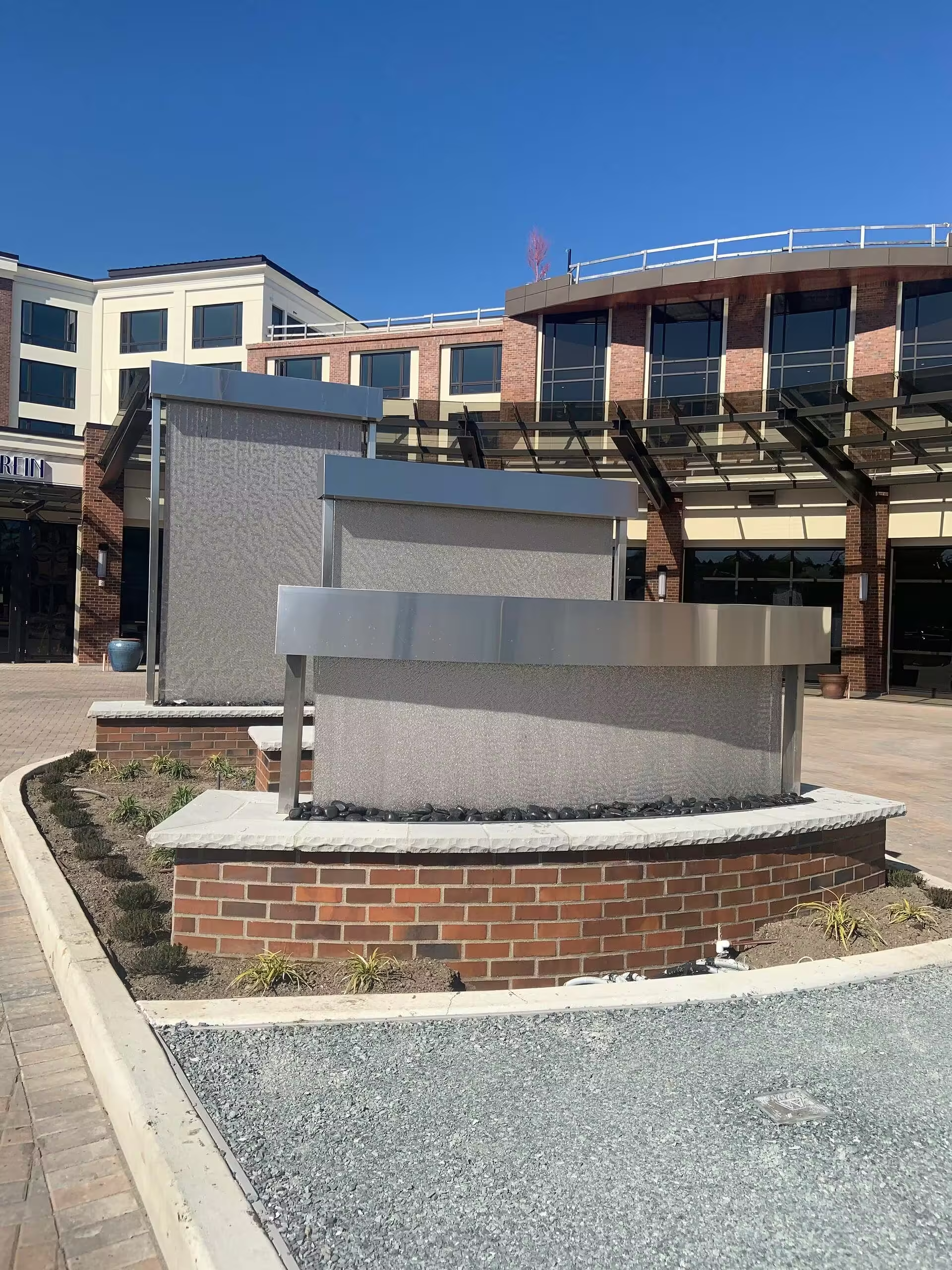
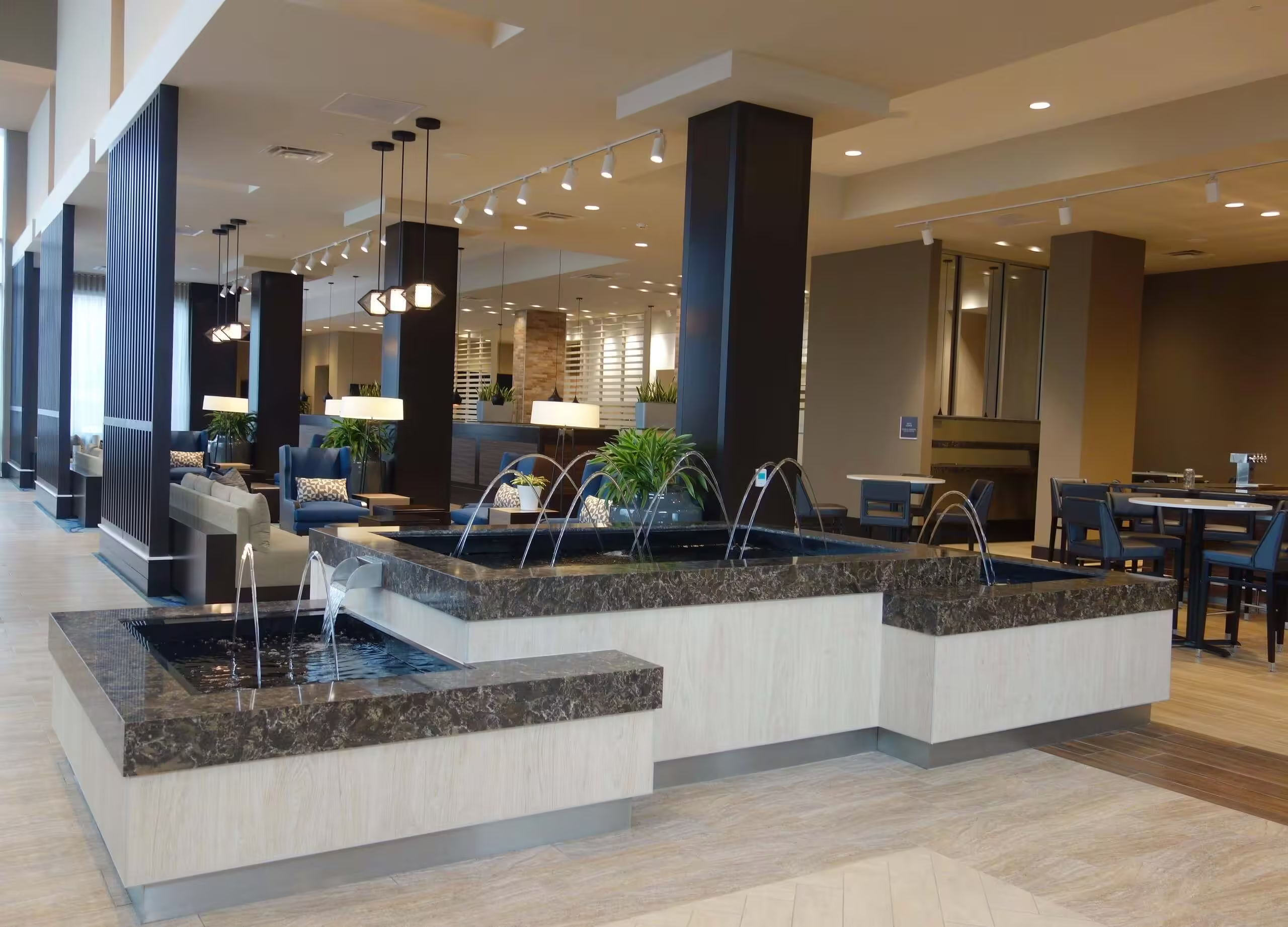
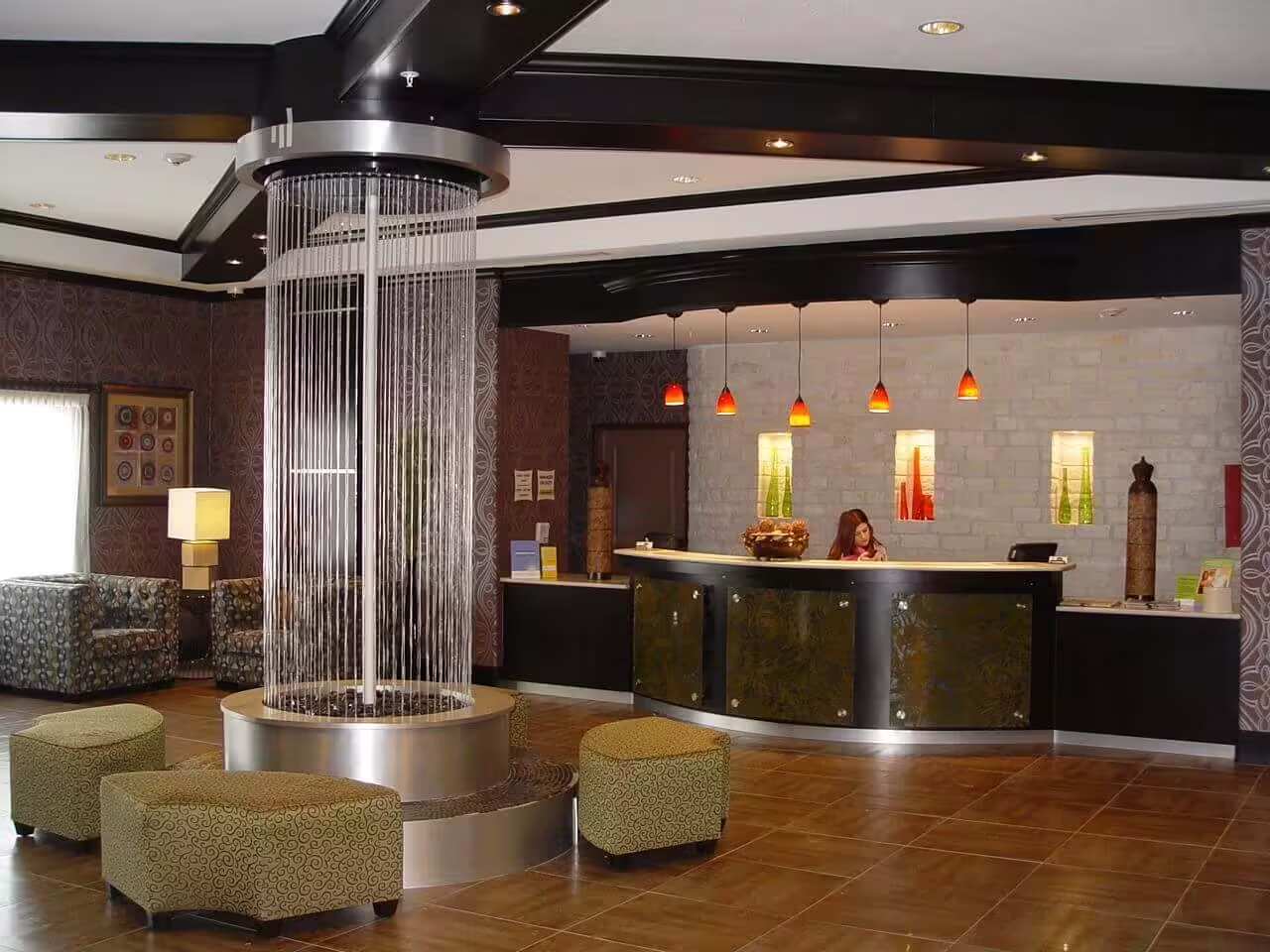
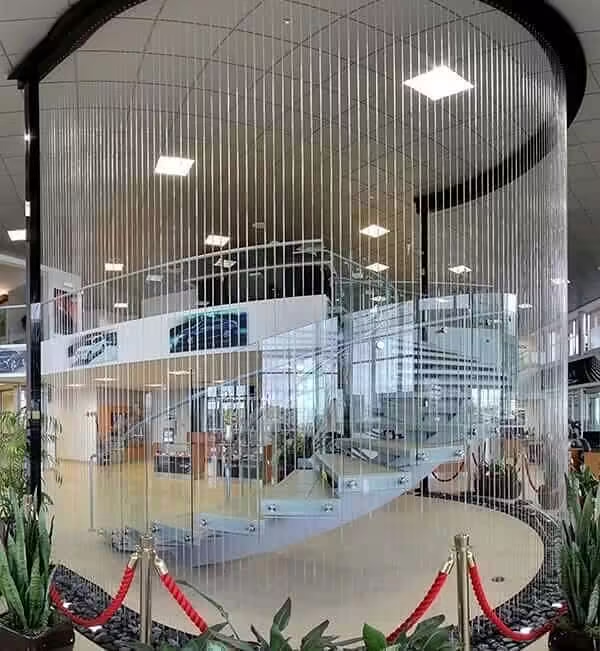
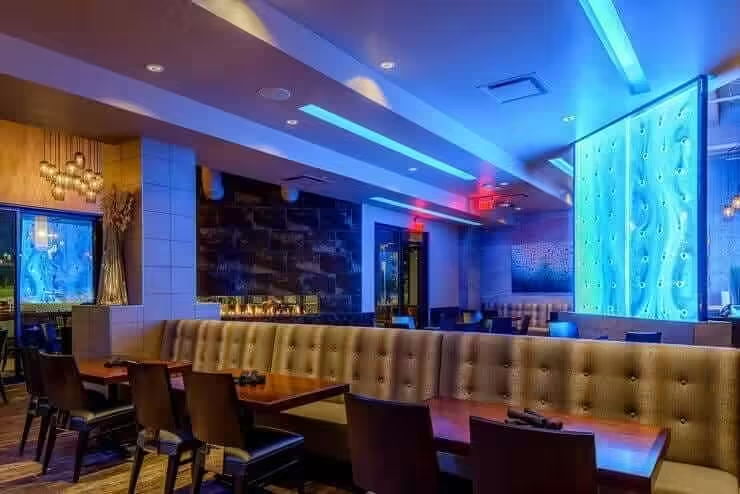
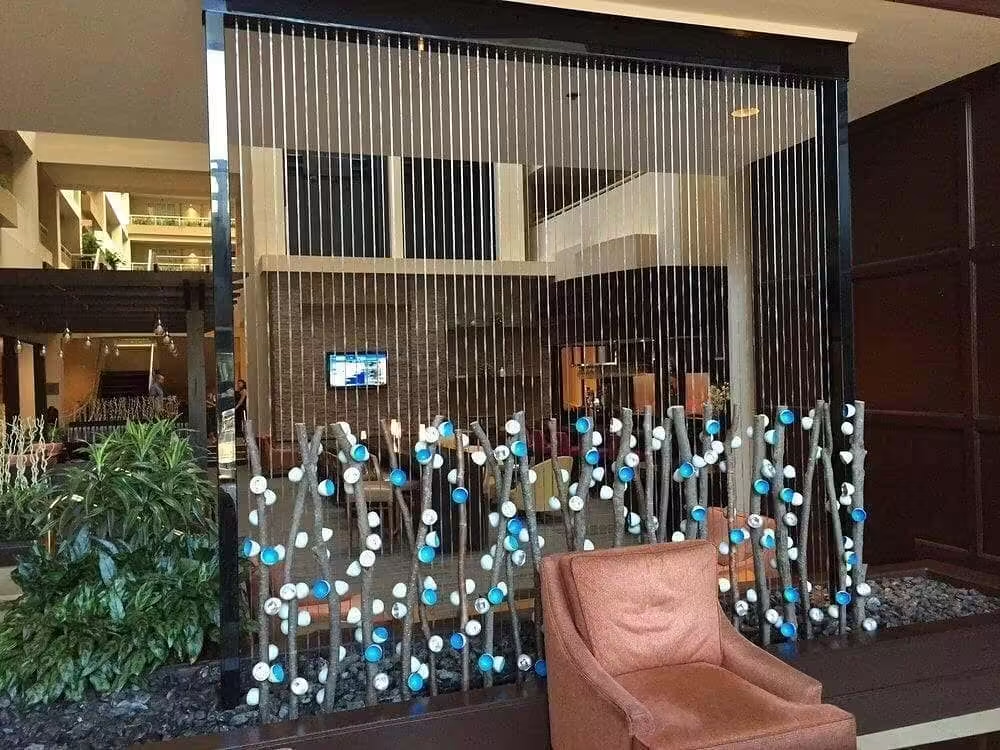
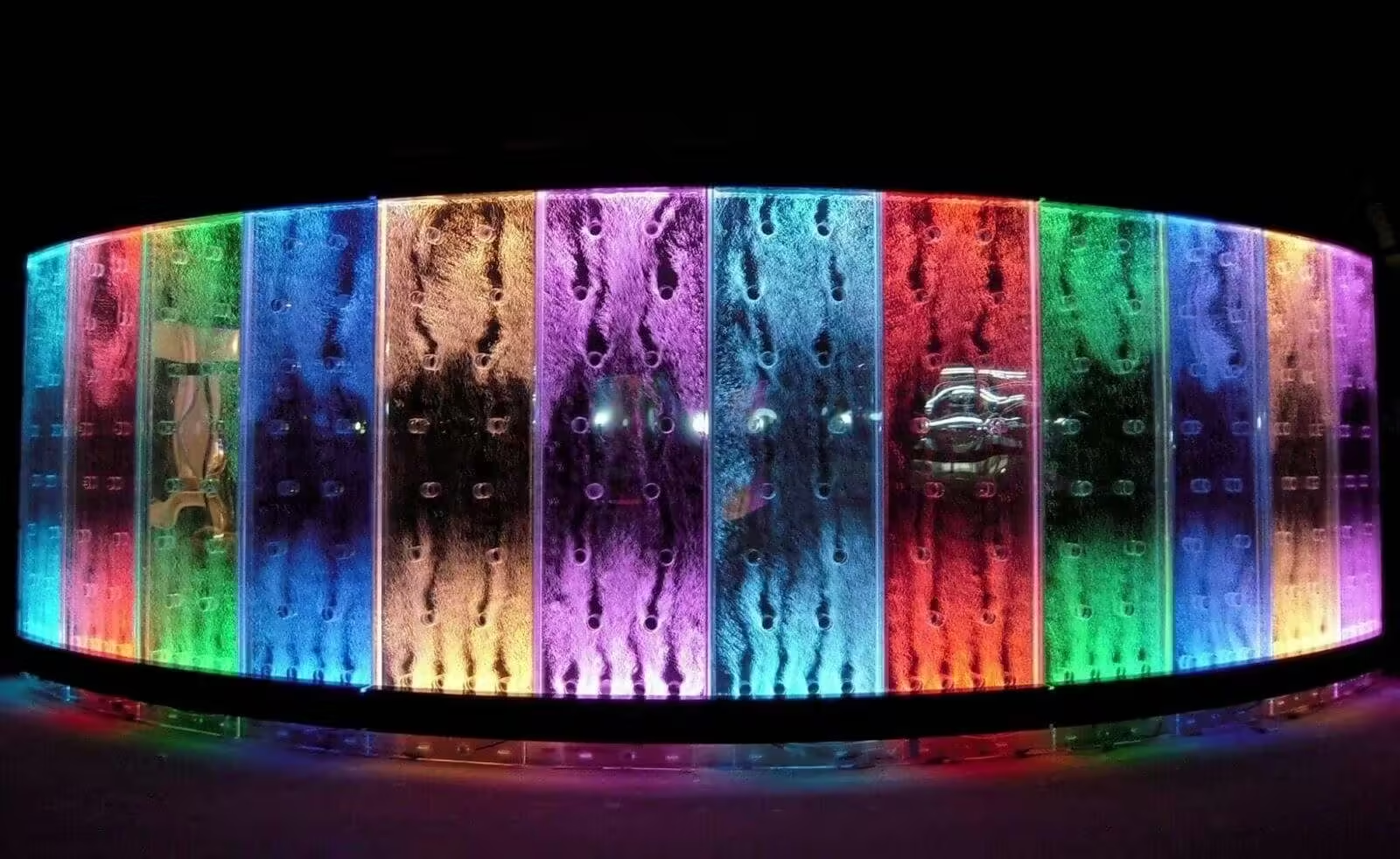
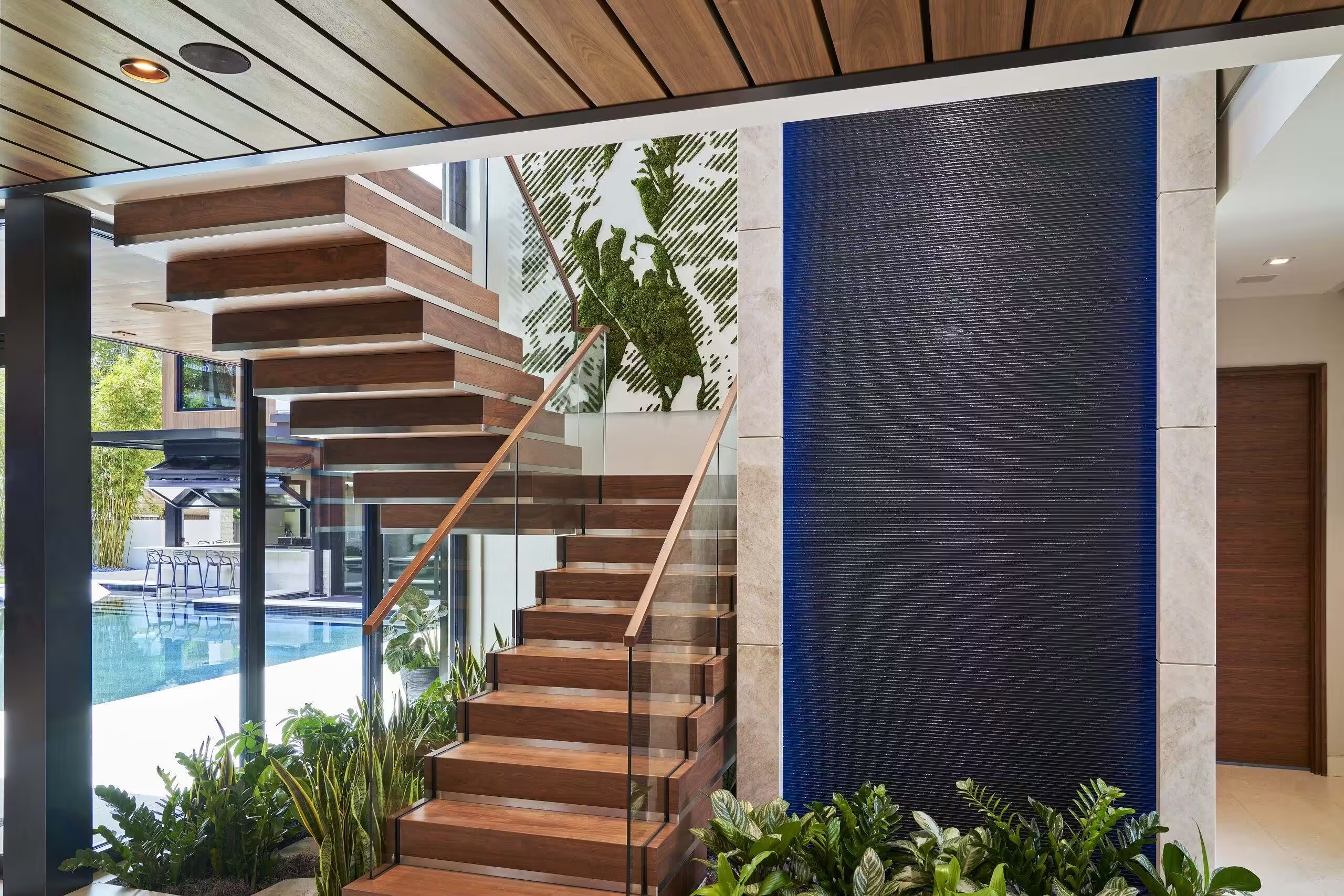
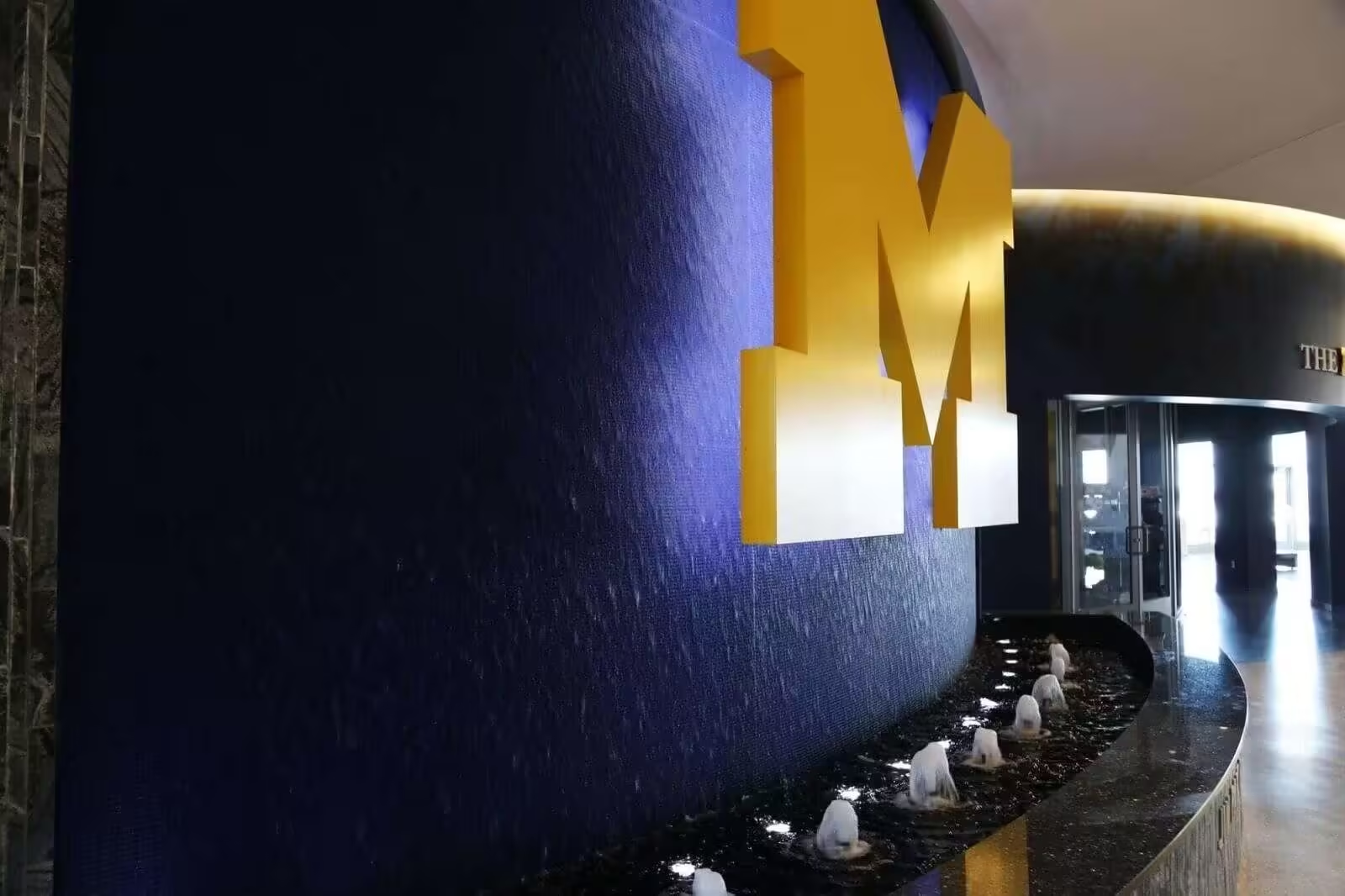
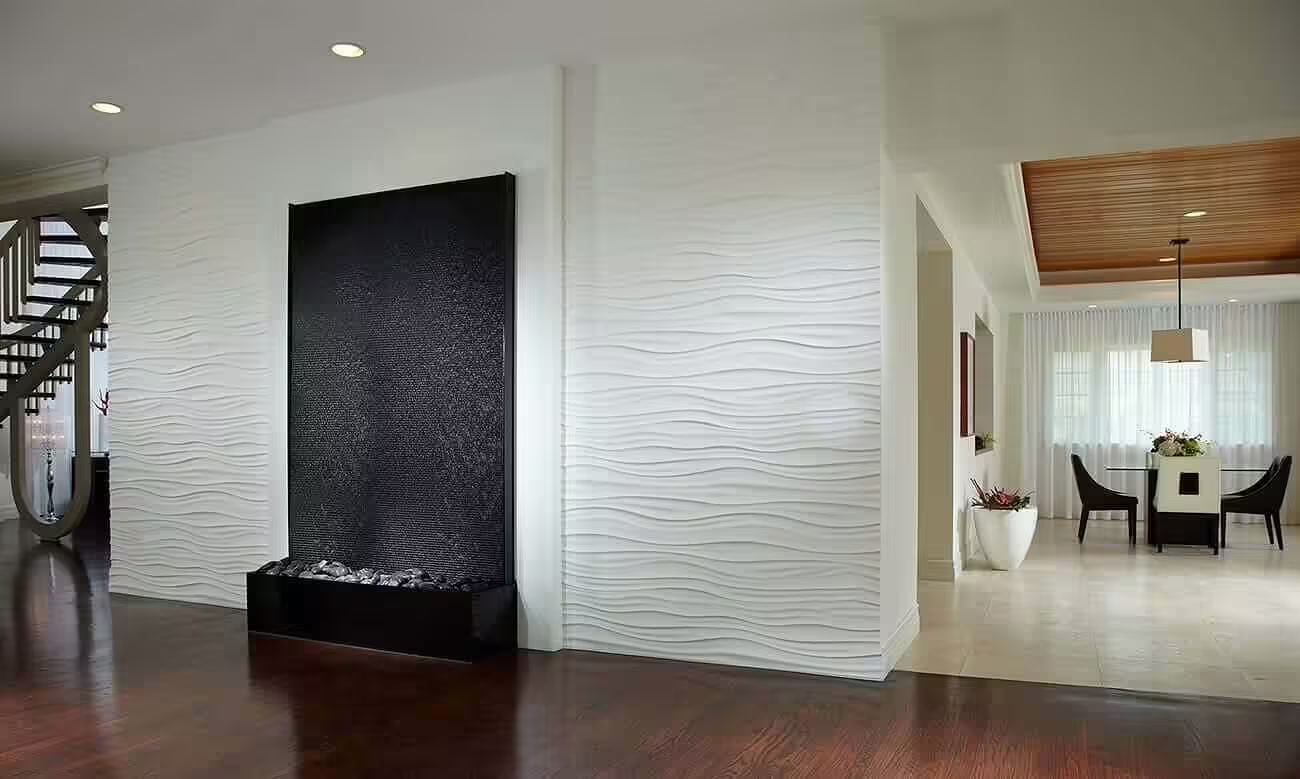
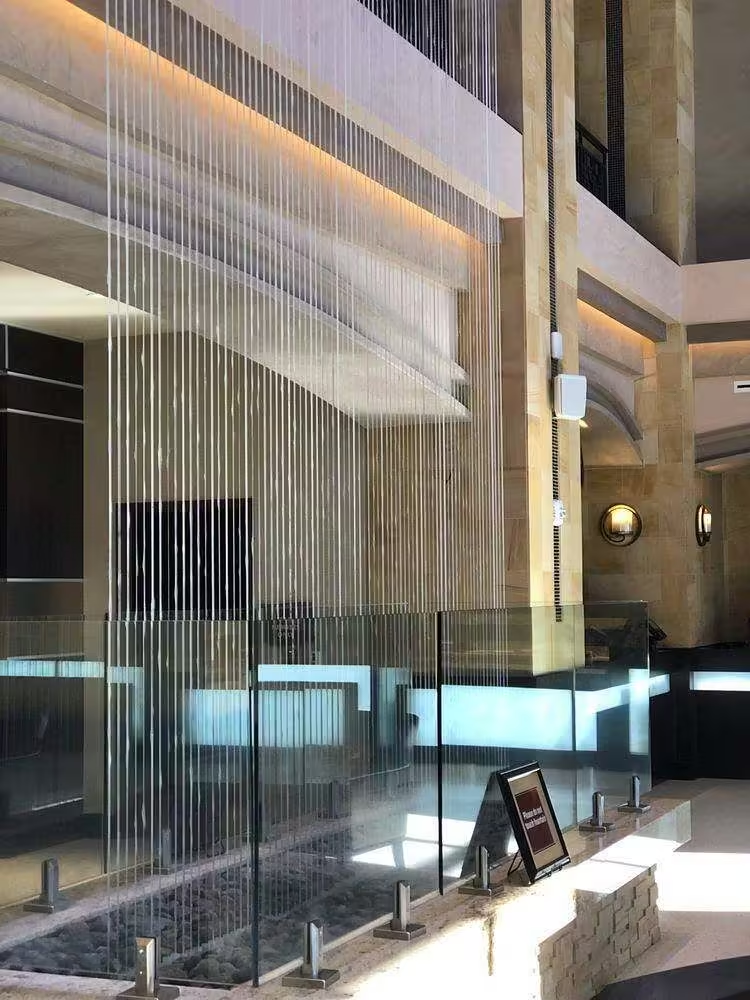
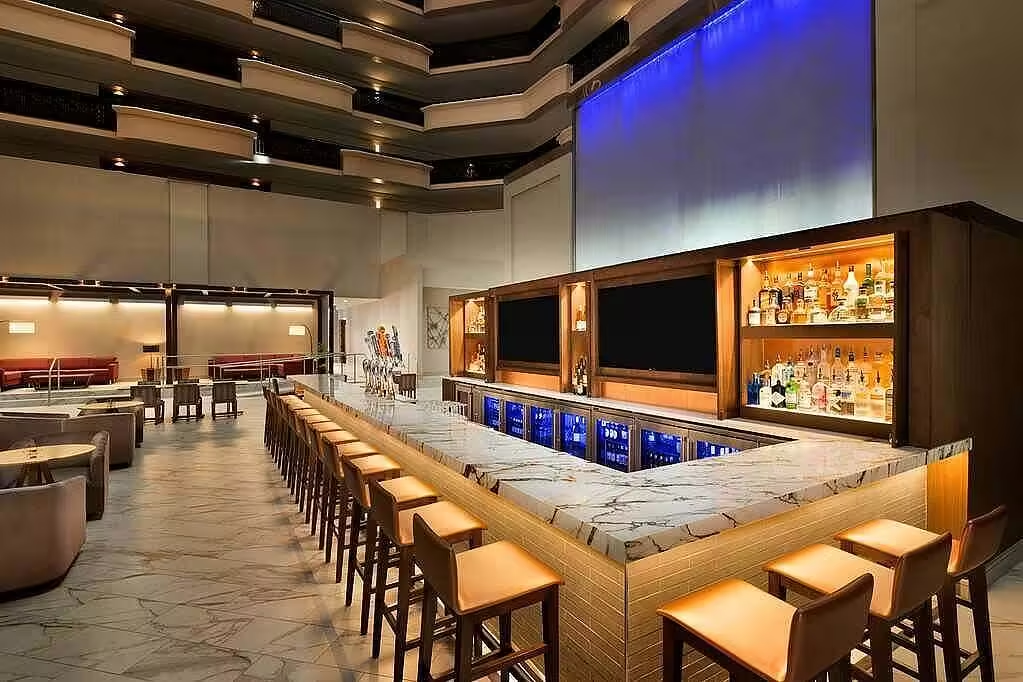
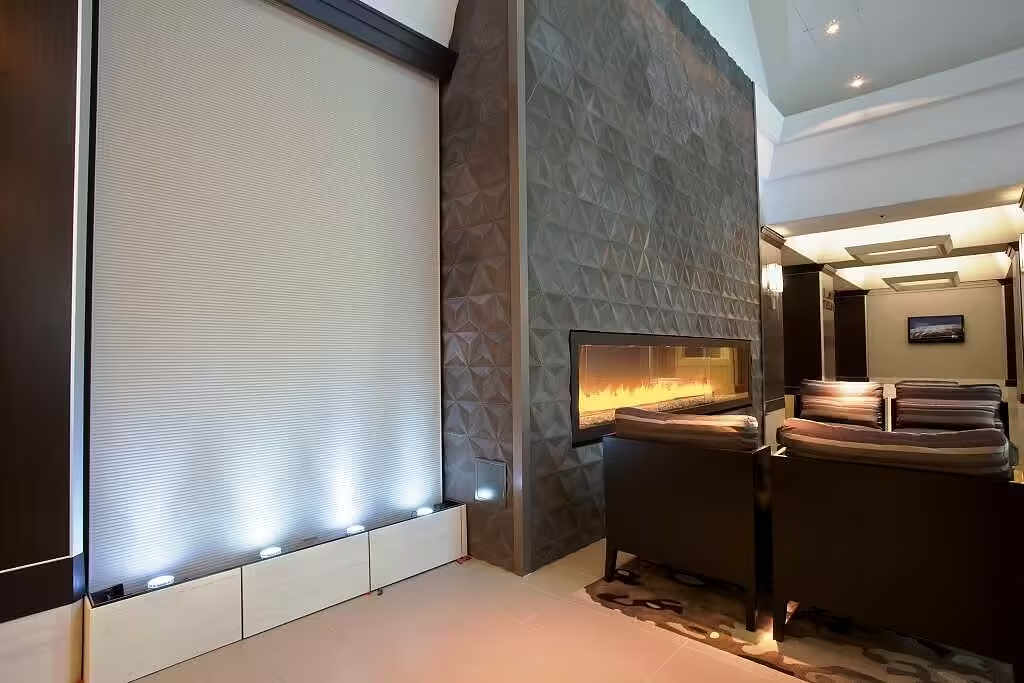
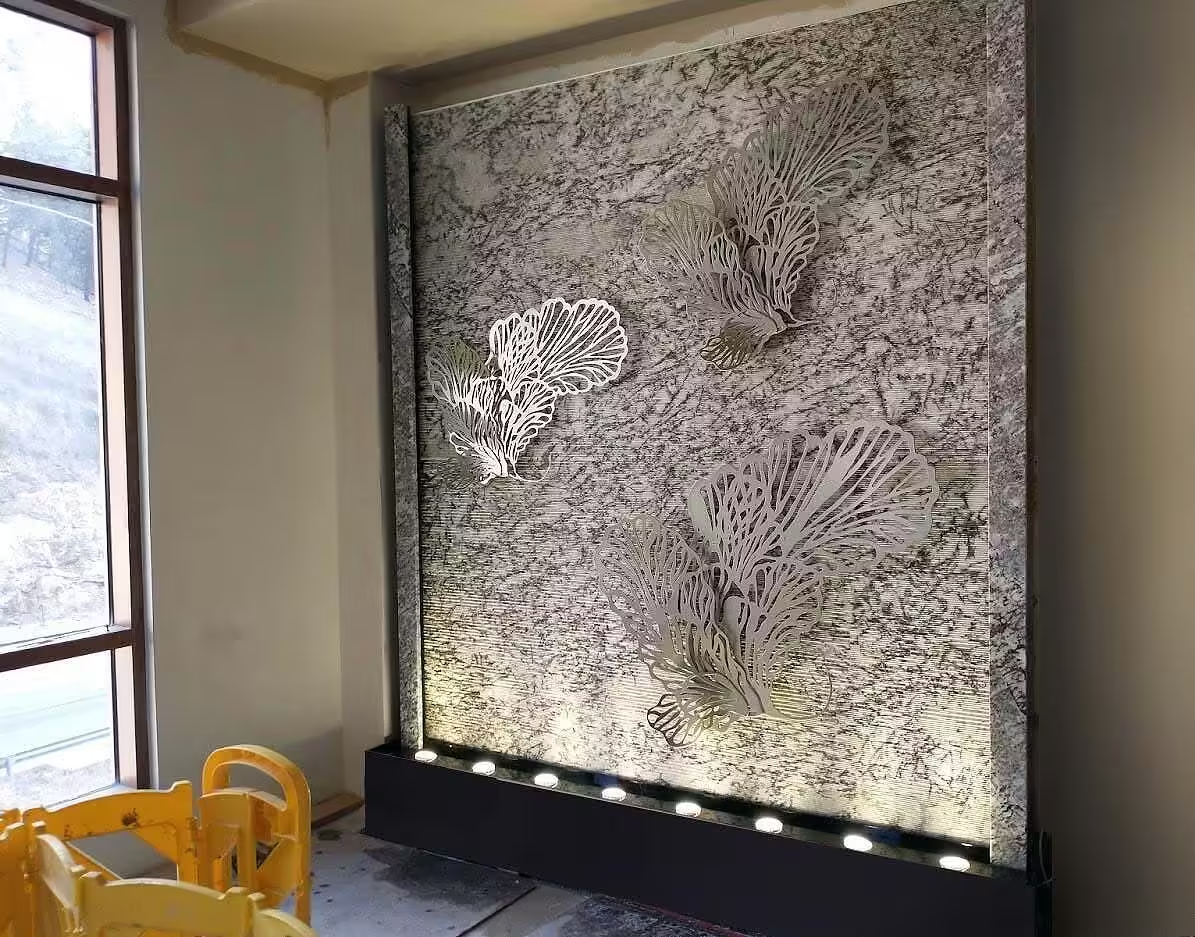
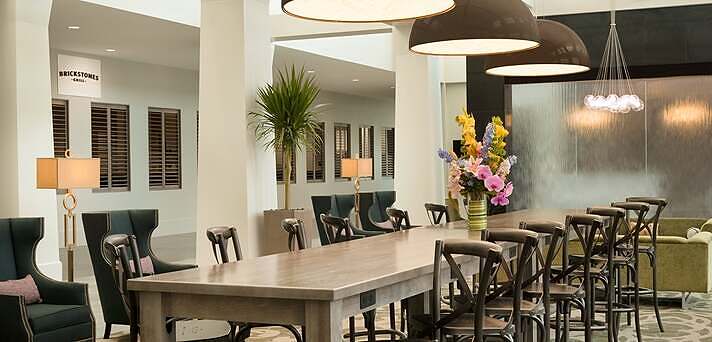
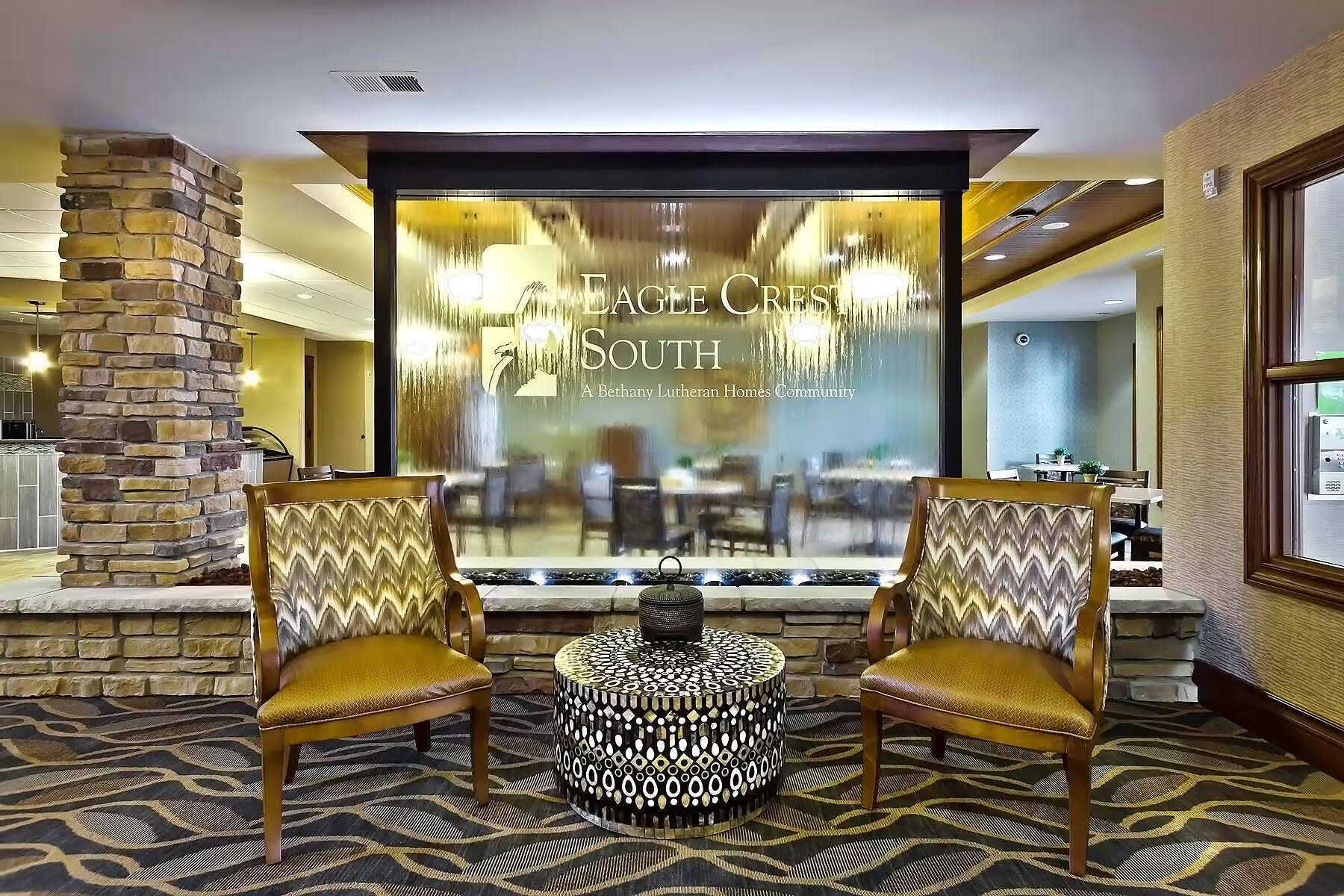
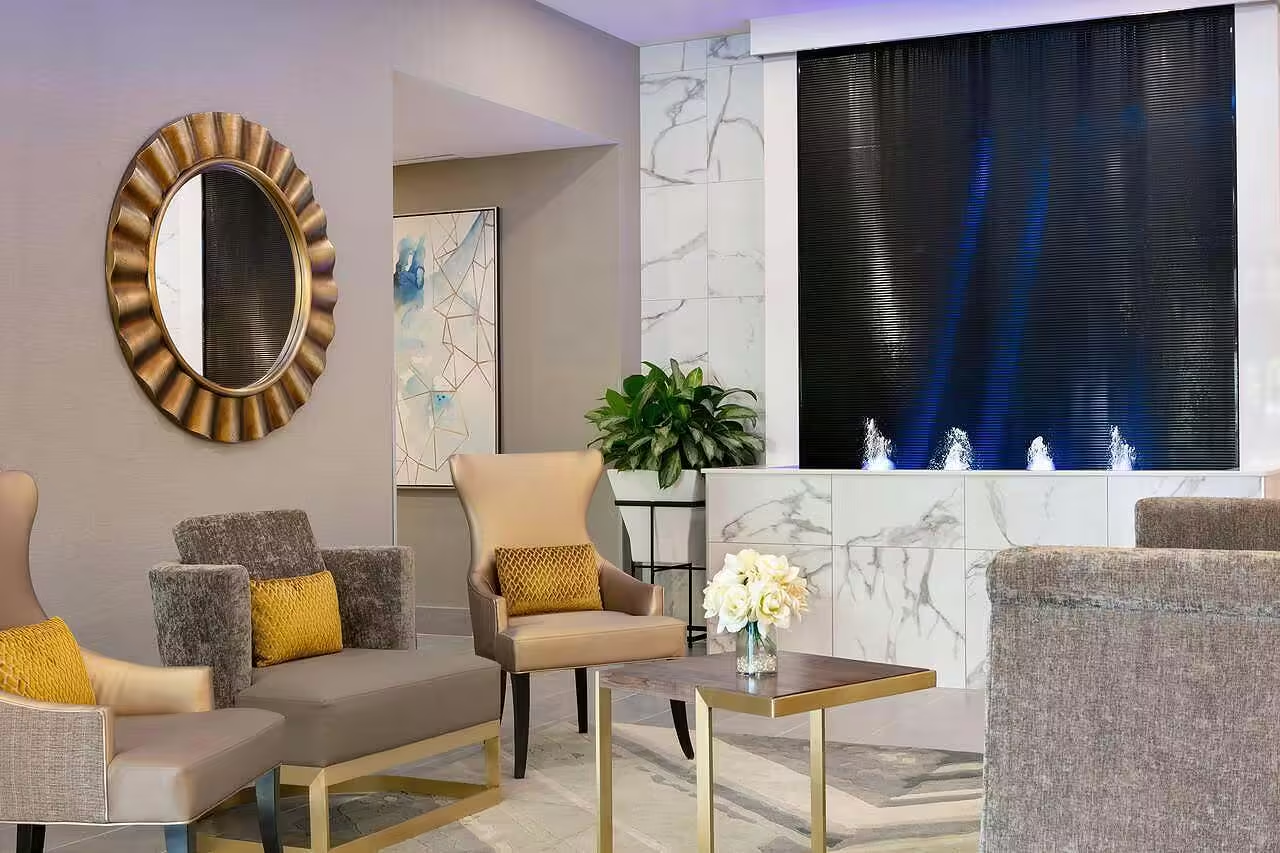
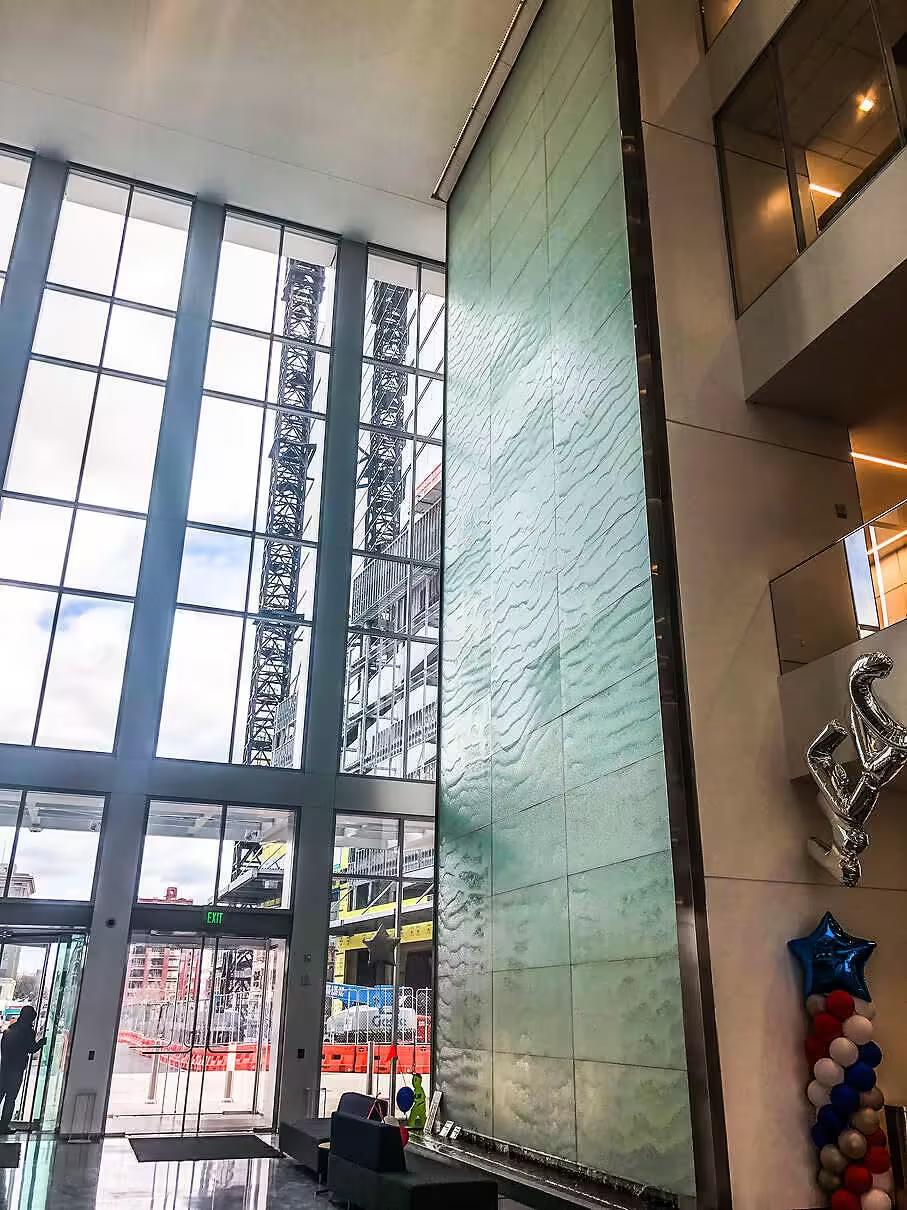
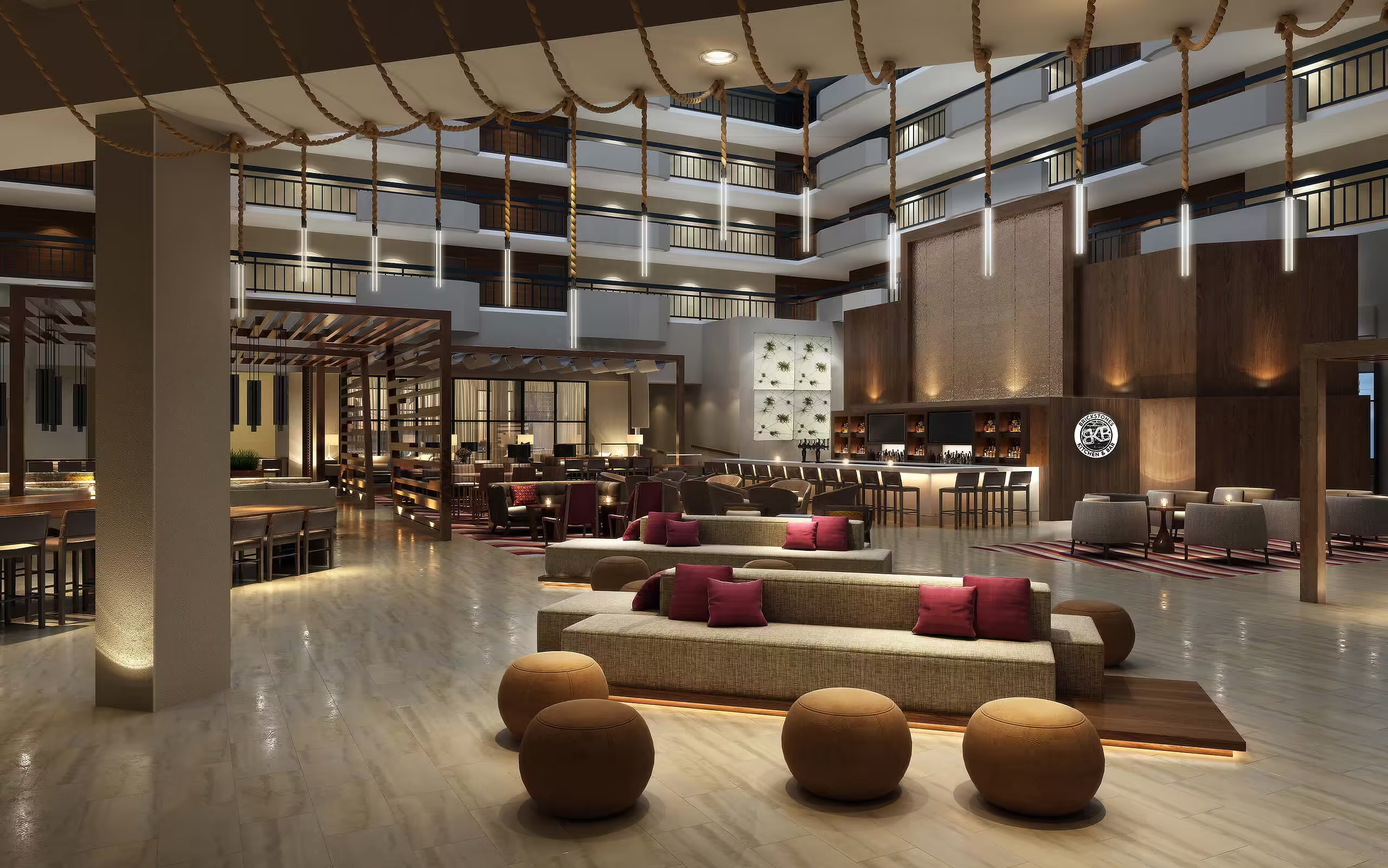
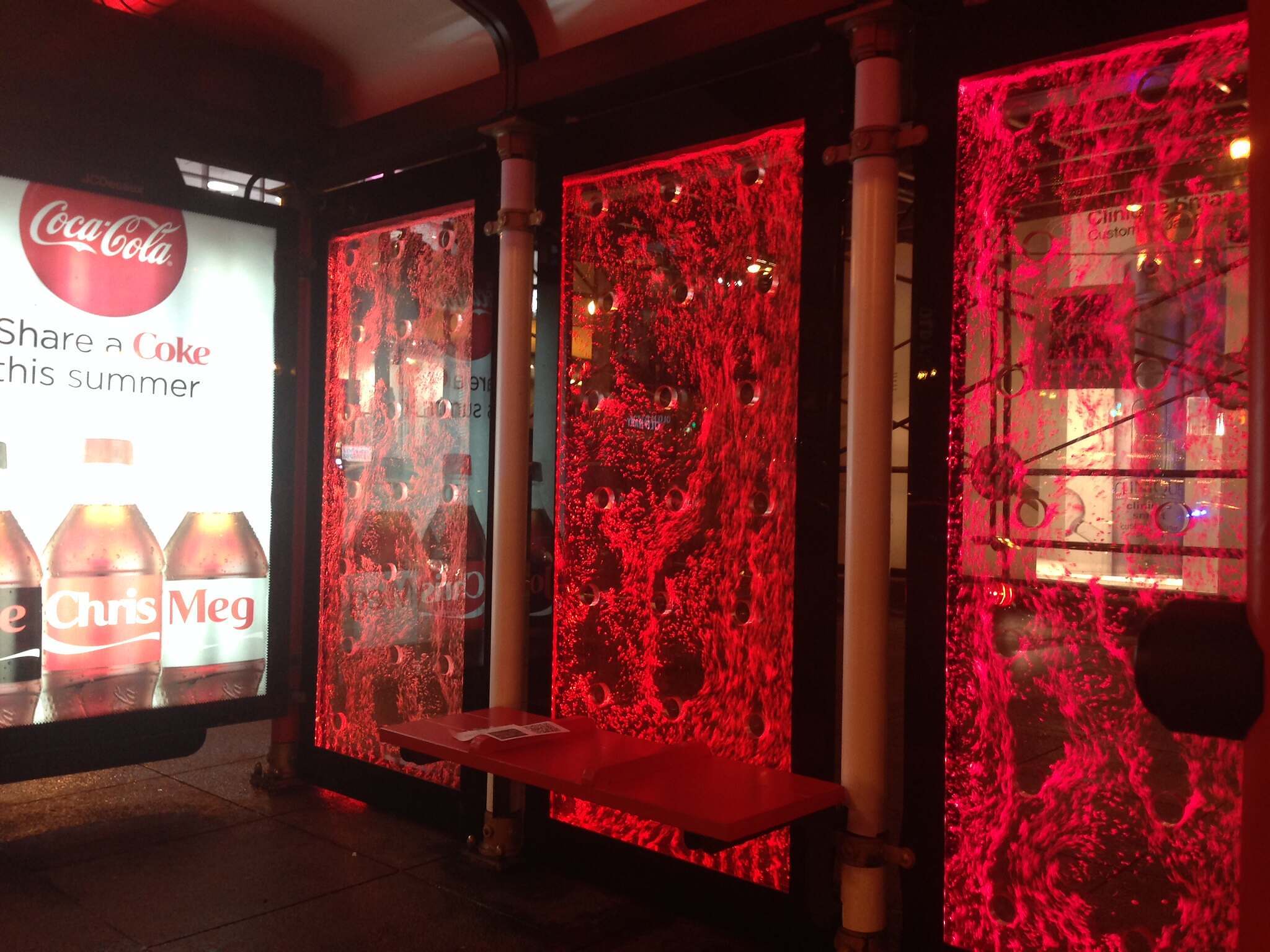
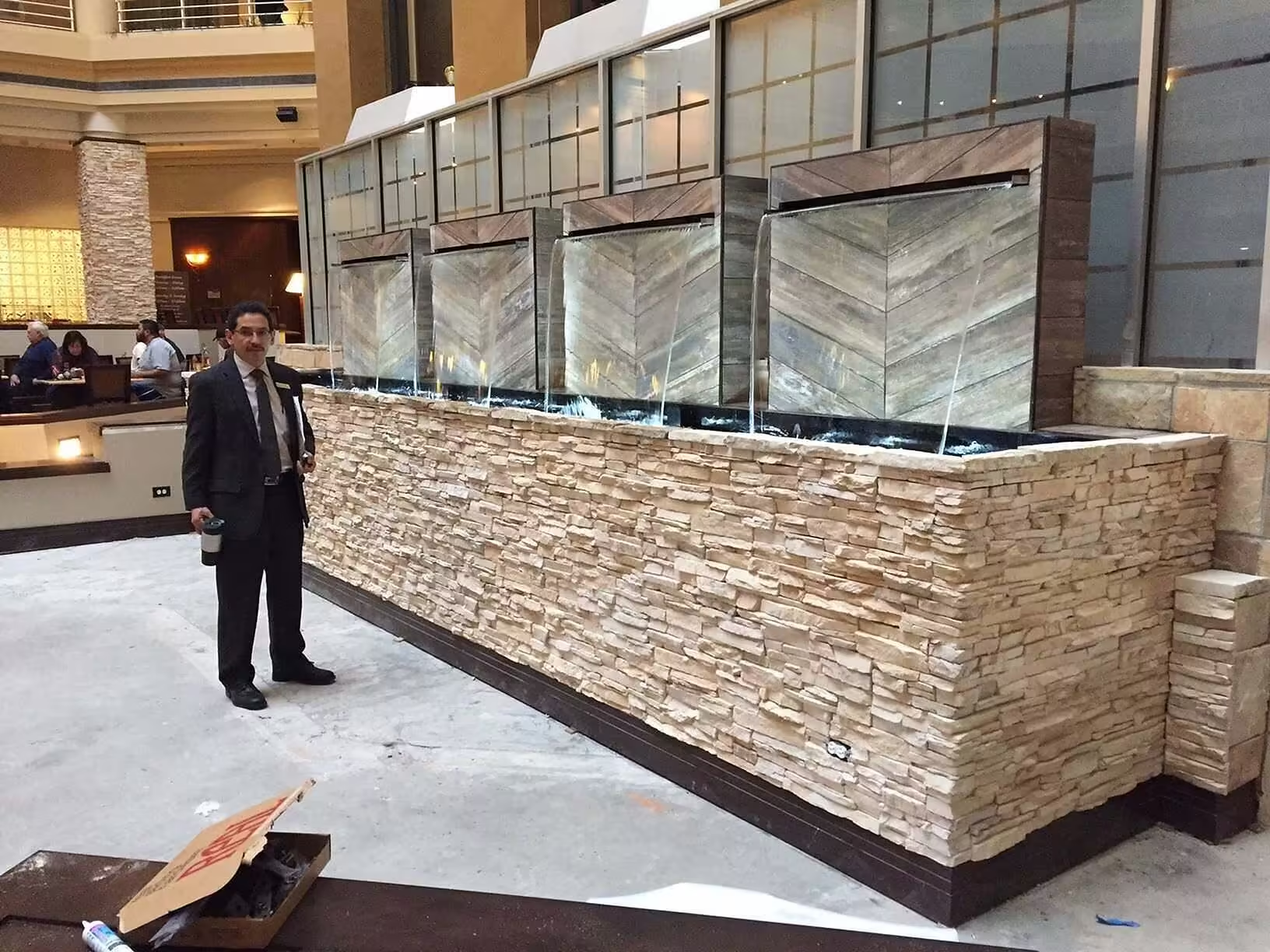
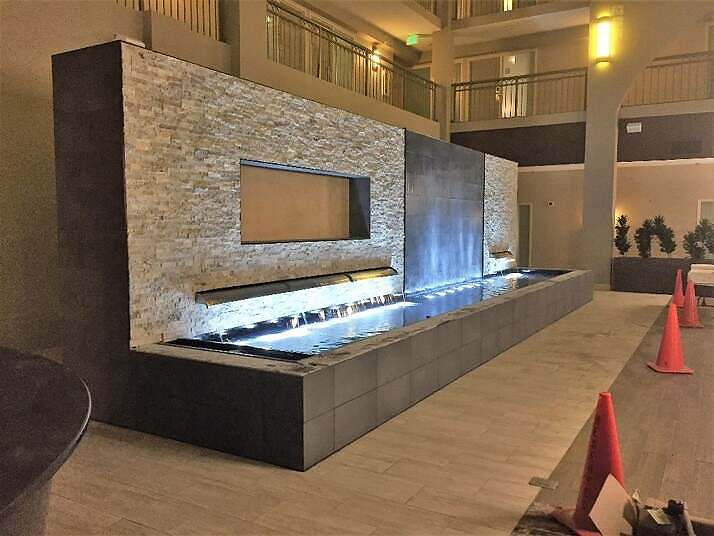
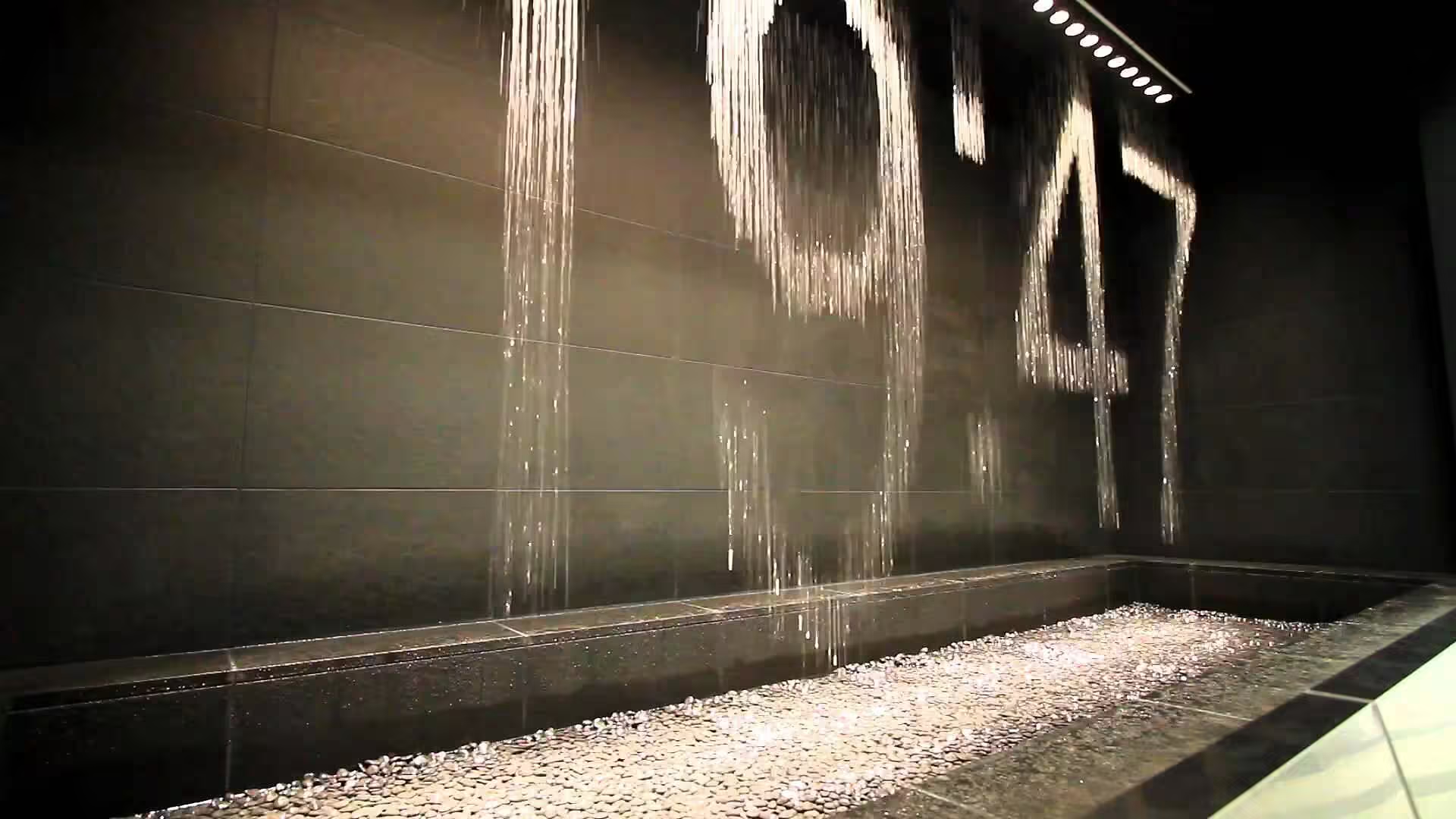
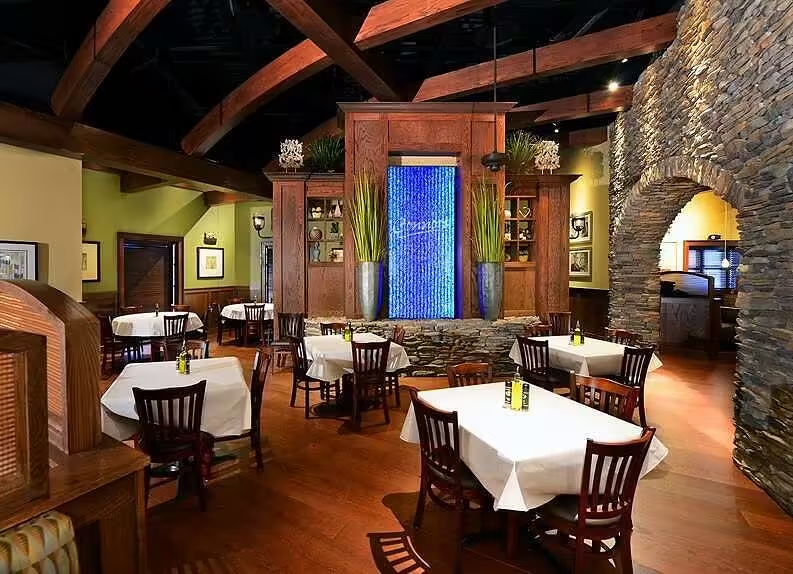
Custom waterfalls allow the feature to match the actual conditions of the space. Height, width, basin placement, water flow, pump access, lighting, and finish materials are planned together.
A custom indoor waterfall gives architects and designers control over these decisions before fabrication begins. The water feature becomes part of the space plan, rather than an object added after the main design is complete.
Why Indoor Glass Waterfall Features Need Precise Planning
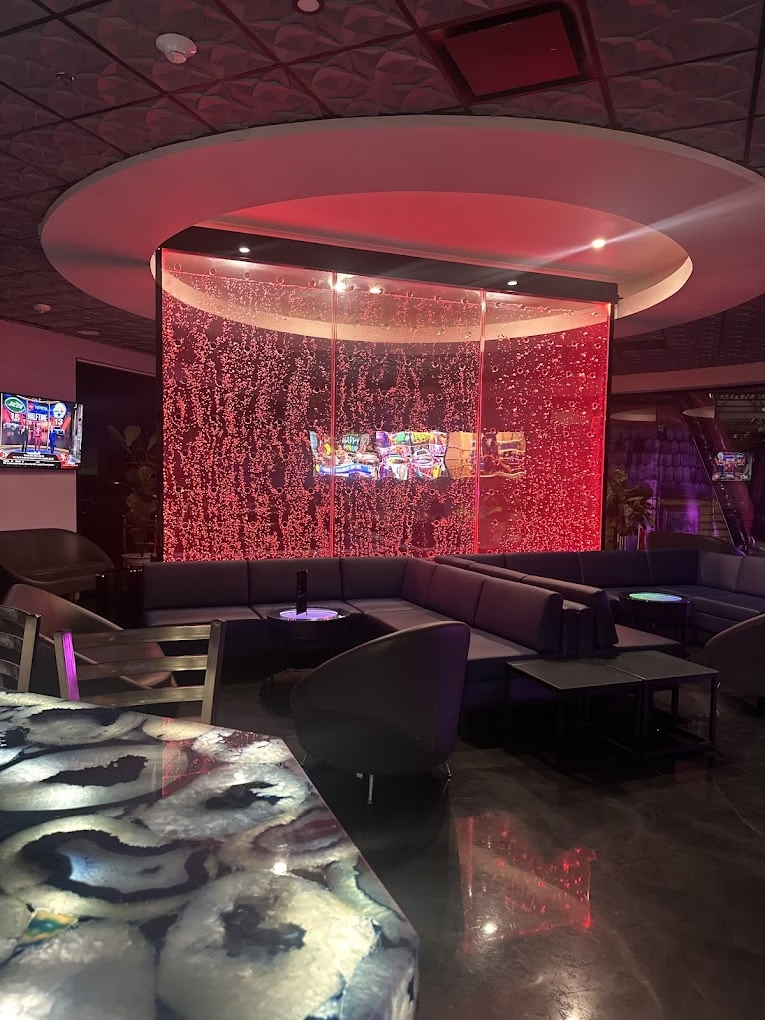
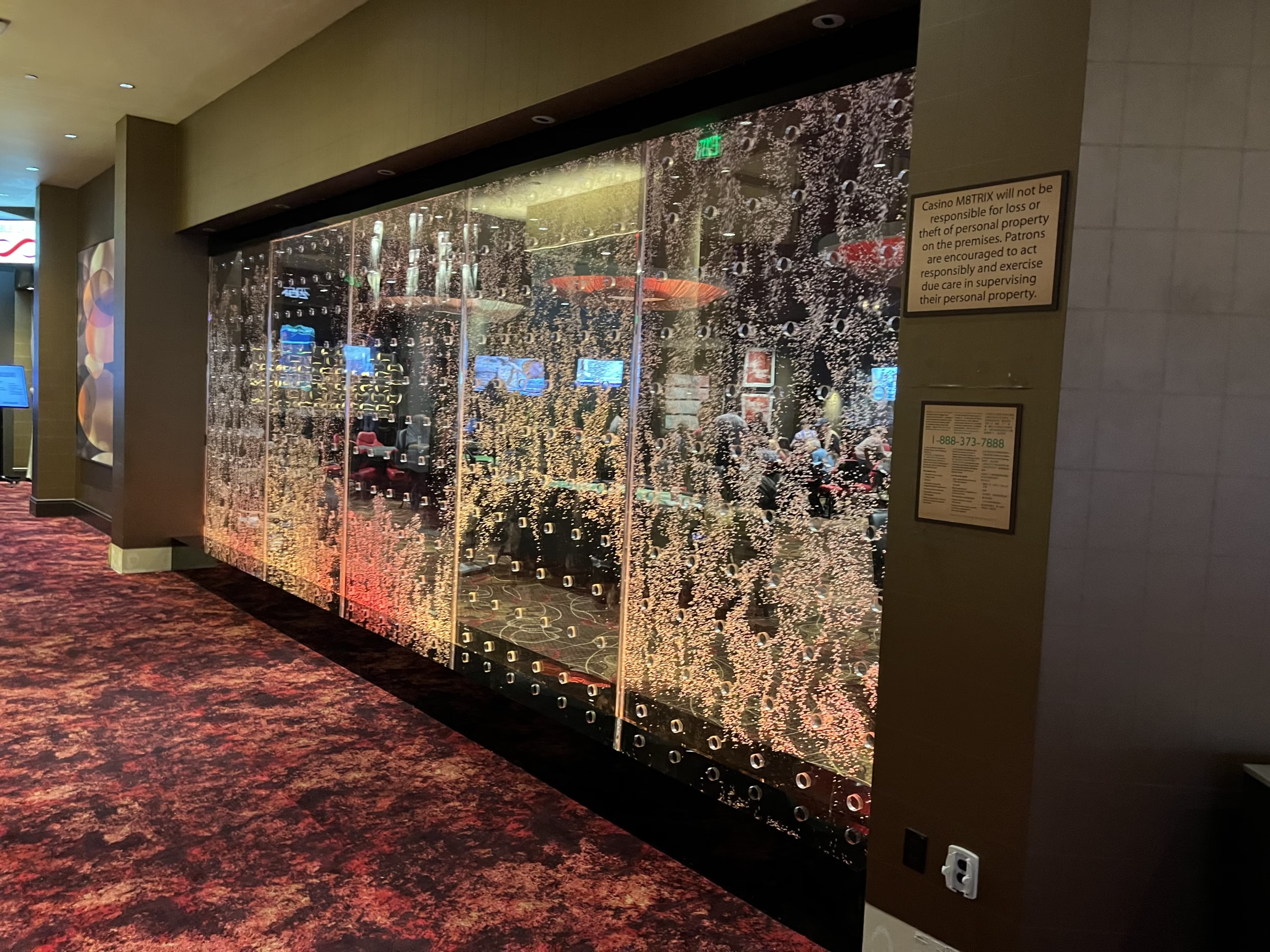
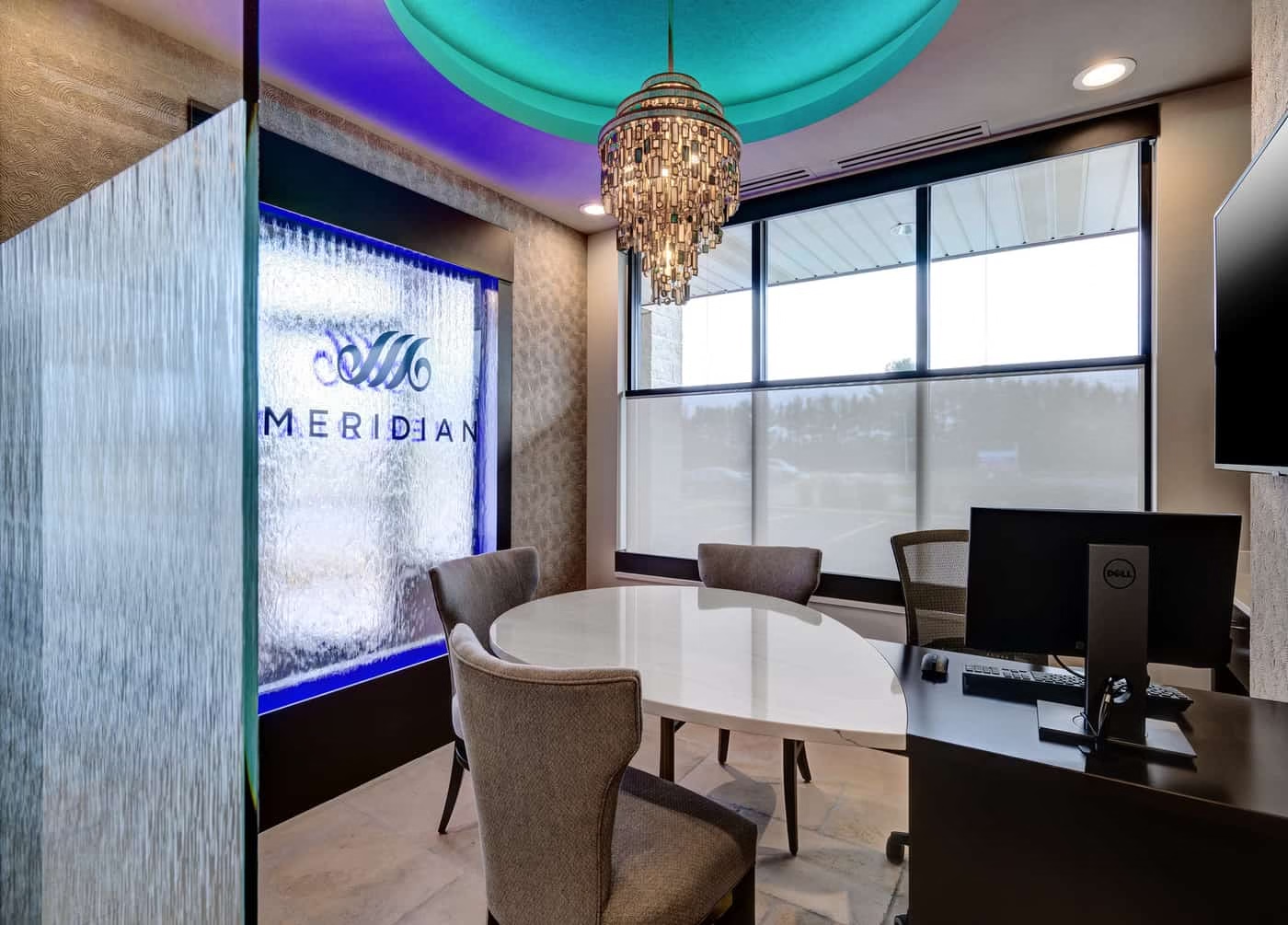
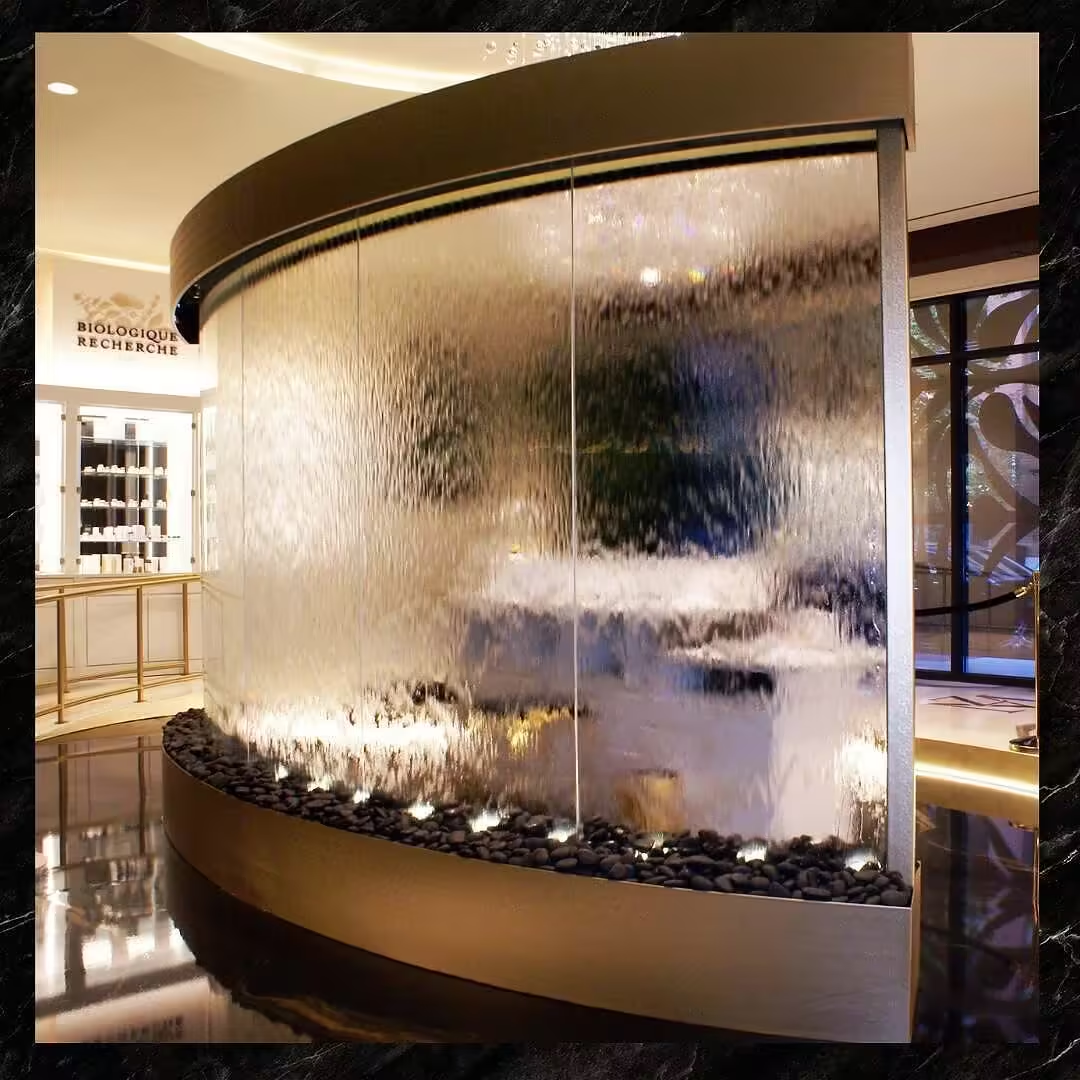
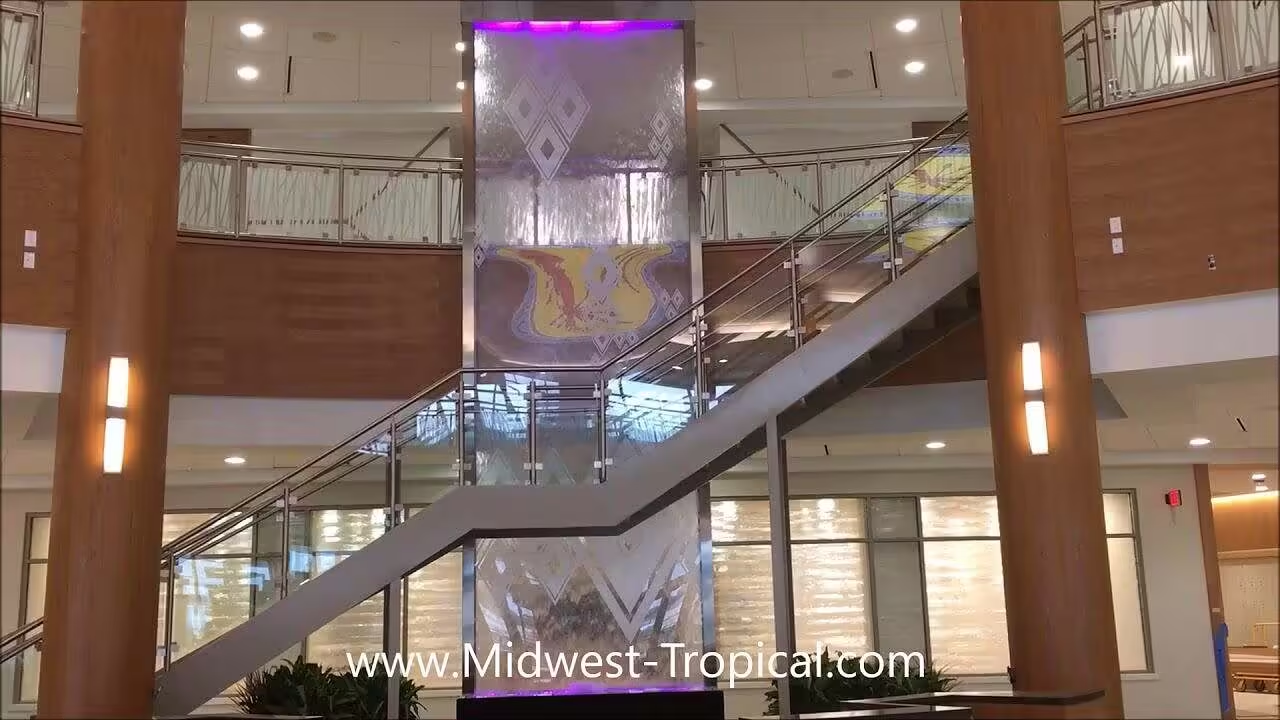
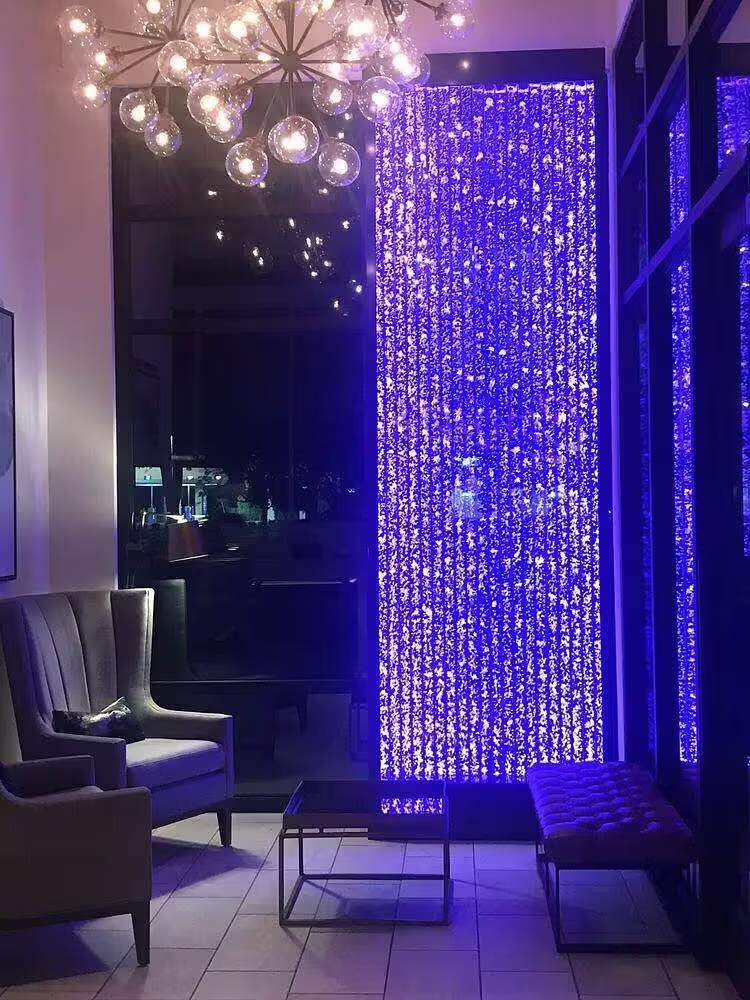
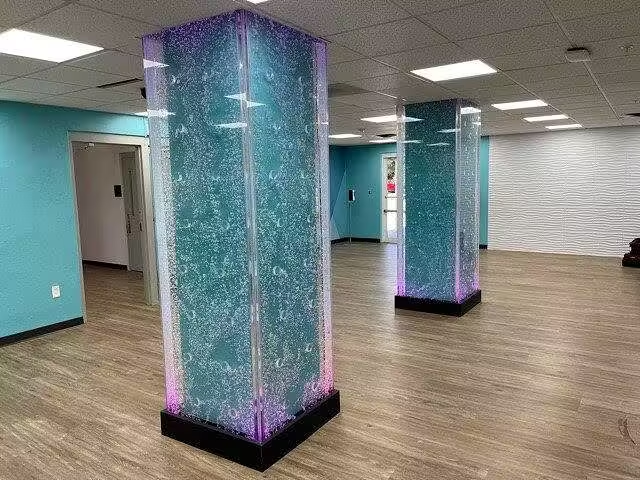
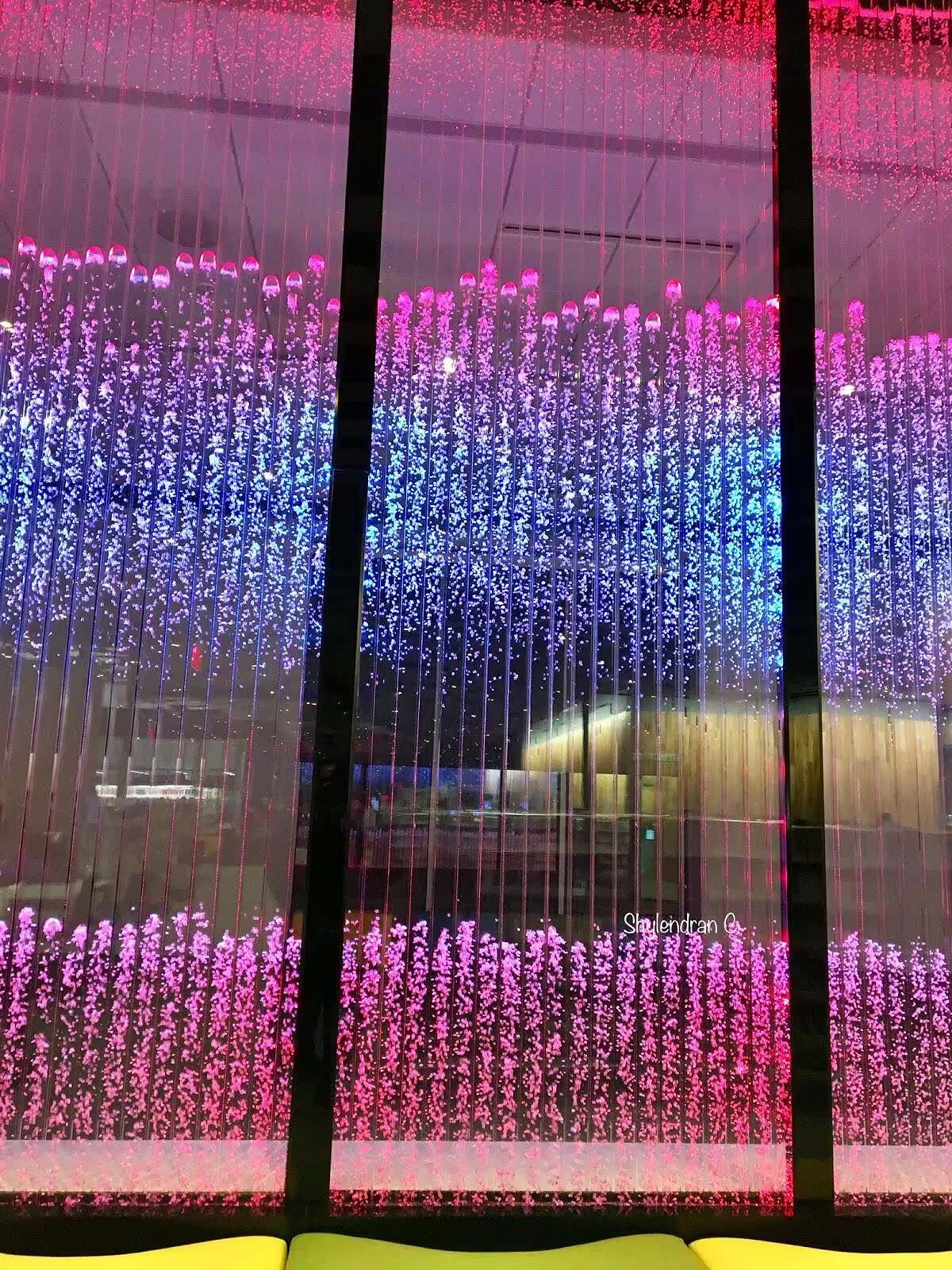
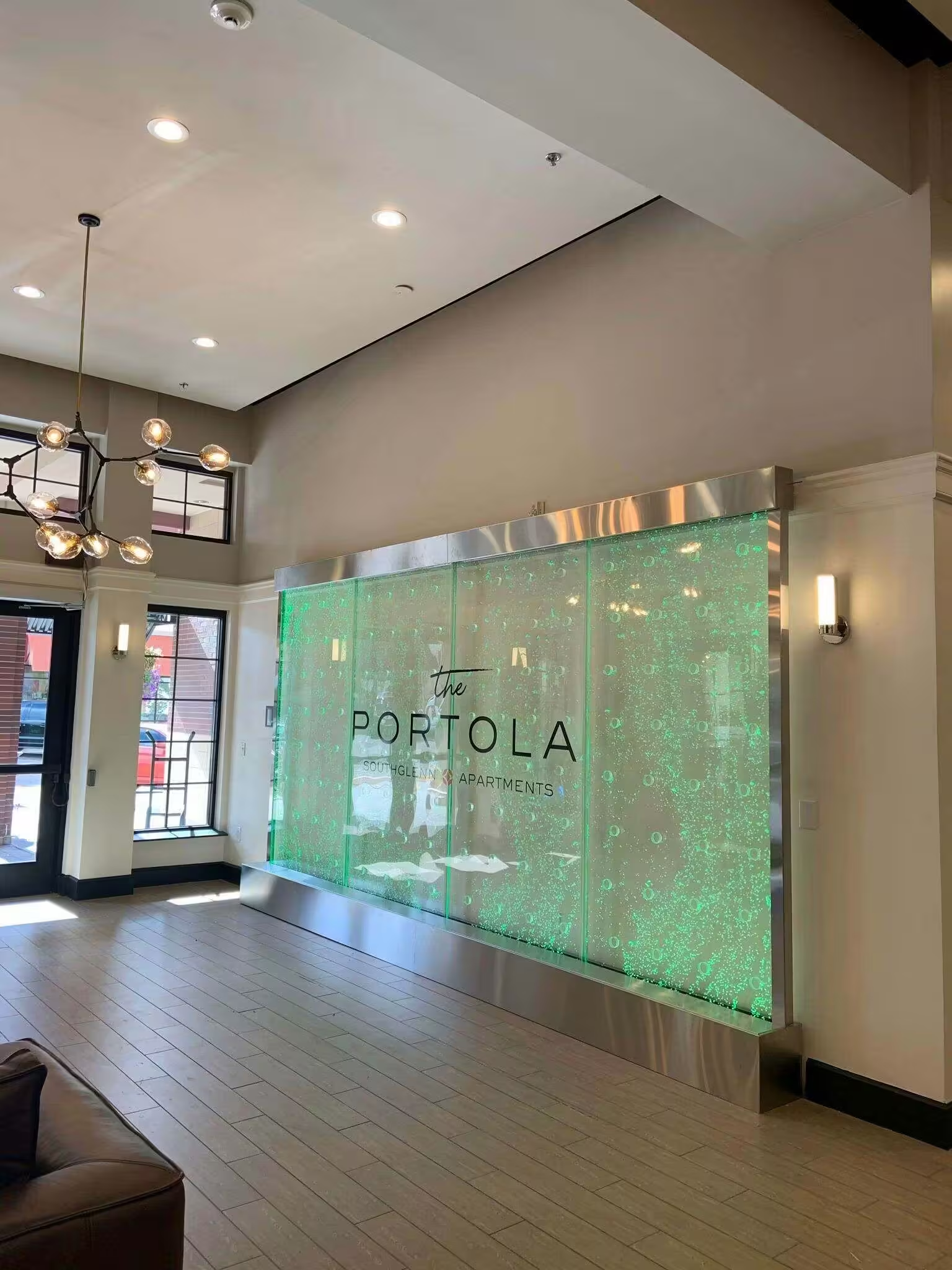
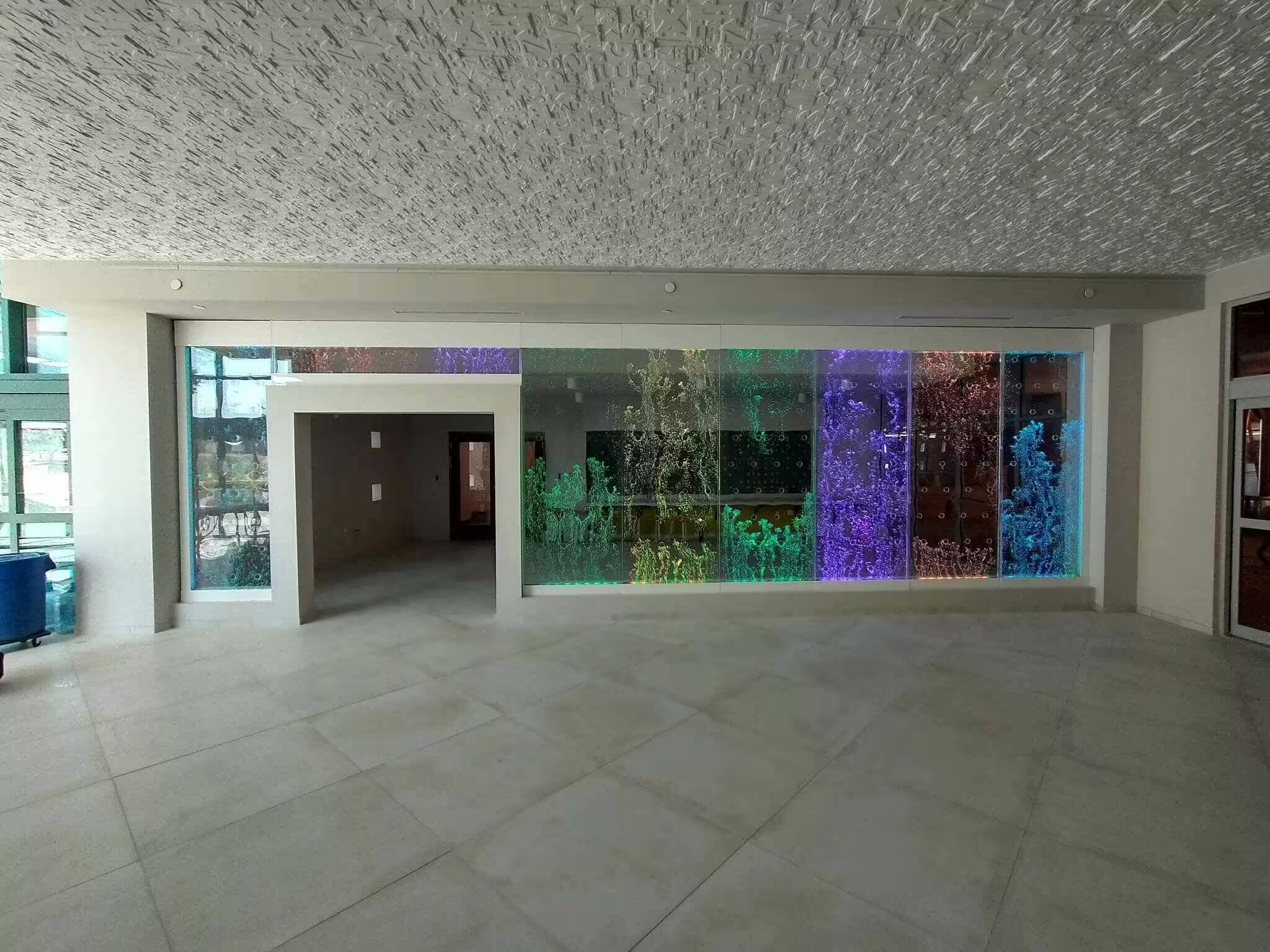
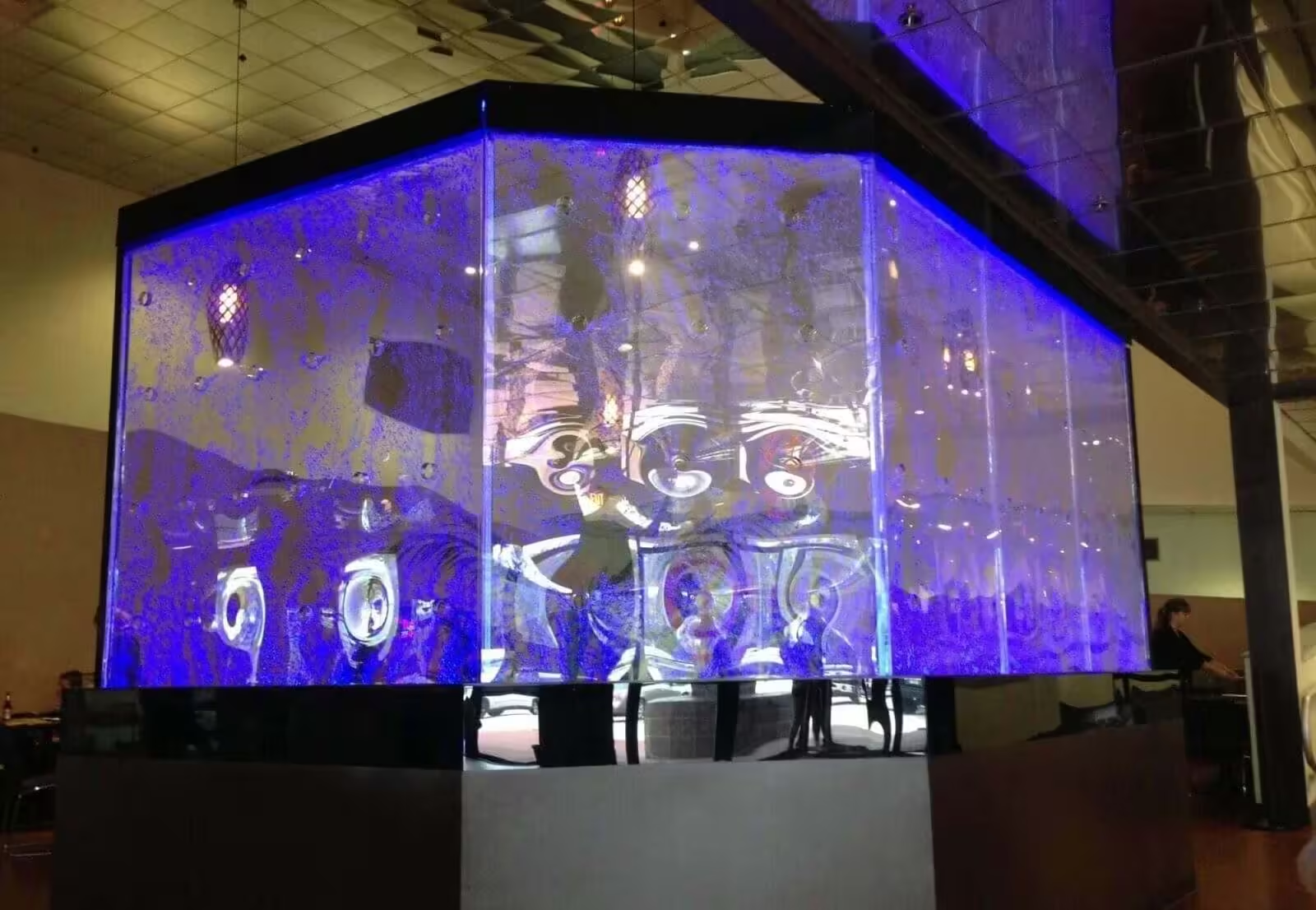
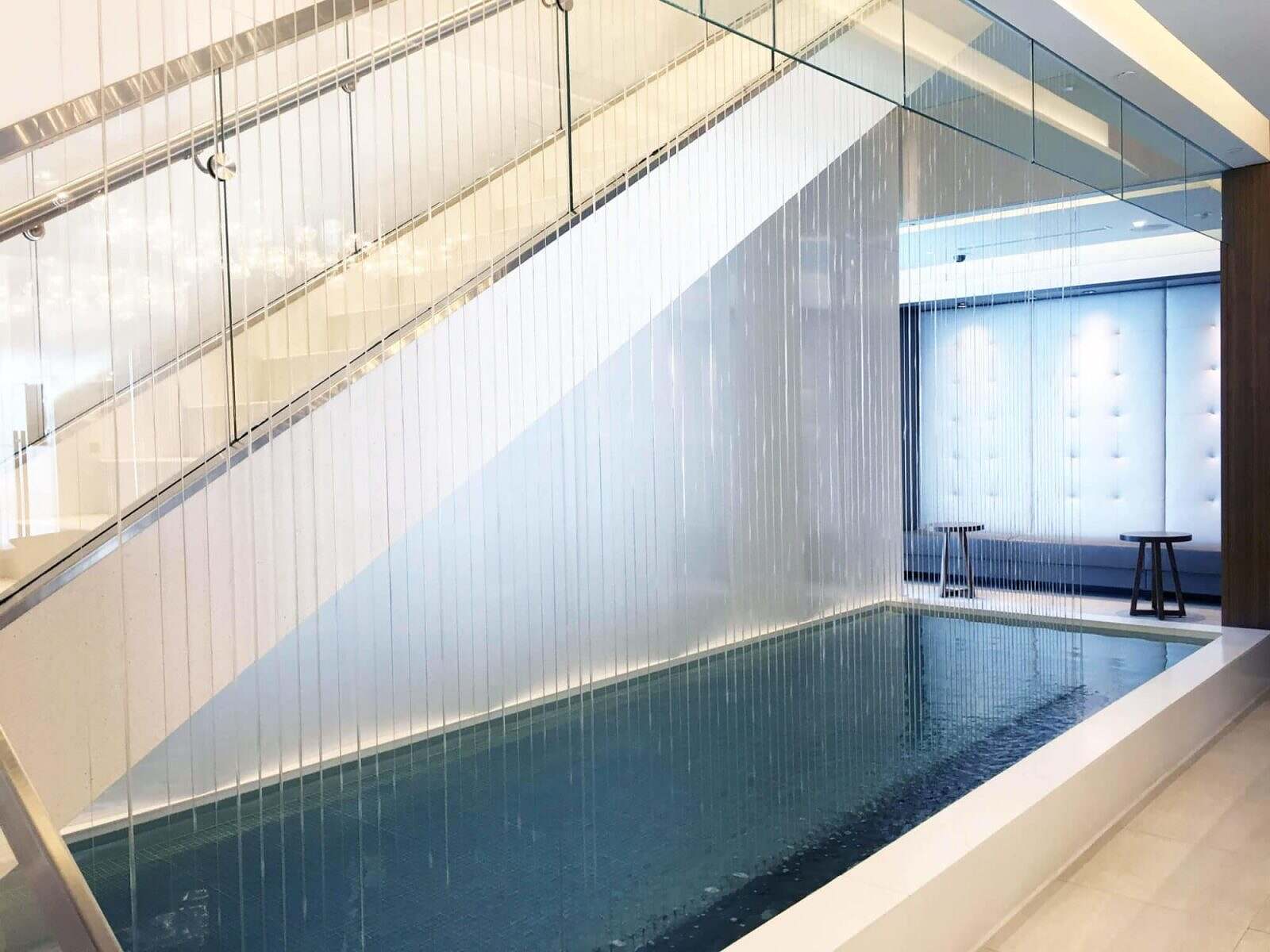
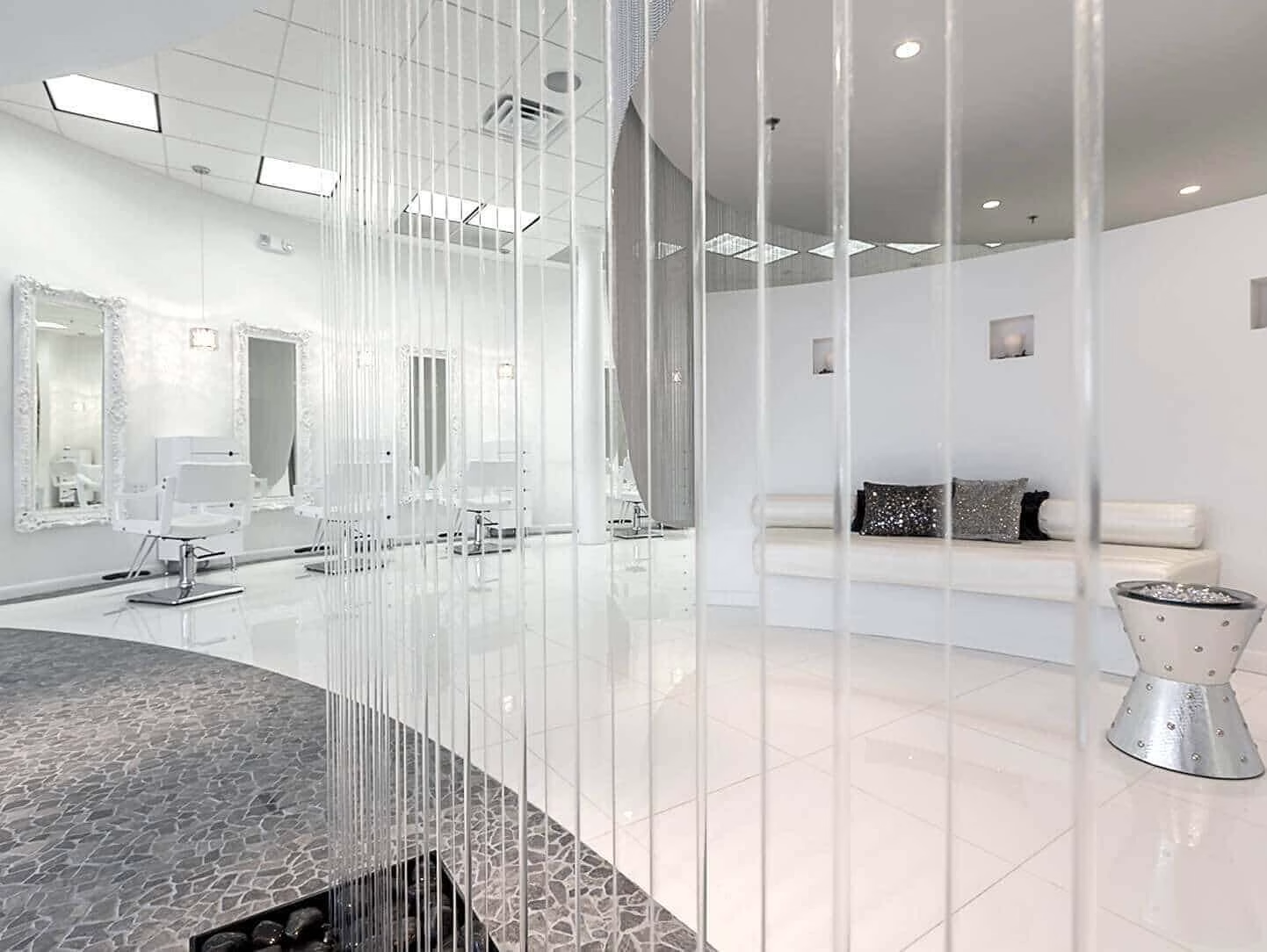
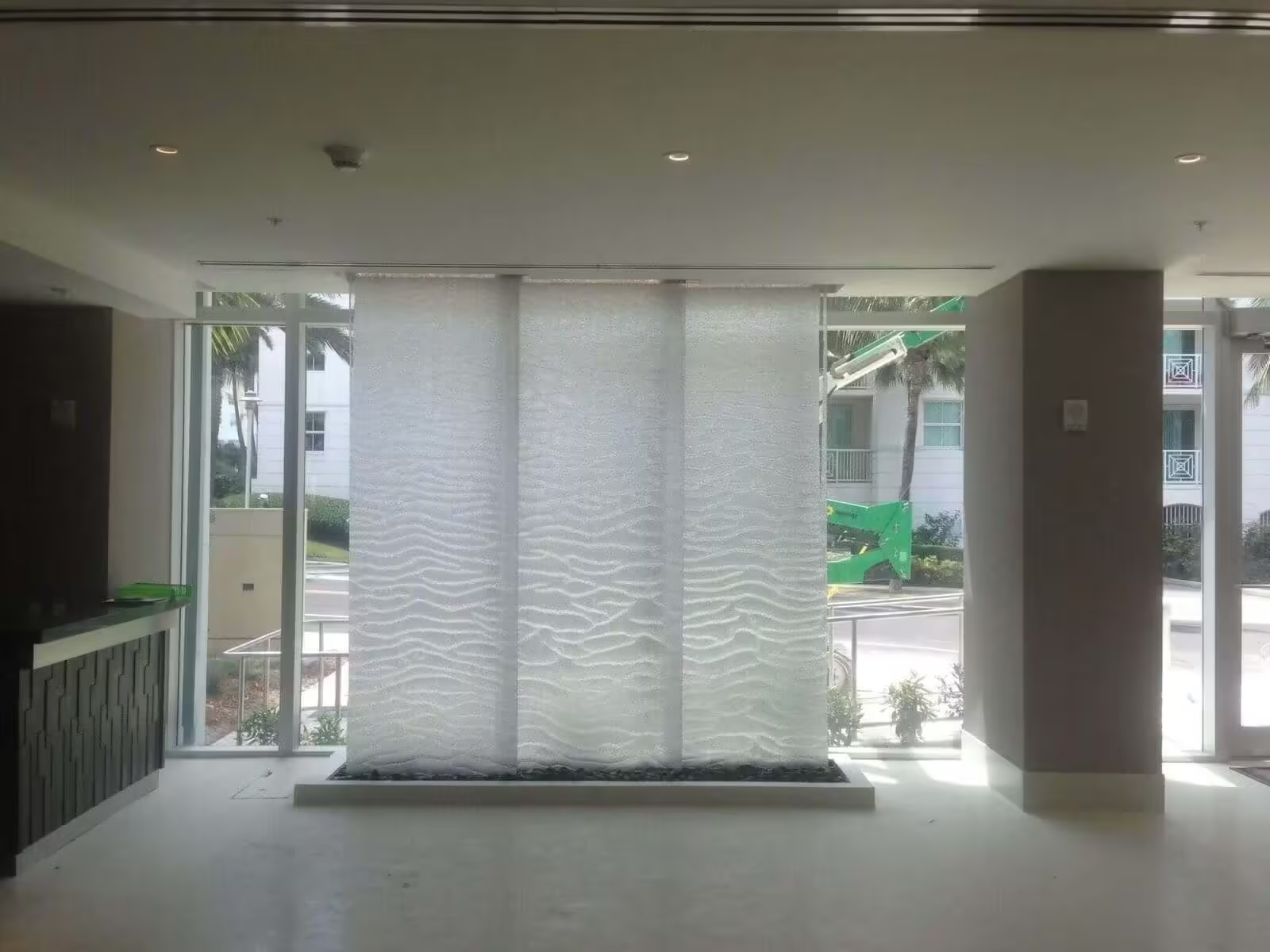
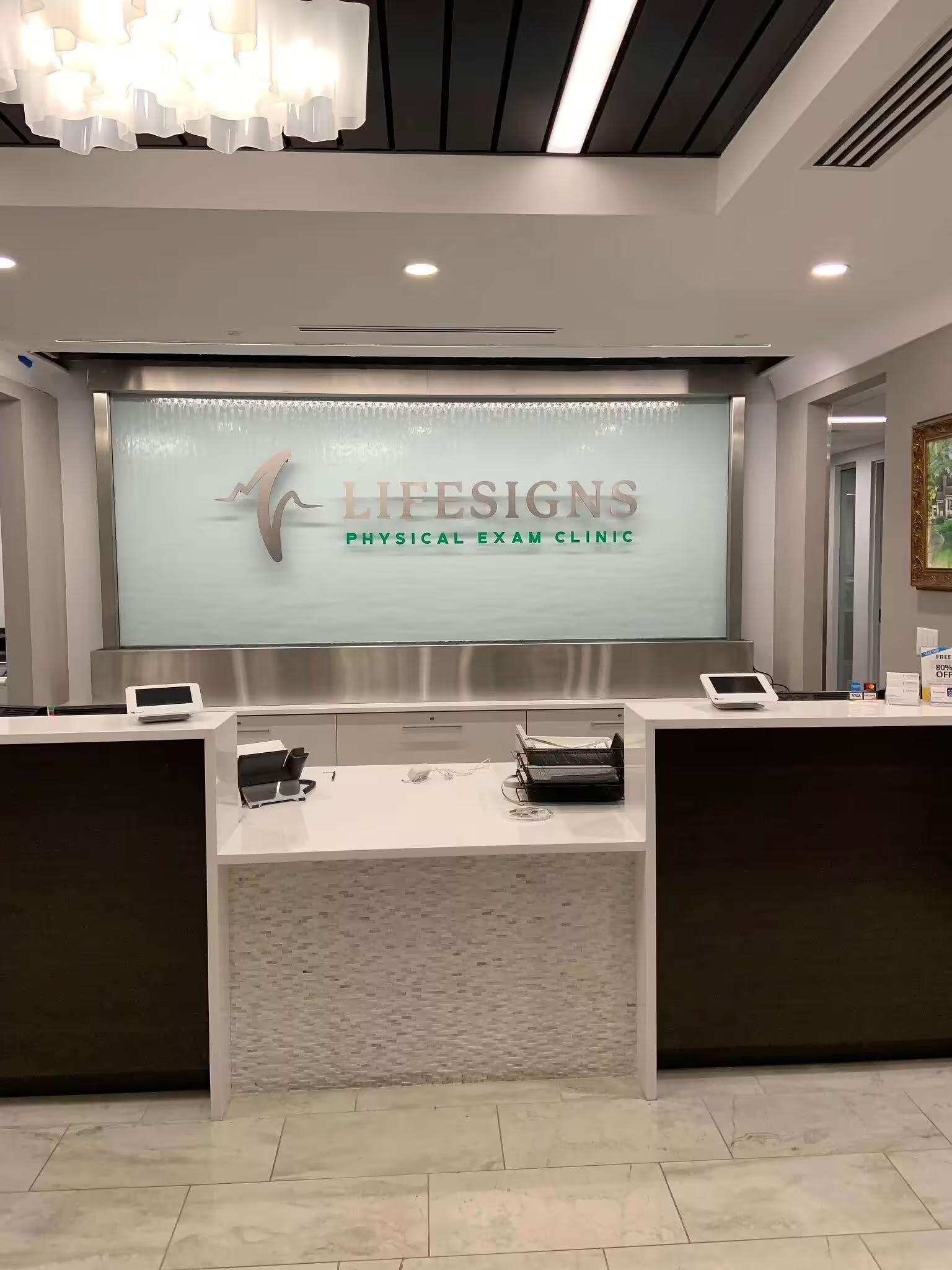
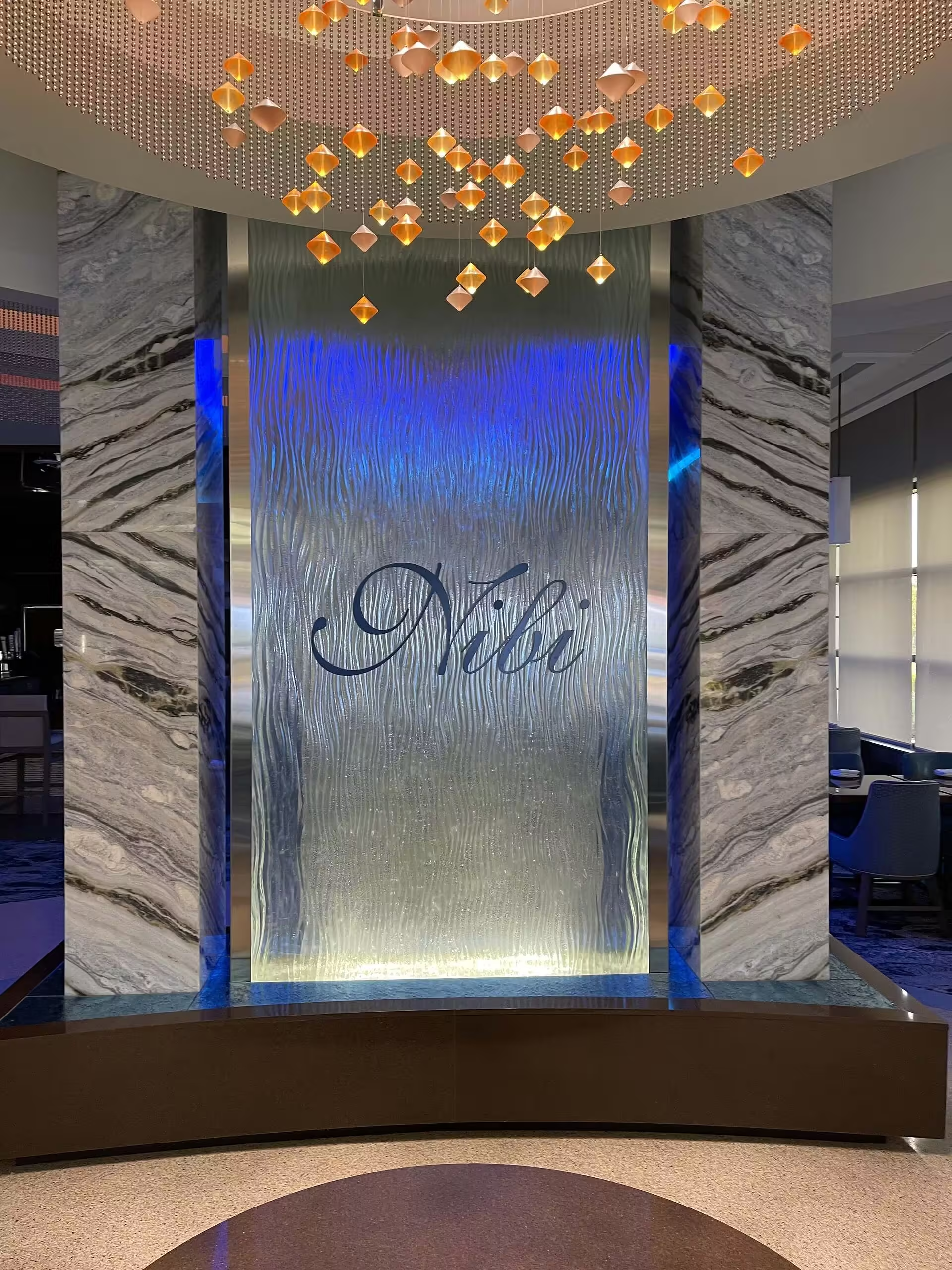
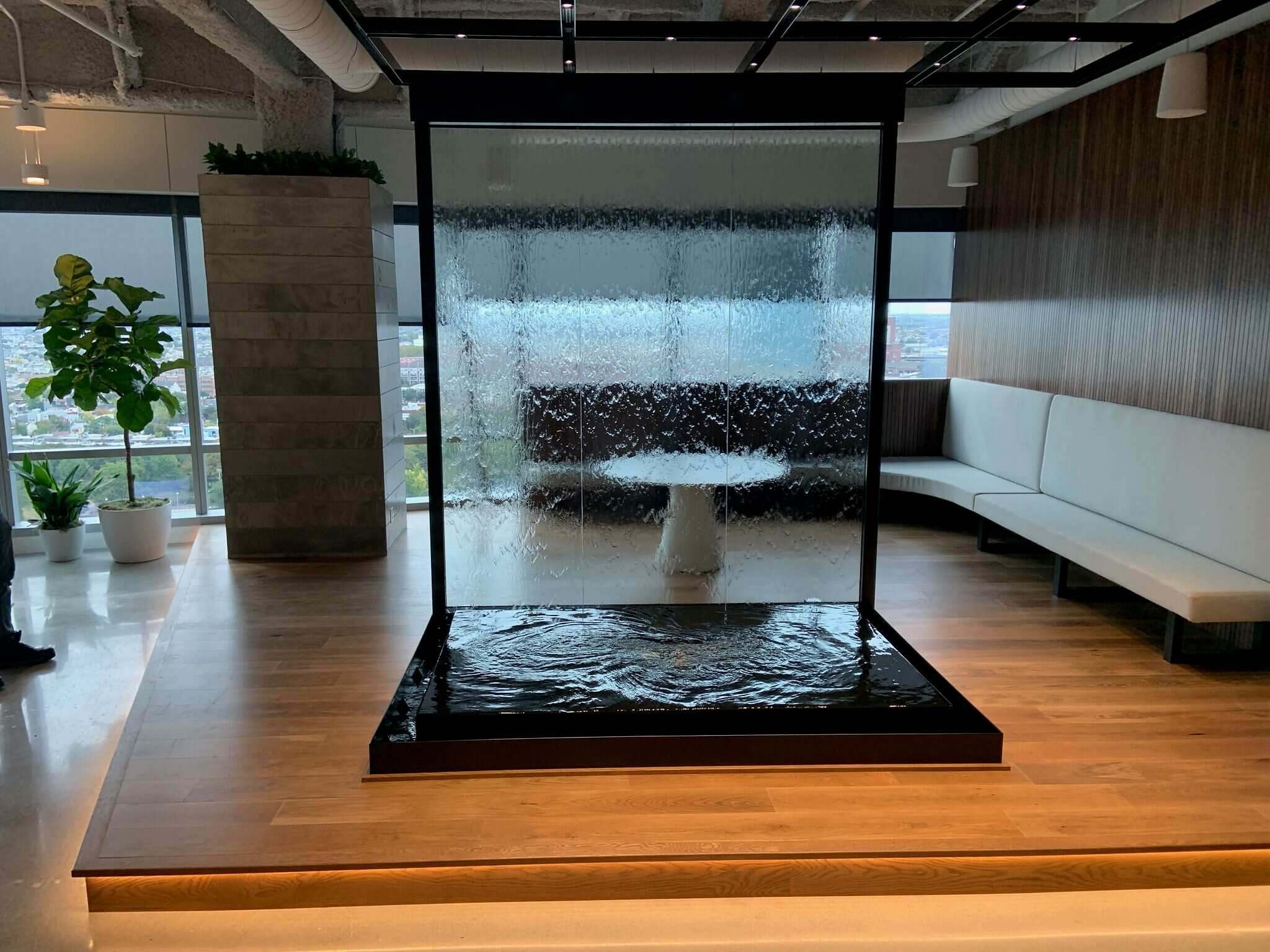
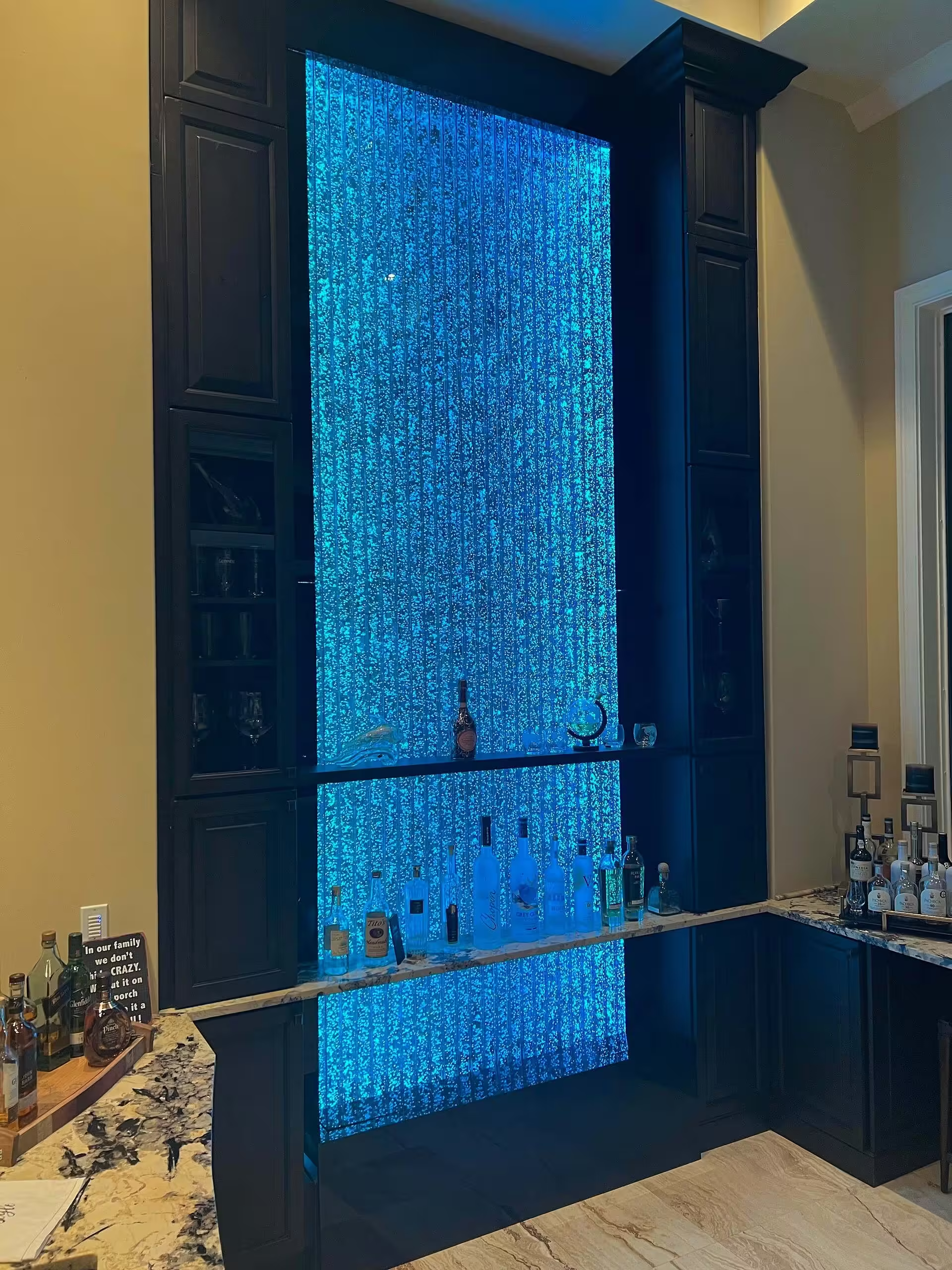
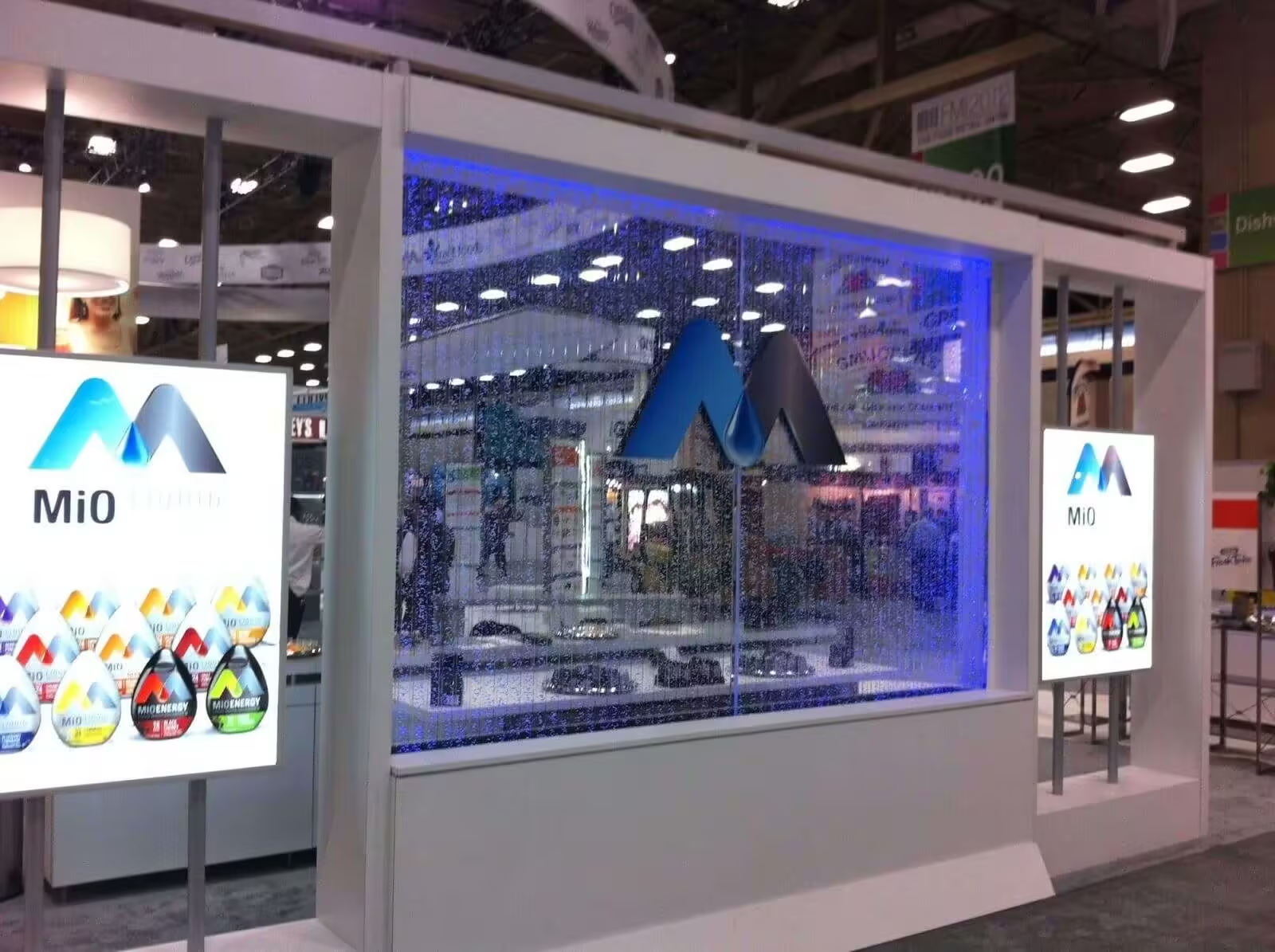
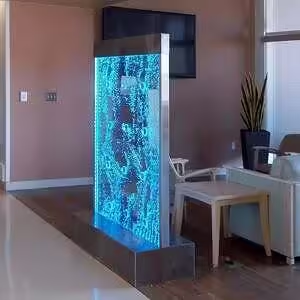
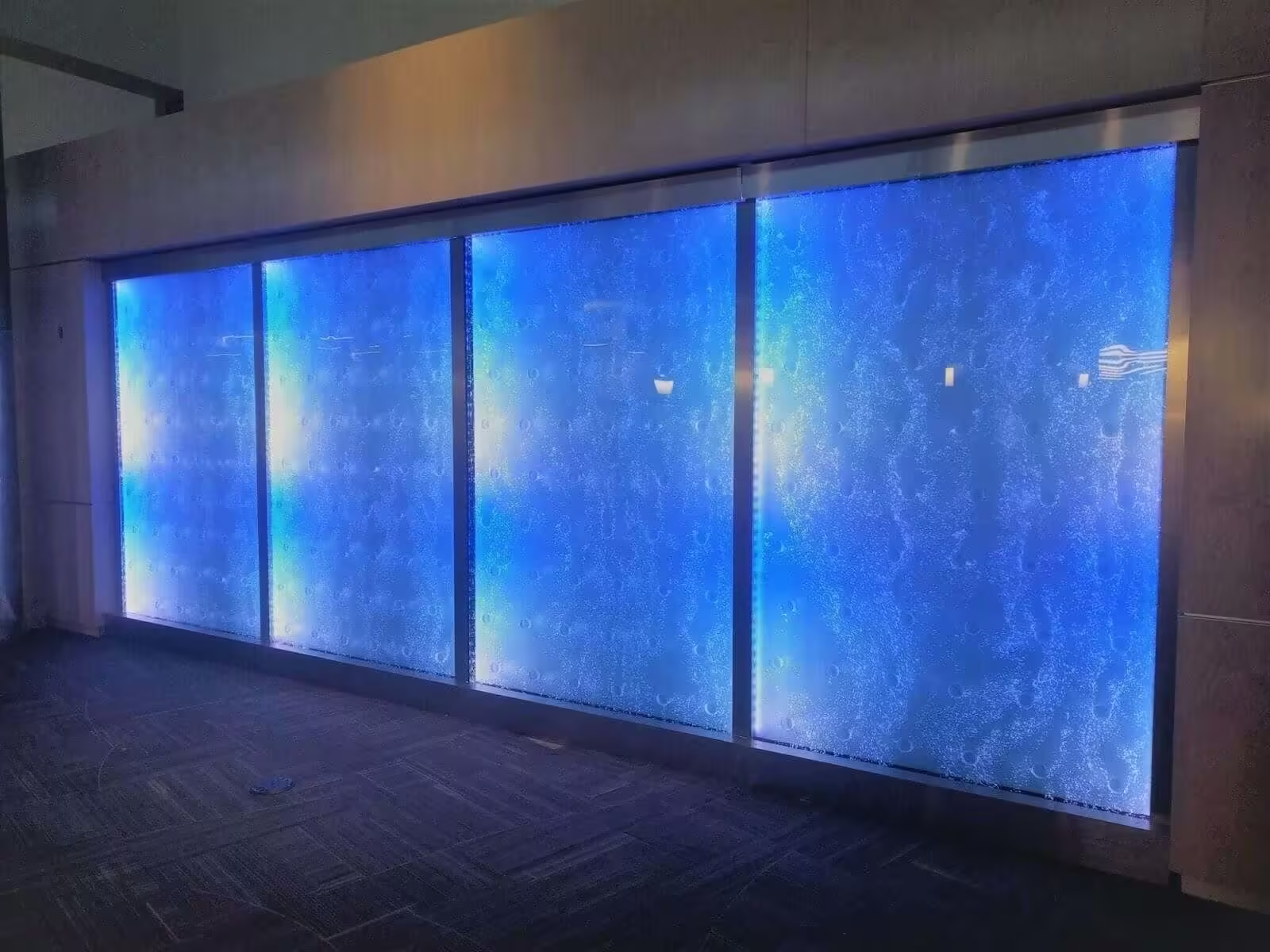
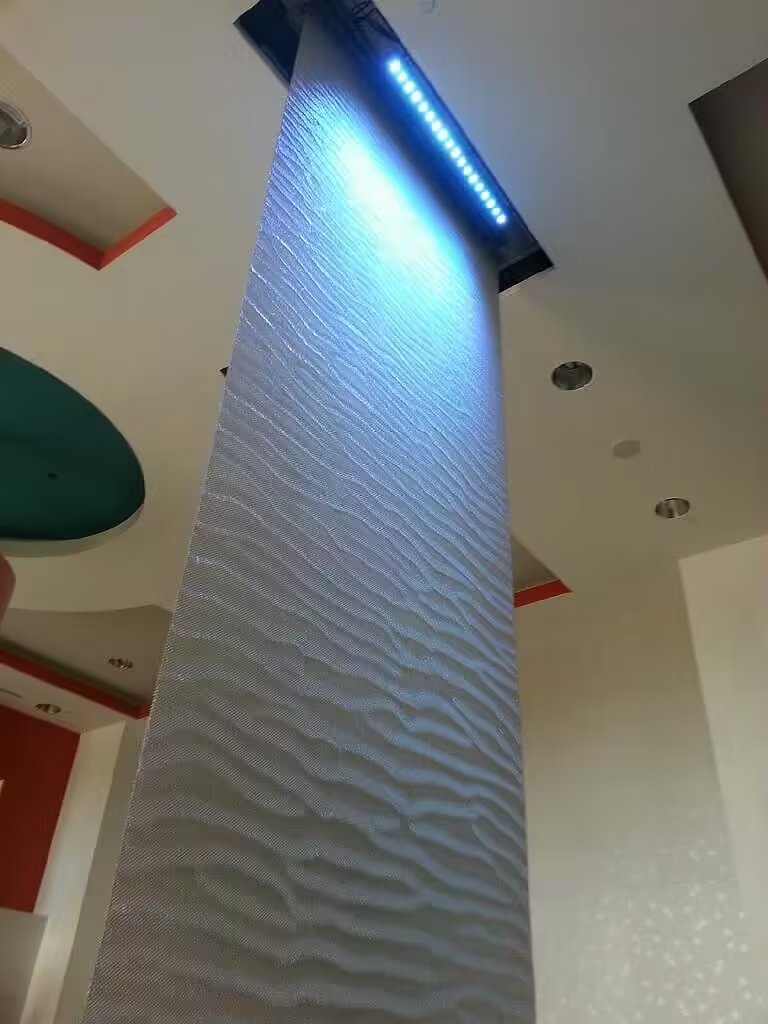
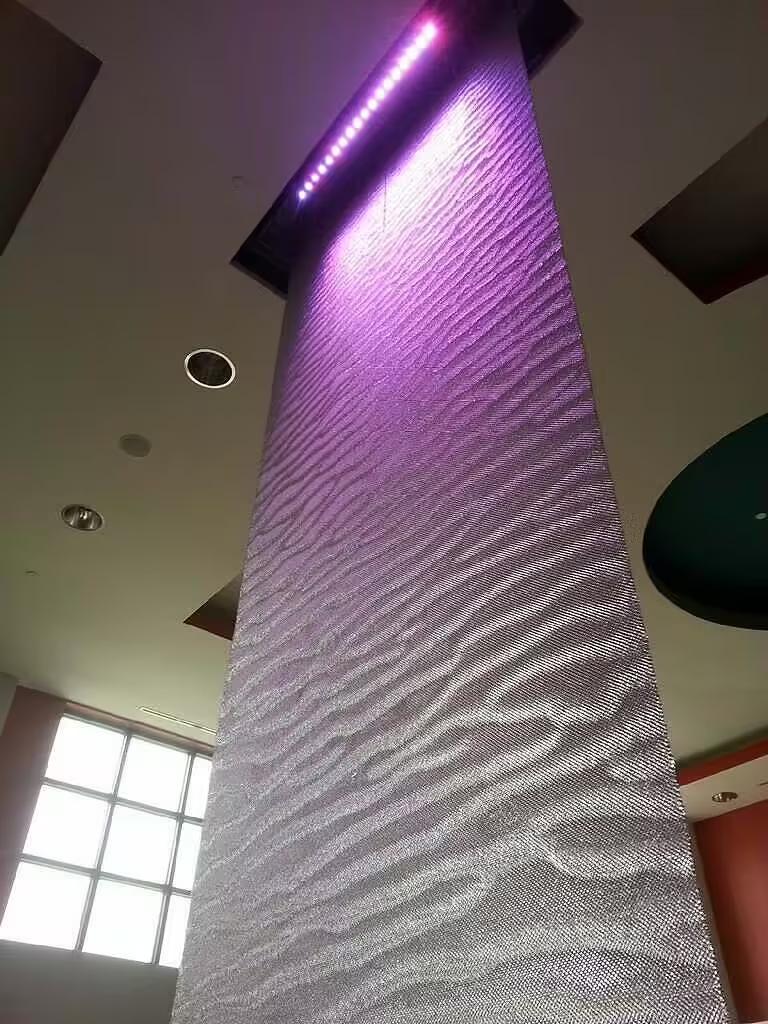
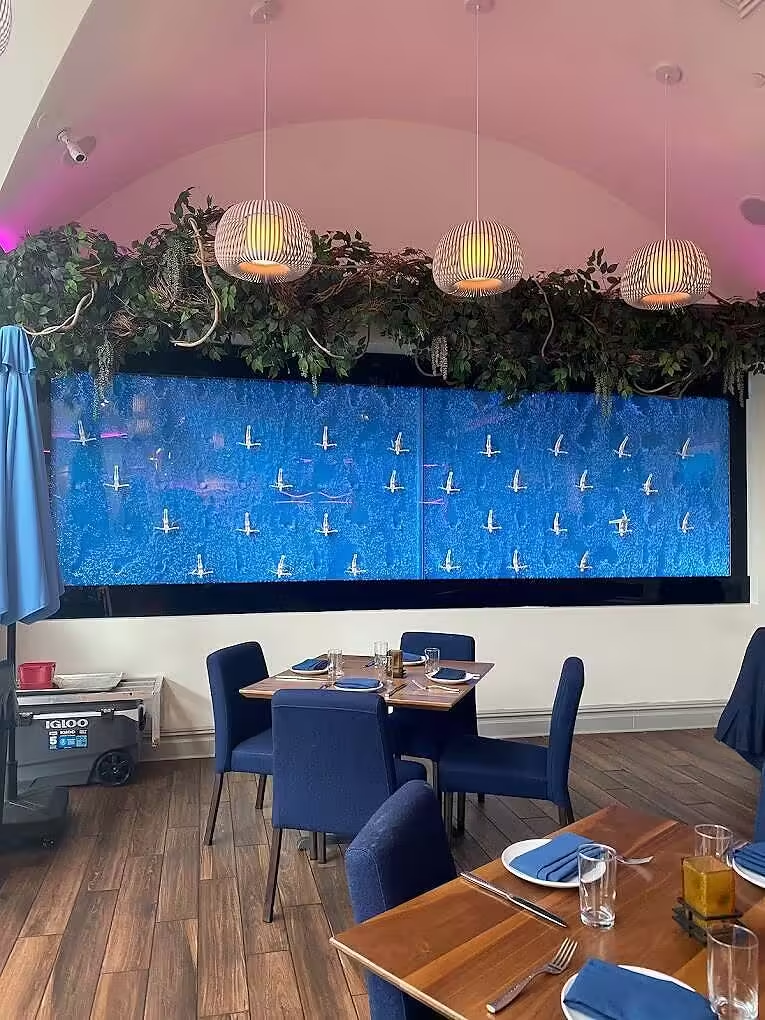
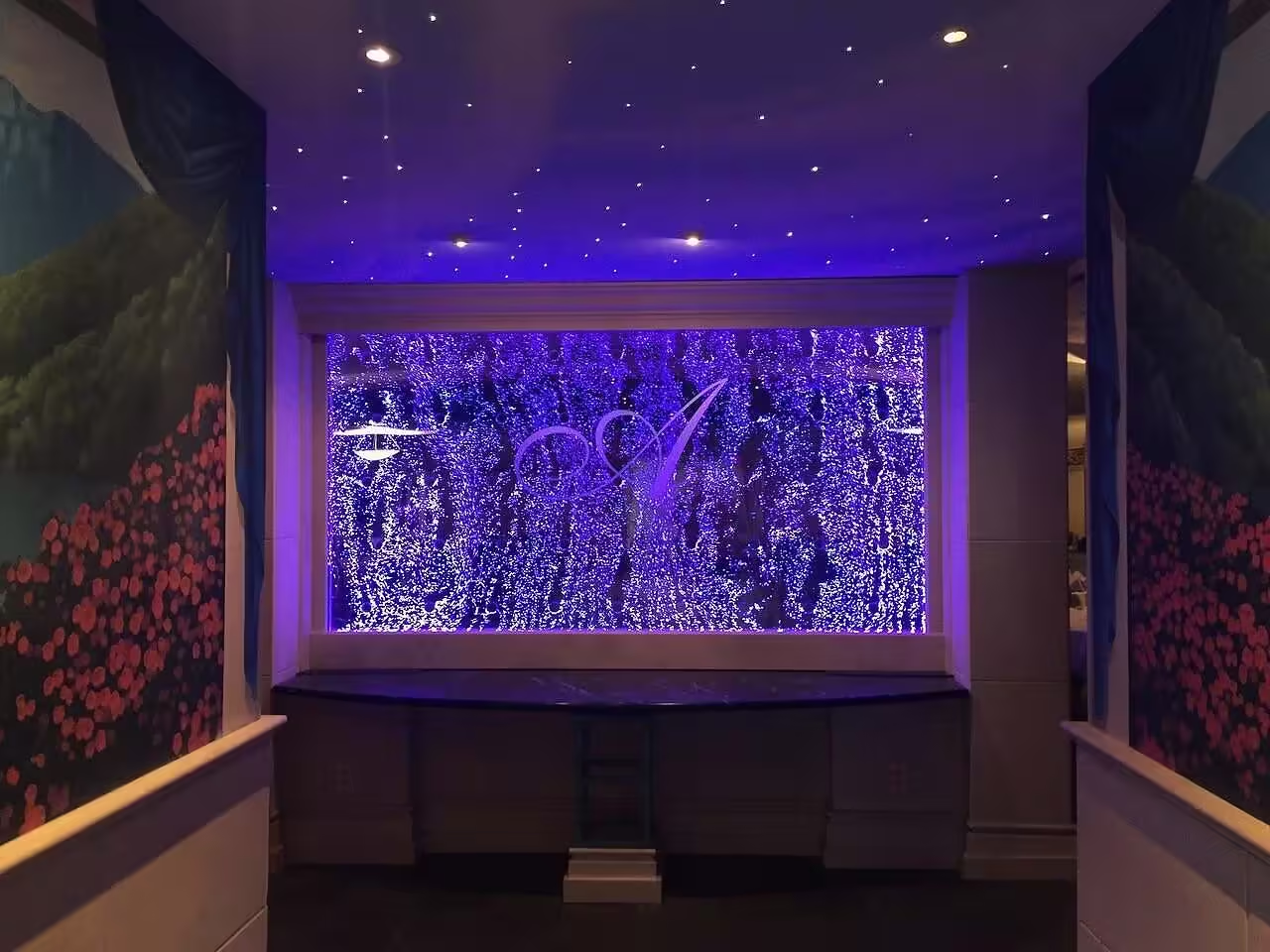
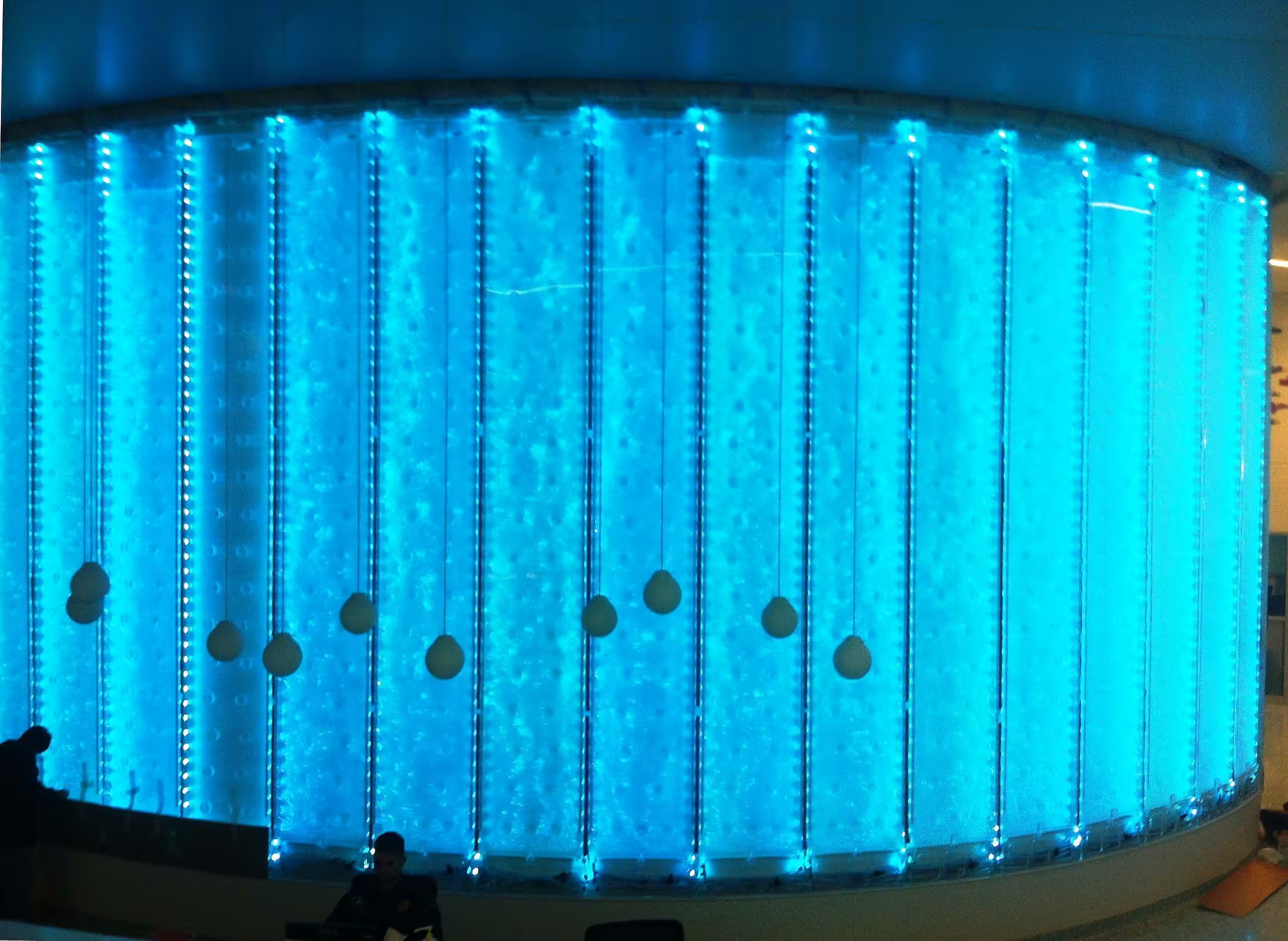
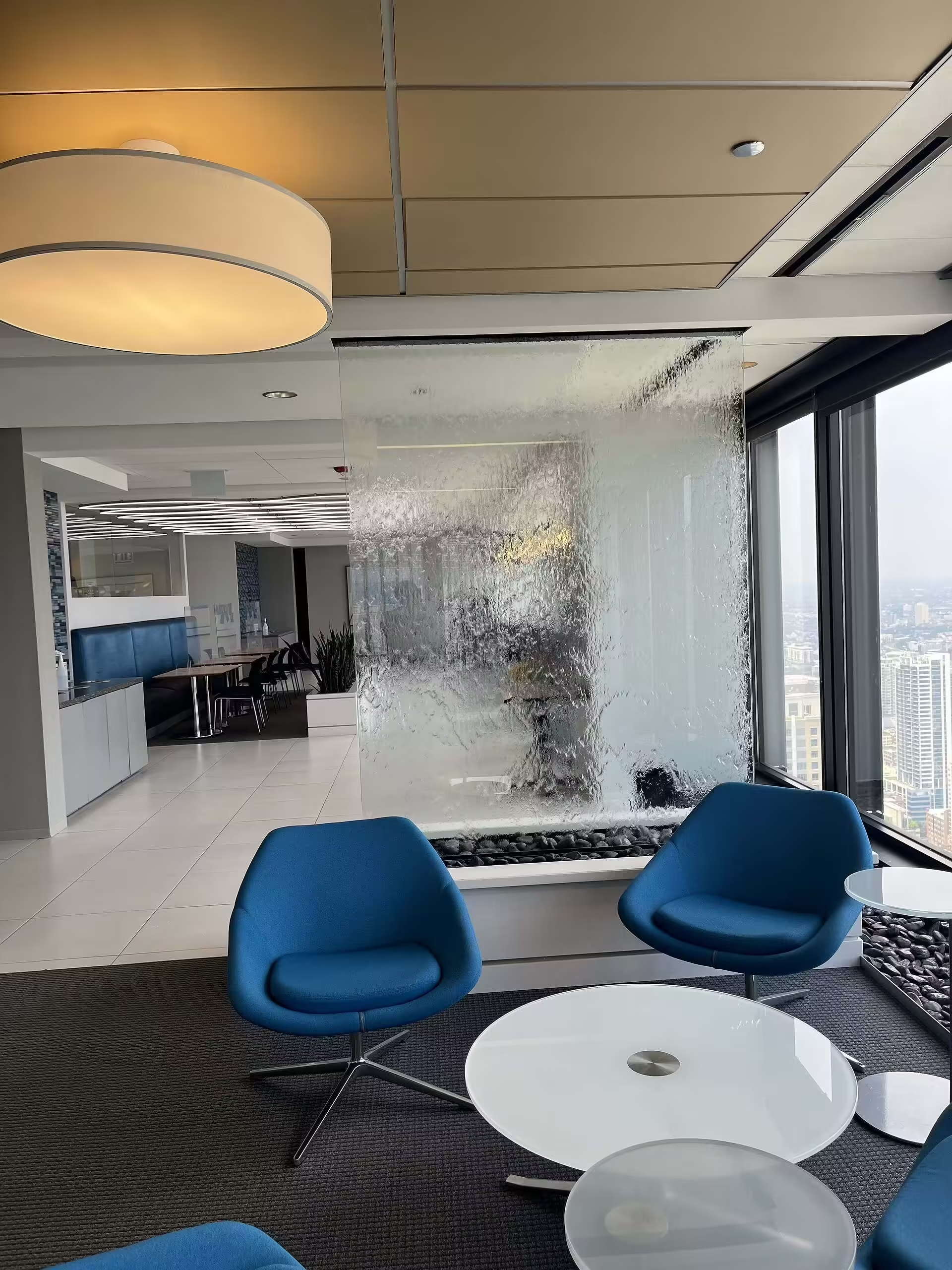
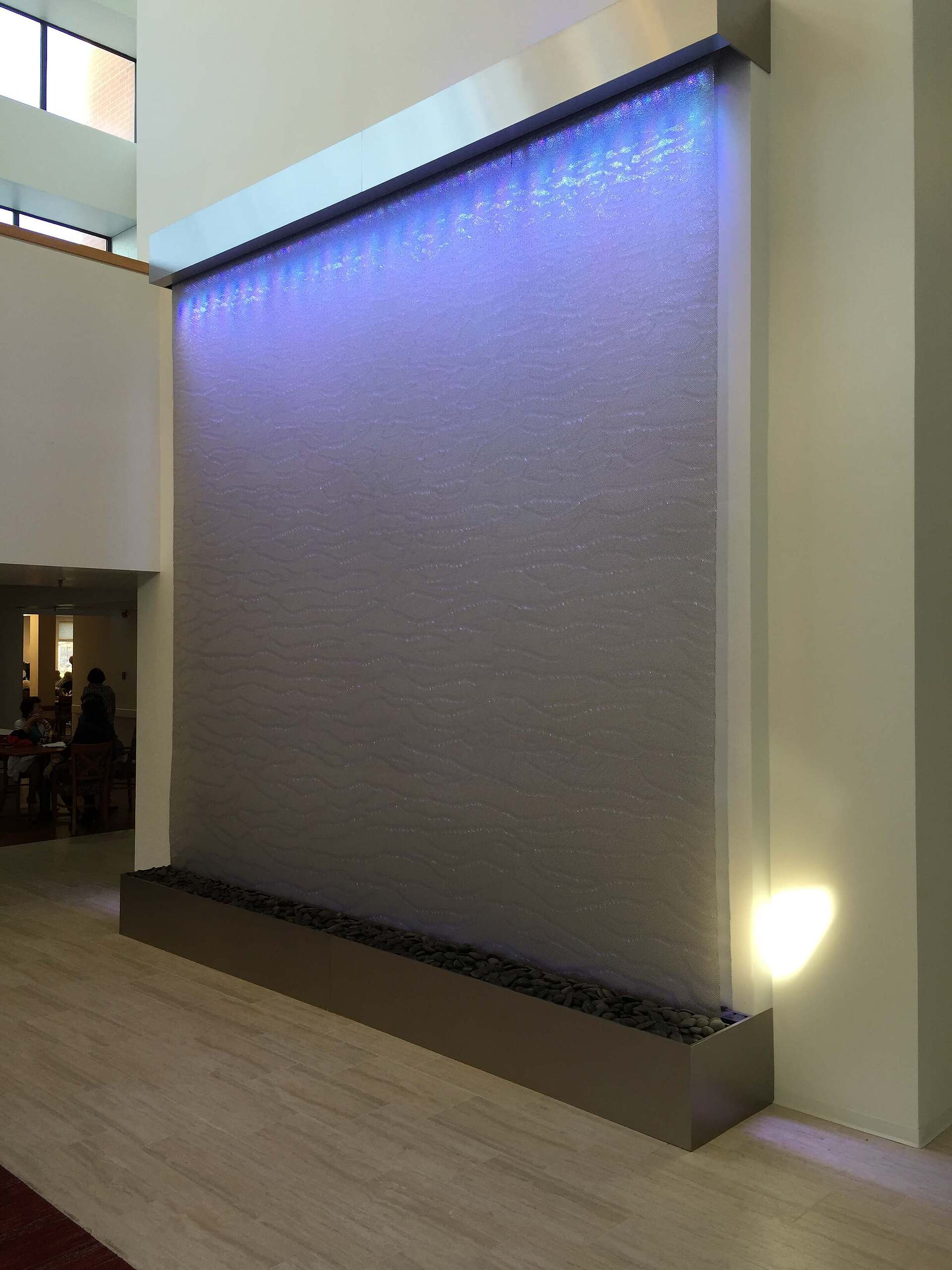
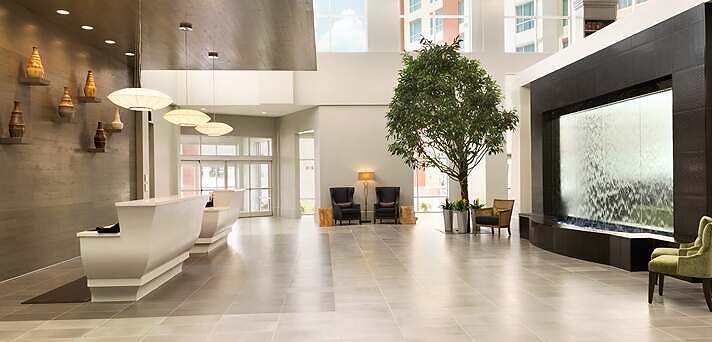
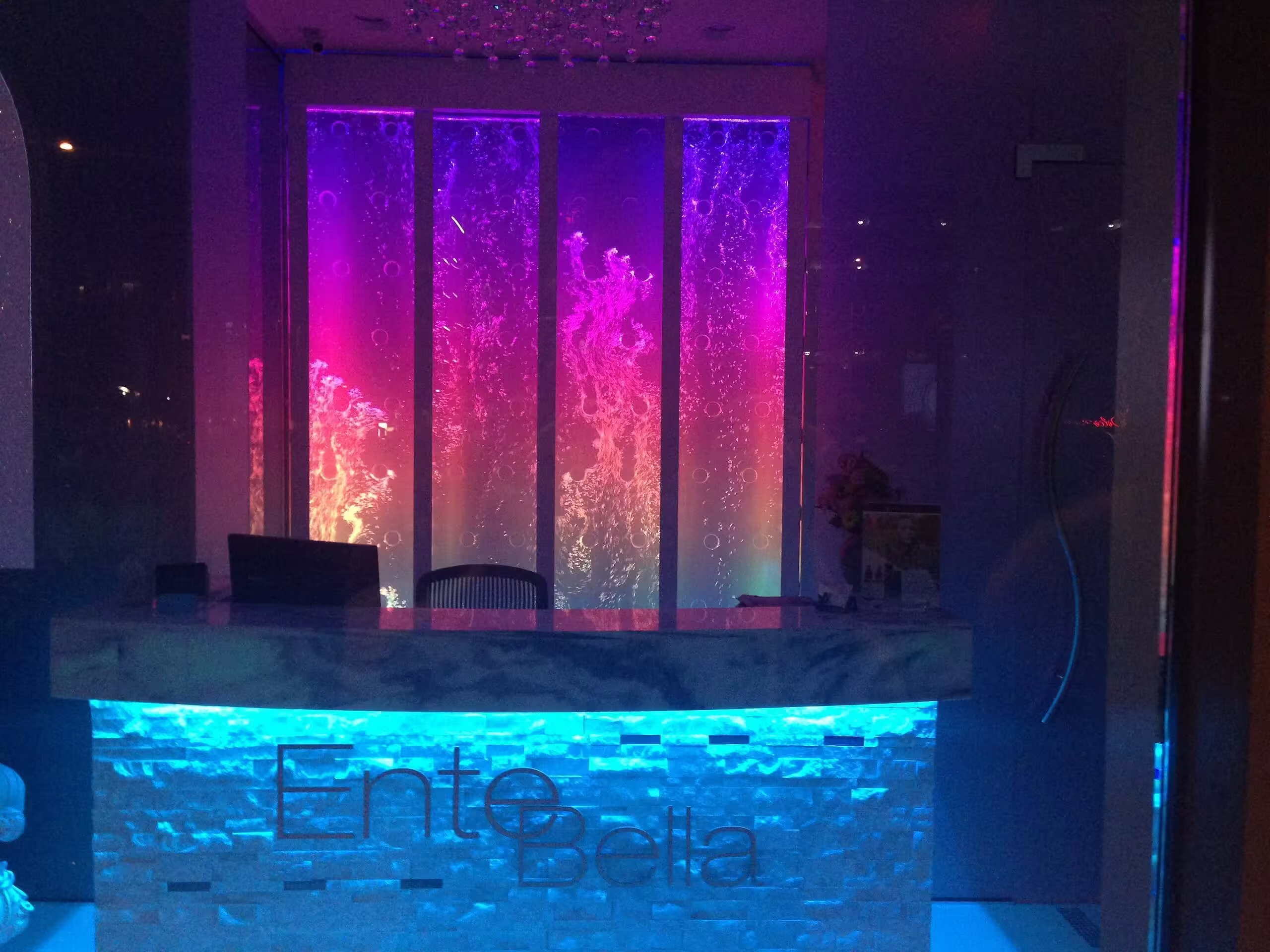
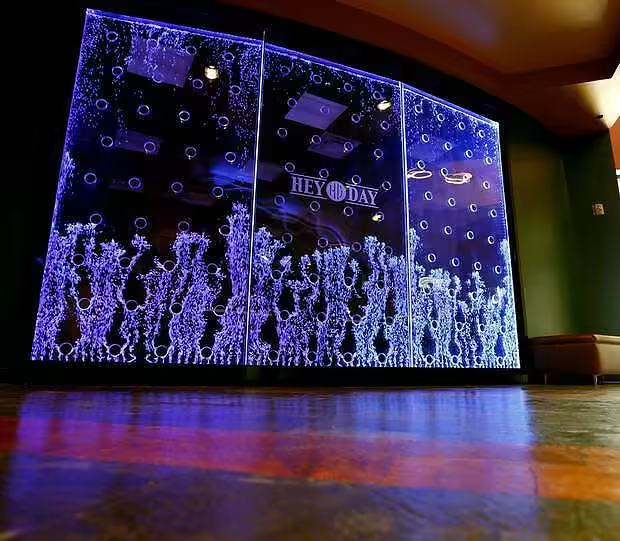
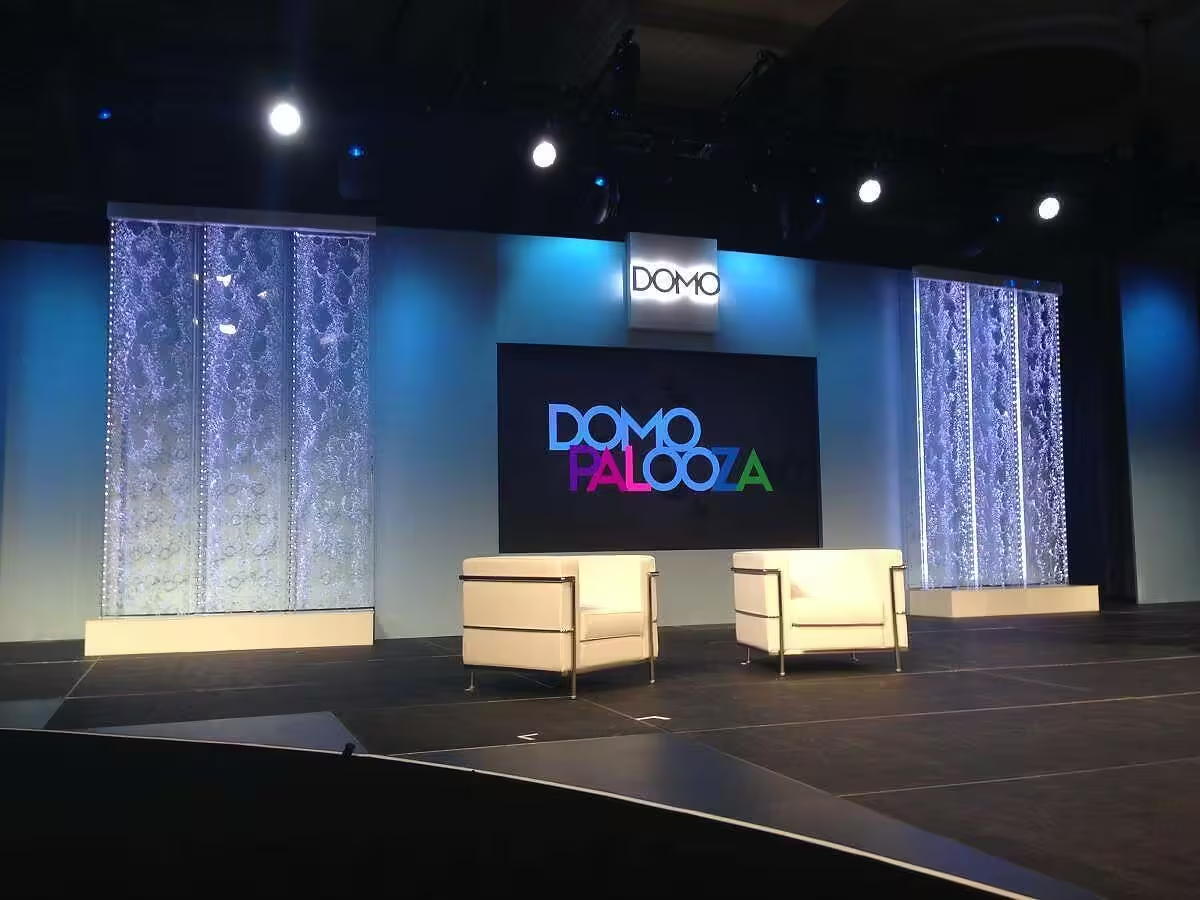
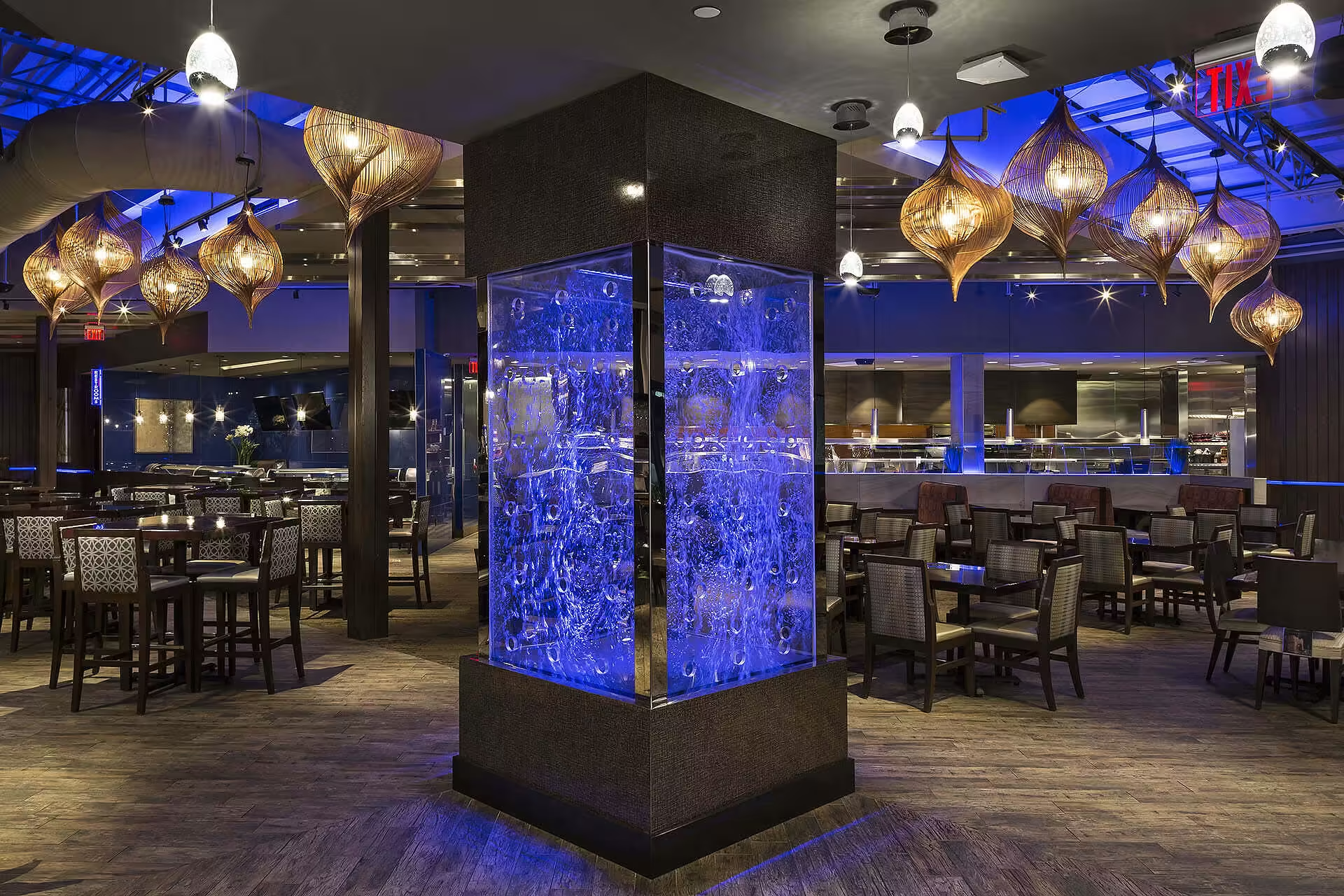
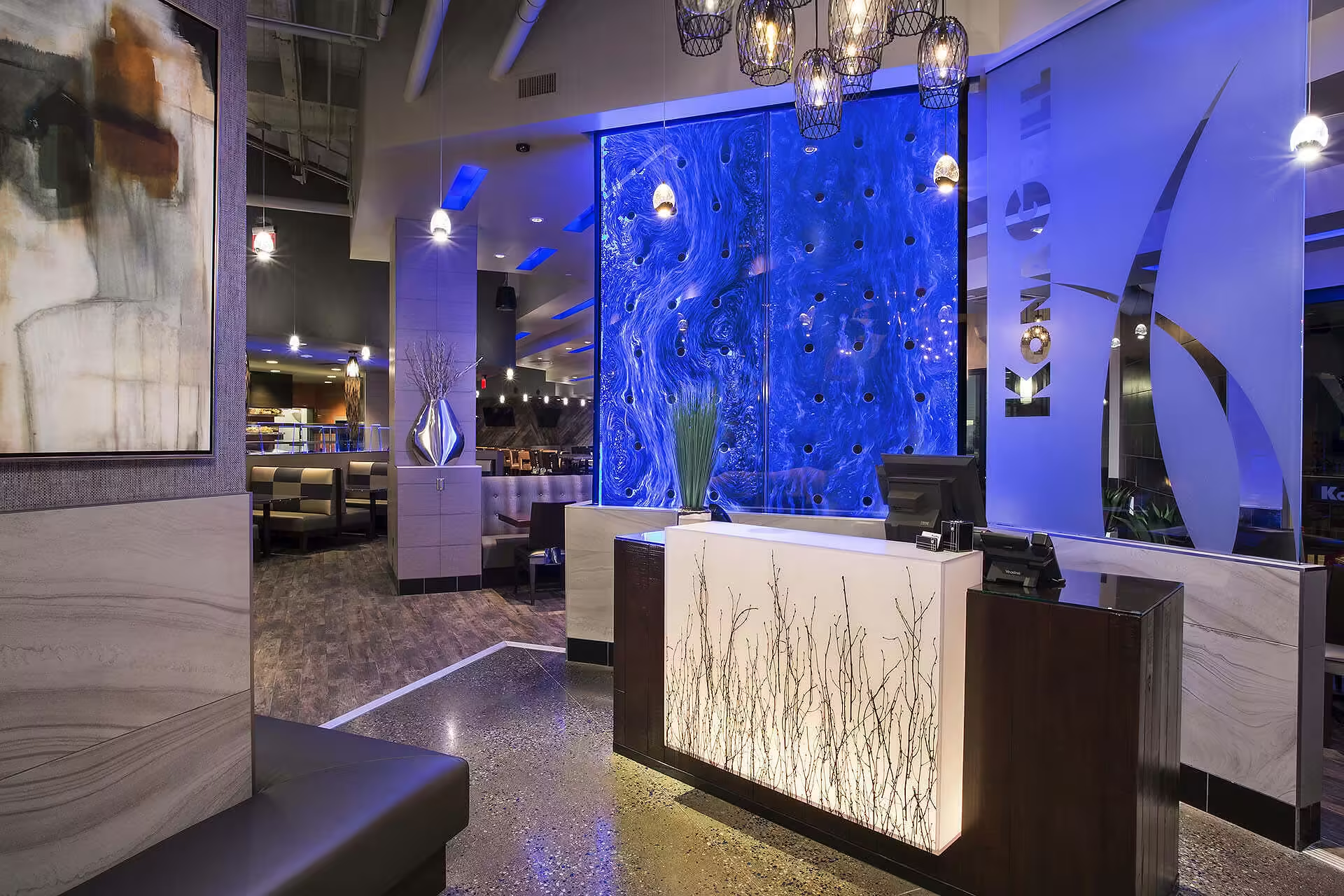
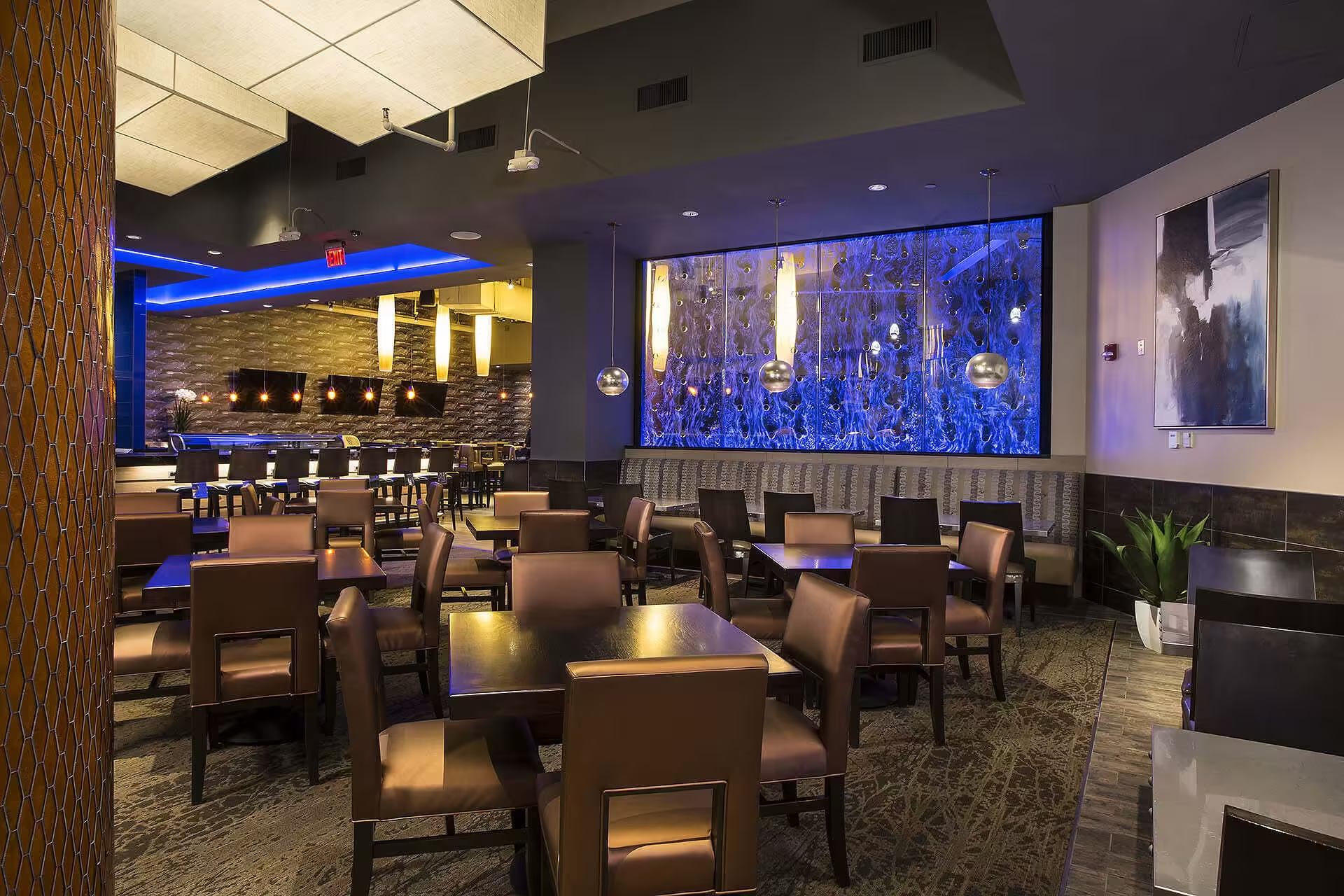
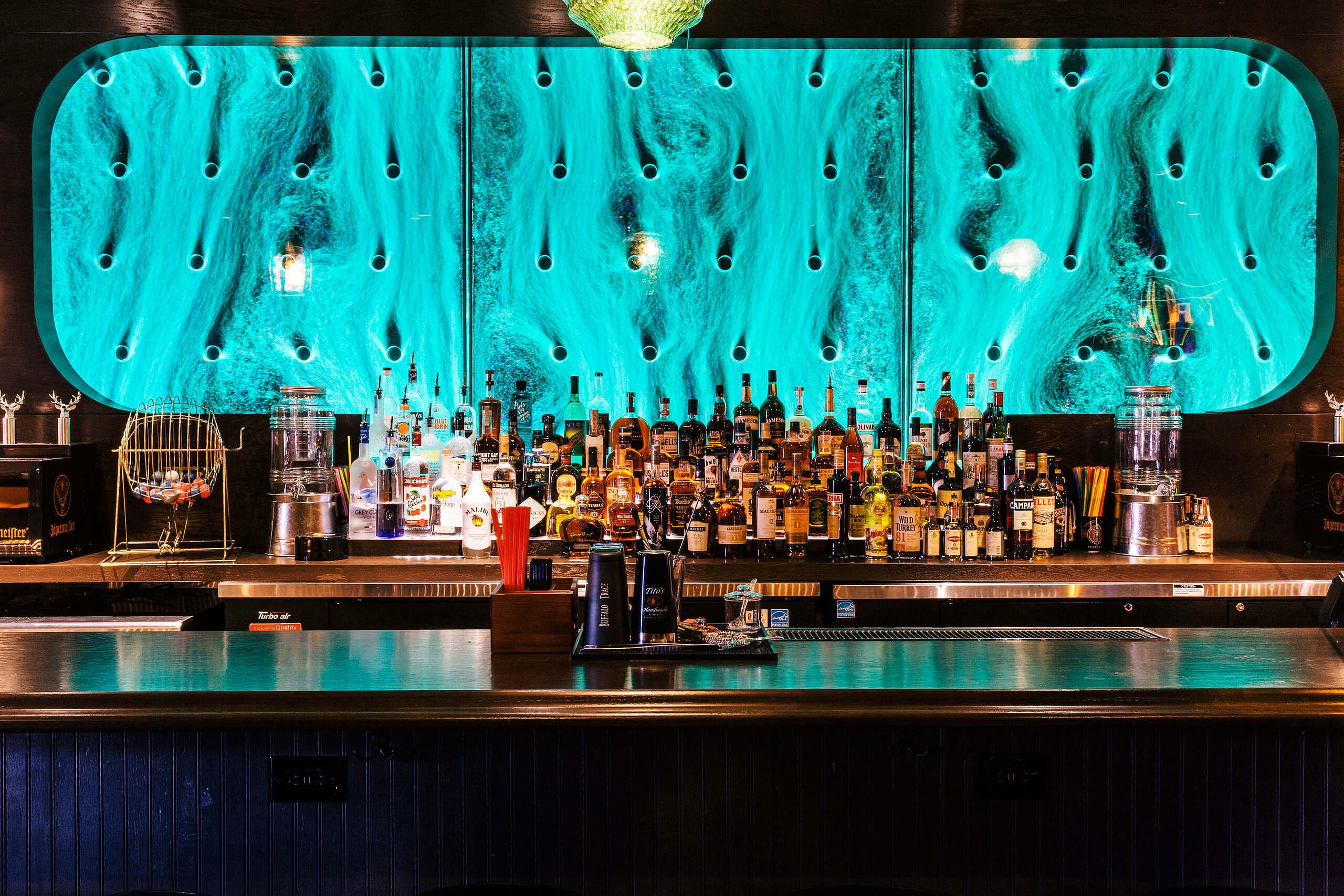
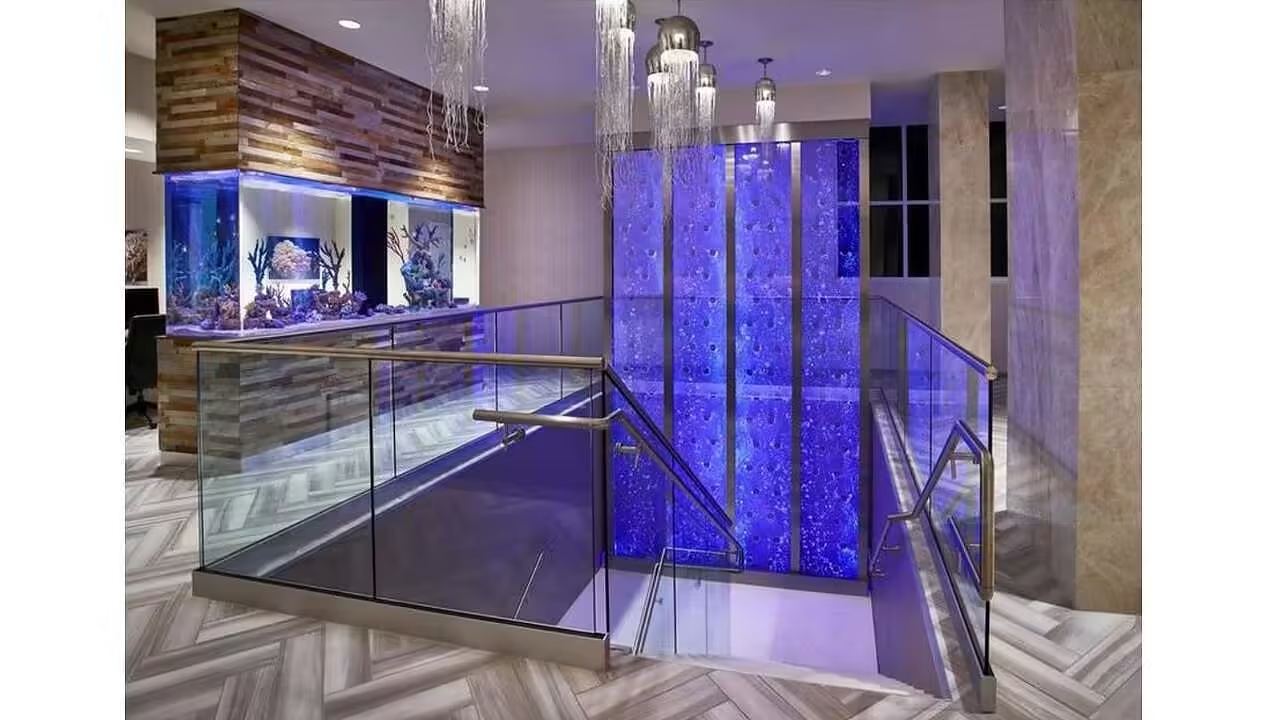
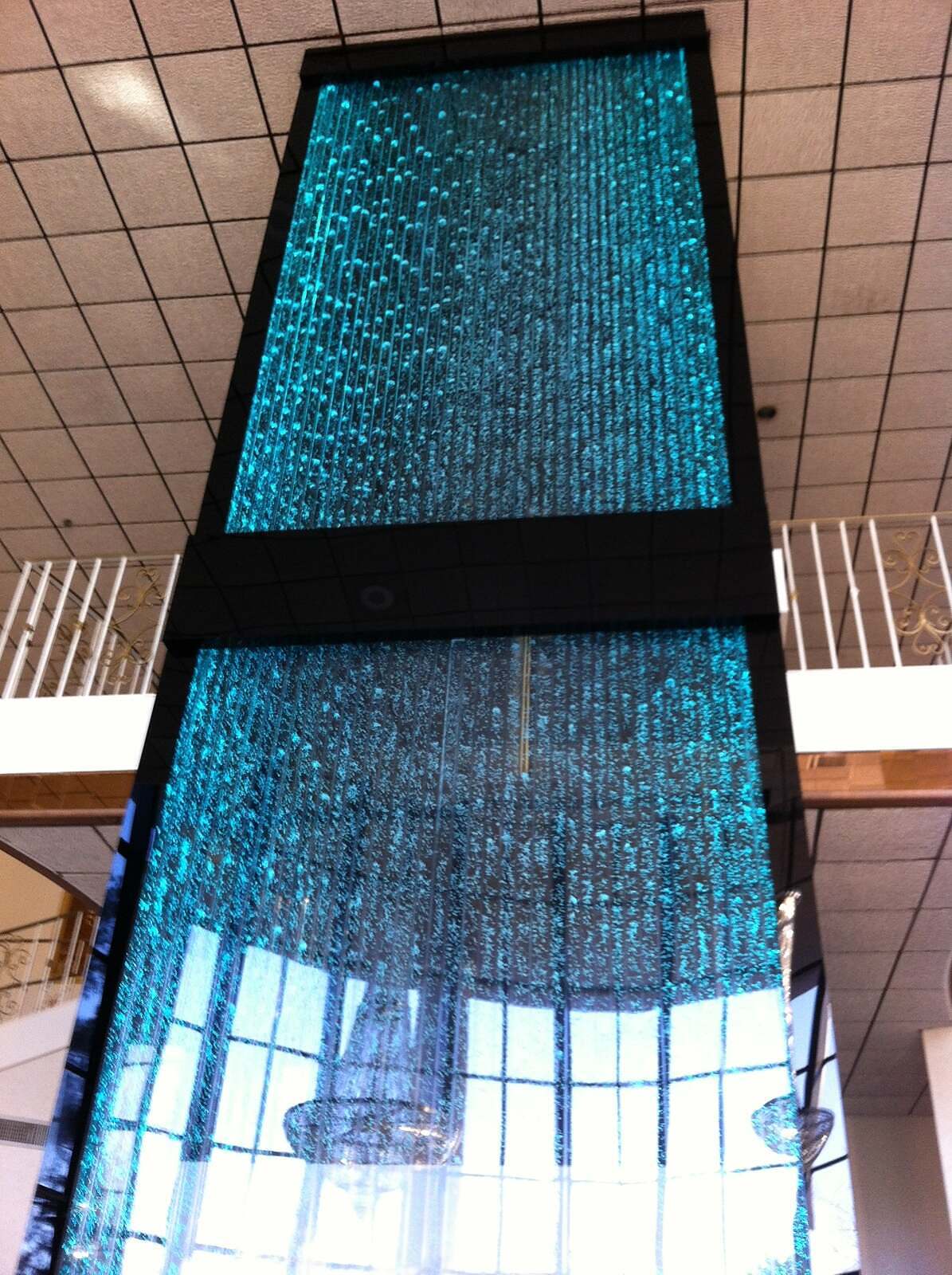
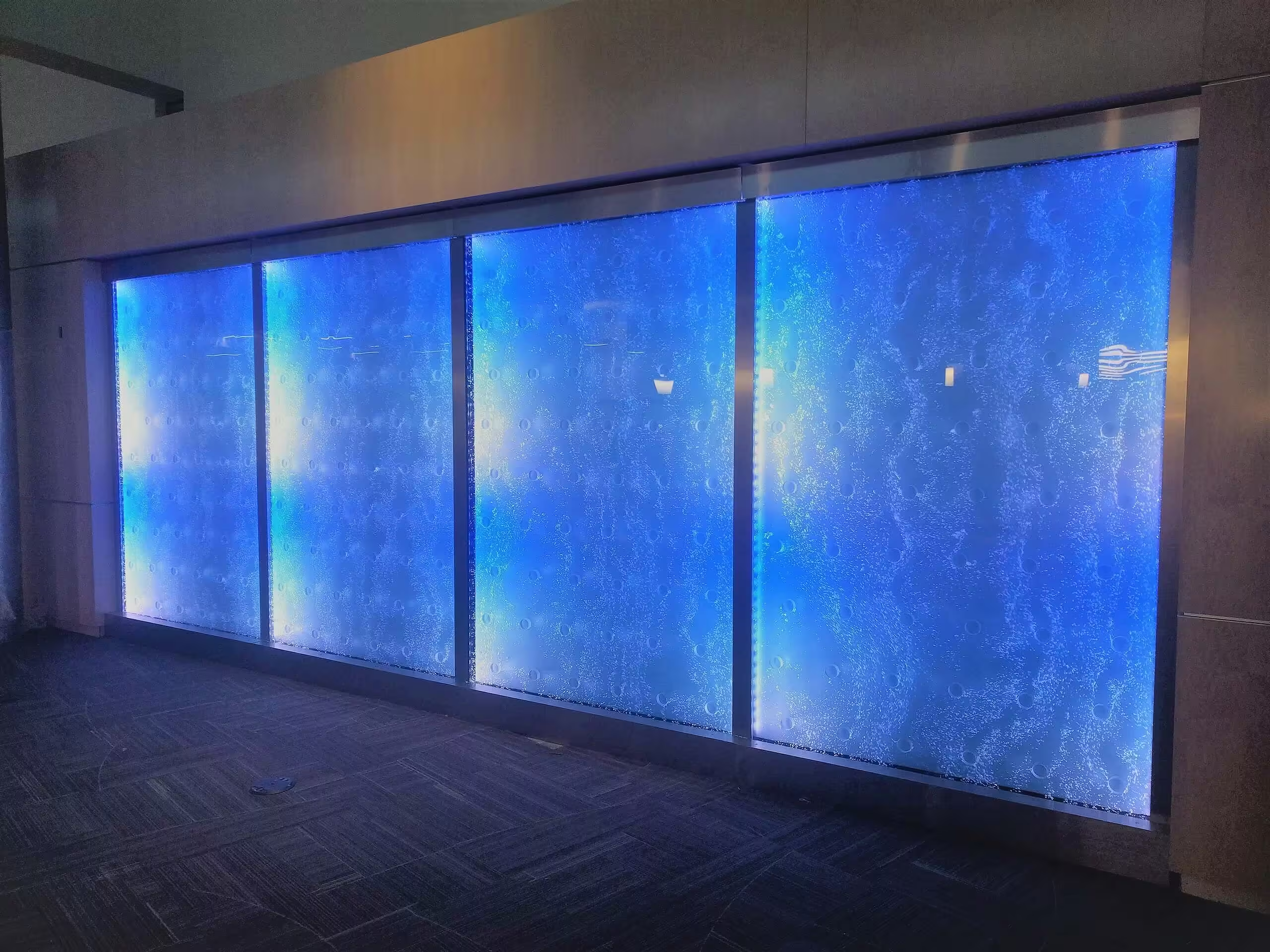
An indoor glass waterfall depends on clarity, alignment, lighting, and water control. Glass shows every detail. Uneven flow, poor lighting placement, mineral buildup, or incorrect pump sizing becomes visible quickly.
Custom planning addresses those issues early. The glass type, edge treatment, water distribution system, lighting position, basin design, and filtration access all affect the finished result. For commercial spaces, this planning also supports long-term maintenance because the system must operate reliably in high-traffic environments.
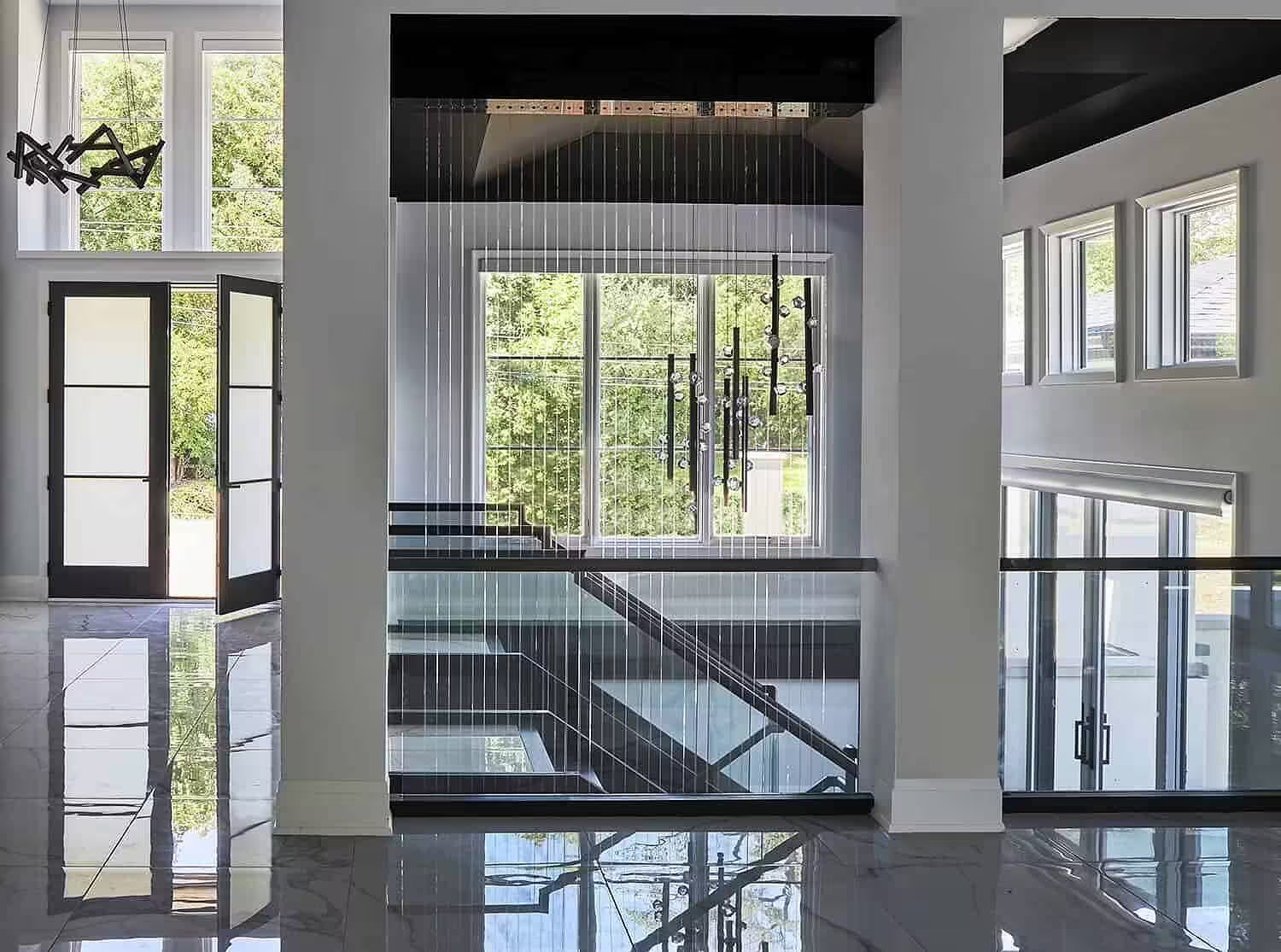
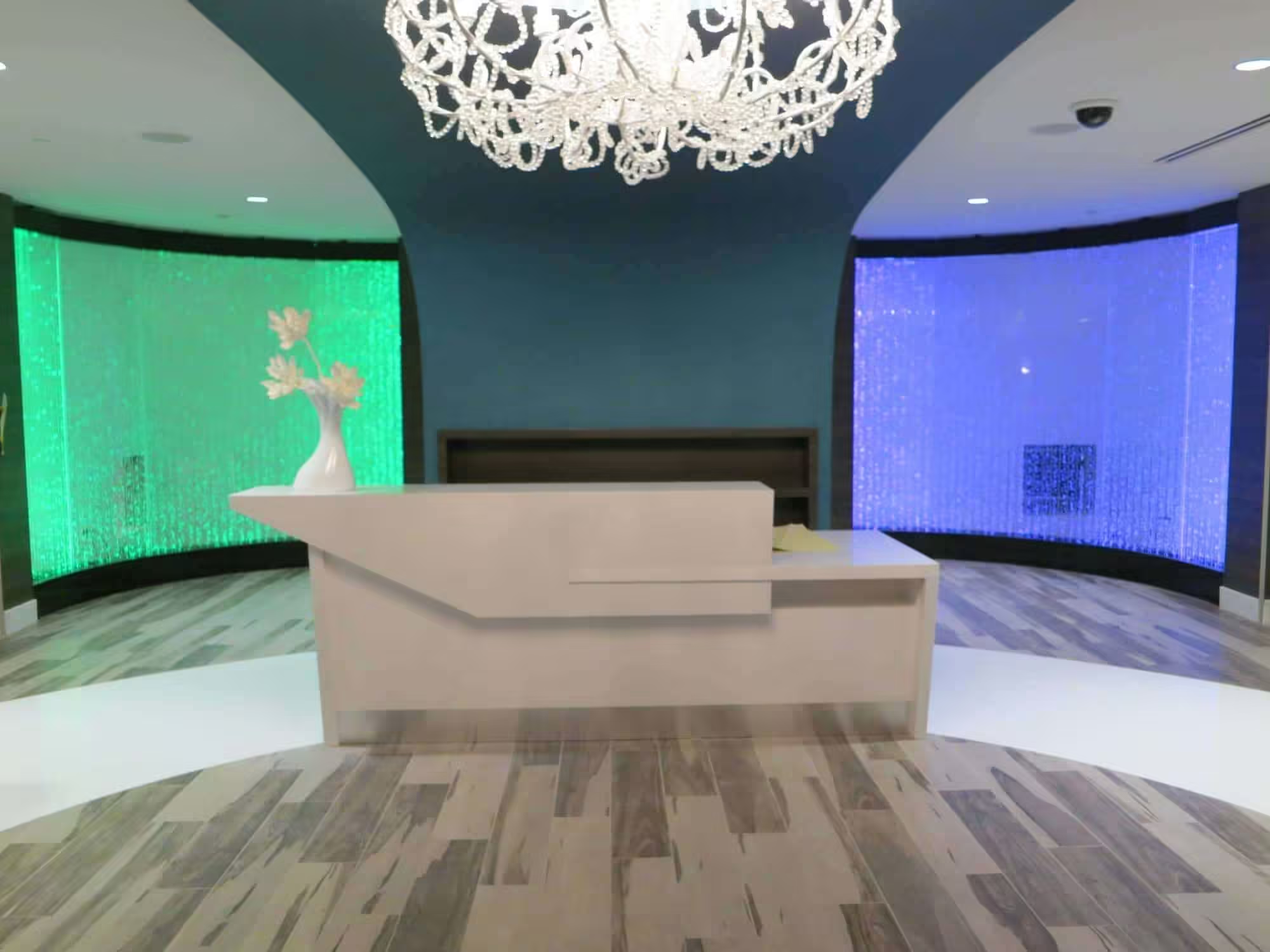
Indoor glass also works well when the surrounding design uses clean lines, reflective surfaces, metal accents, or open sight lines. The water adds controlled movement without adding visual weight.
Function Changes With Custom Design
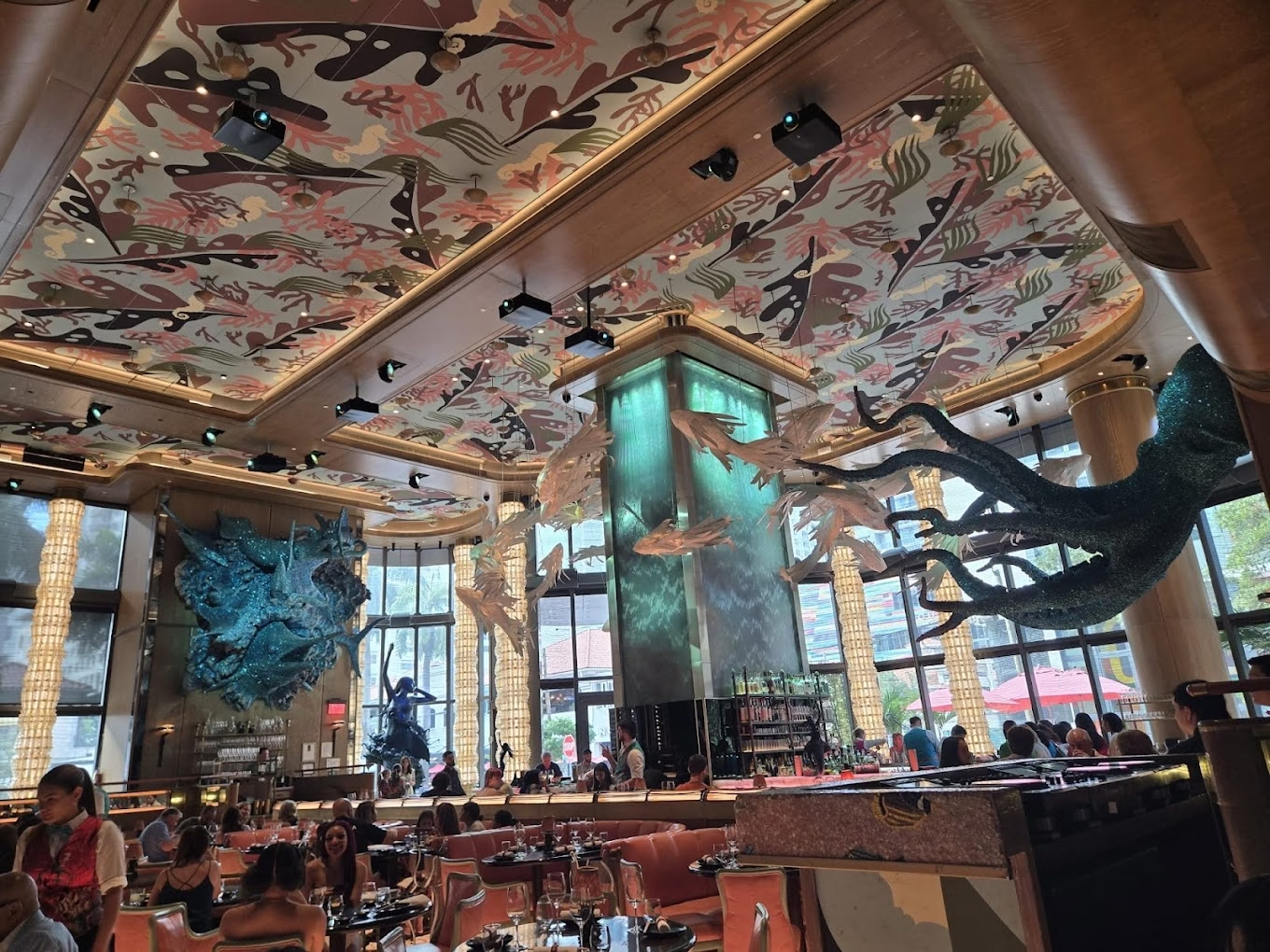
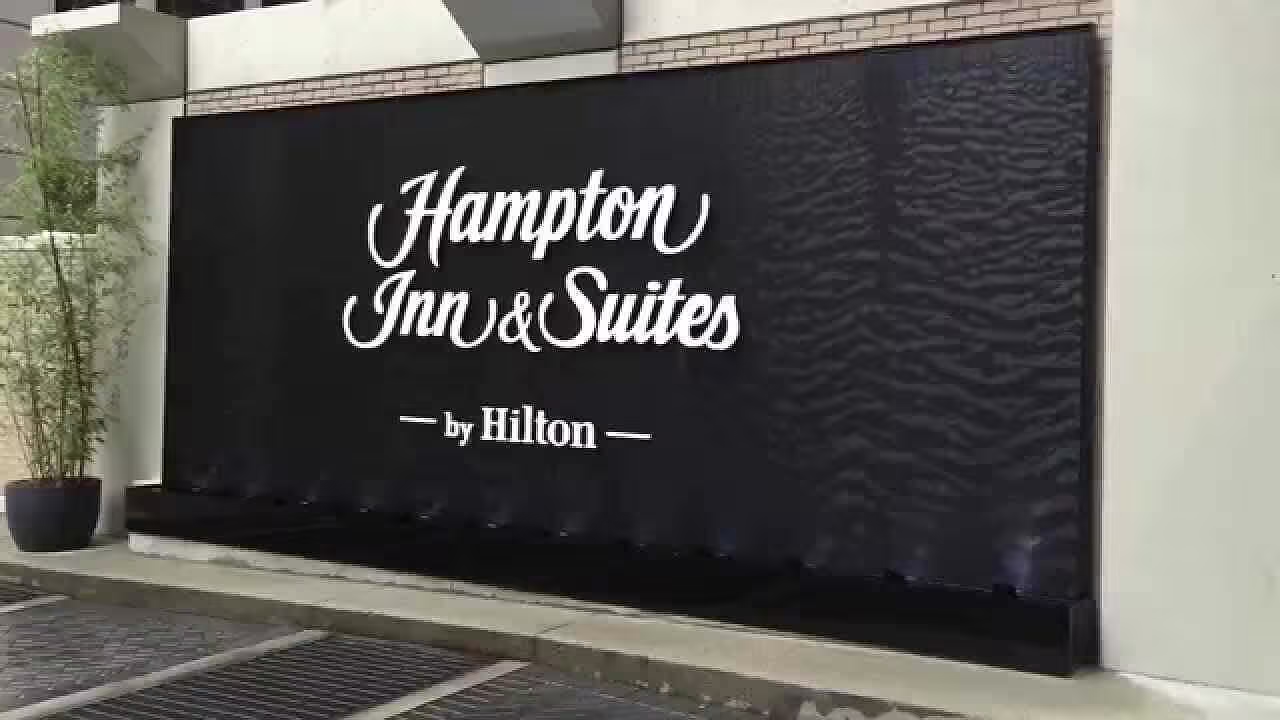
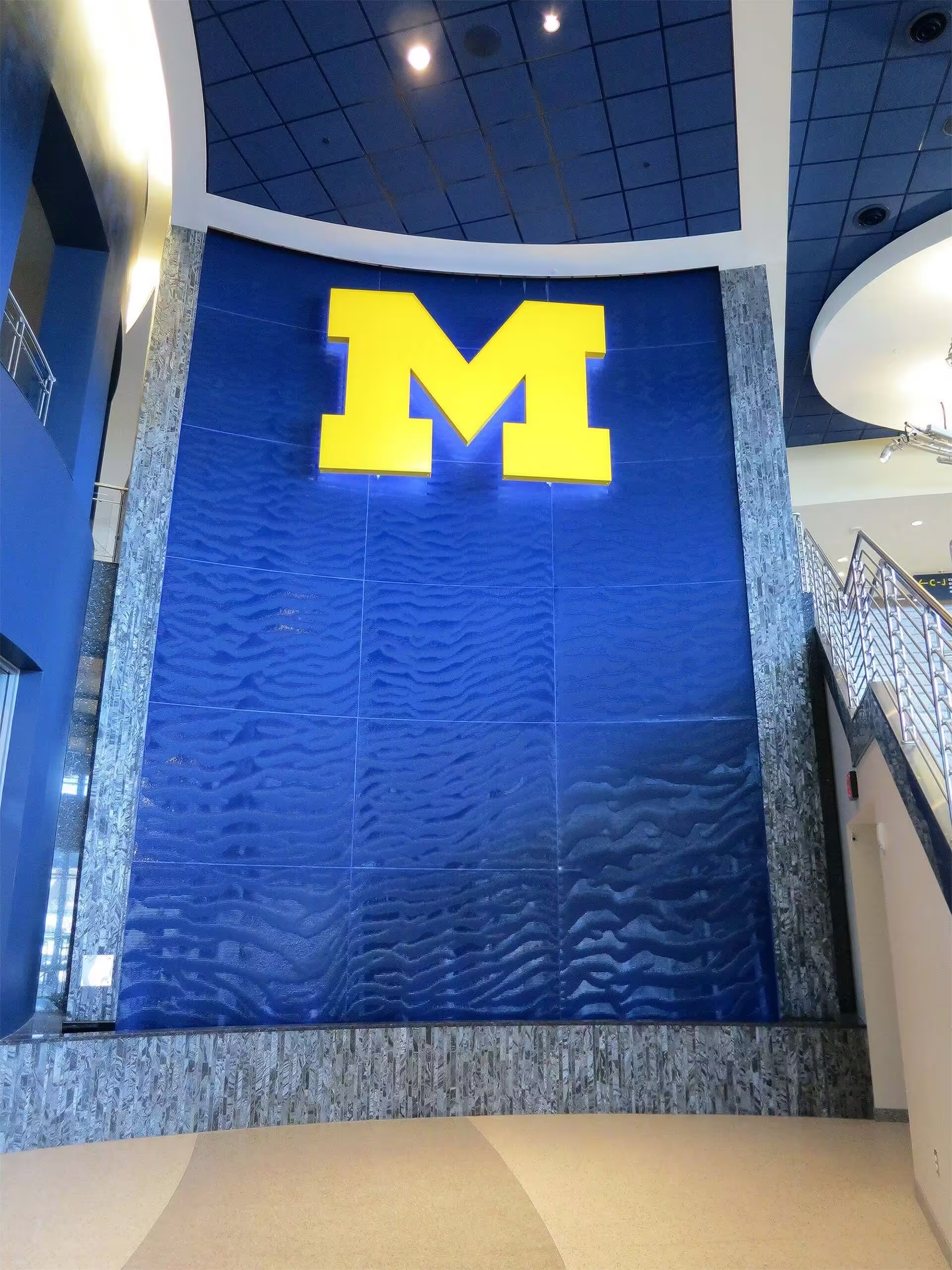
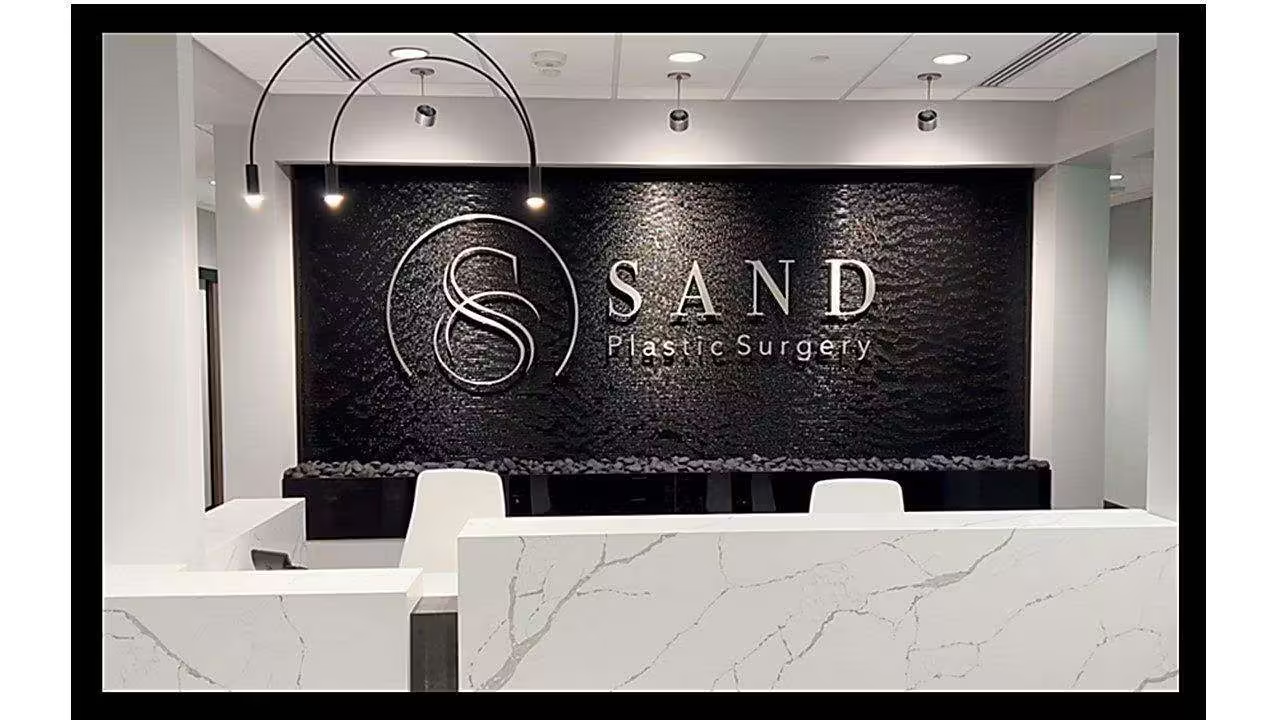
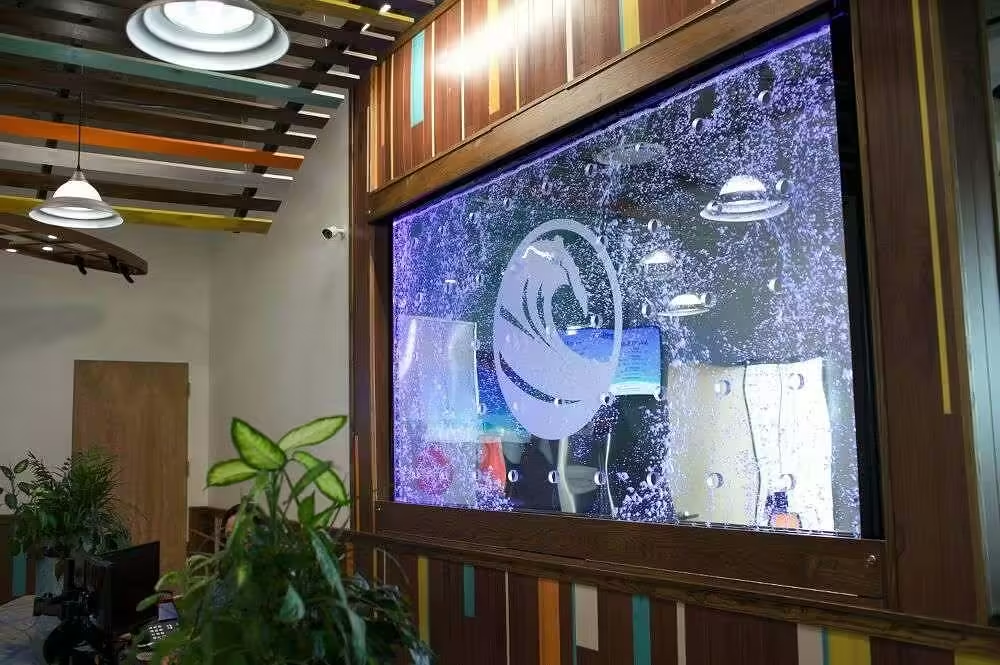
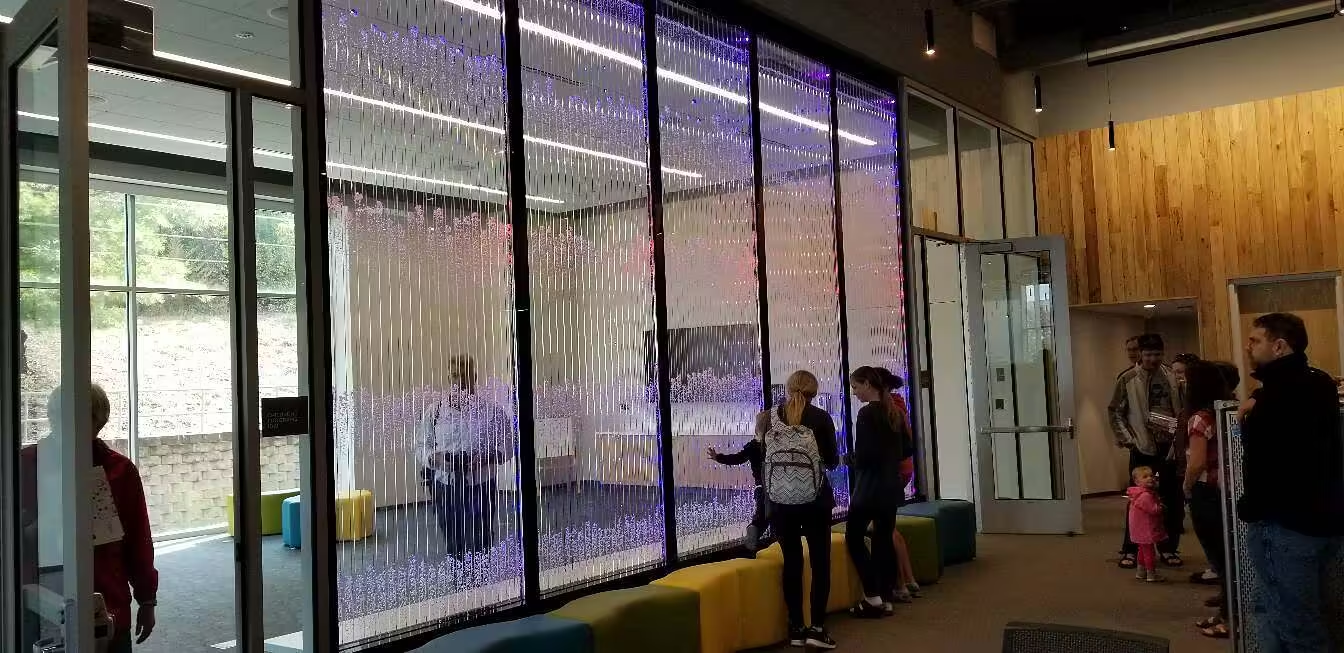
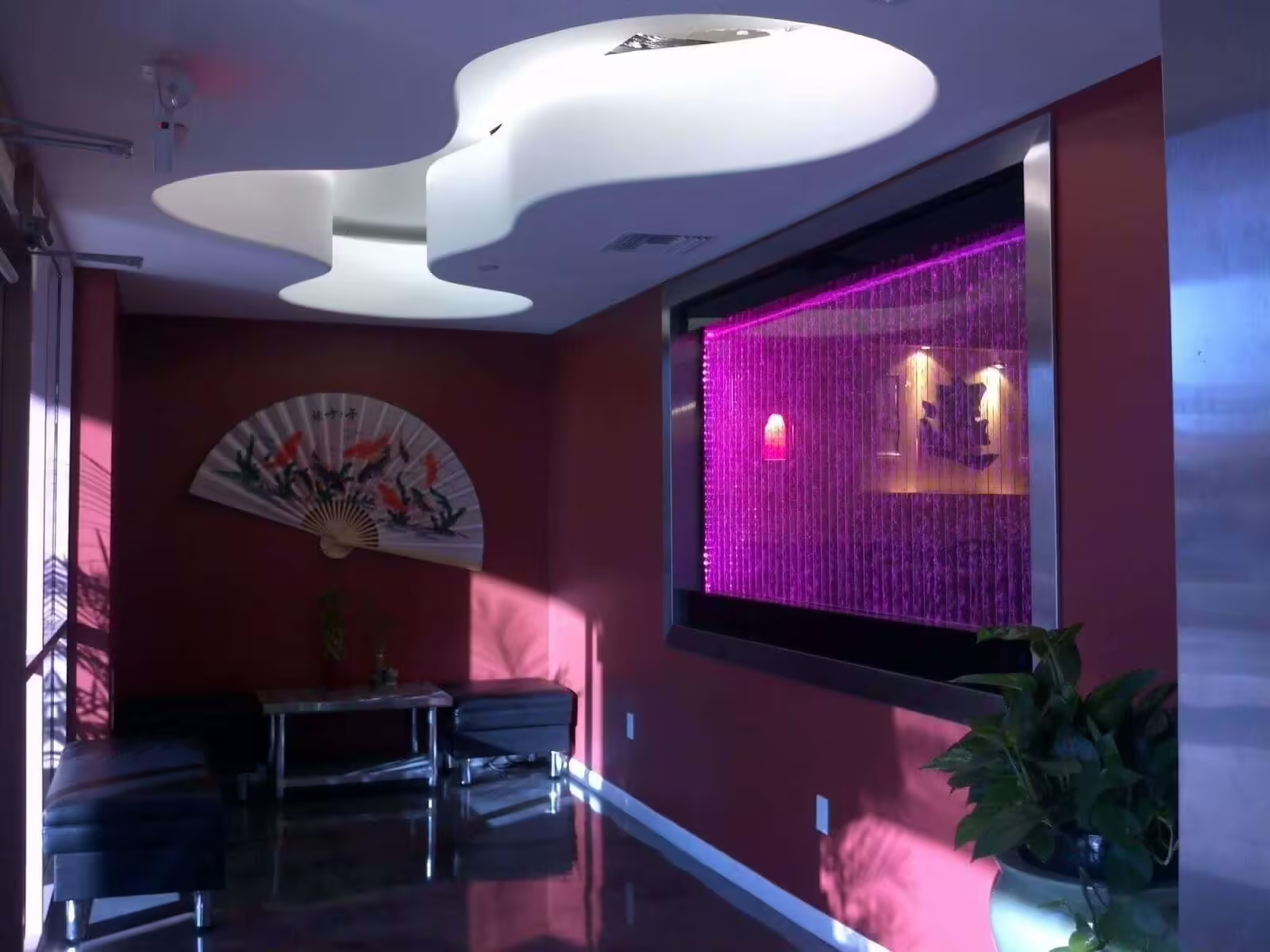
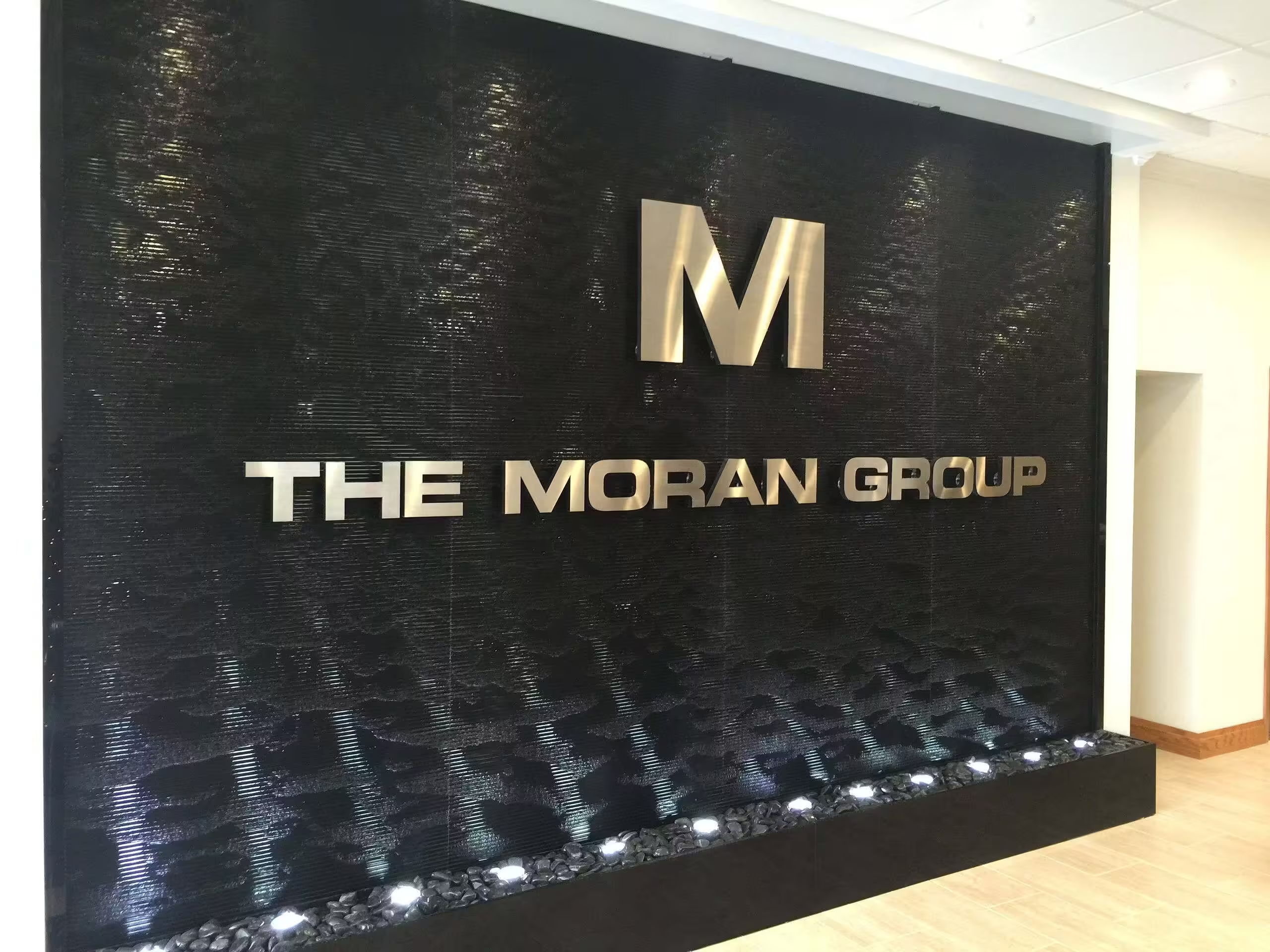
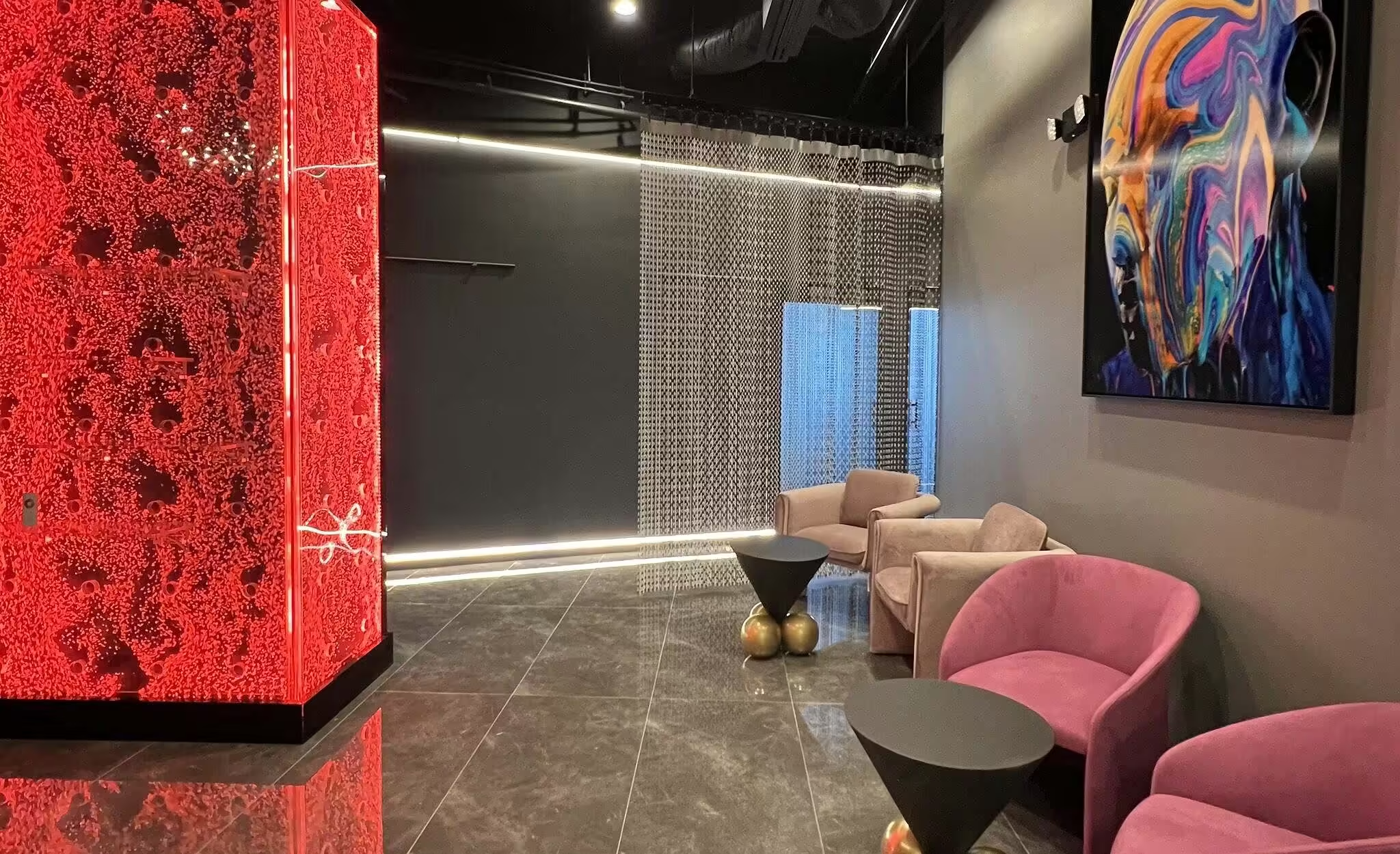
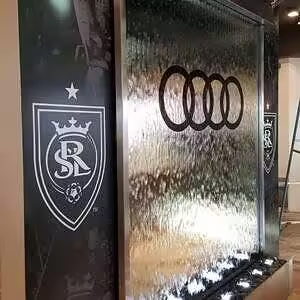
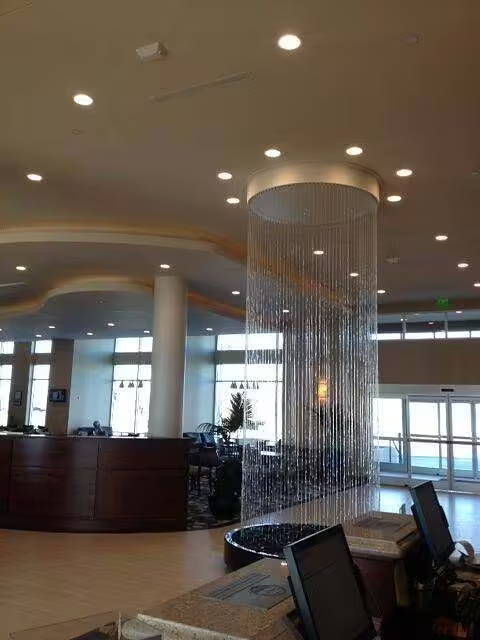
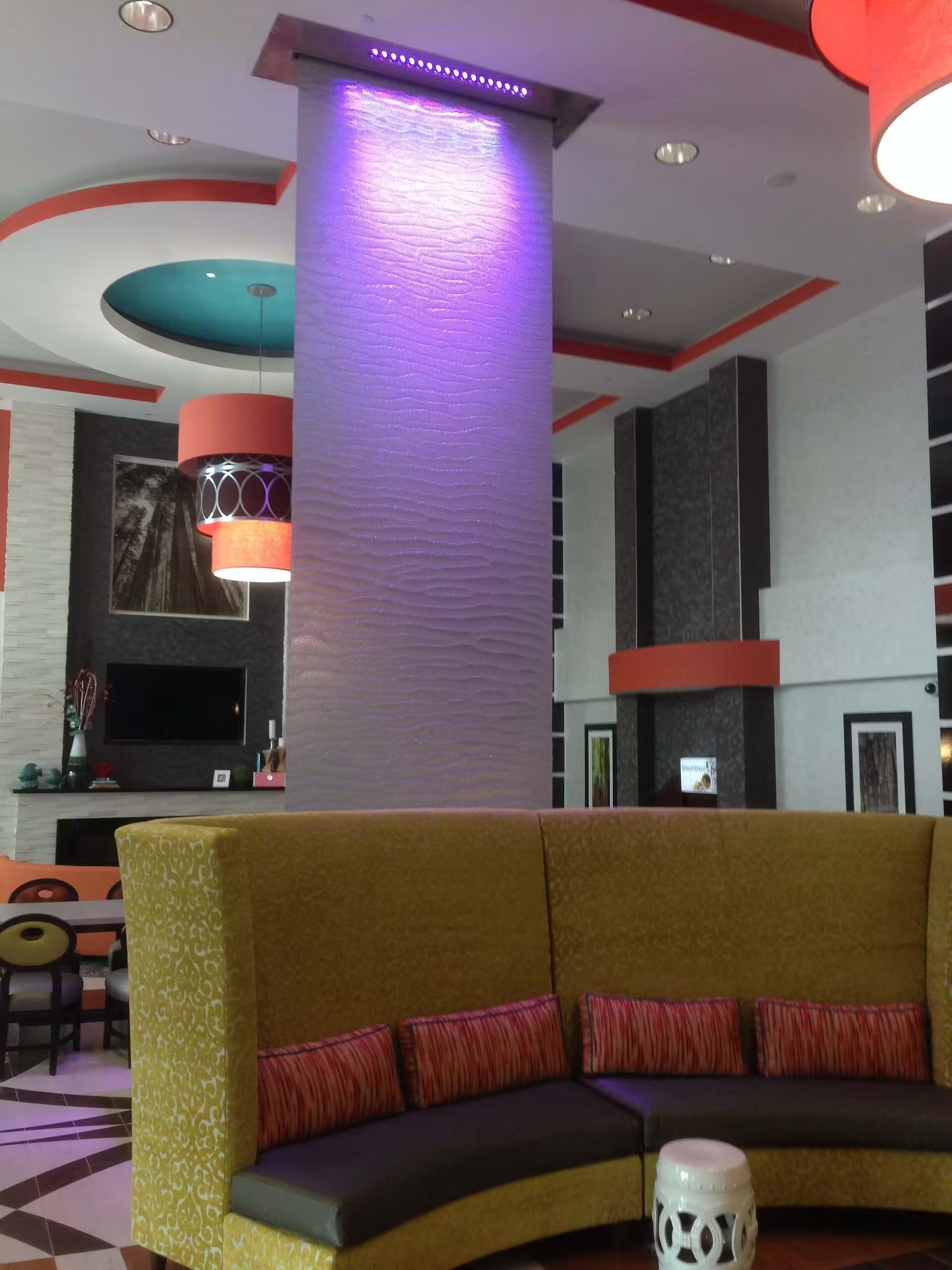
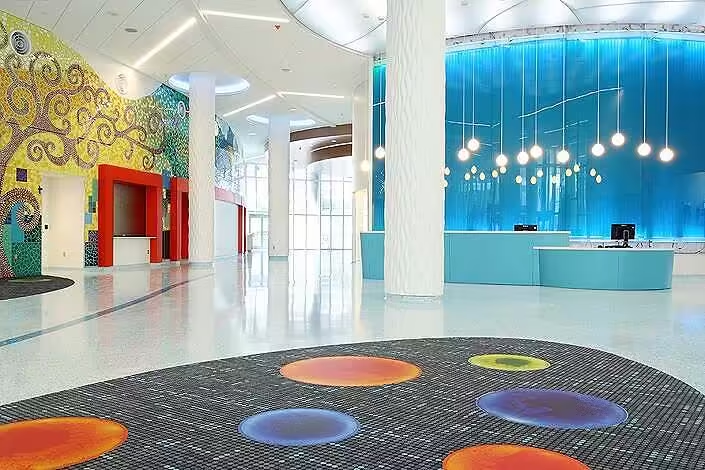
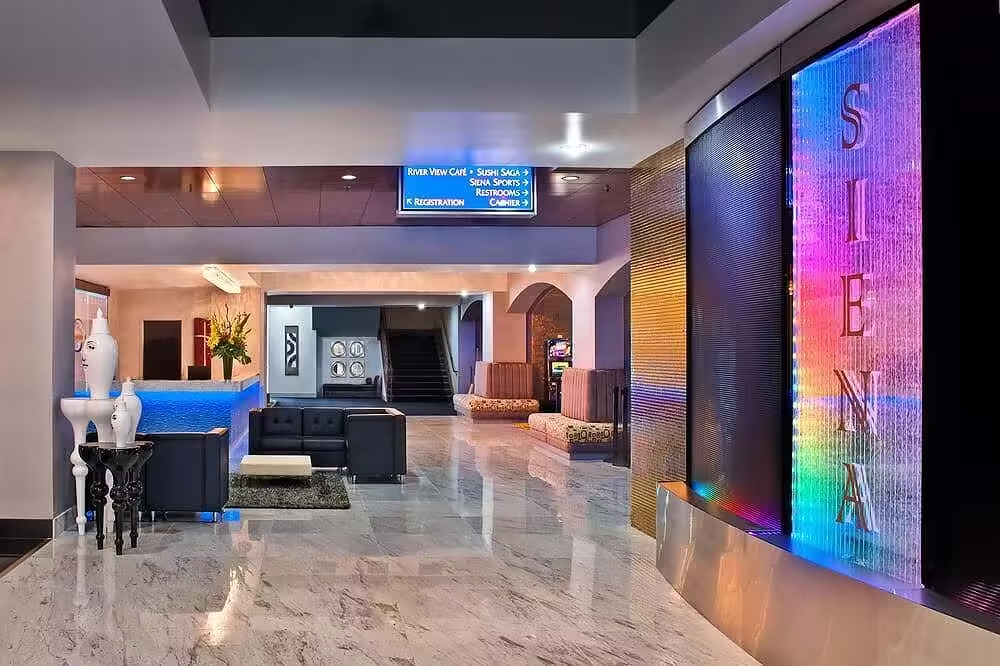
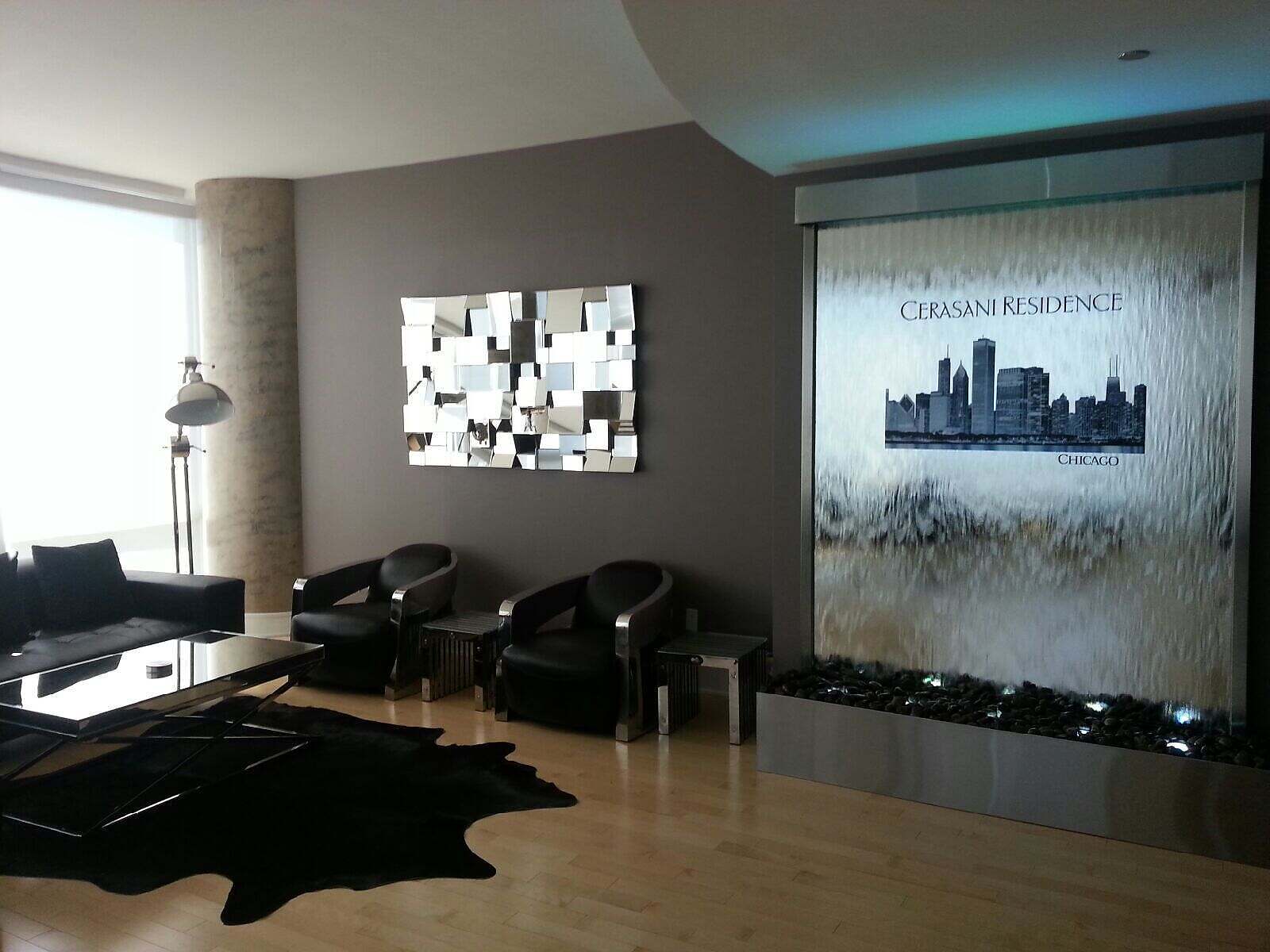
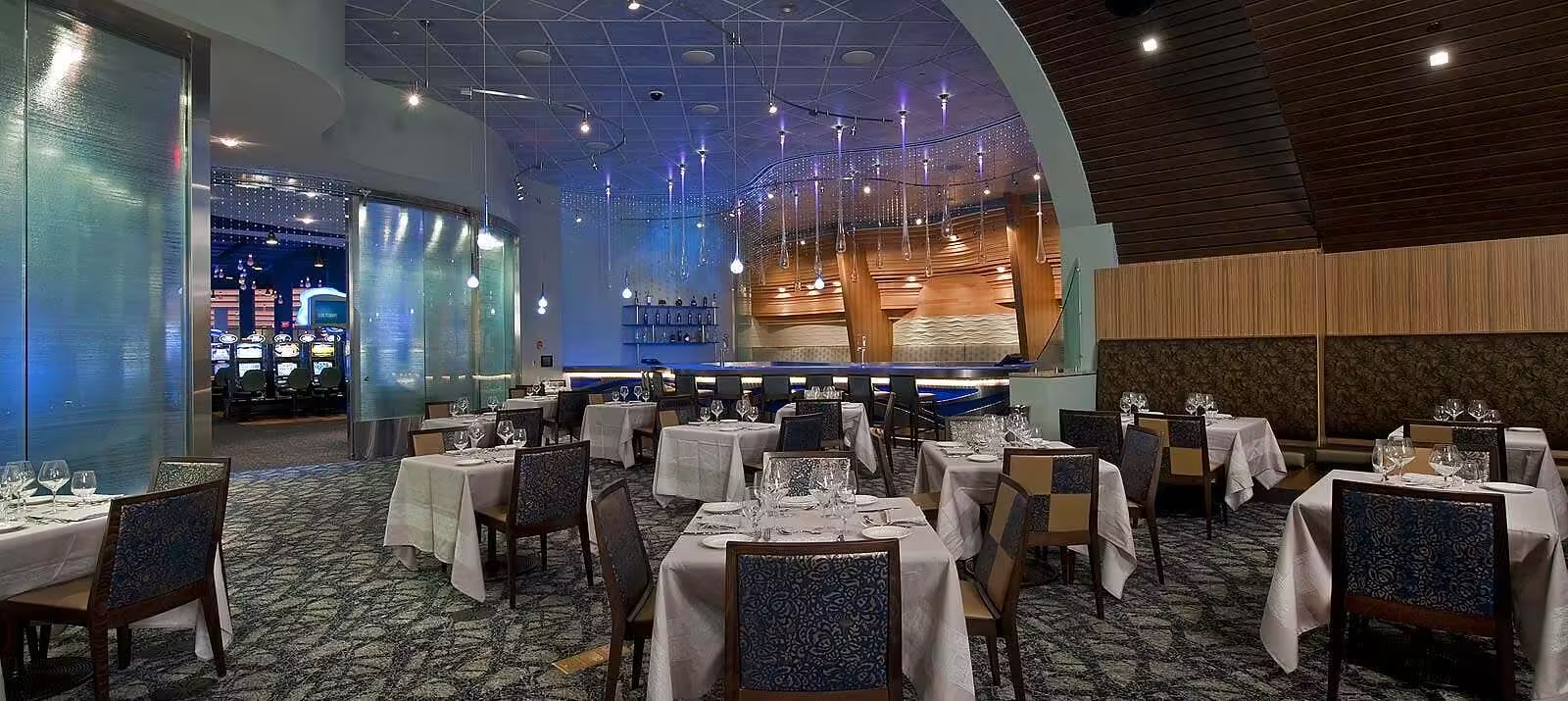
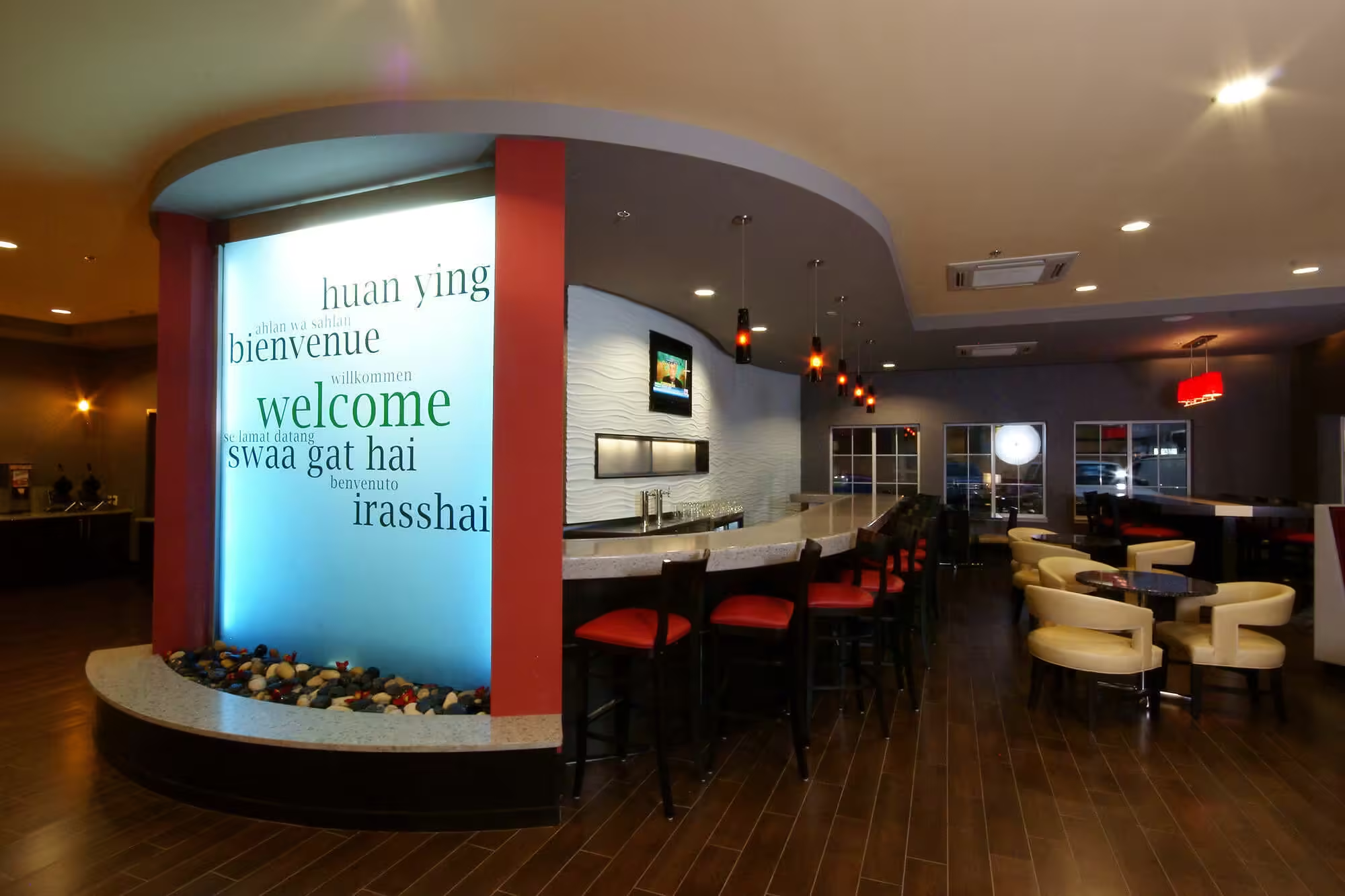
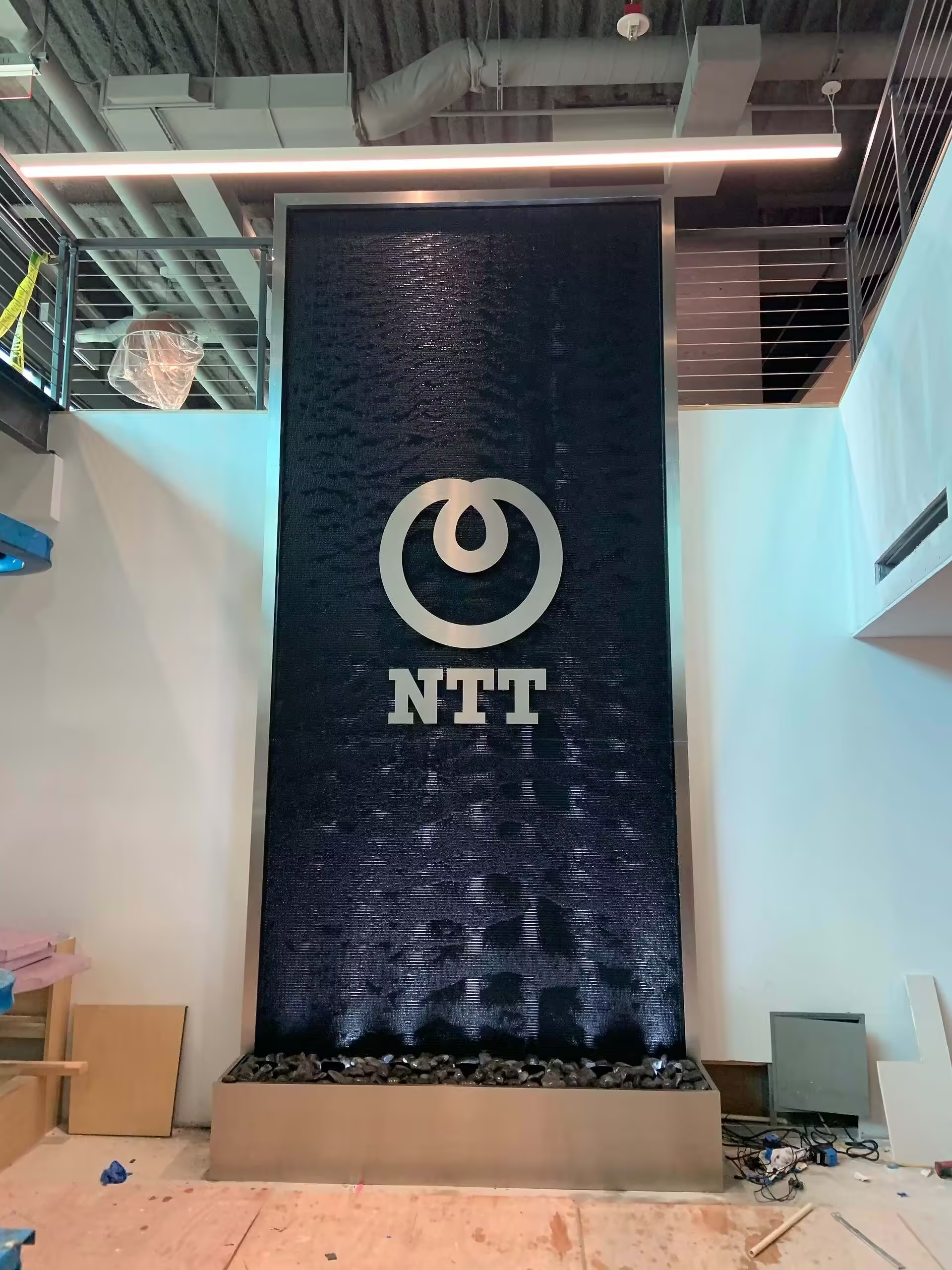
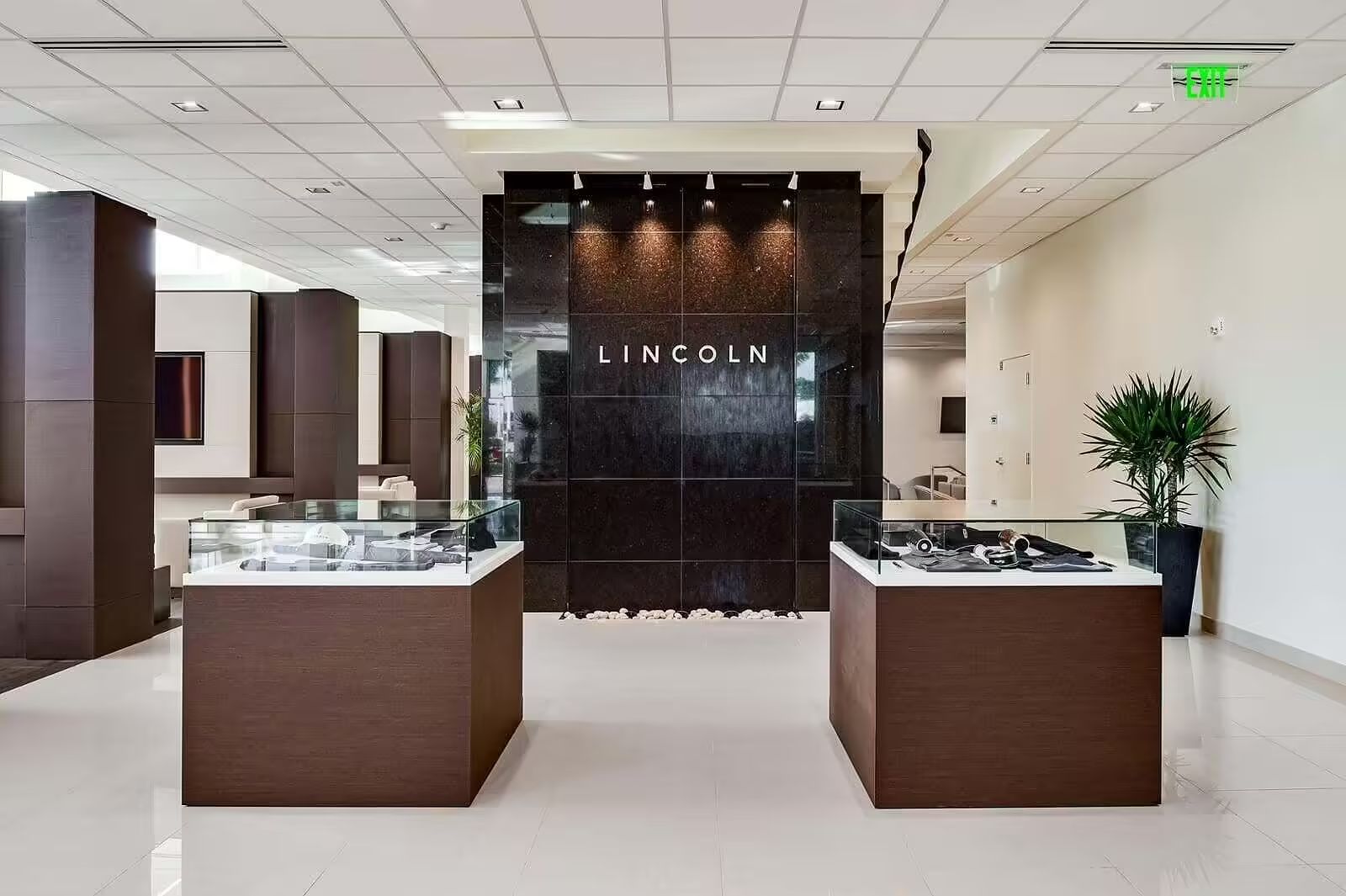
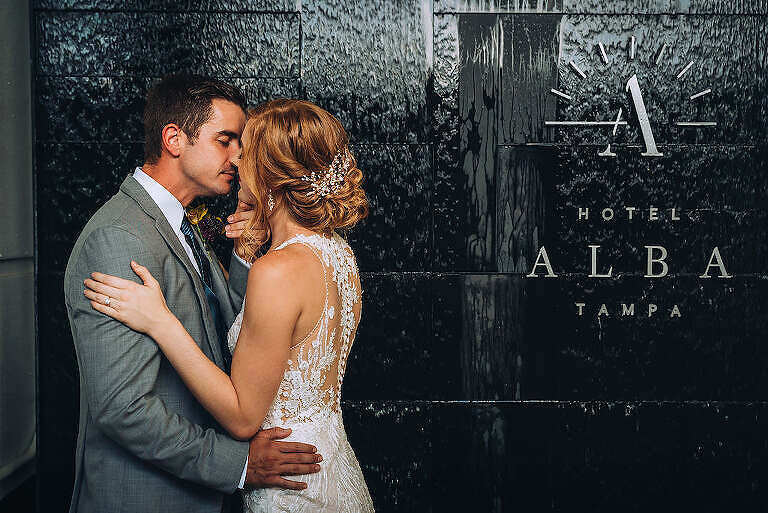
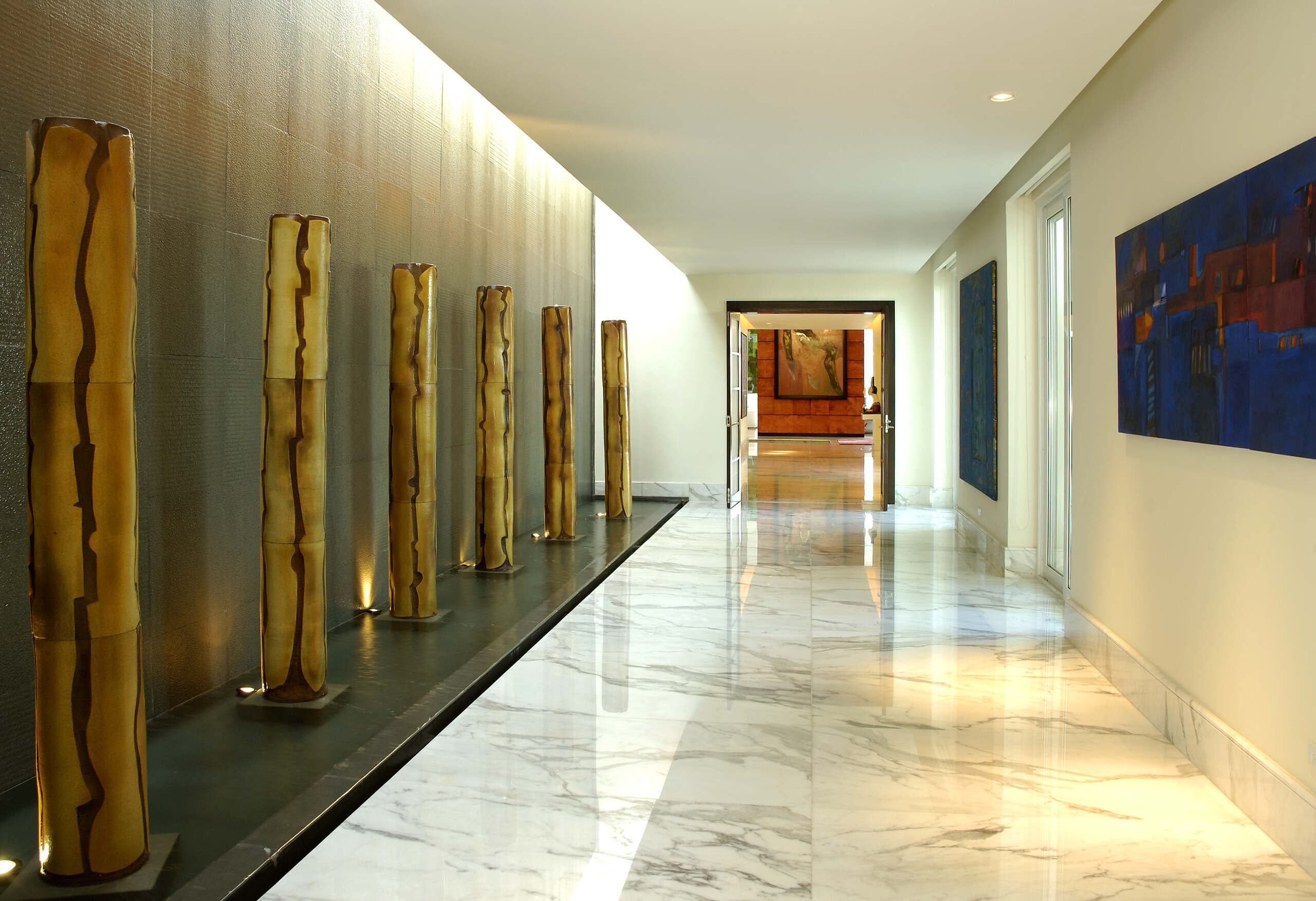
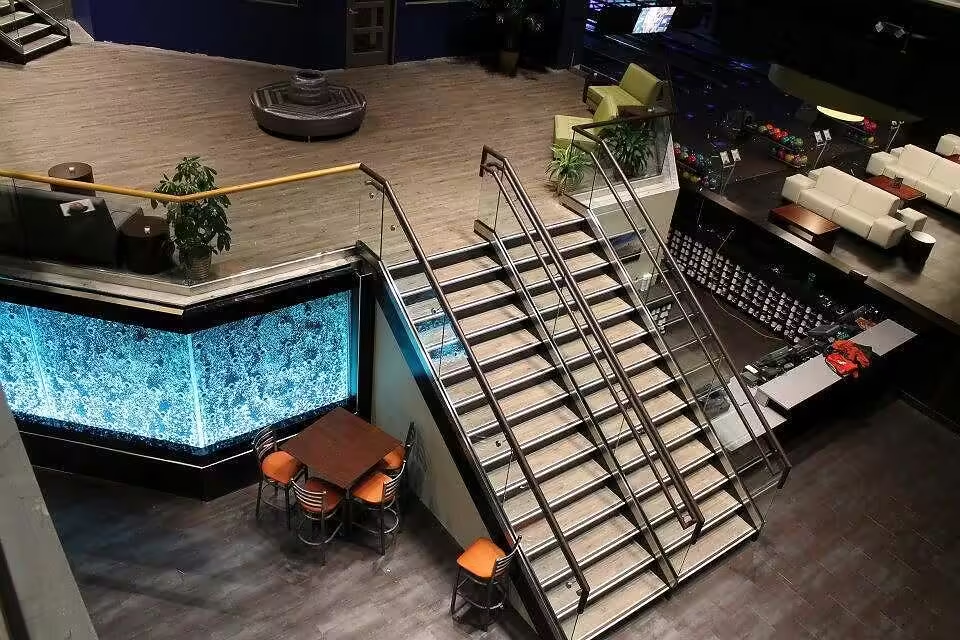
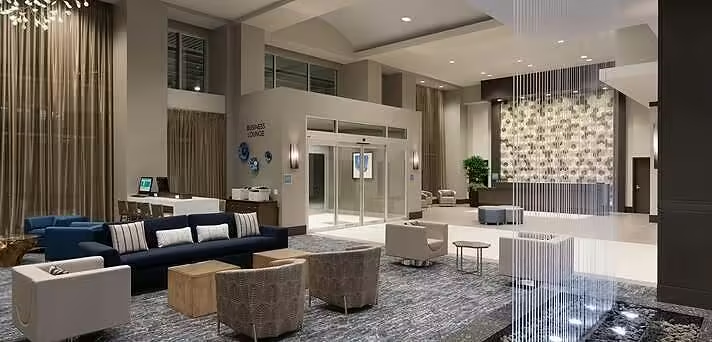
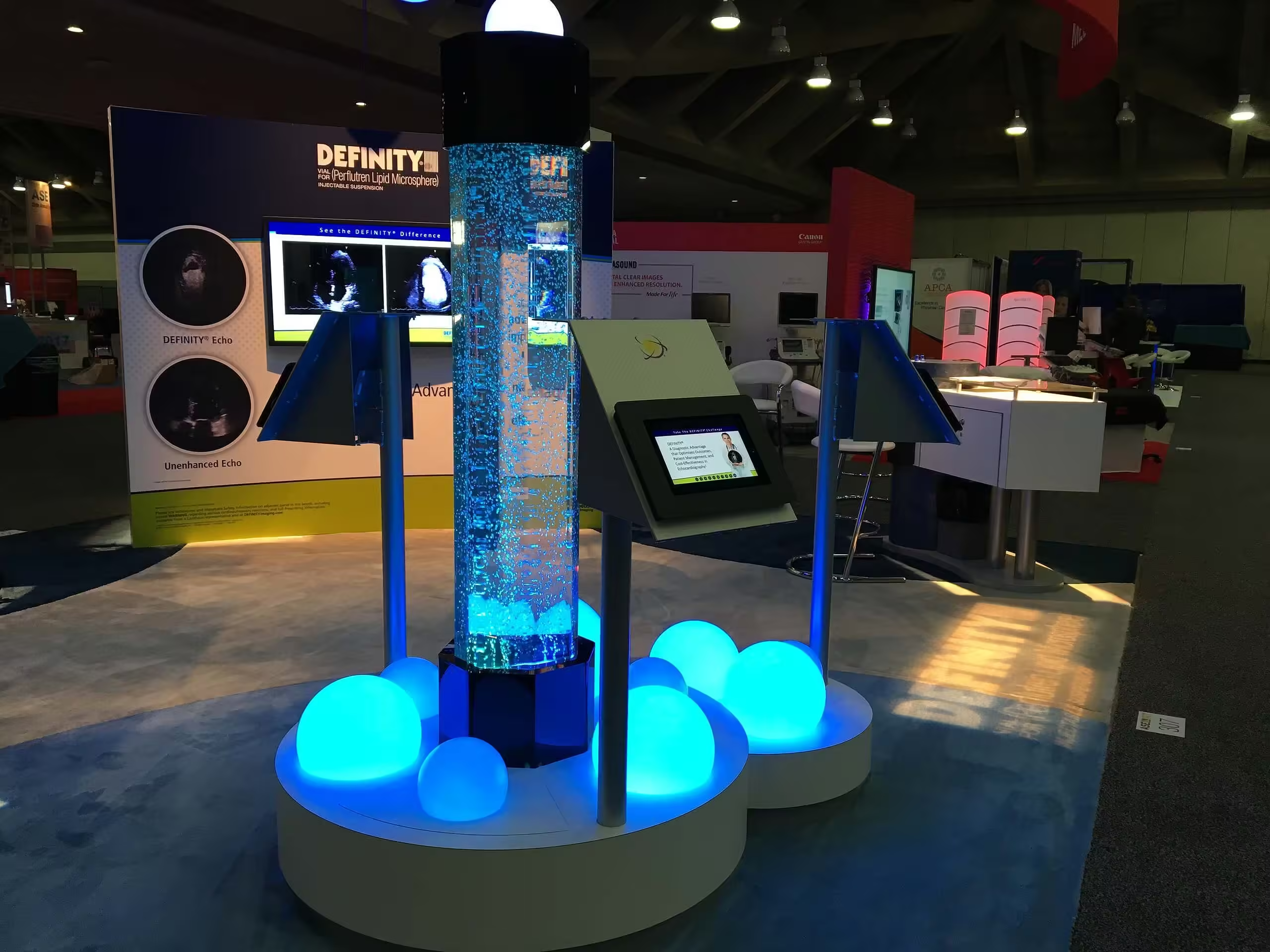
A custom waterfall can do specific work inside a space. It can create a visual anchor, soften noise from hard surfaces, separate two zones, support brand presentation, or bring movement into an area that feels too static.
Standard features usually offer one main function: appearance. Custom features allow appearance, acoustics, circulation, access, lighting, and maintenance to be handled together.
This matters for property owners and designers because a water feature has to keep working after opening day. Pumps need service access. Water quality needs management. Materials need to handle daily use. Lighting should remain reachable. The basin should fit the floor plan without creating trip points or awkward edges.
When Custom Makes More Sense
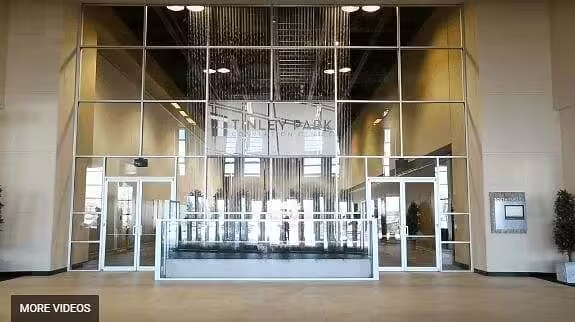
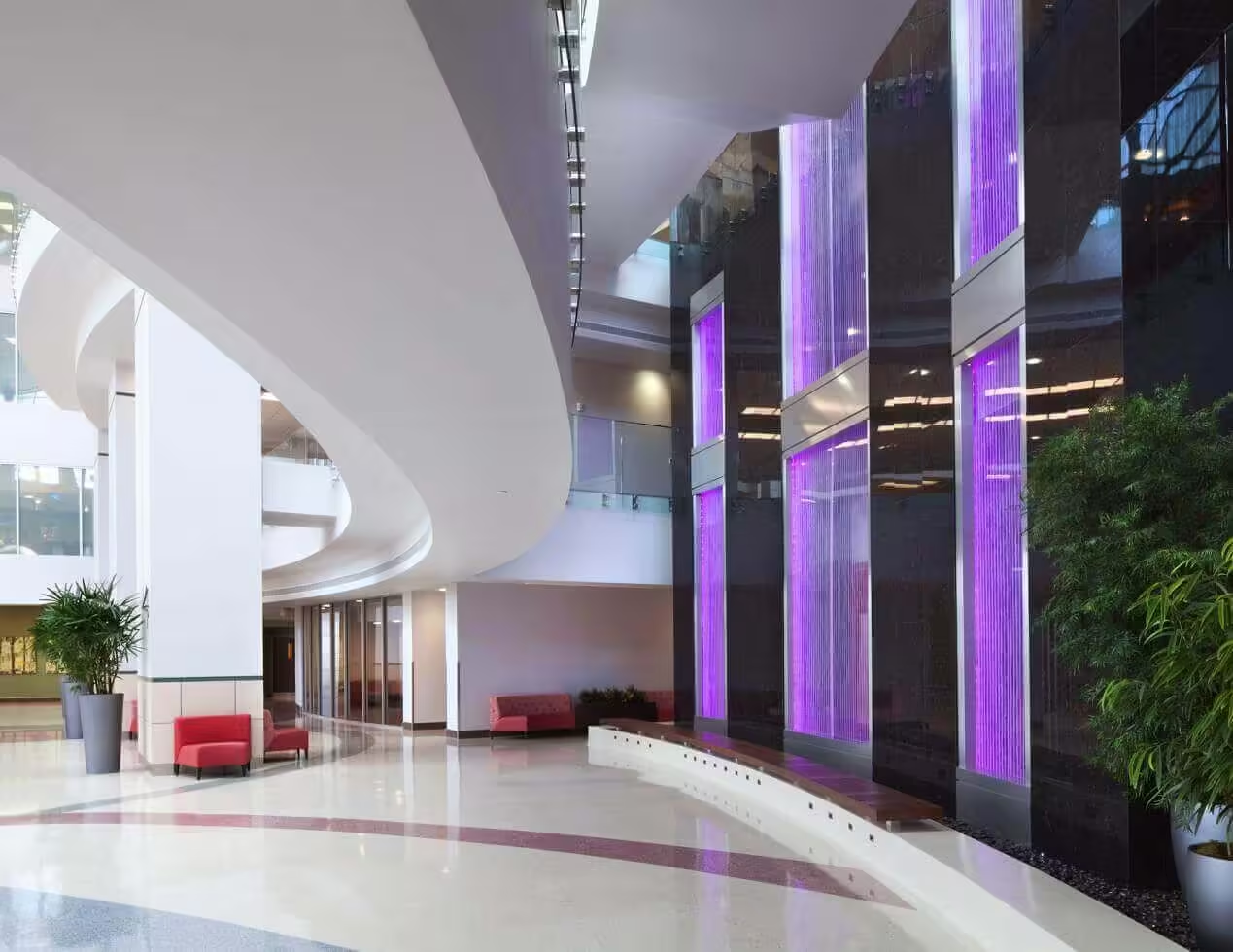
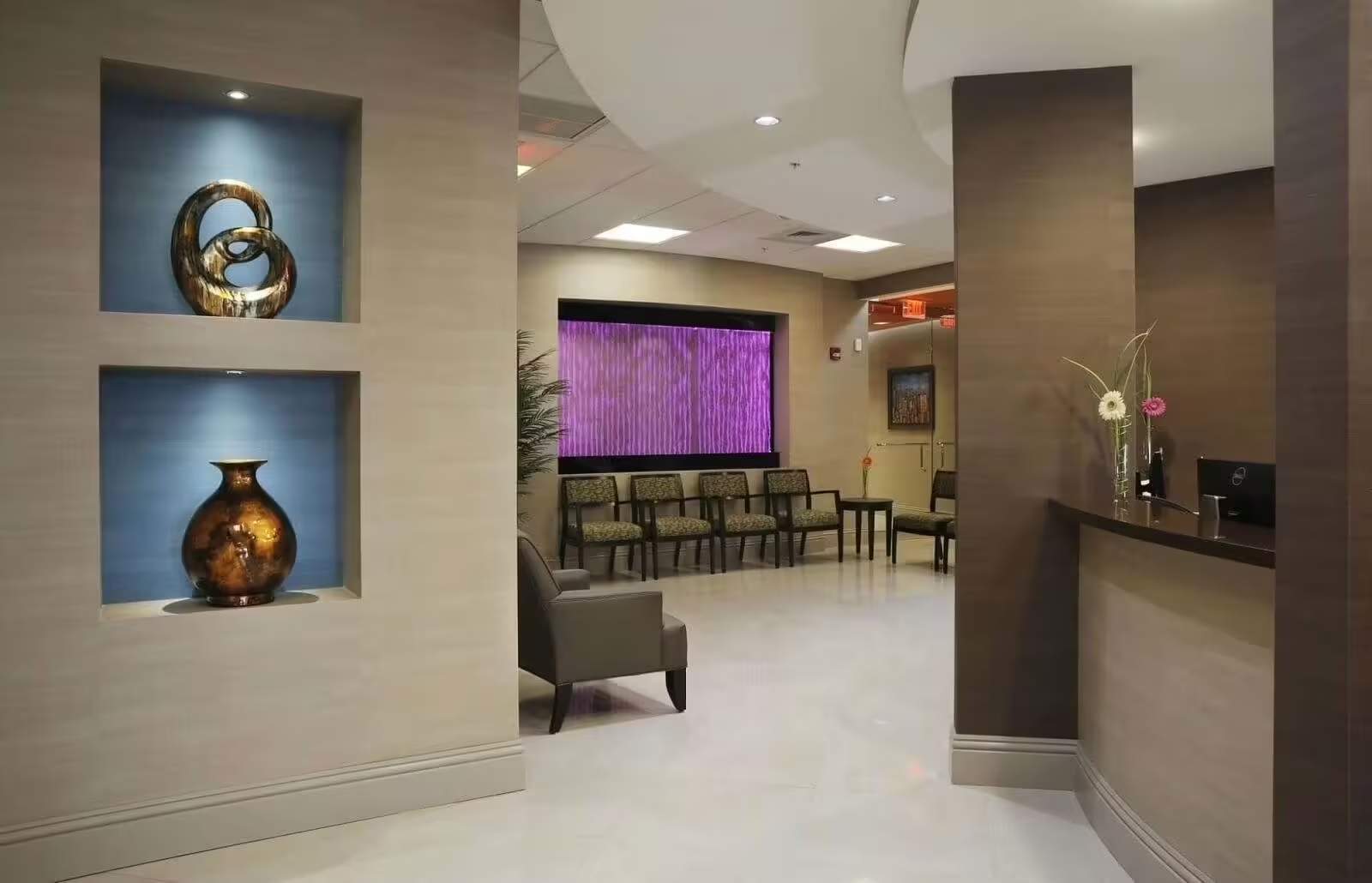
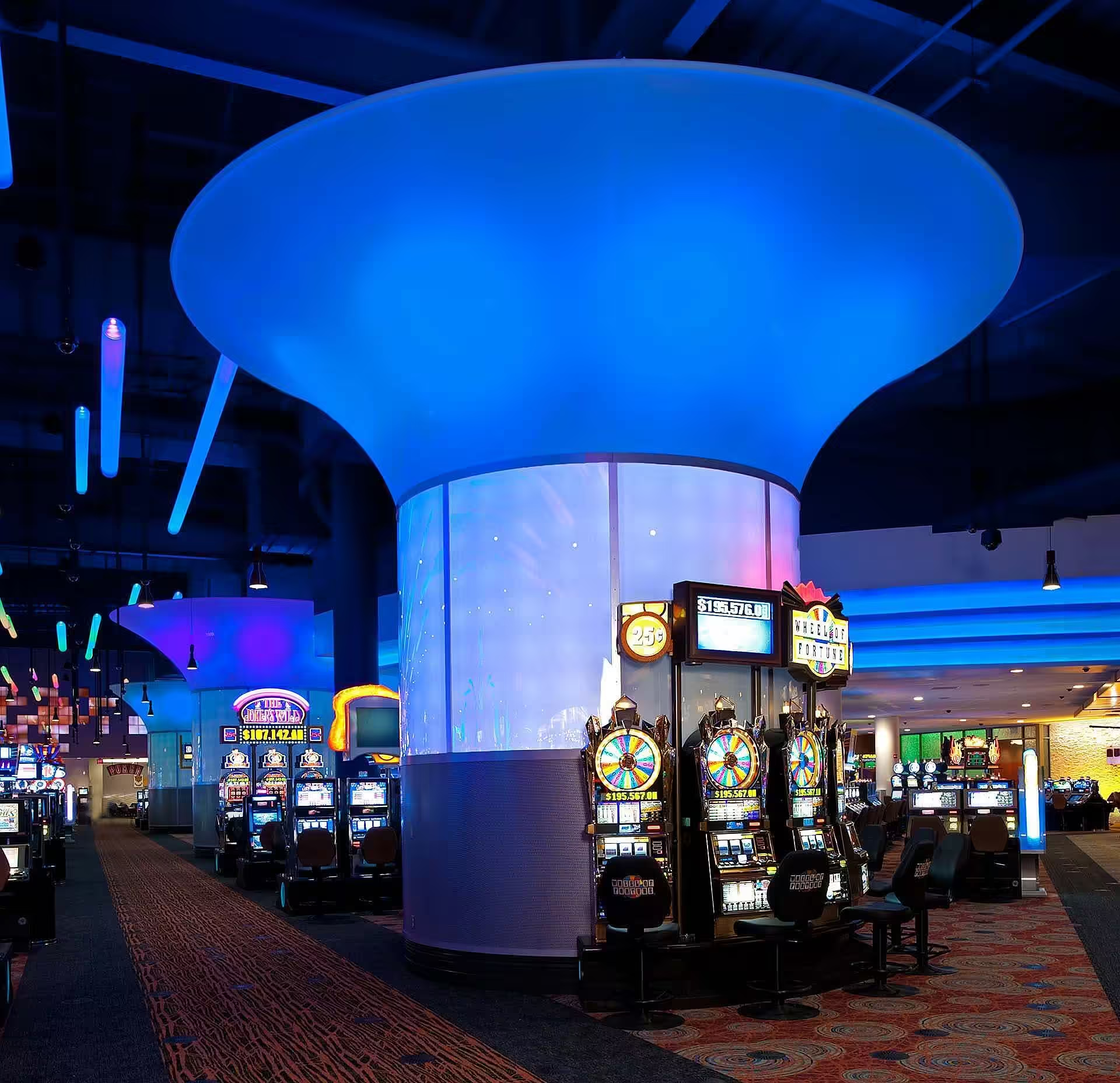
A custom indoor waterfall is the better option when the space has one or more of these needs: unusual dimensions, high ceilings, brand integration, heavy foot traffic, specific sound control, luxury finishes, or architectural coordination.
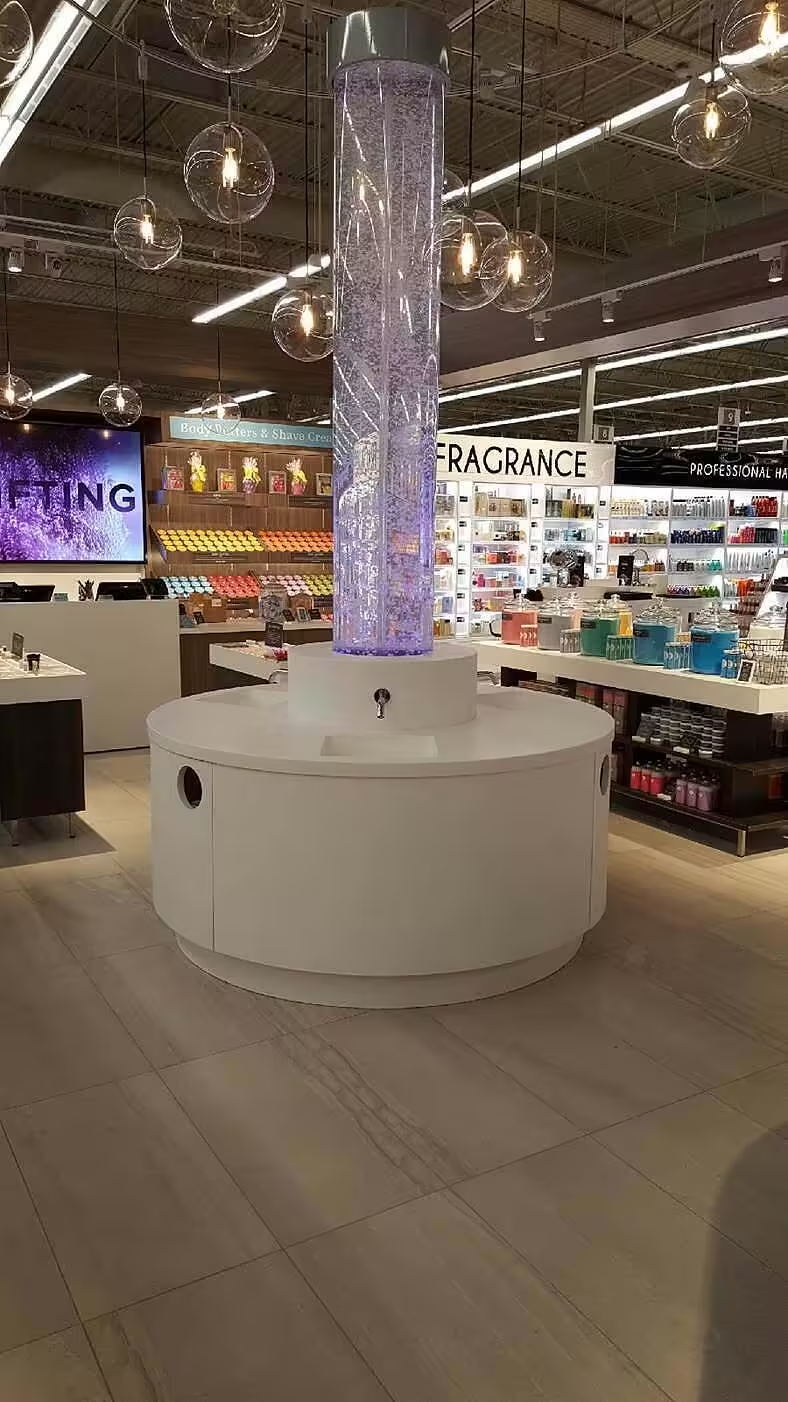
Hotels, offices, restaurants, medical spaces, spas, retail showrooms, and large homes often need this level of planning. A standard product may fill space. A custom system solves for the space.
Plan a Water Feature That Fits From the Start
Custom projects require early planning, technical knowledge, and careful fabrication. At Midwest Tropical, we work with clients, designers, architects, and contractors to plan water features around the actual site conditions and project goals.
We invite you to contact us at Midwest Tropical to discuss a custom waterfall for your commercial or residential interior. Our team can help review scale, materials, flow style, lighting, placement, and installation requirements before your project moves forward.