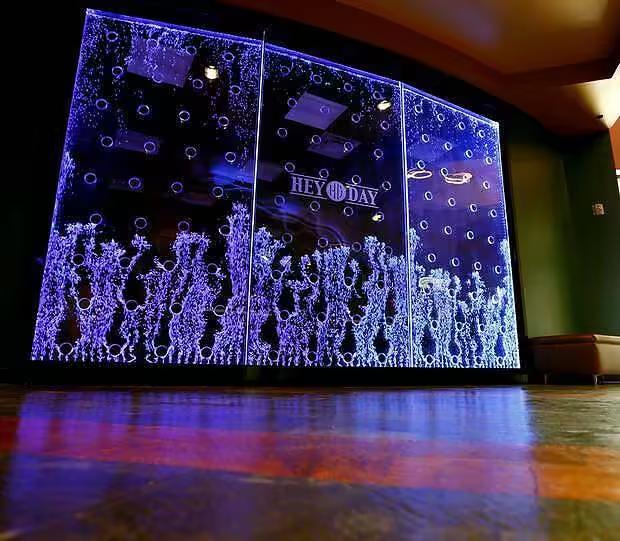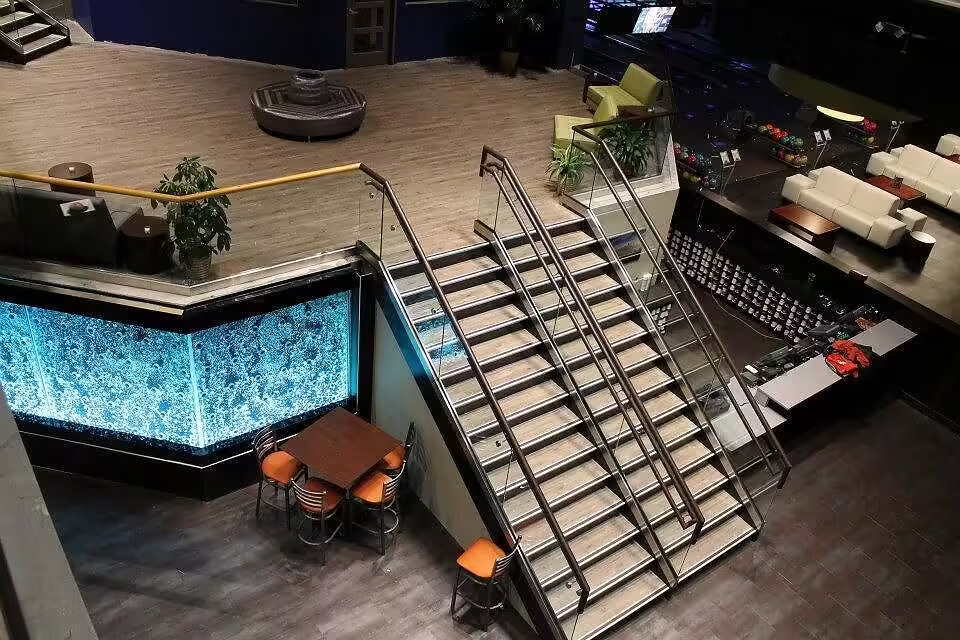
Design is no longer limited to what we see. Today’s most compelling spaces are built around how they feel. Sound, movement, light, and emotional response now carry as much weight as color and form. This shift has opened the door for features that actively engage the senses, and bubble walls have stepped into that role with quiet confidence.
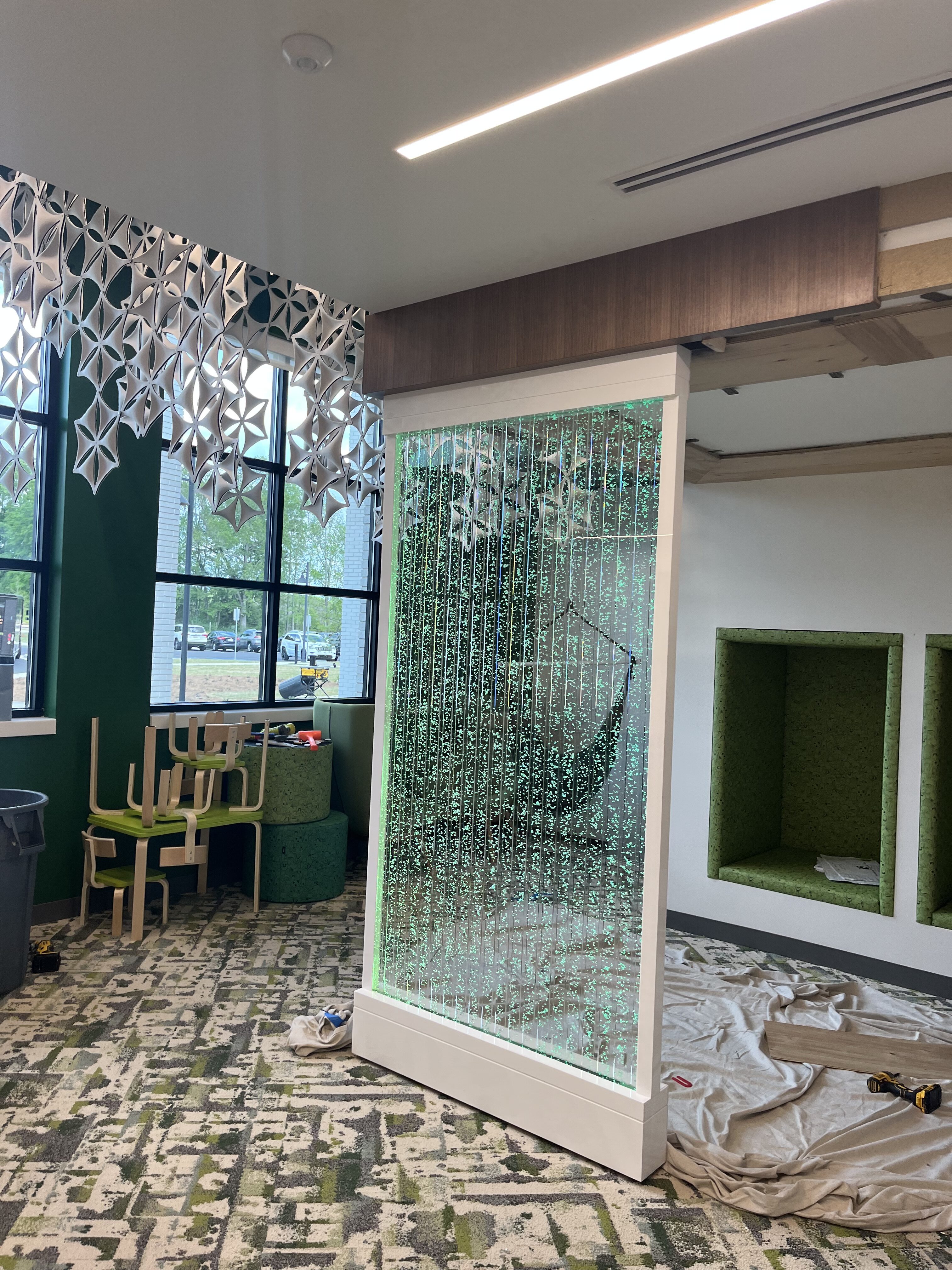
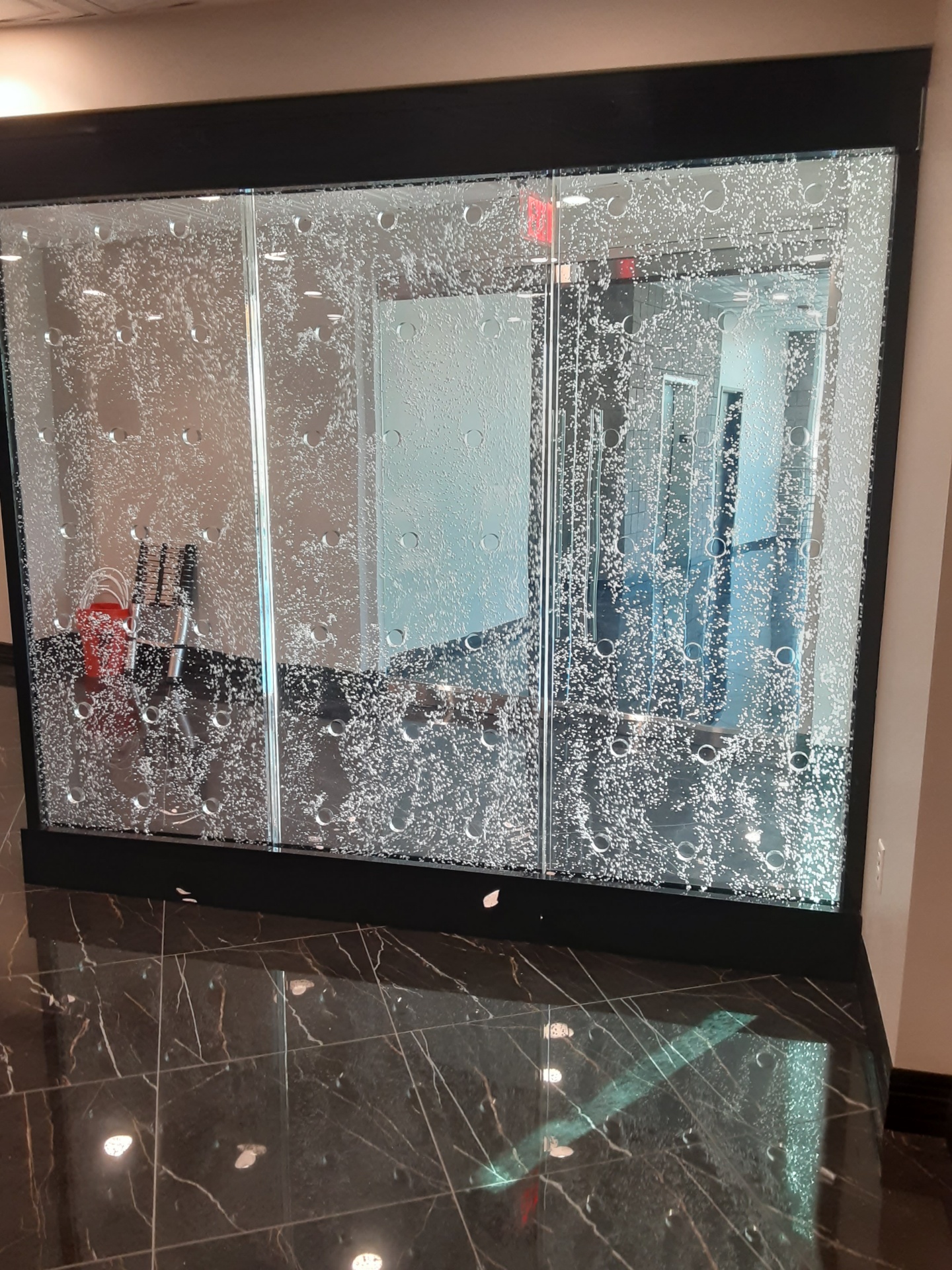
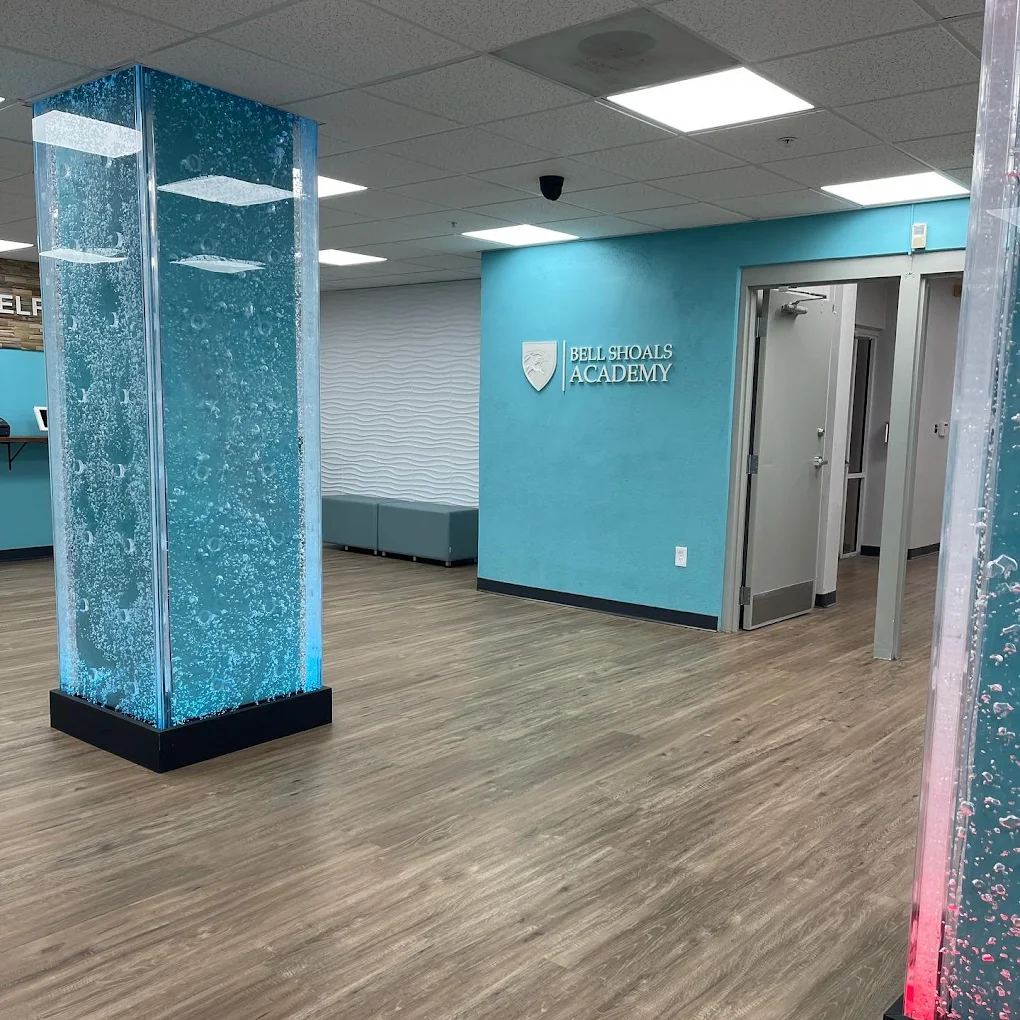
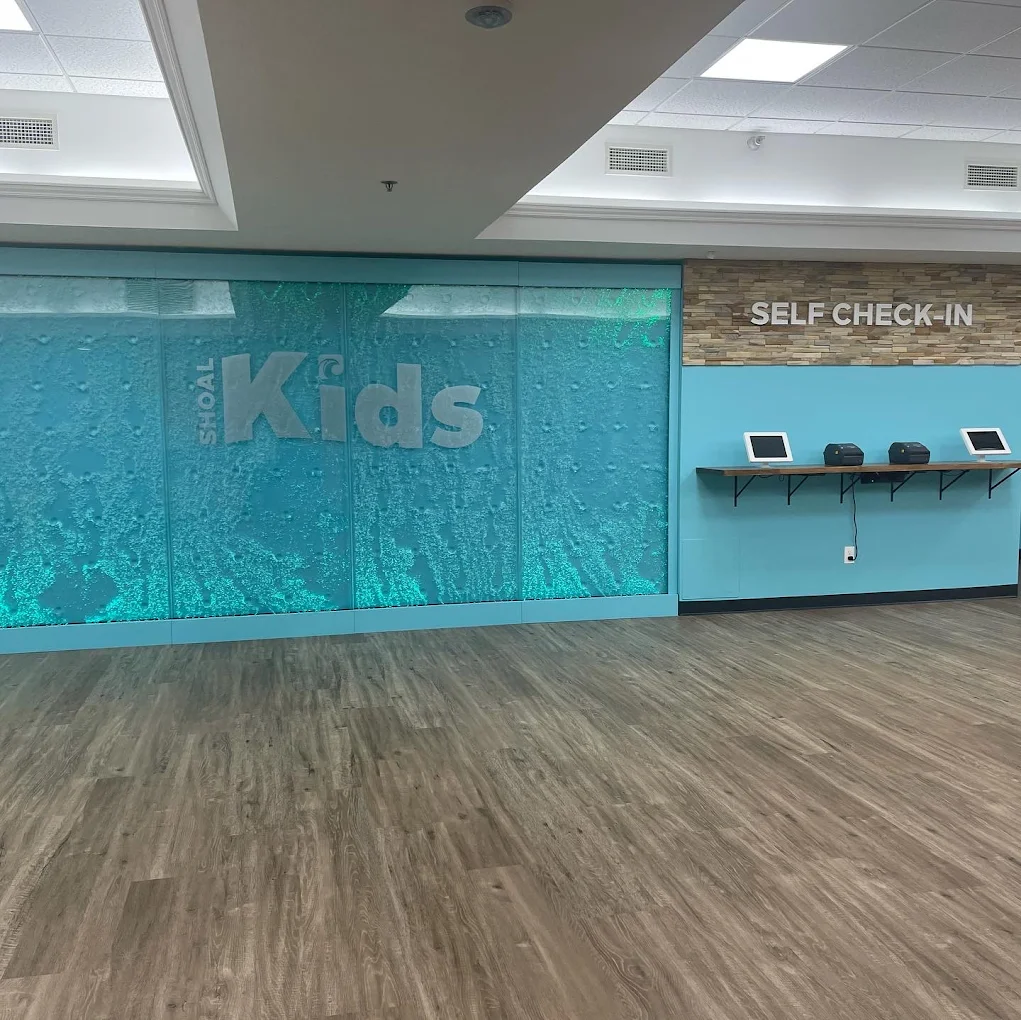
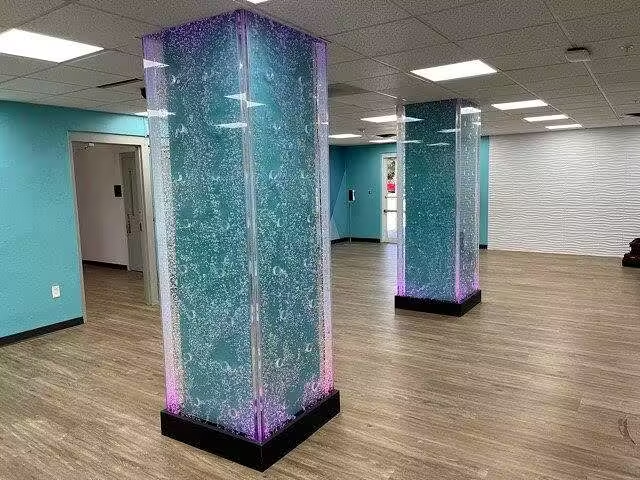
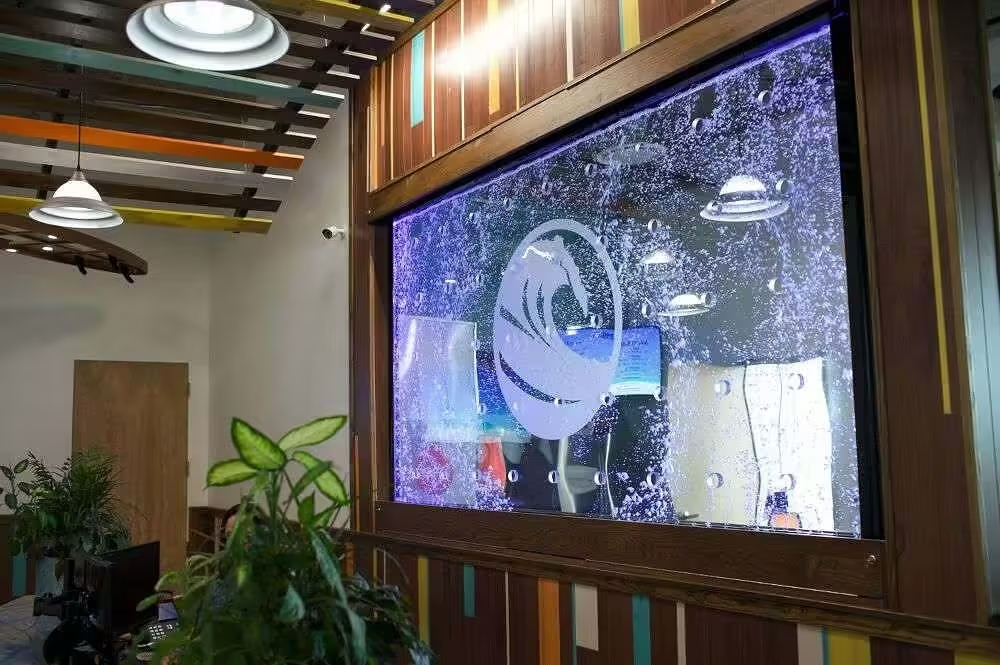
Once seen as playful or niche, bubble walls are now shaping serious design conversations. From healthcare and wellness spaces to corporate offices, hotels, and public environments, they are being used with purpose. At Midwest Tropical, we’ve watched bubble walls move from accent pieces to intentional design tools.
The Rise of Sensory-Driven Design
People are spending more time indoors than ever before. Screens dominate attention, and noise is constant. Environments that overstimulate or feel emotionally flat no longer meet expectations. Sensory-driven design responds to this by creating spaces that regulate rather than overwhelm.
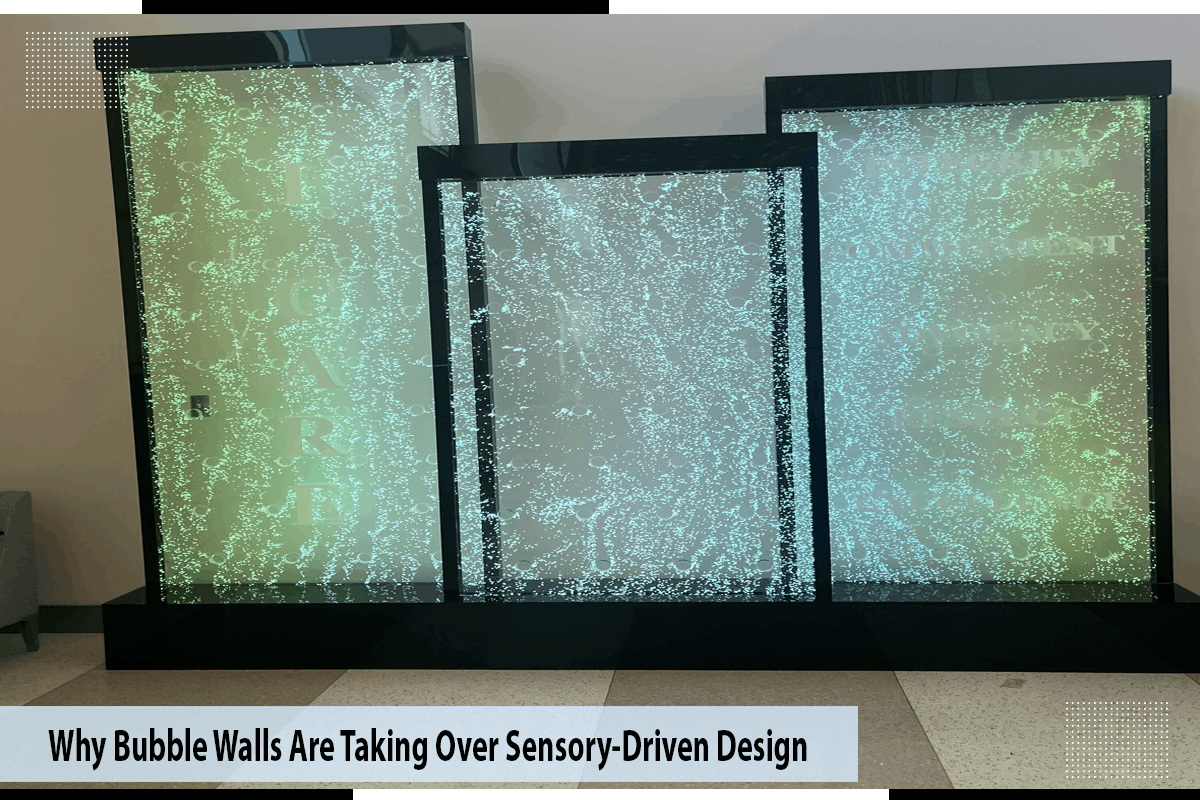
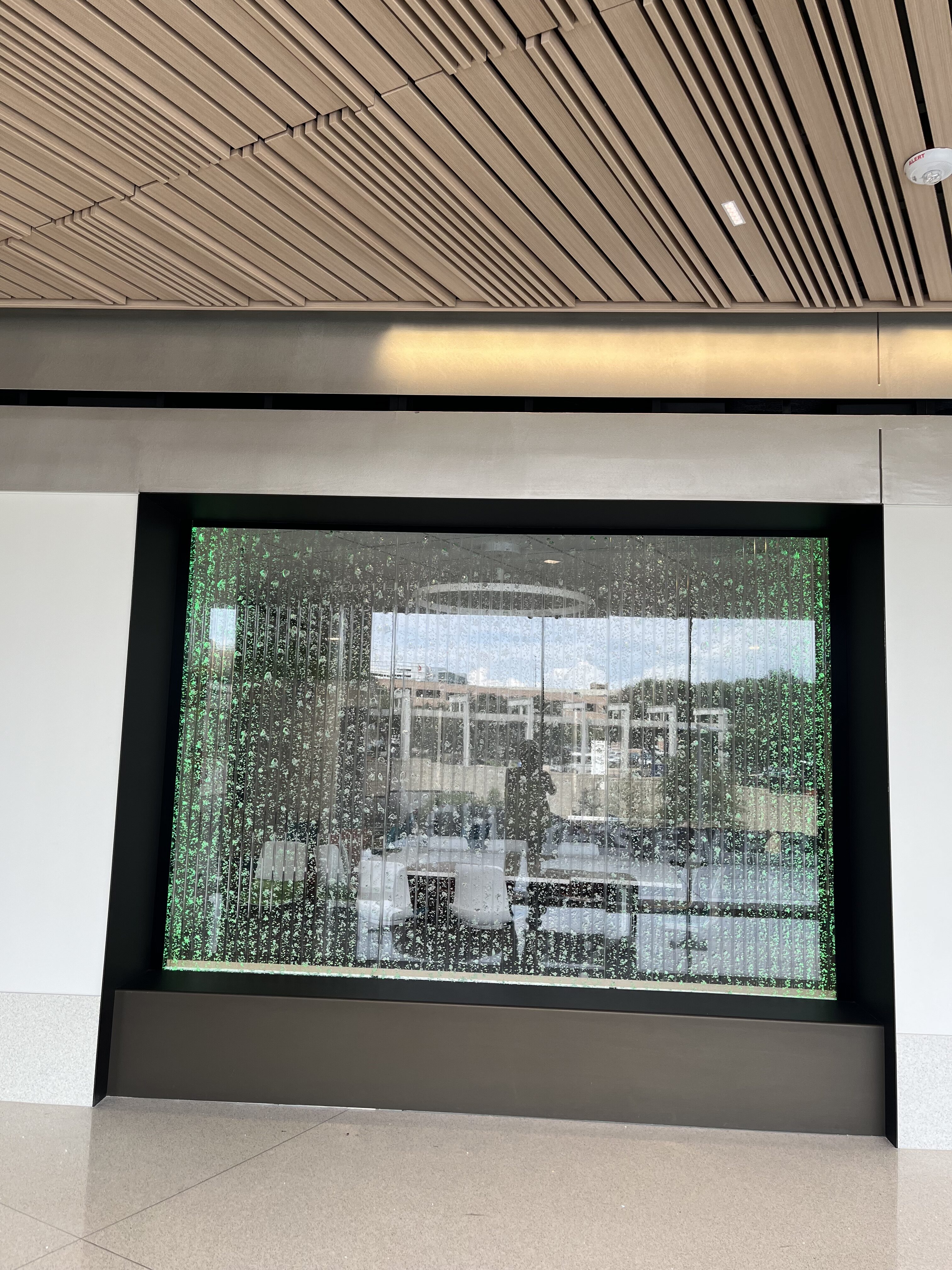
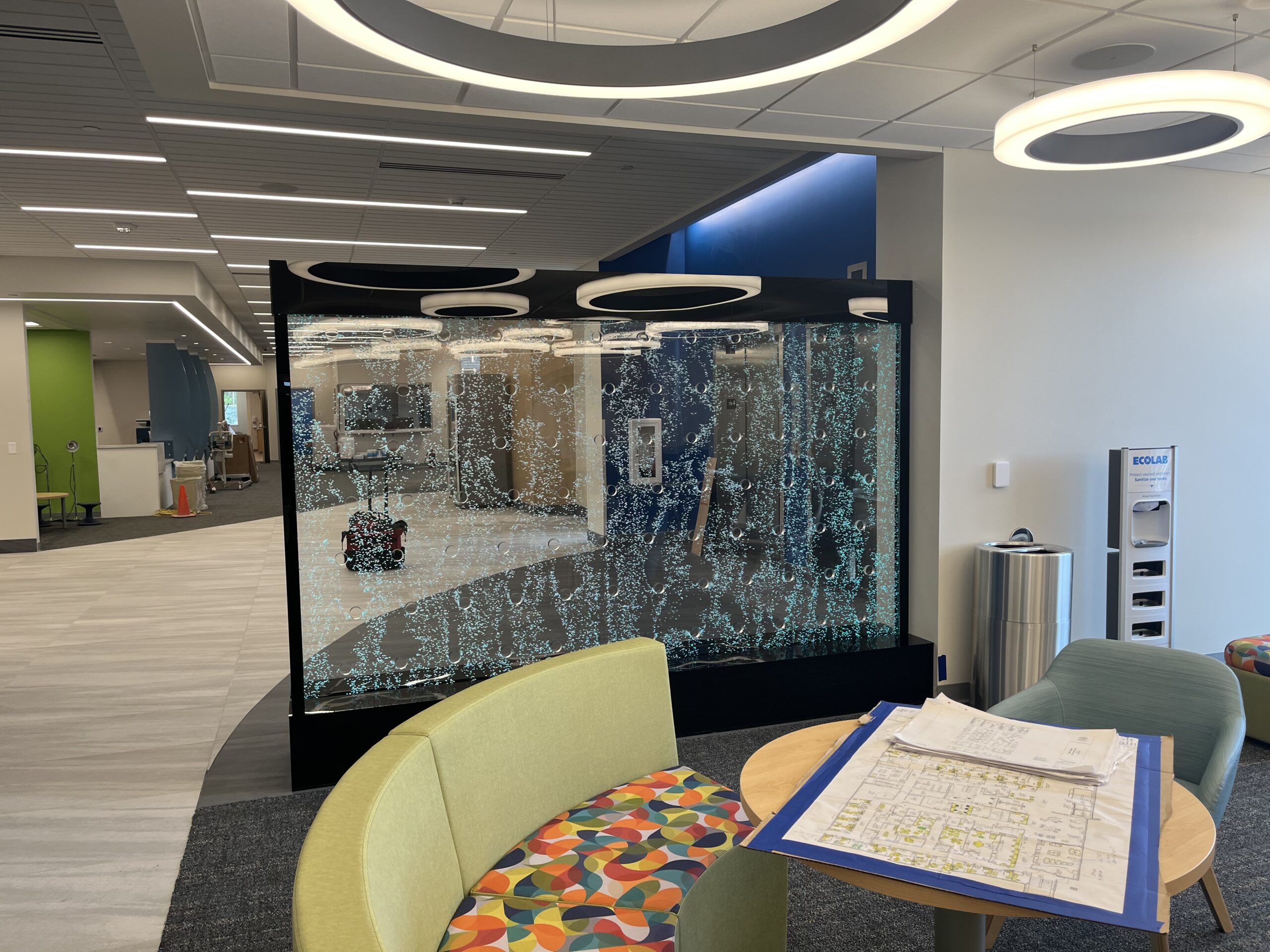
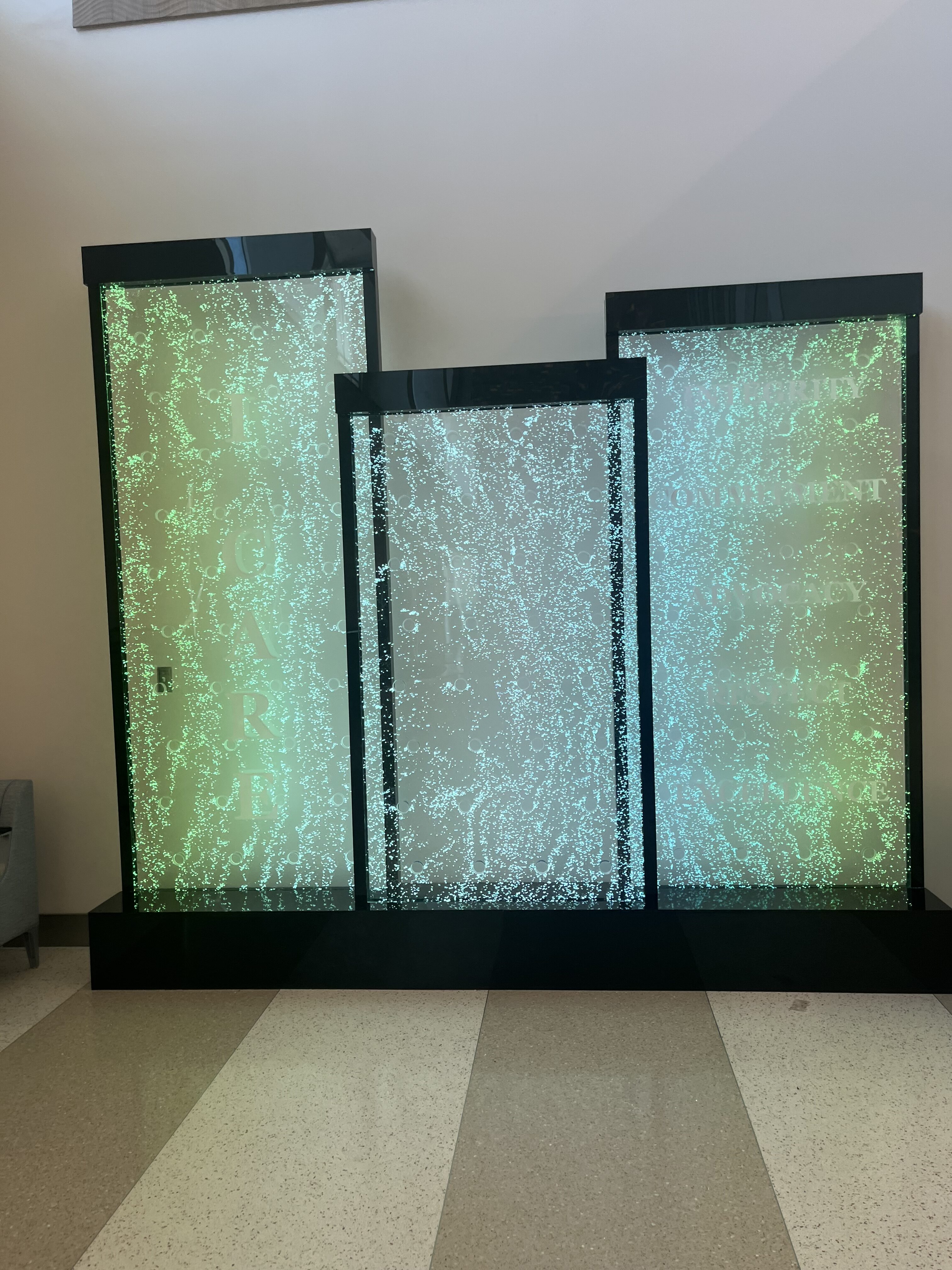
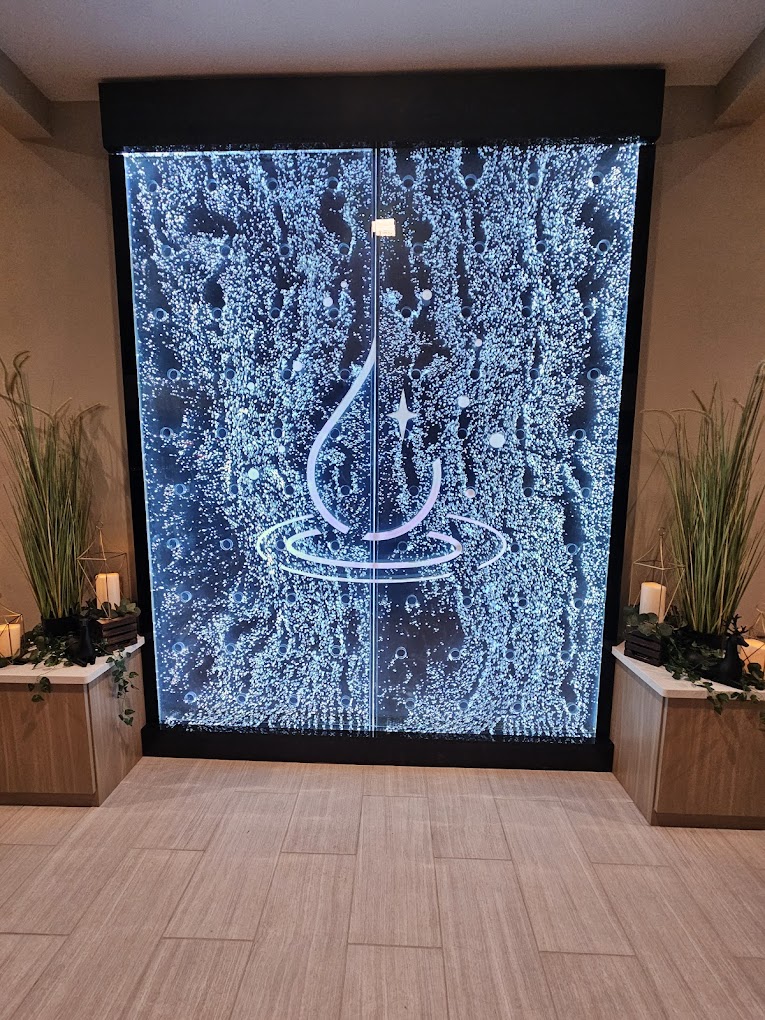
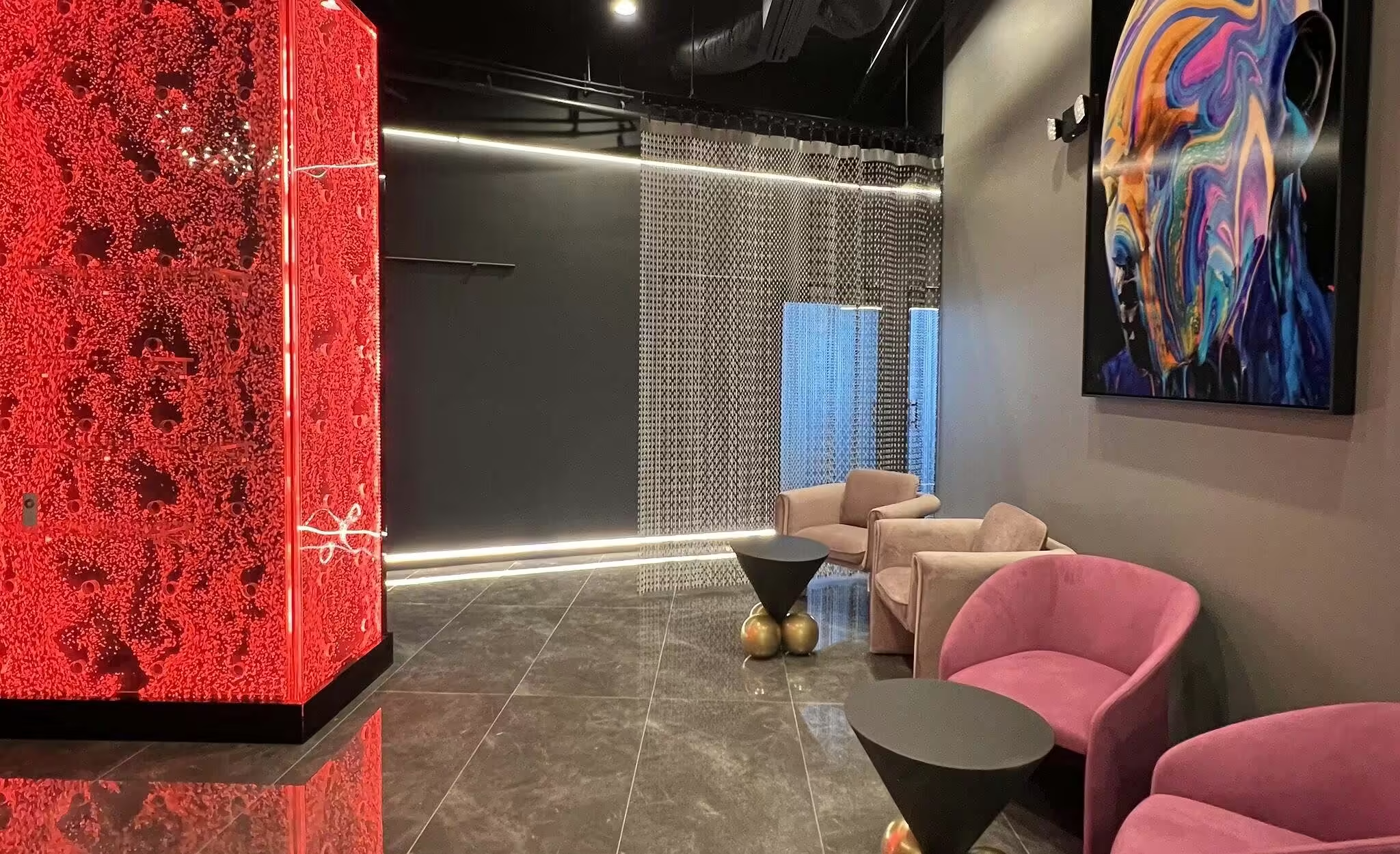
Bubble walls fit naturally into this approach. They combine gentle motion, controlled sound, and dynamic light without demanding focus. They are engaging without being distracting. This balance is what makes them so effective in modern interiors.
Designers are choosing bubble walls not to impress, but to support how people feel within a space.
Why Bubble Walls Capture Attention Without Overpowering
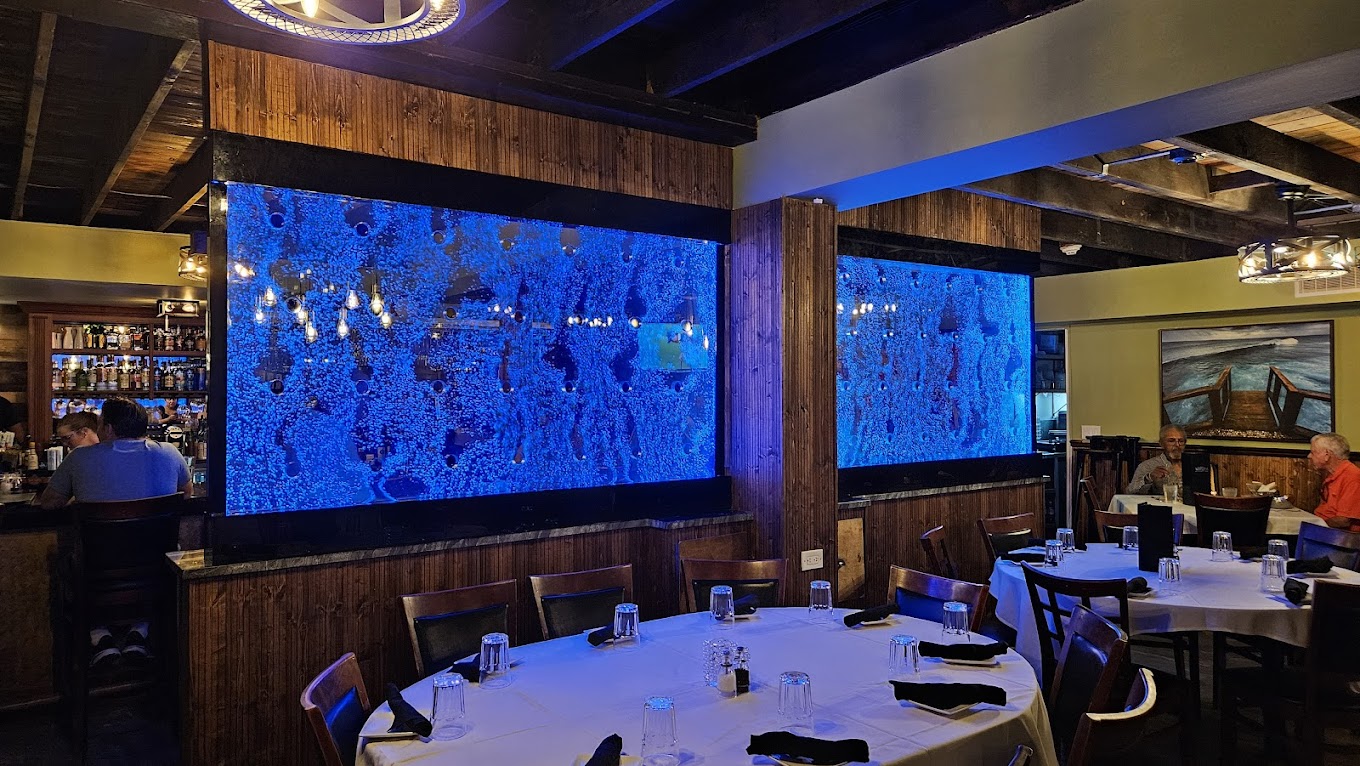
The movement of bubbles is predictable yet never repetitive. This subtle variation holds attention in a way that feels calming. Unlike screens or kinetic art that compete for focus, bubble walls encourage peripheral engagement. People notice them. They do not feel pulled toward them.
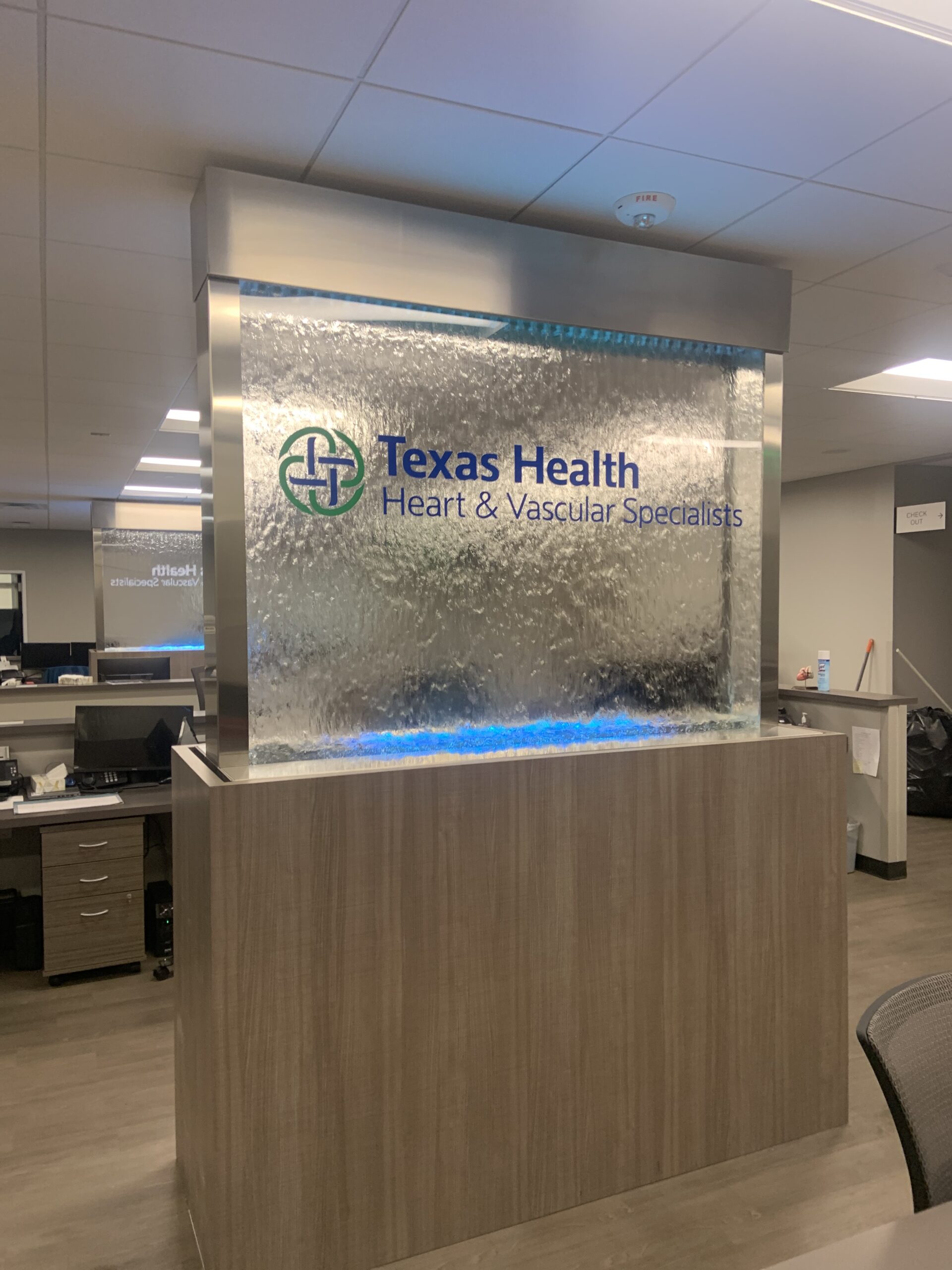
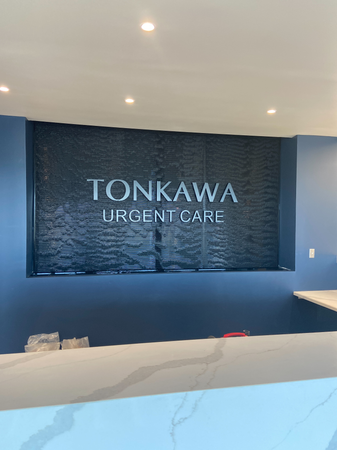
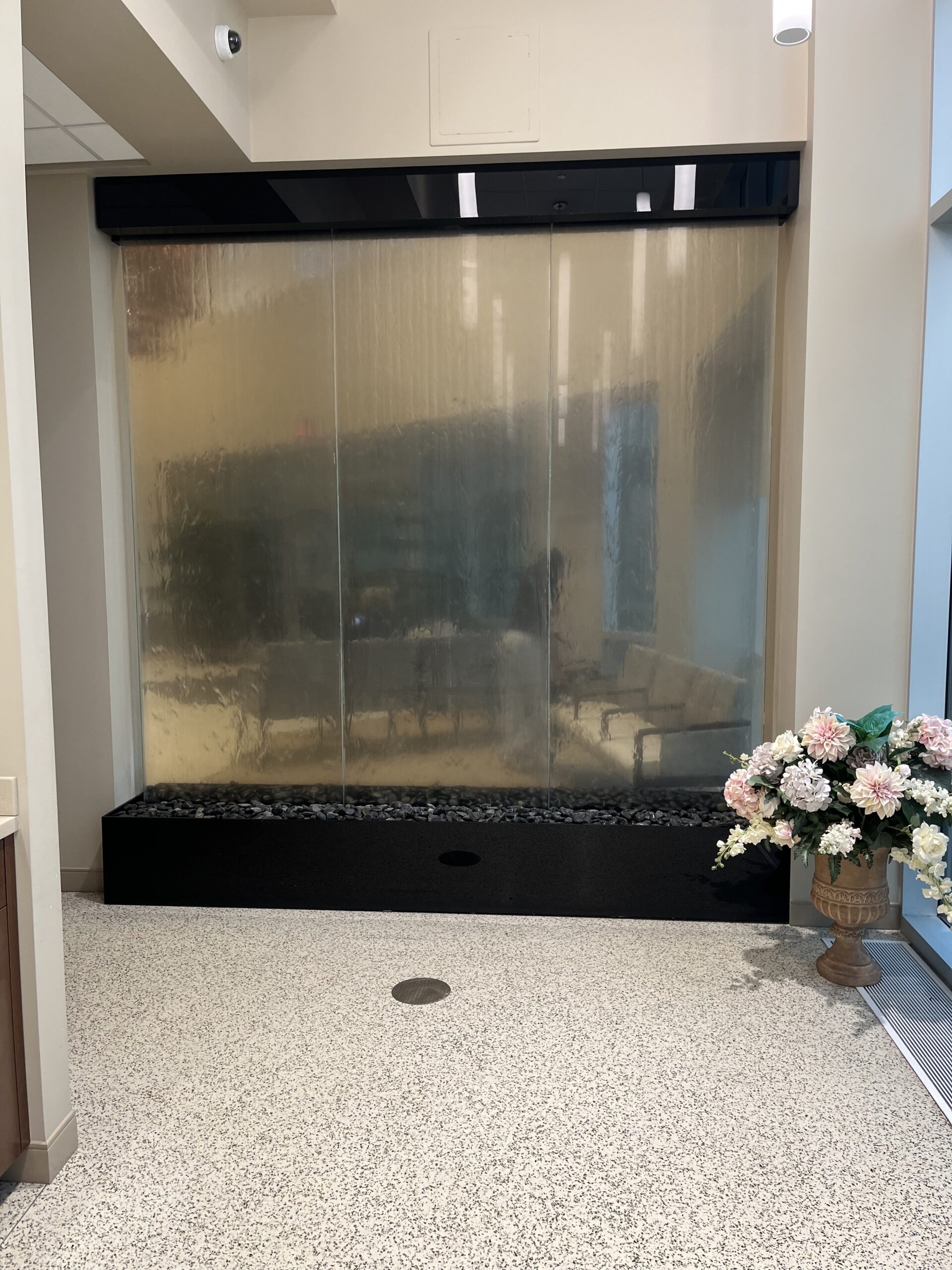
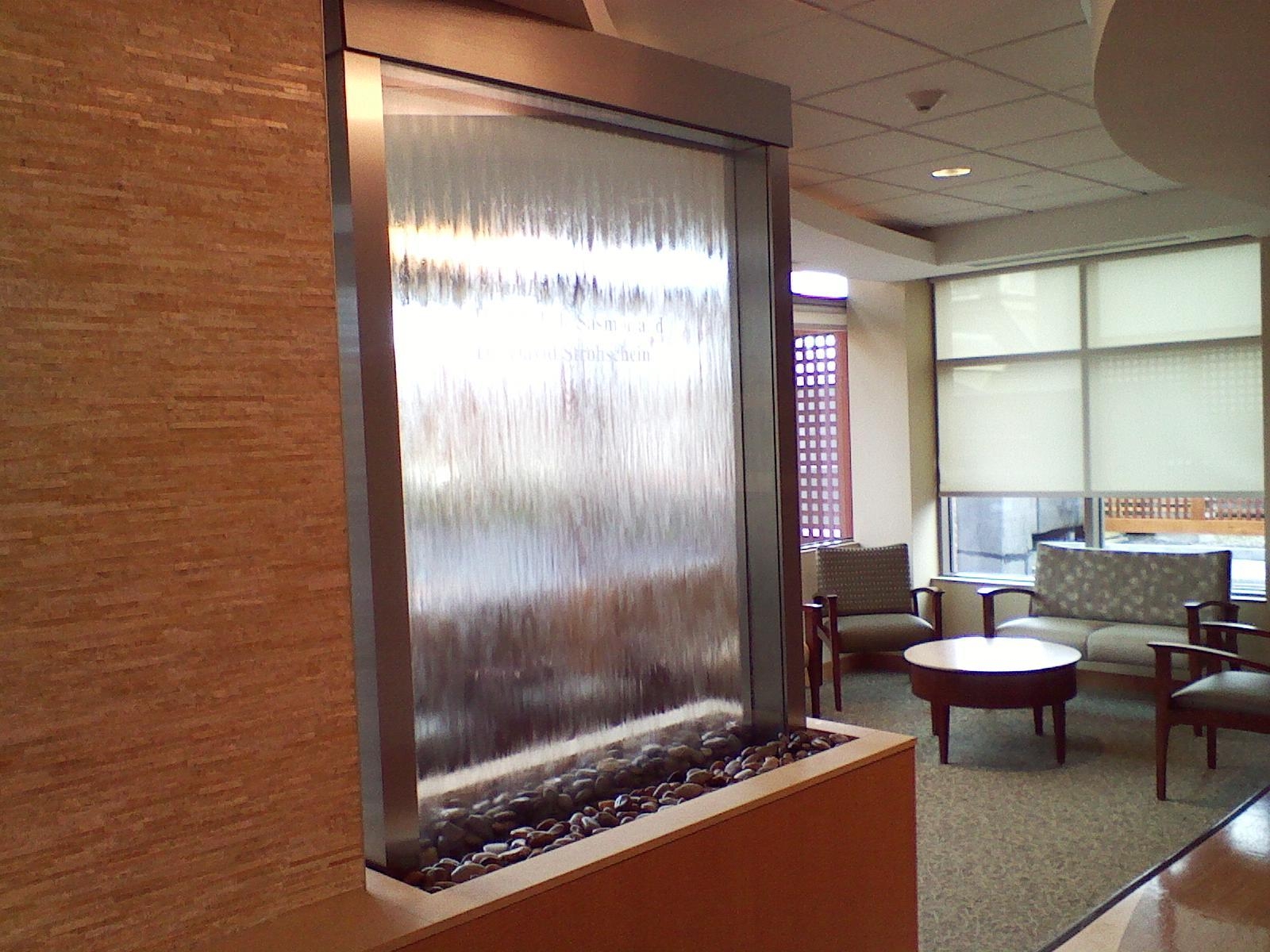
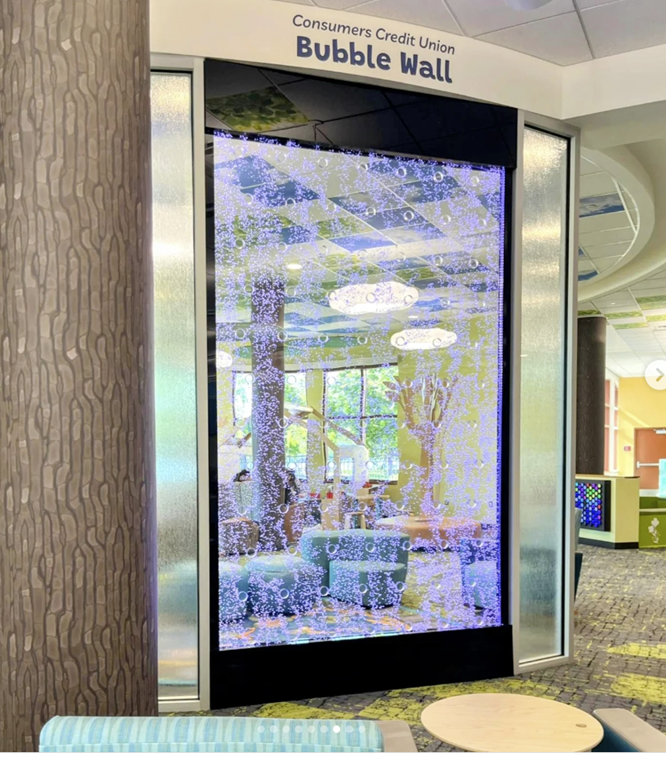
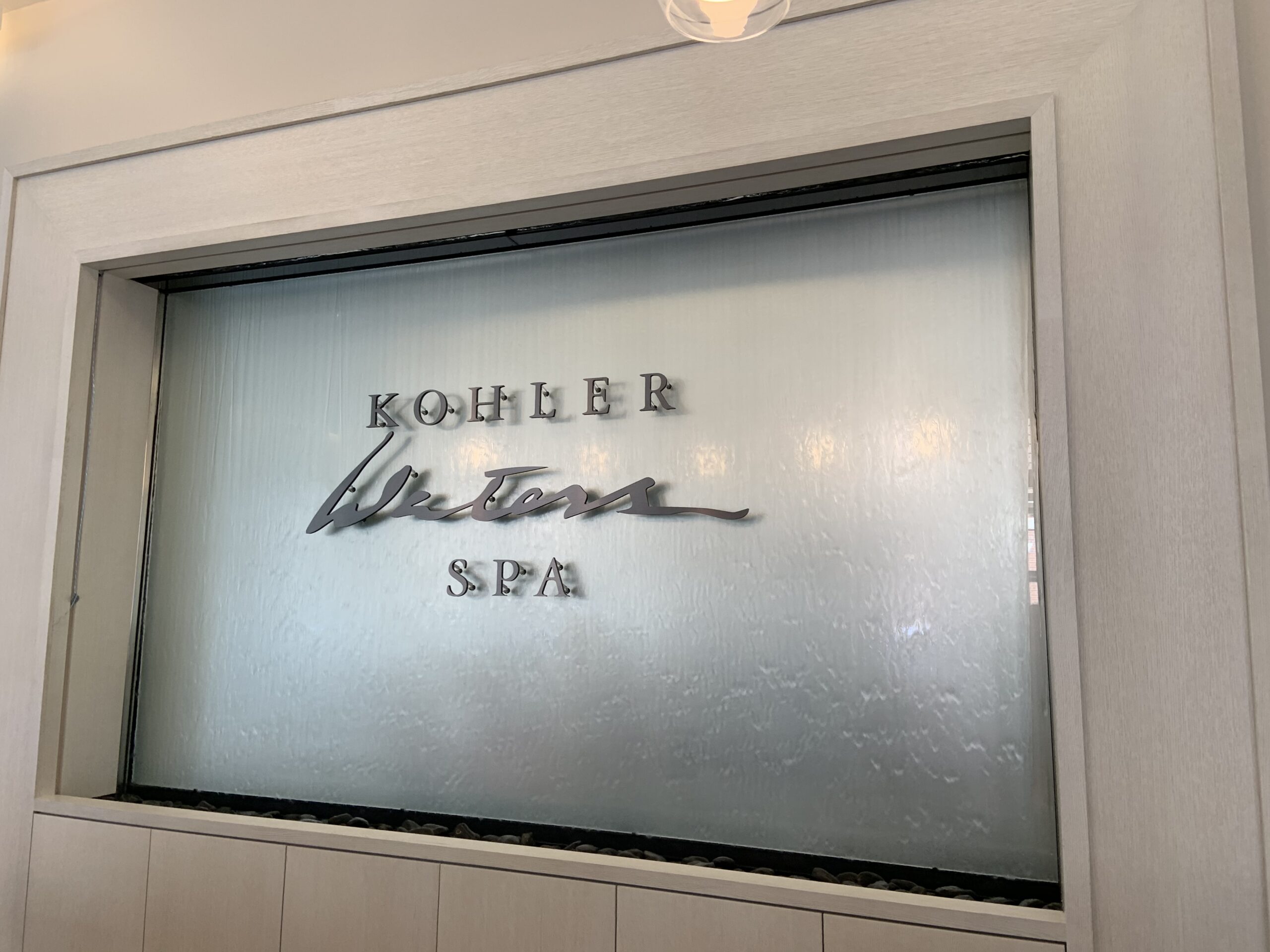
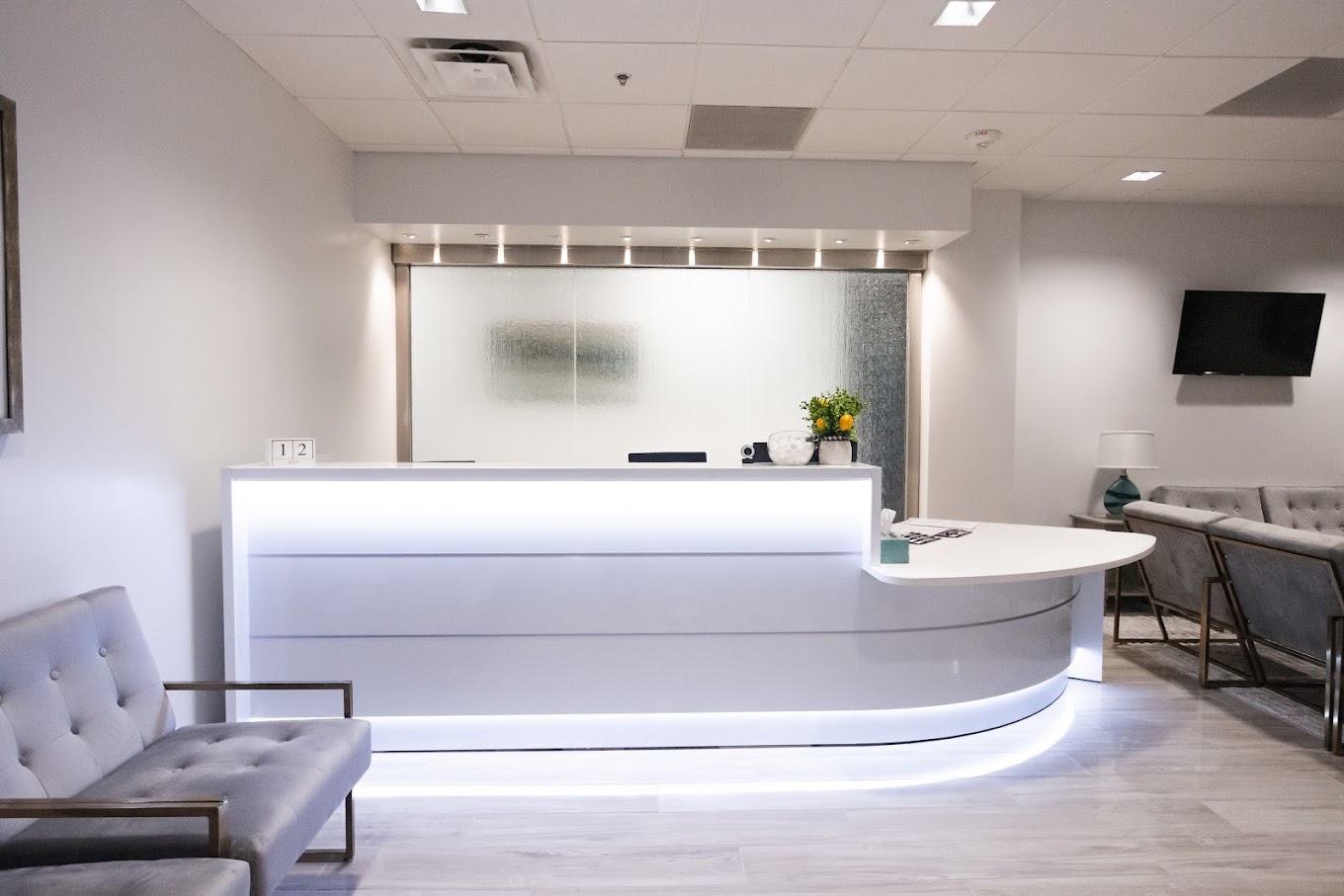
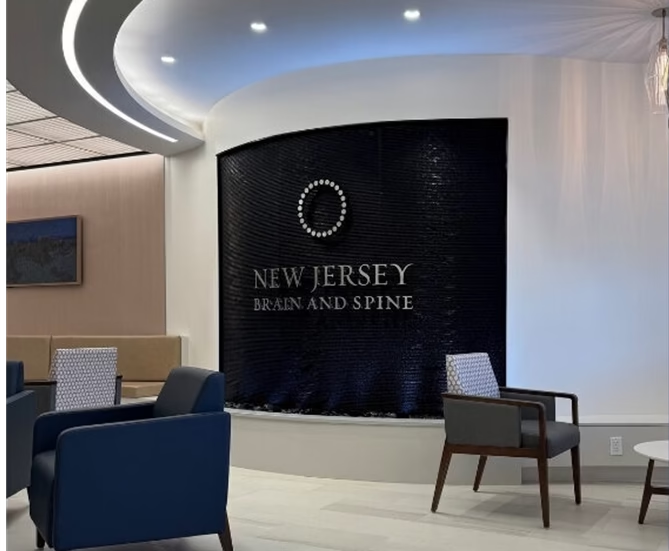
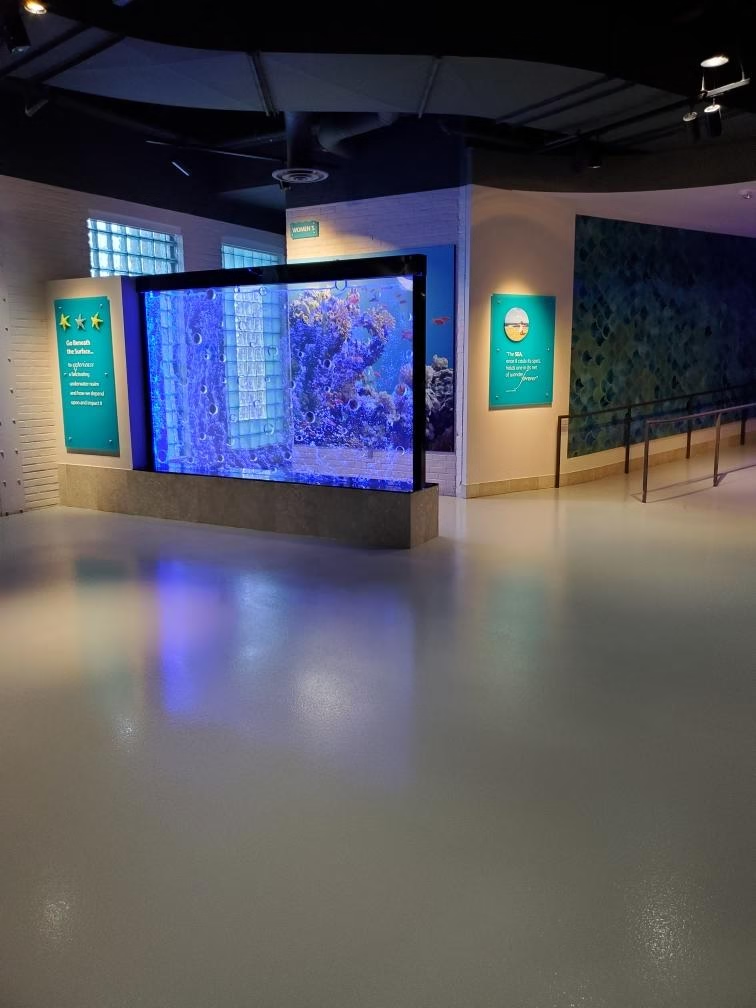
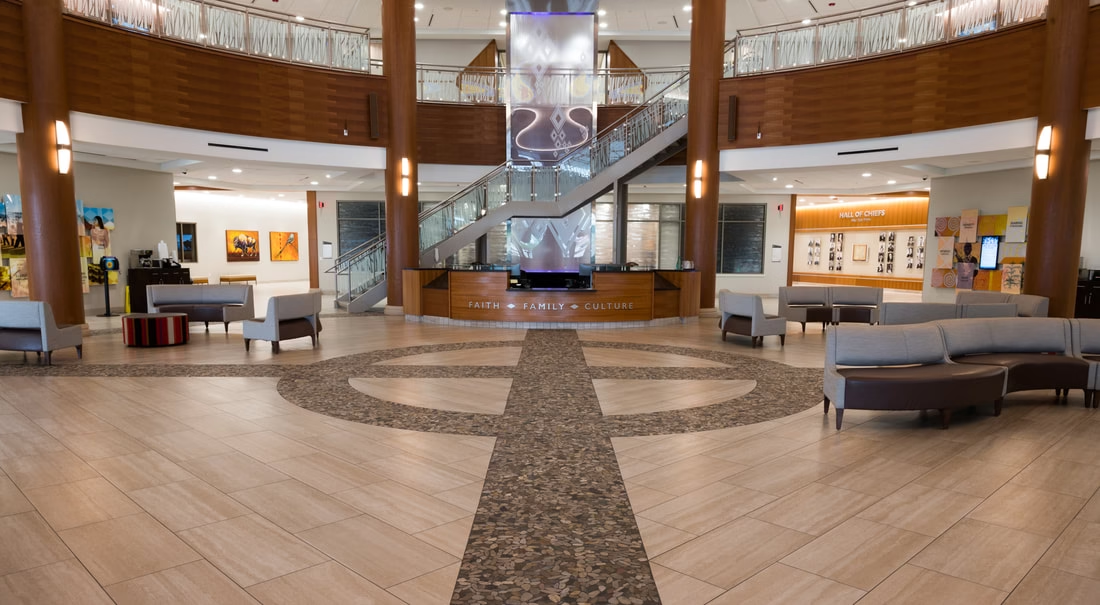
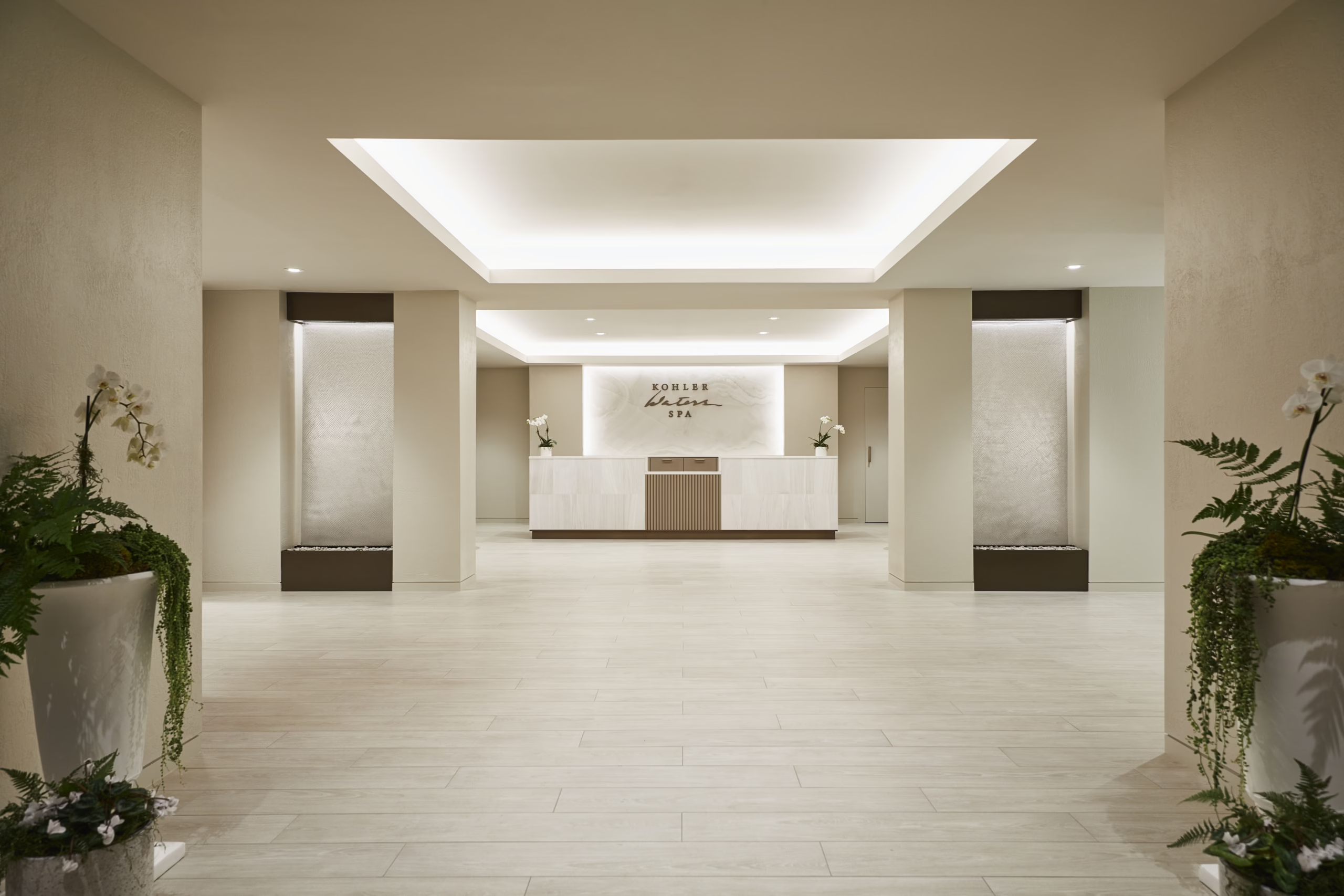
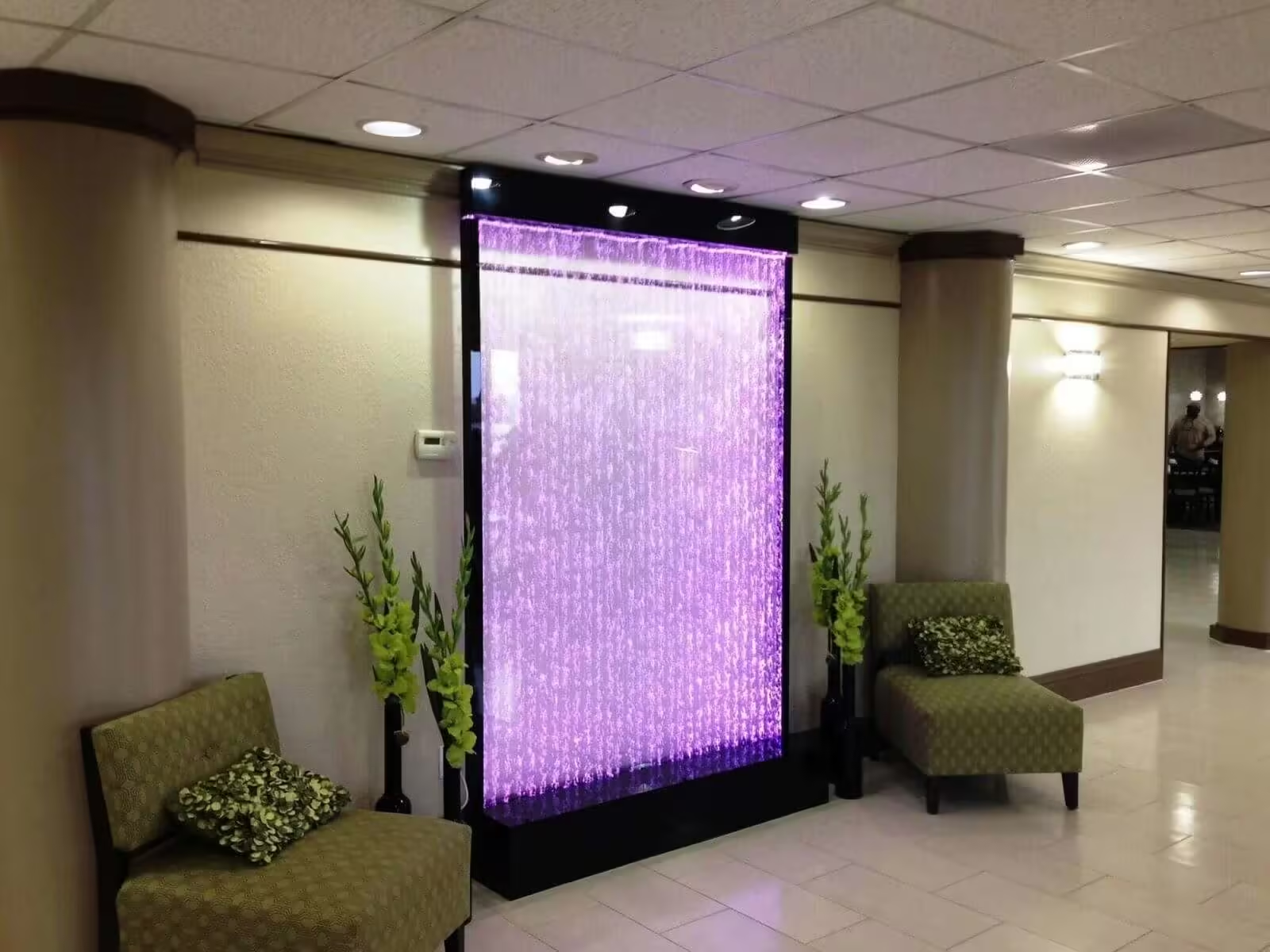
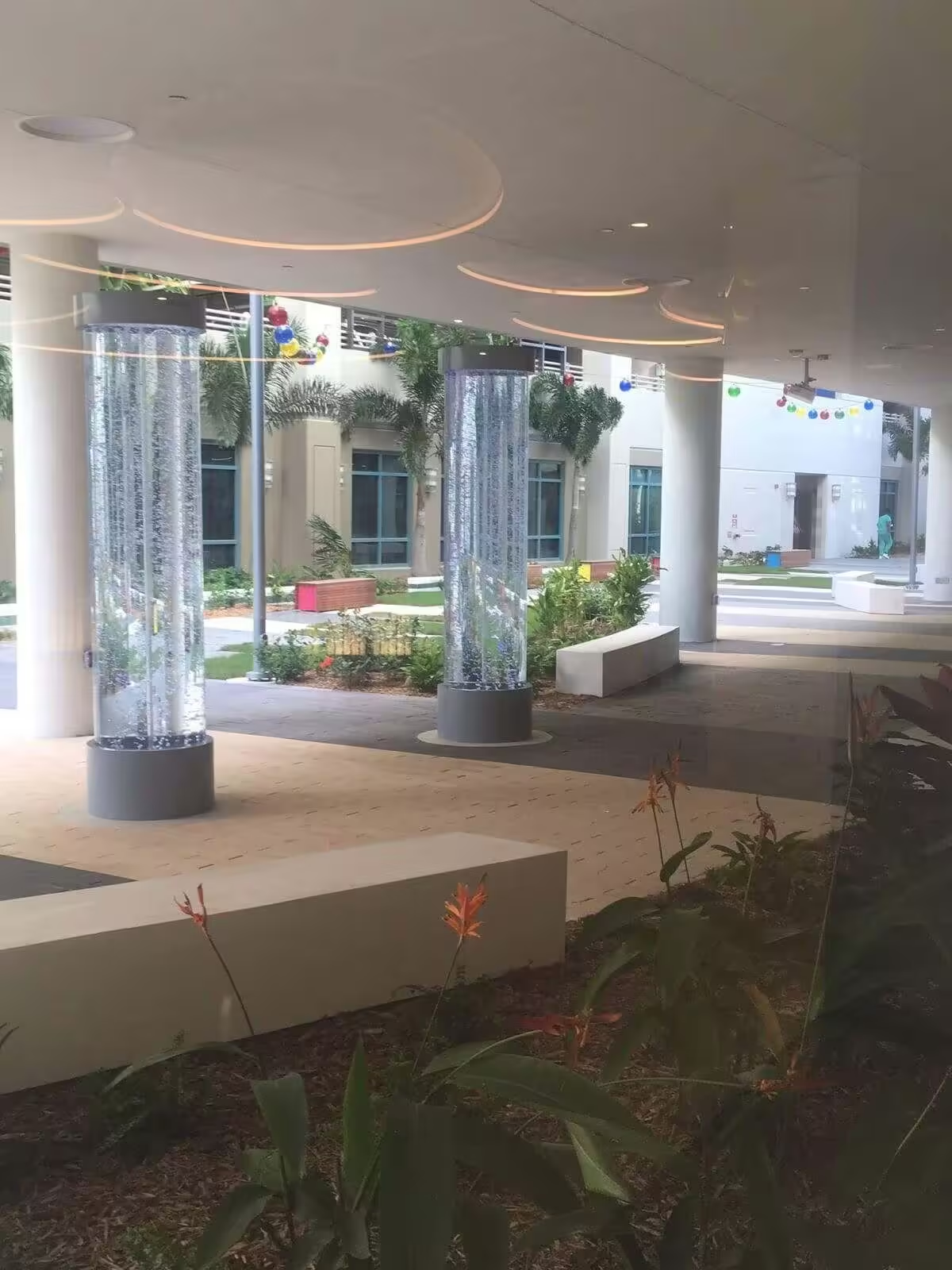
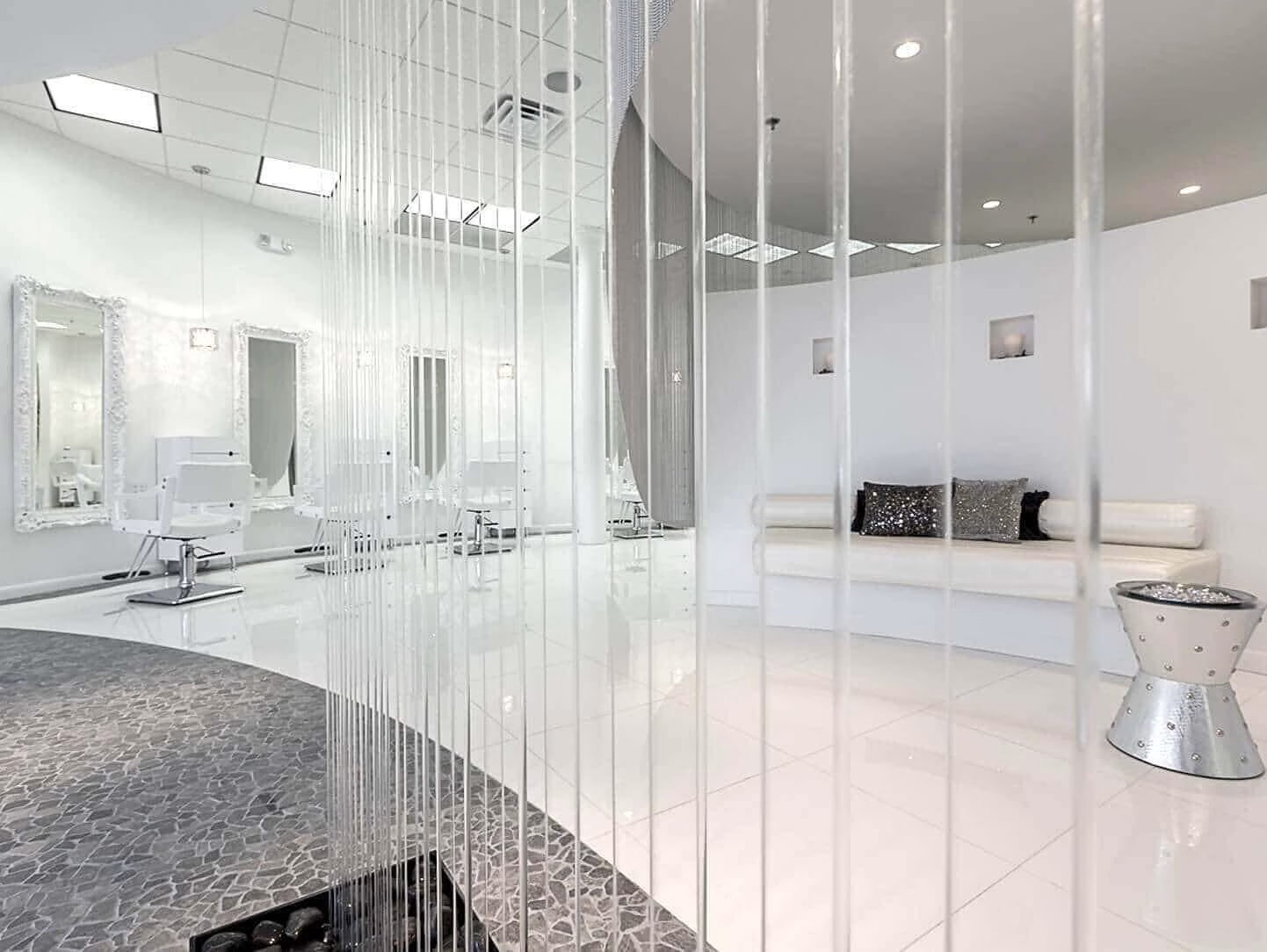
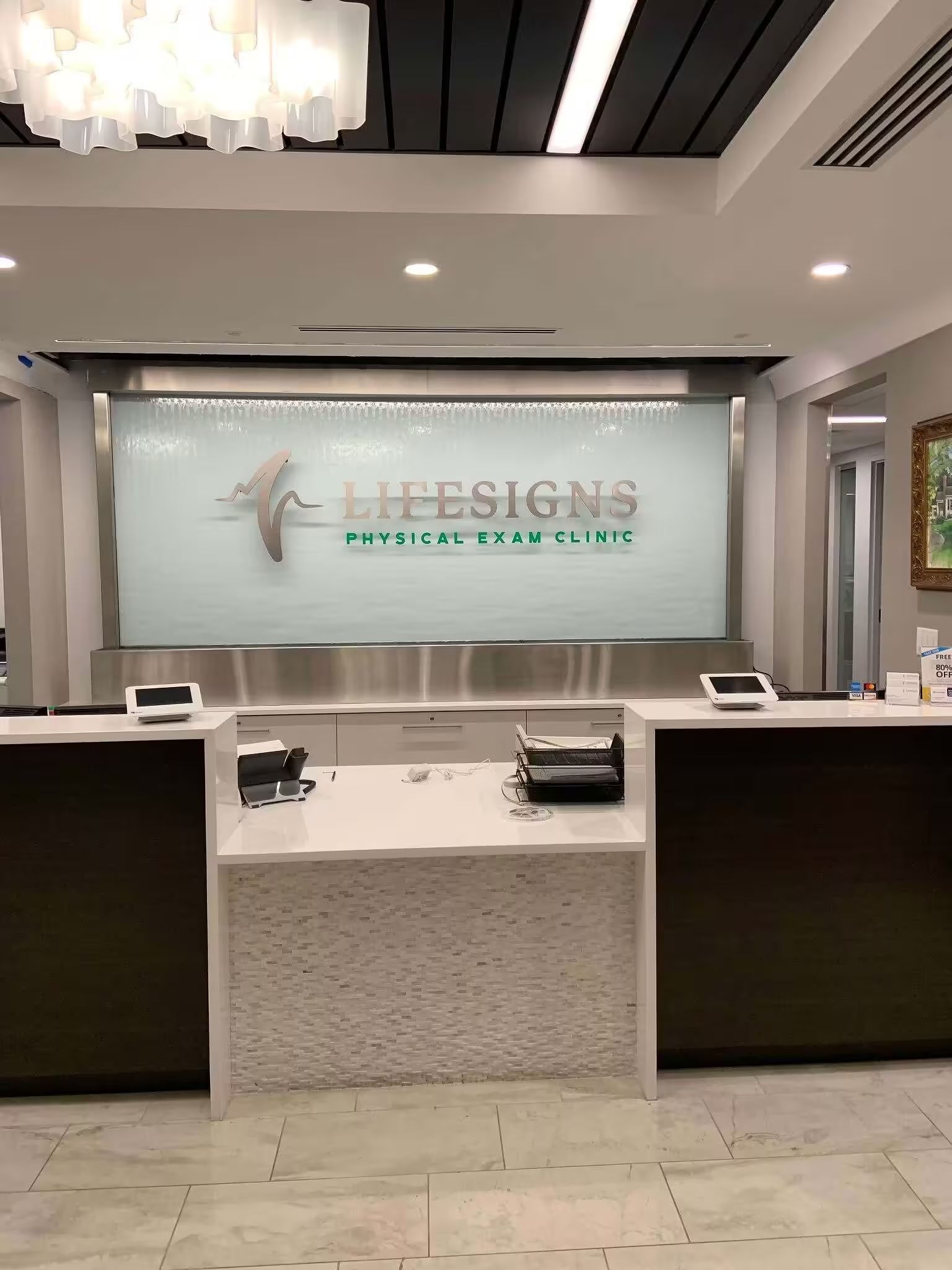
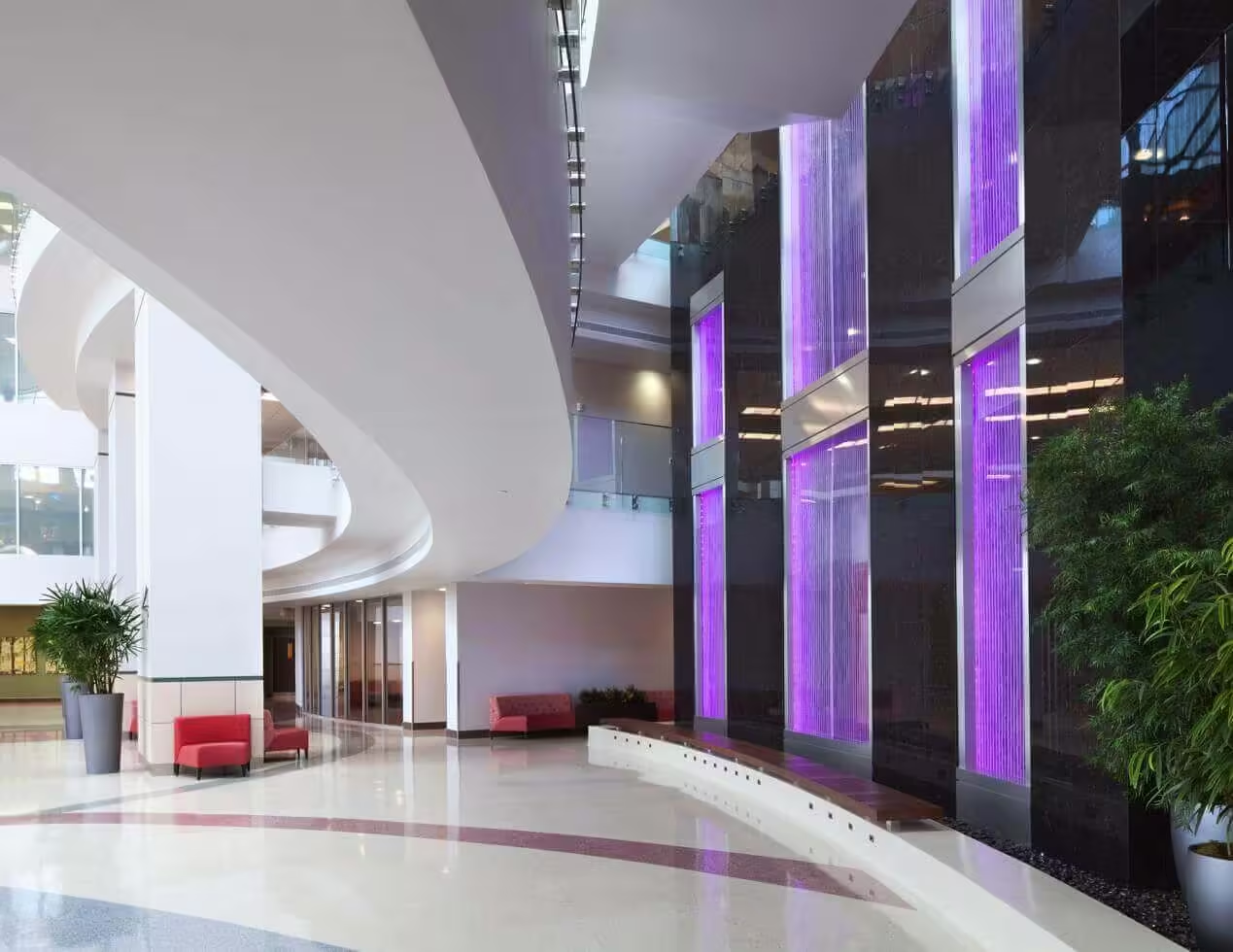
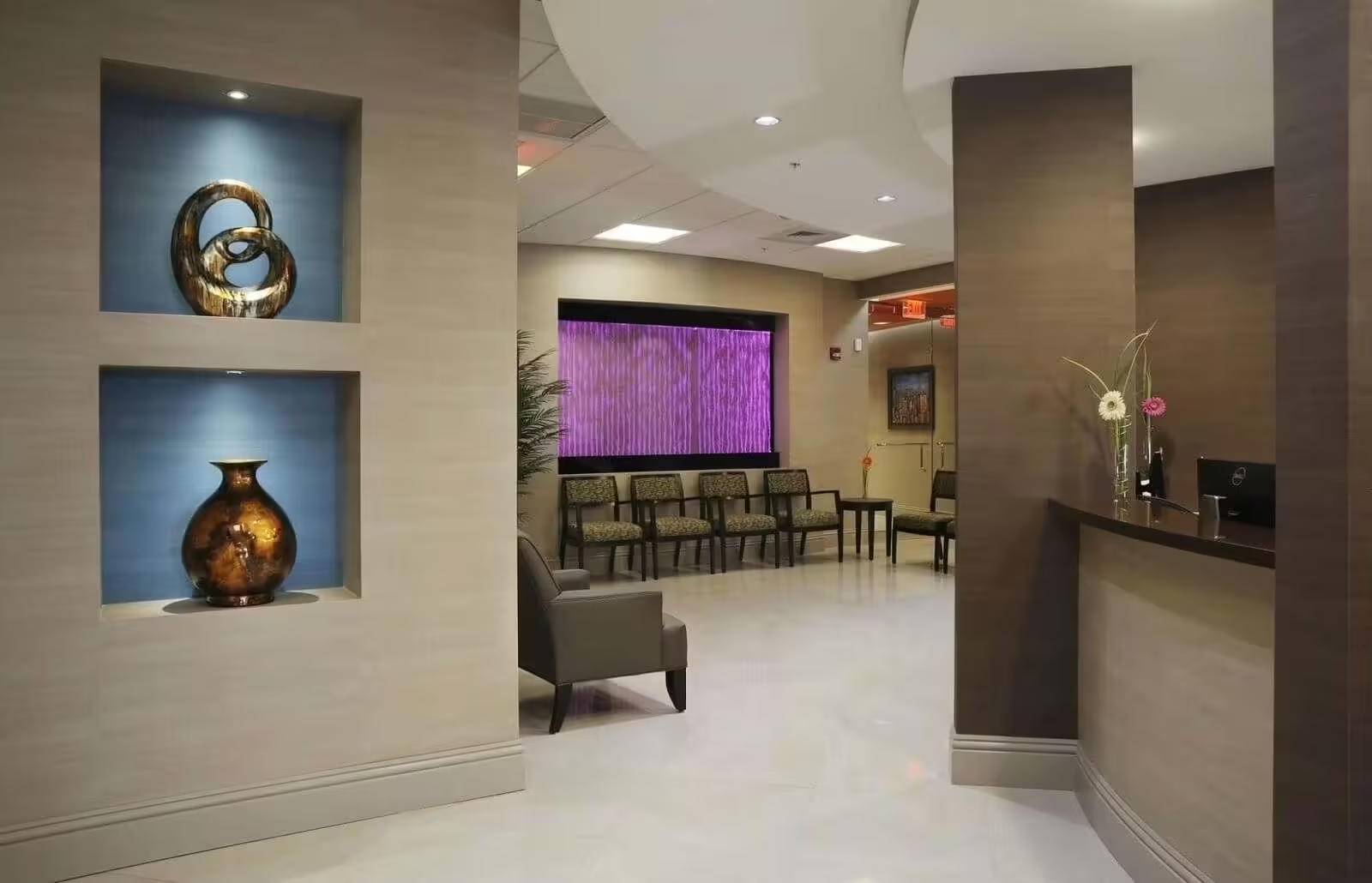
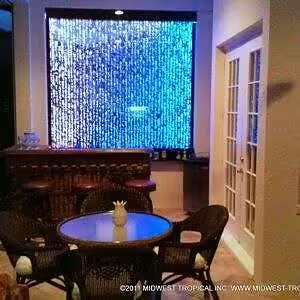
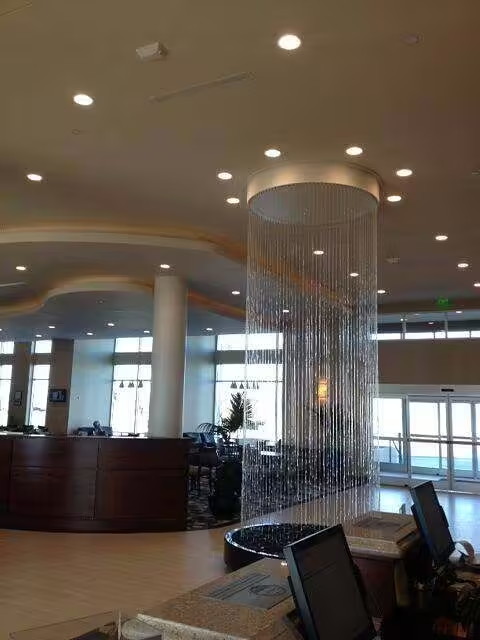
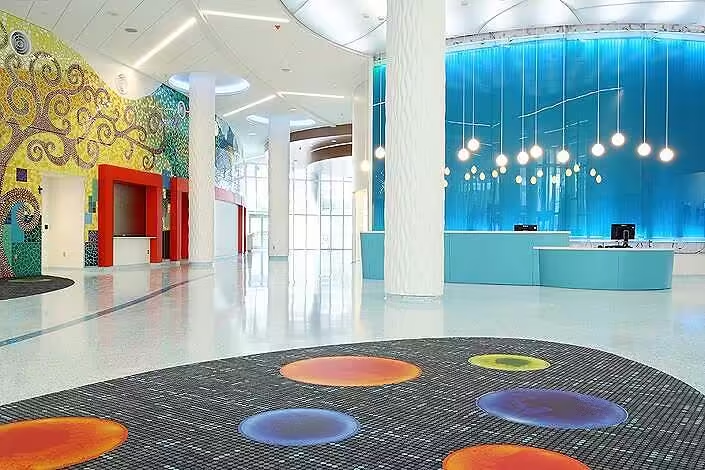
This makes bubble walls especially valuable in environments where calm and clarity matter. Waiting rooms, therapy spaces, lobbies, and reception areas benefit from features that reduce stress without adding stimulation. The gentle rise of bubbles achieves that balance almost instinctively.
Light, Motion, and Emotional Regulation
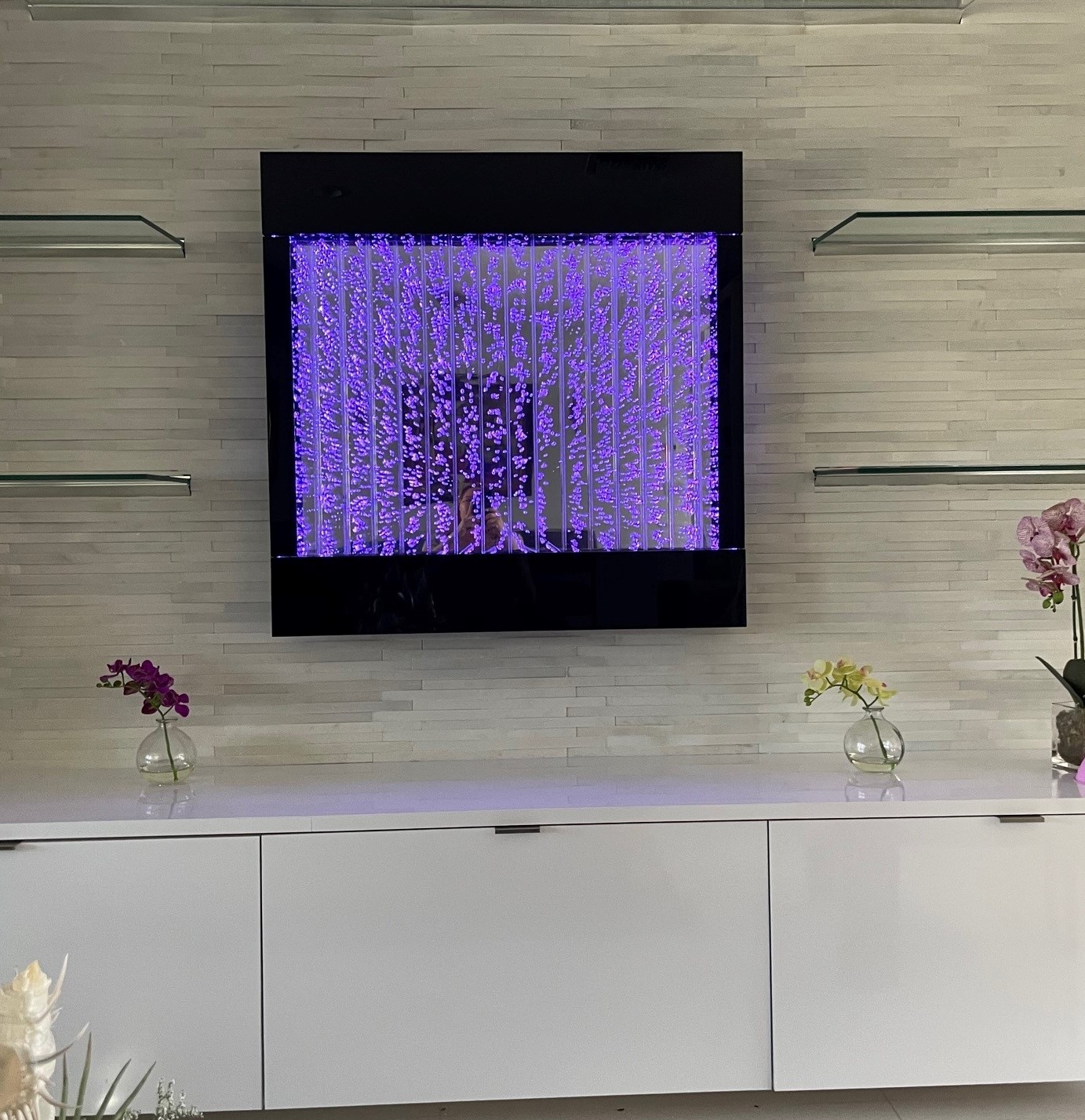
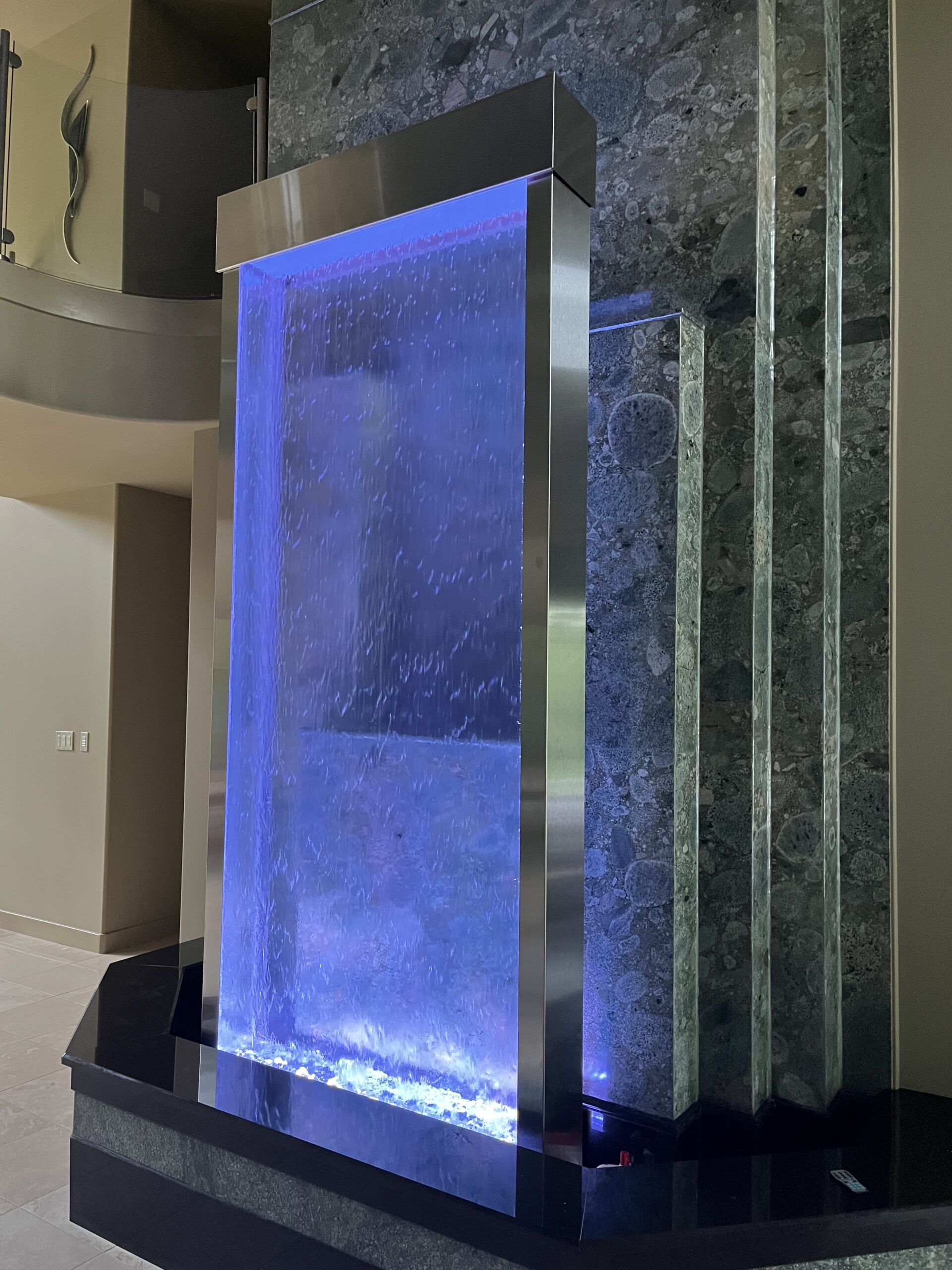
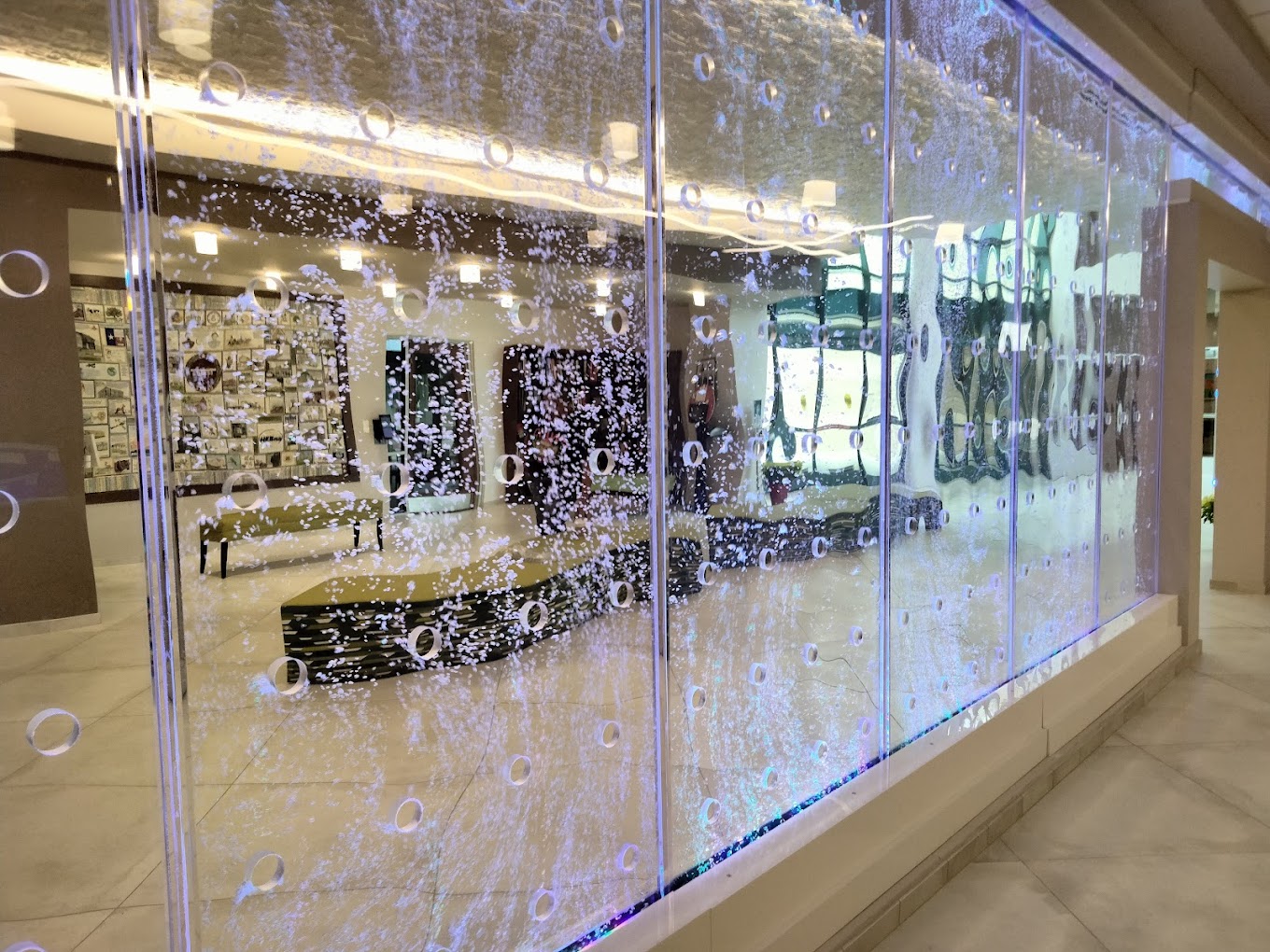
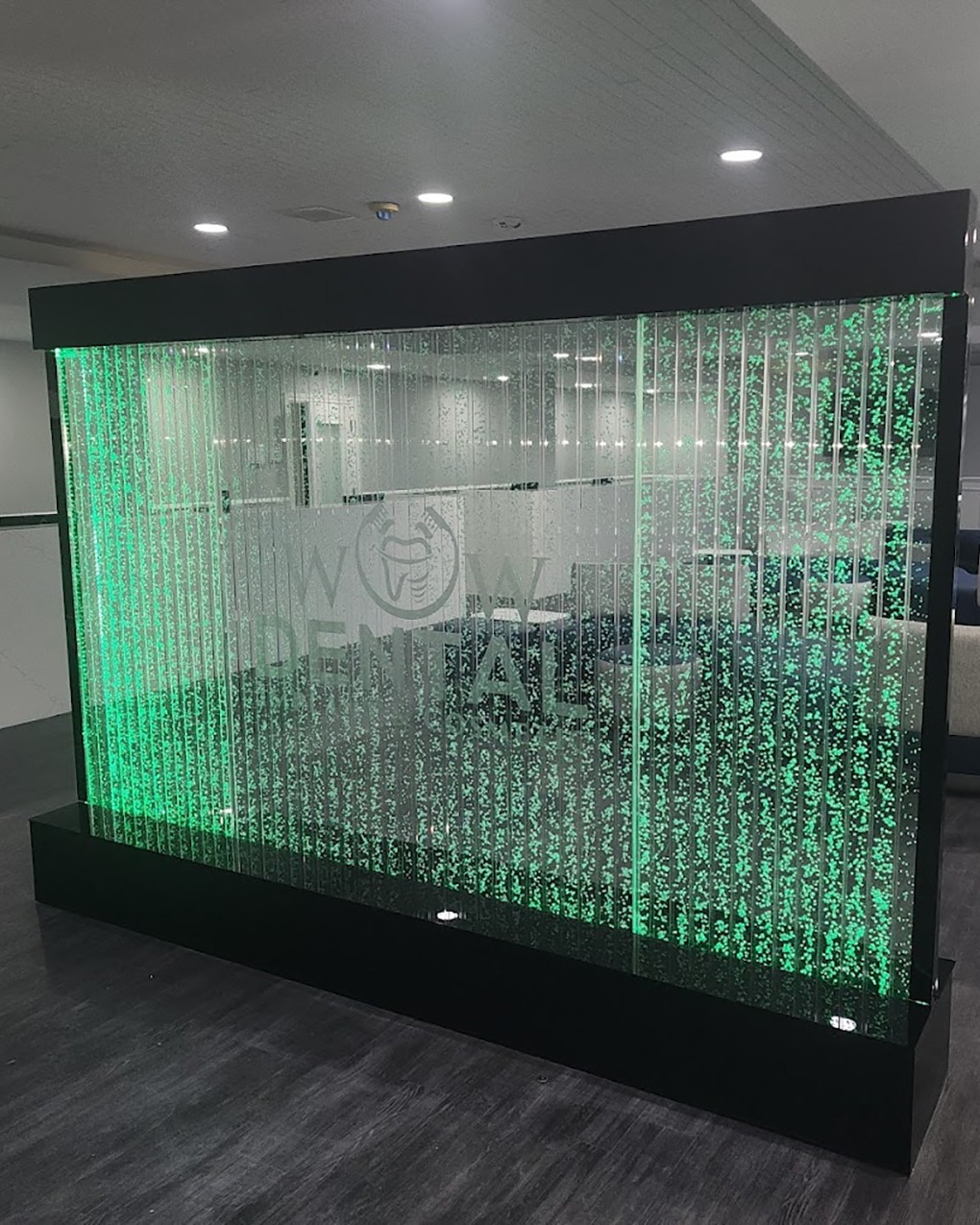
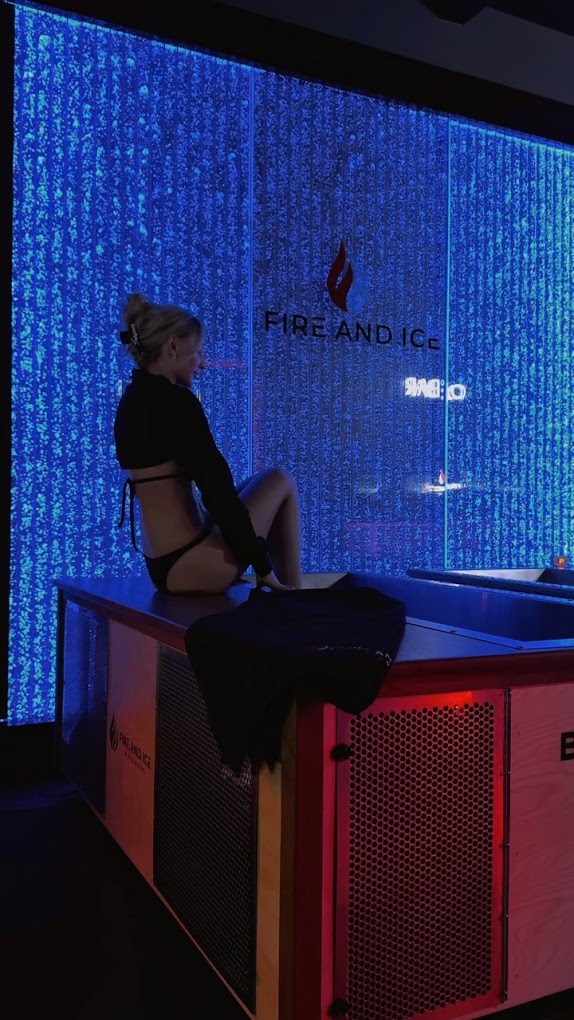
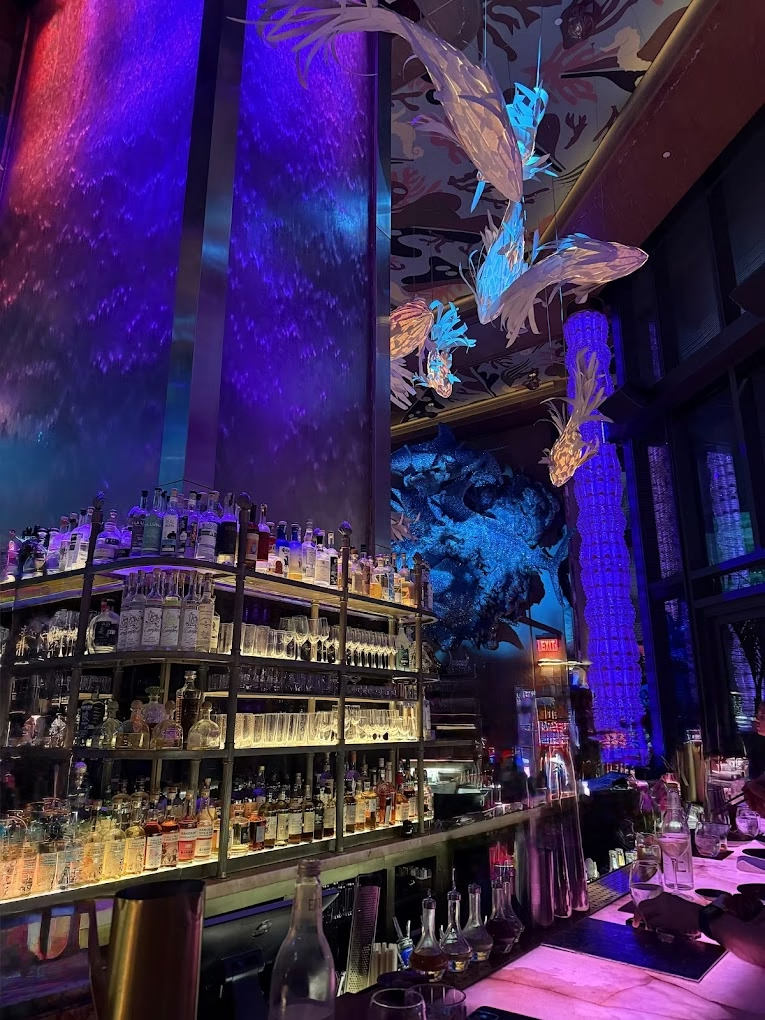
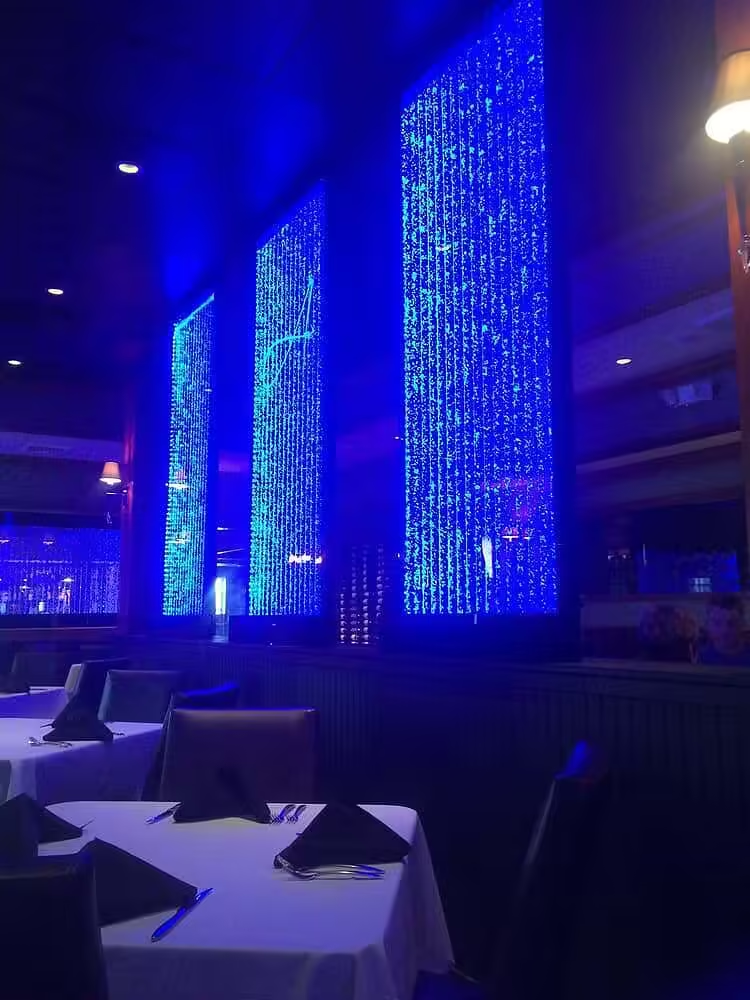
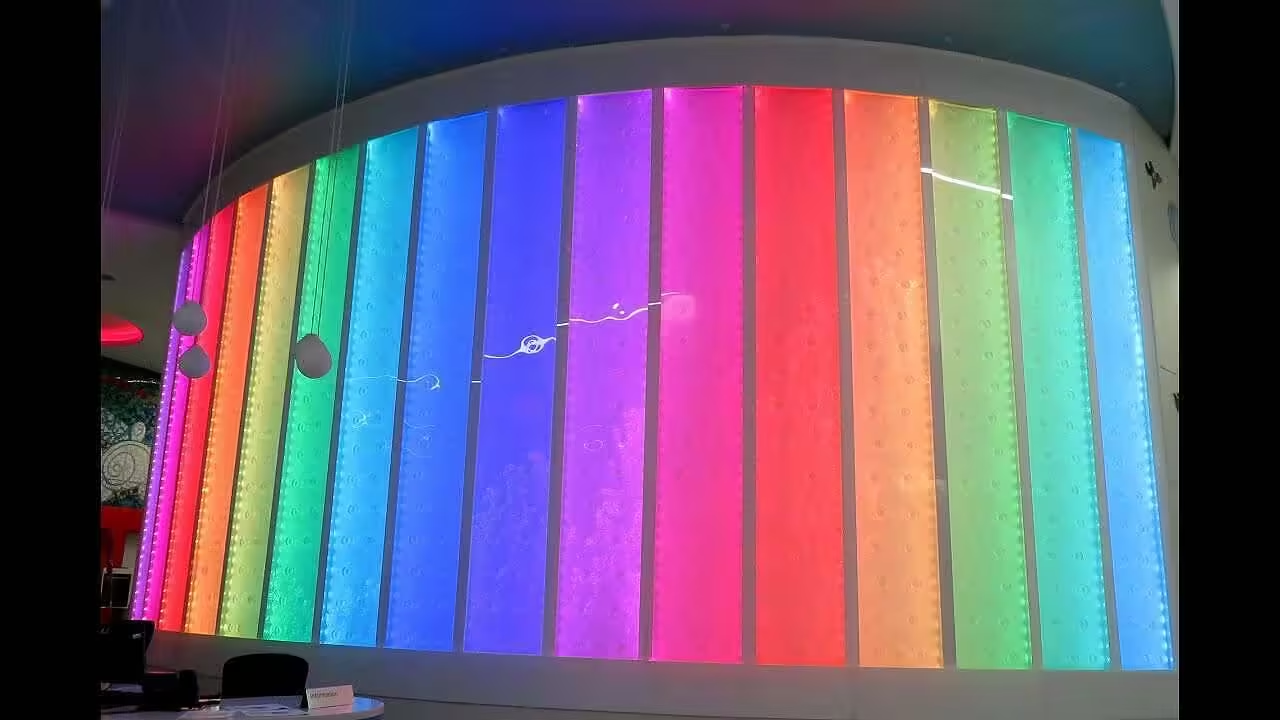
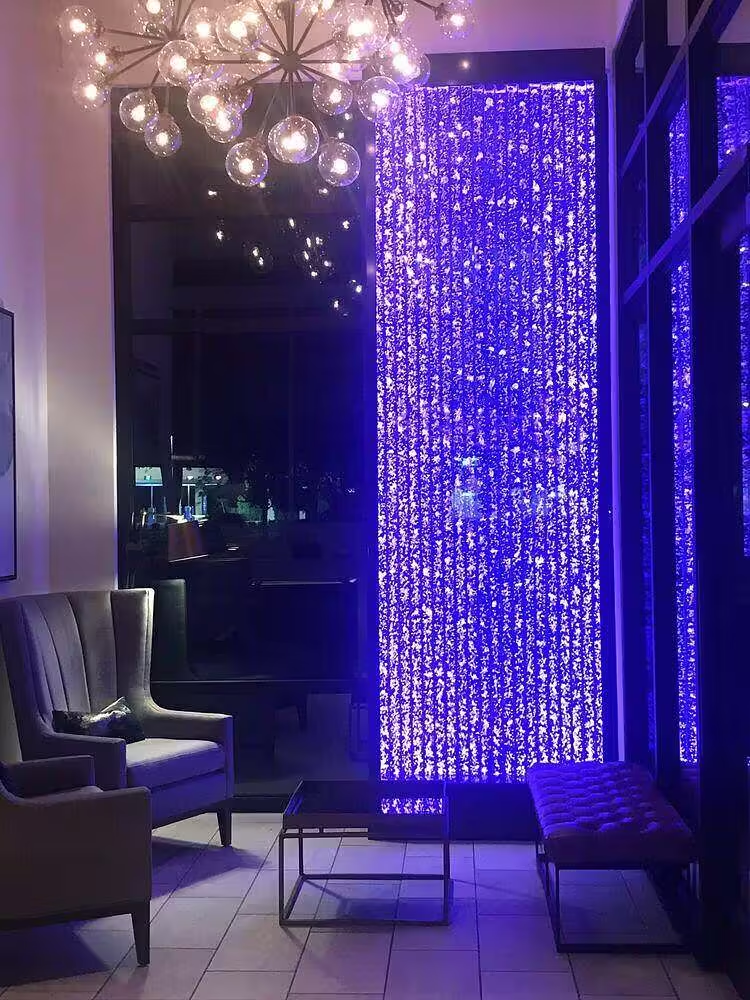
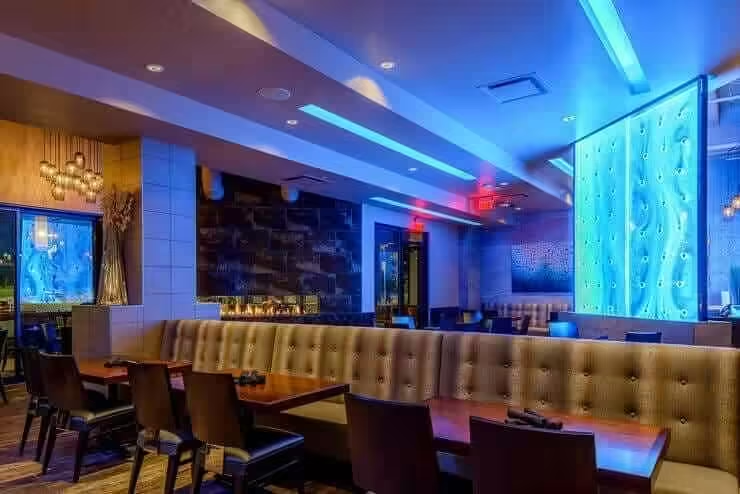
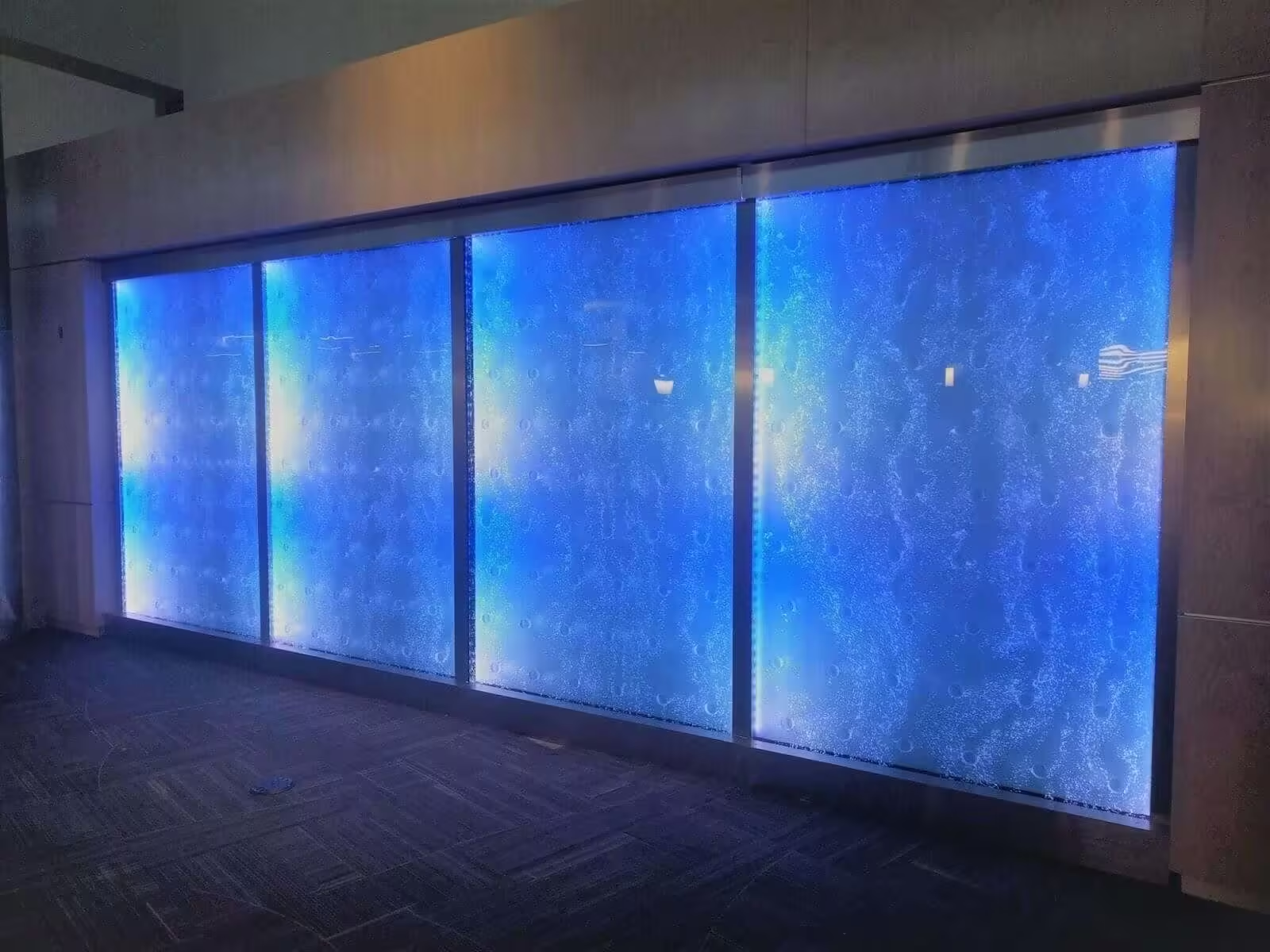
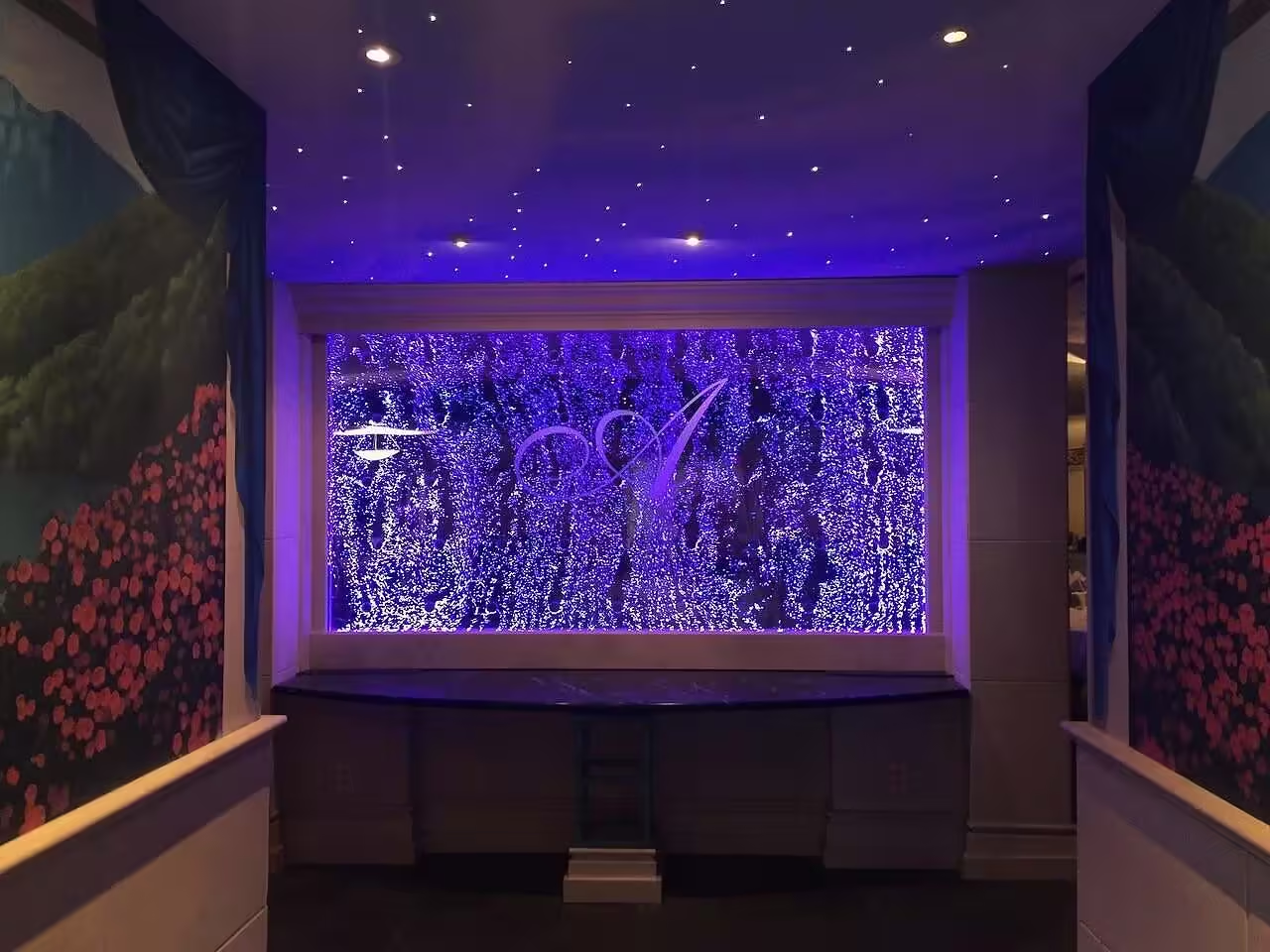
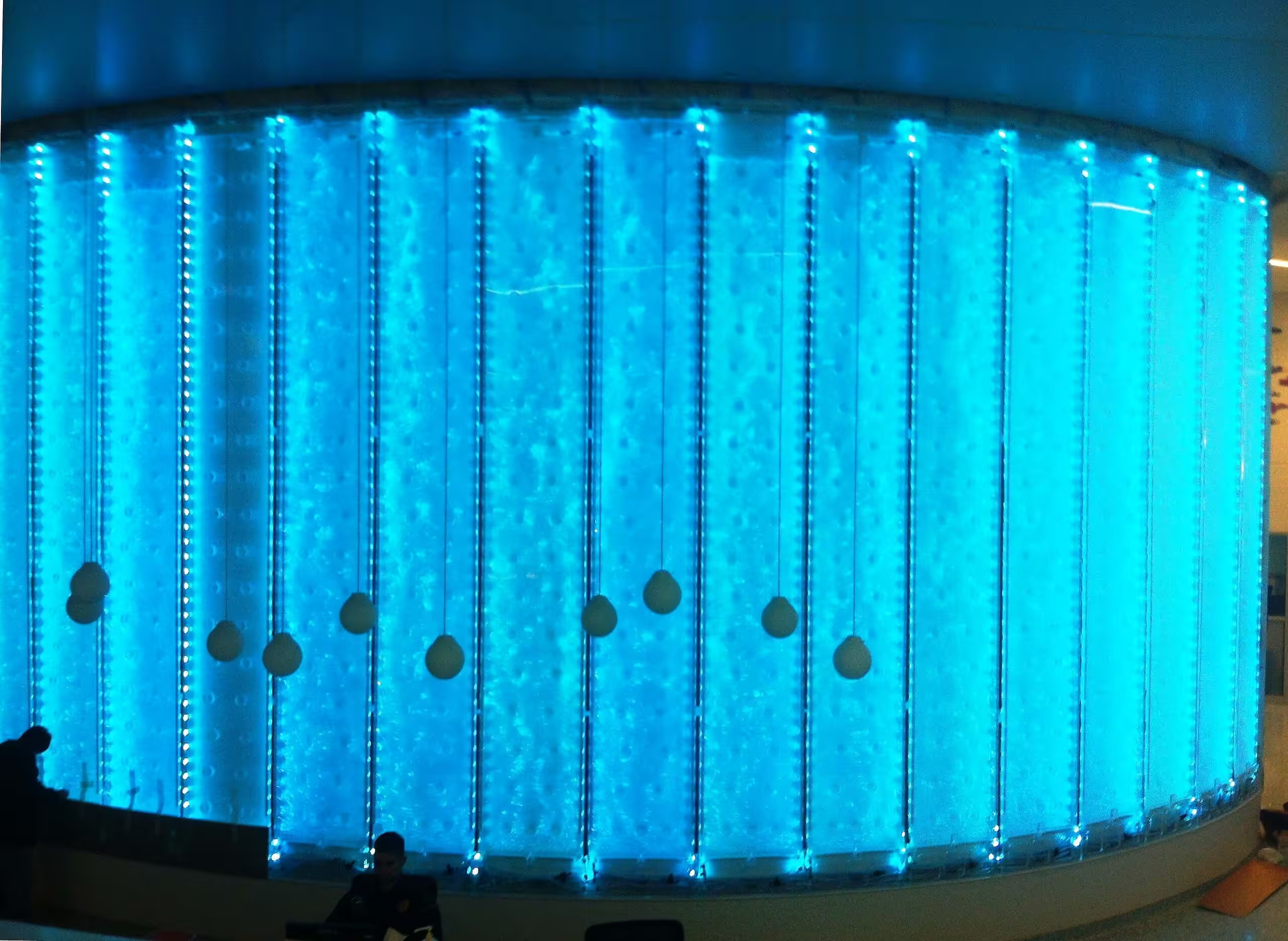
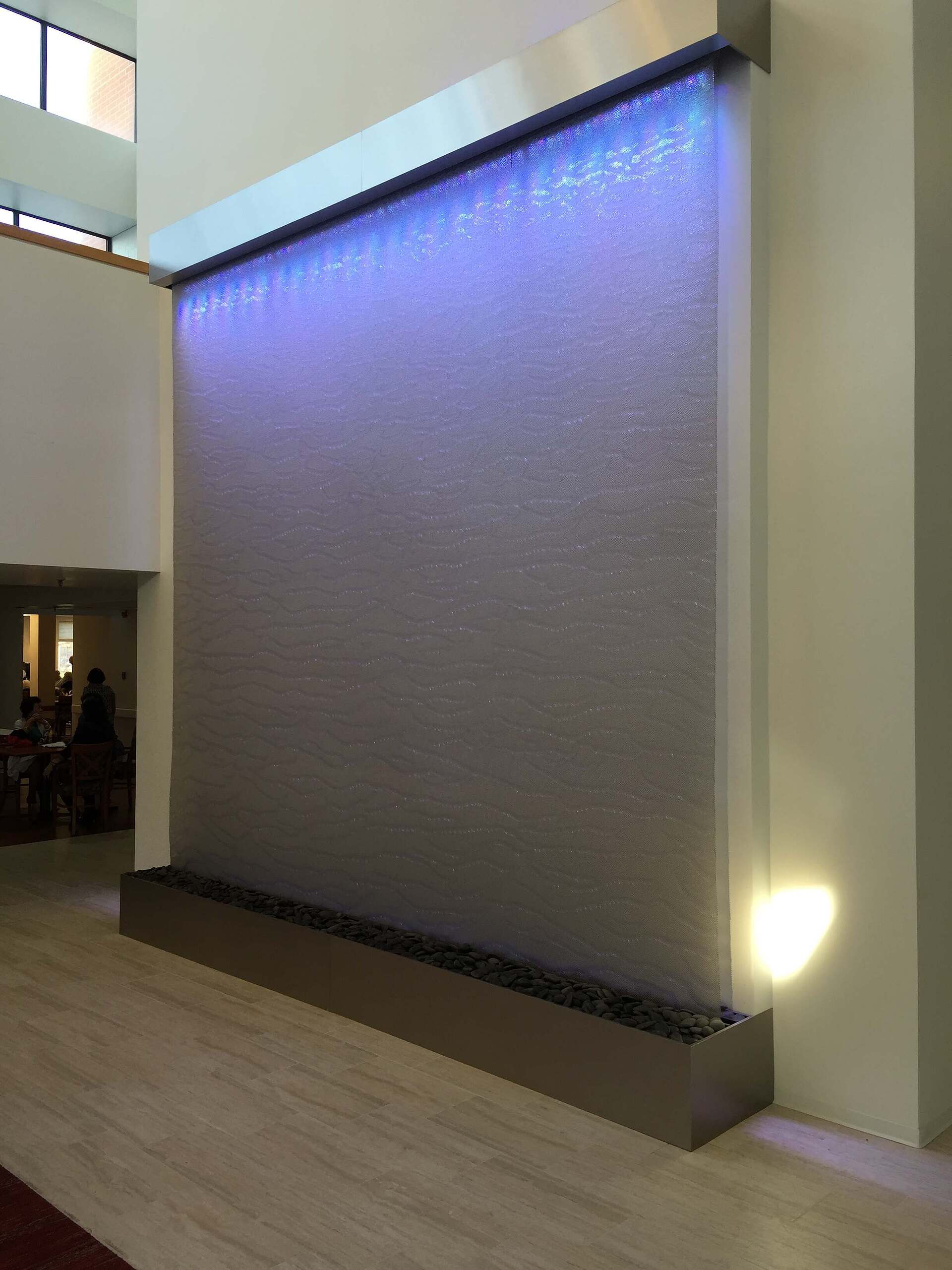
Lighting plays a major role in how bubble walls affect mood. Soft, diffused illumination paired with slow bubble movement creates a sense of rhythm. This rhythm has a grounding effect. It helps regulate breathing. It lowers perceived noise. It encourages stillness.
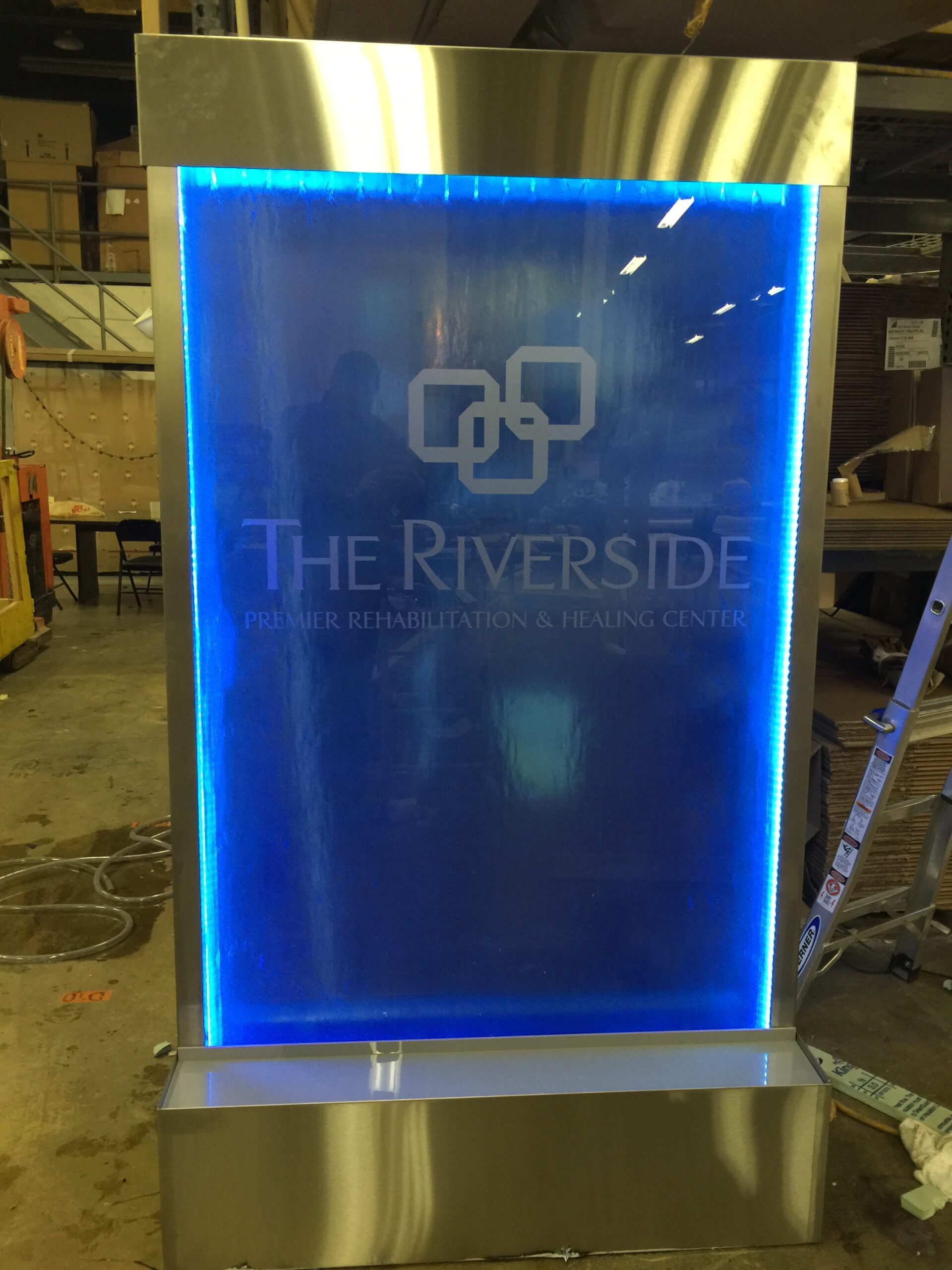
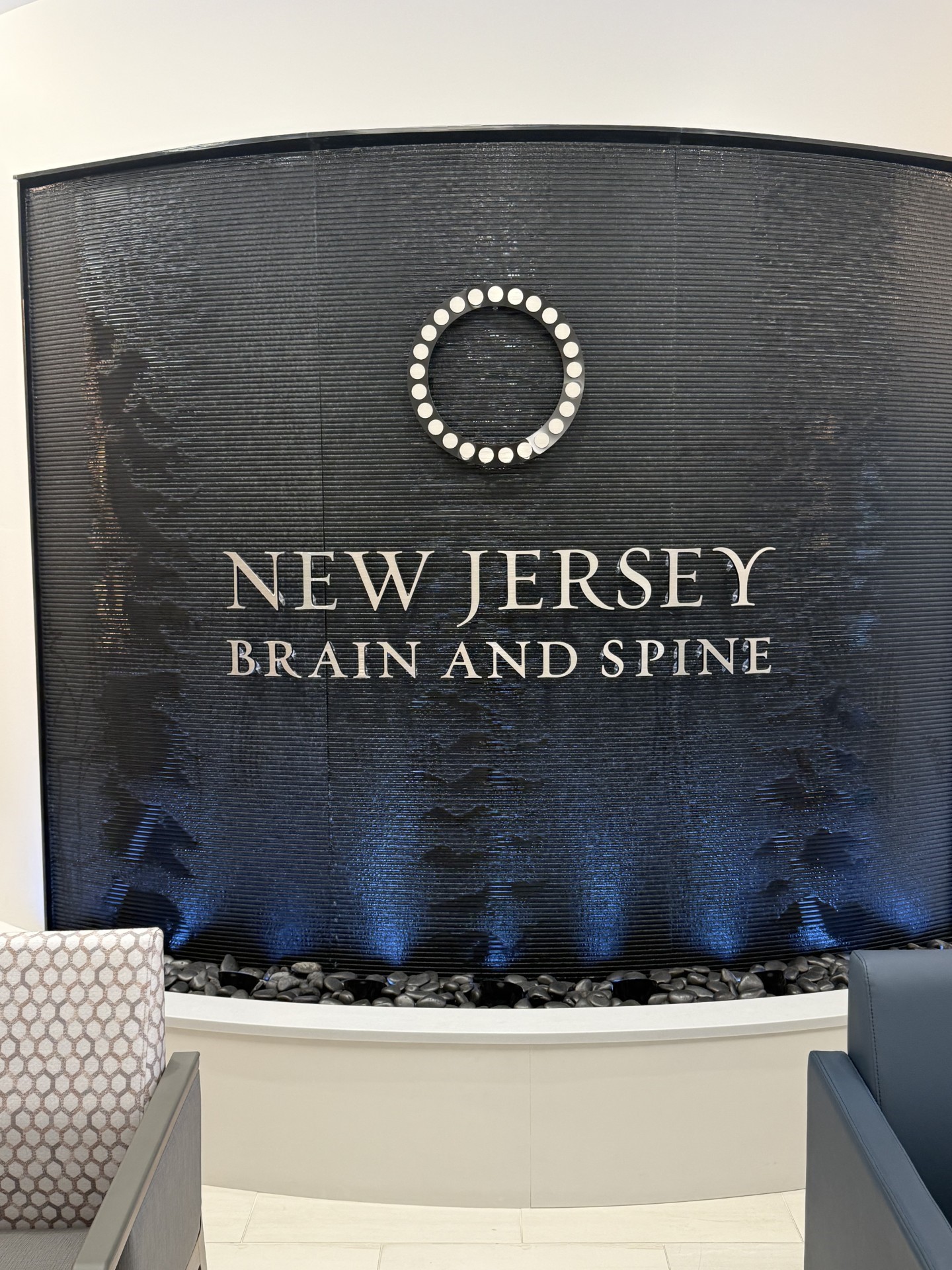
Designers working in healthcare, education, and wellness have embraced this quality. Bubble walls are increasingly specified in sensory rooms, rehabilitation centers, and environments designed for neurodiverse individuals. Their ability to engage without overwhelming makes them accessible to a wide range of users.
Bubble Walls in Commercial and Public Spaces
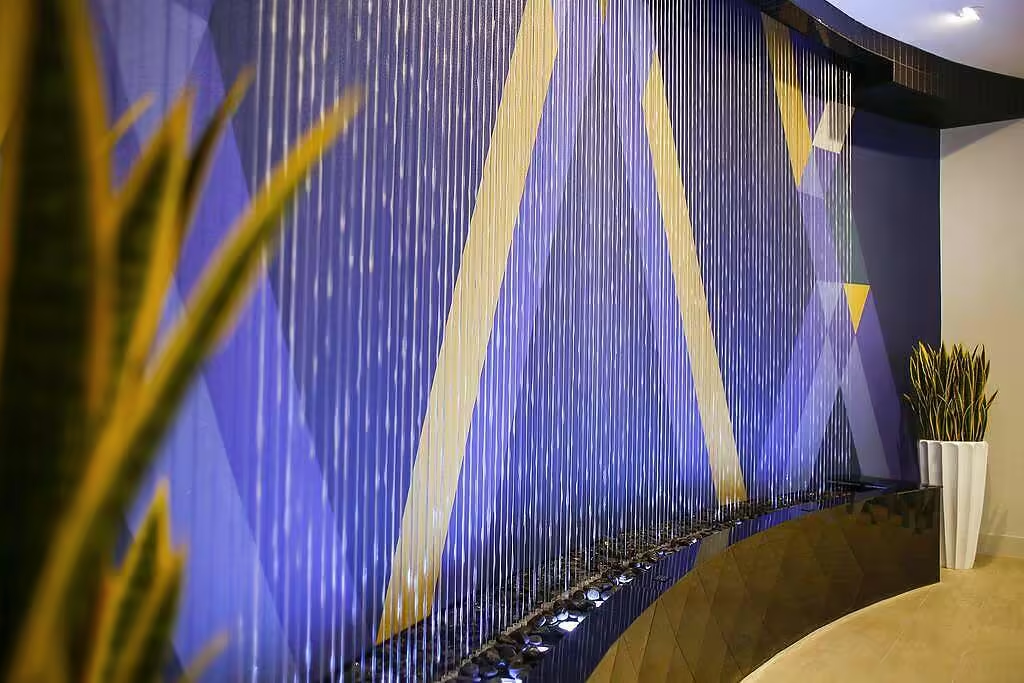
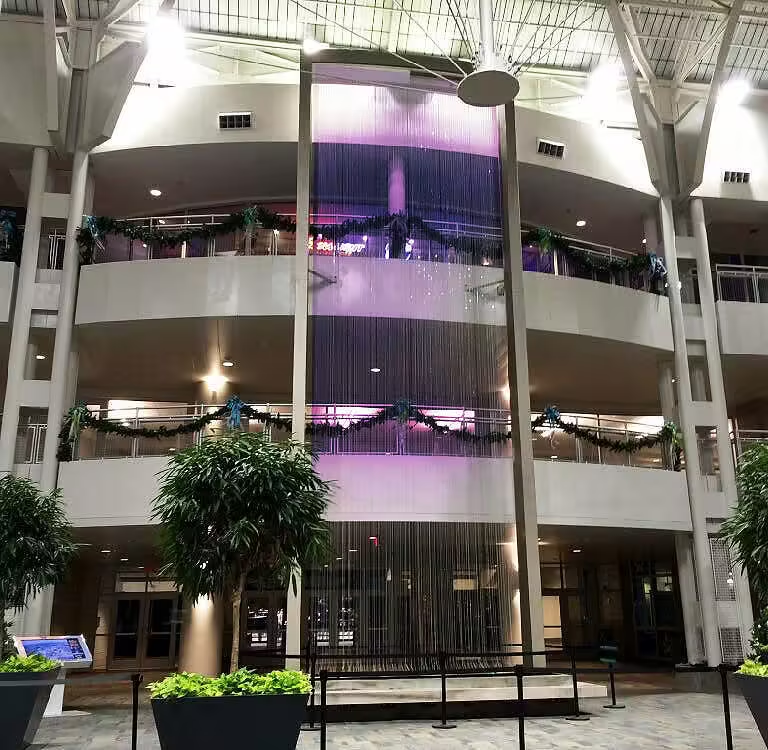
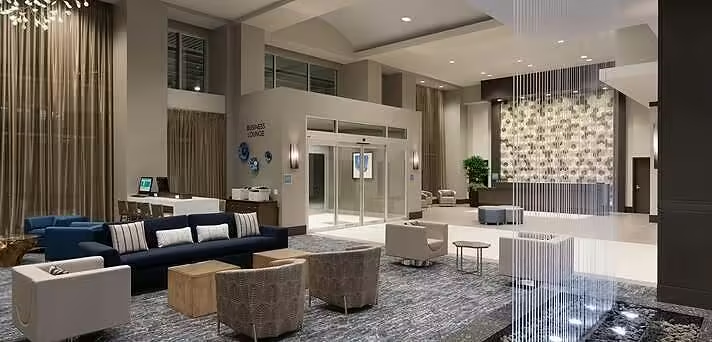
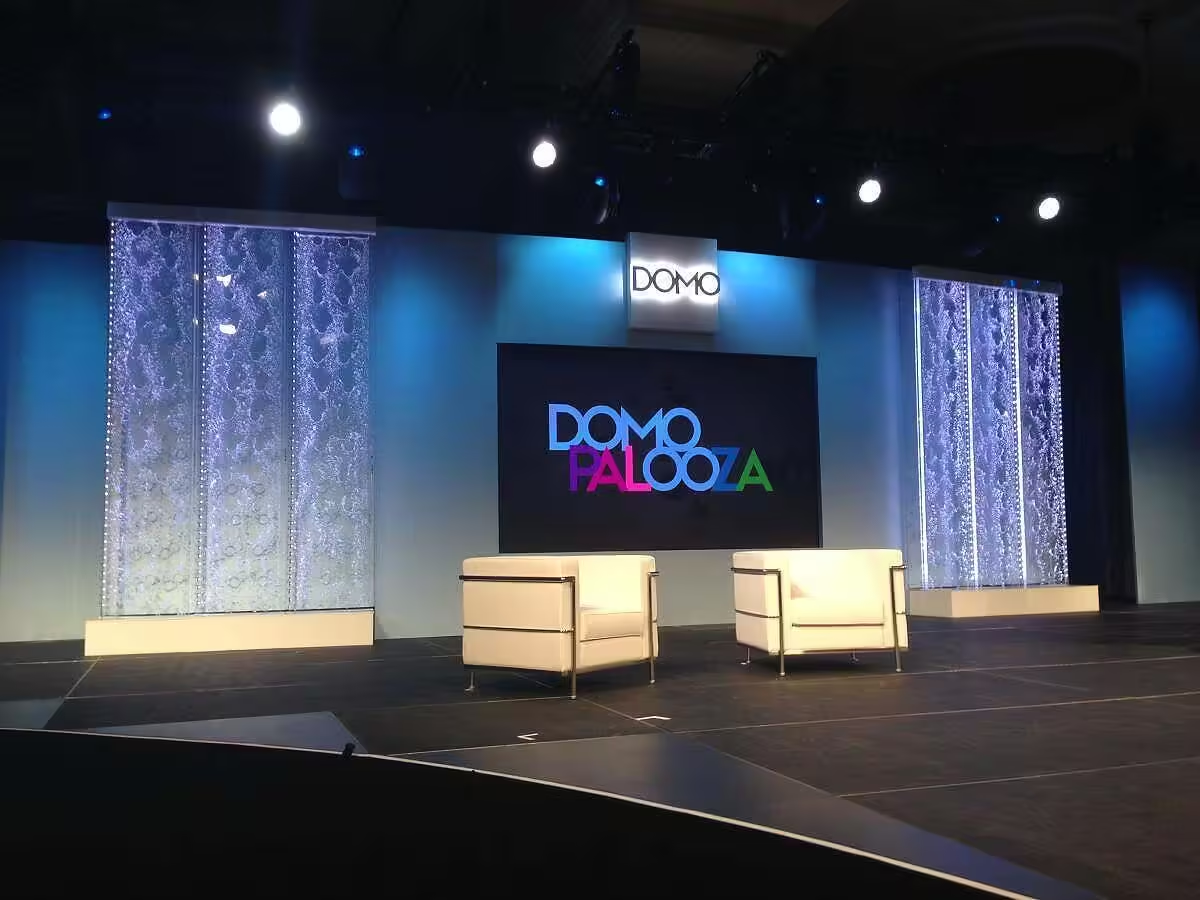
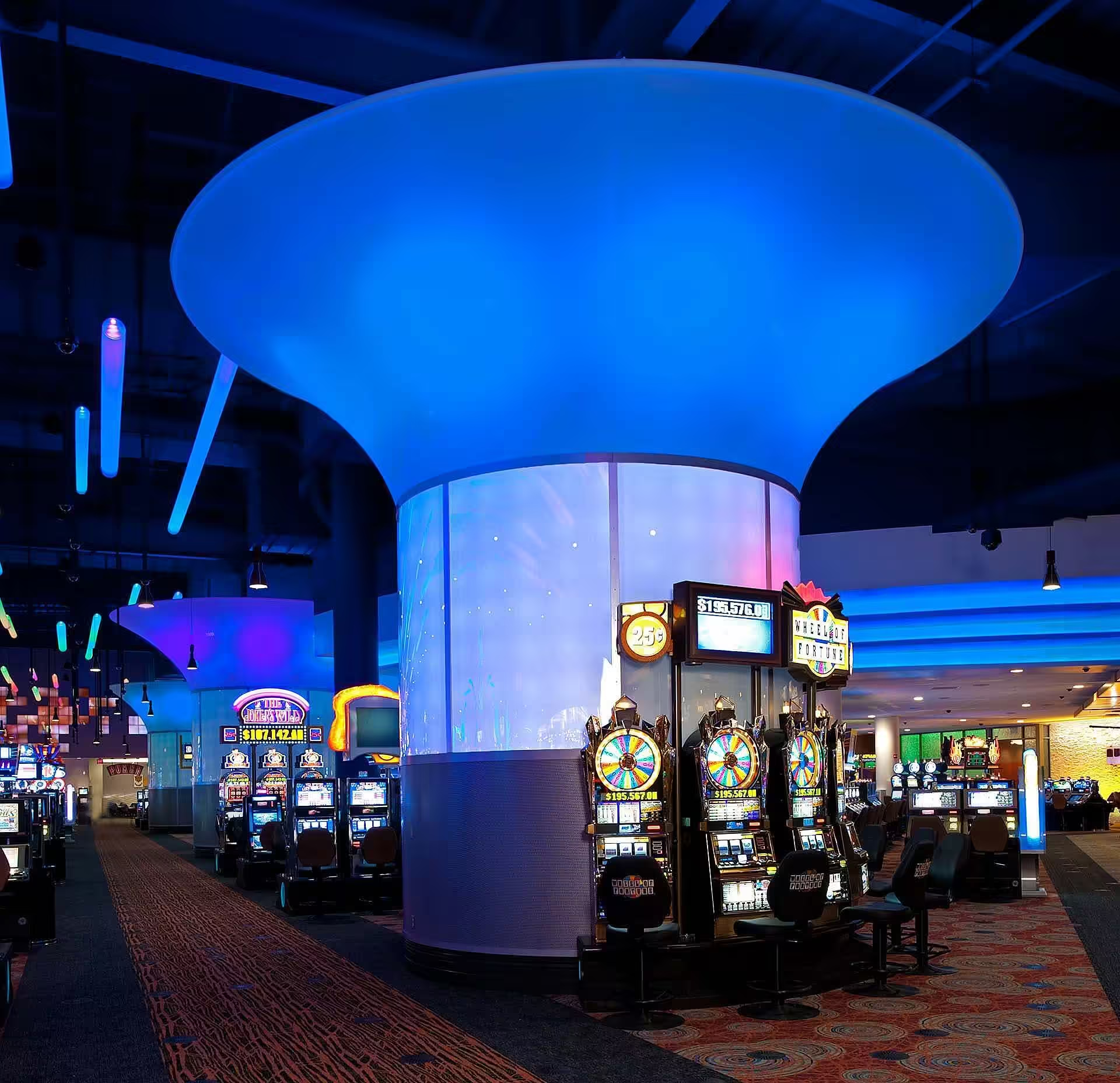
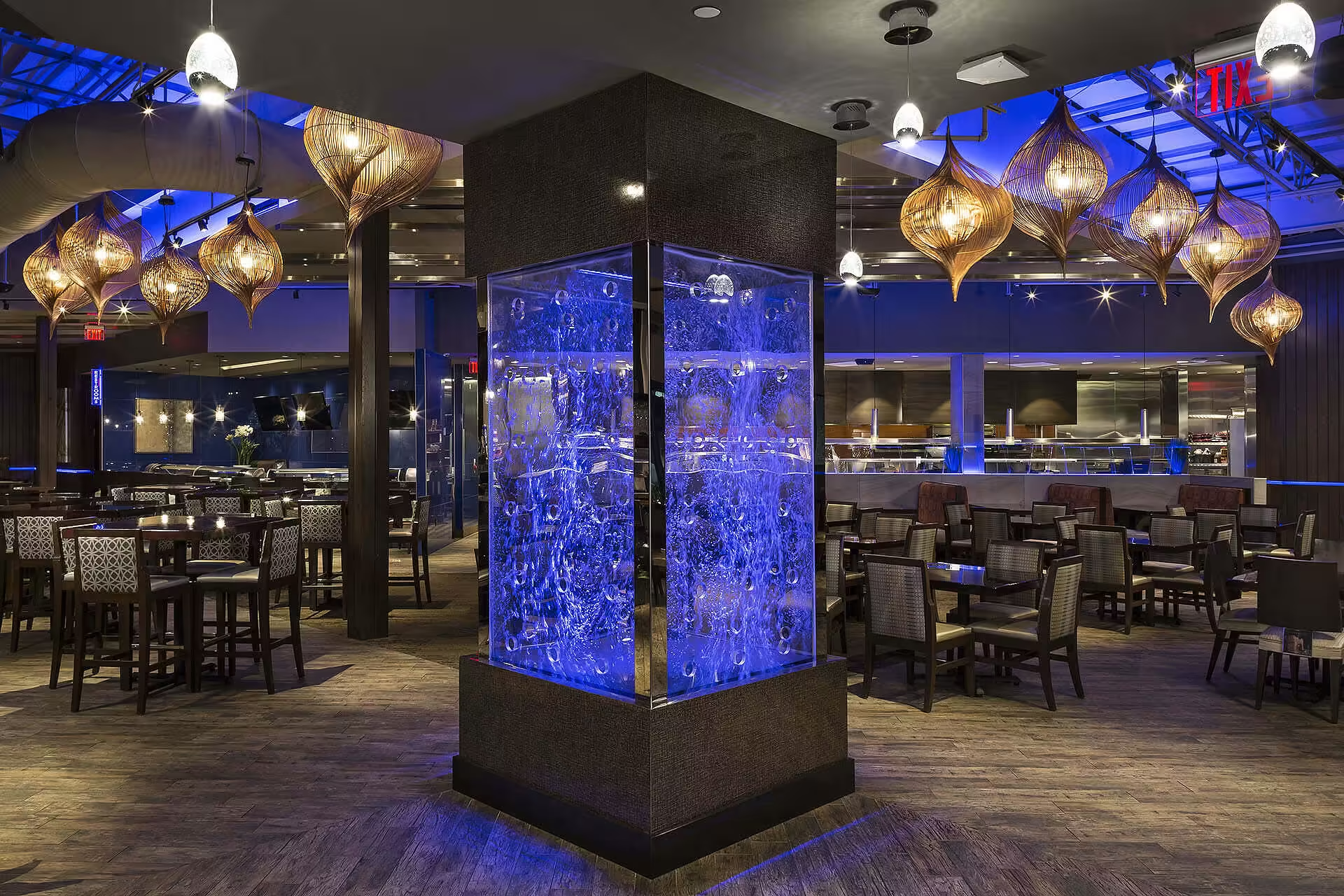
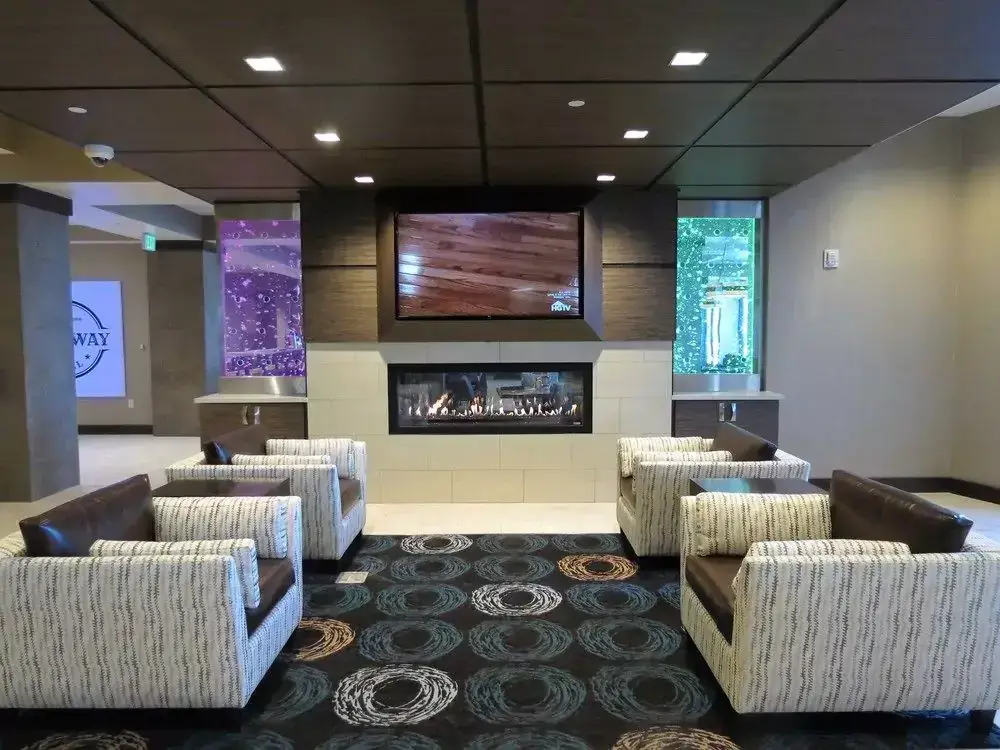
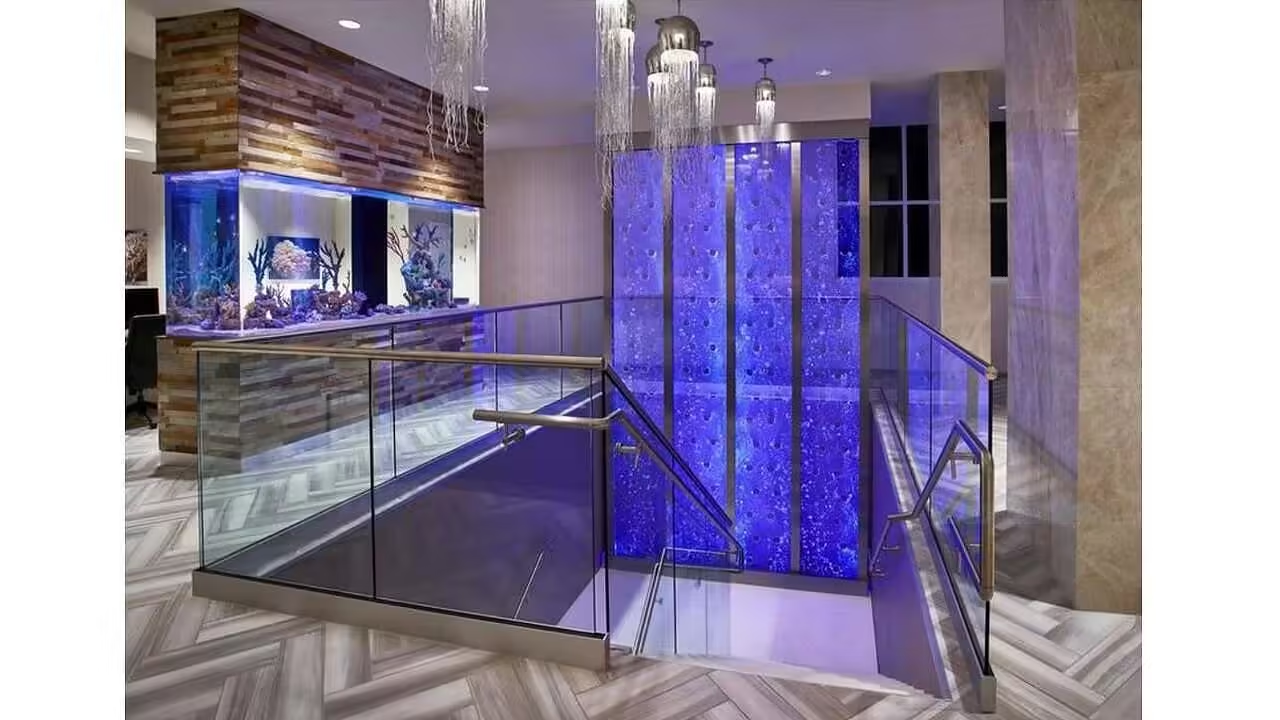
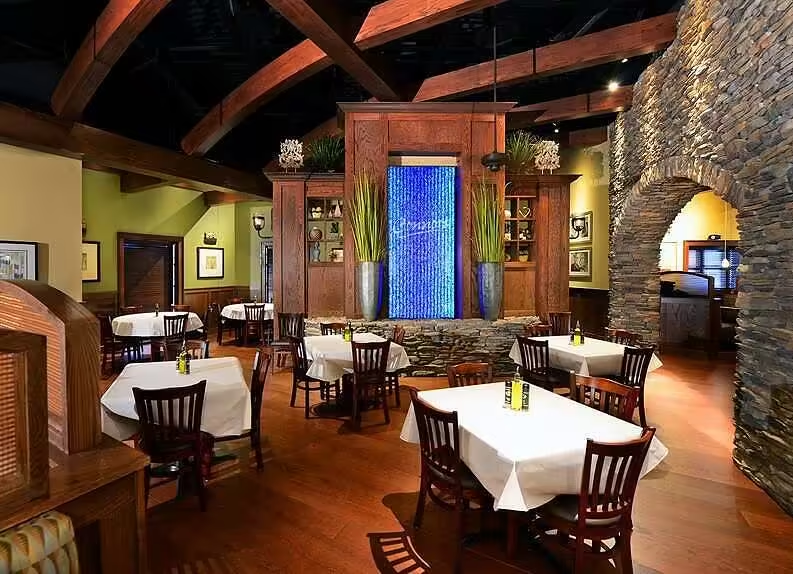
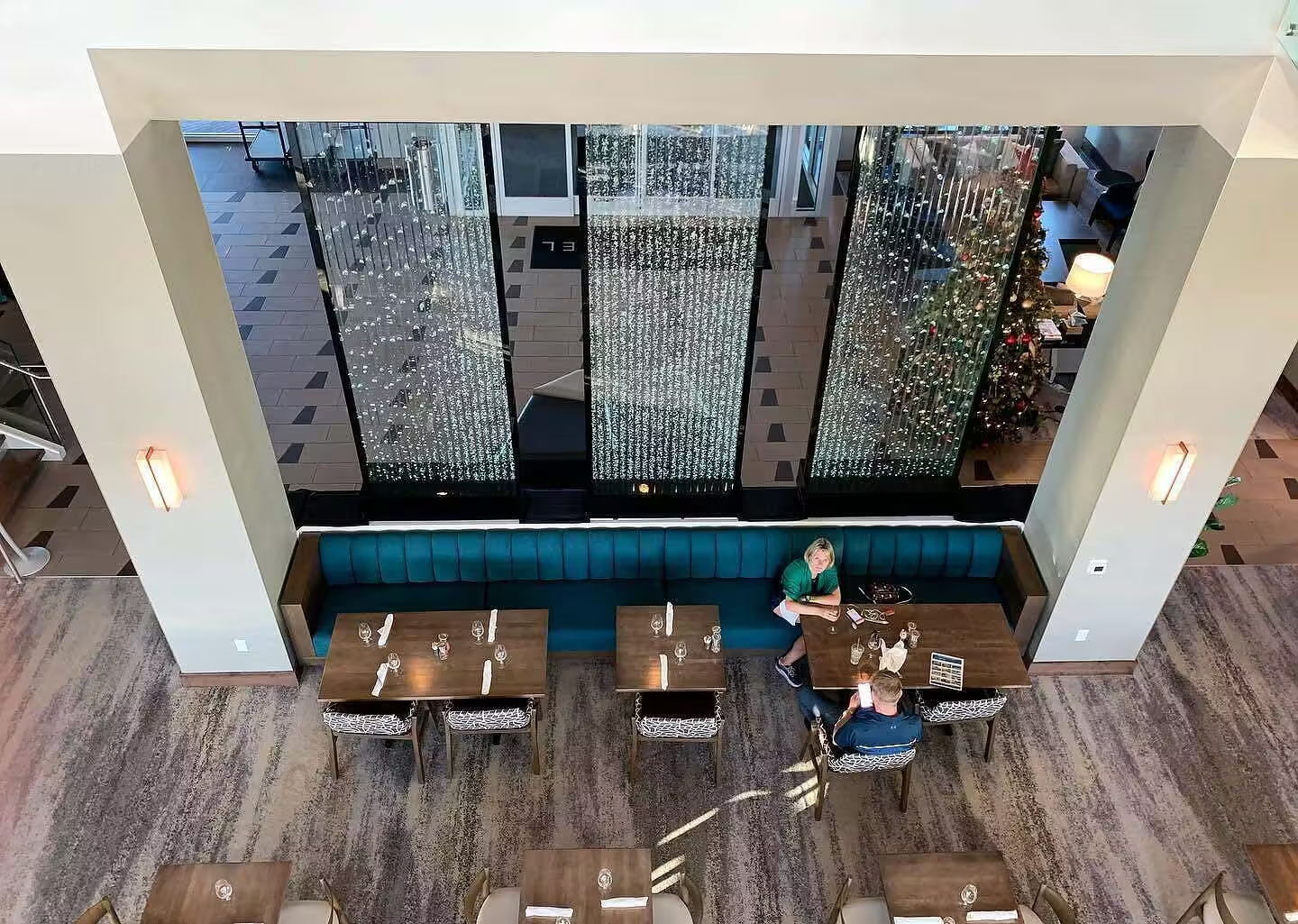
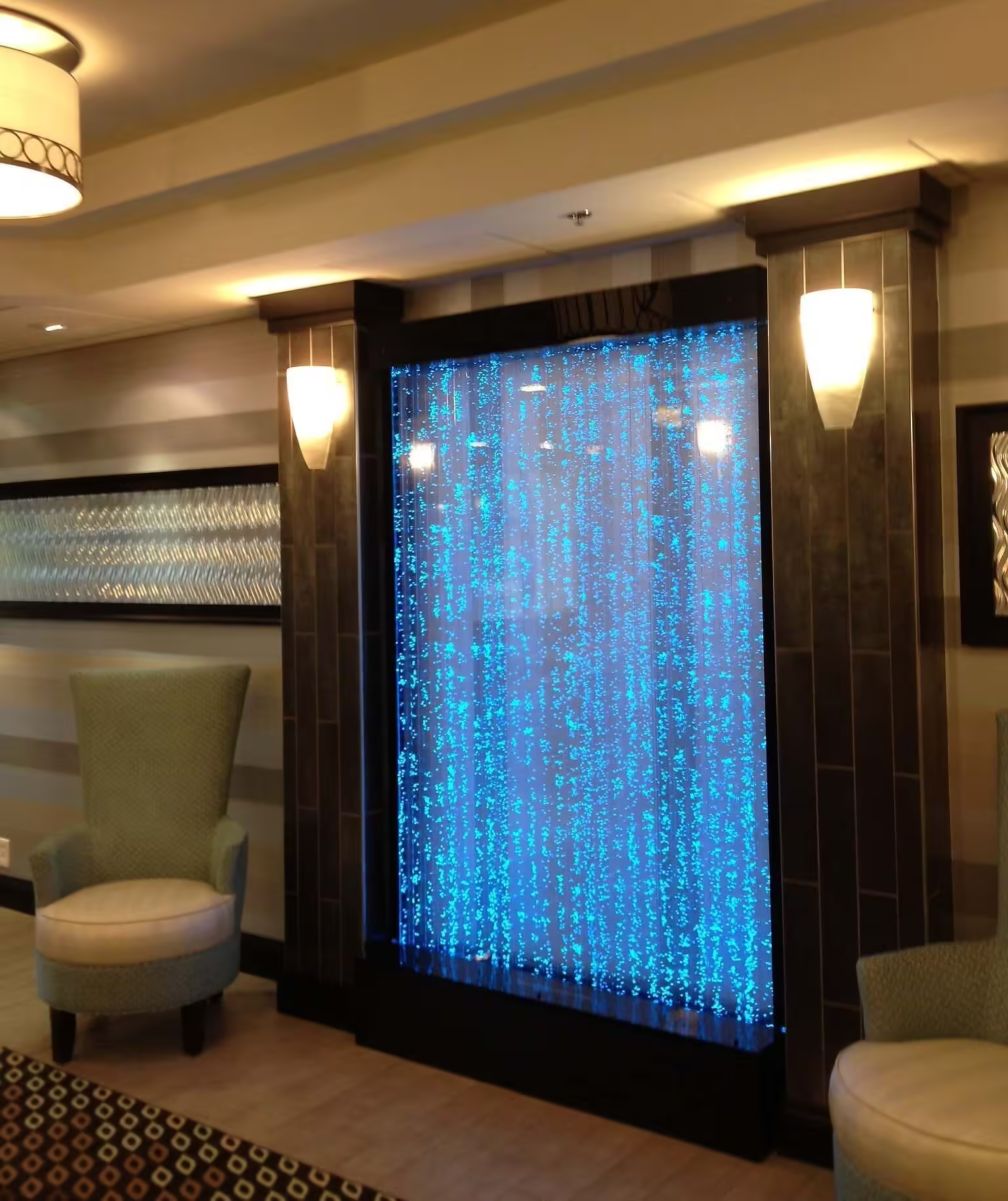
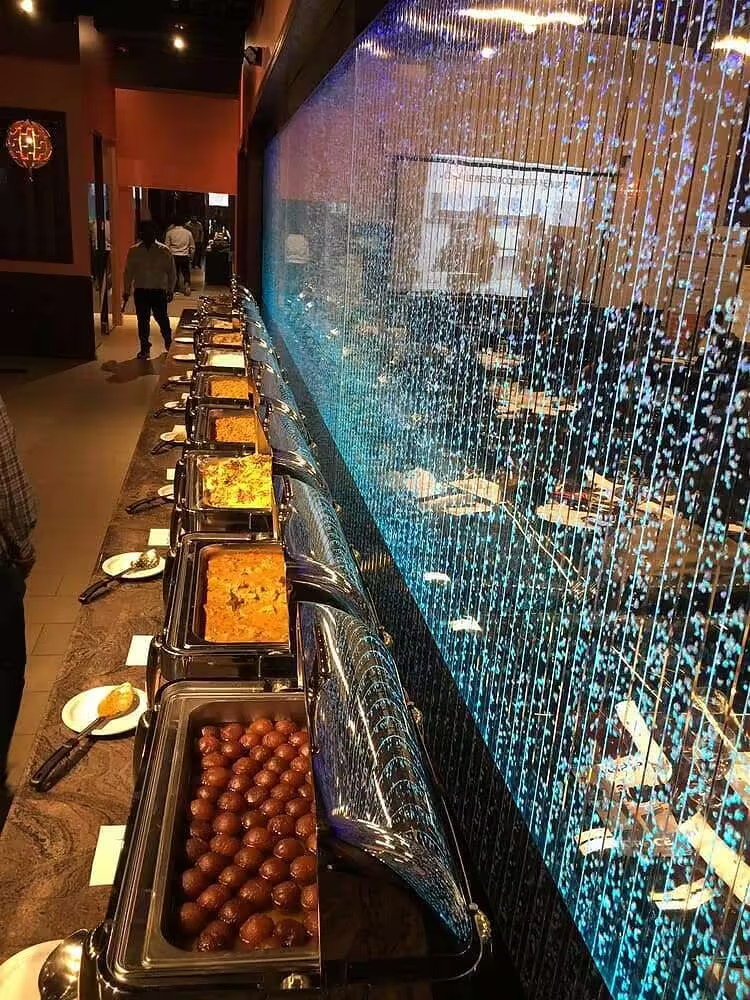
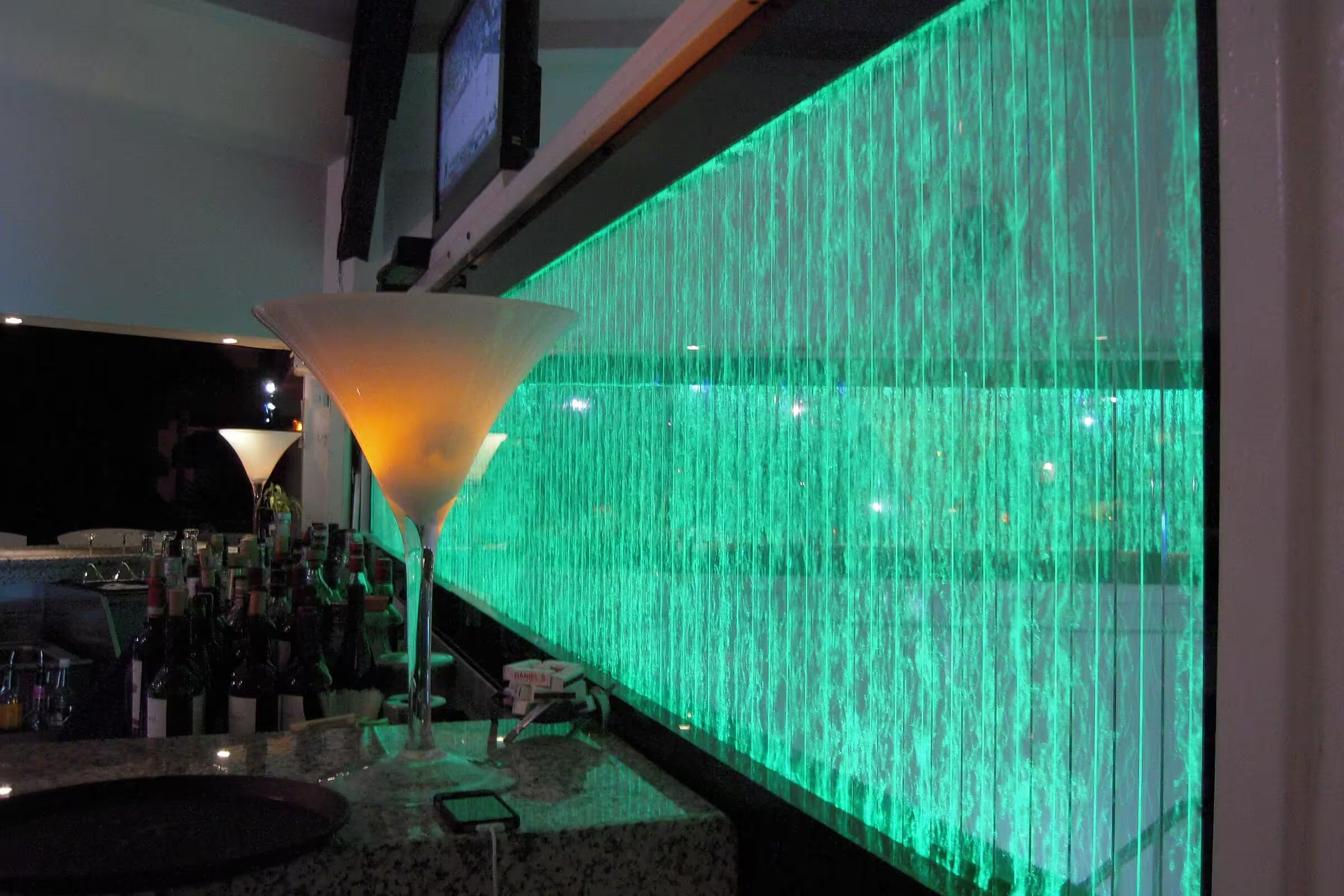
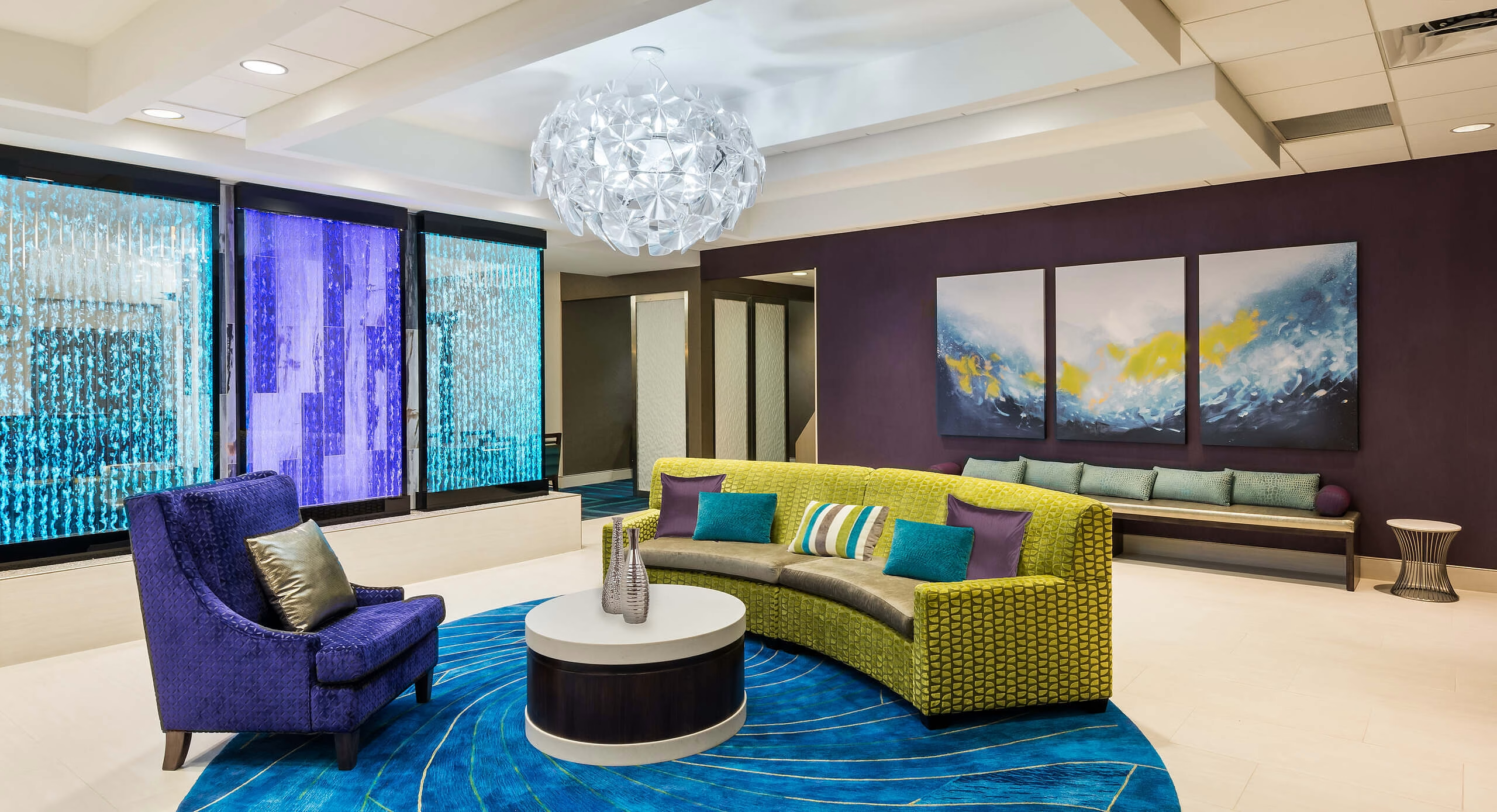
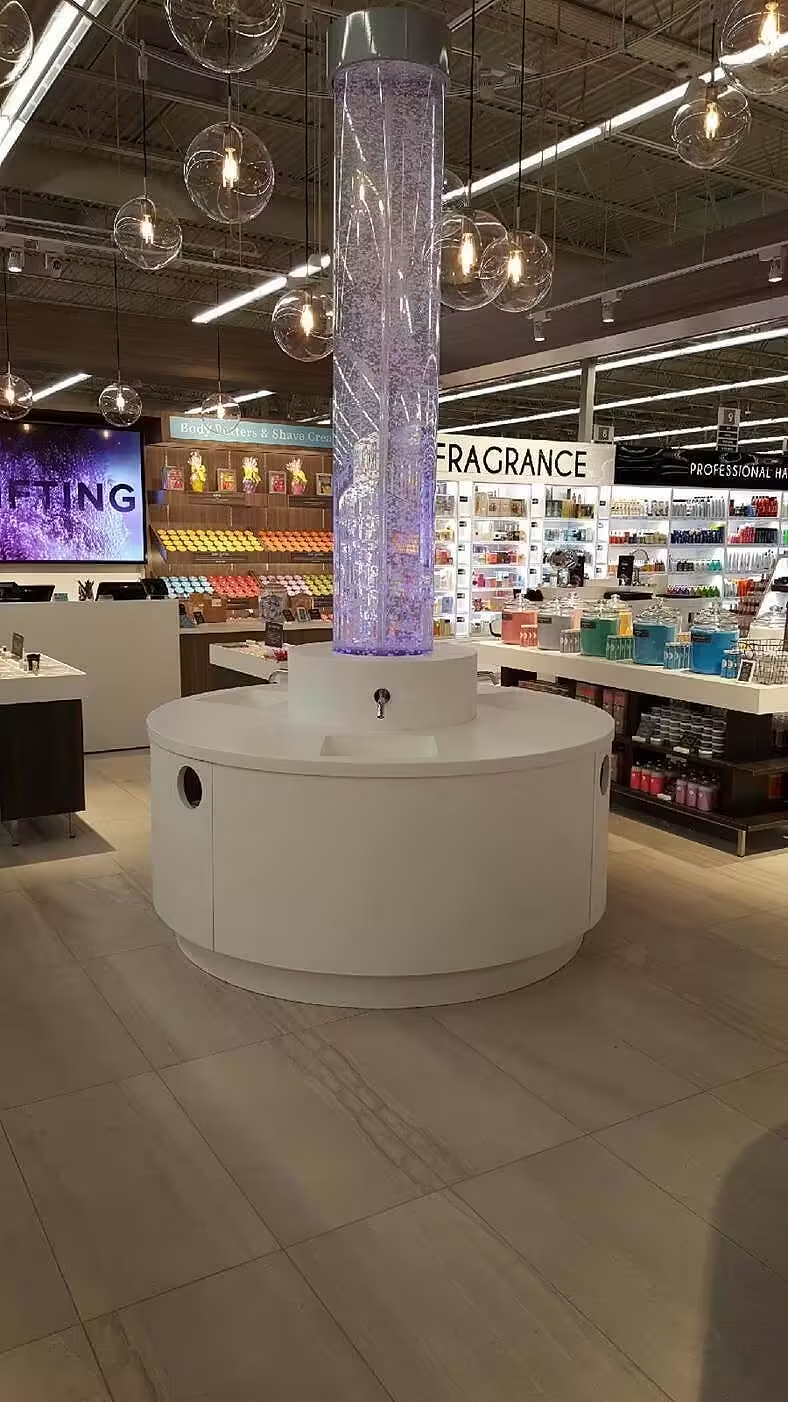
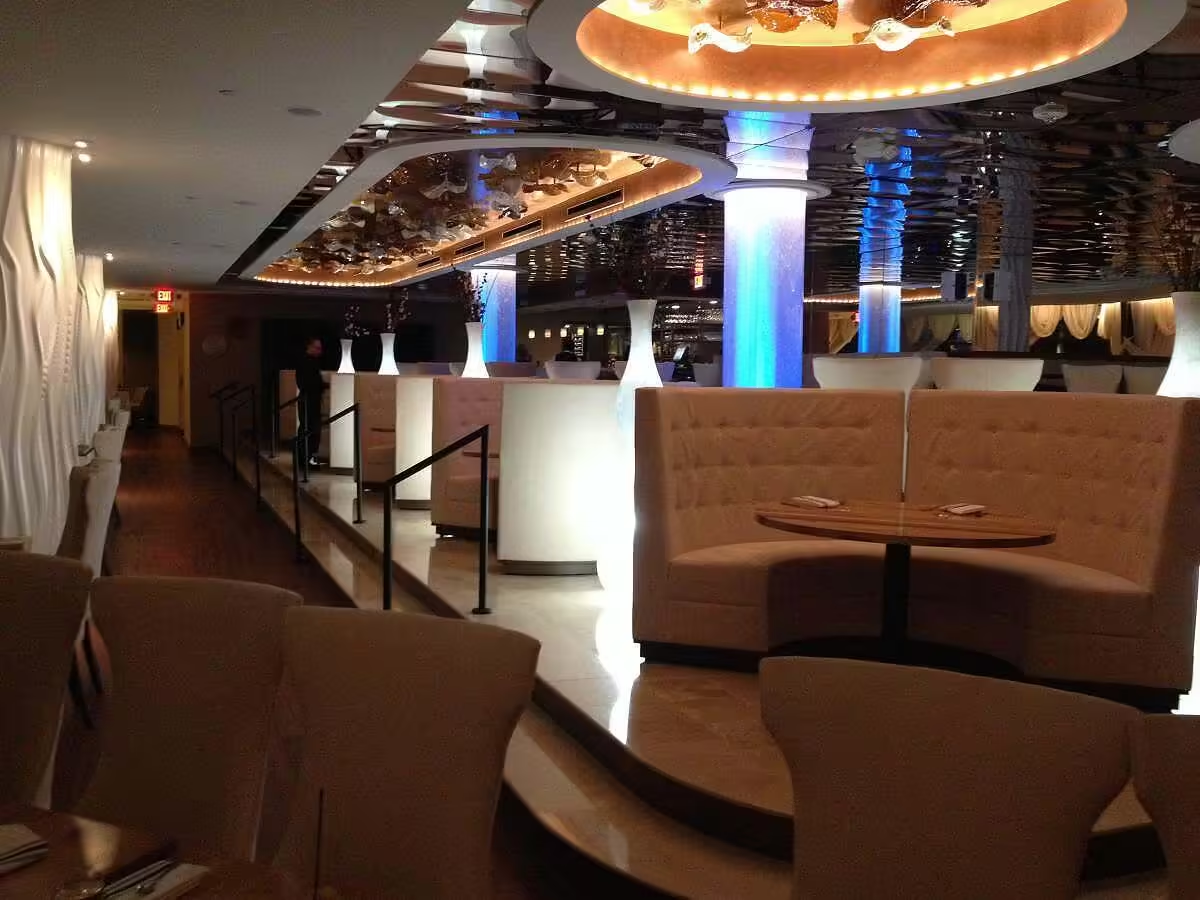
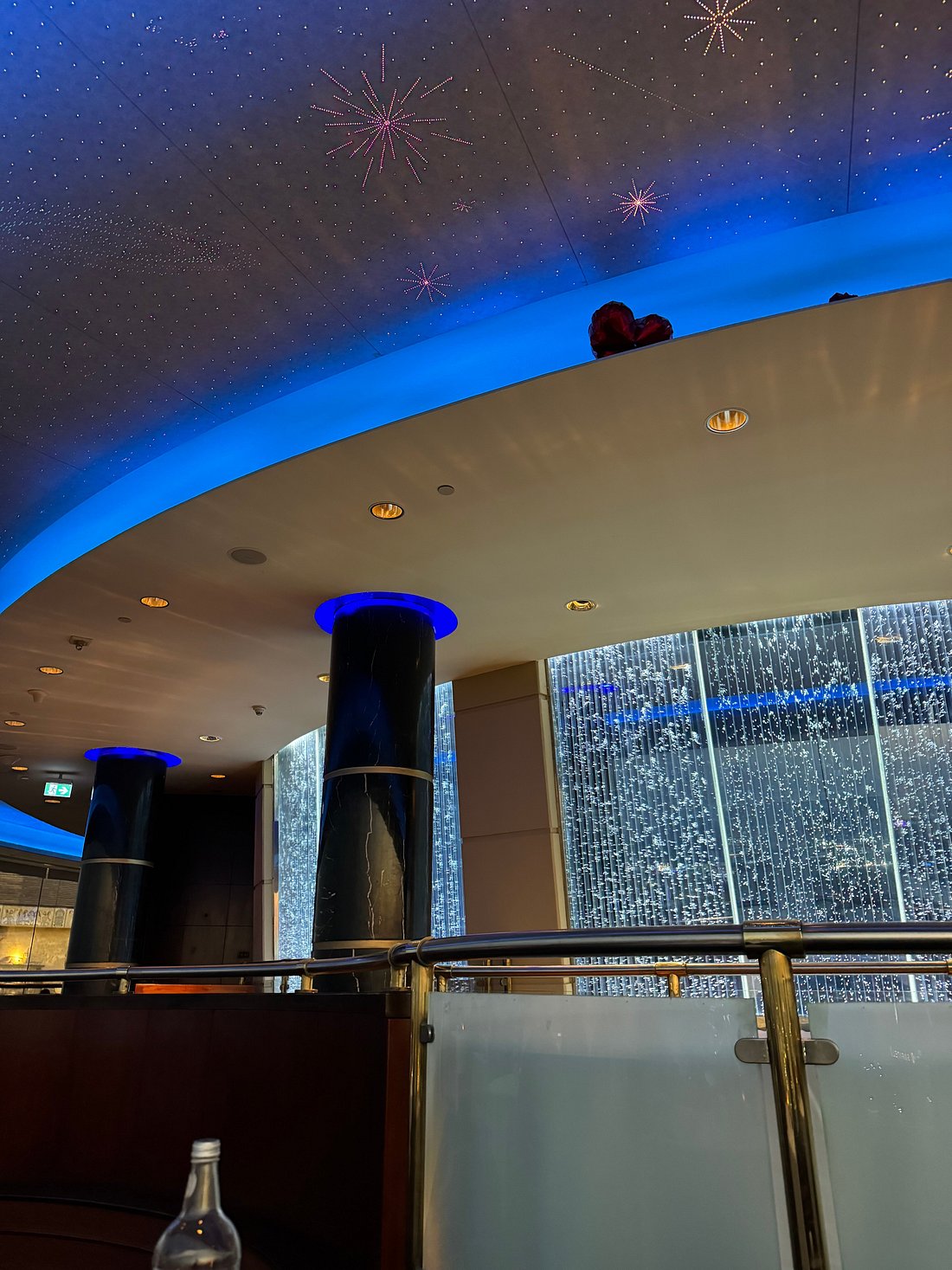
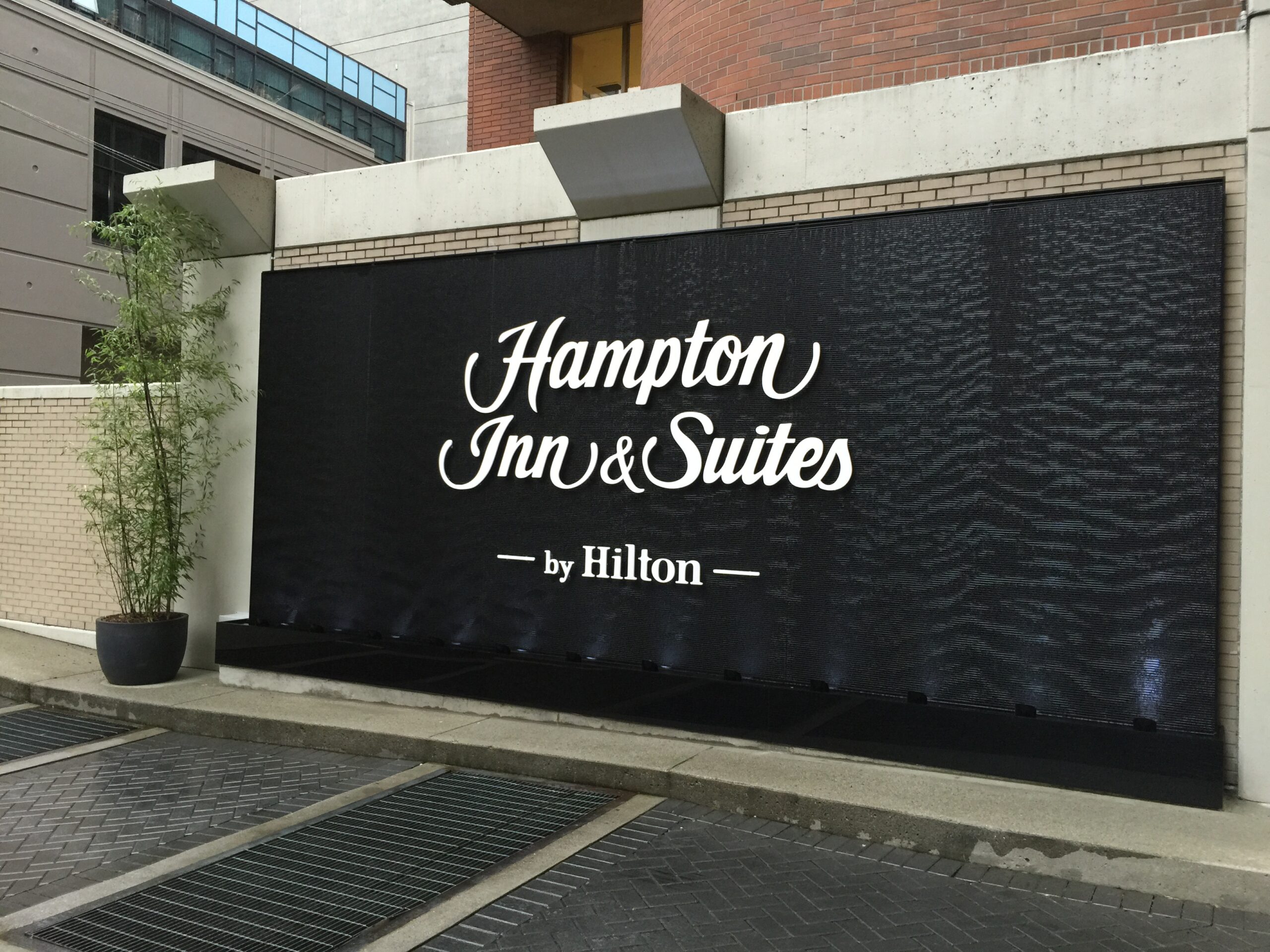
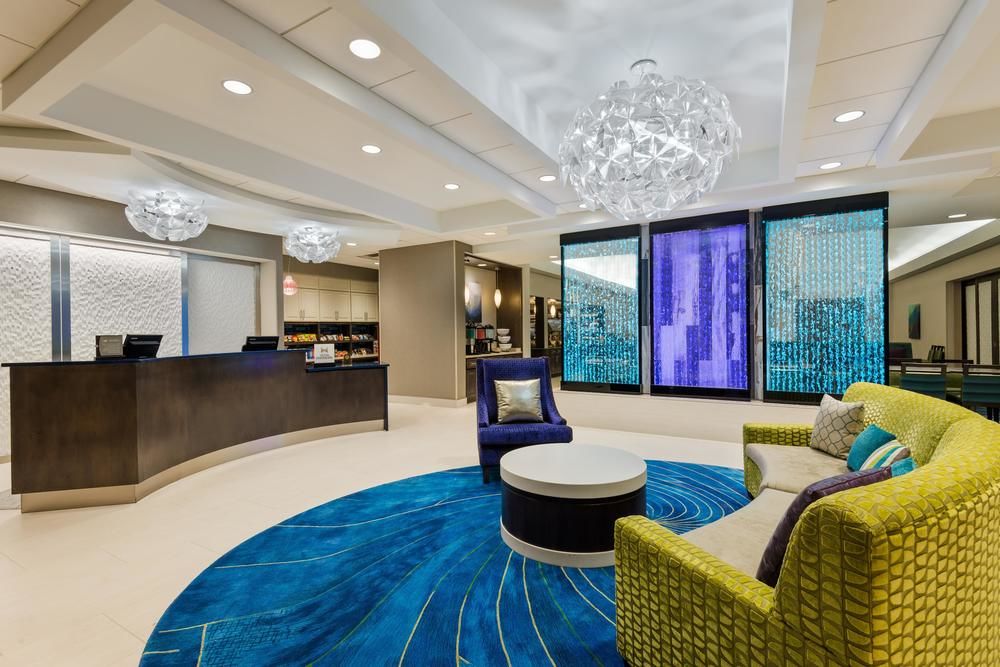
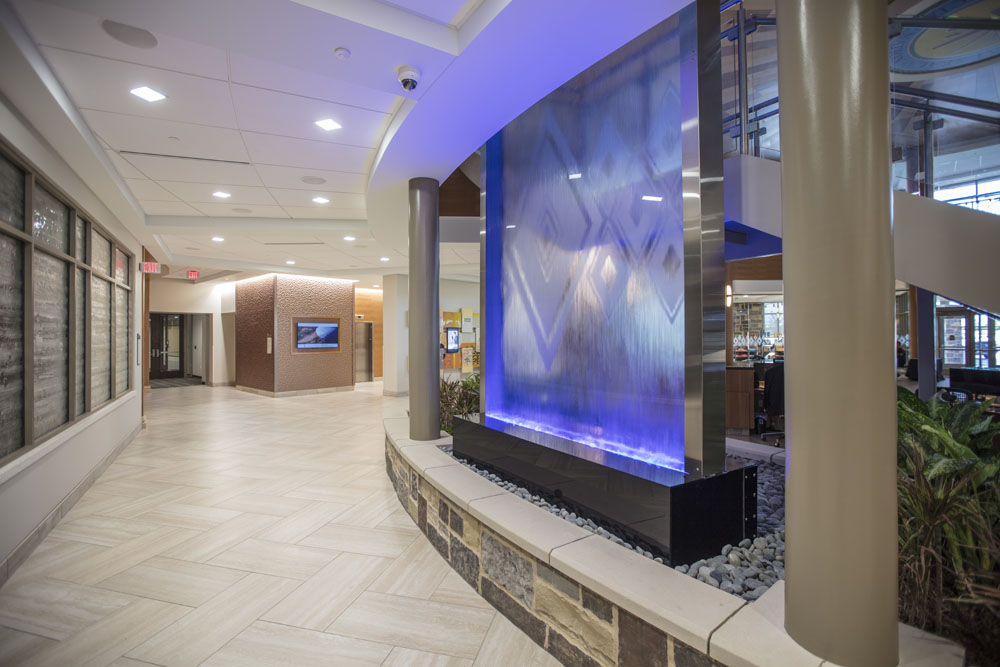
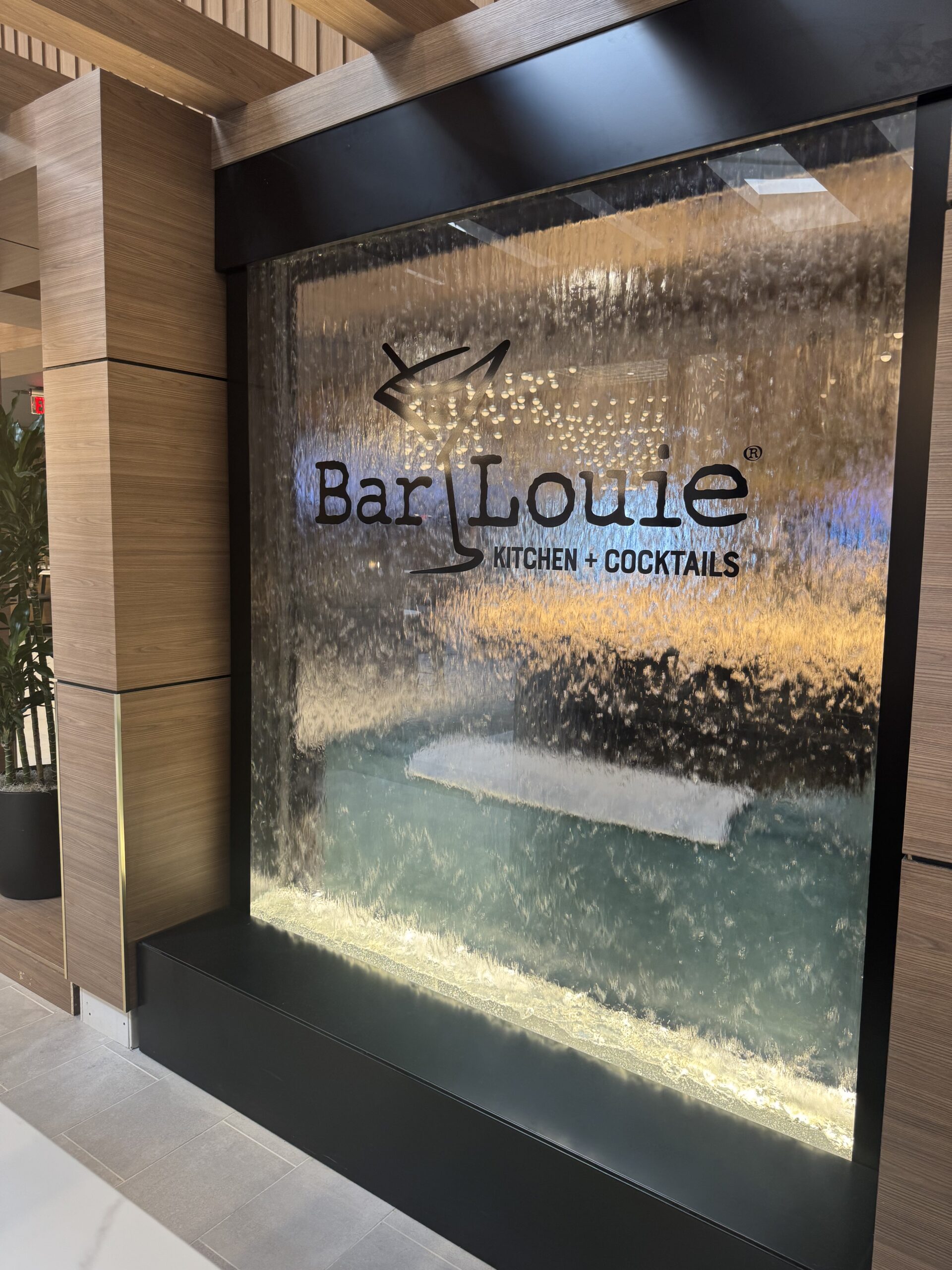
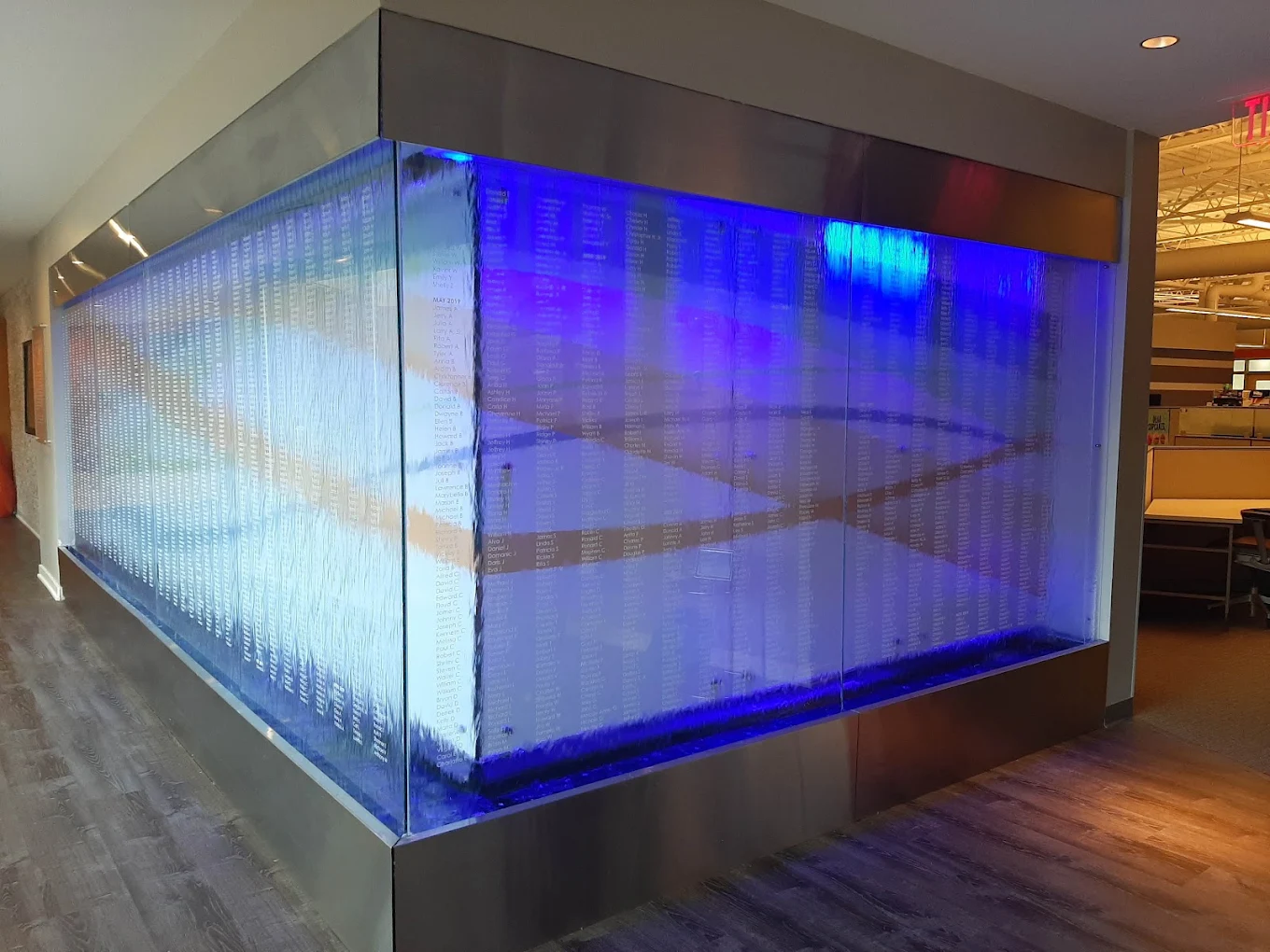
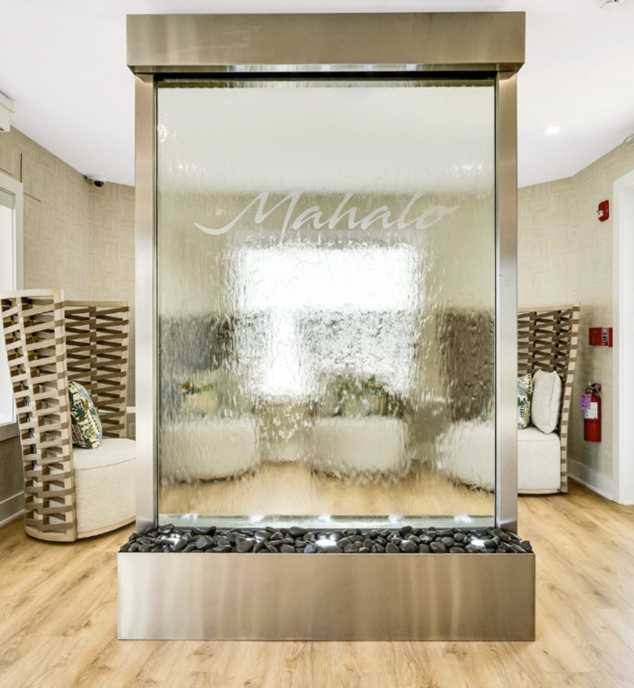
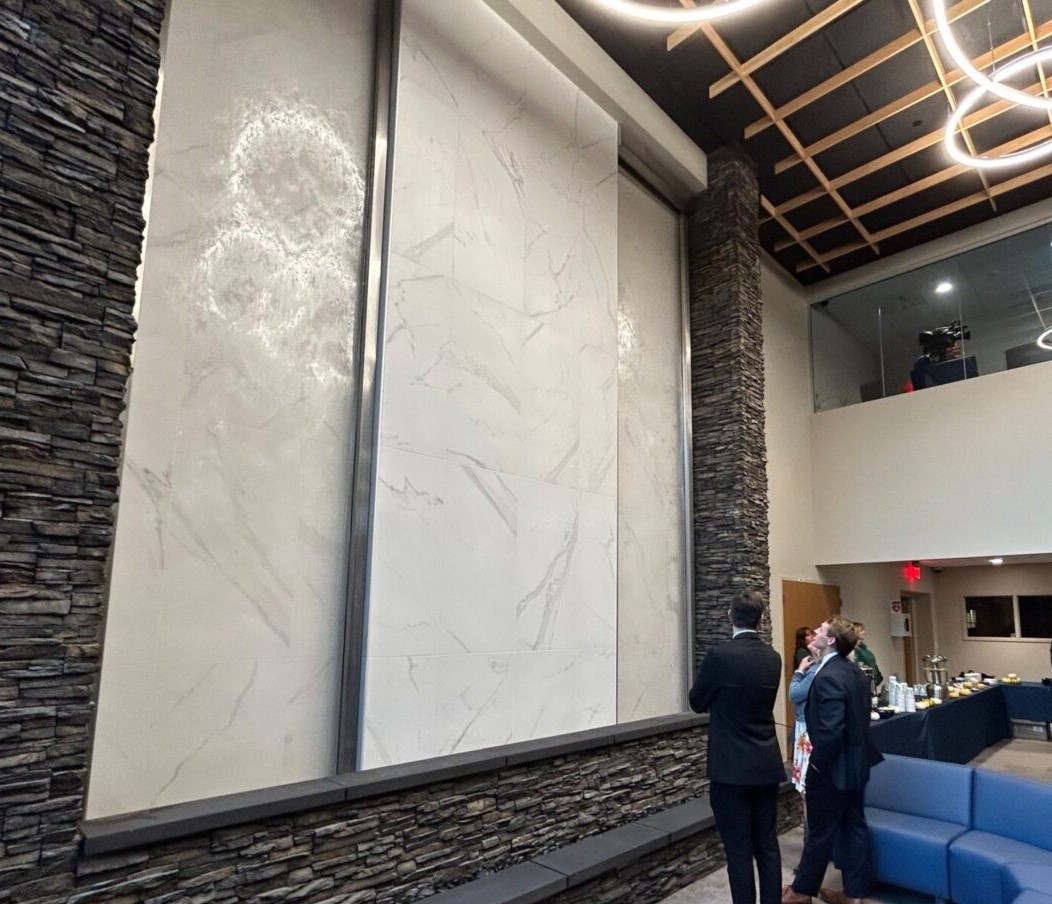
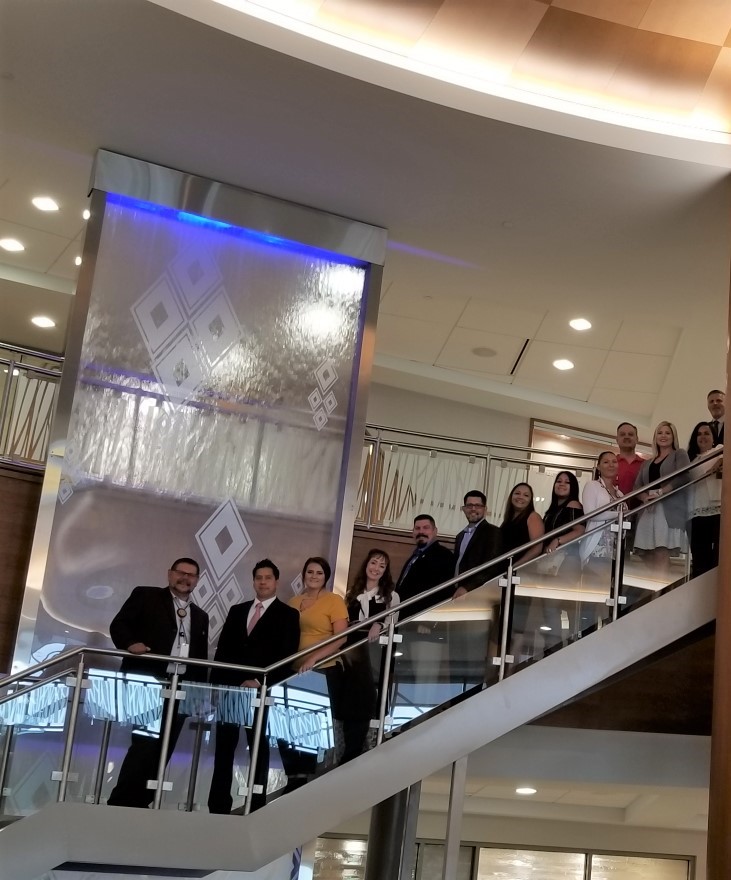
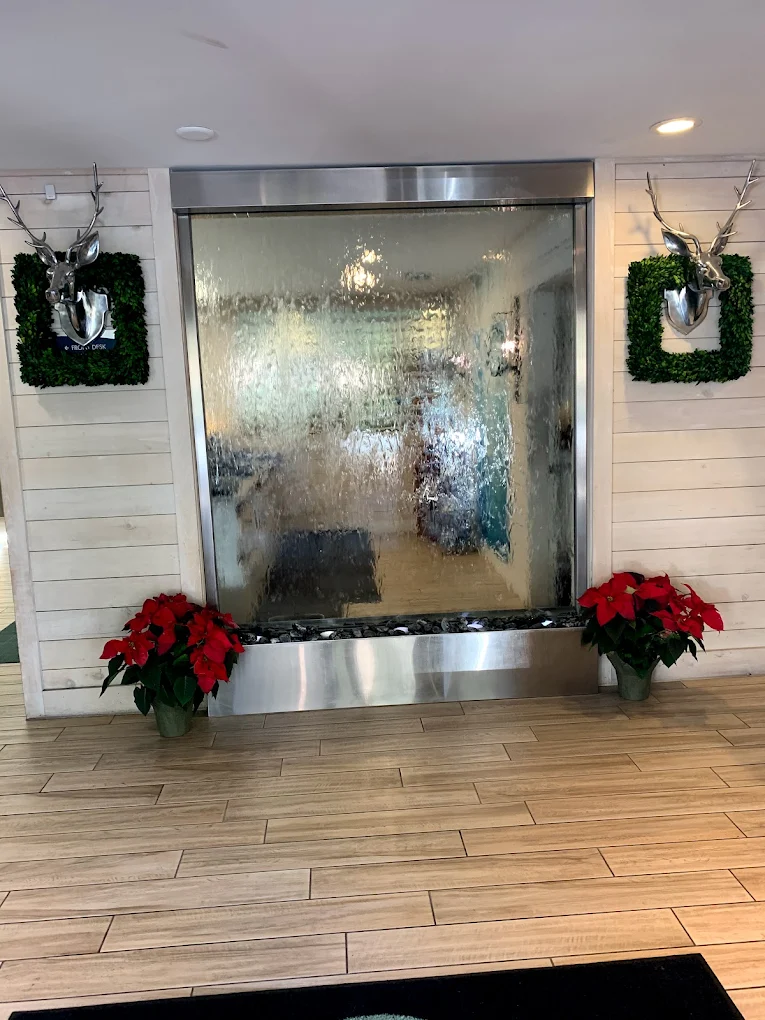
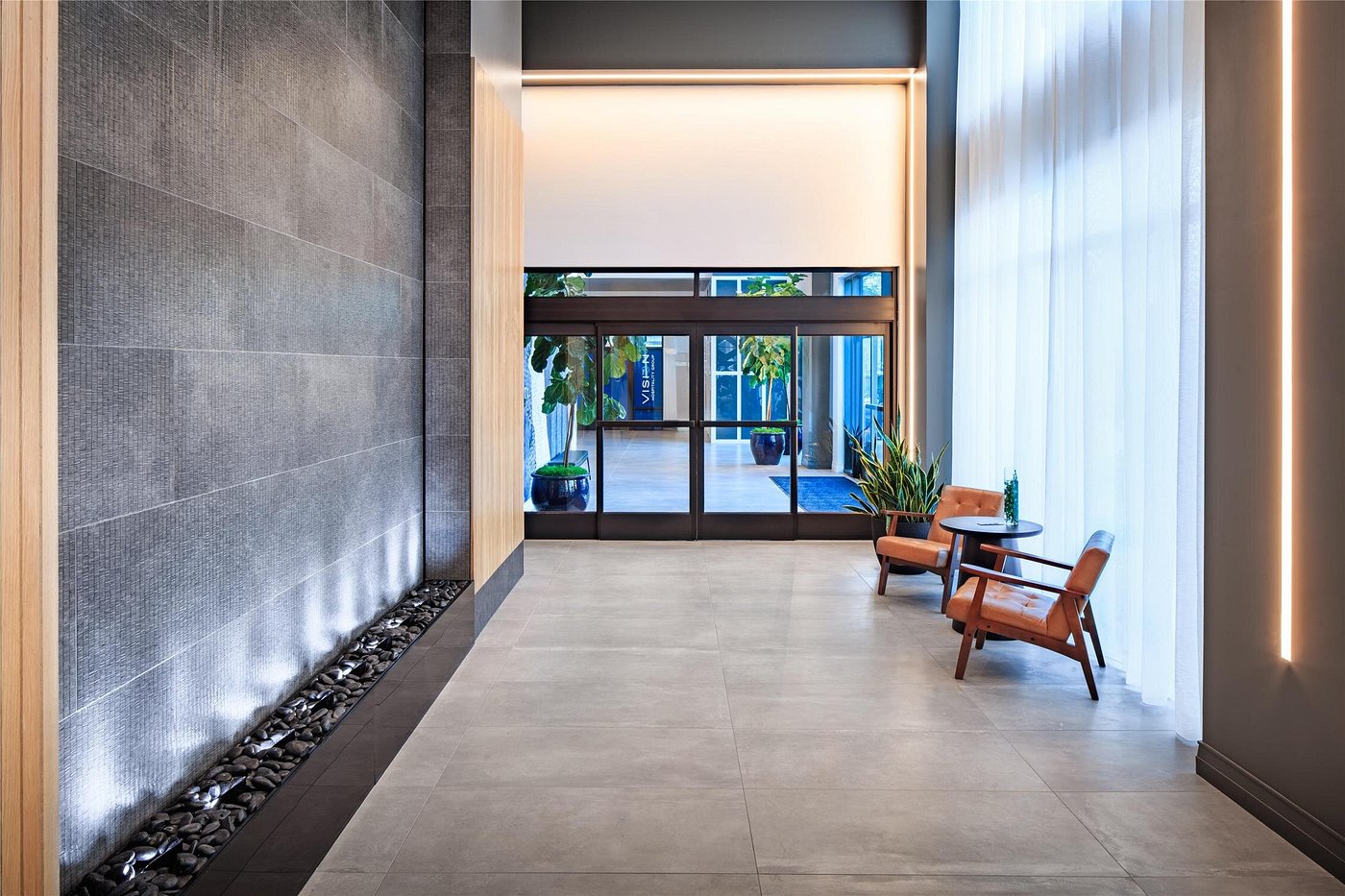
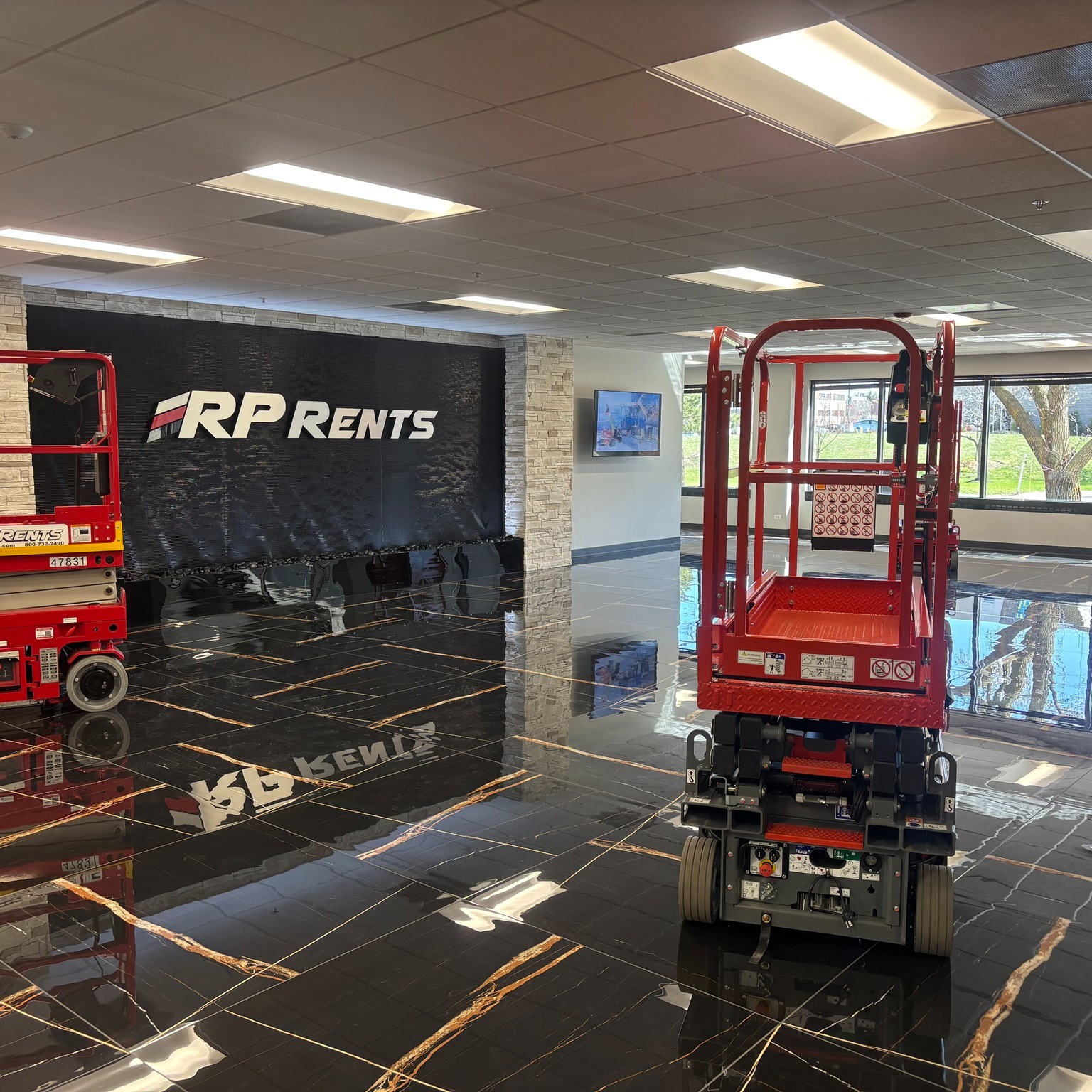
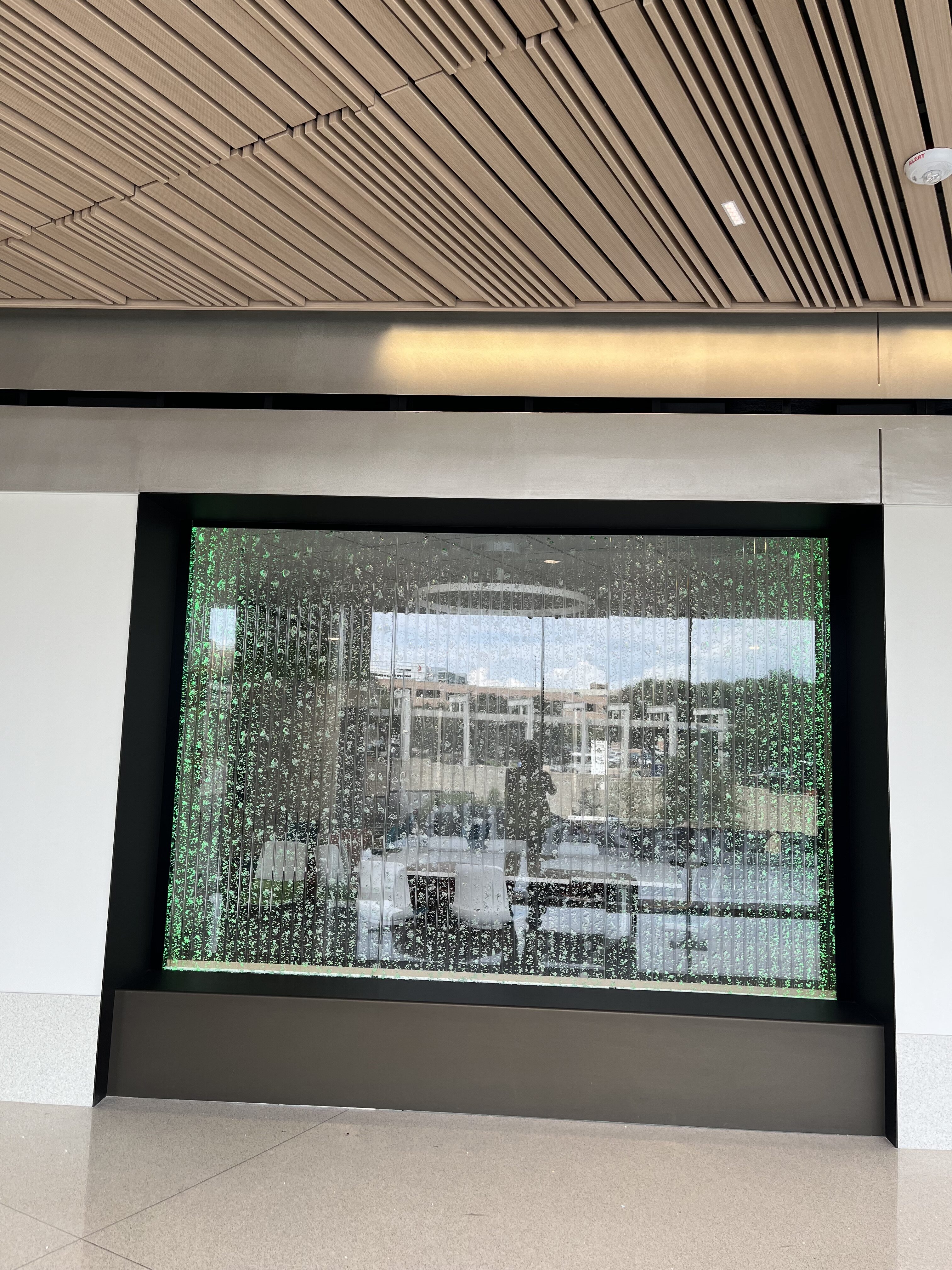
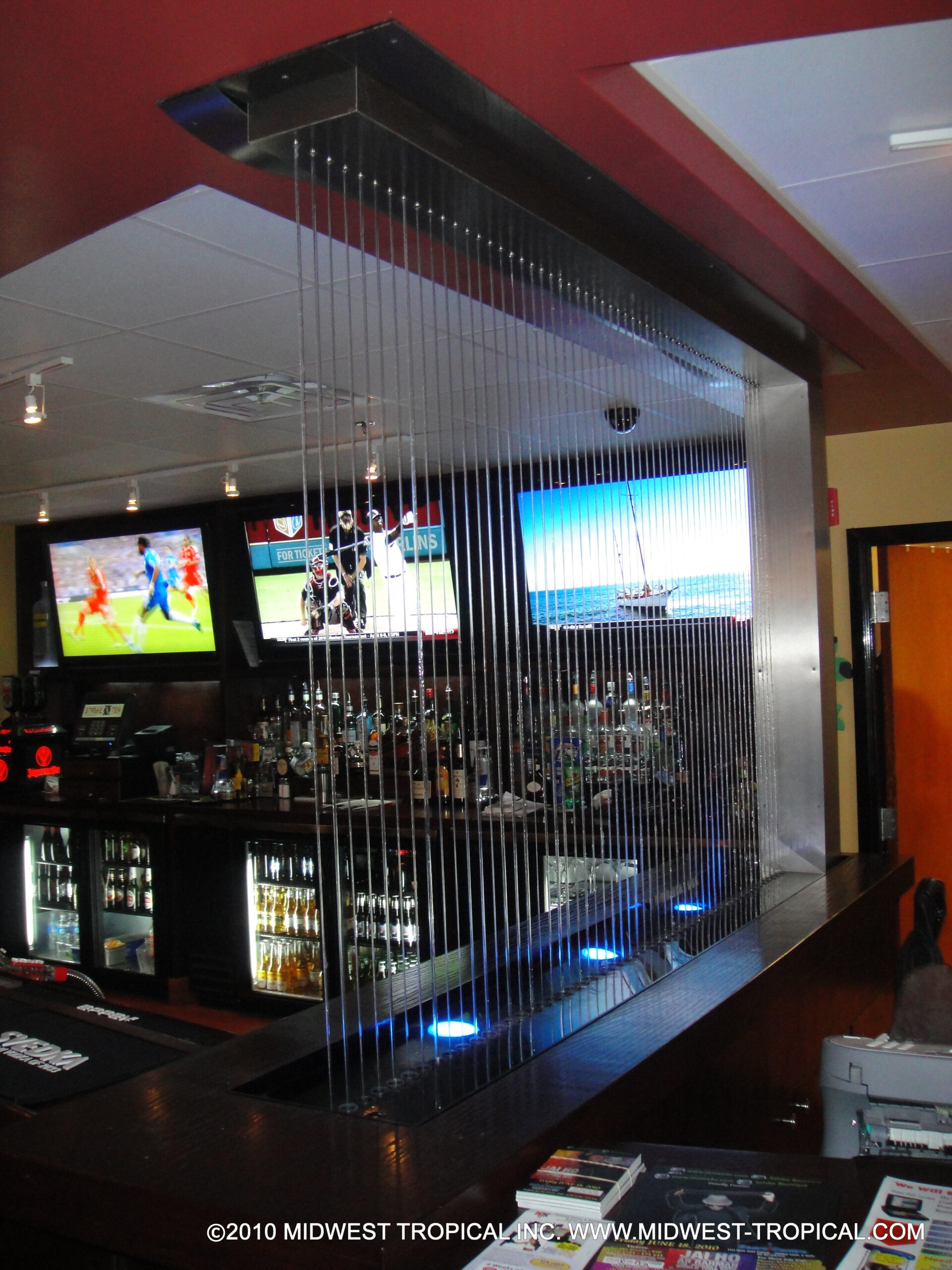
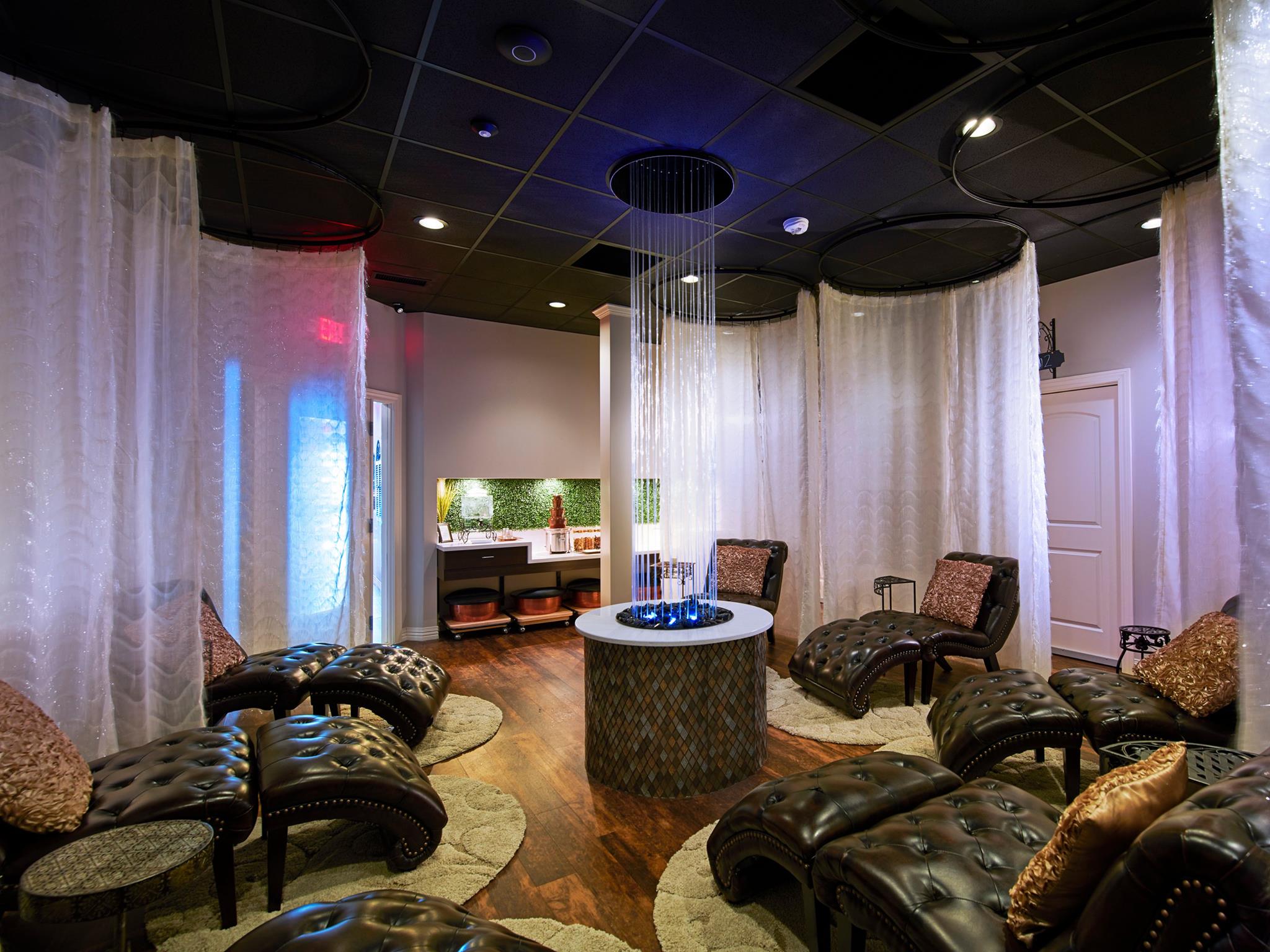
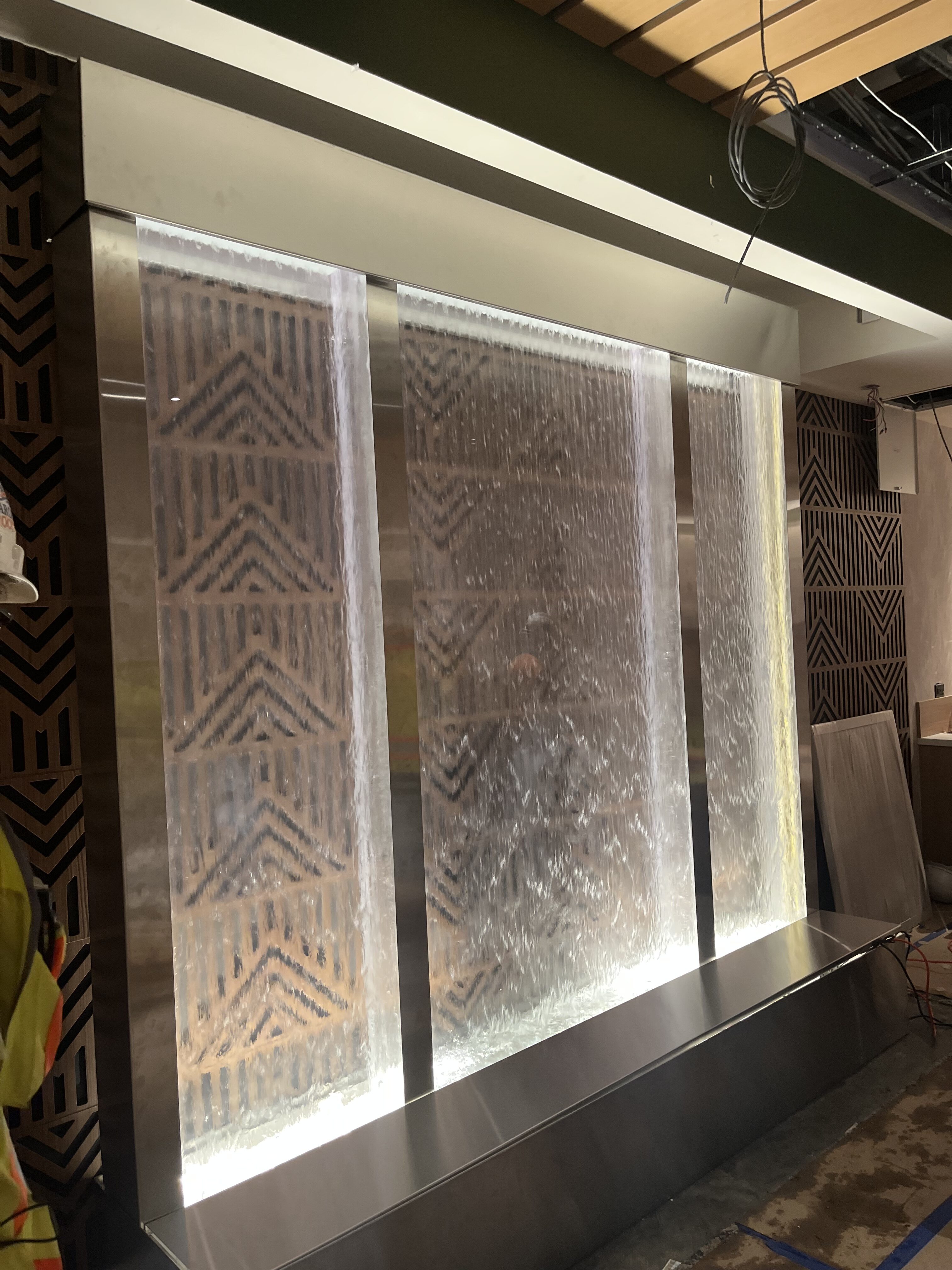
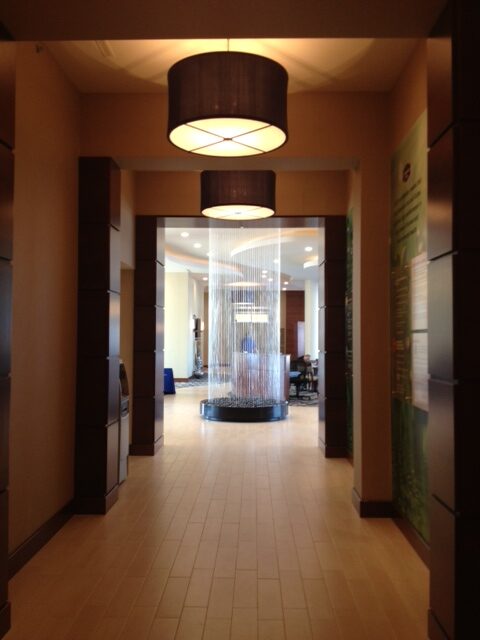
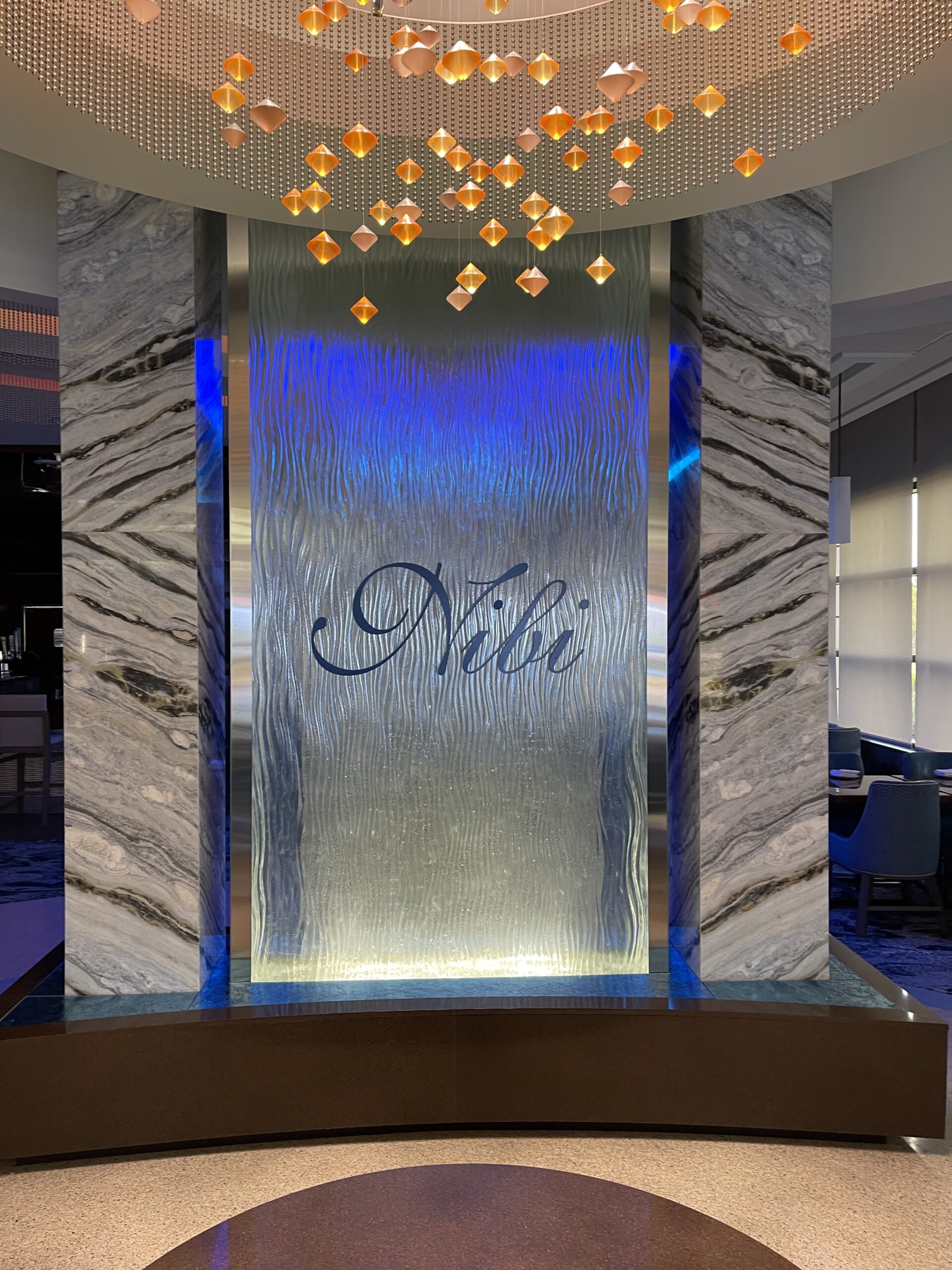
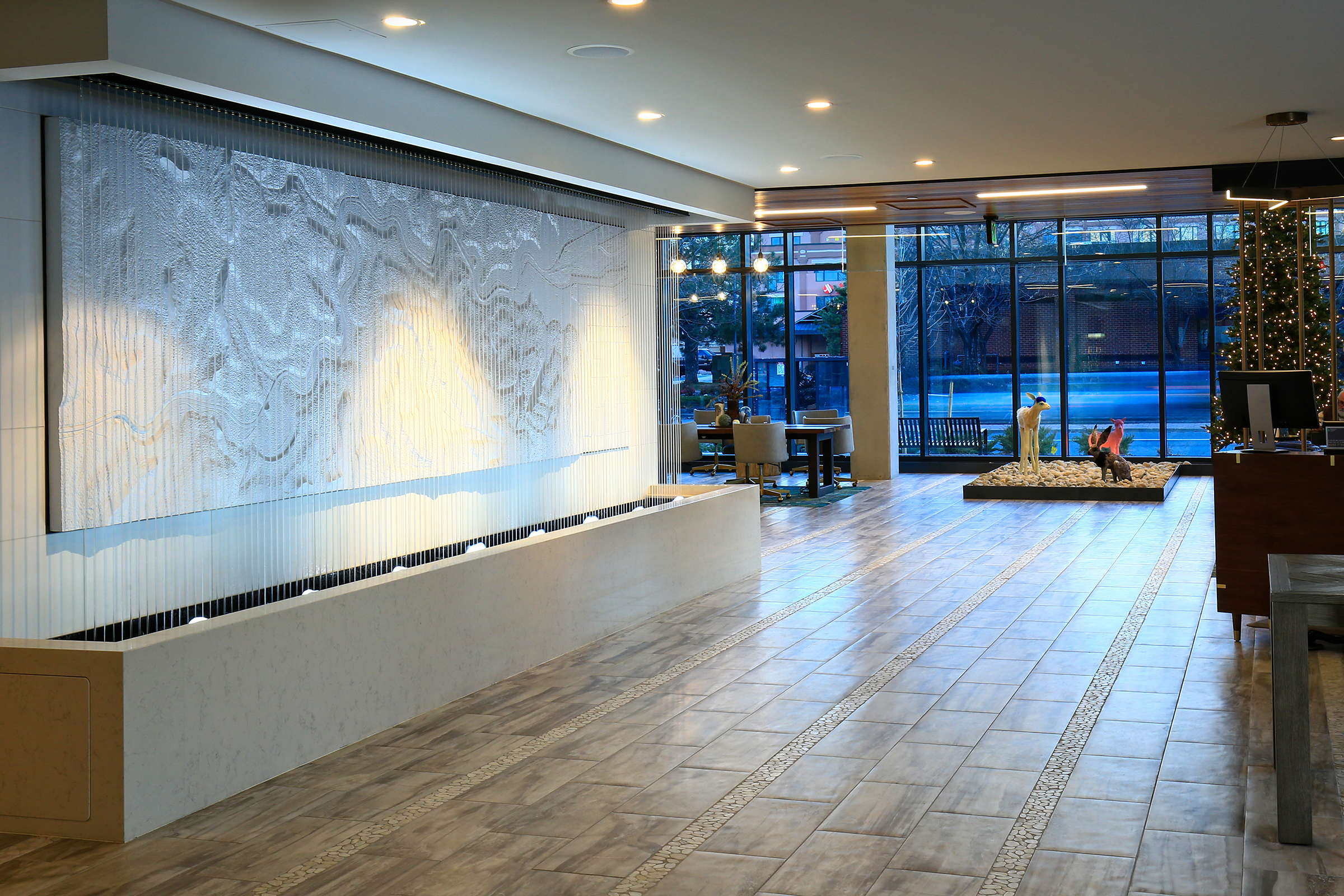
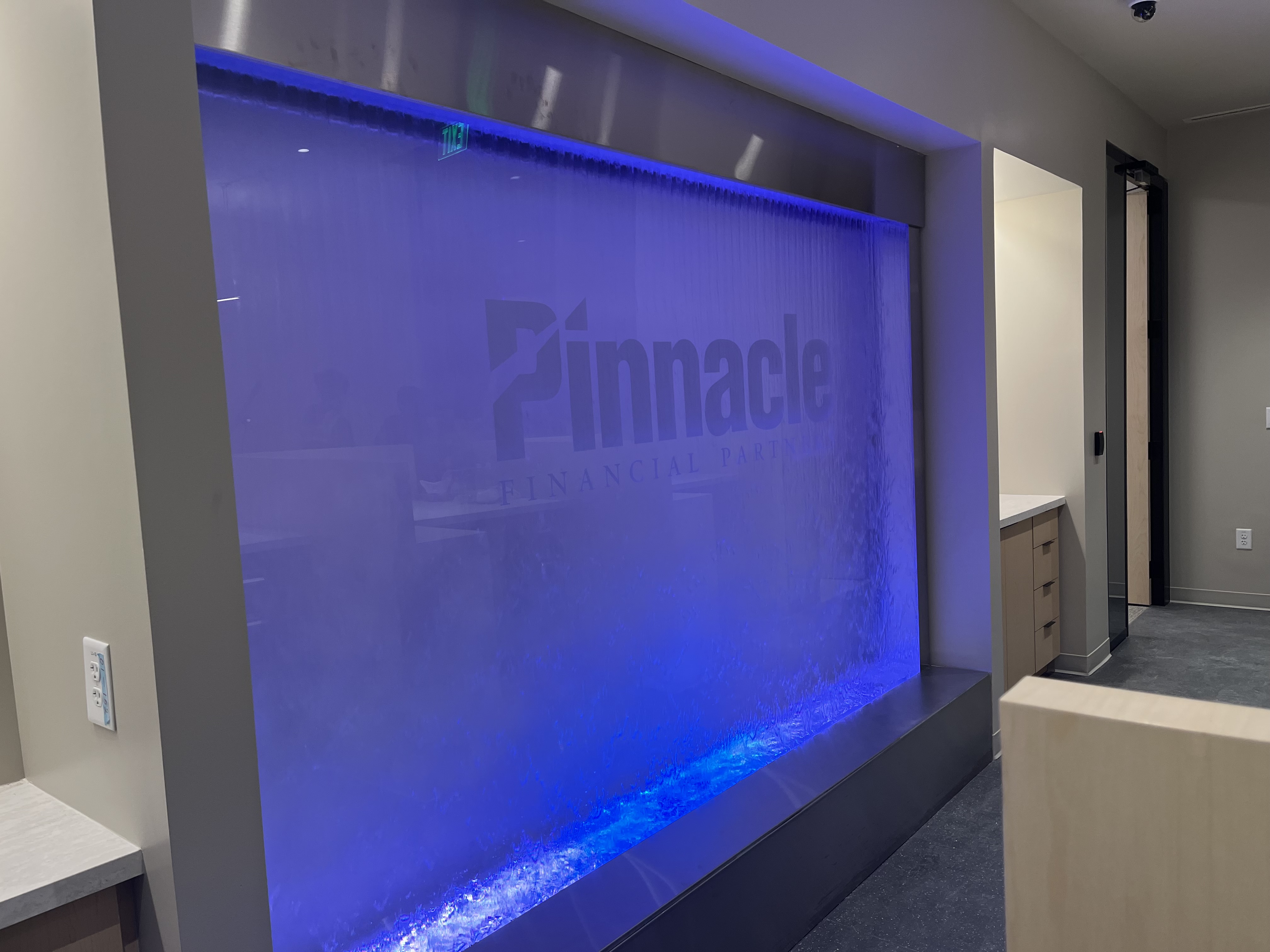
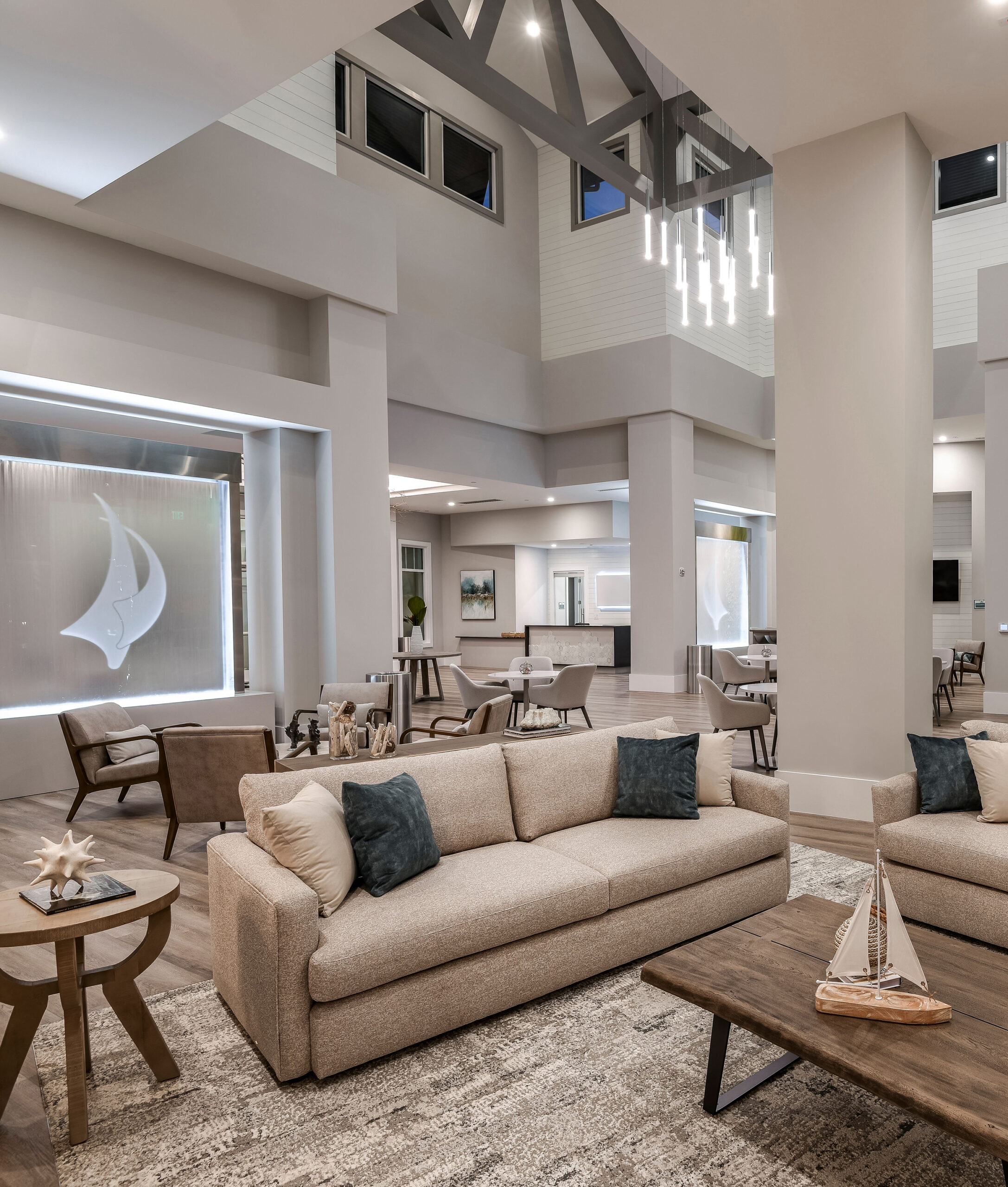
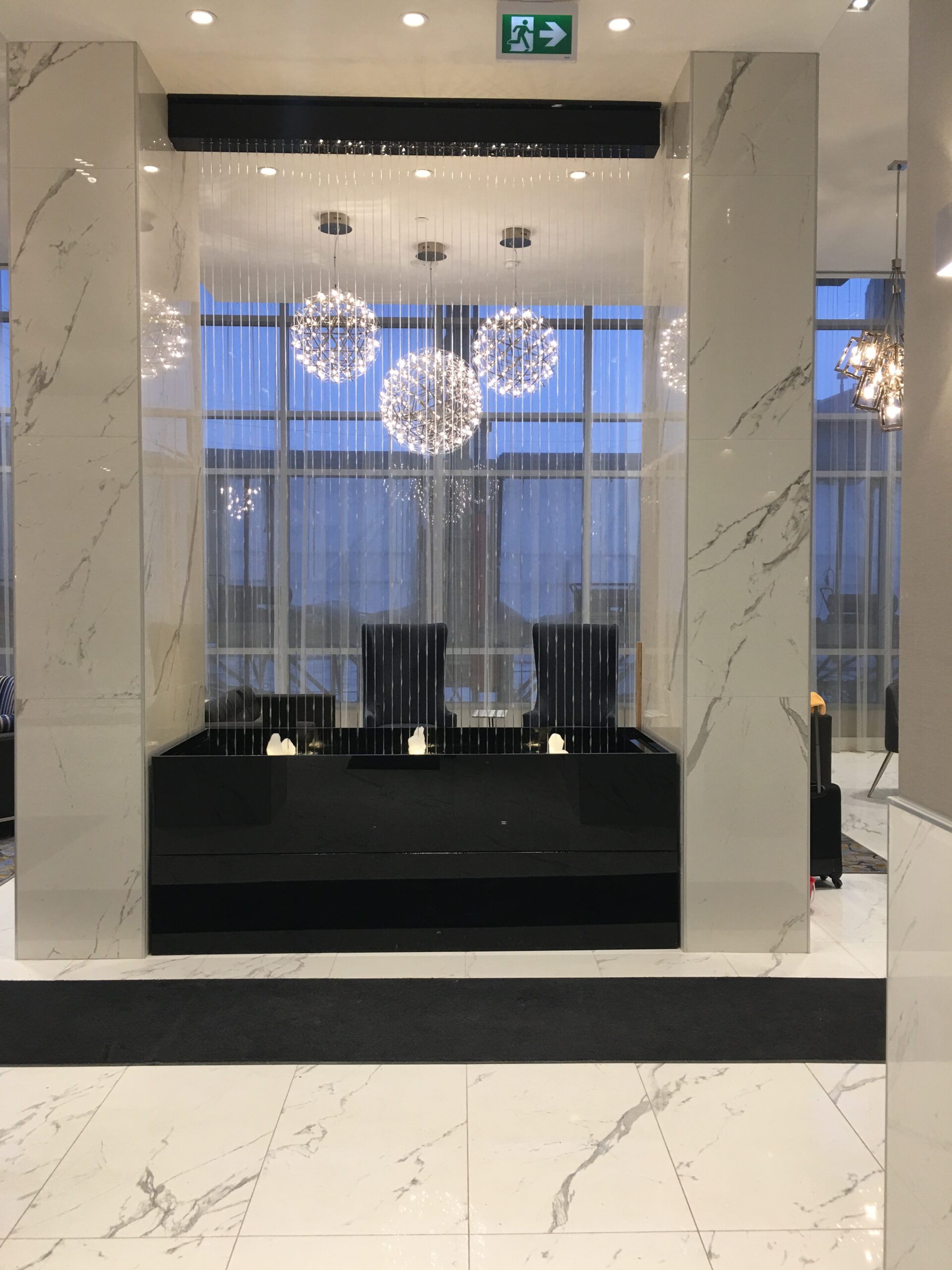
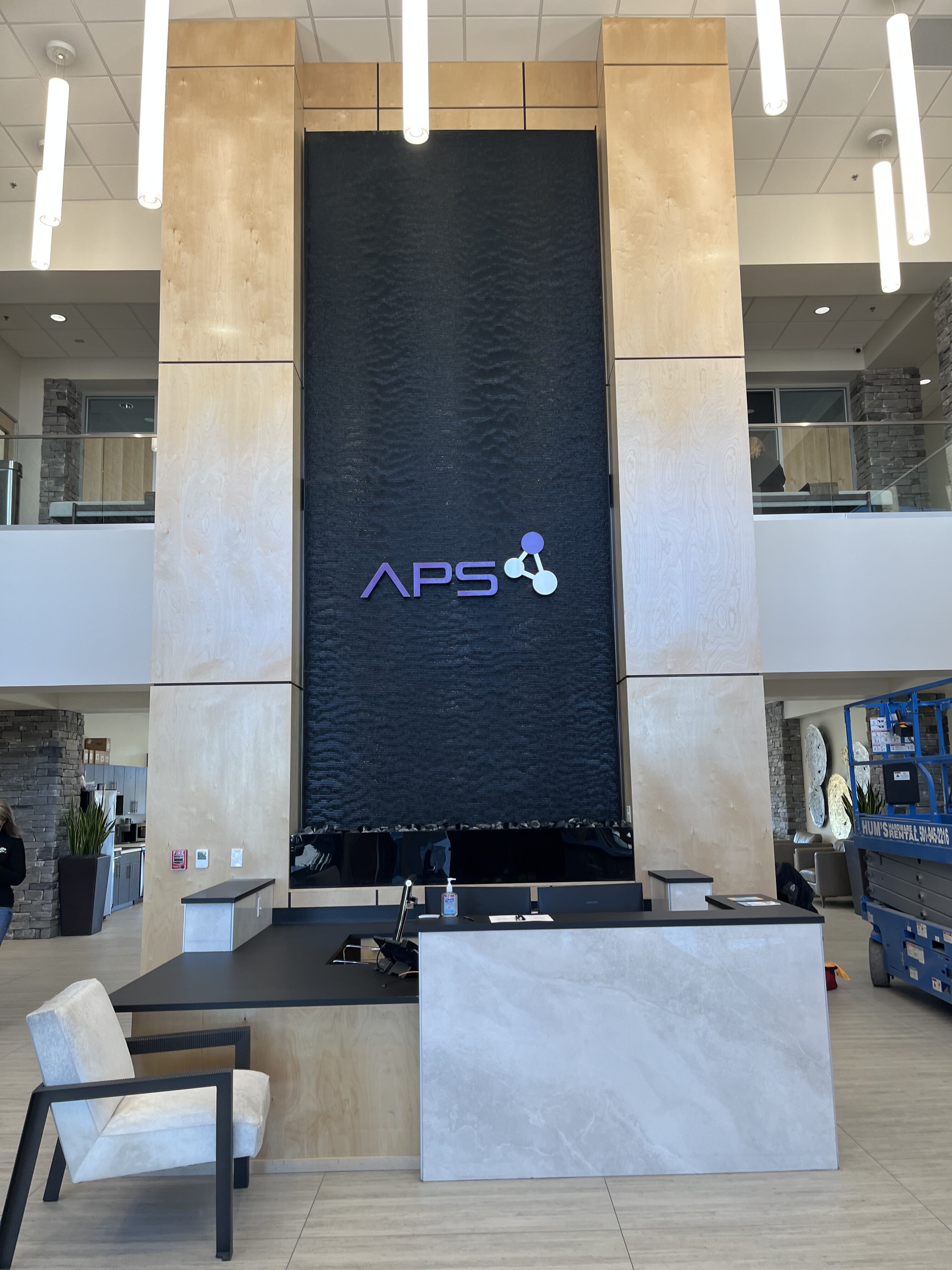
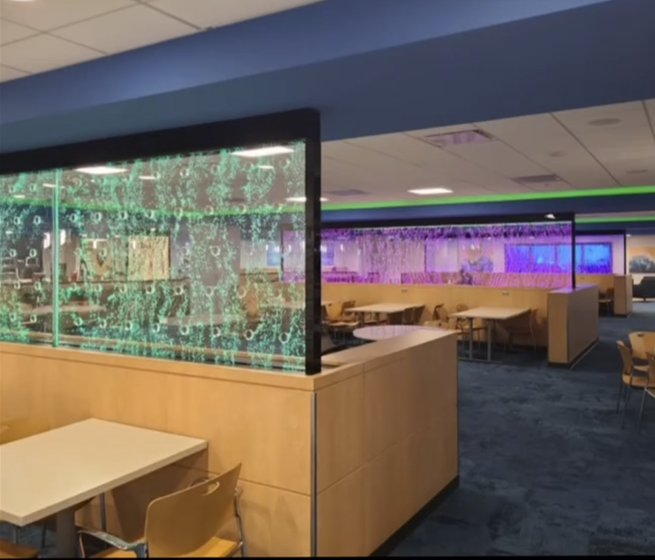
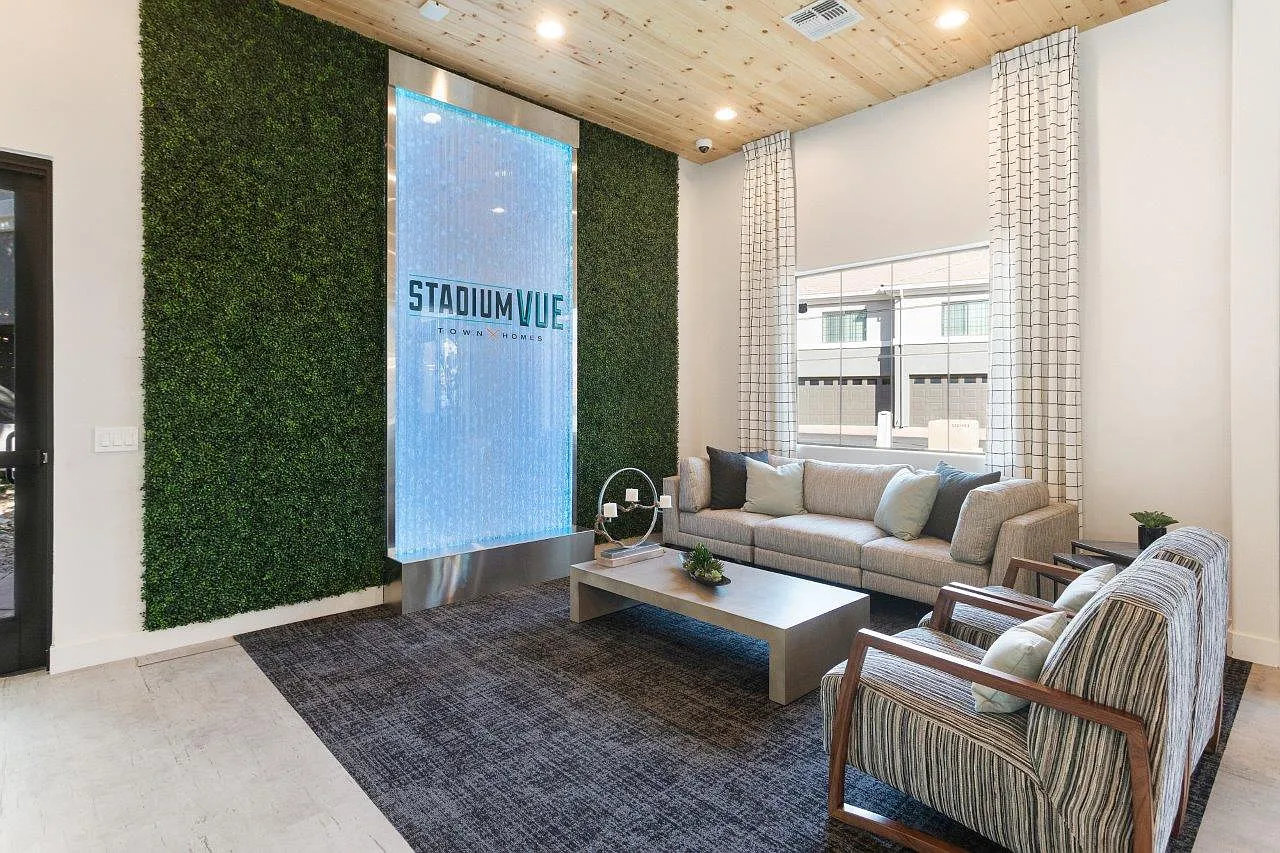
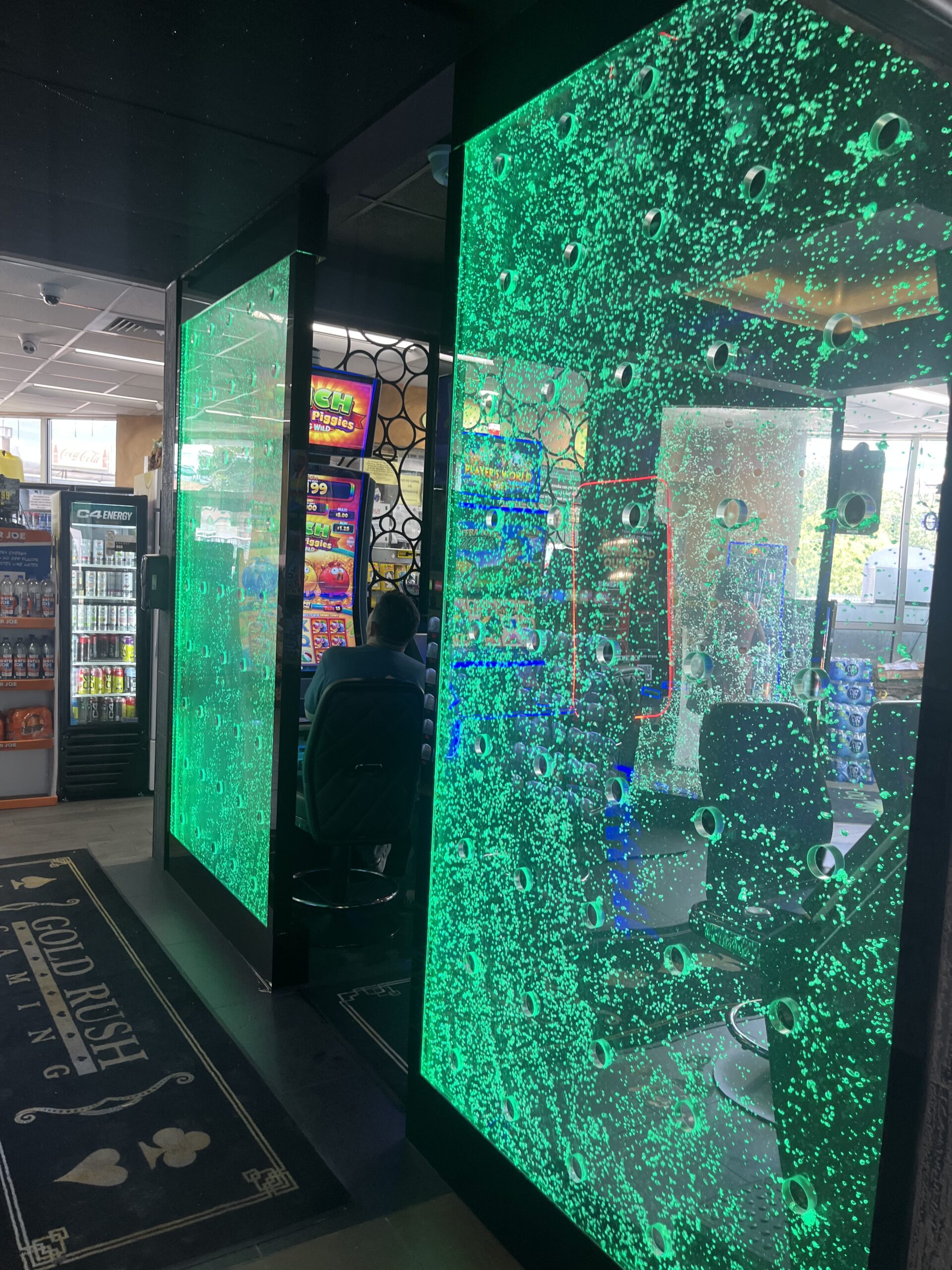
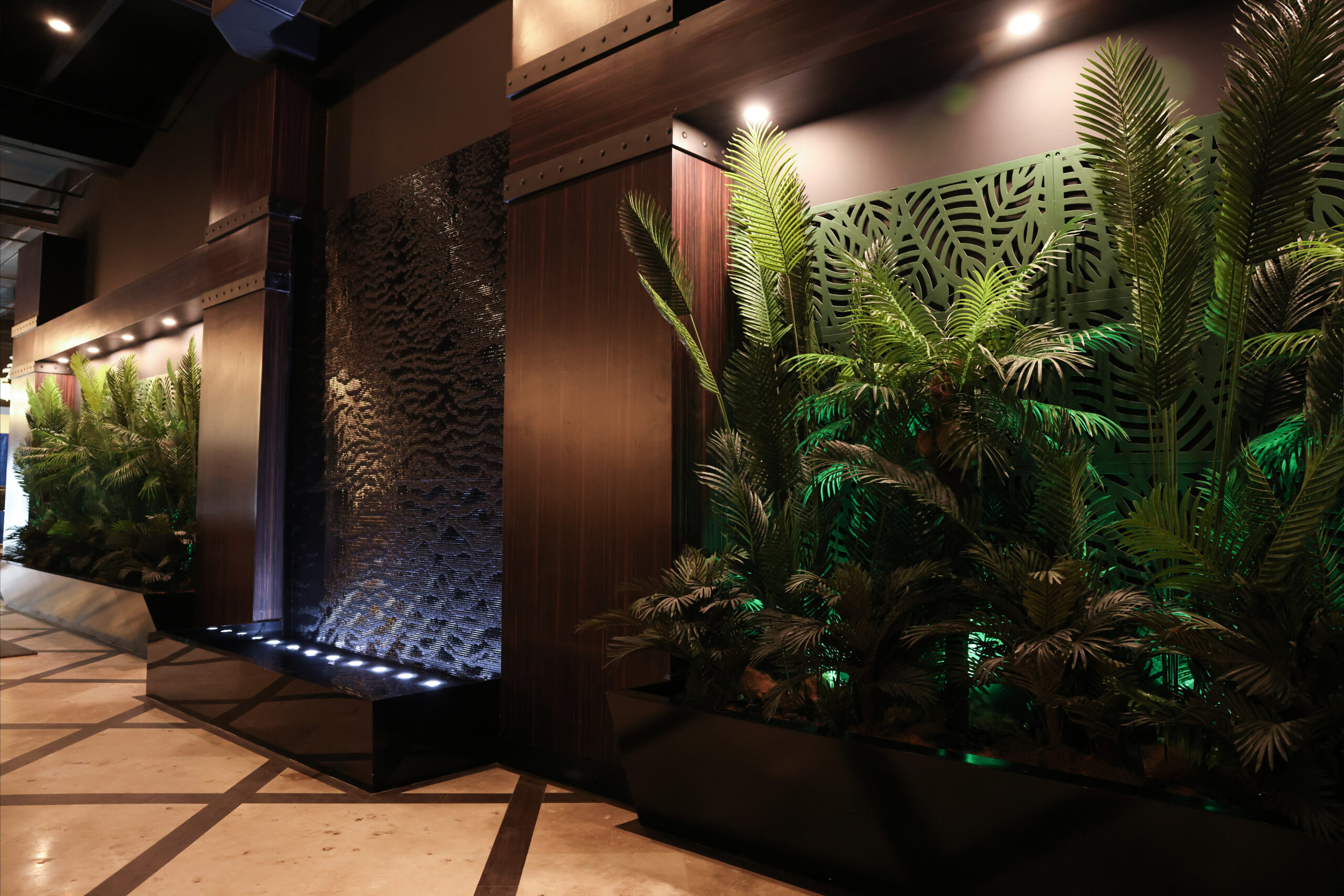
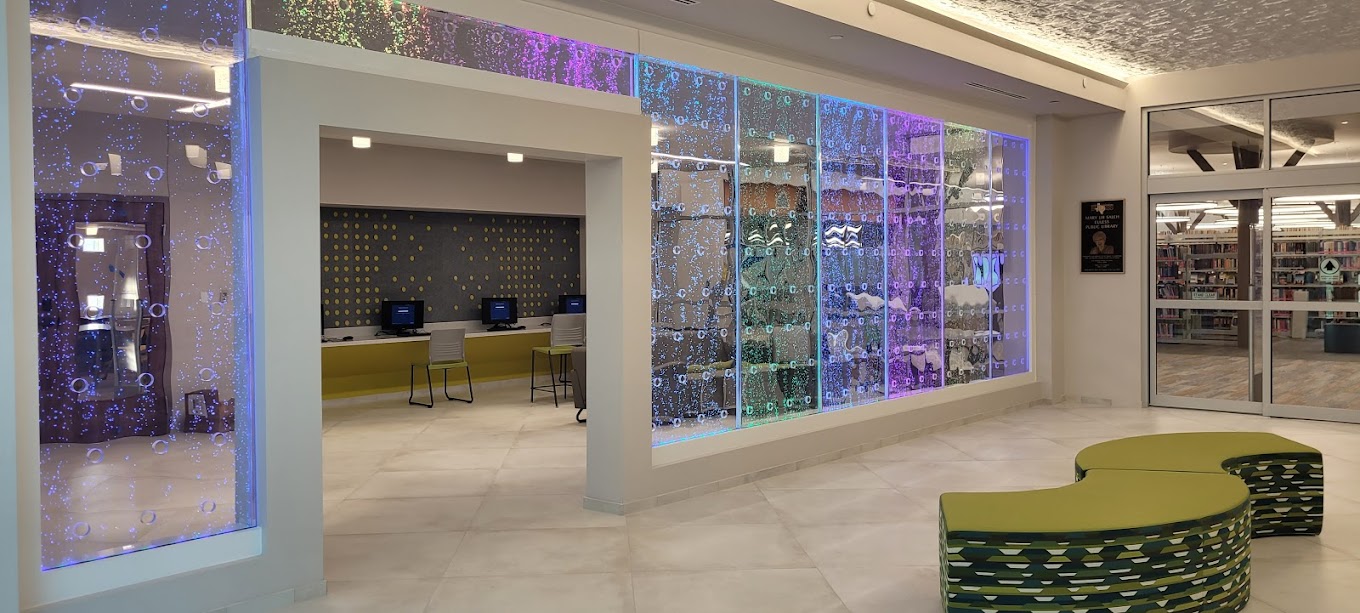
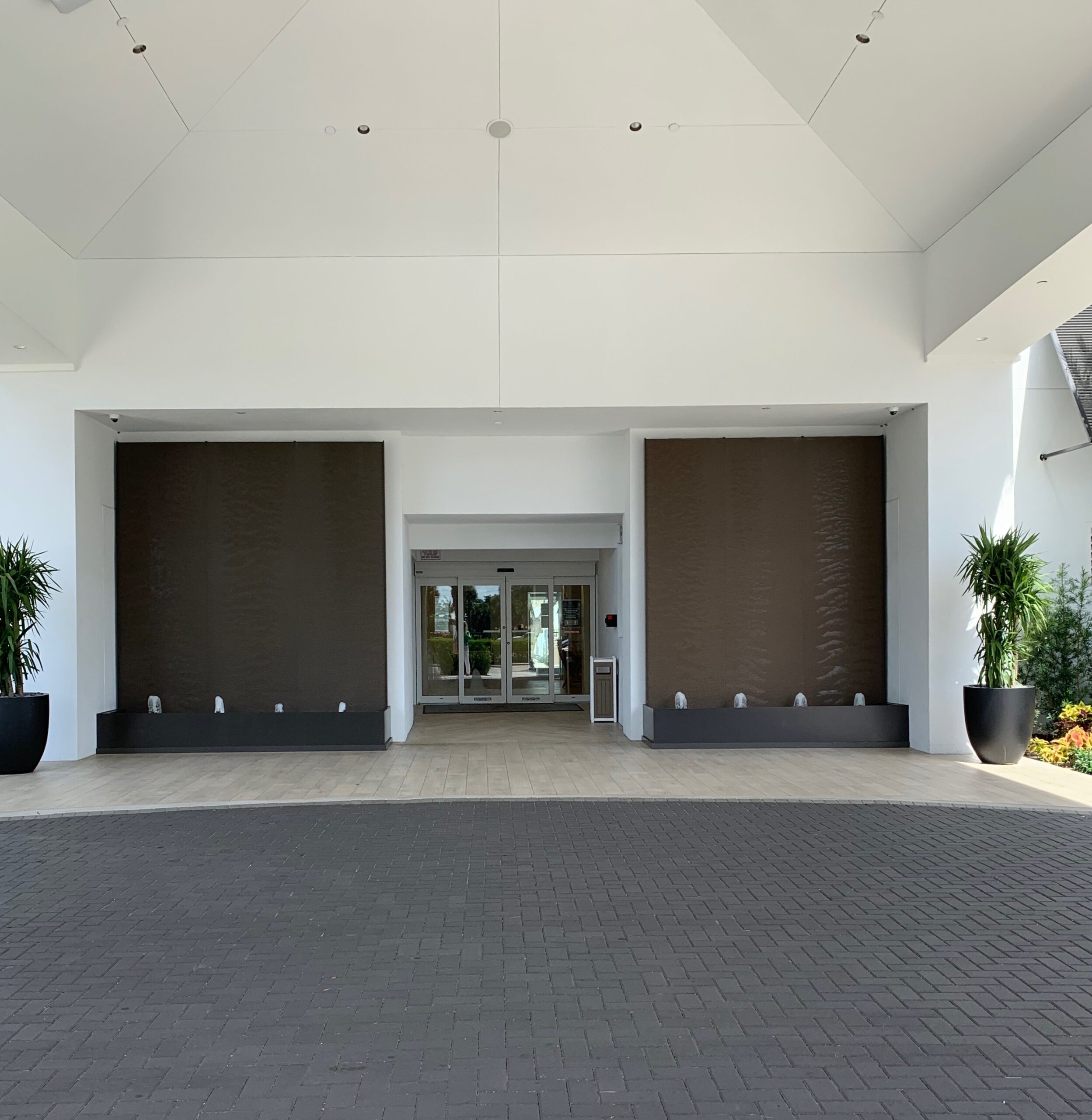
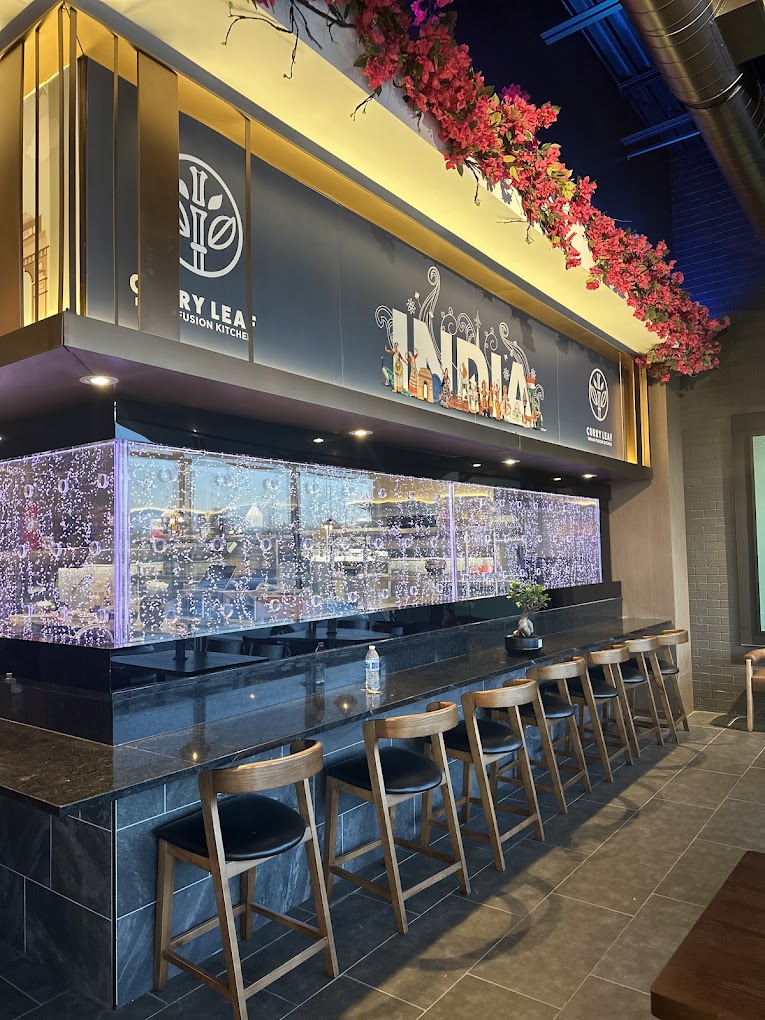
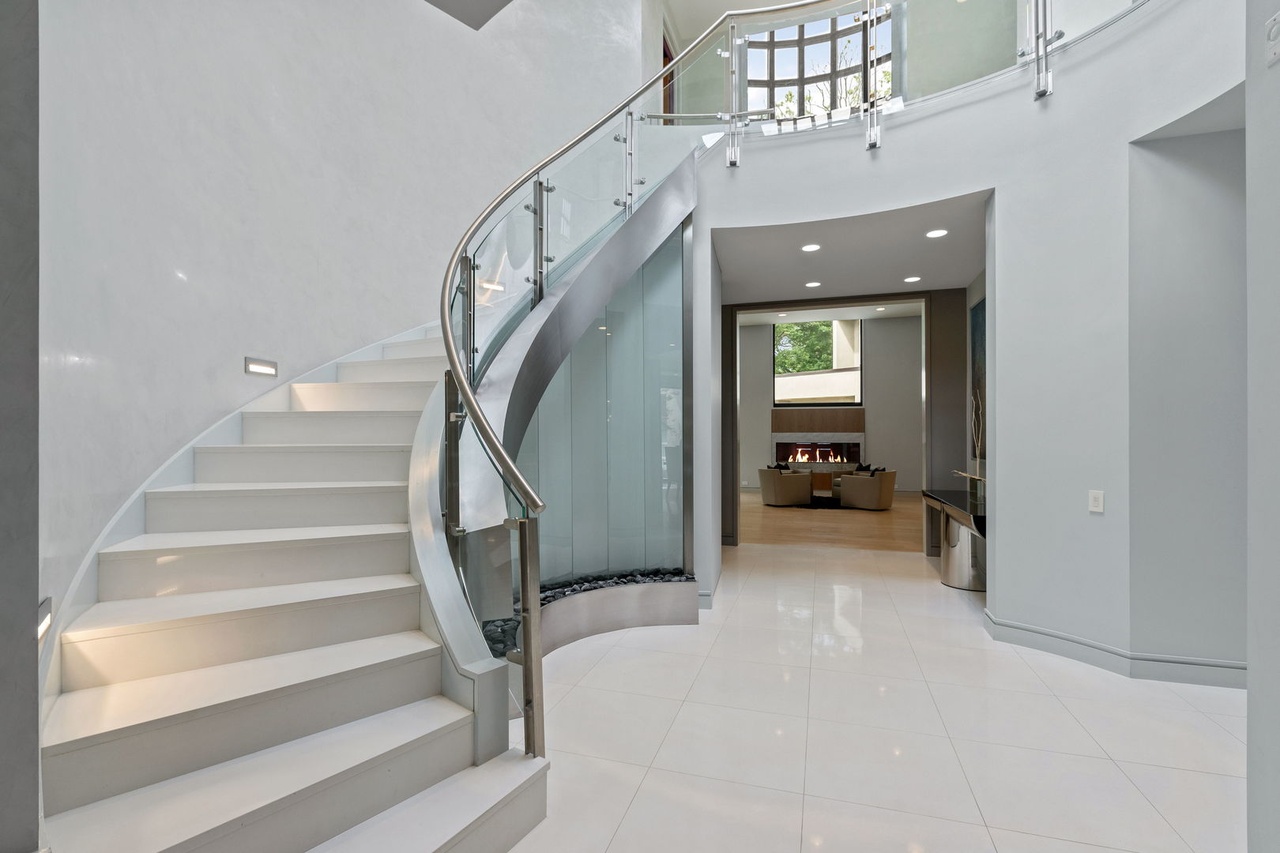
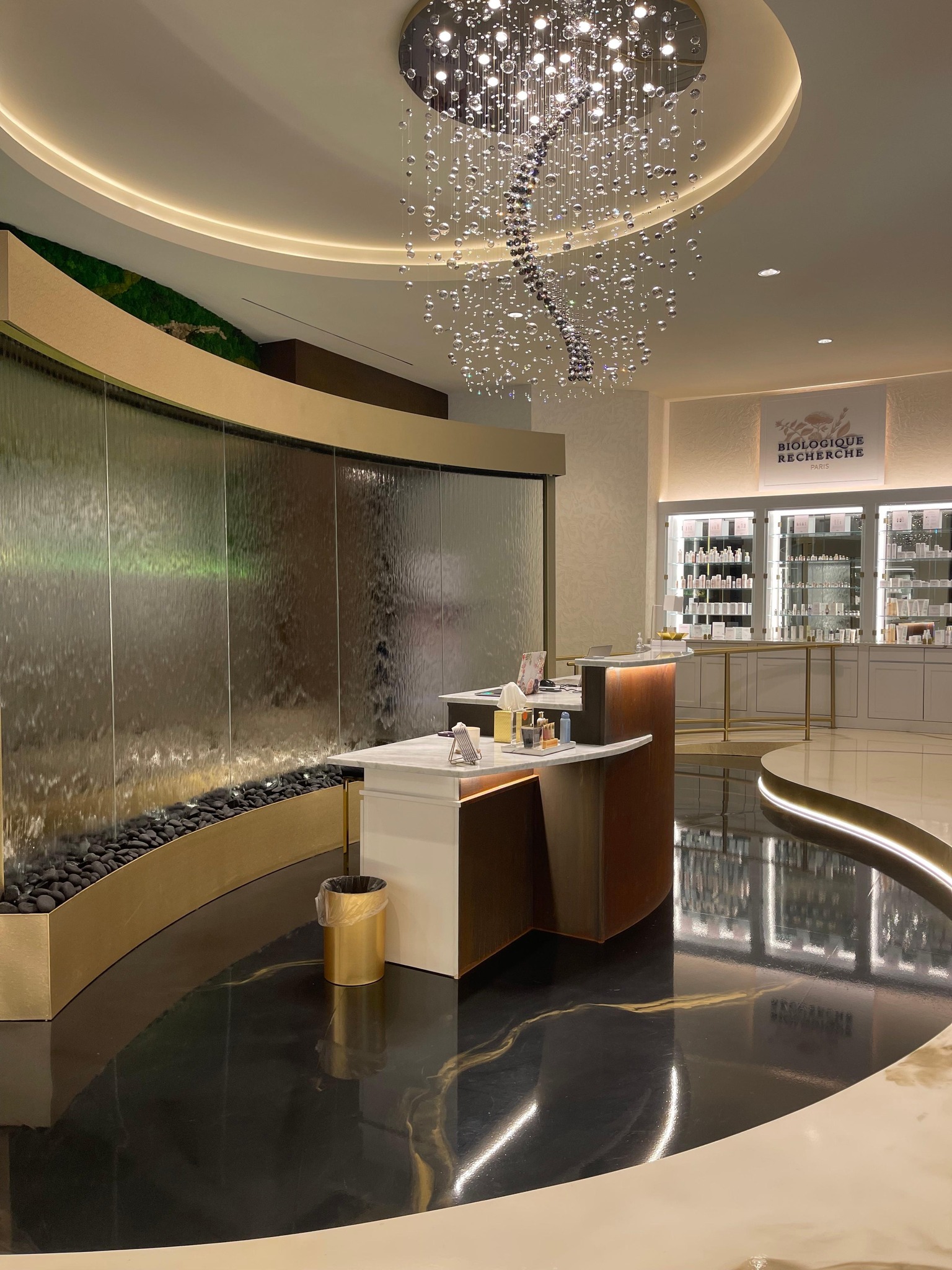
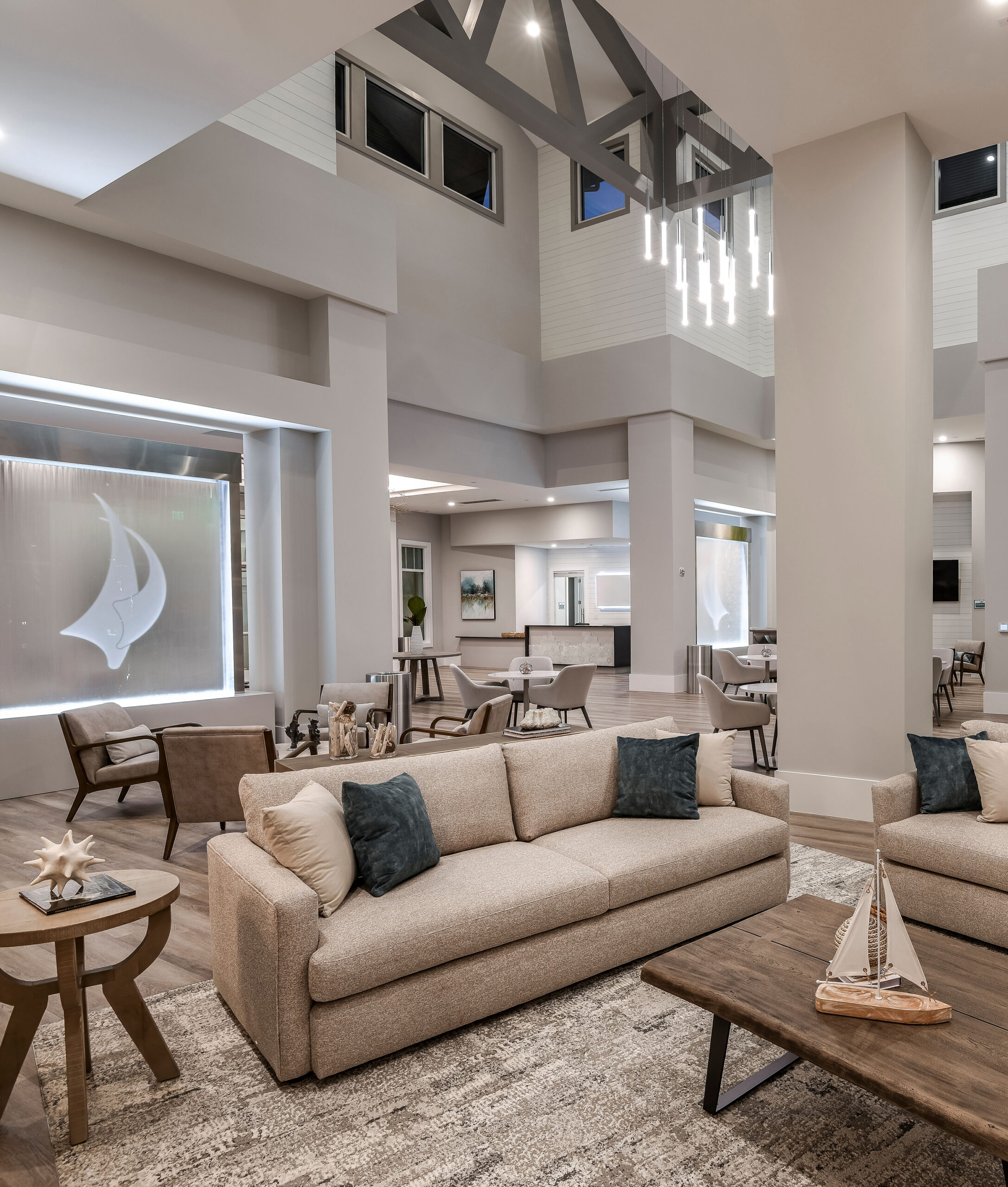
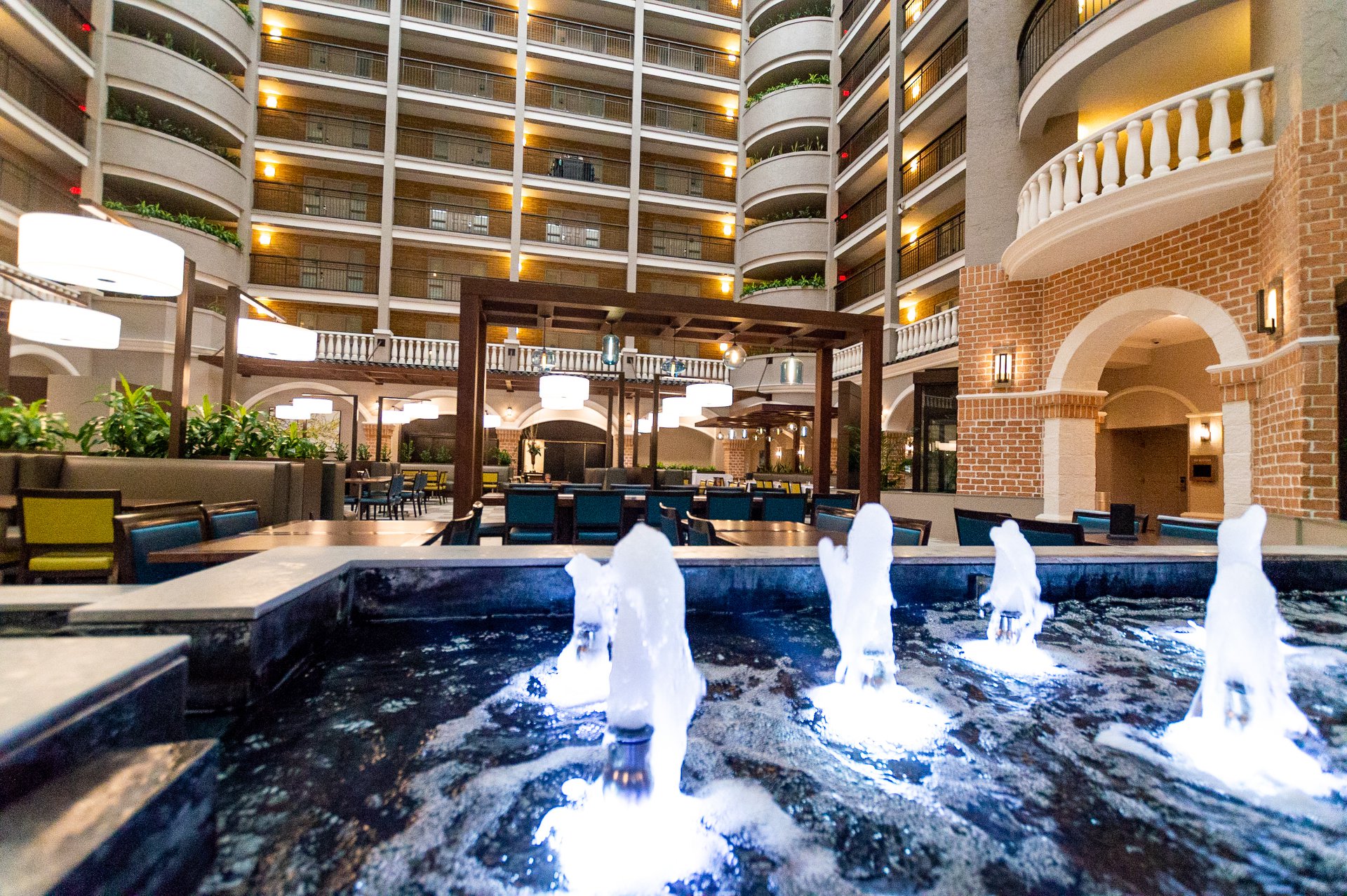
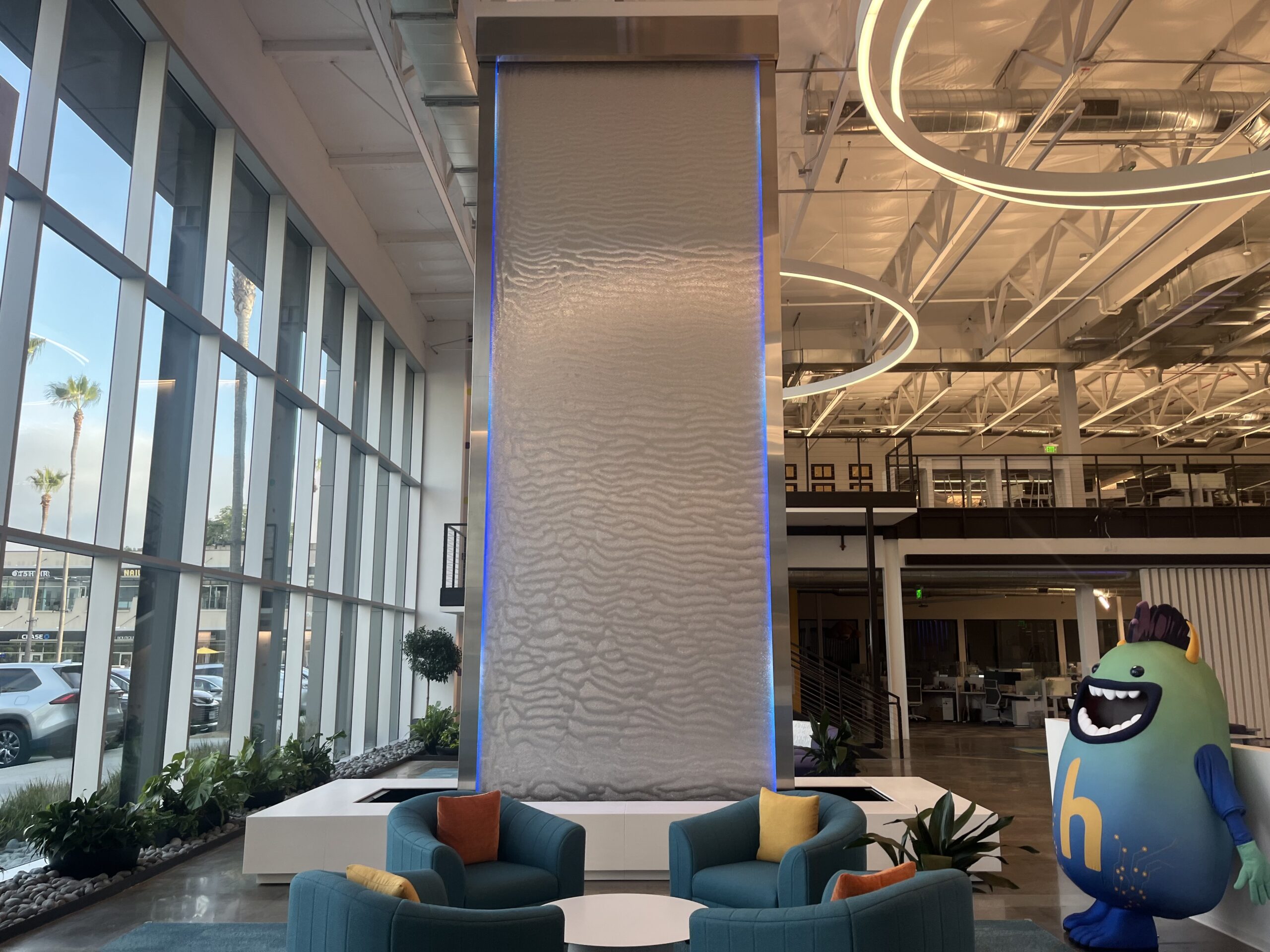
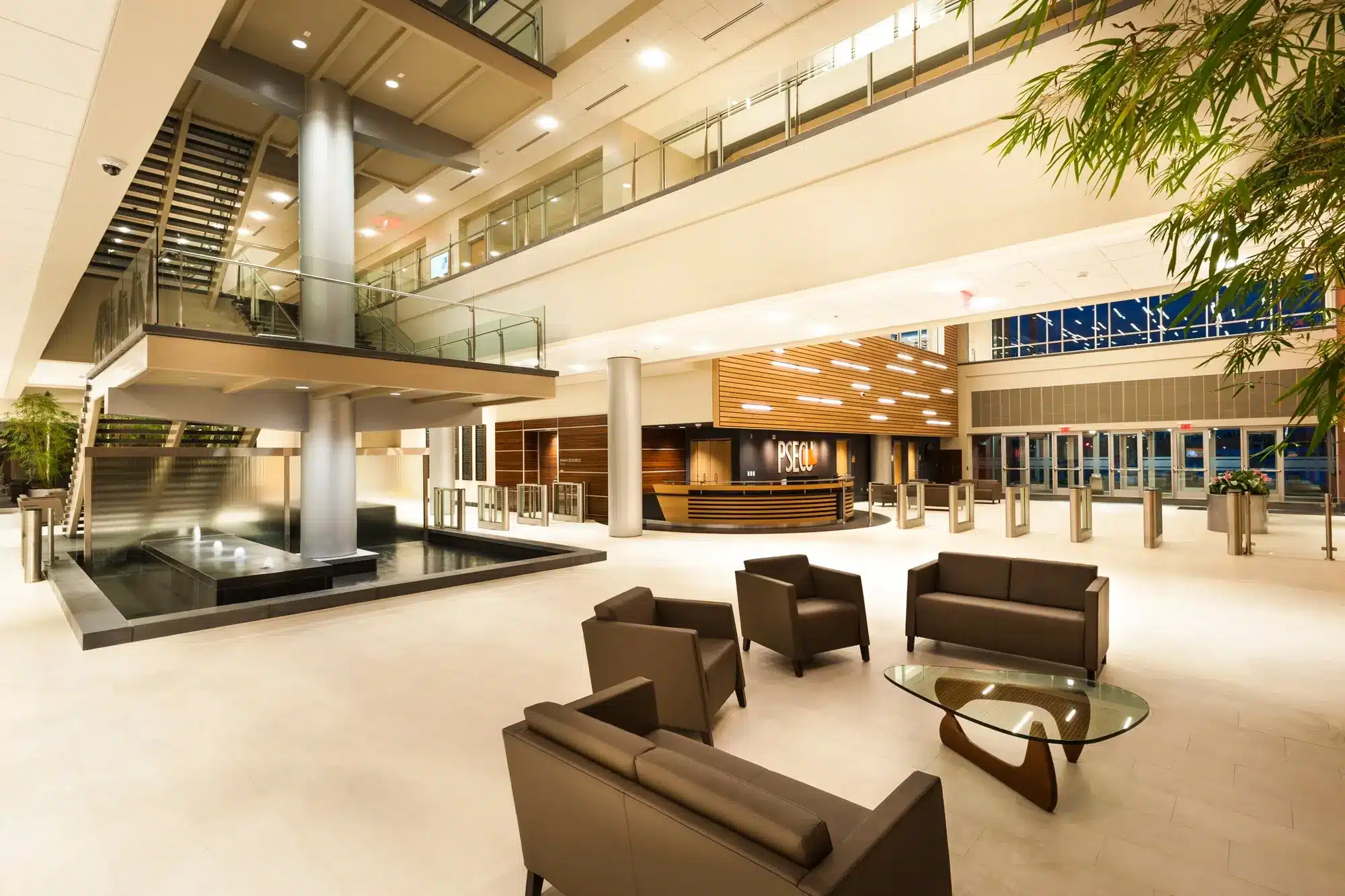
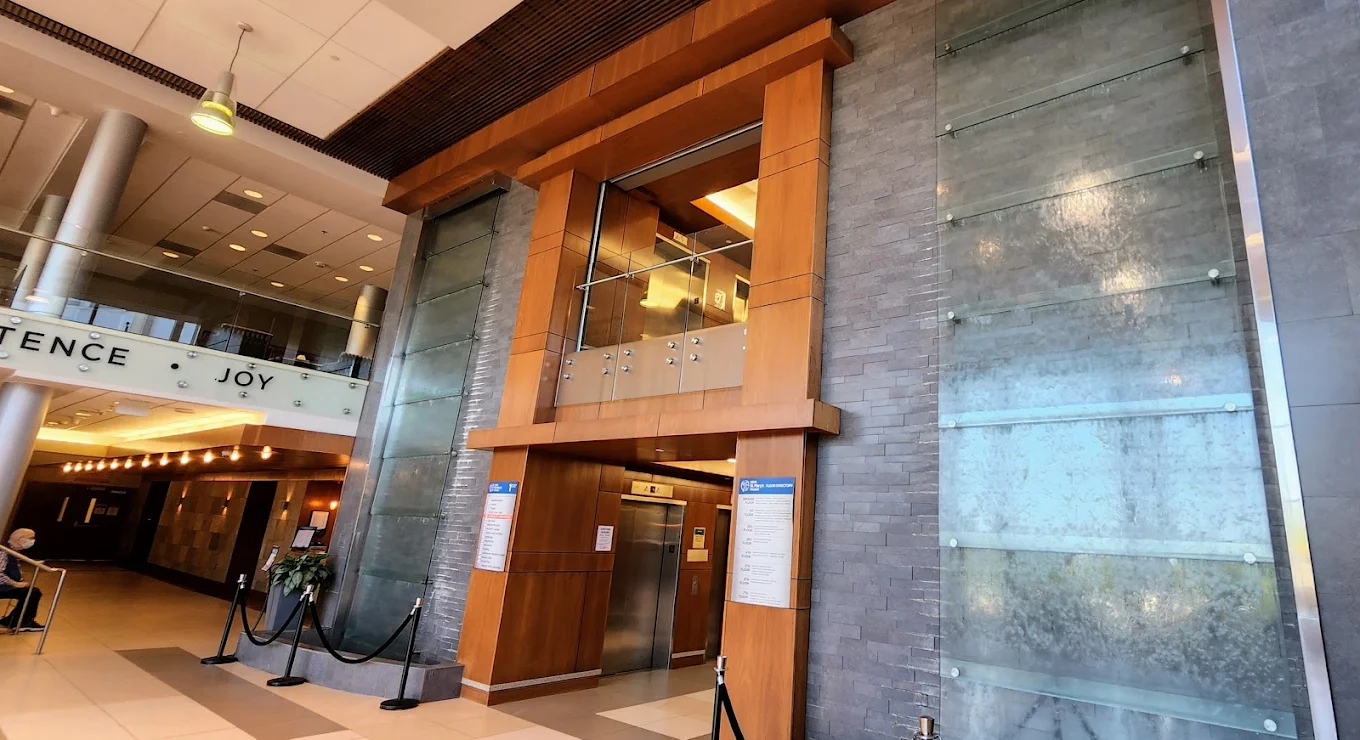
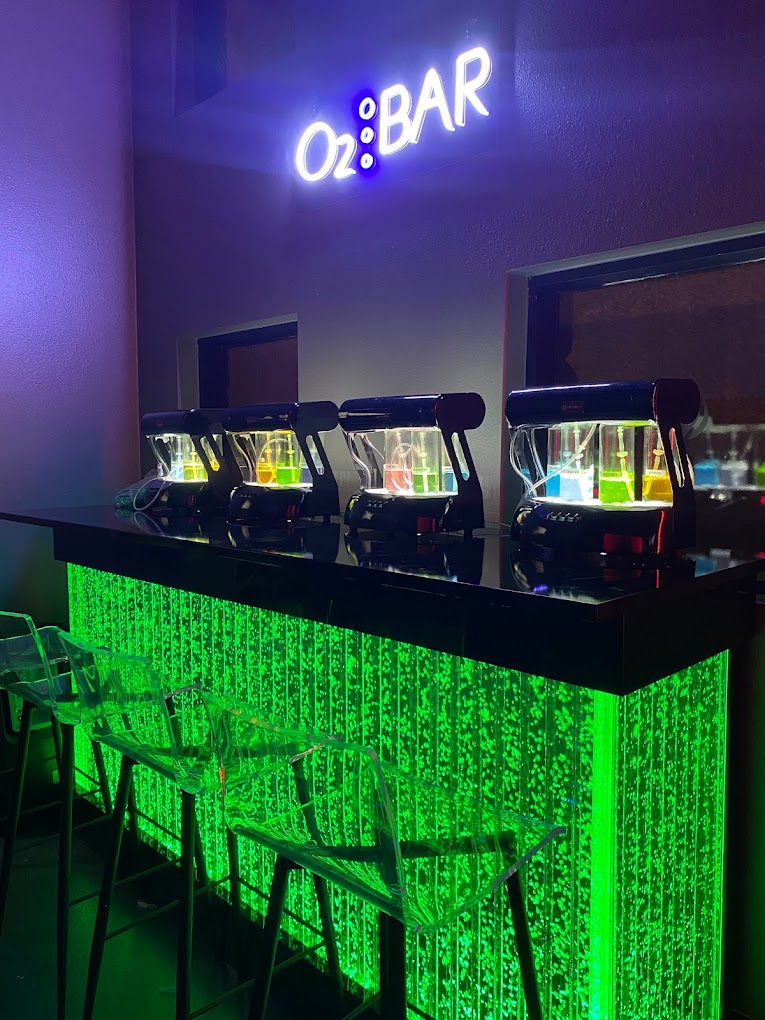
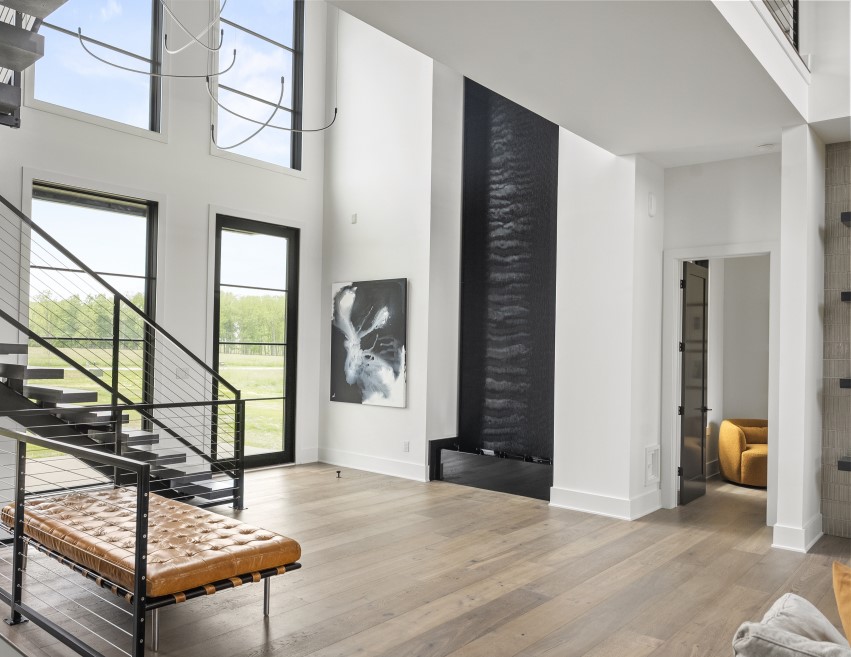
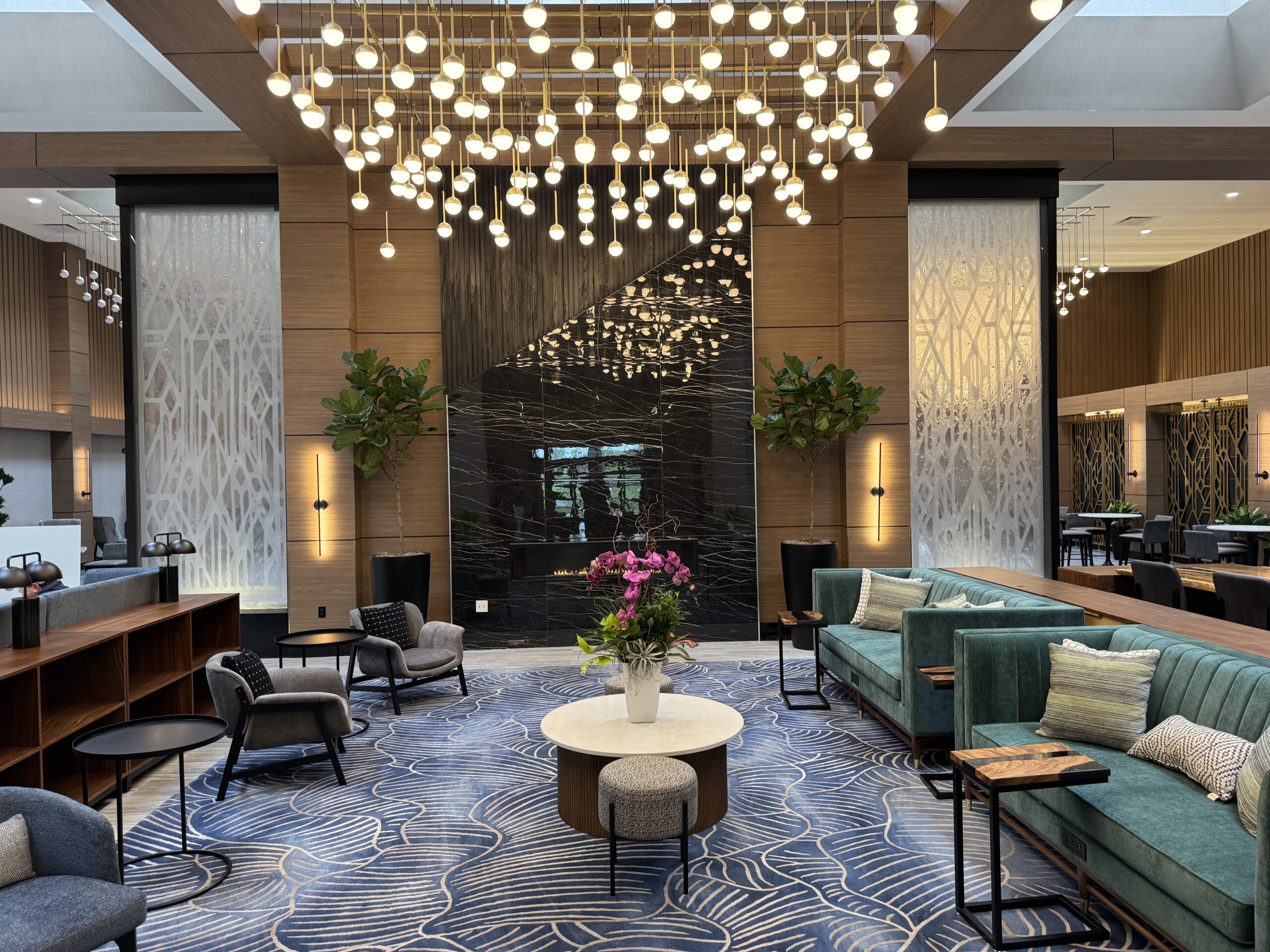
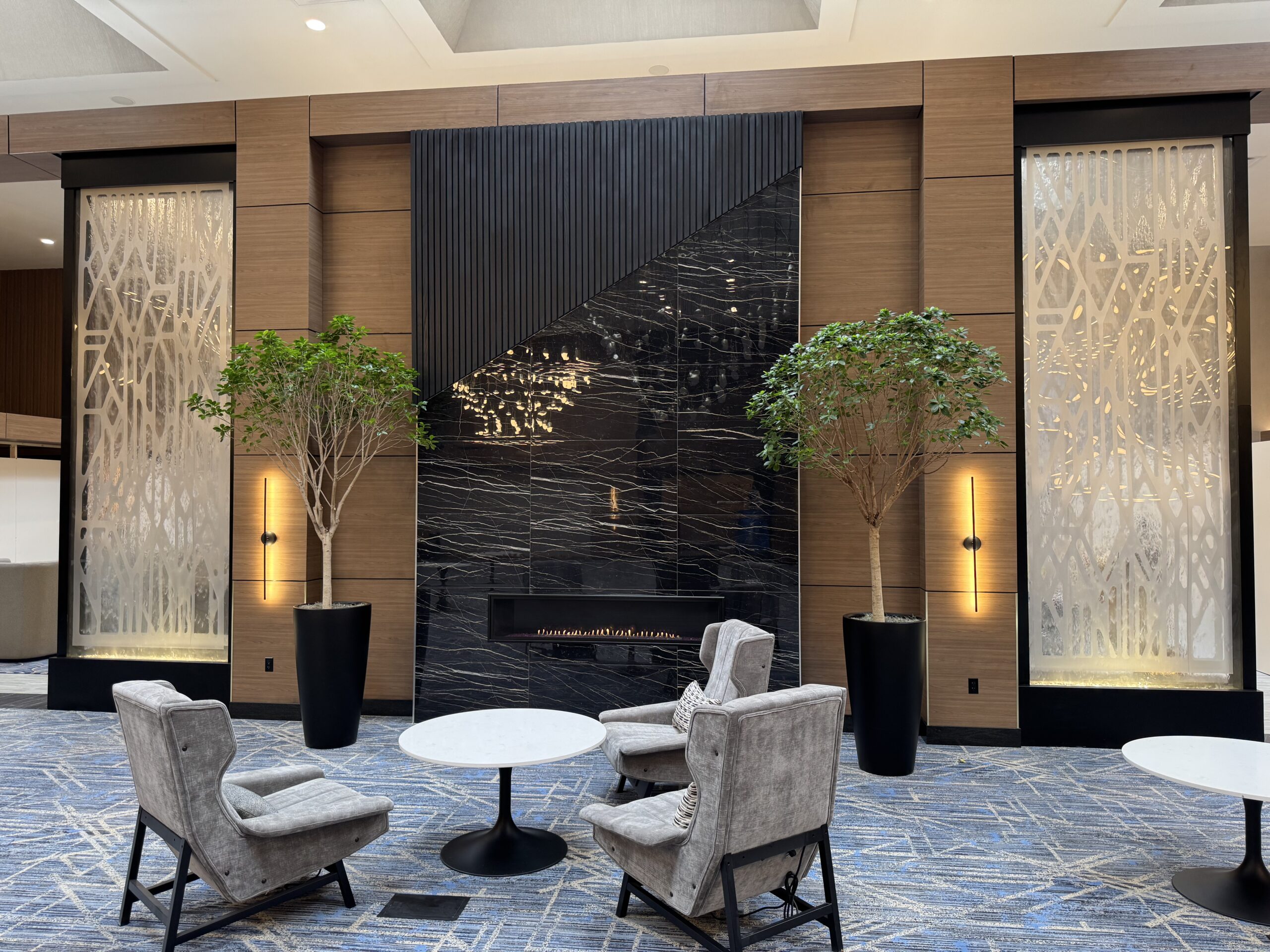
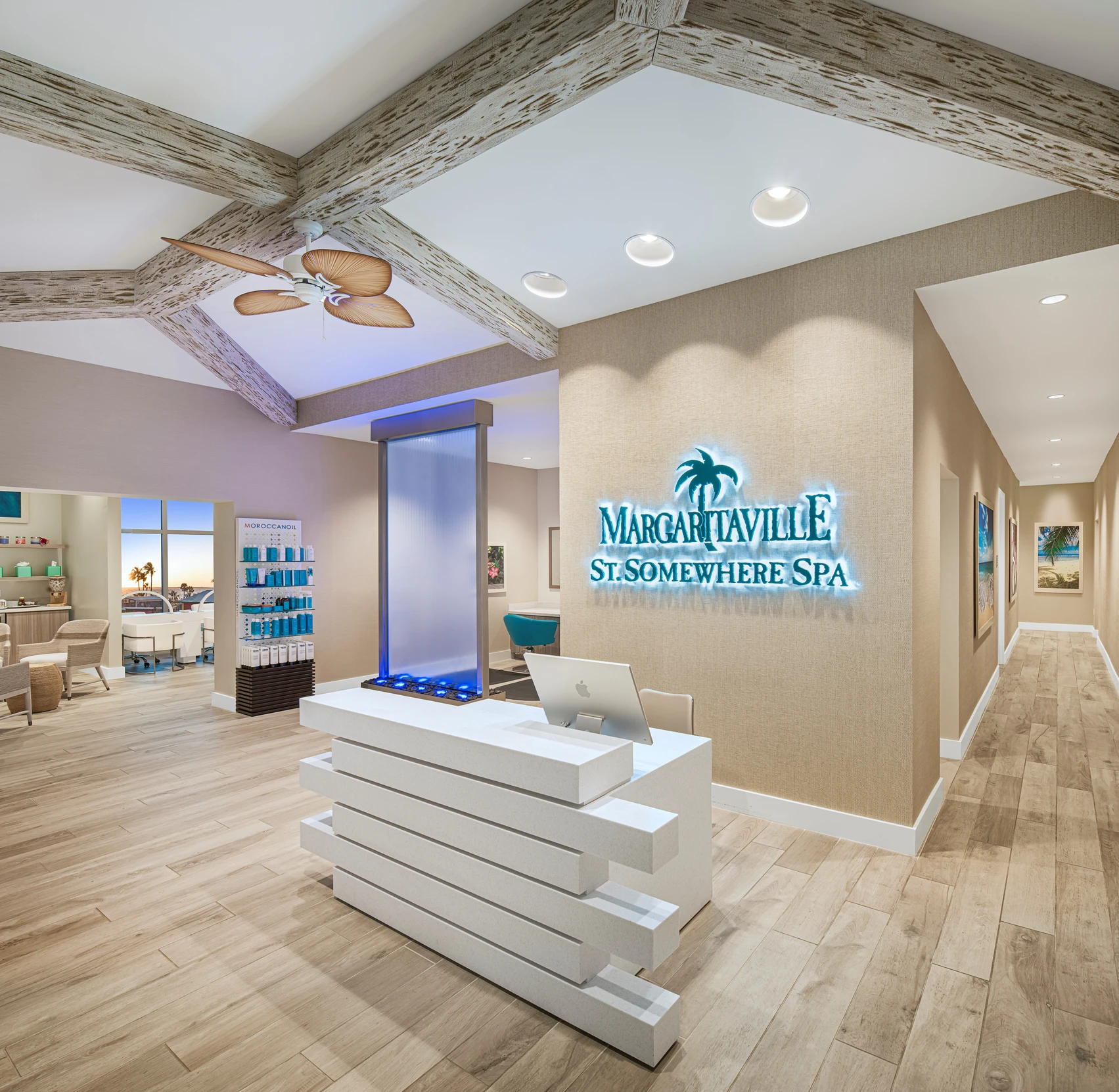
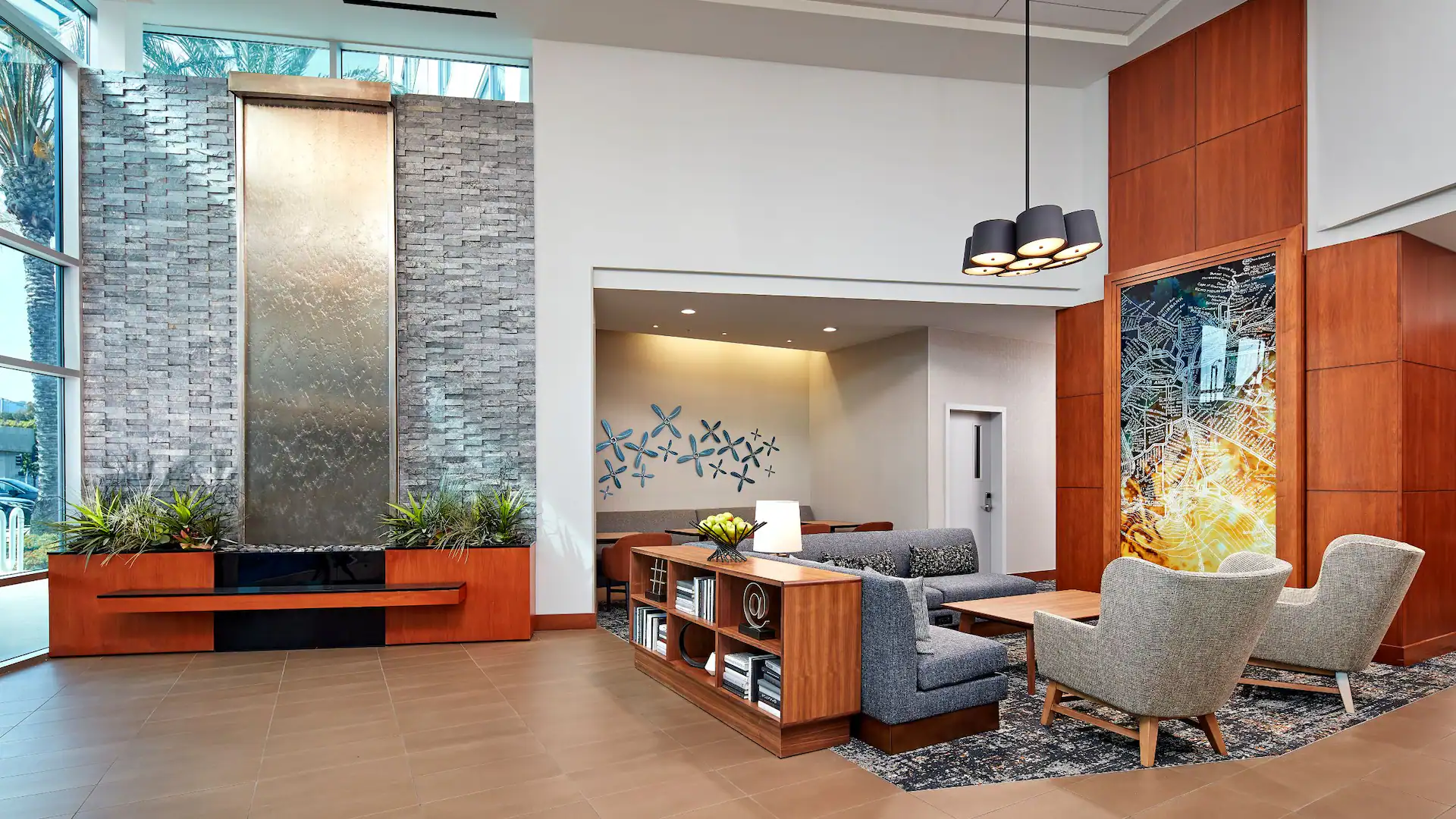
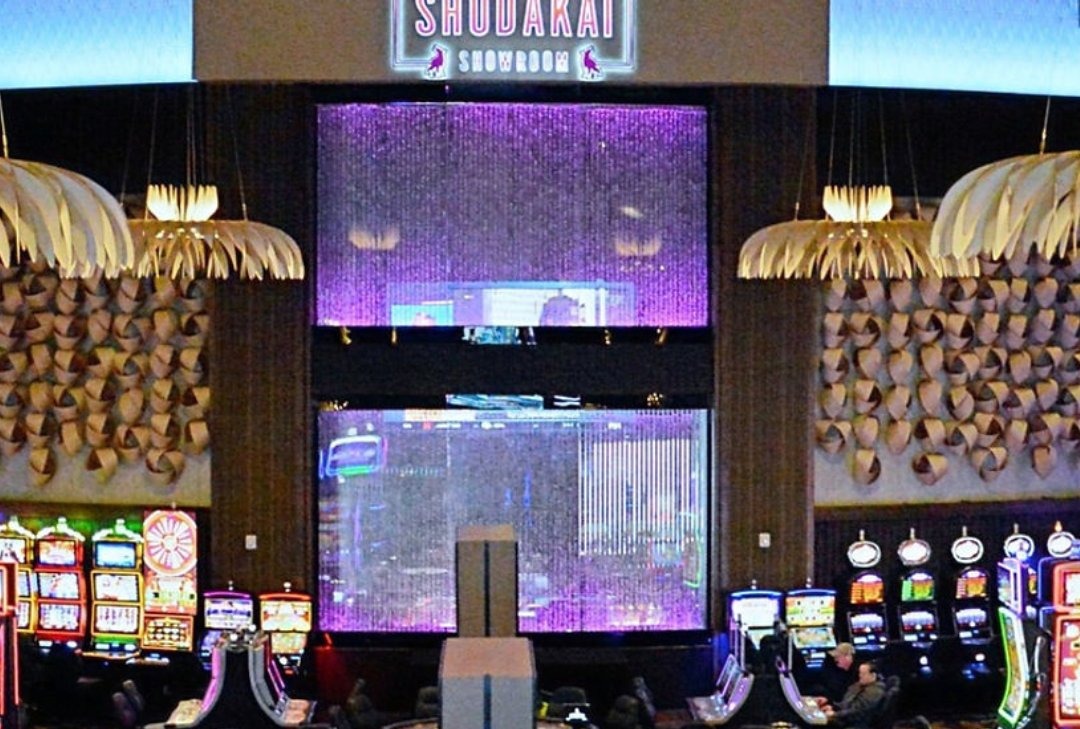
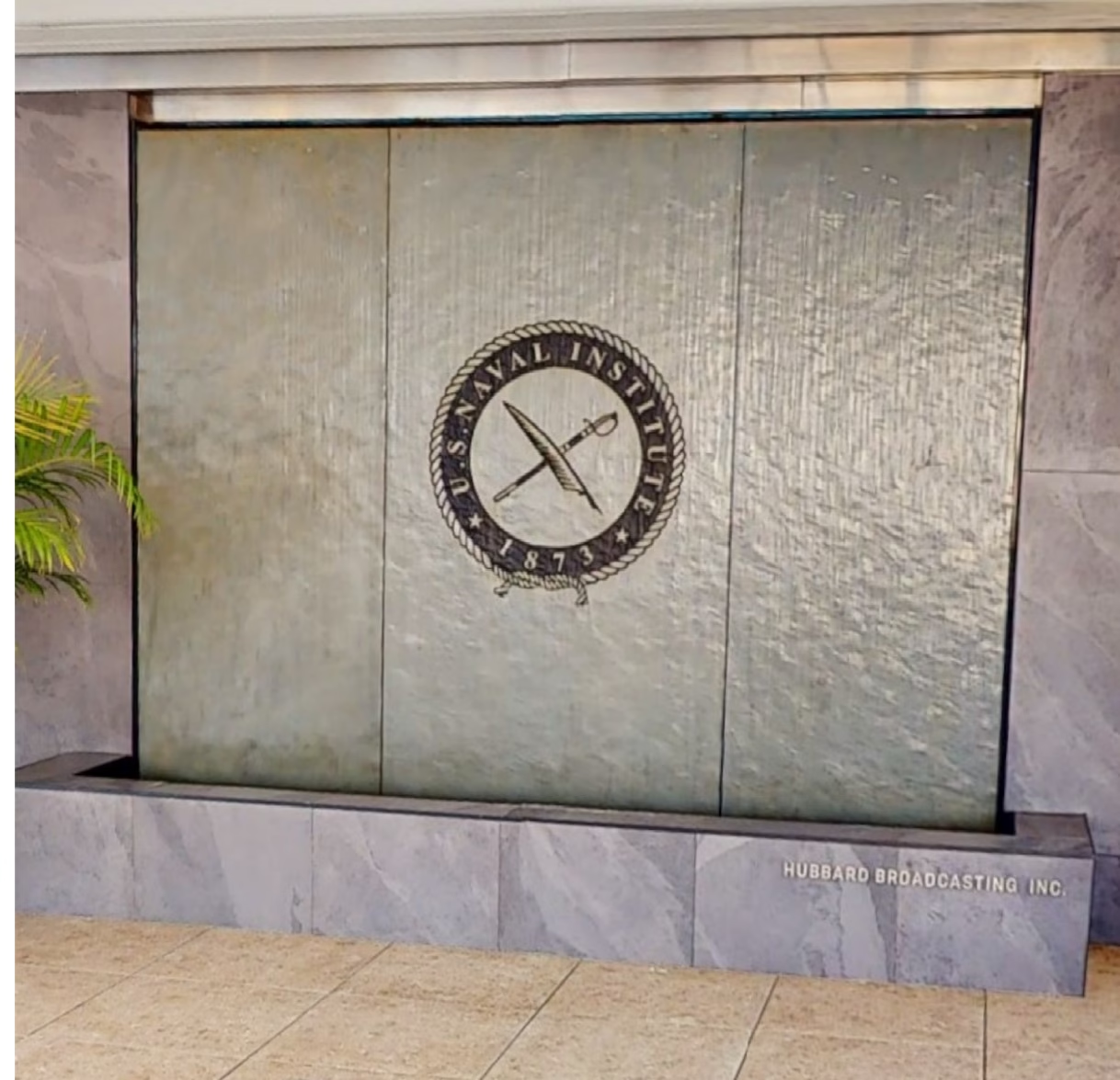
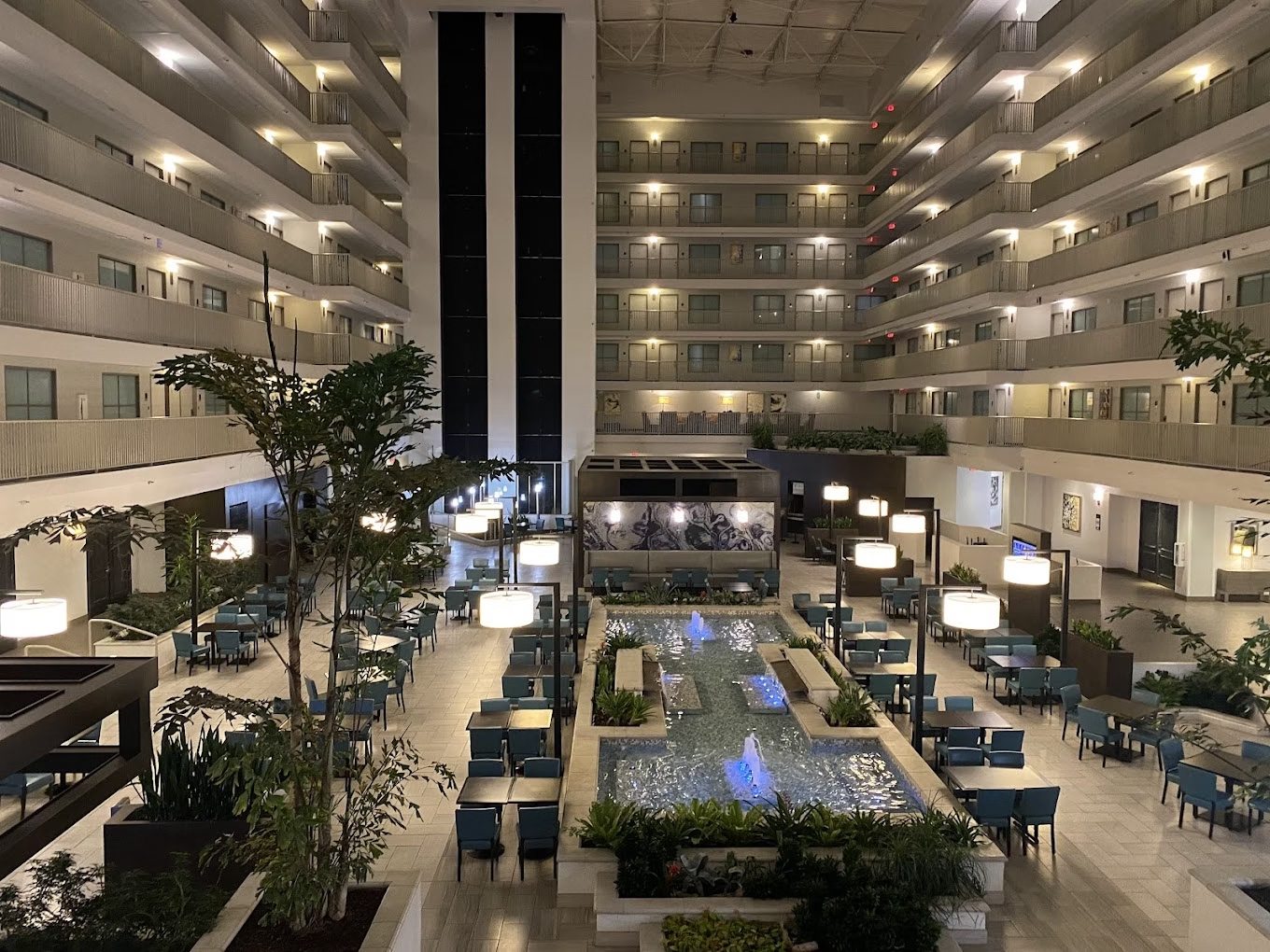
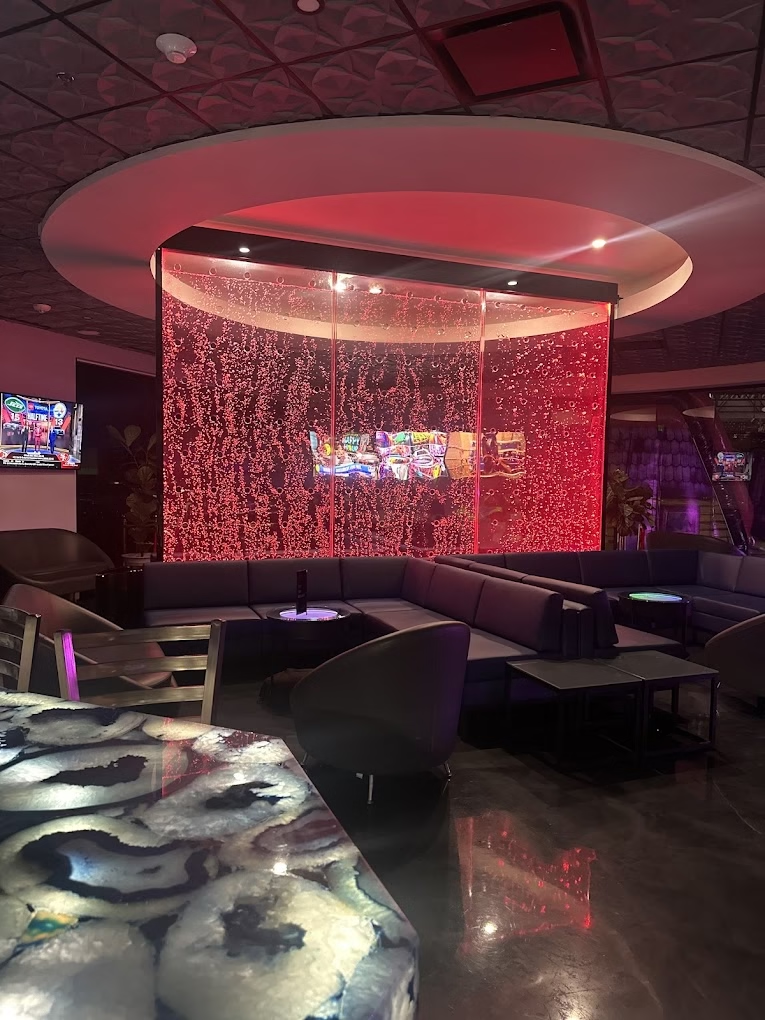
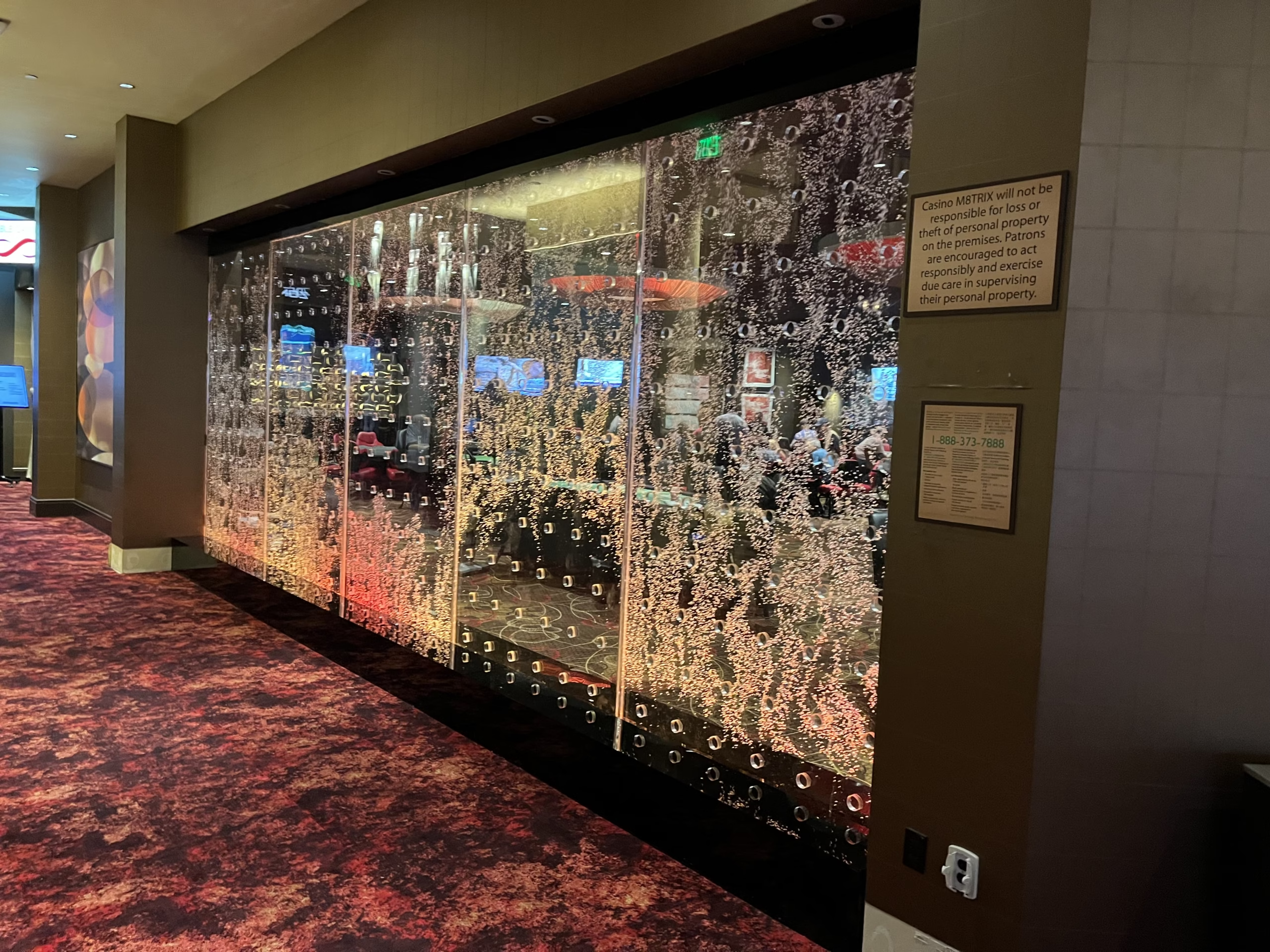
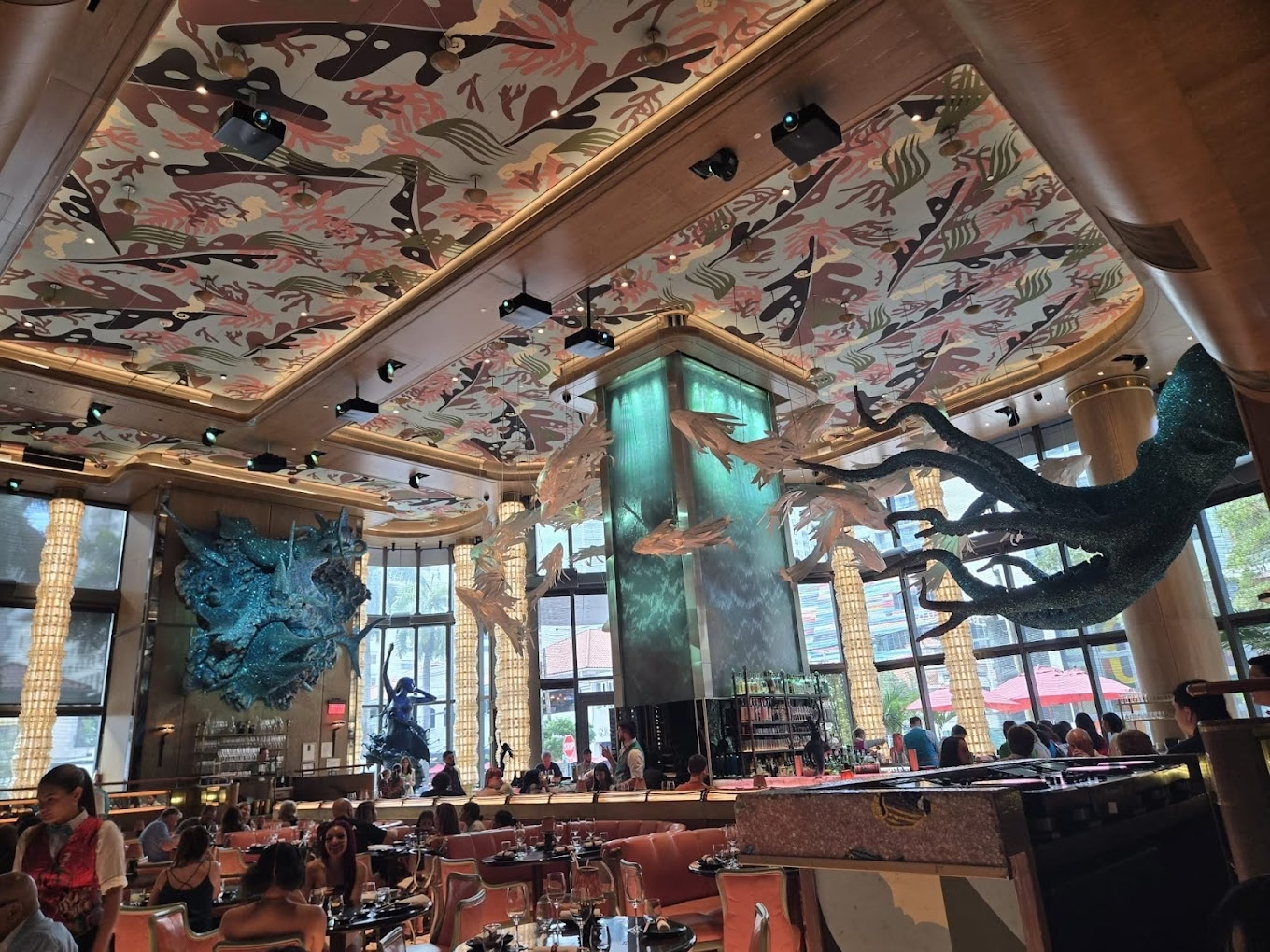
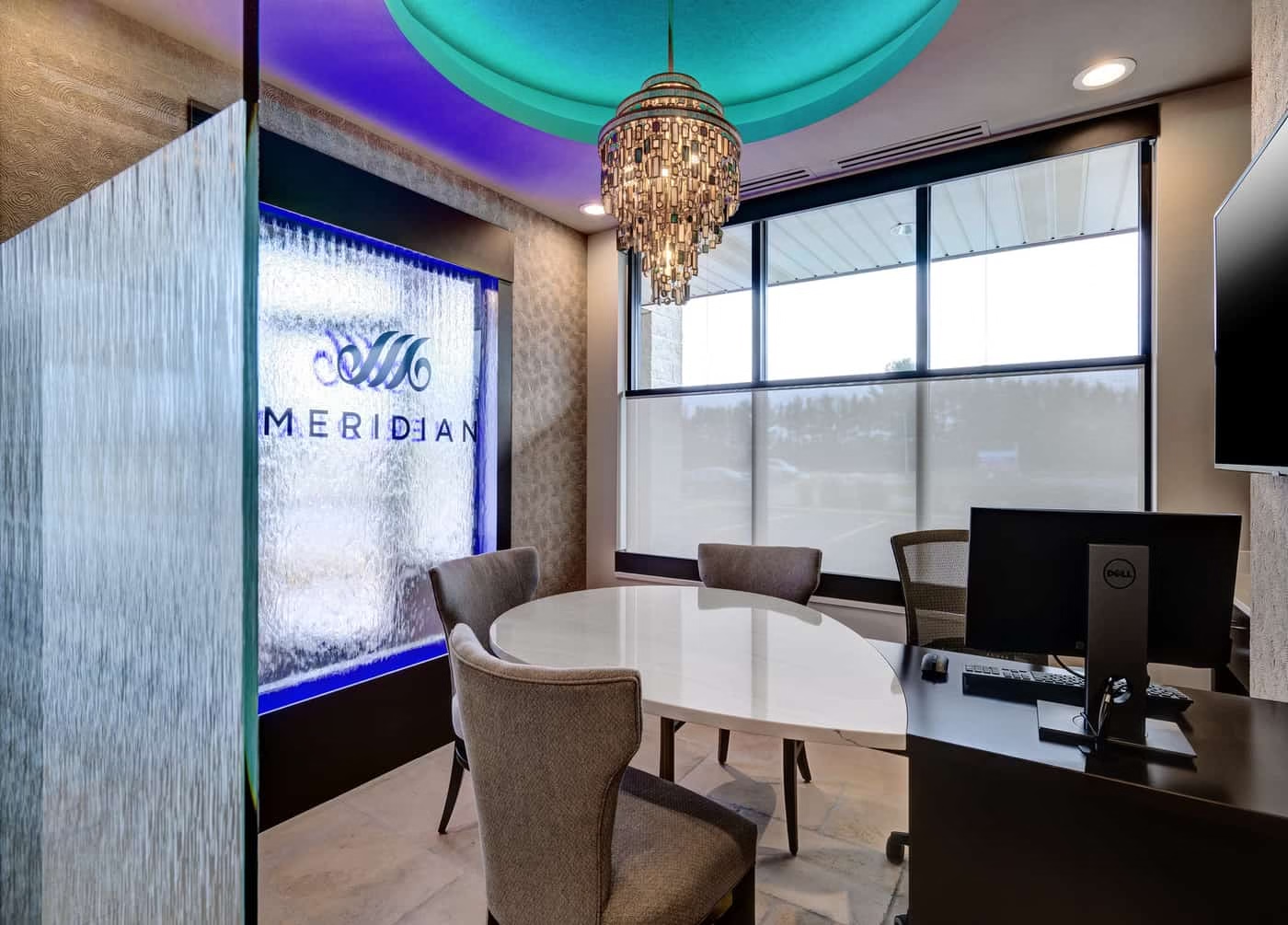
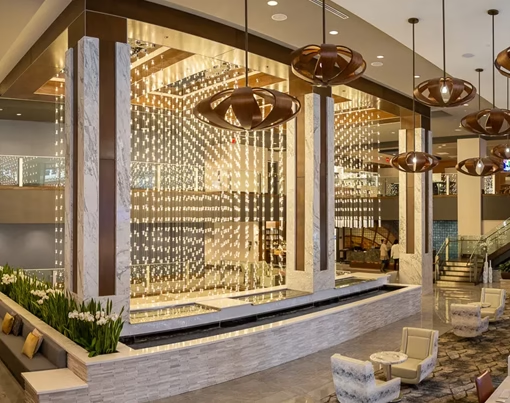
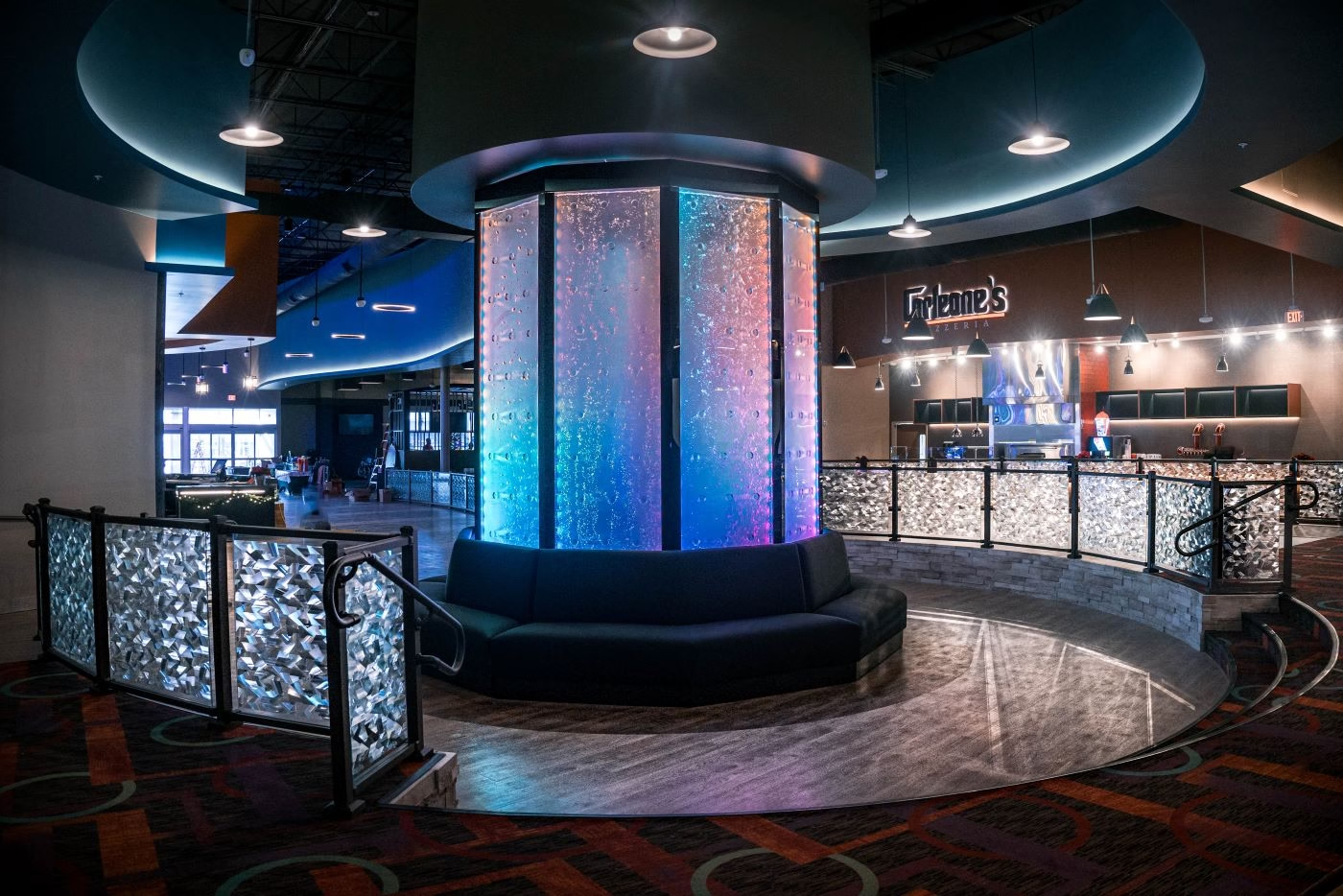
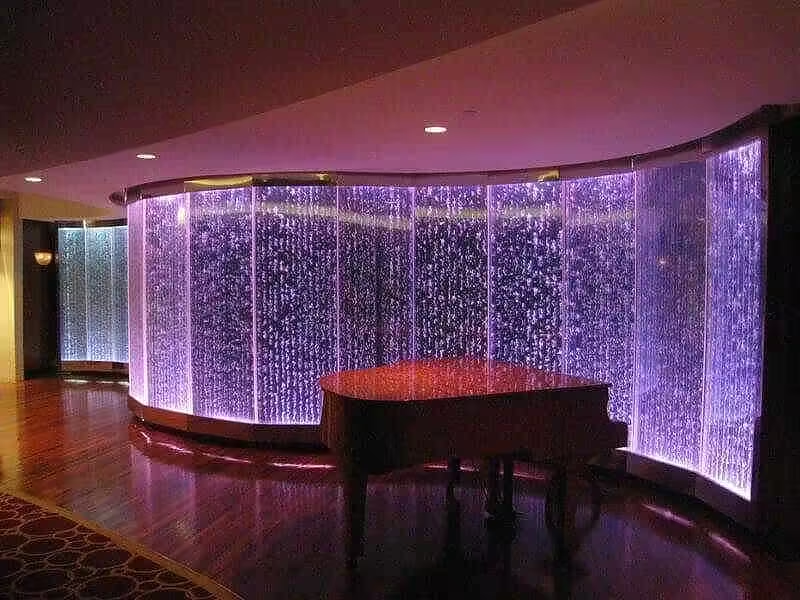
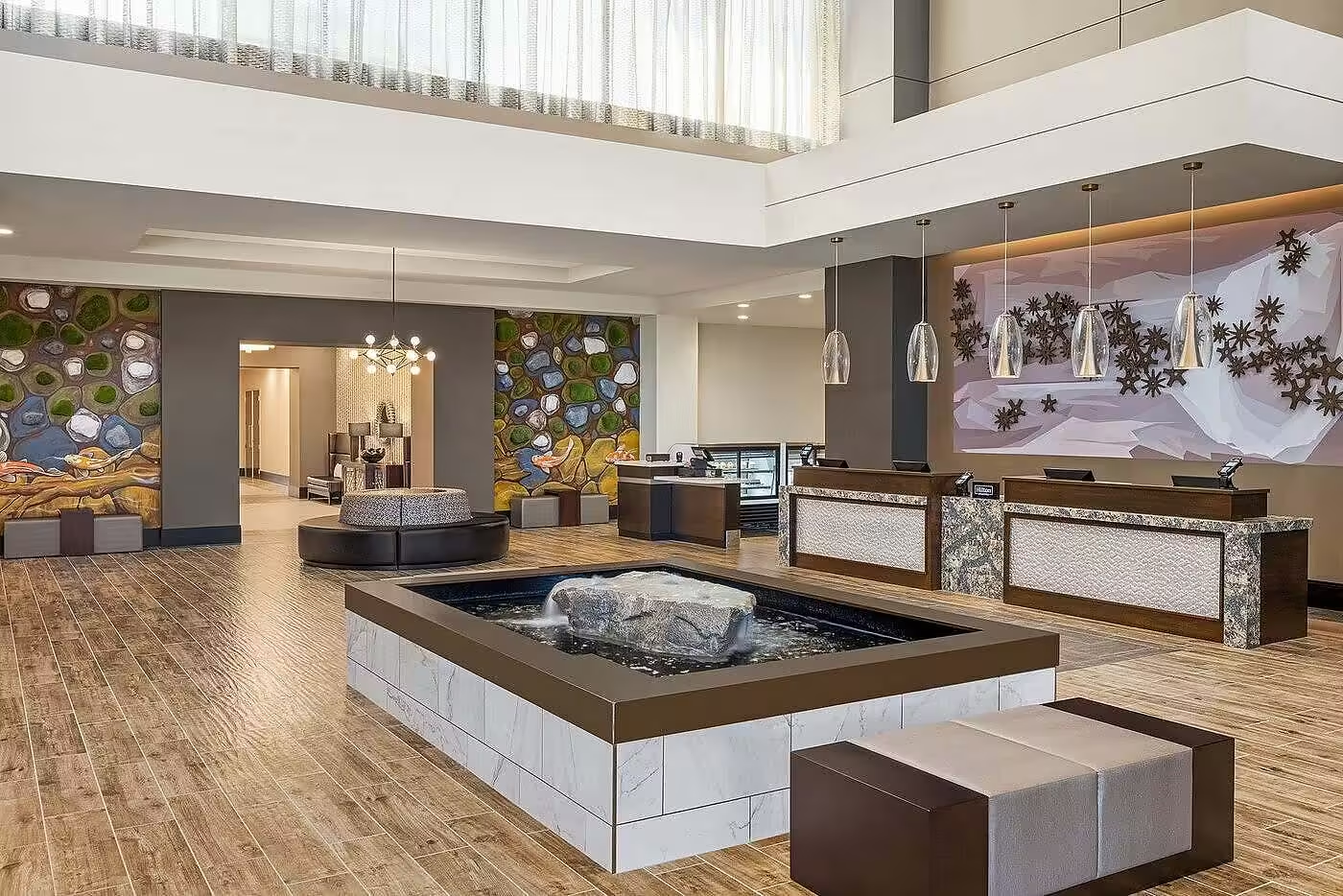
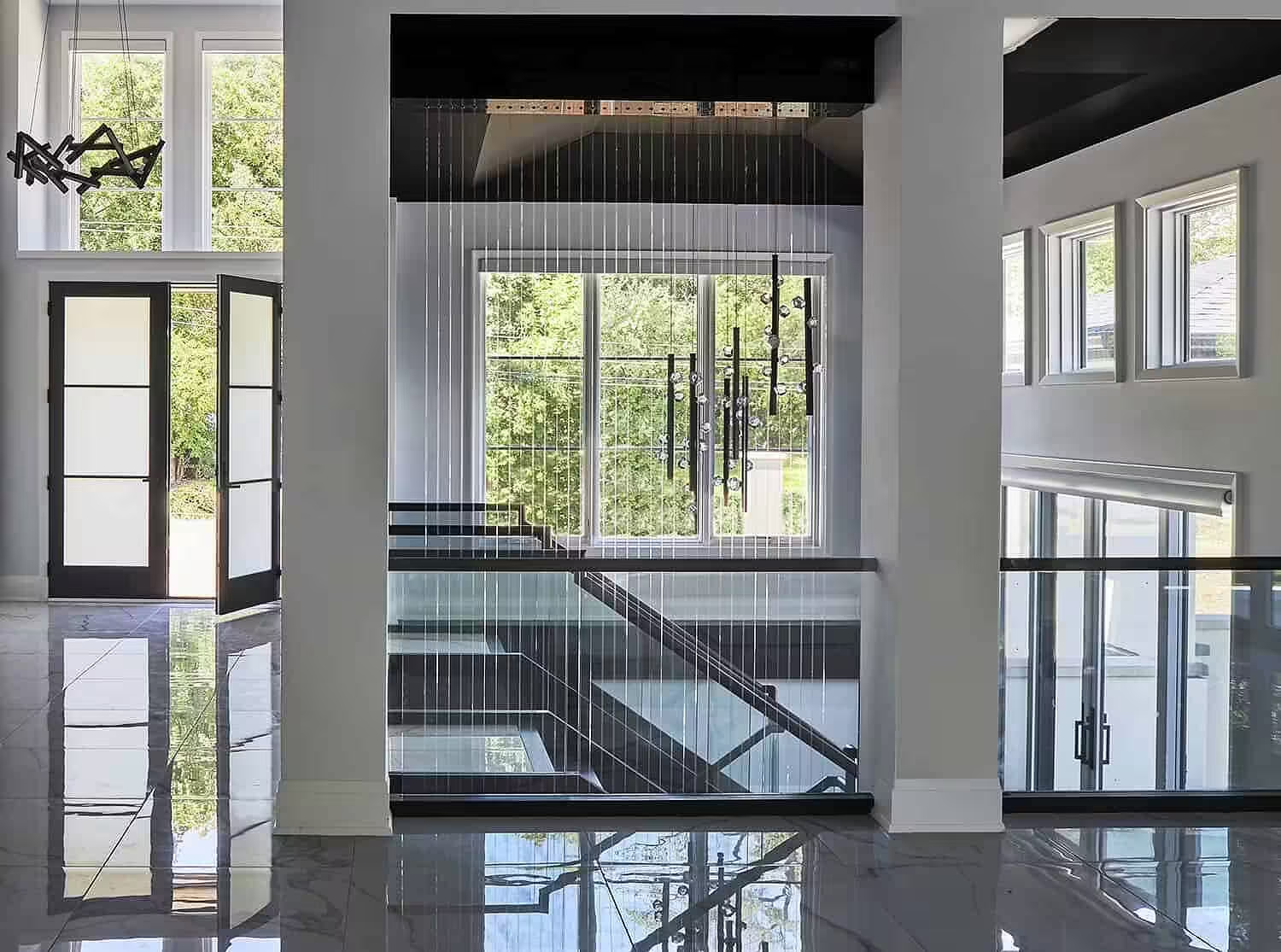
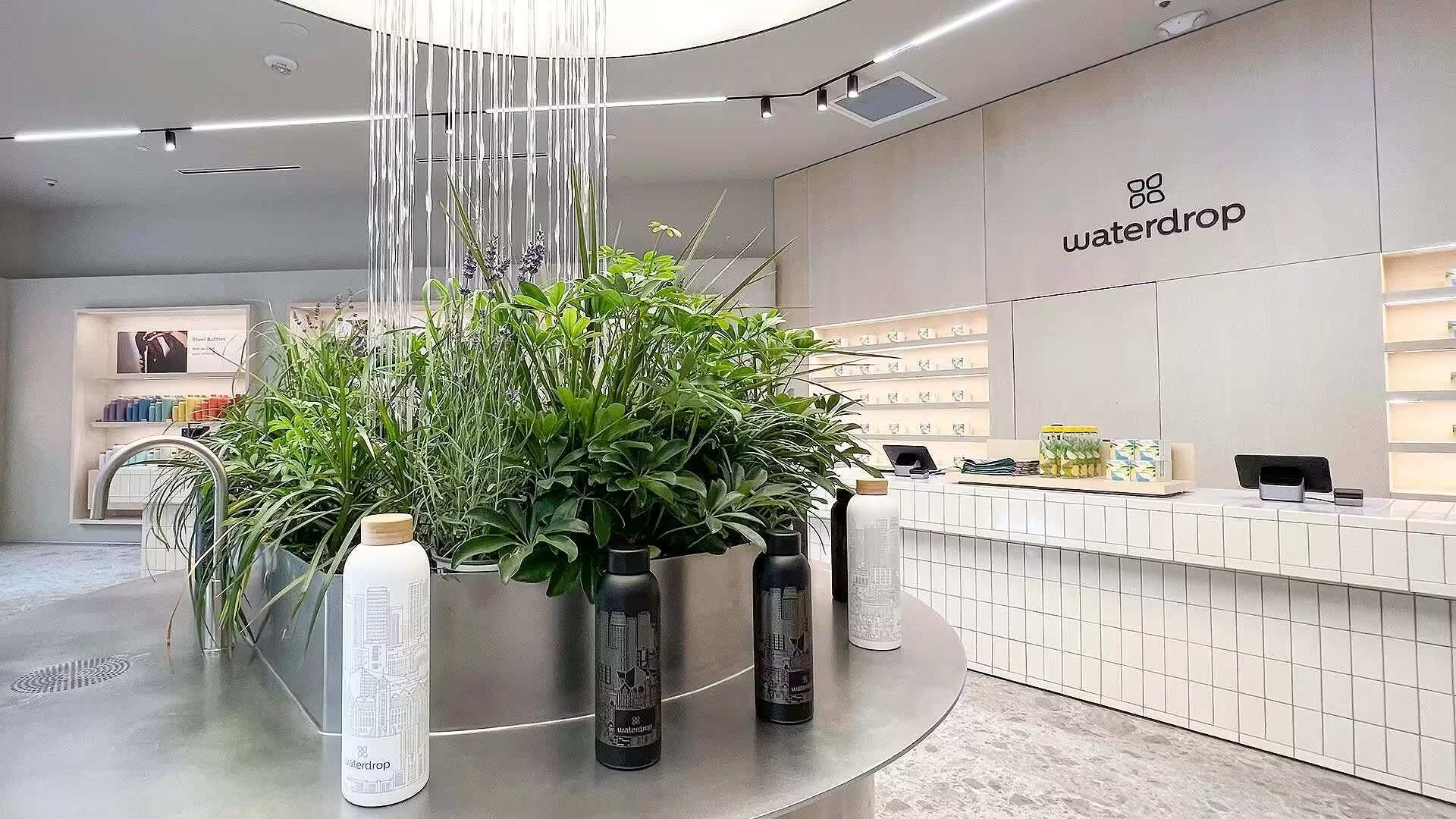
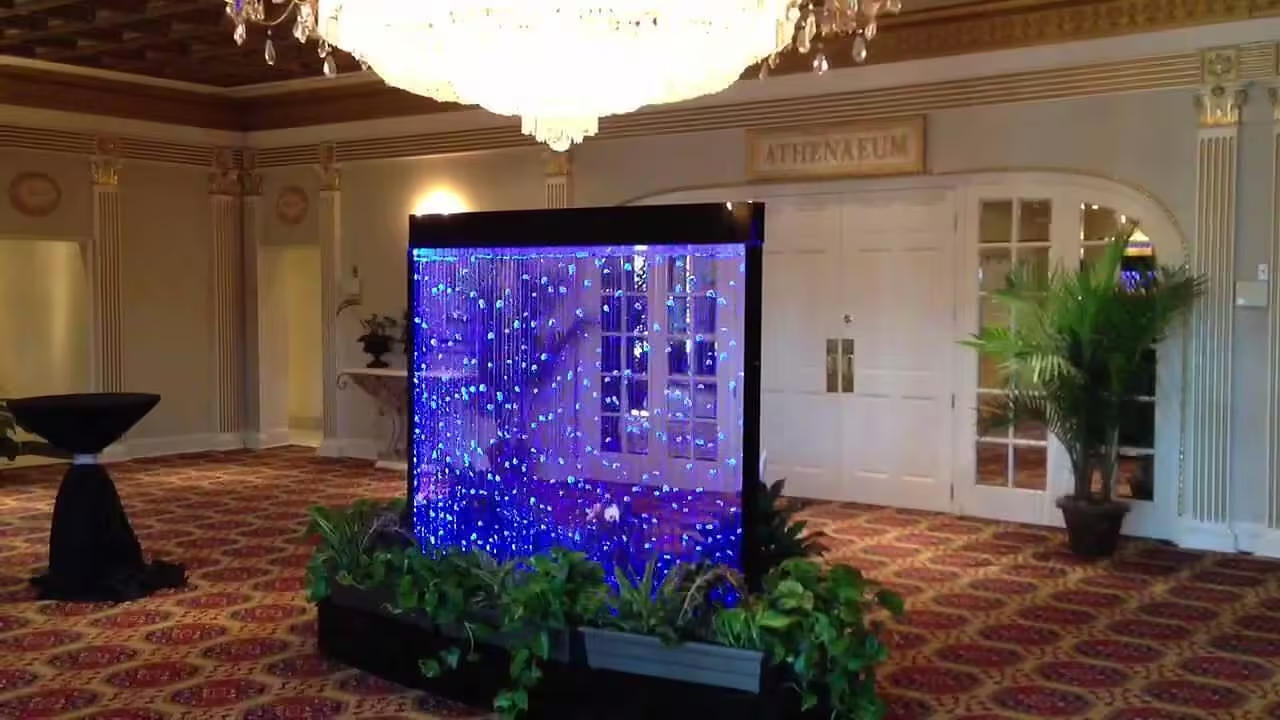
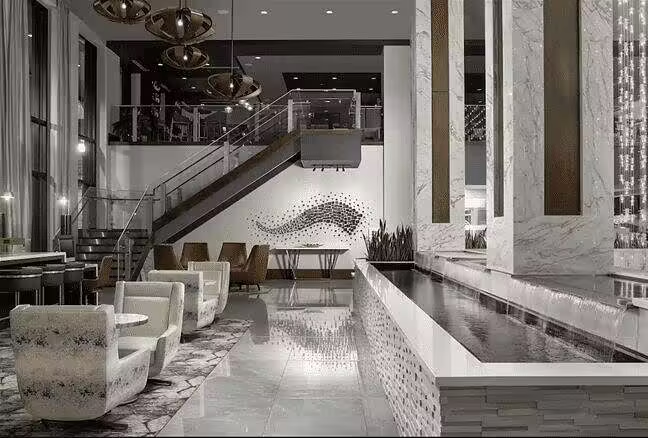
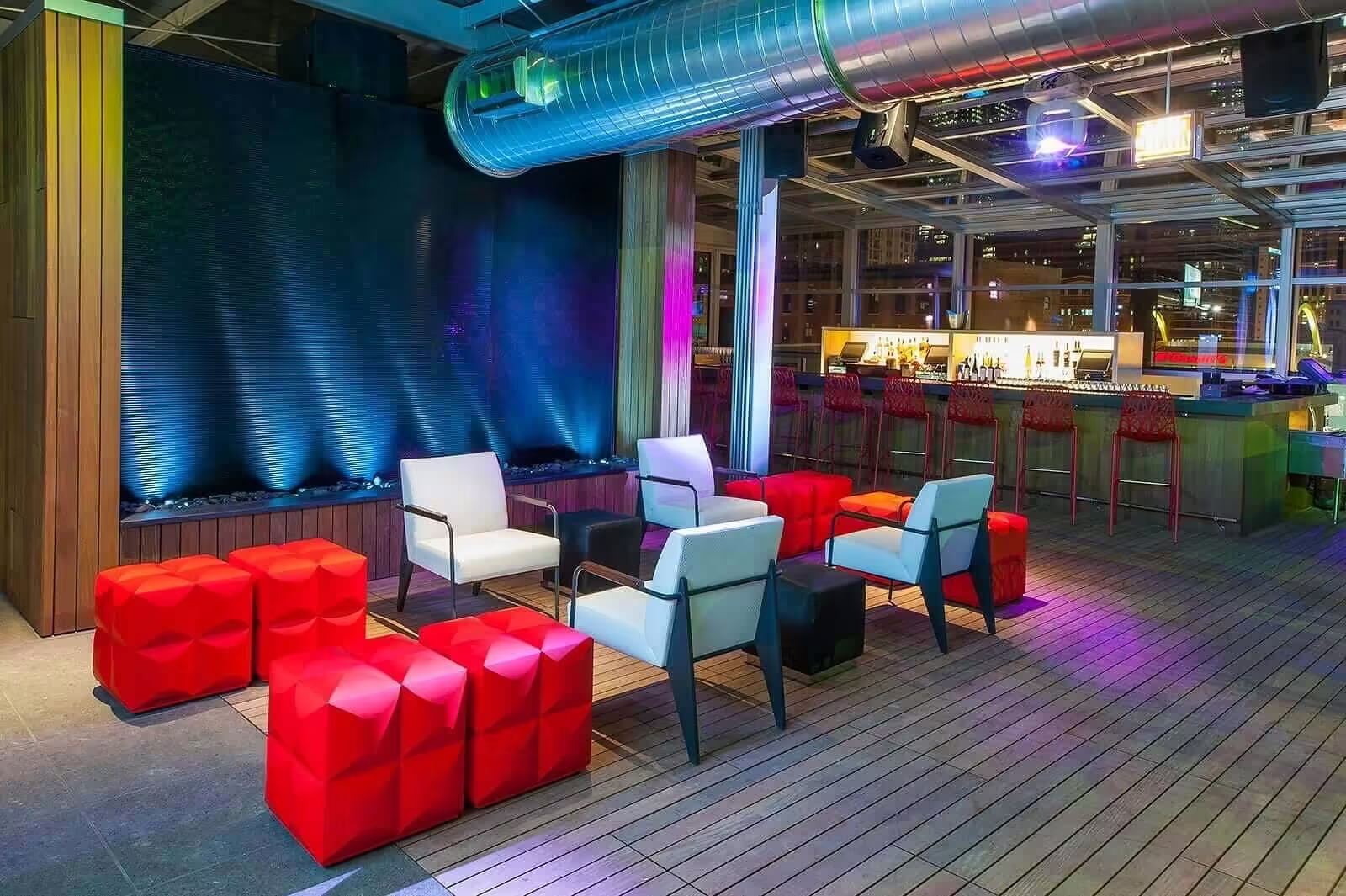
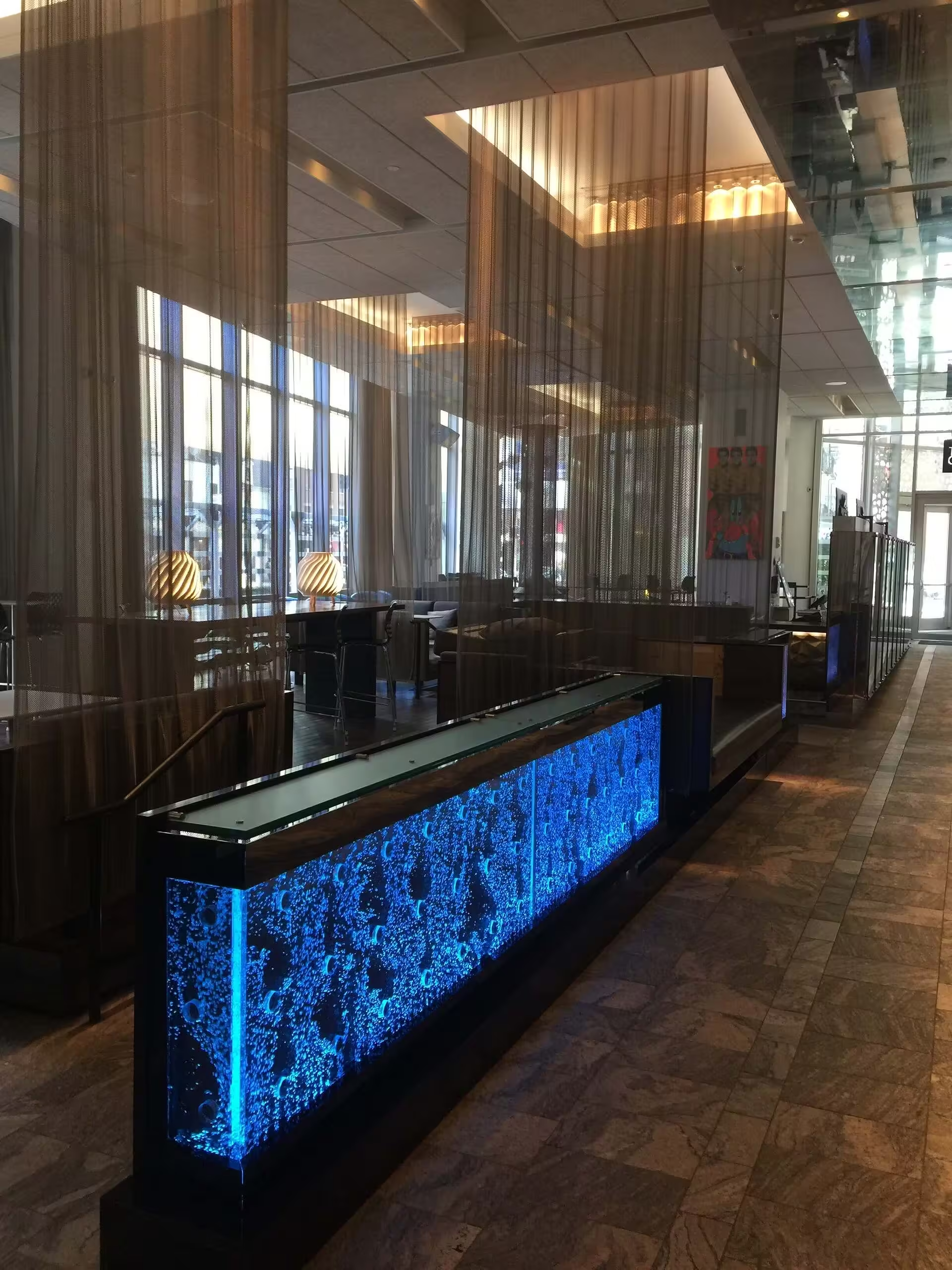
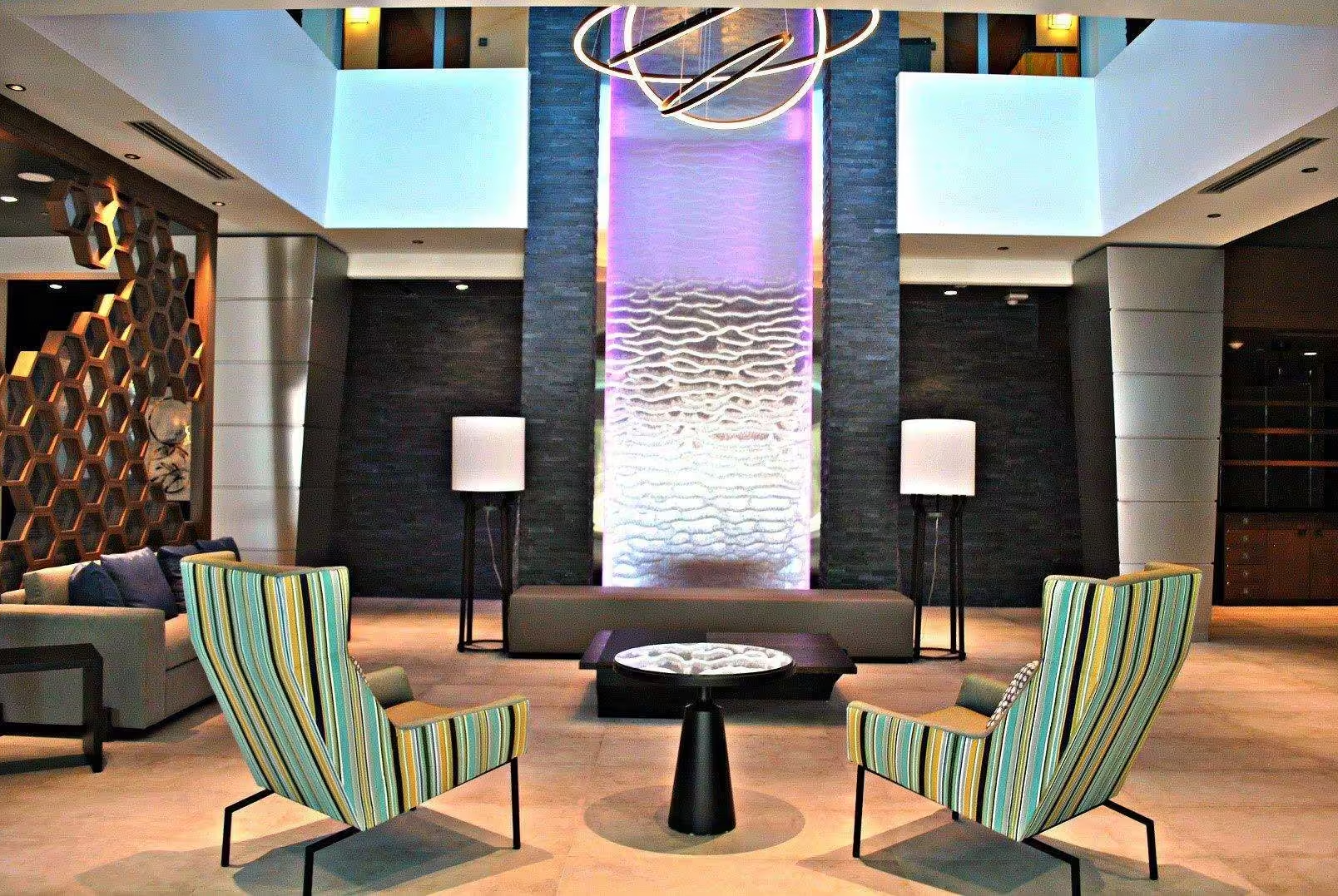
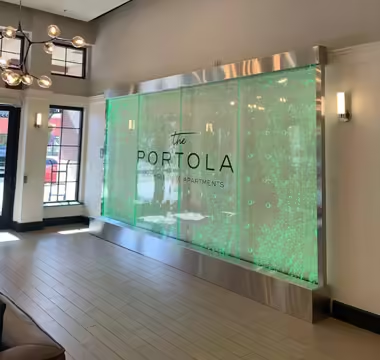
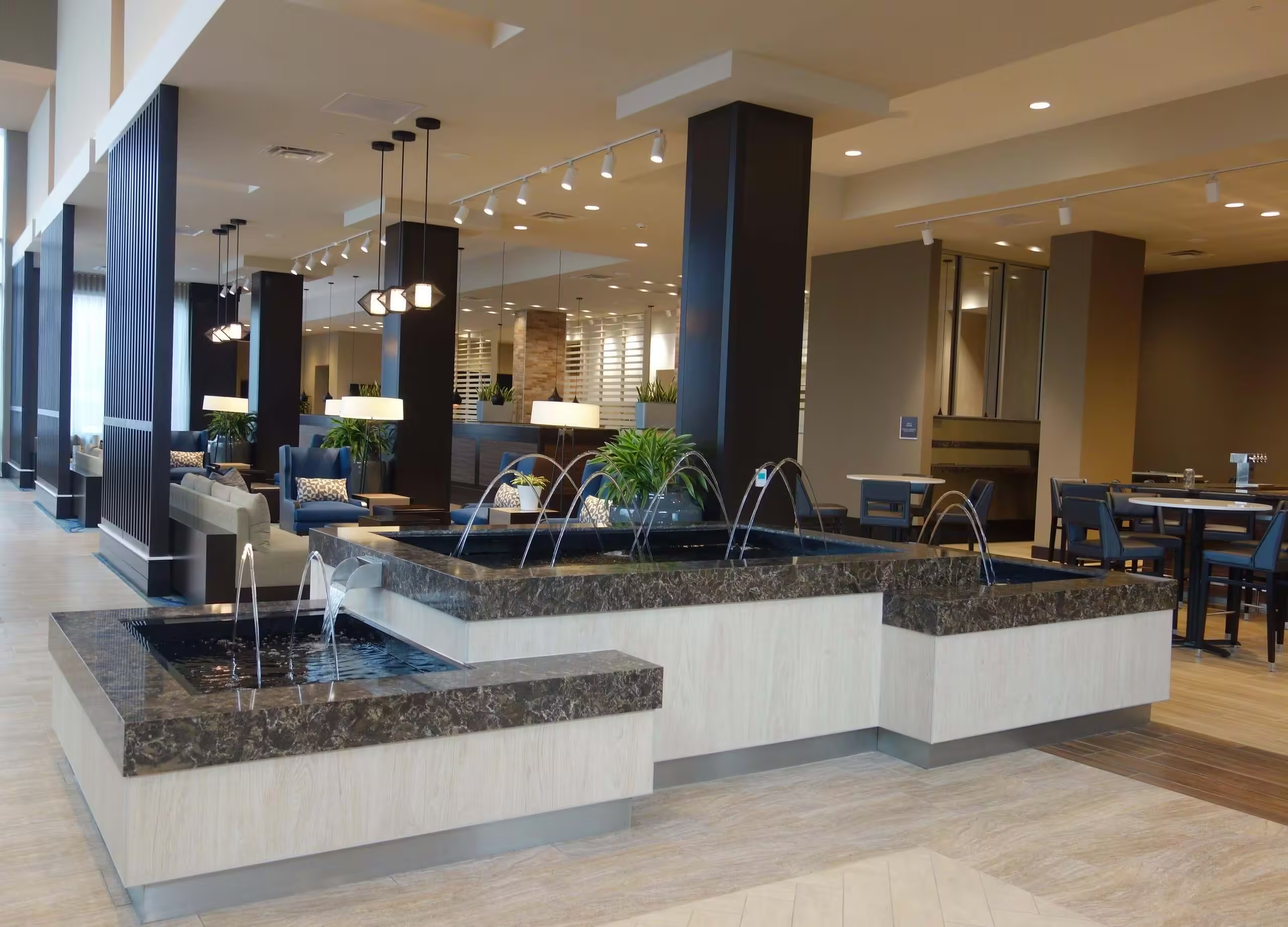
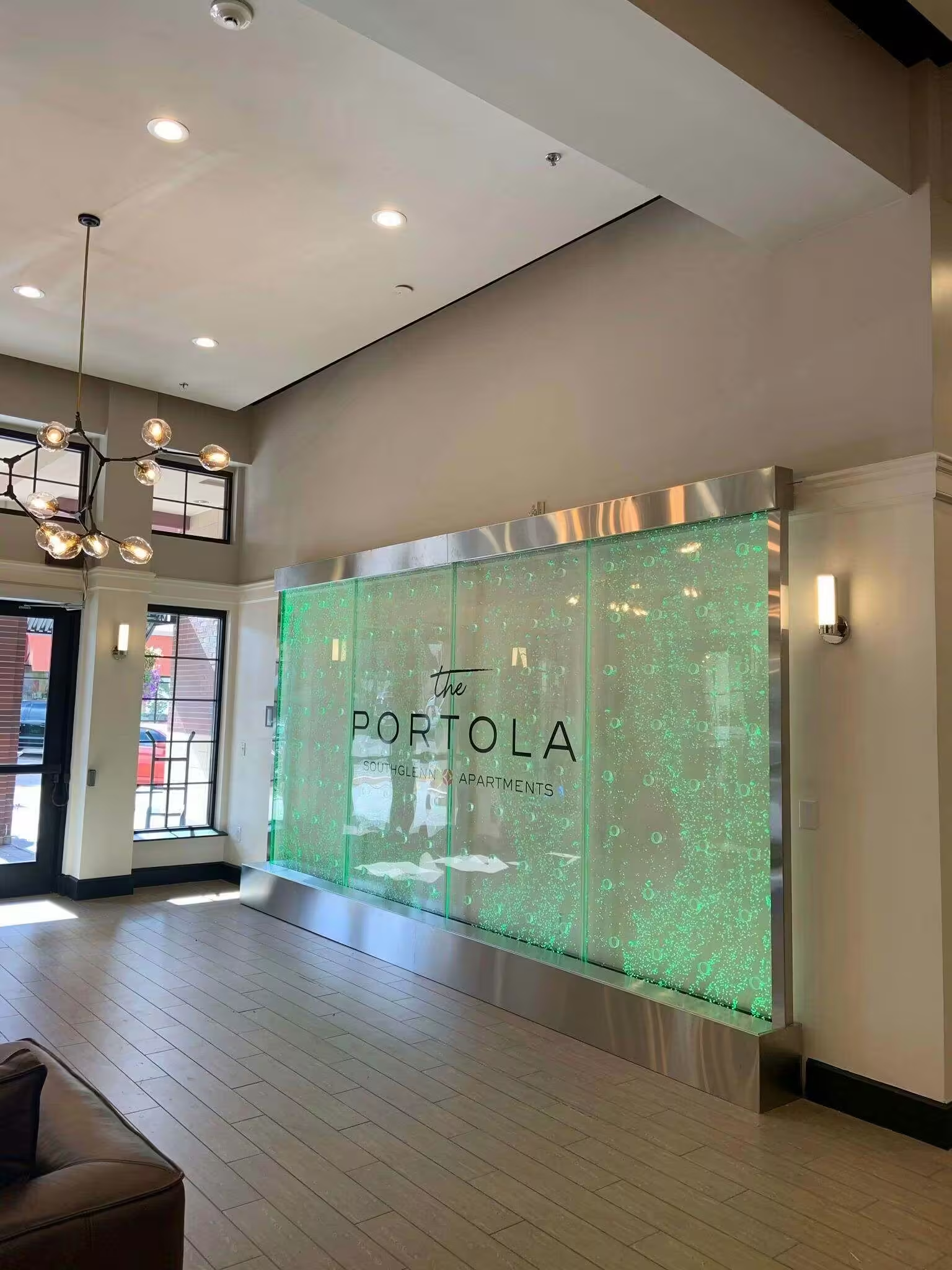
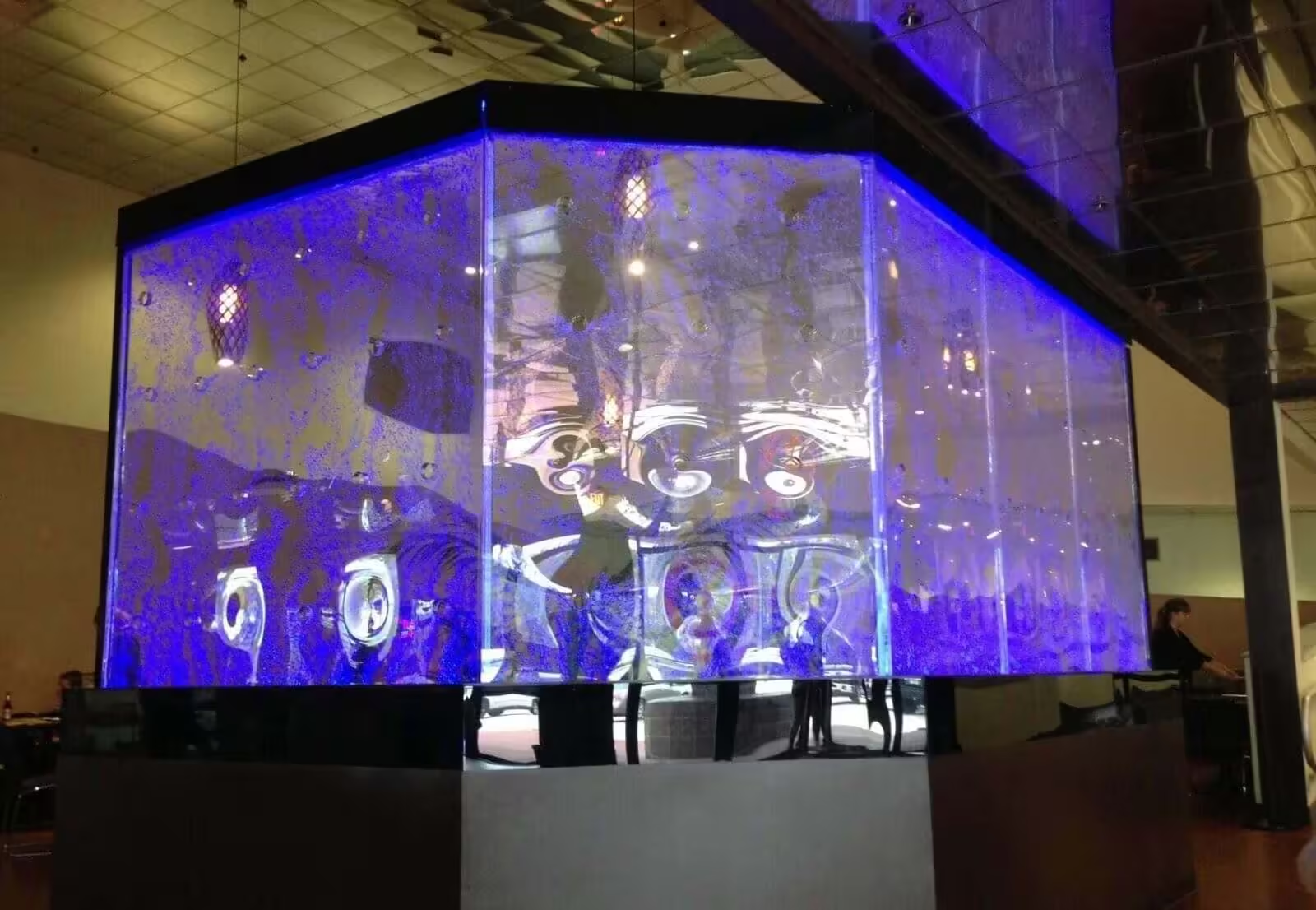
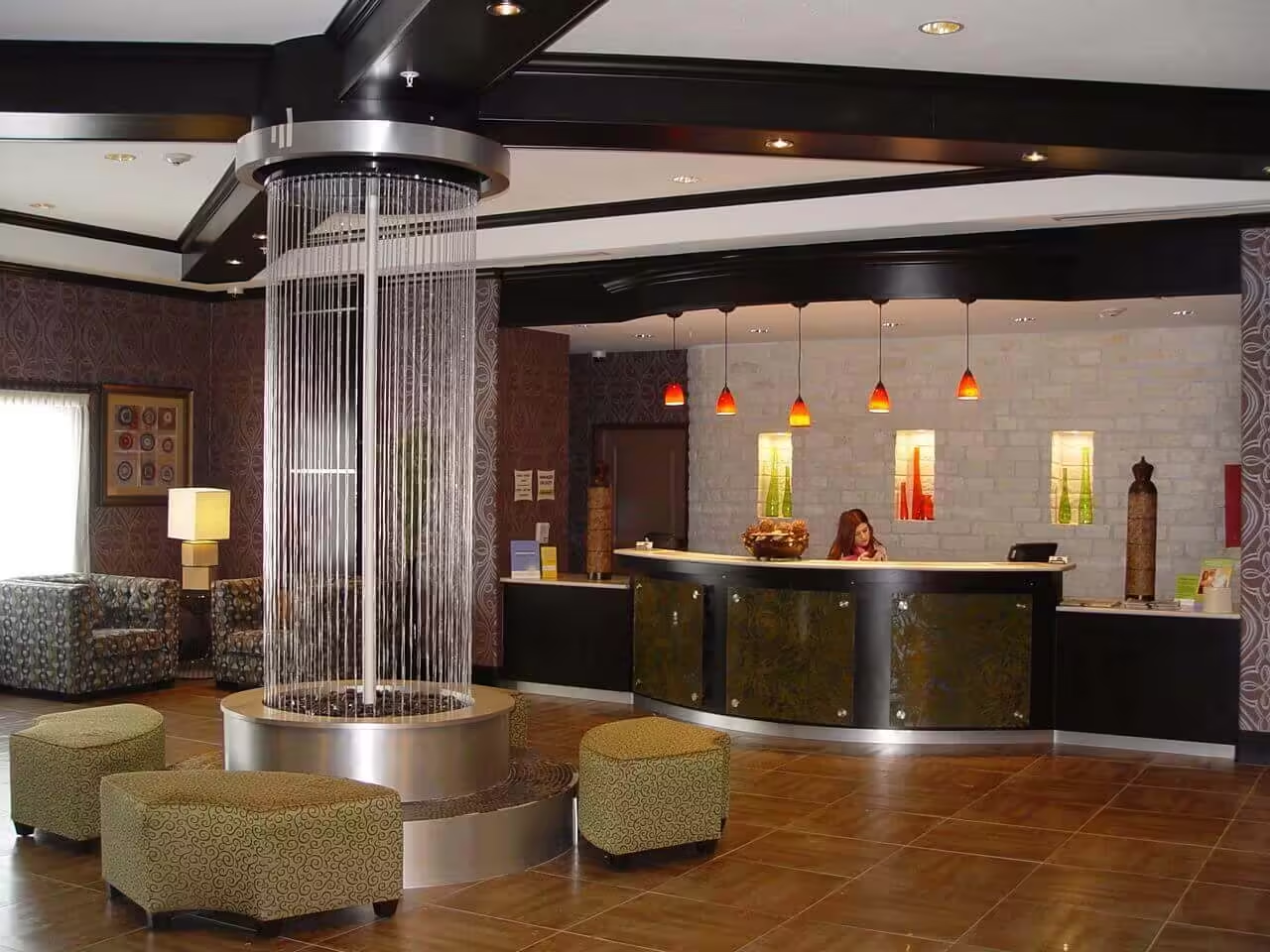
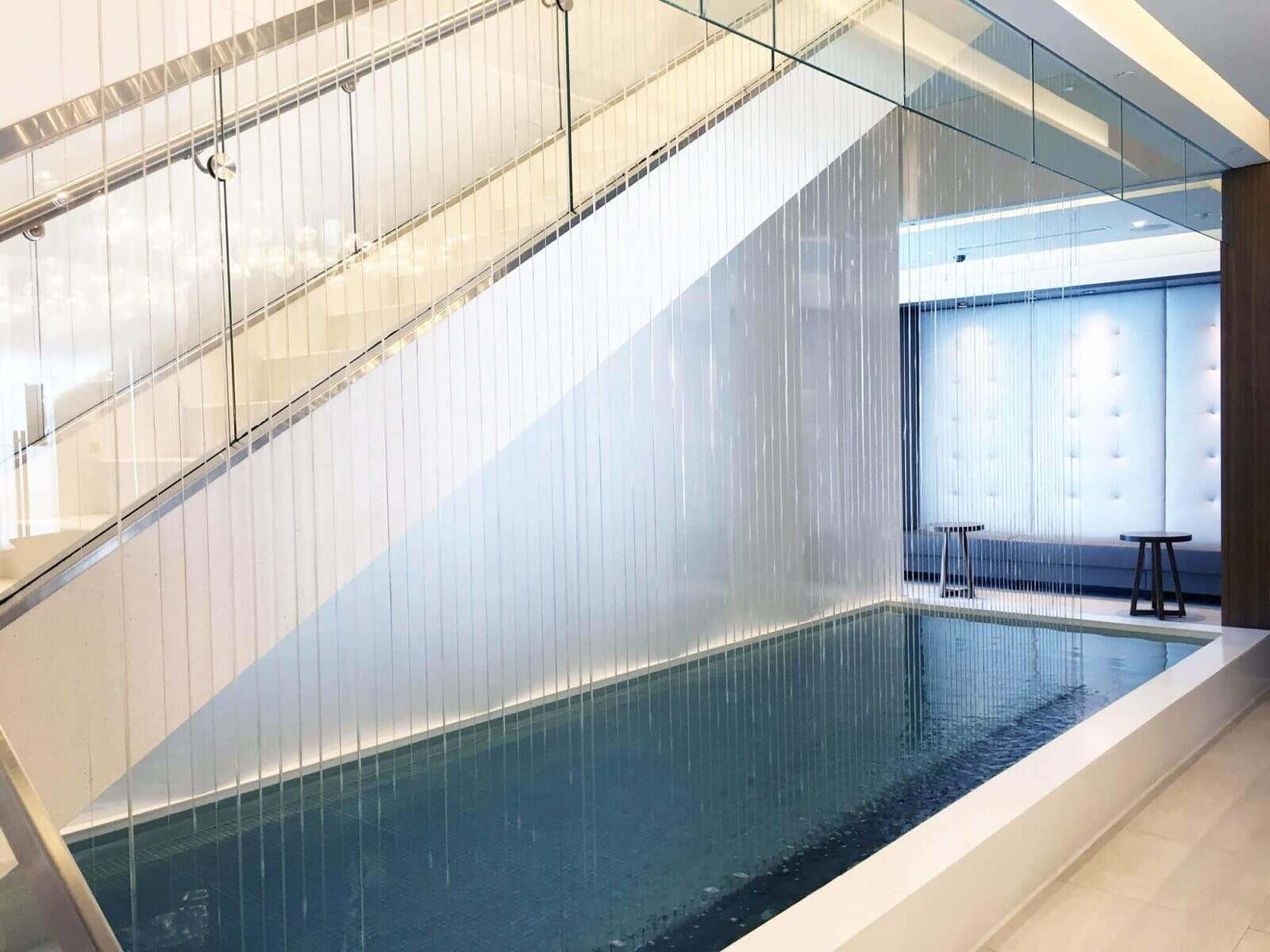
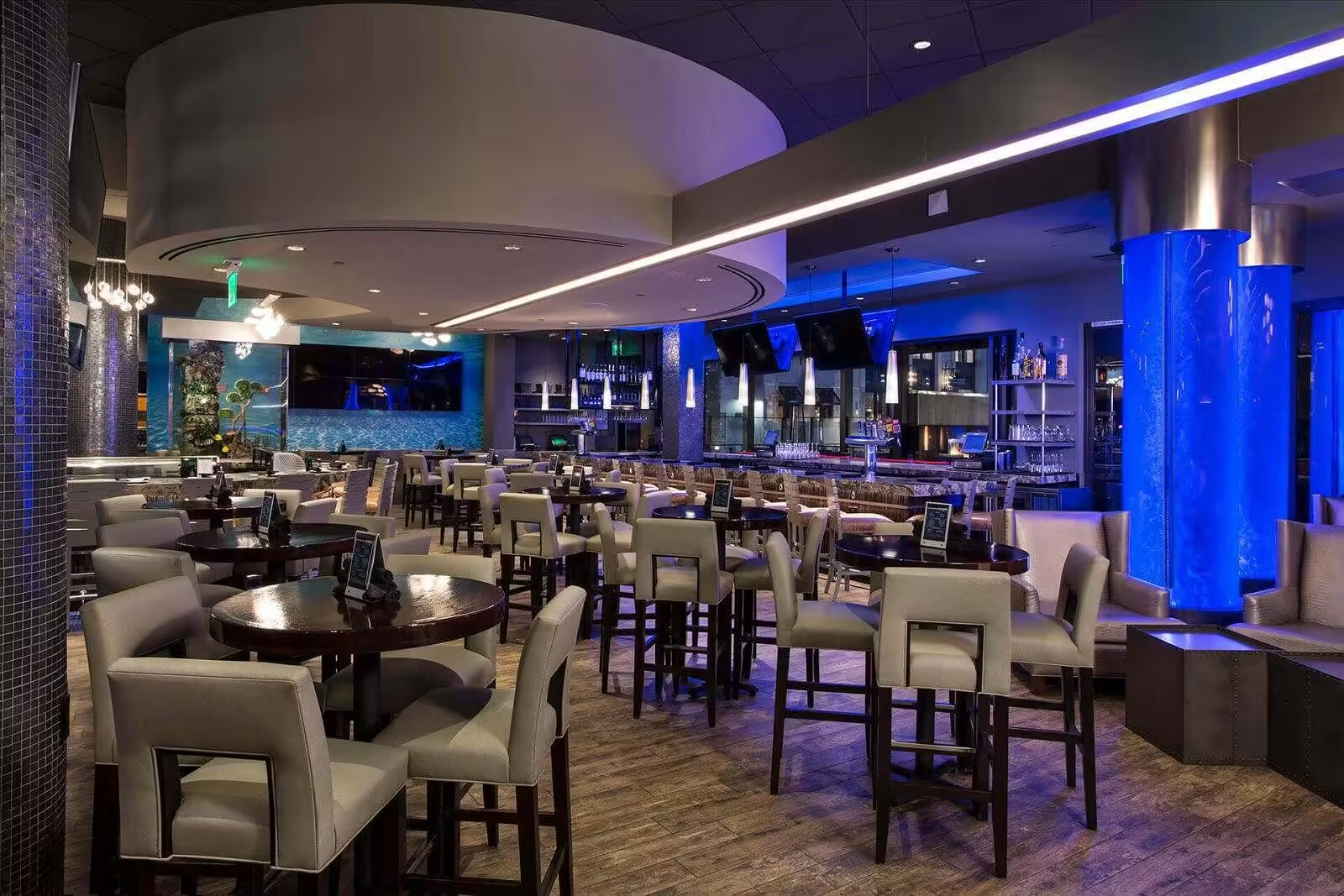
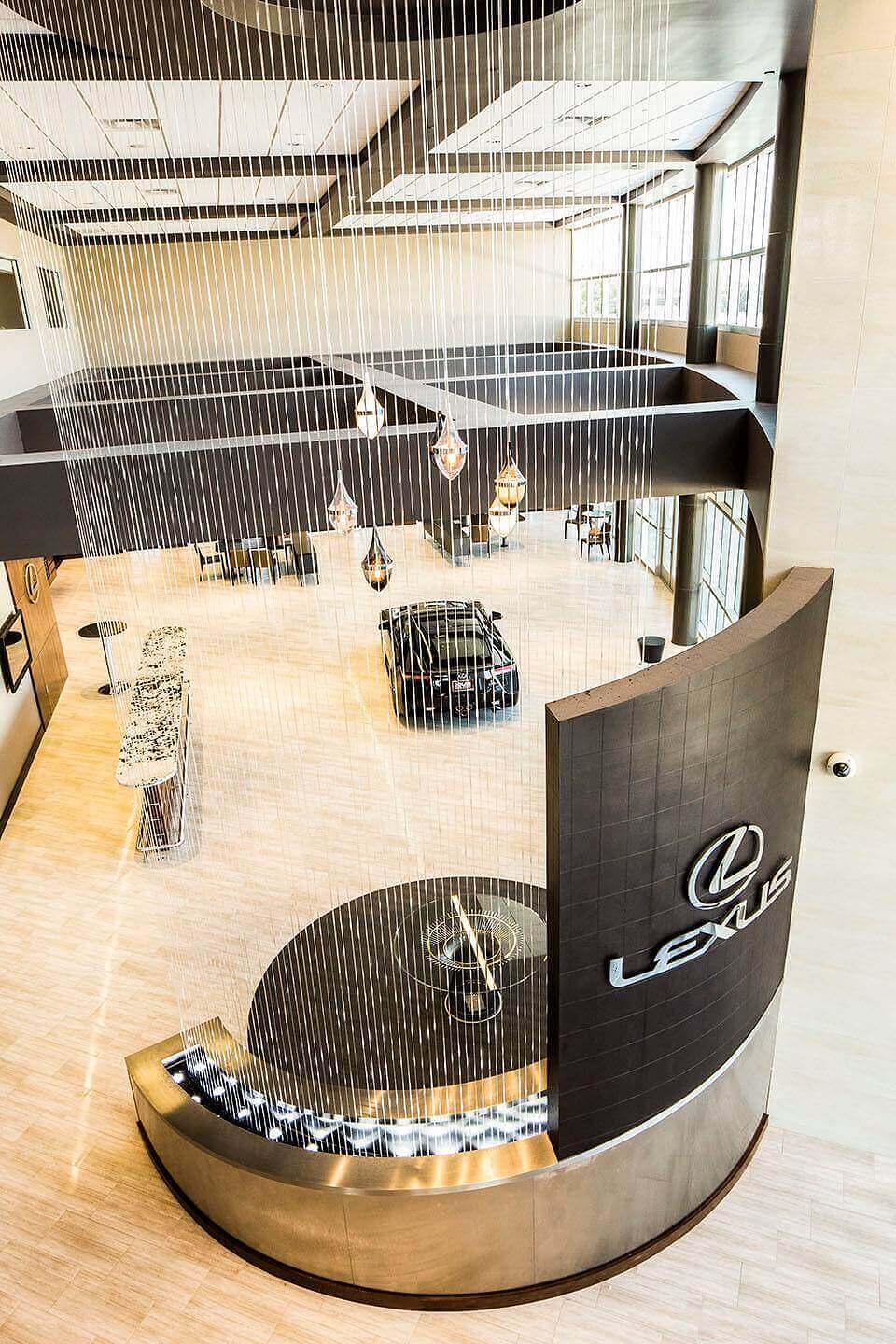
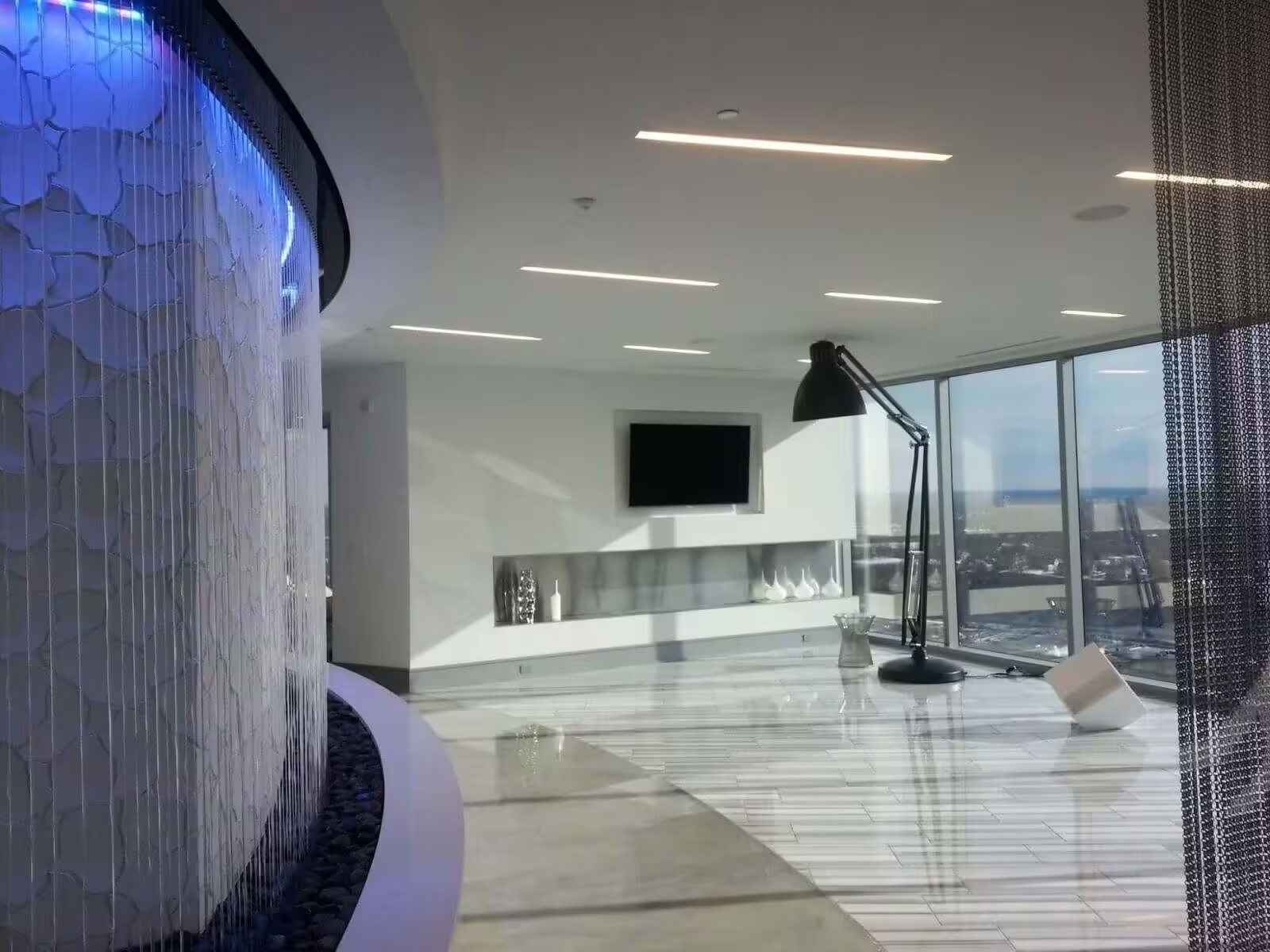
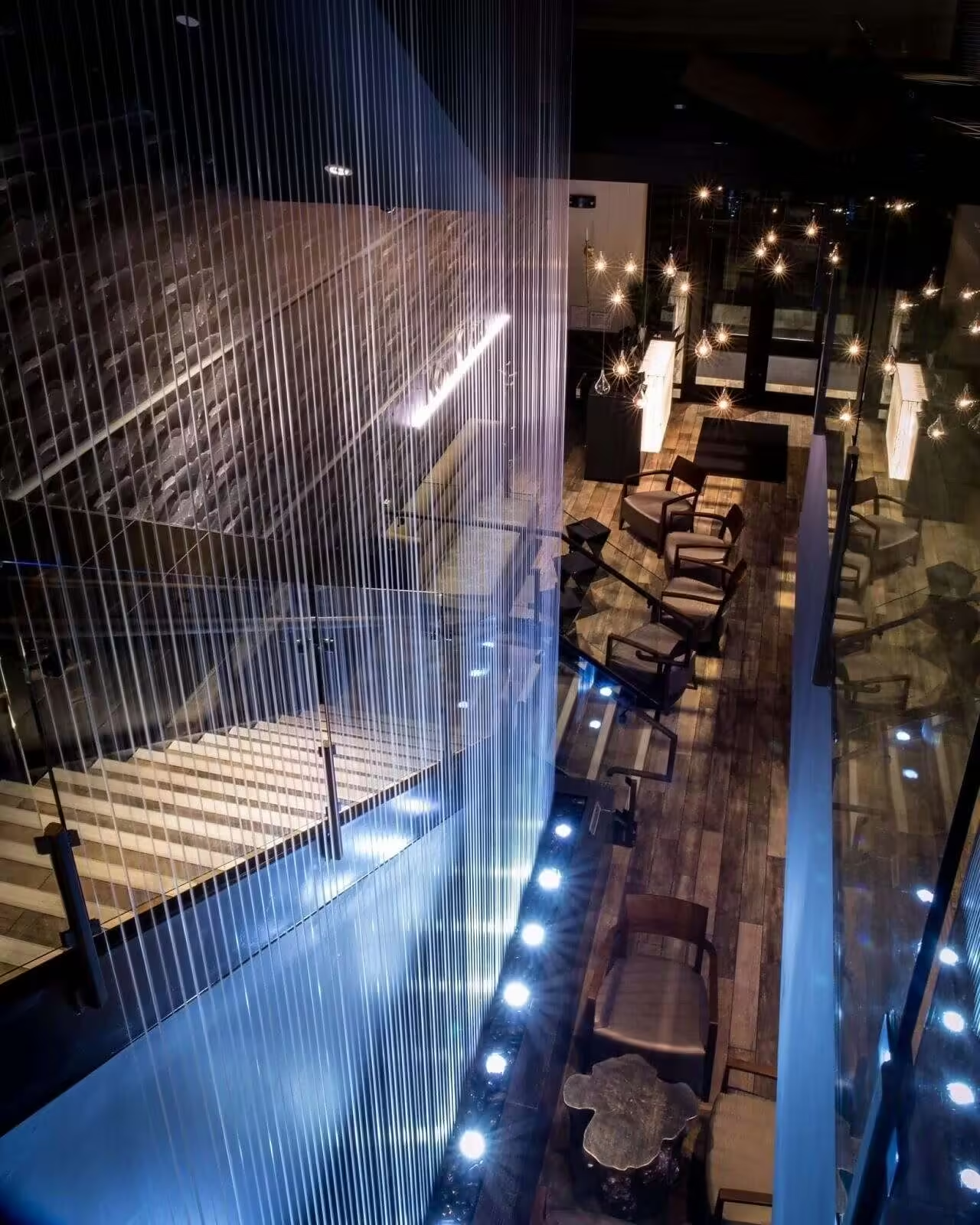
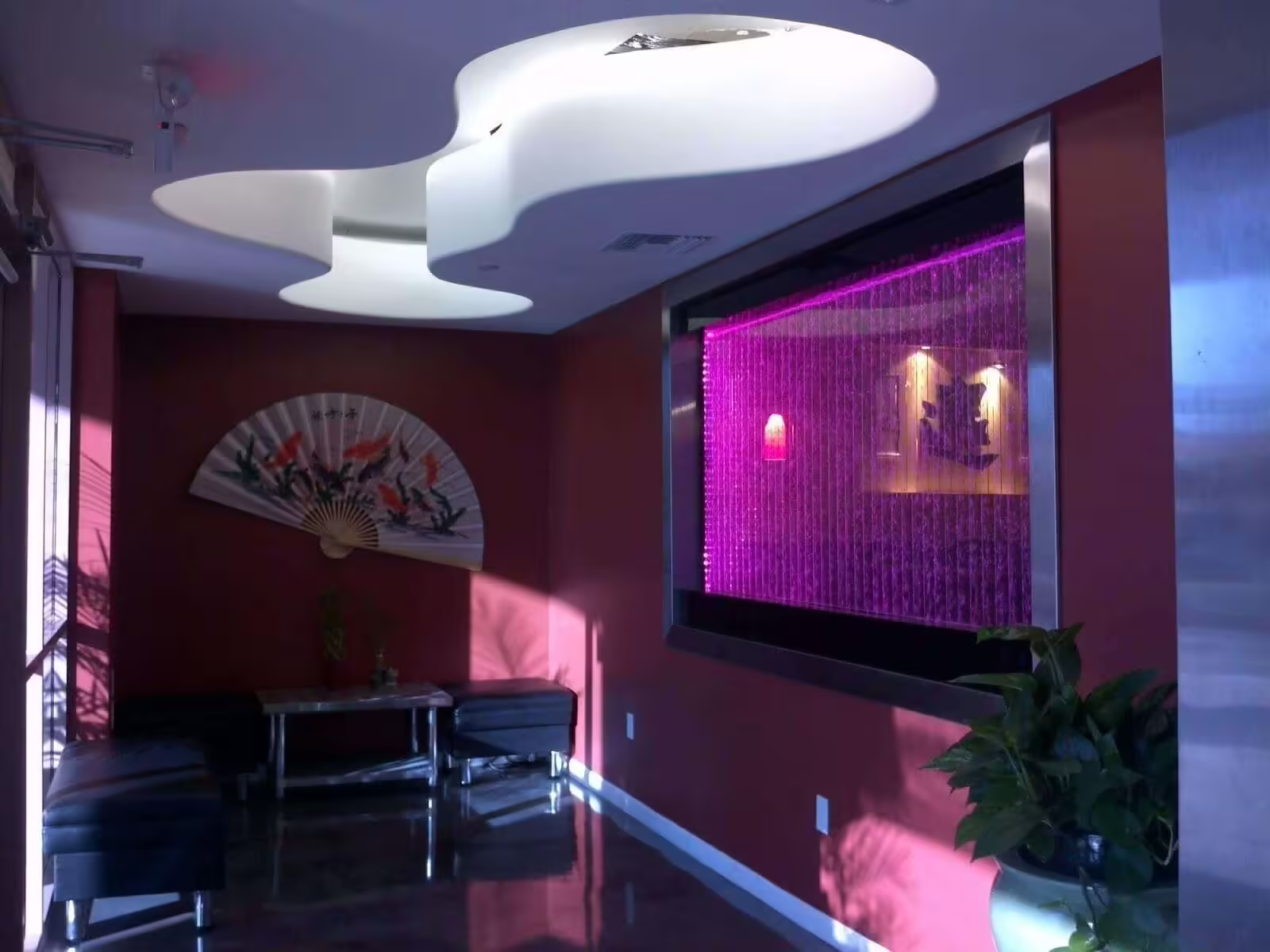
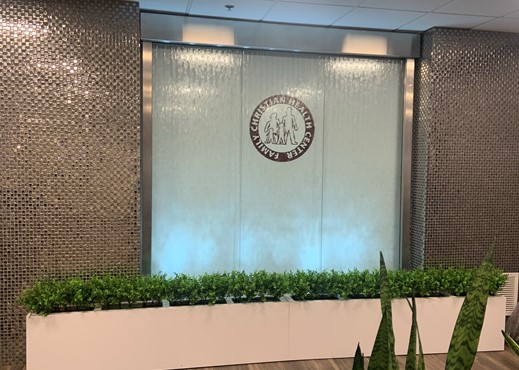
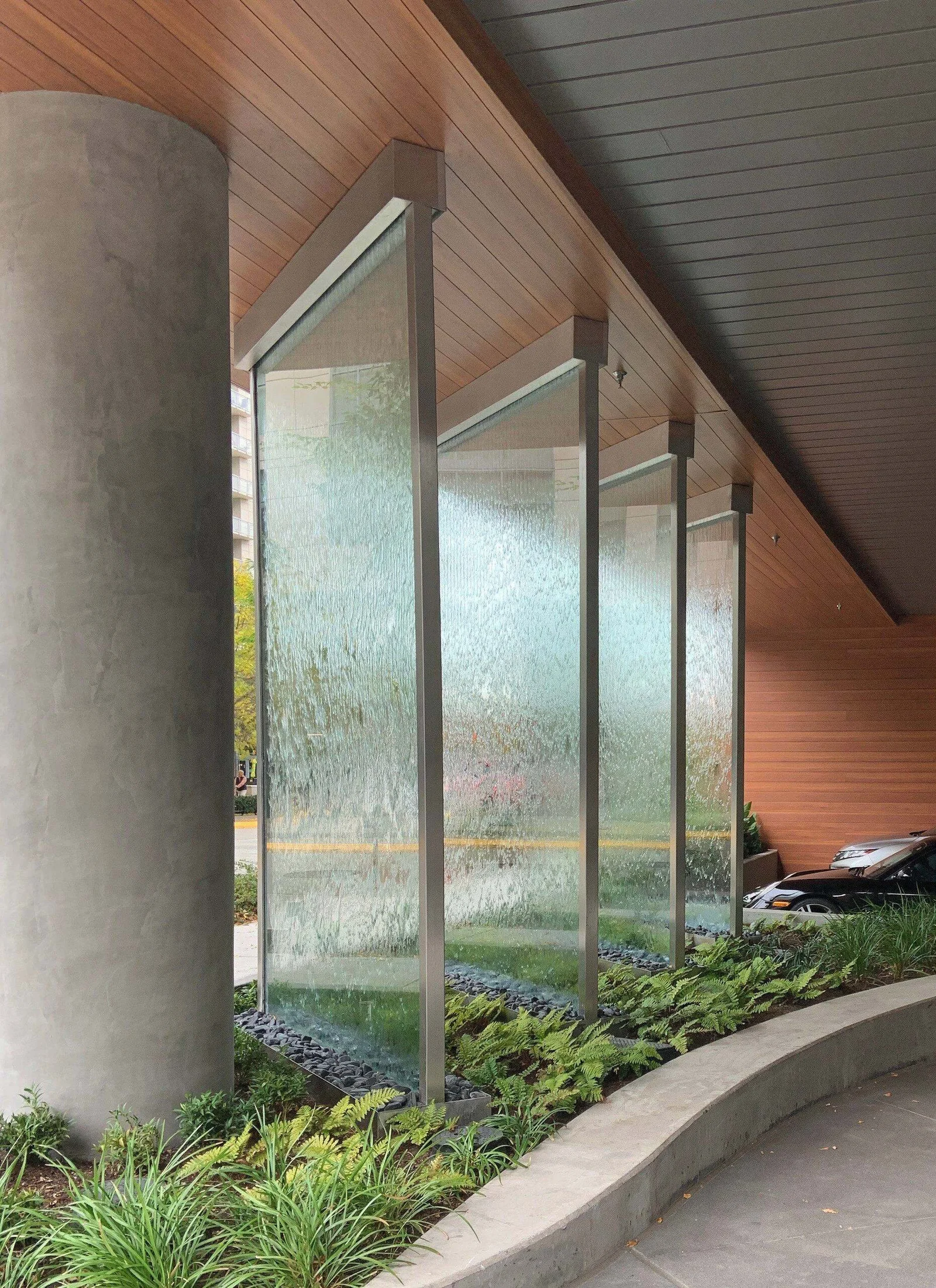
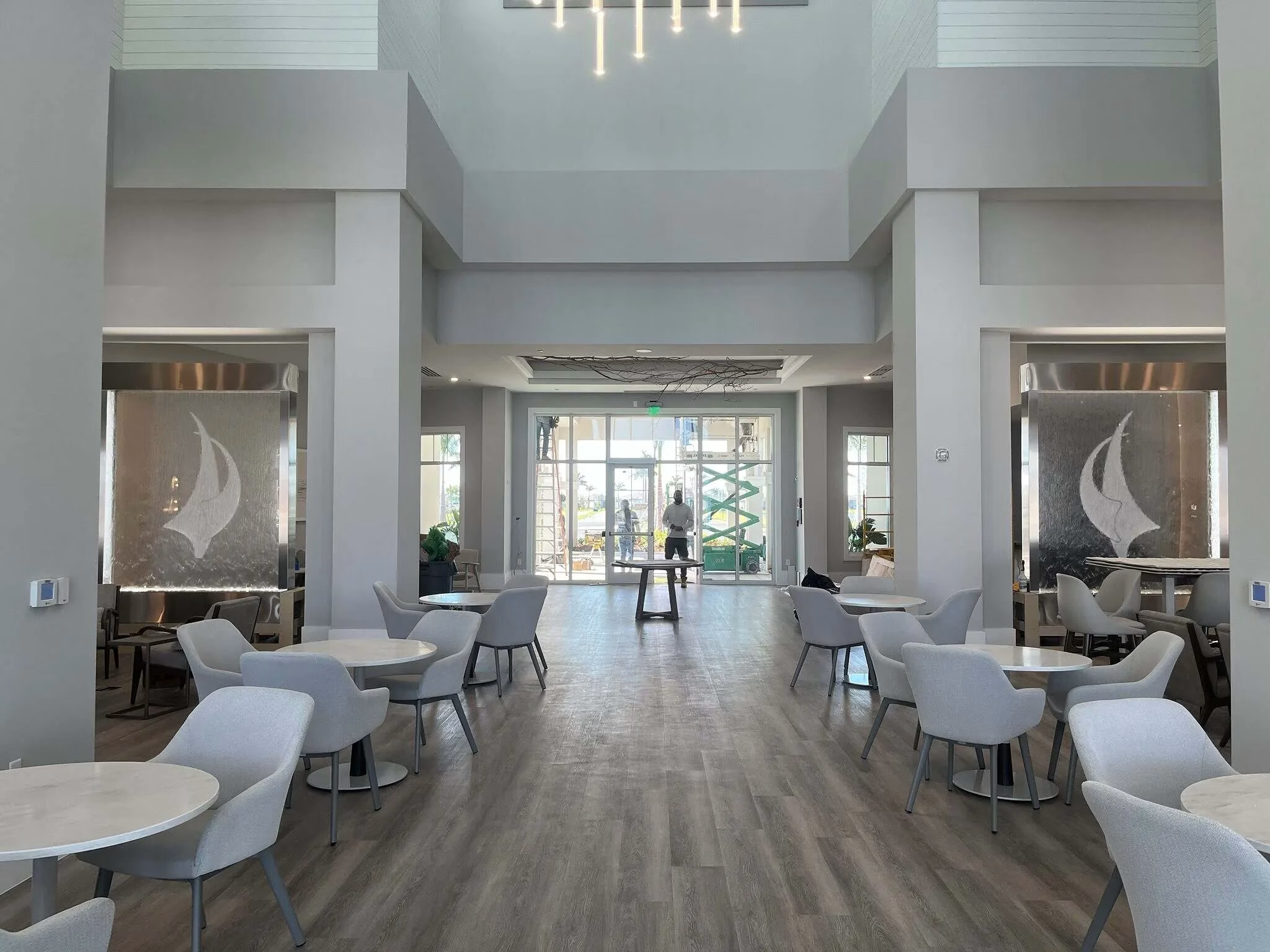
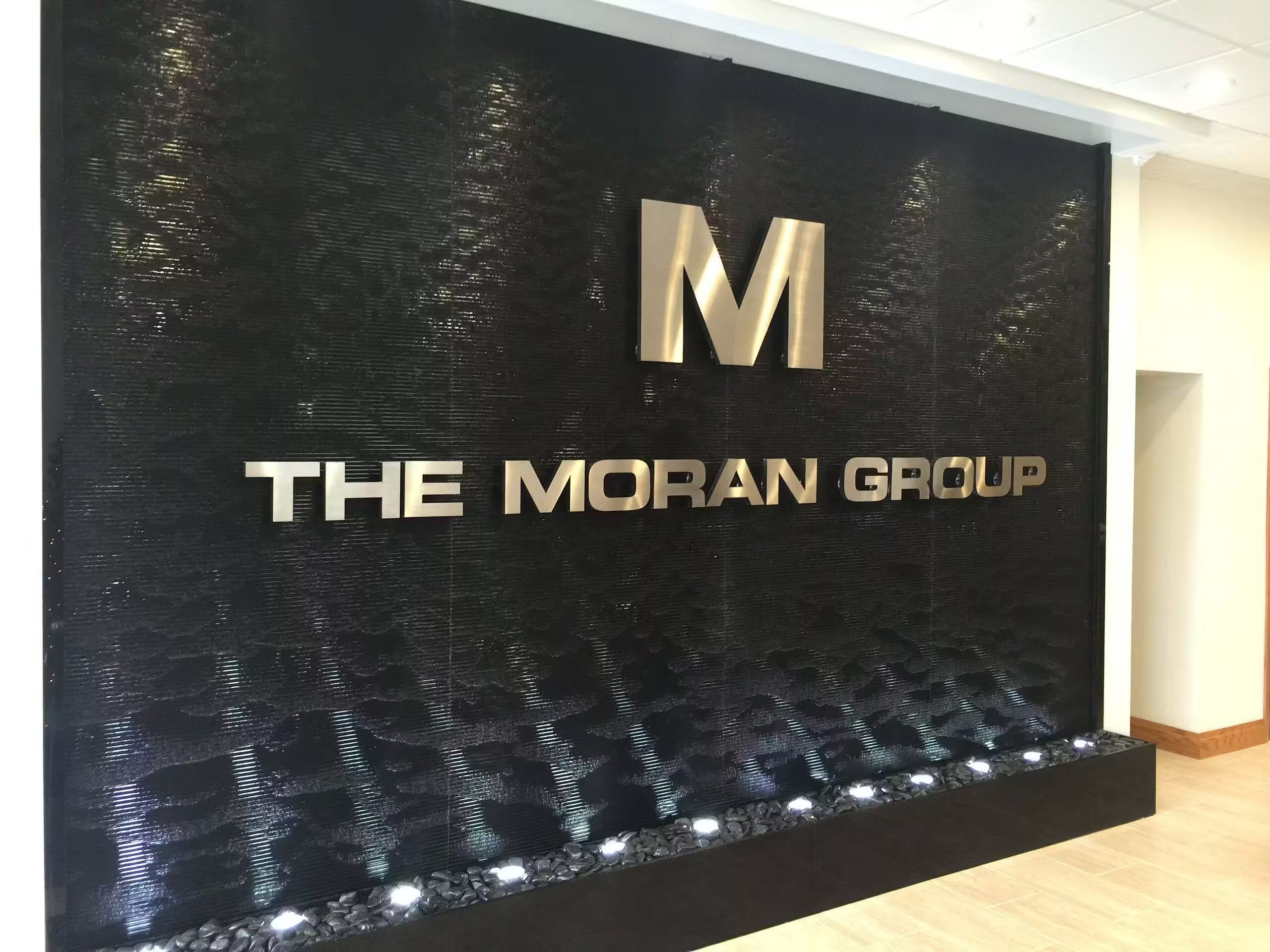
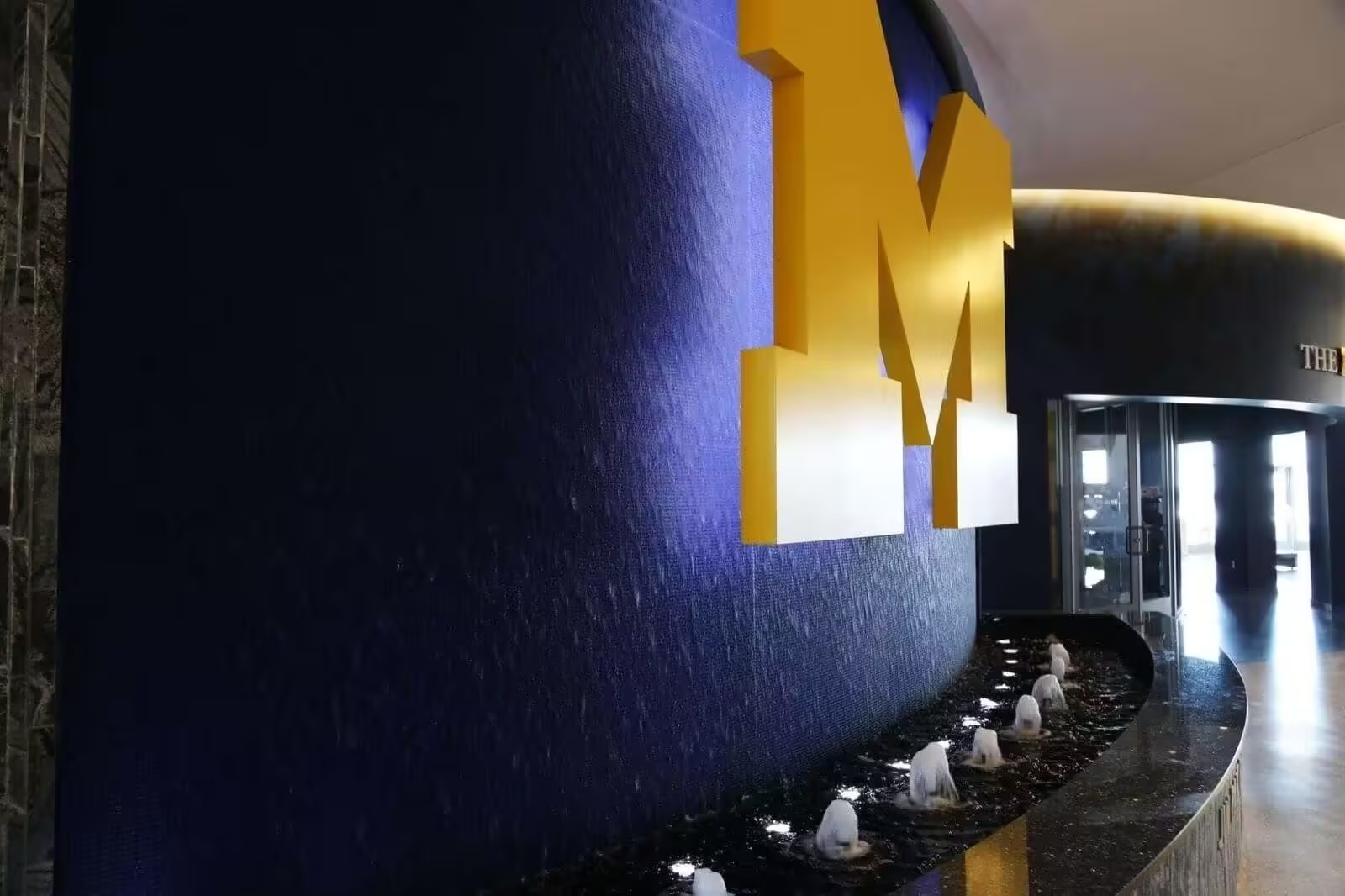
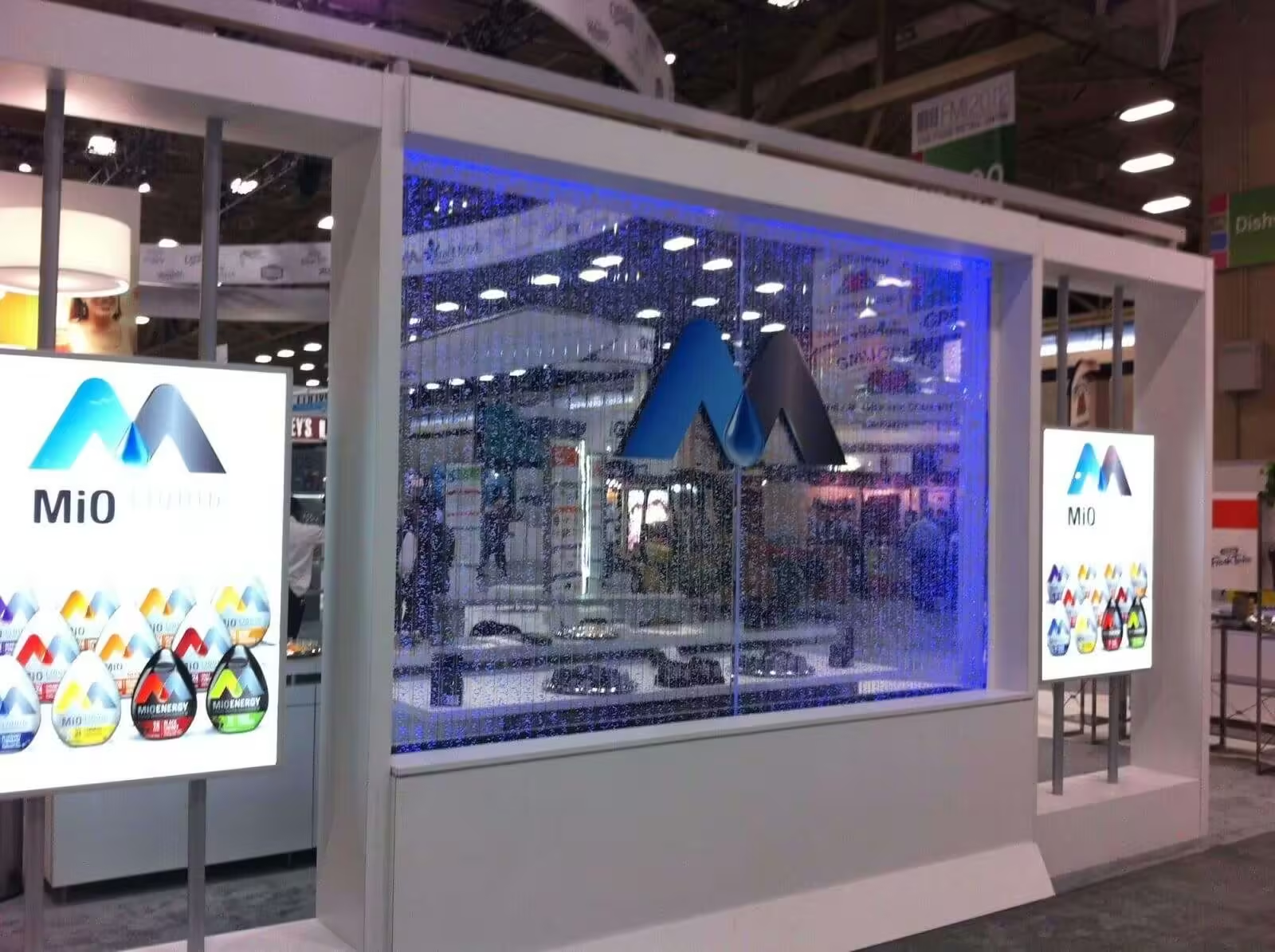
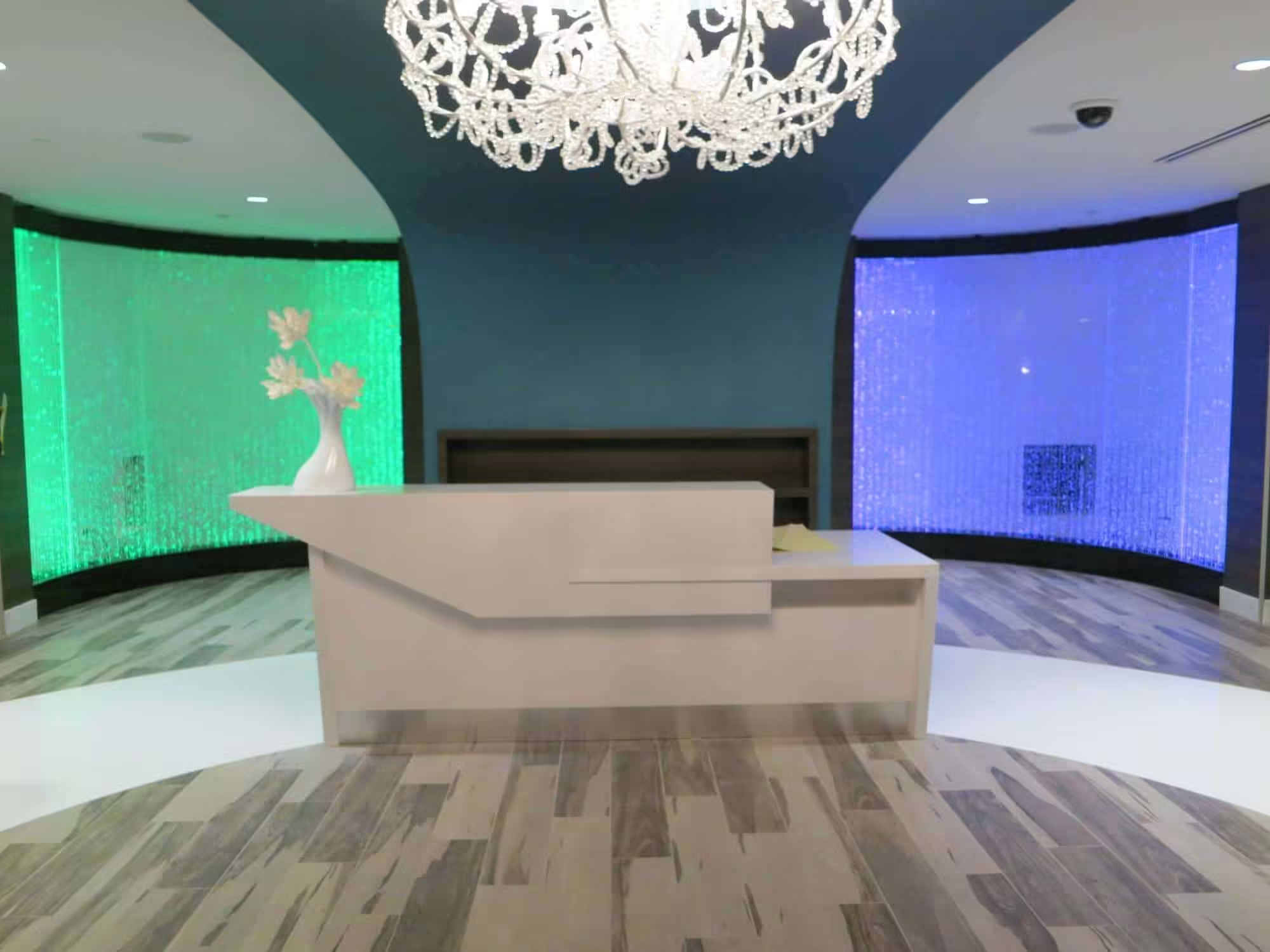
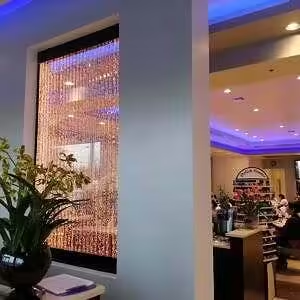
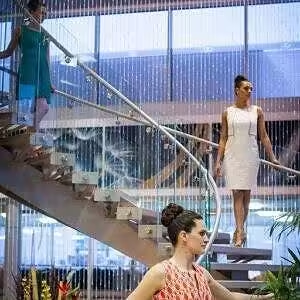
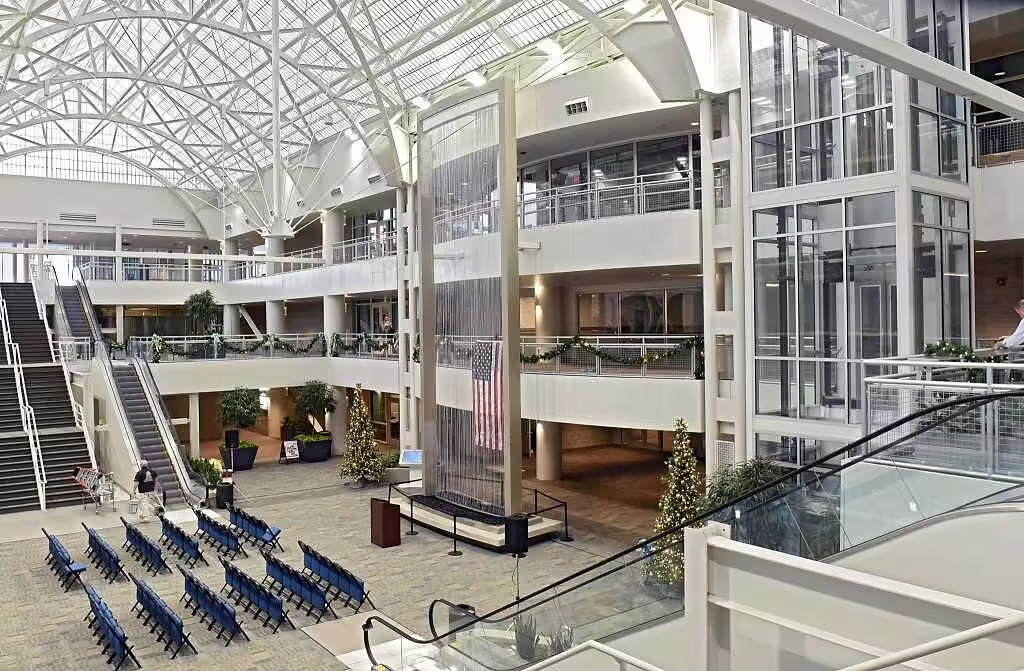
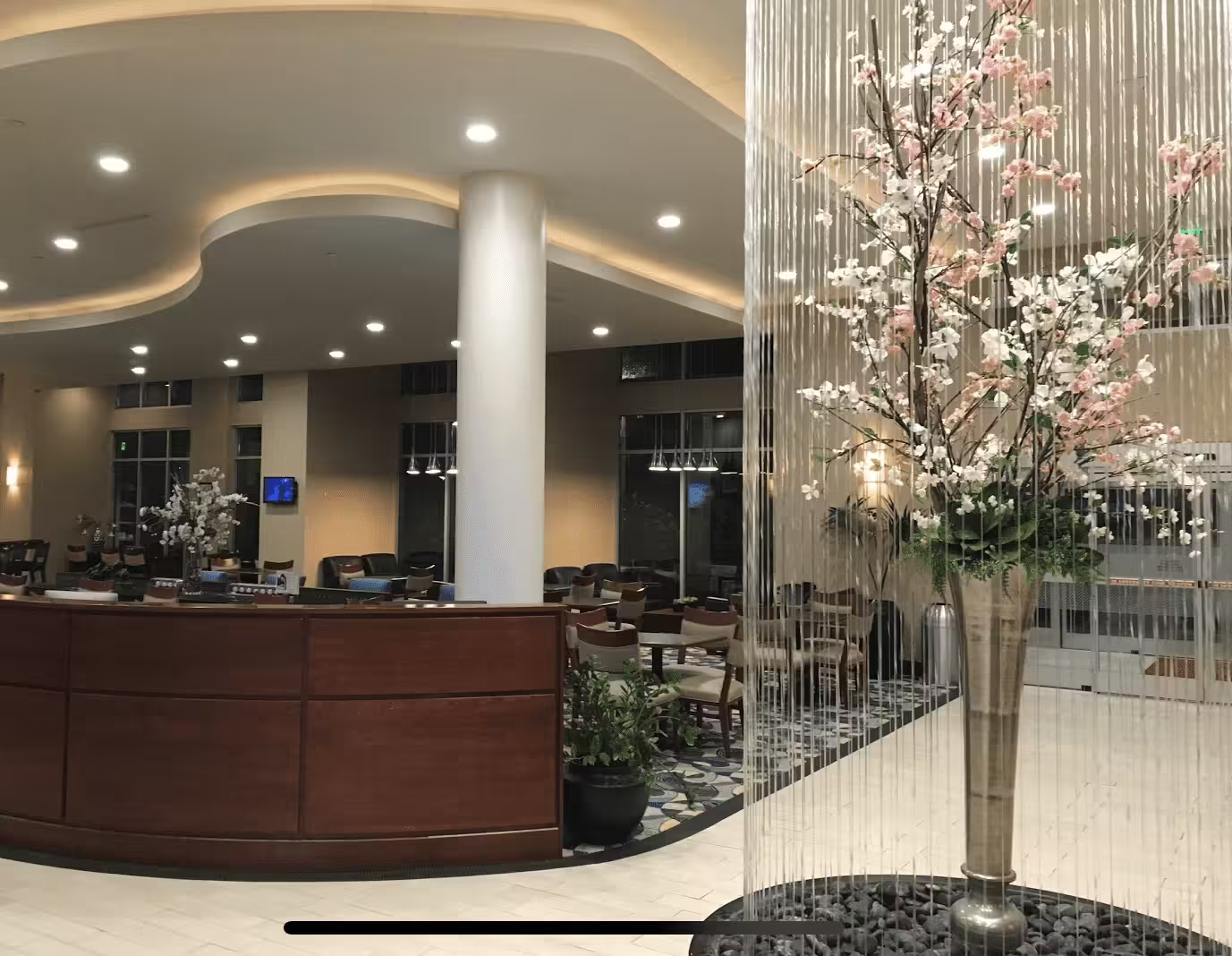
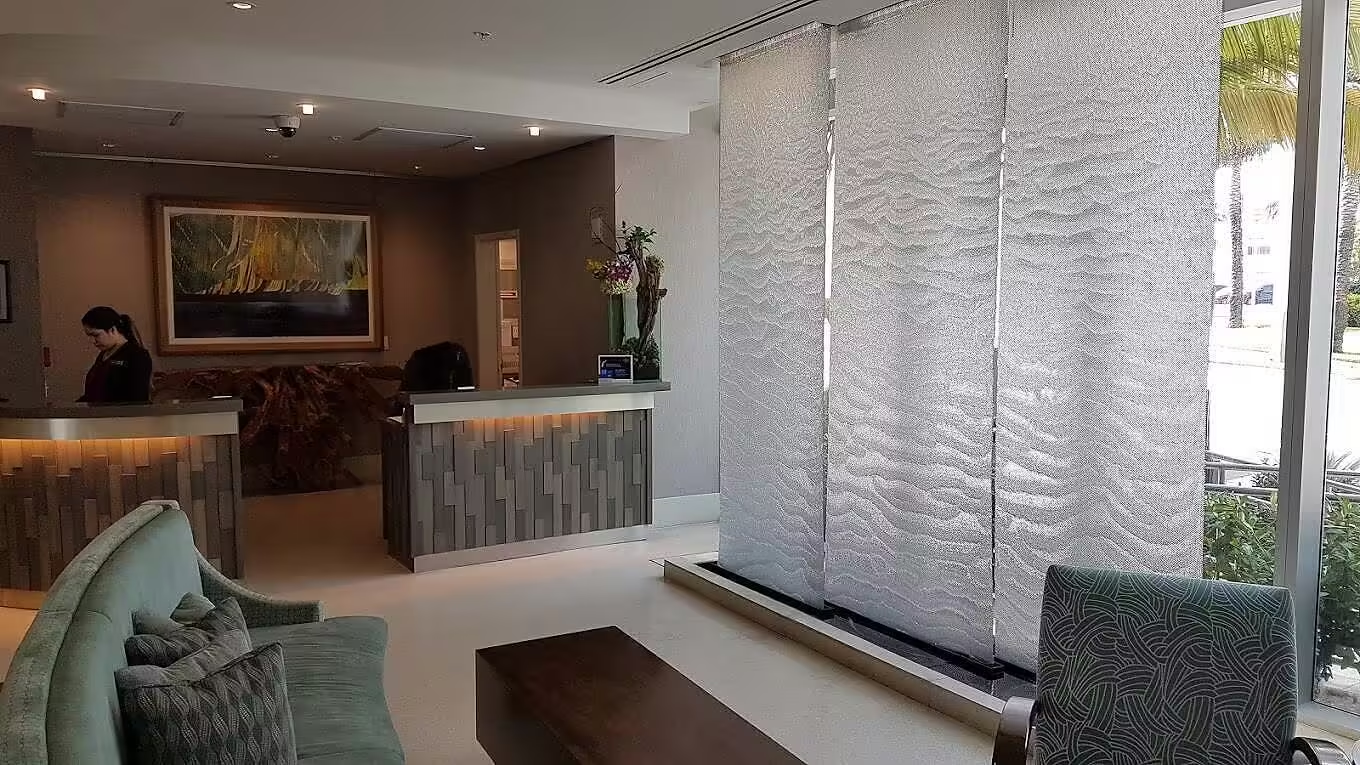
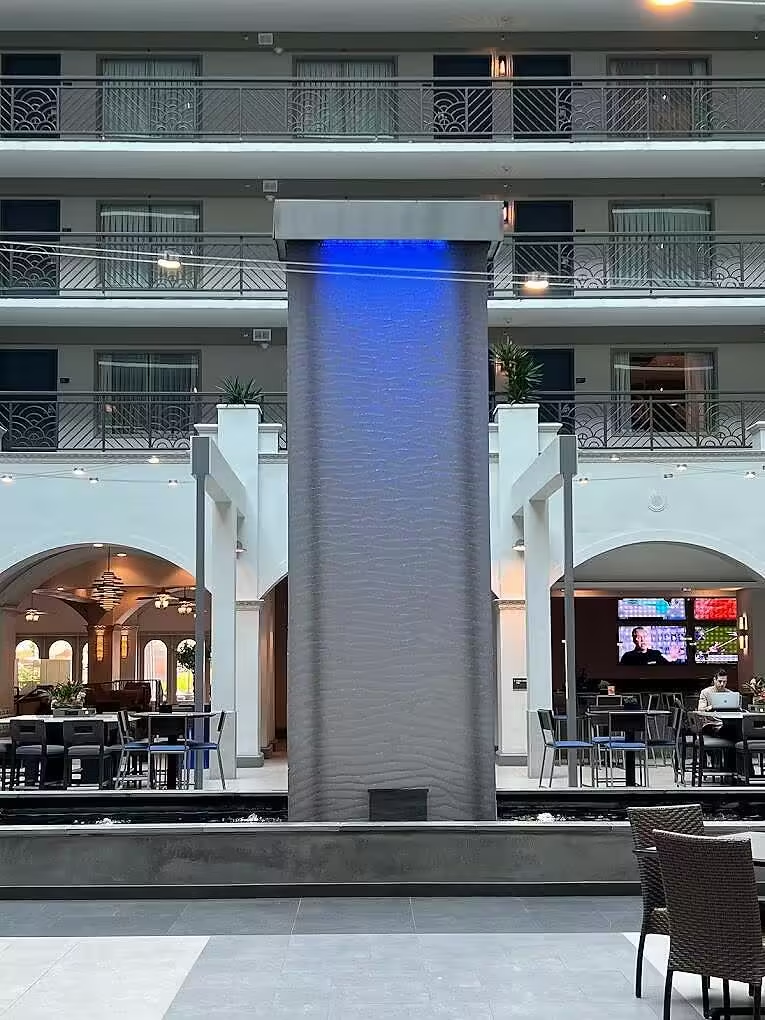
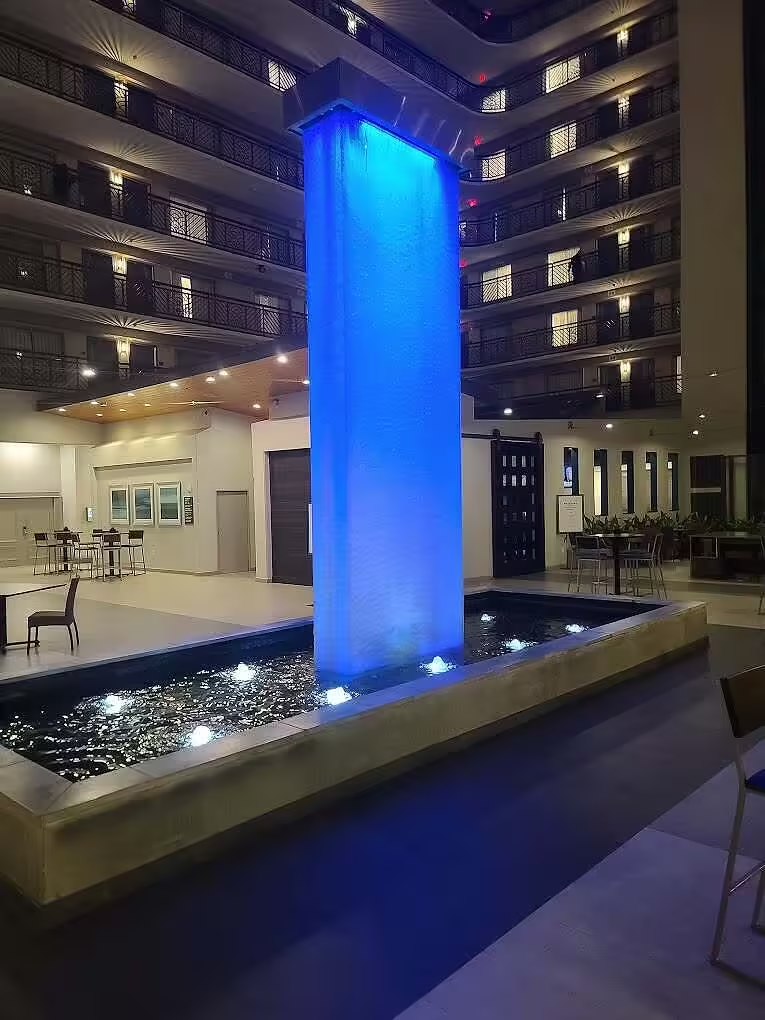
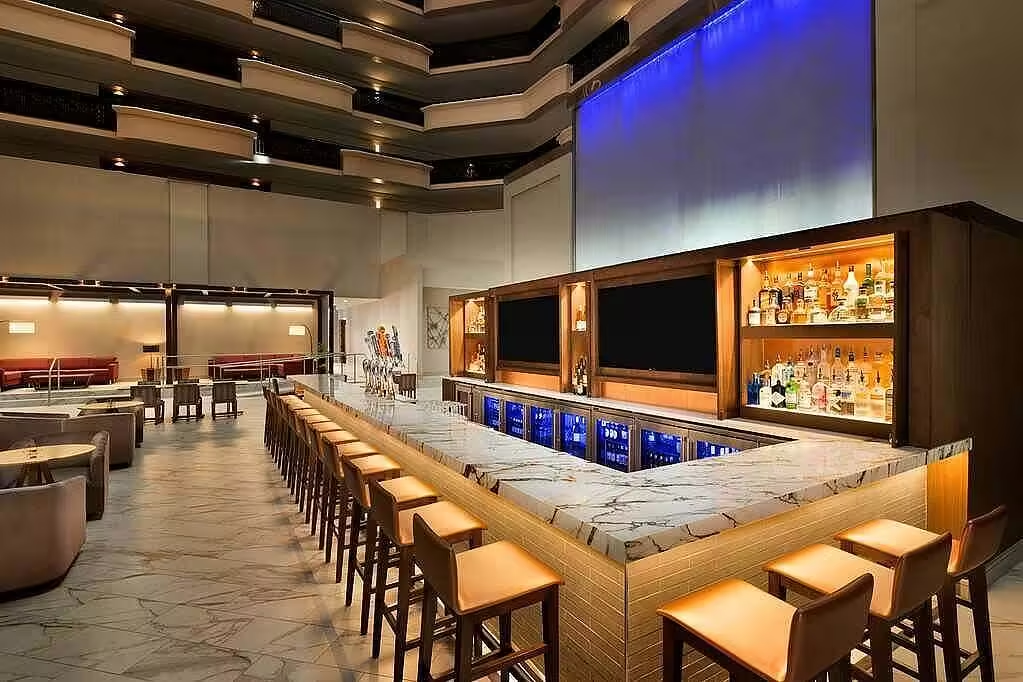
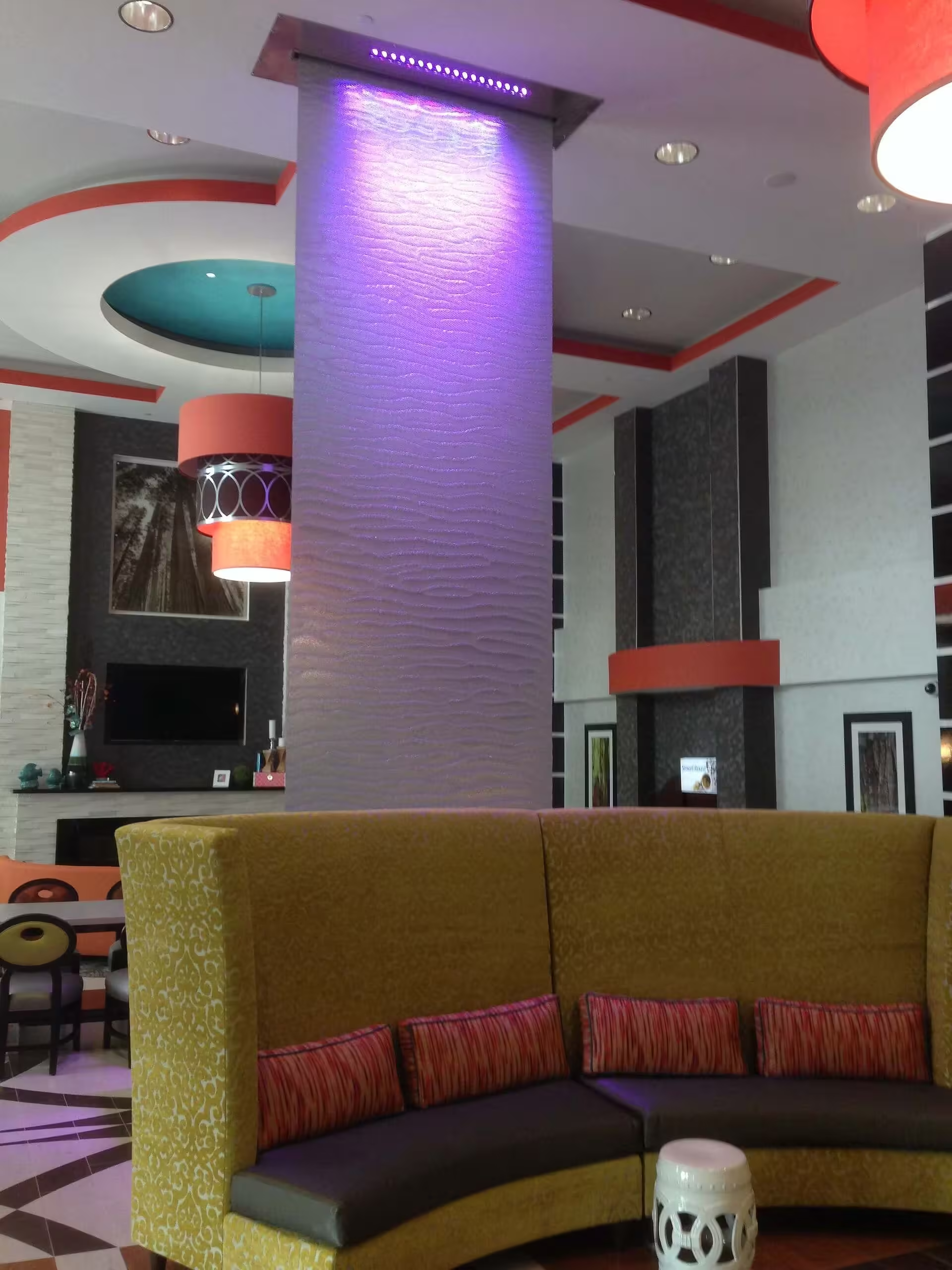
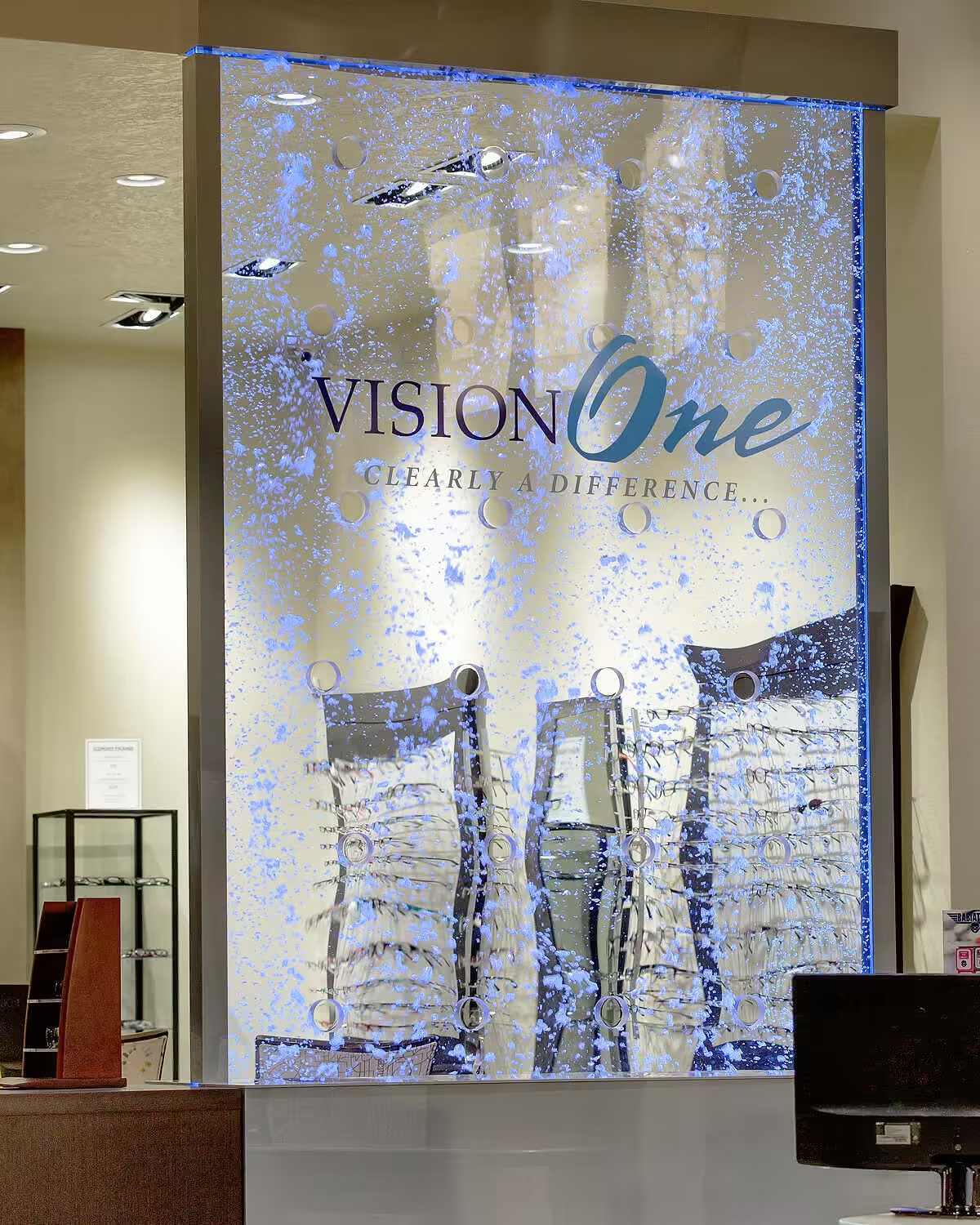
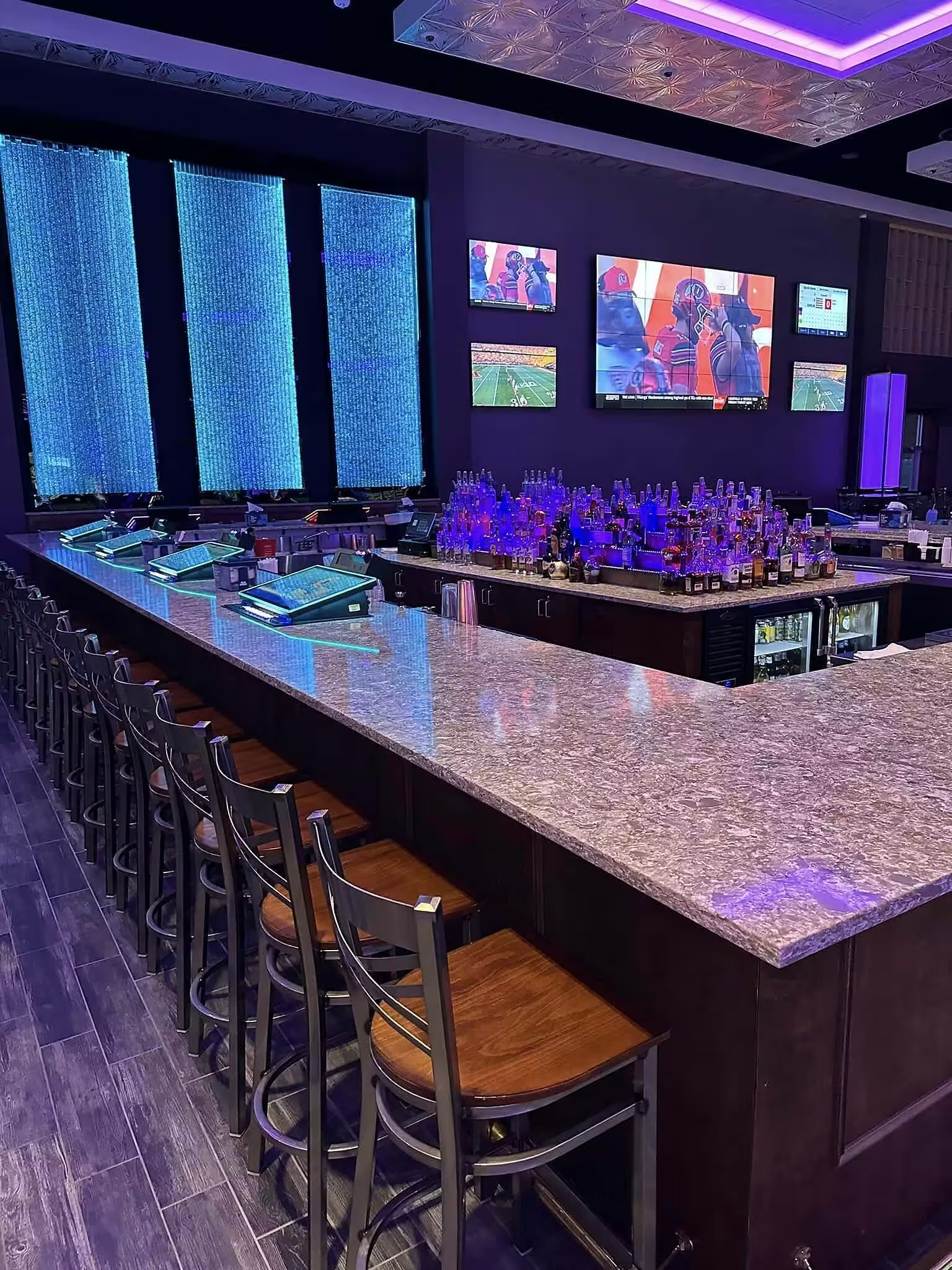
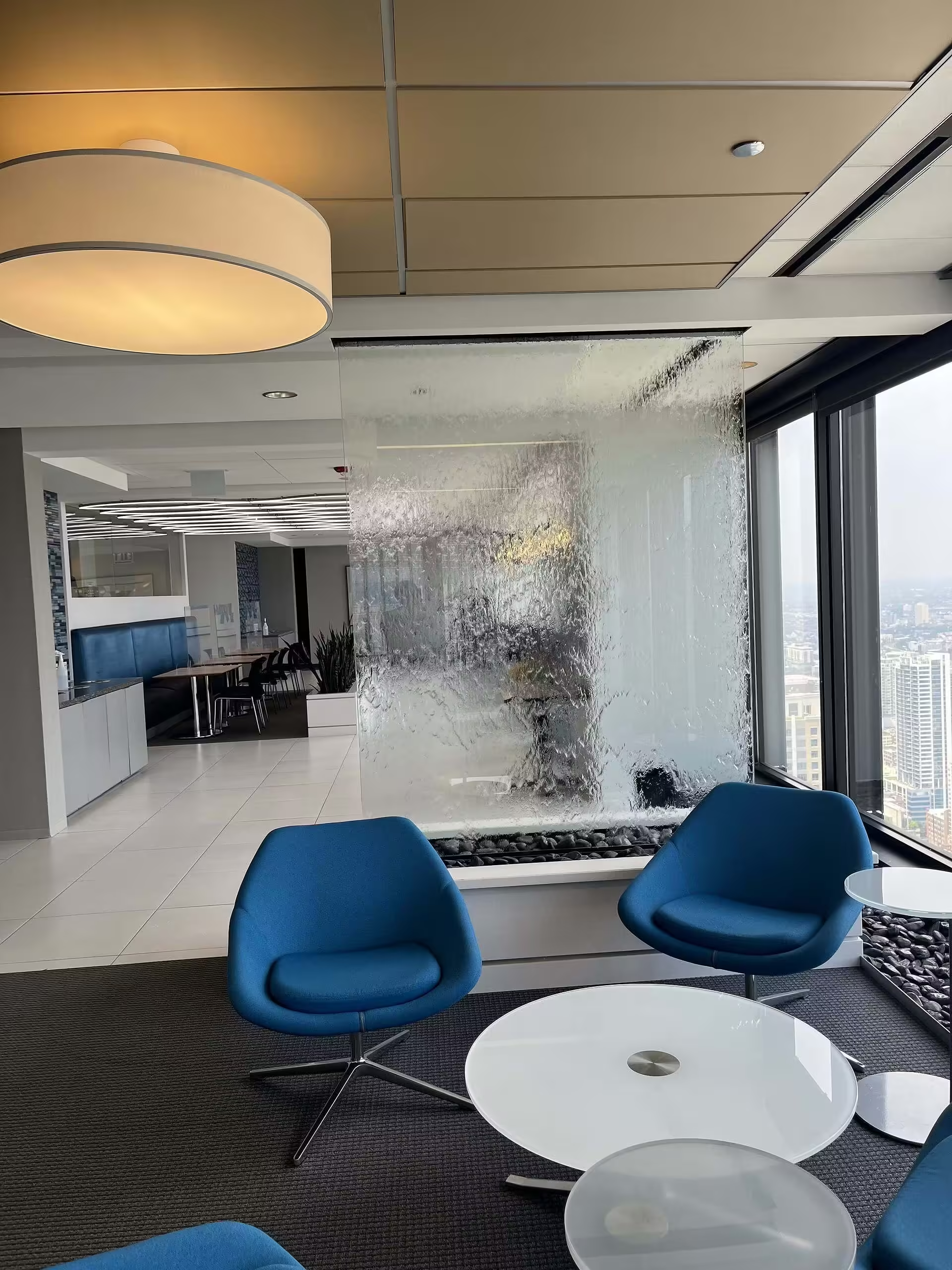
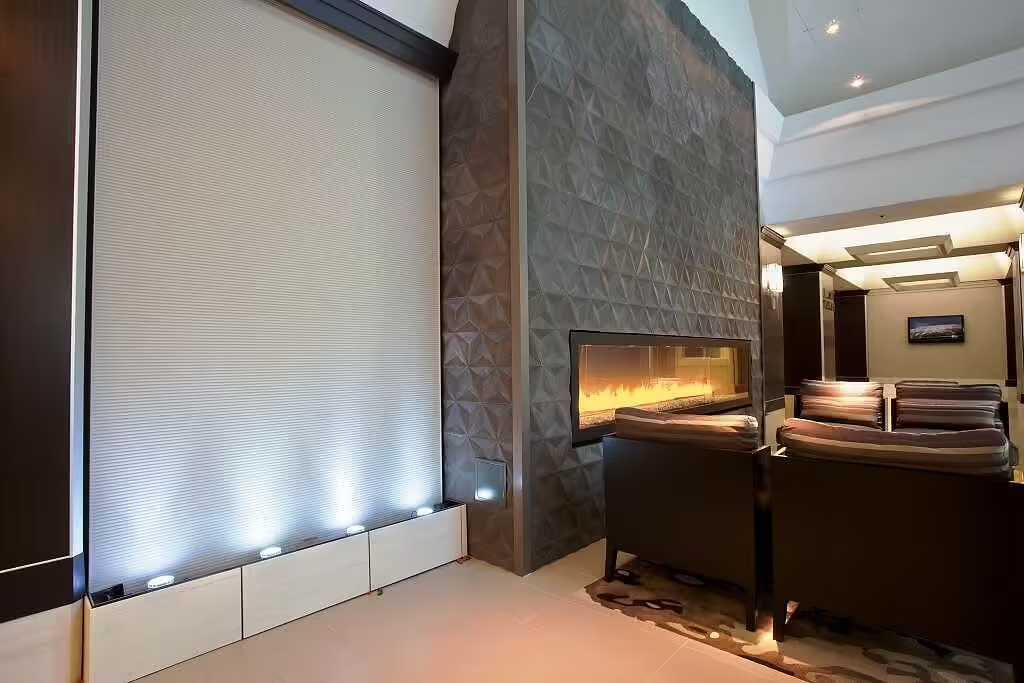
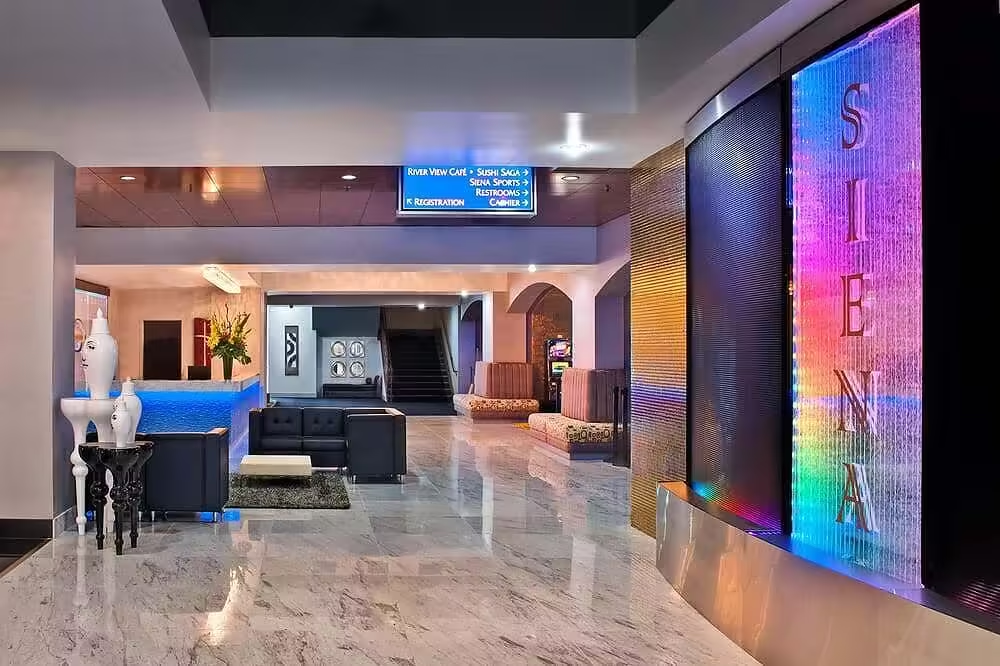
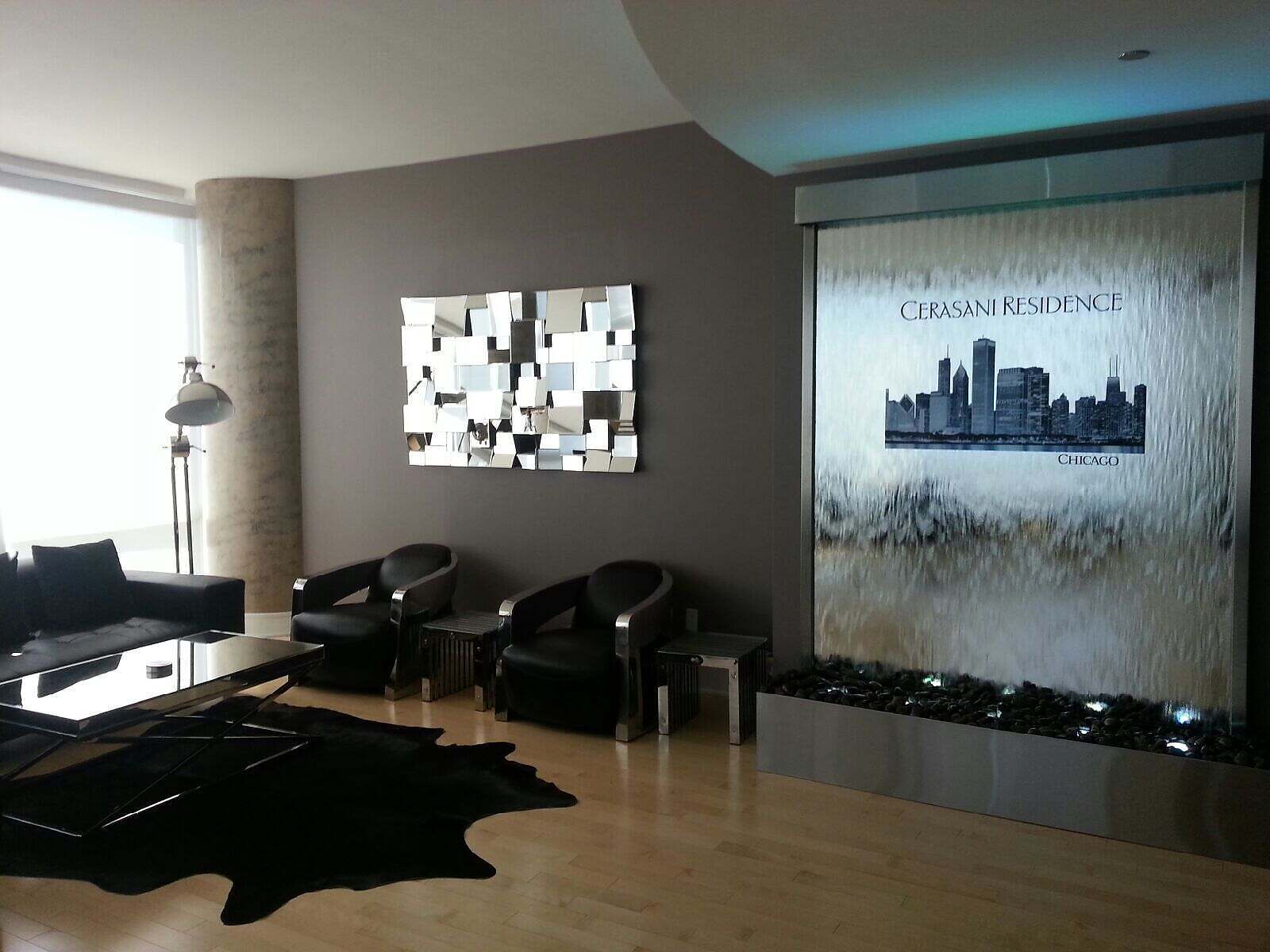
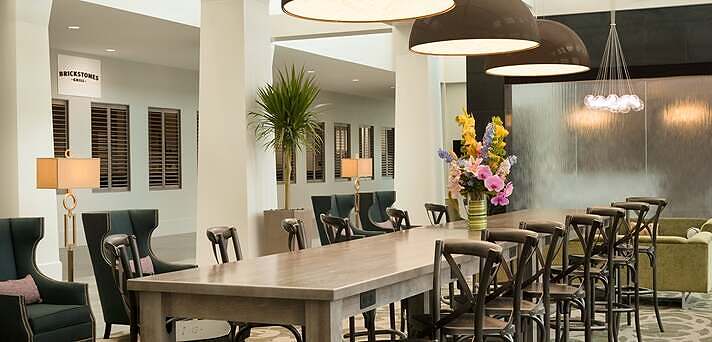
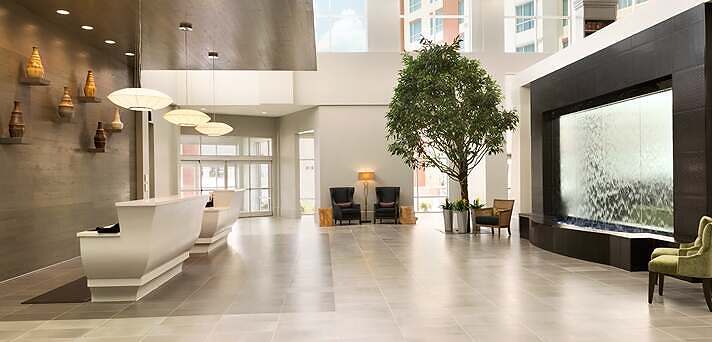
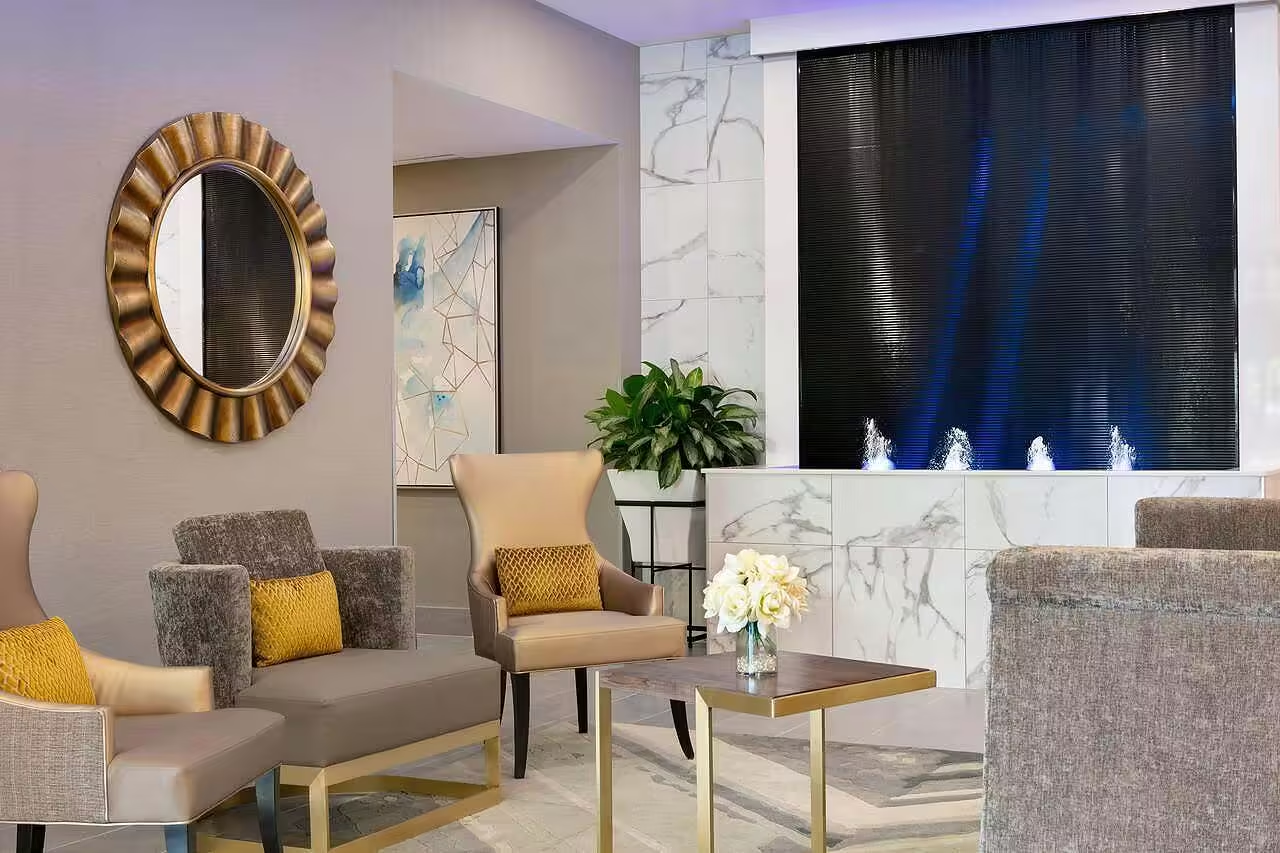
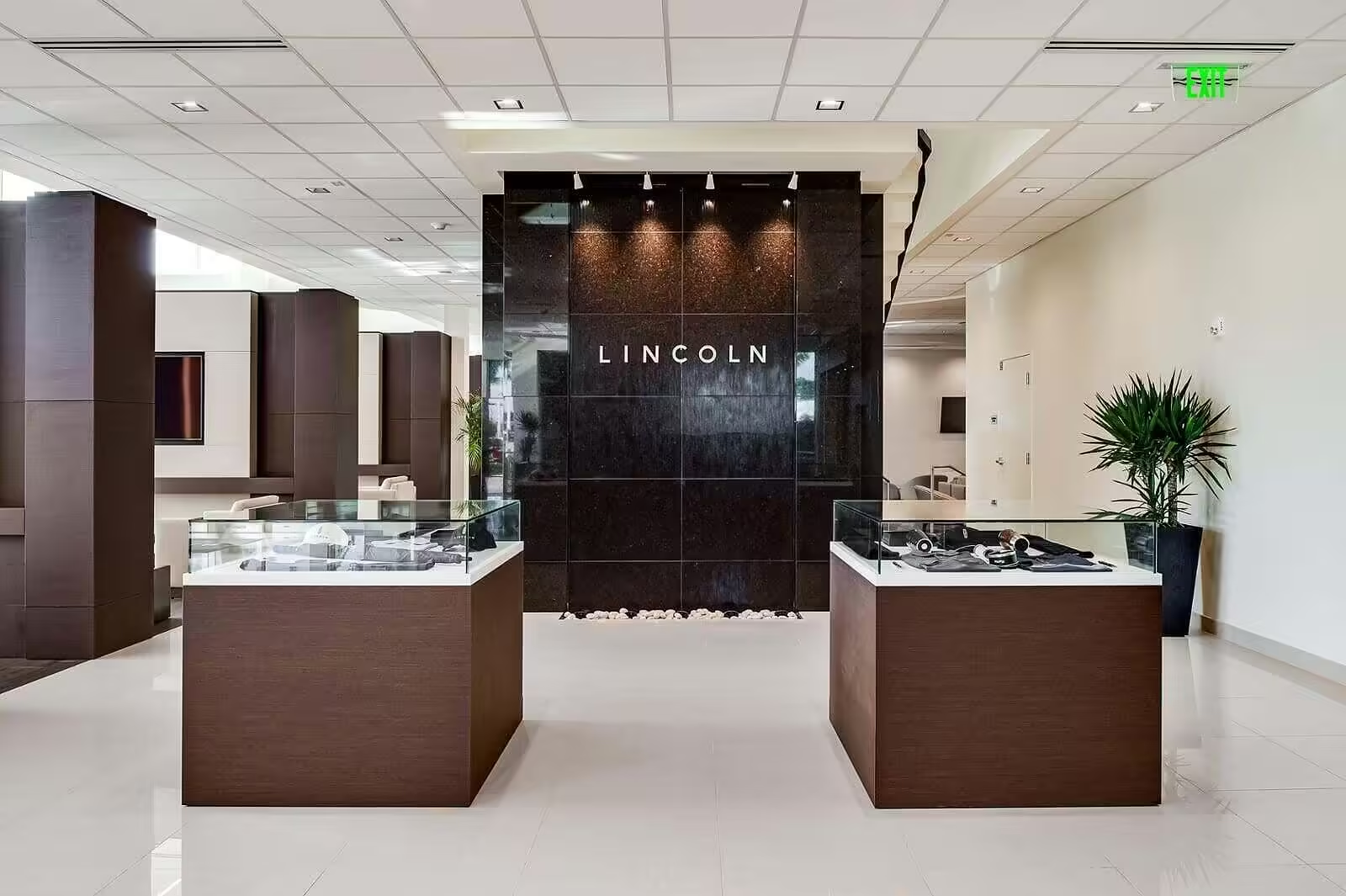
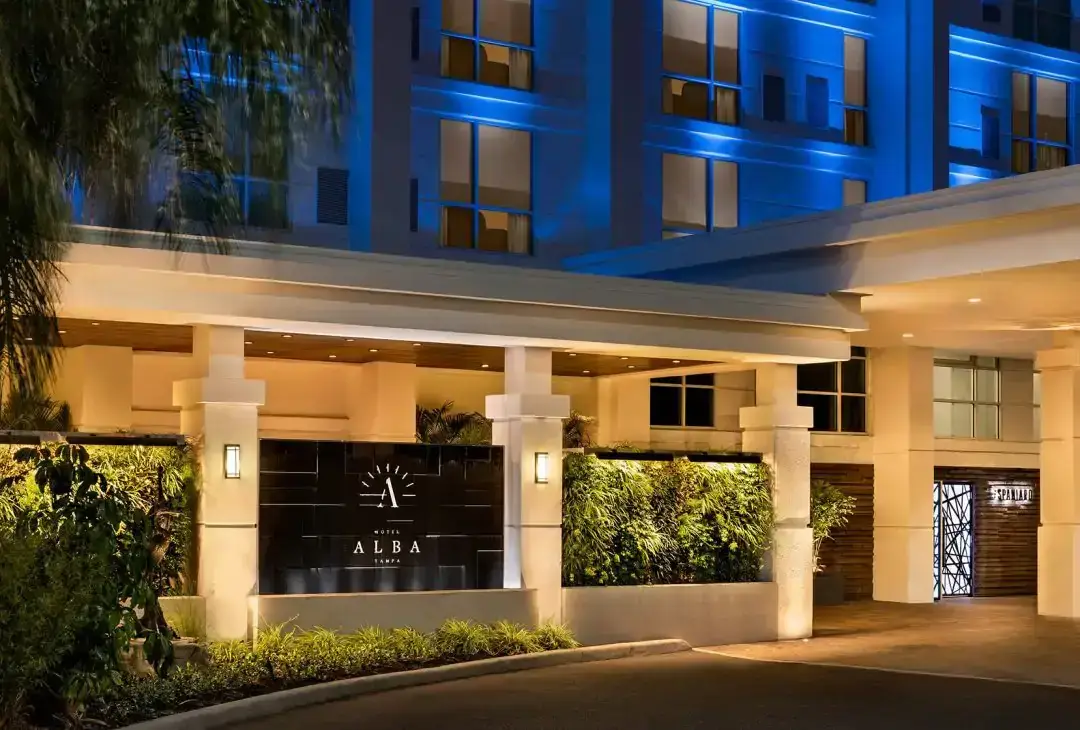
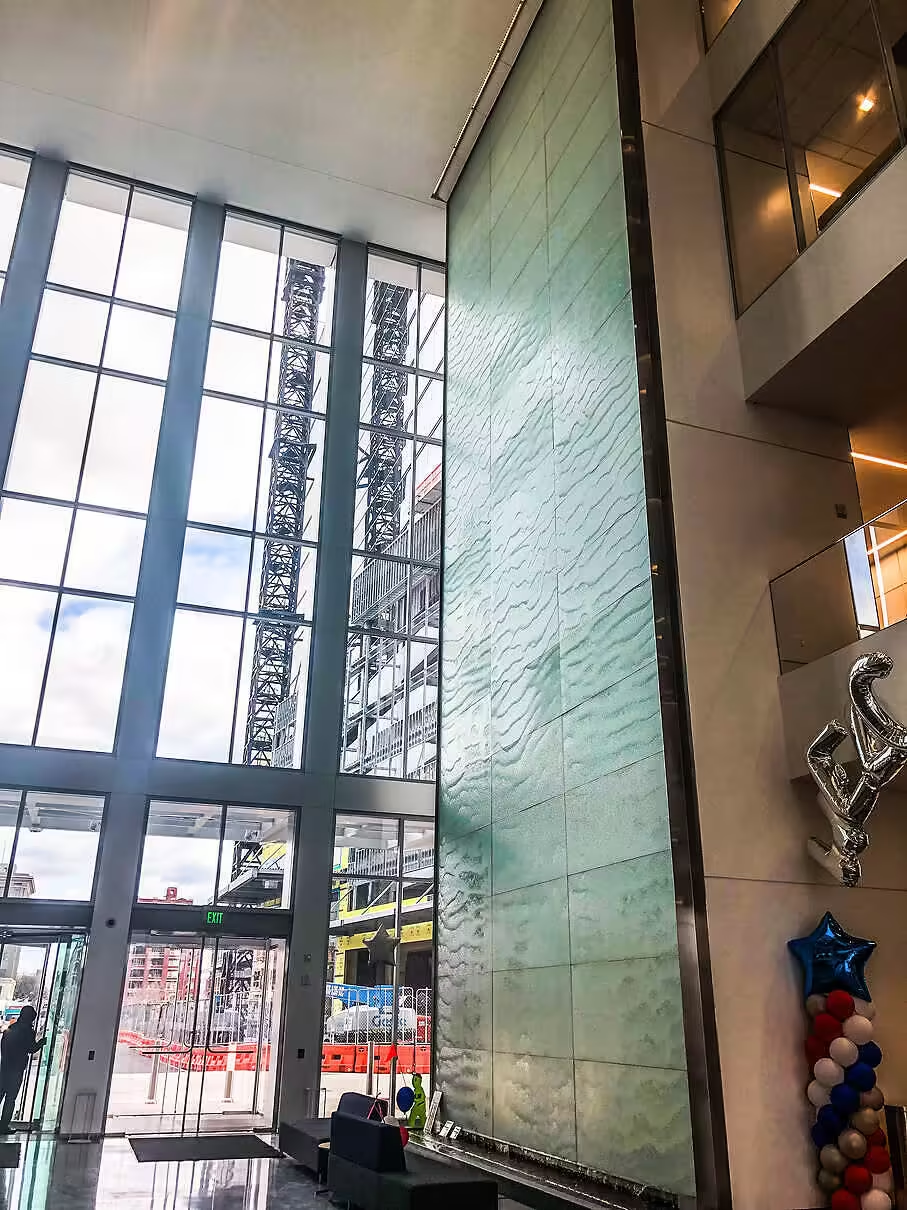
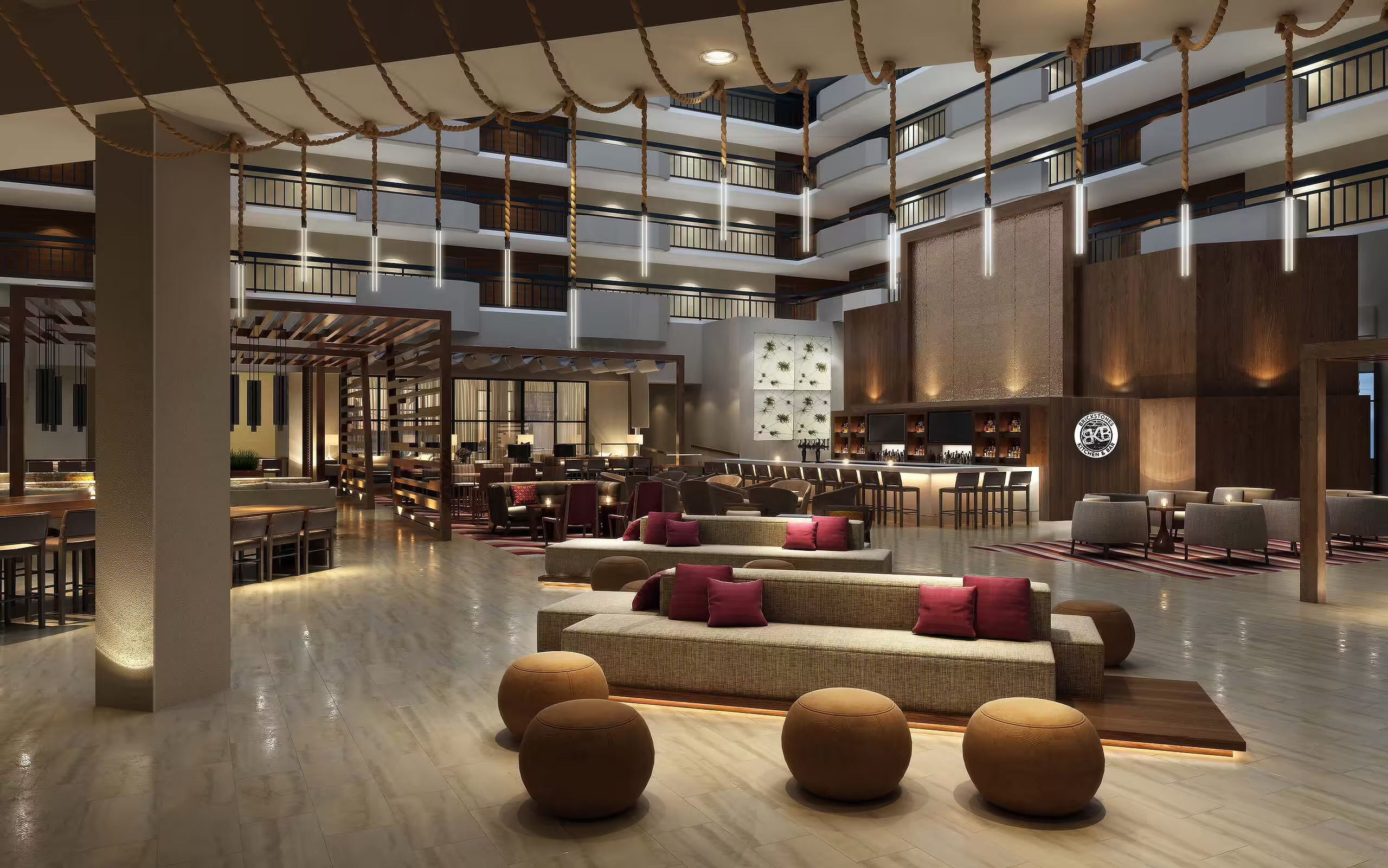
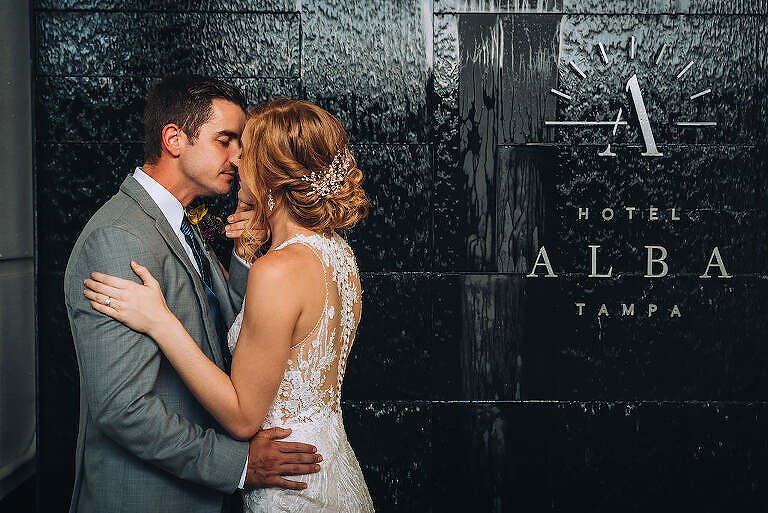
Beyond wellness-focused environments, bubble walls are also gaining ground in commercial design. Offices use them to soften high-traffic areas. Hotels place them in lounges to create an atmosphere without clutter. Retail spaces use them to slow movement and increase dwell time.
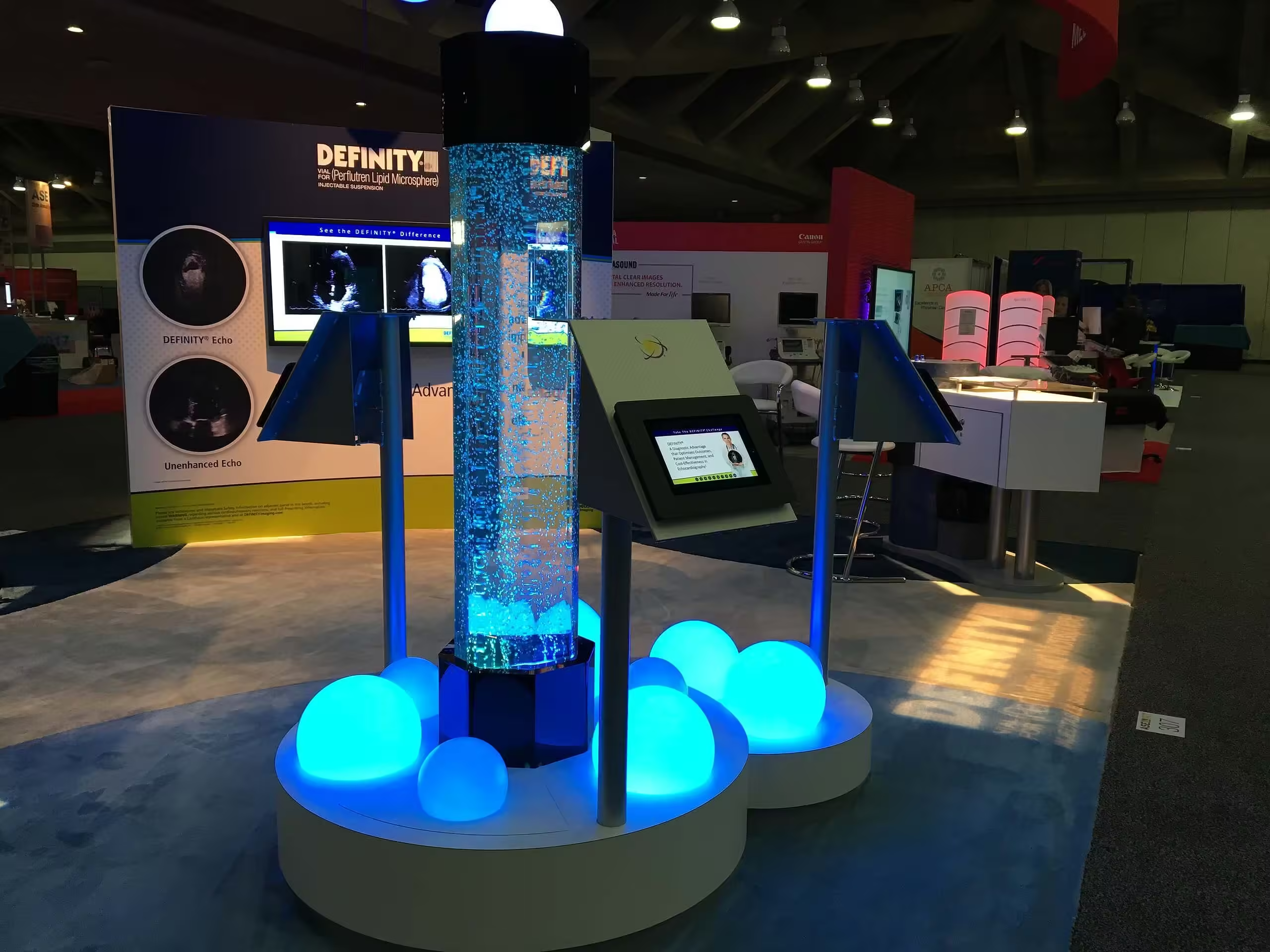
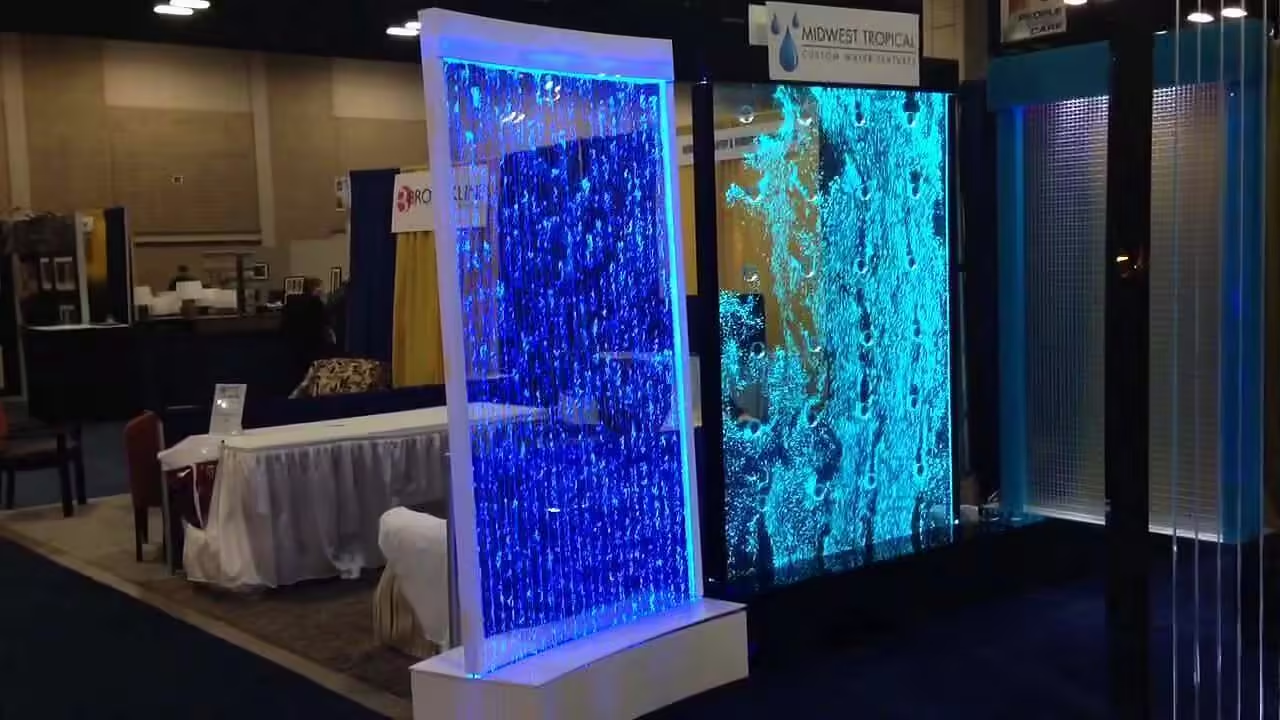
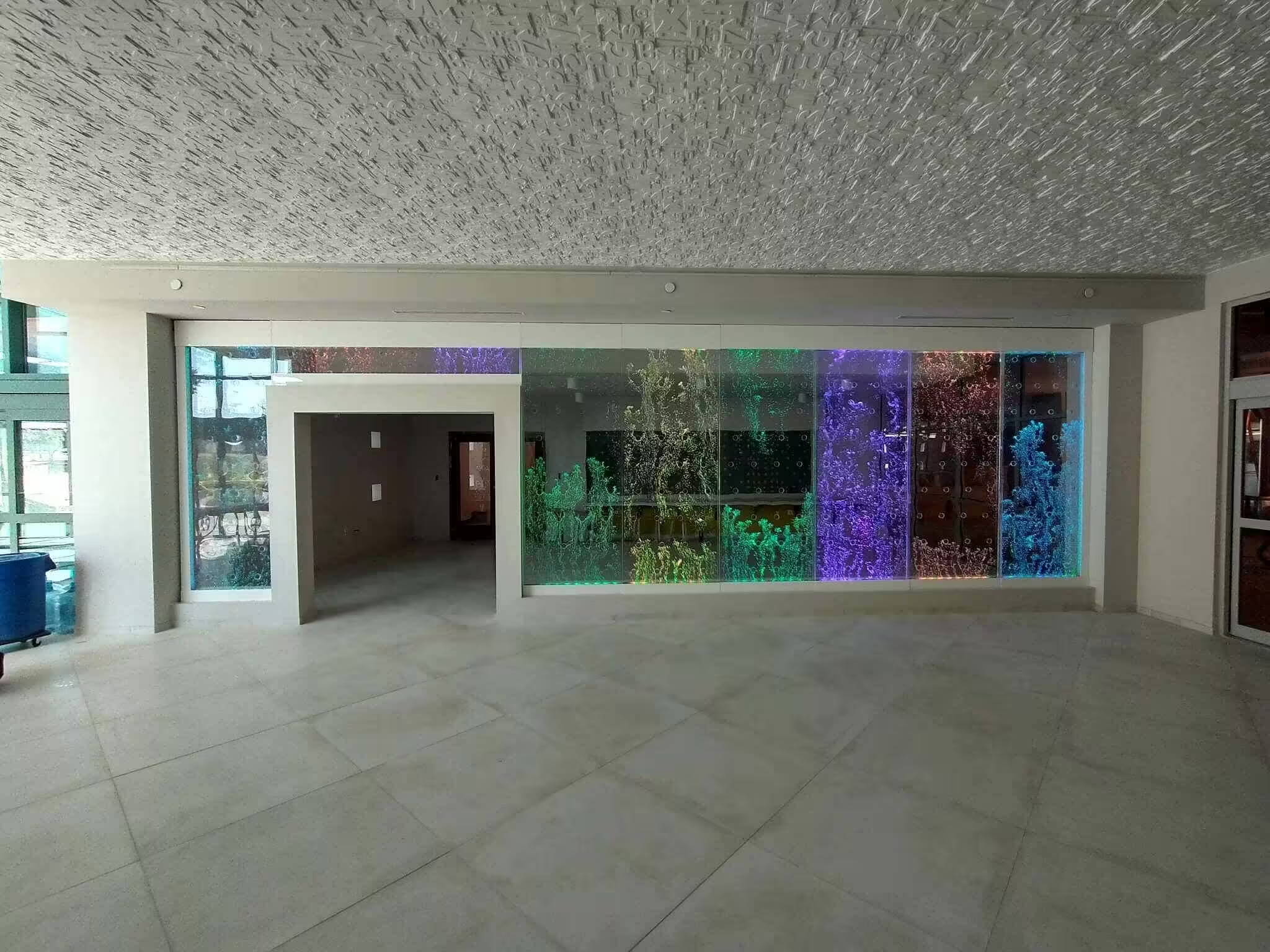
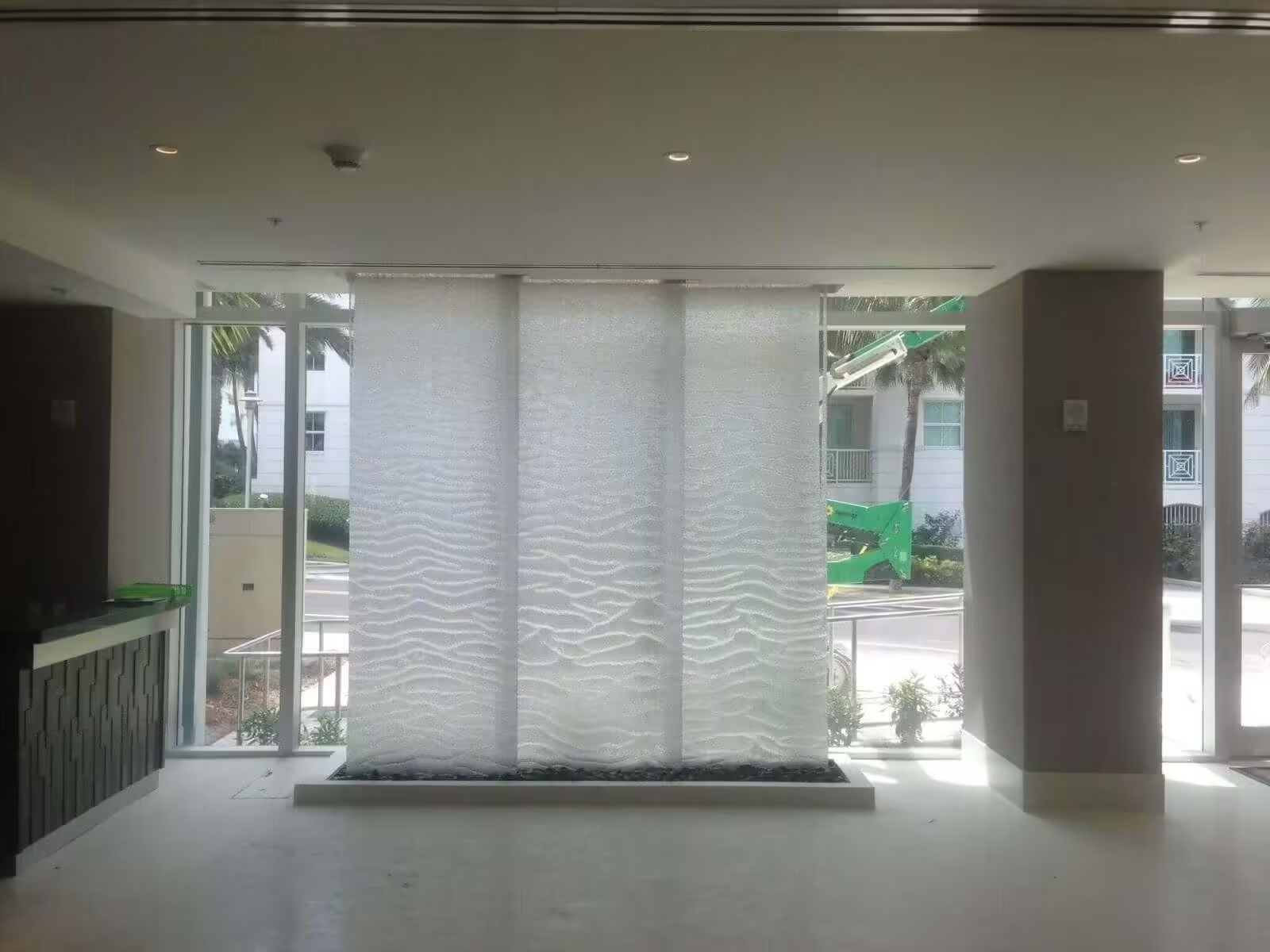
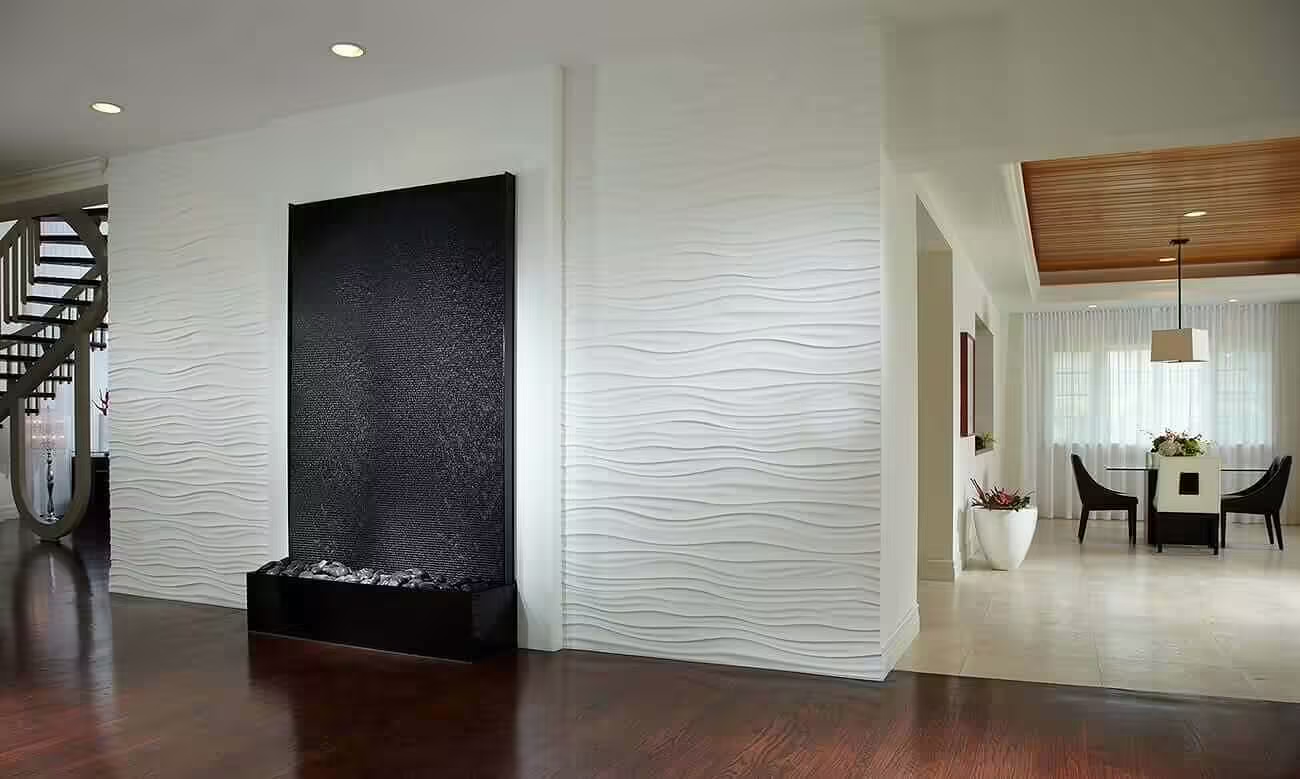
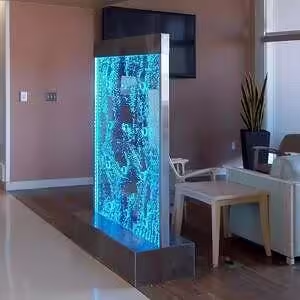
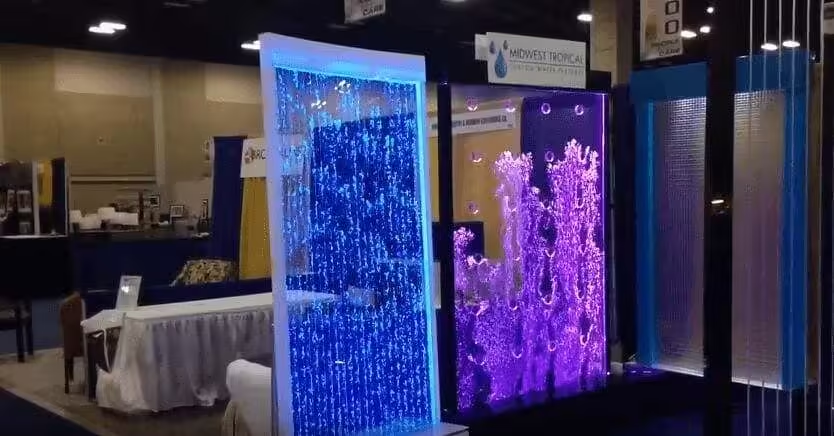
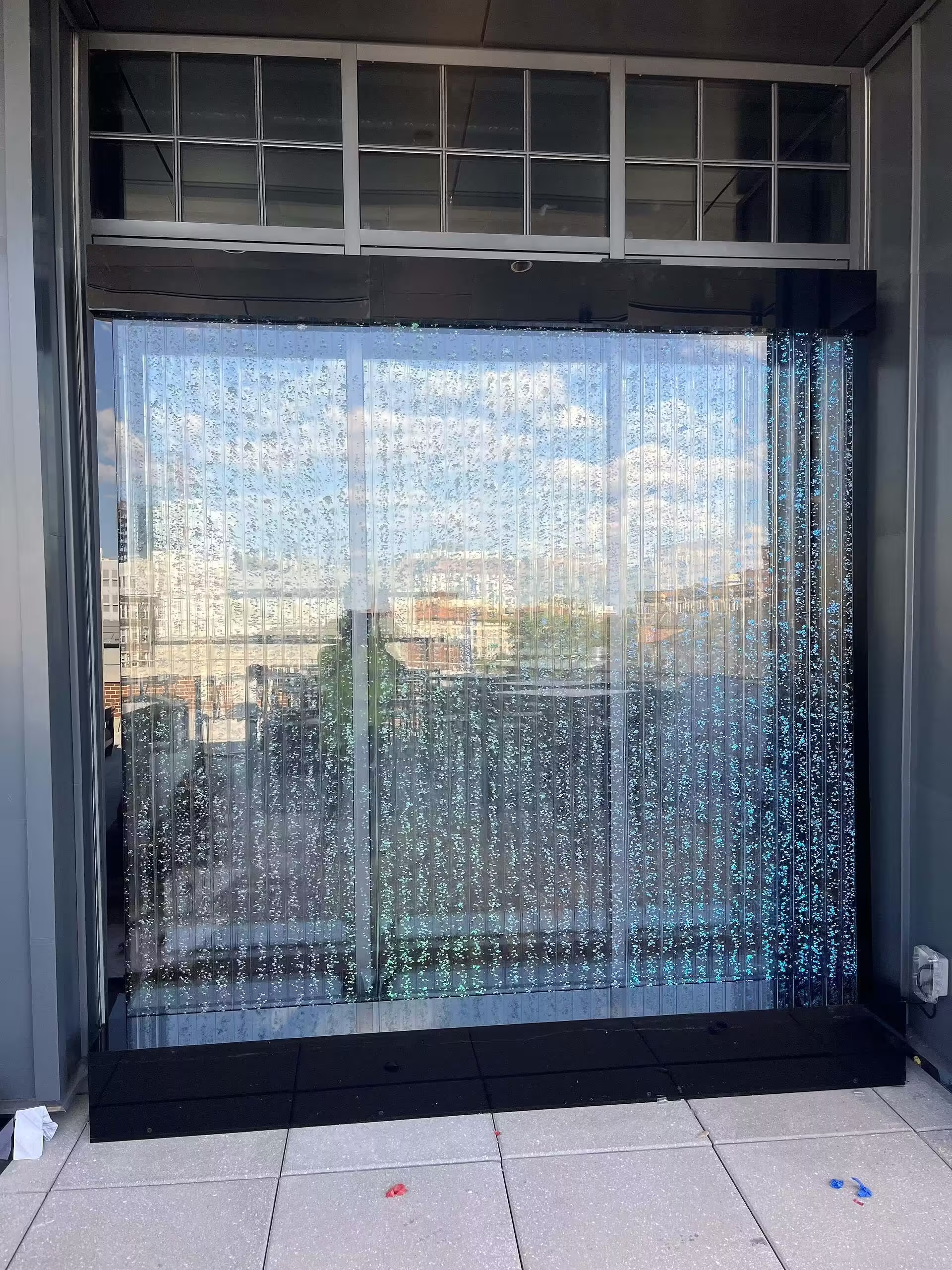
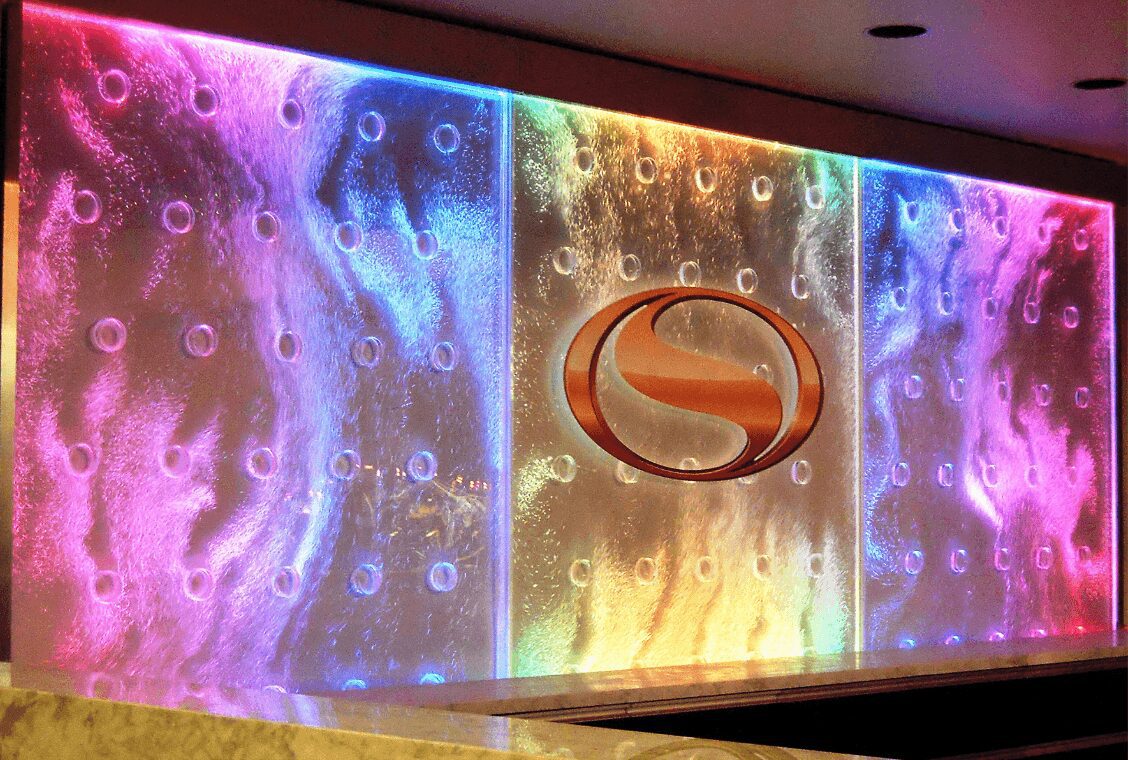
What makes bubble walls effective in these settings is their adaptability. Scale, color temperature, bubble density, and materials can all be adjusted to suit the brand and the space.
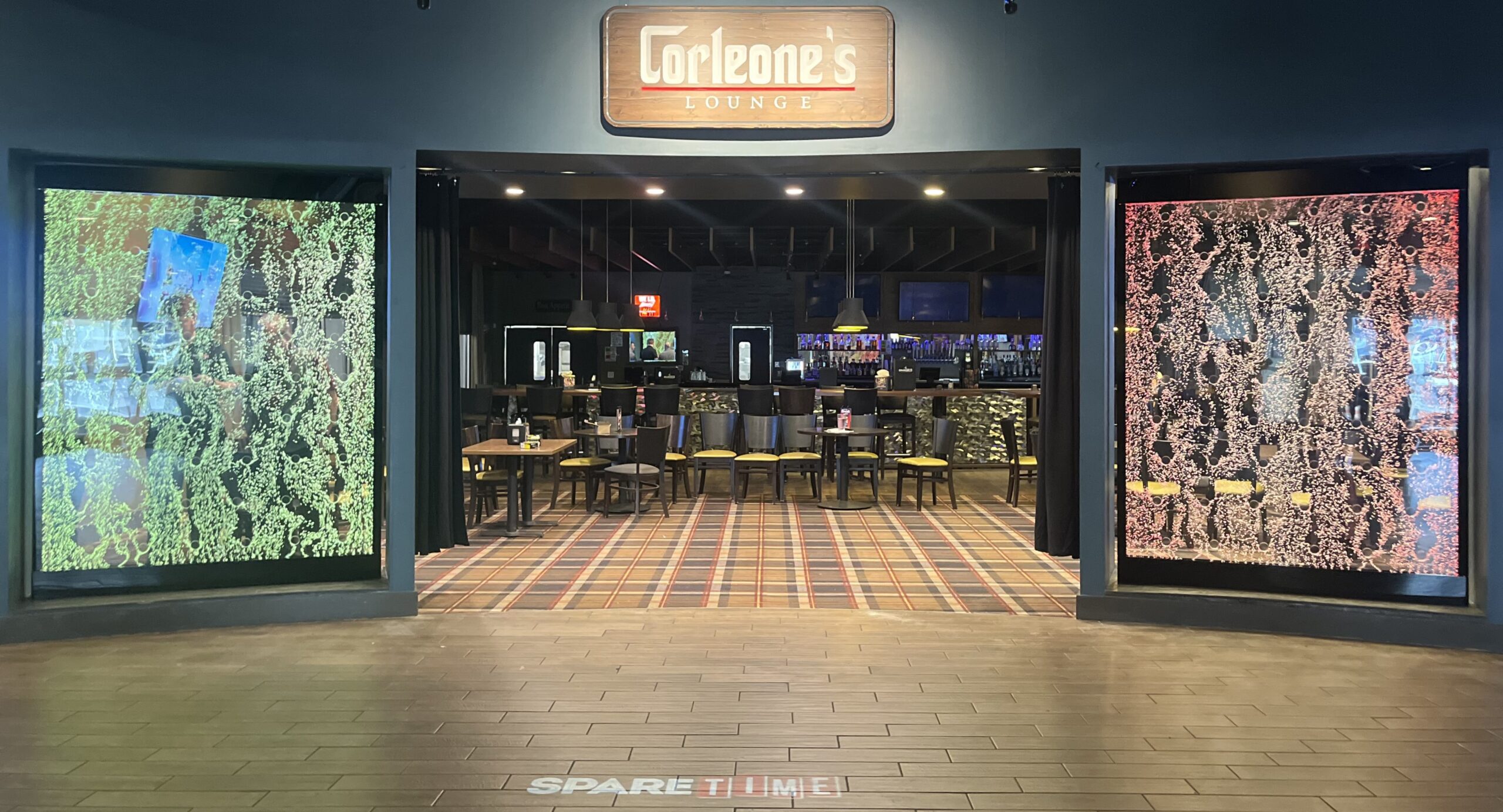
The Appeal of Swirly Bubble Walls
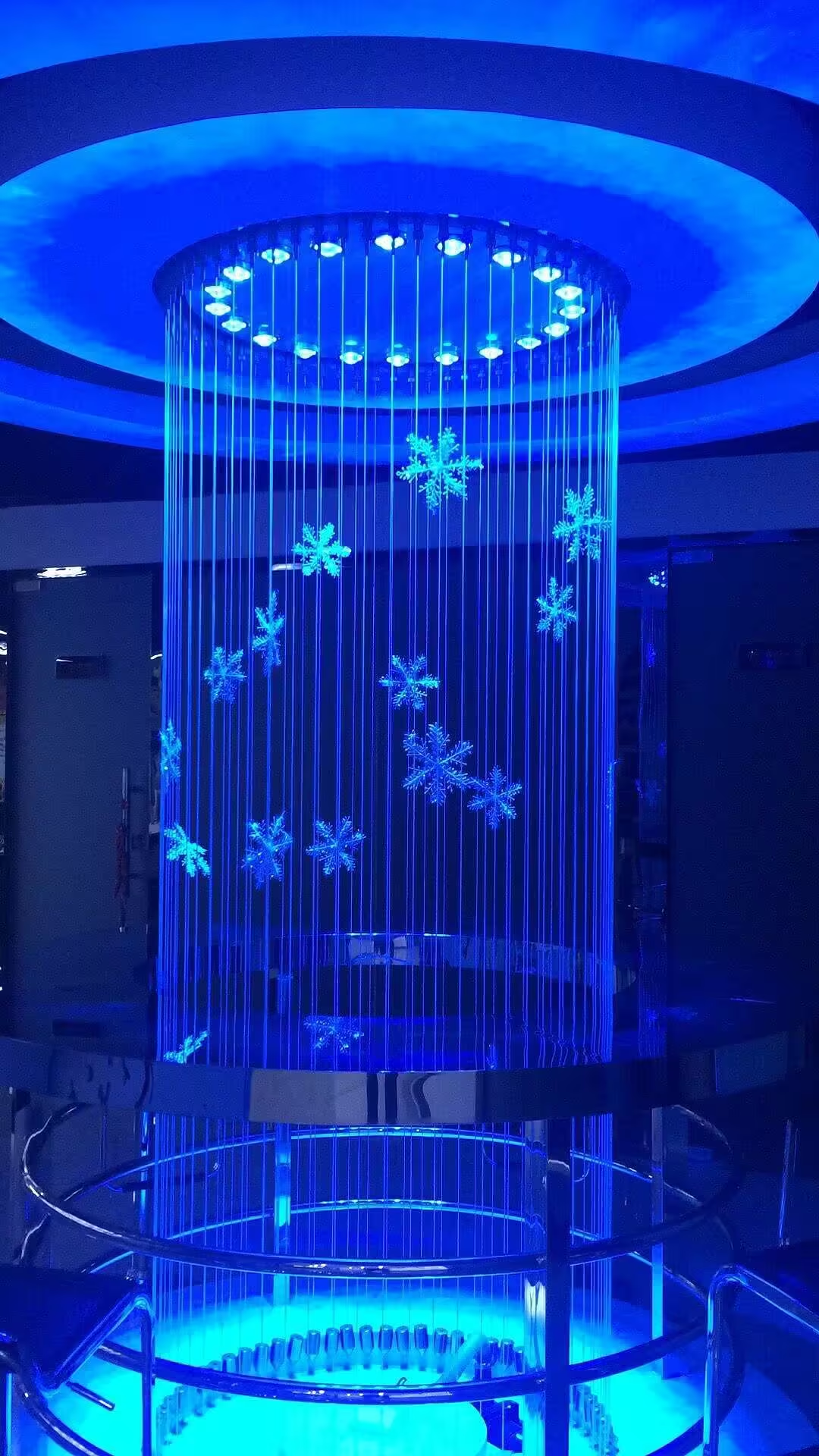
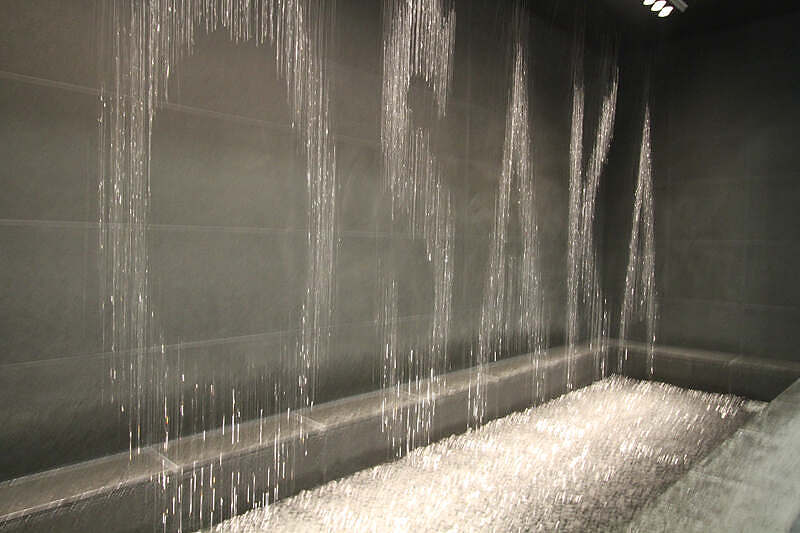
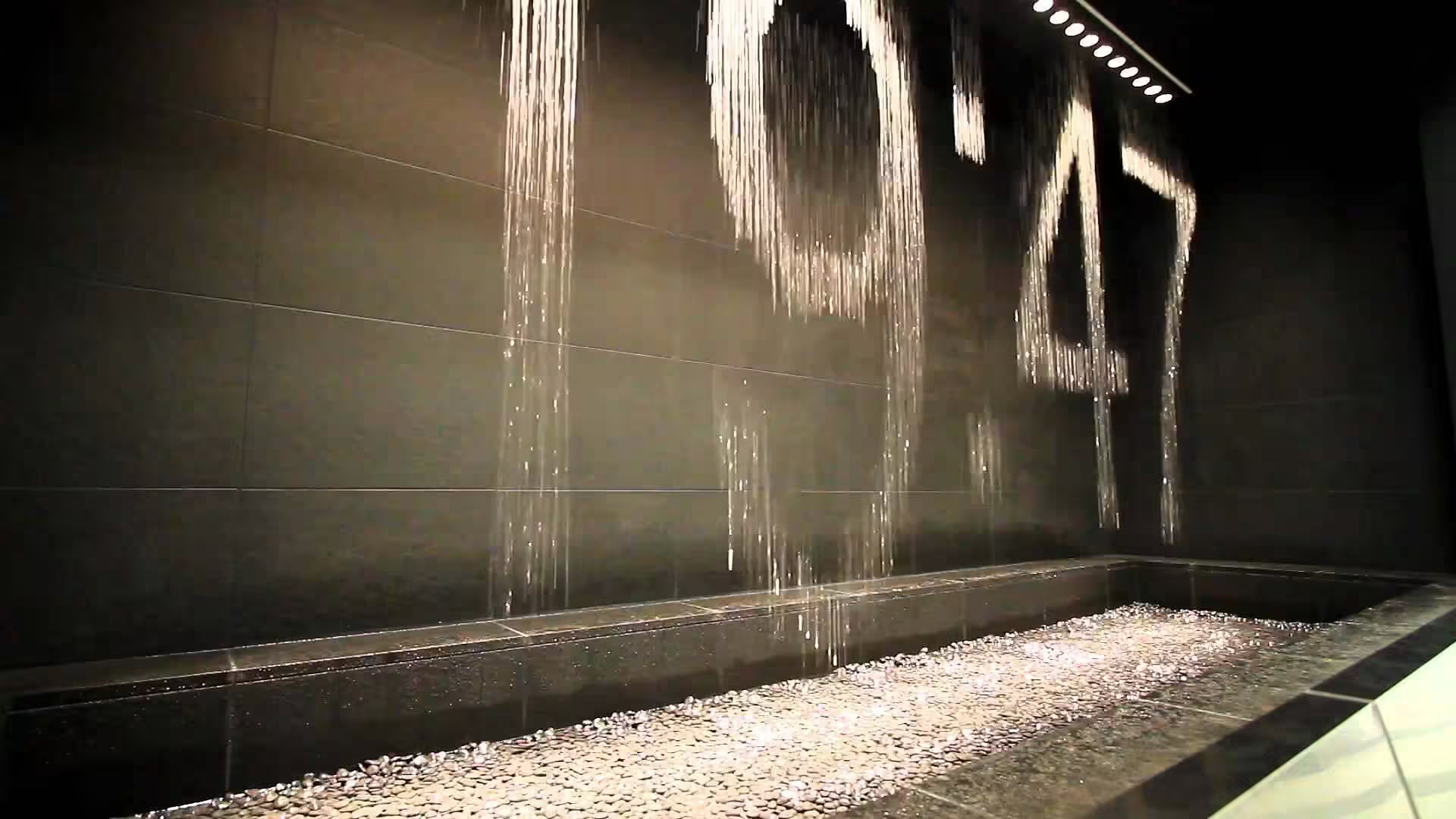
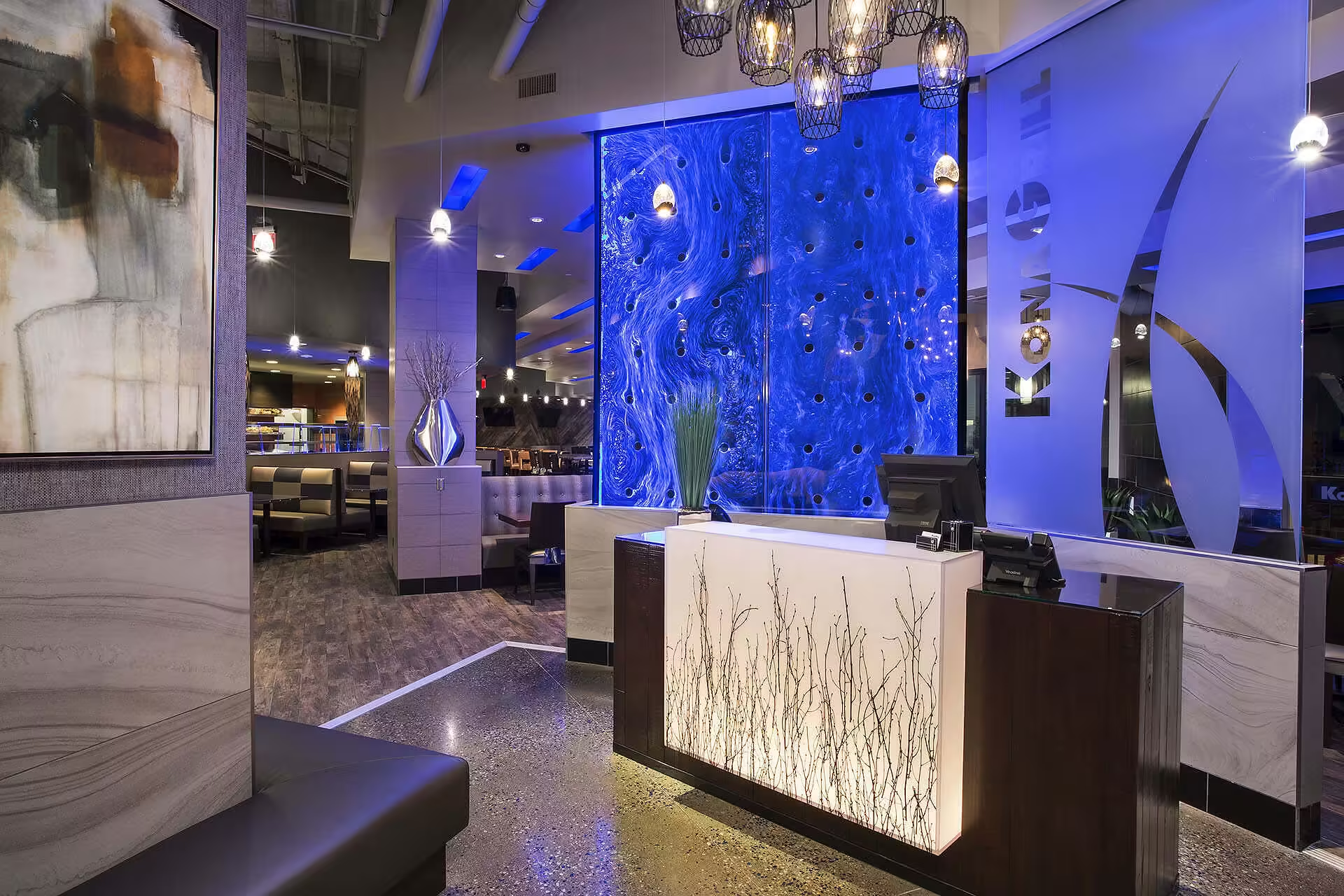
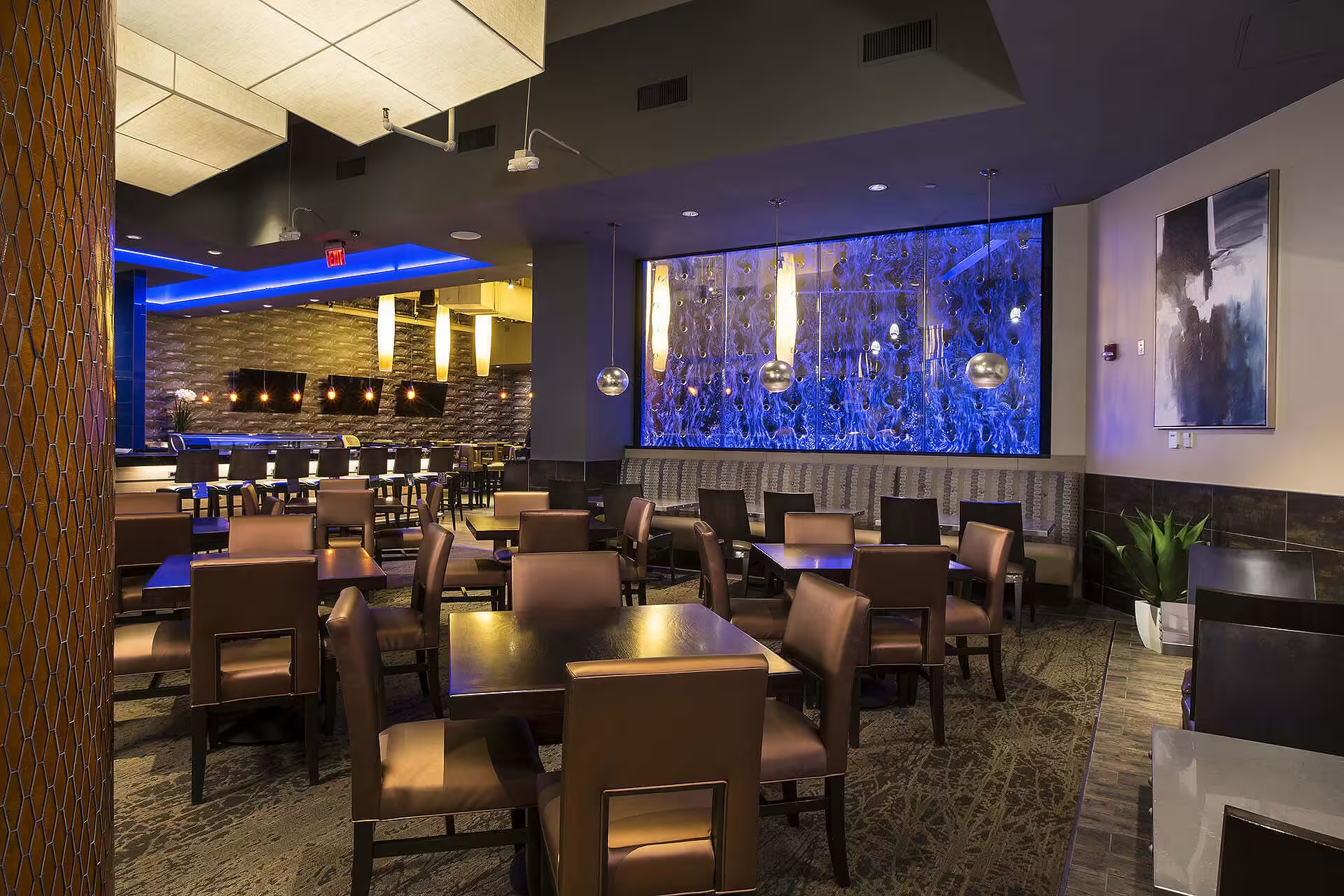
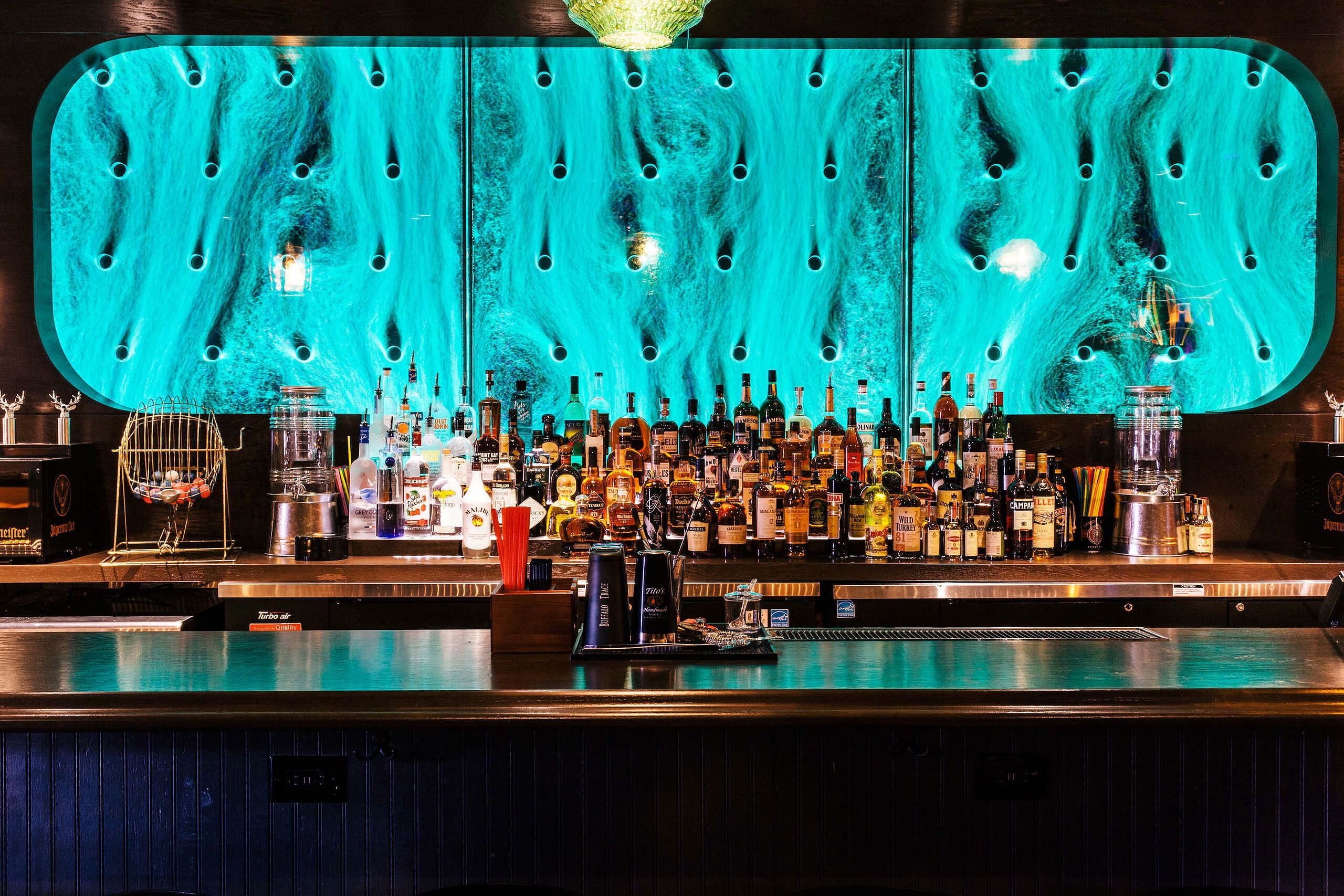
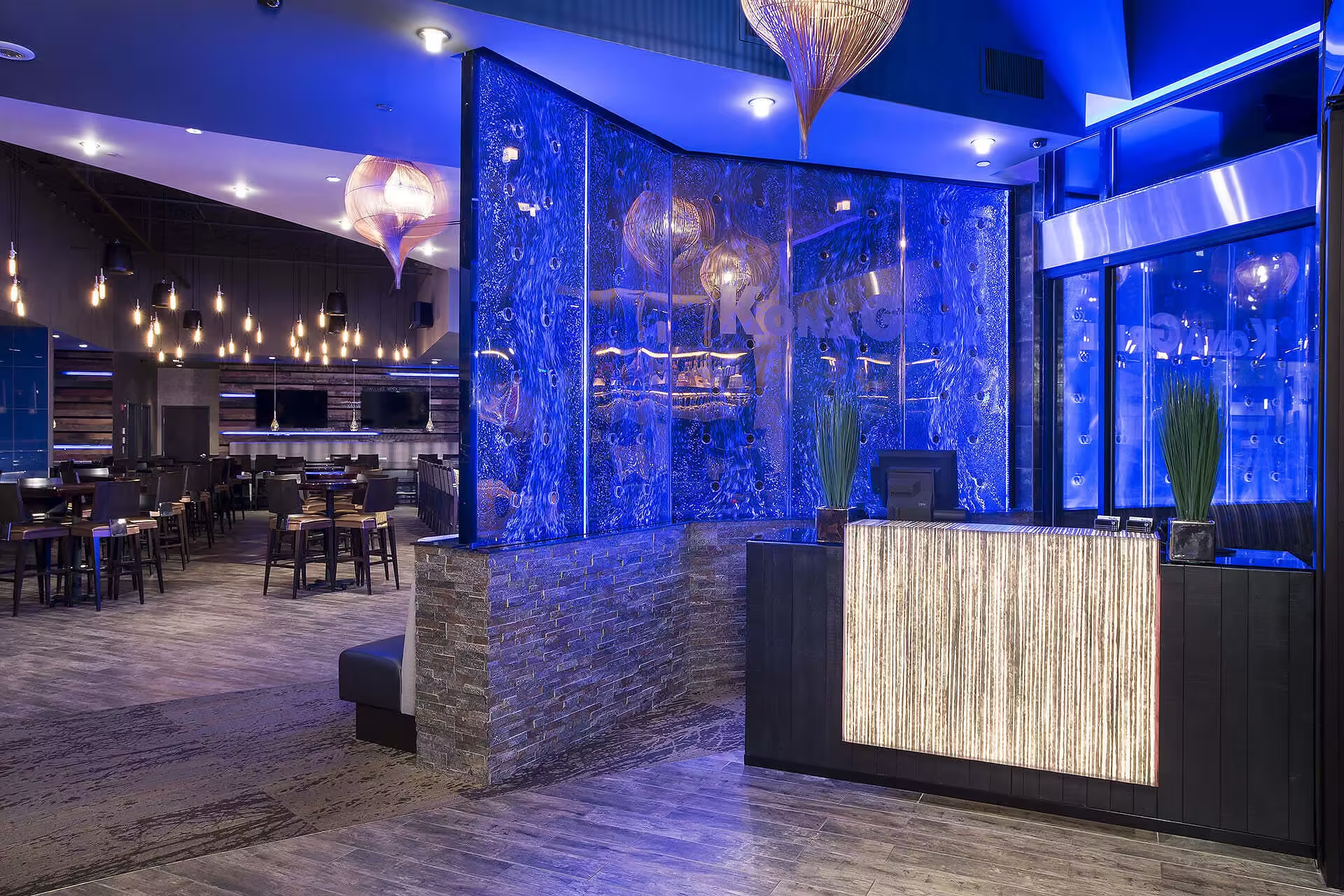
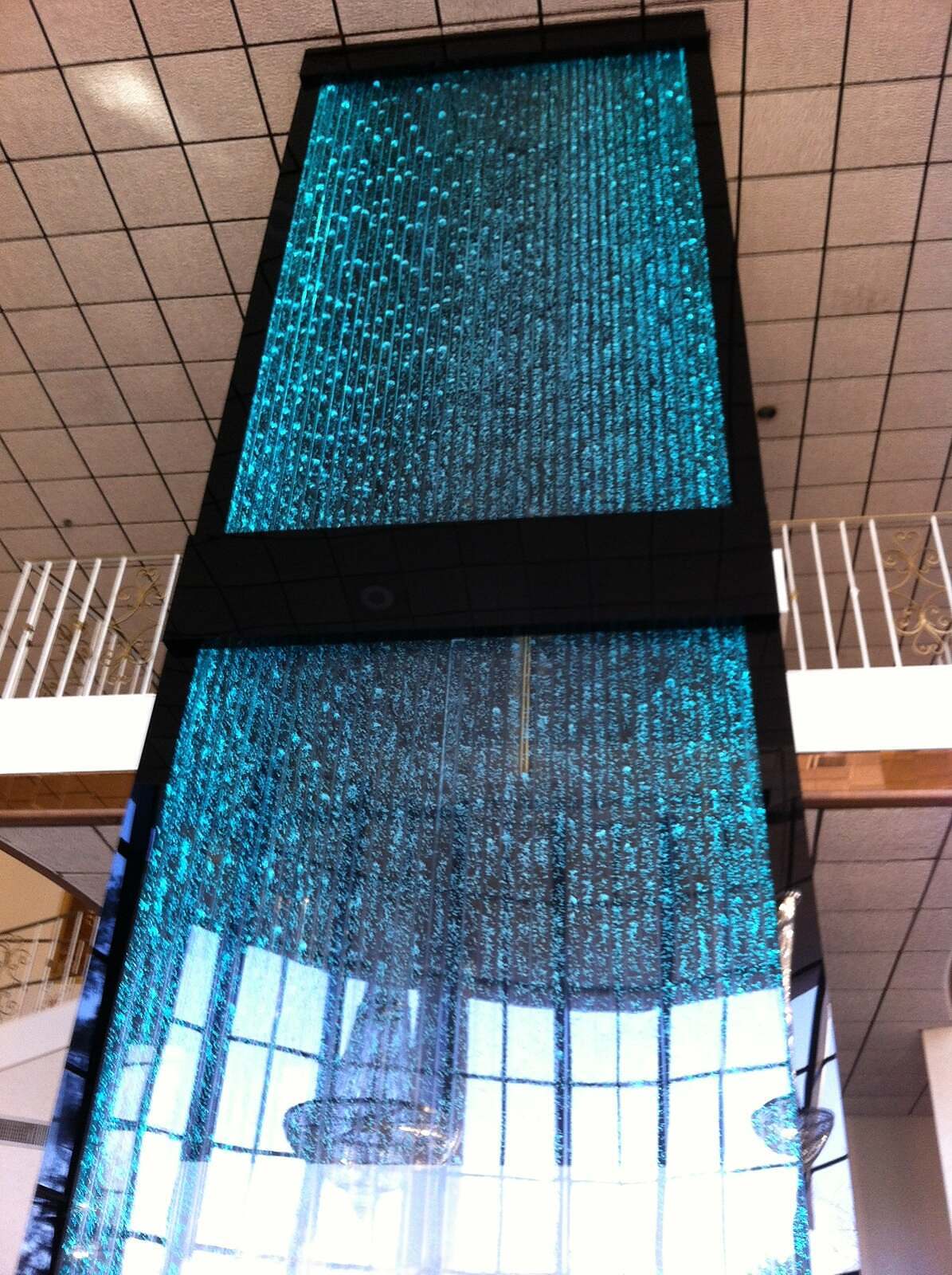
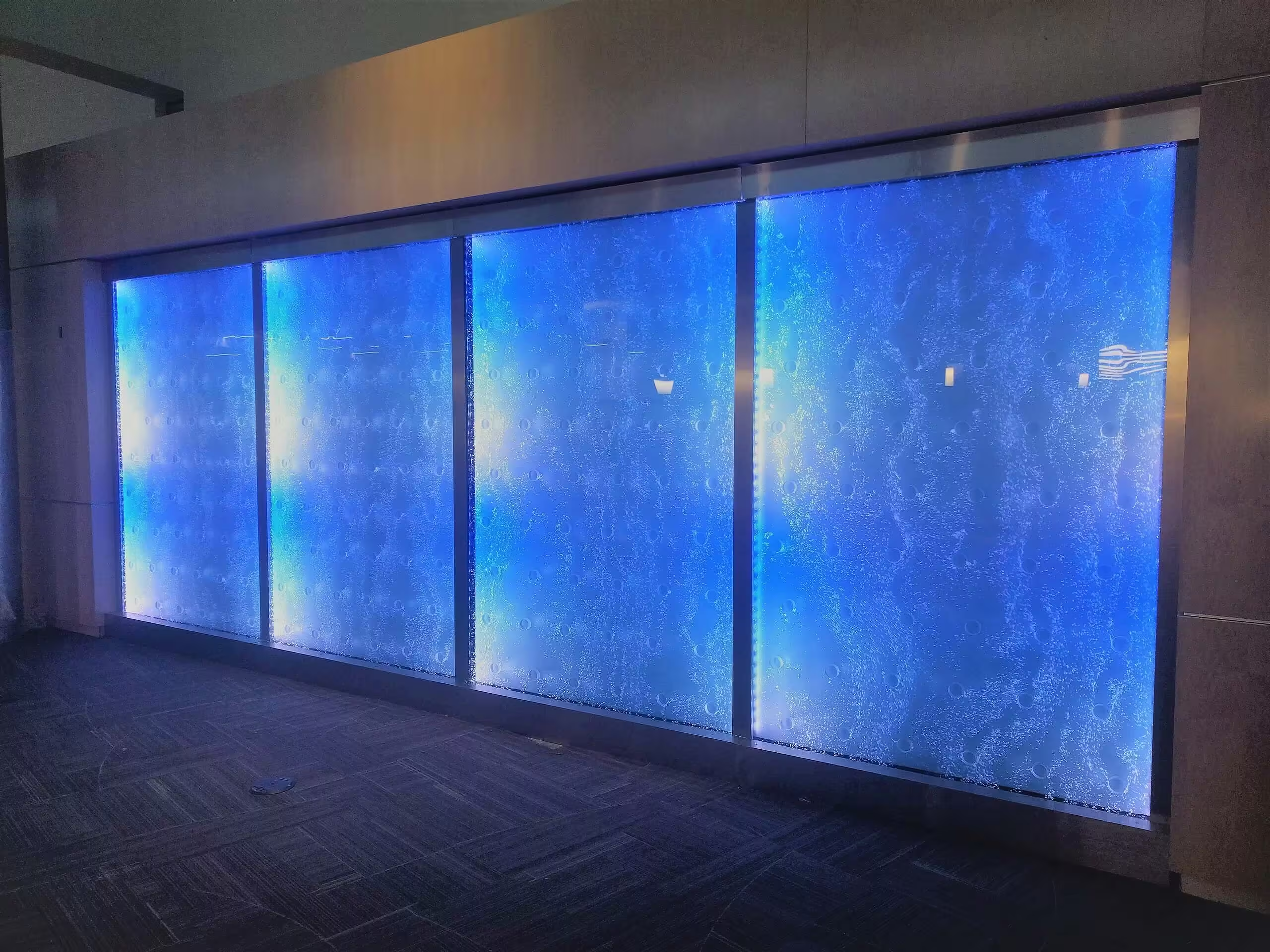
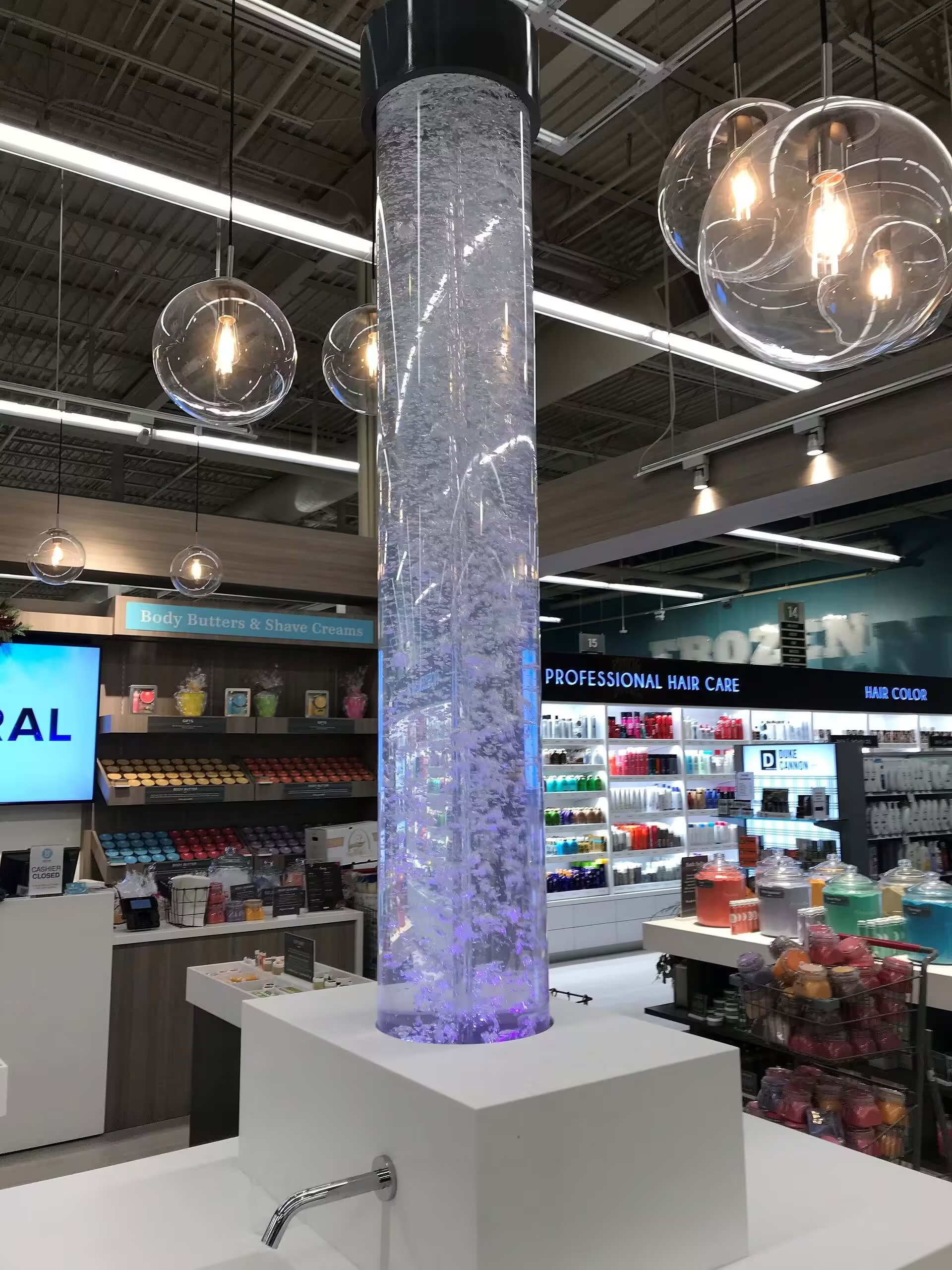
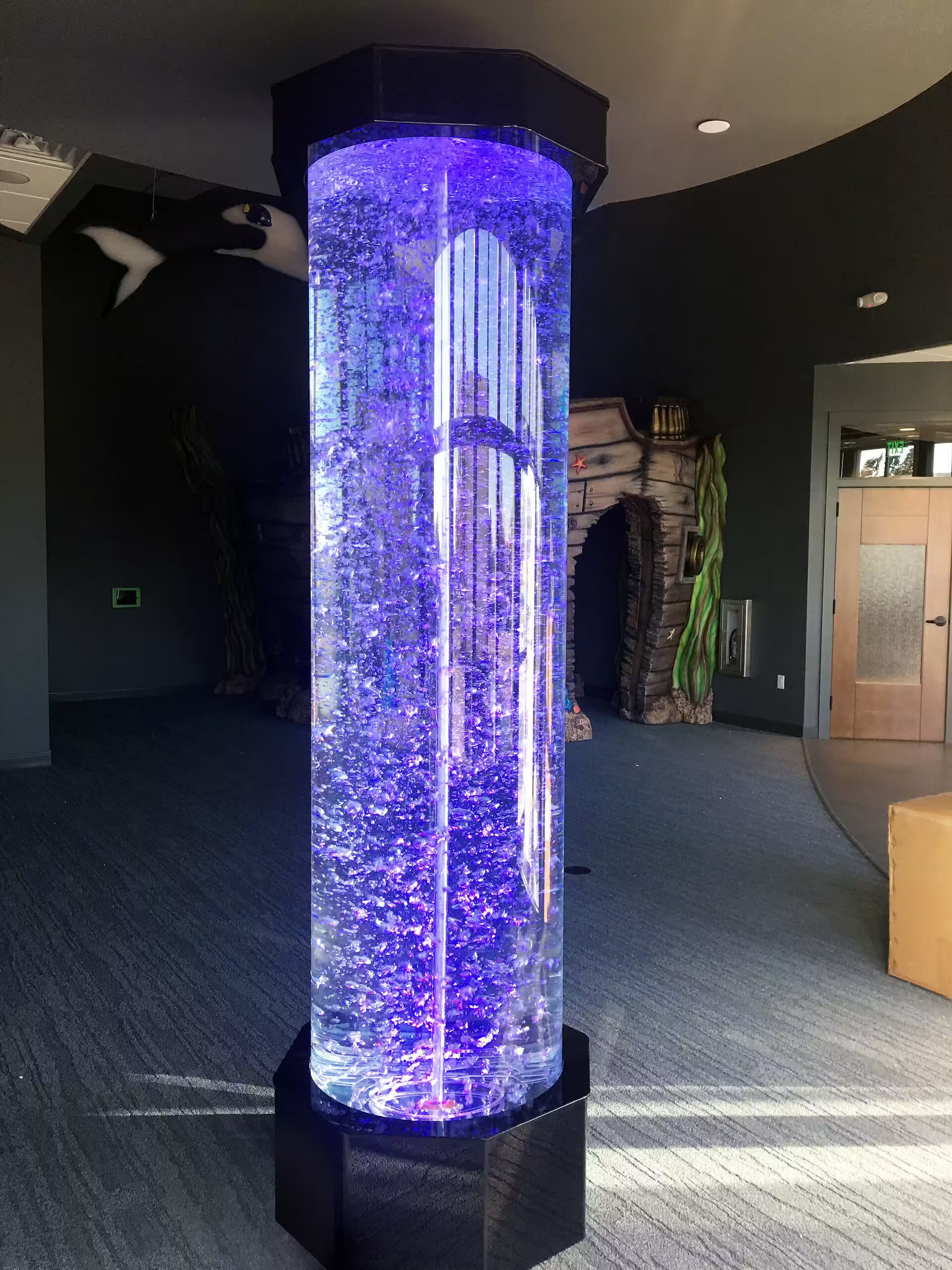
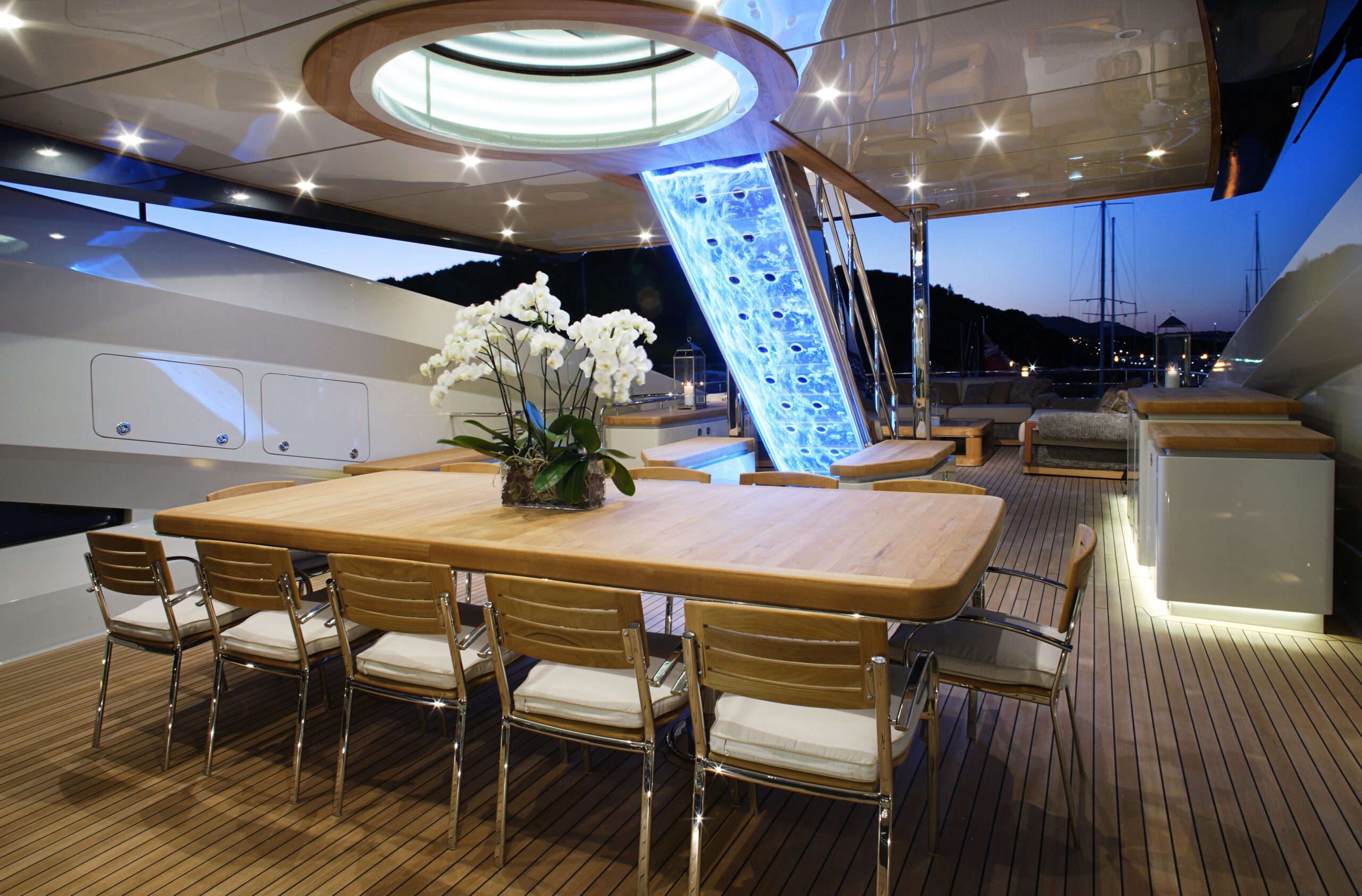
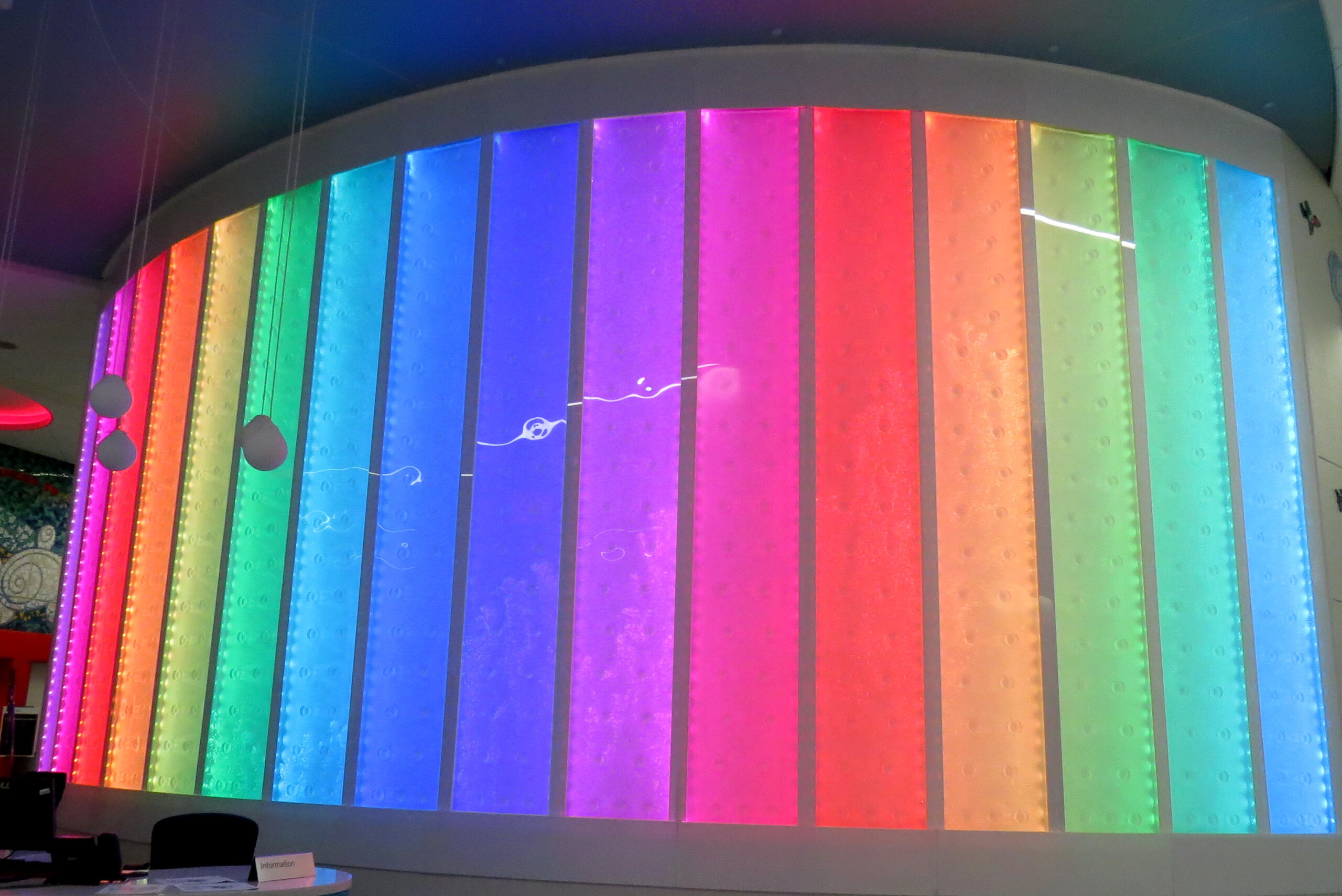
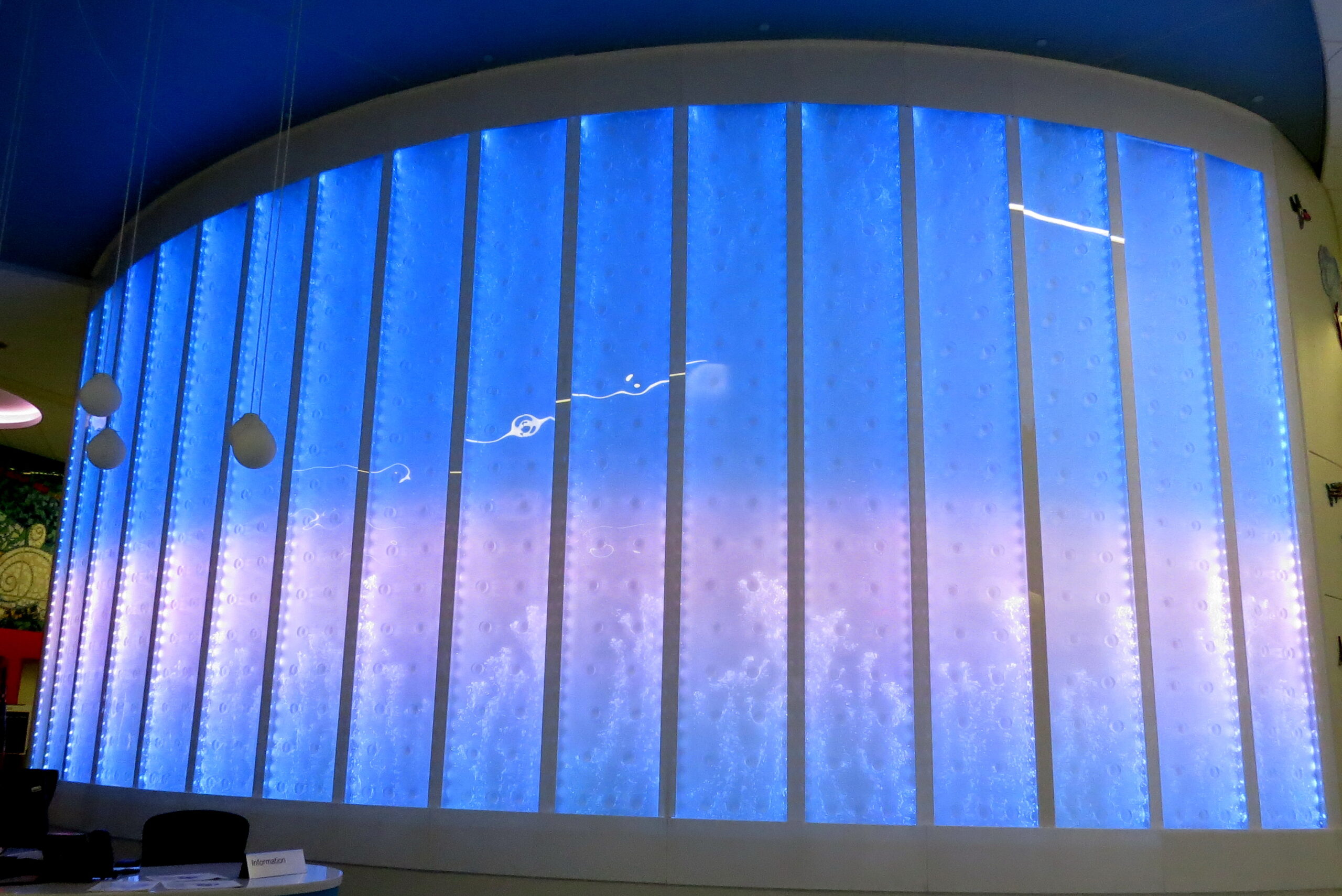
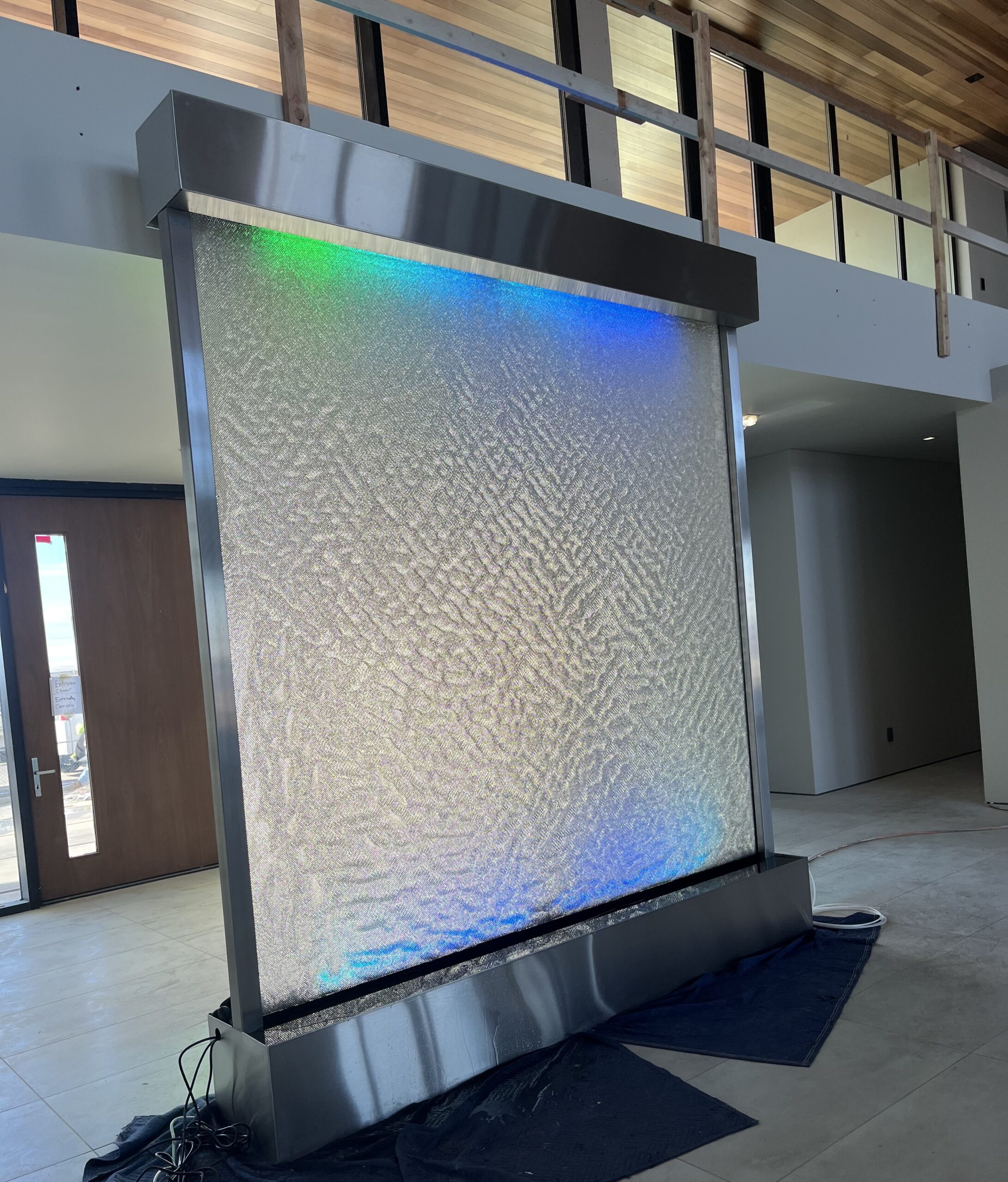
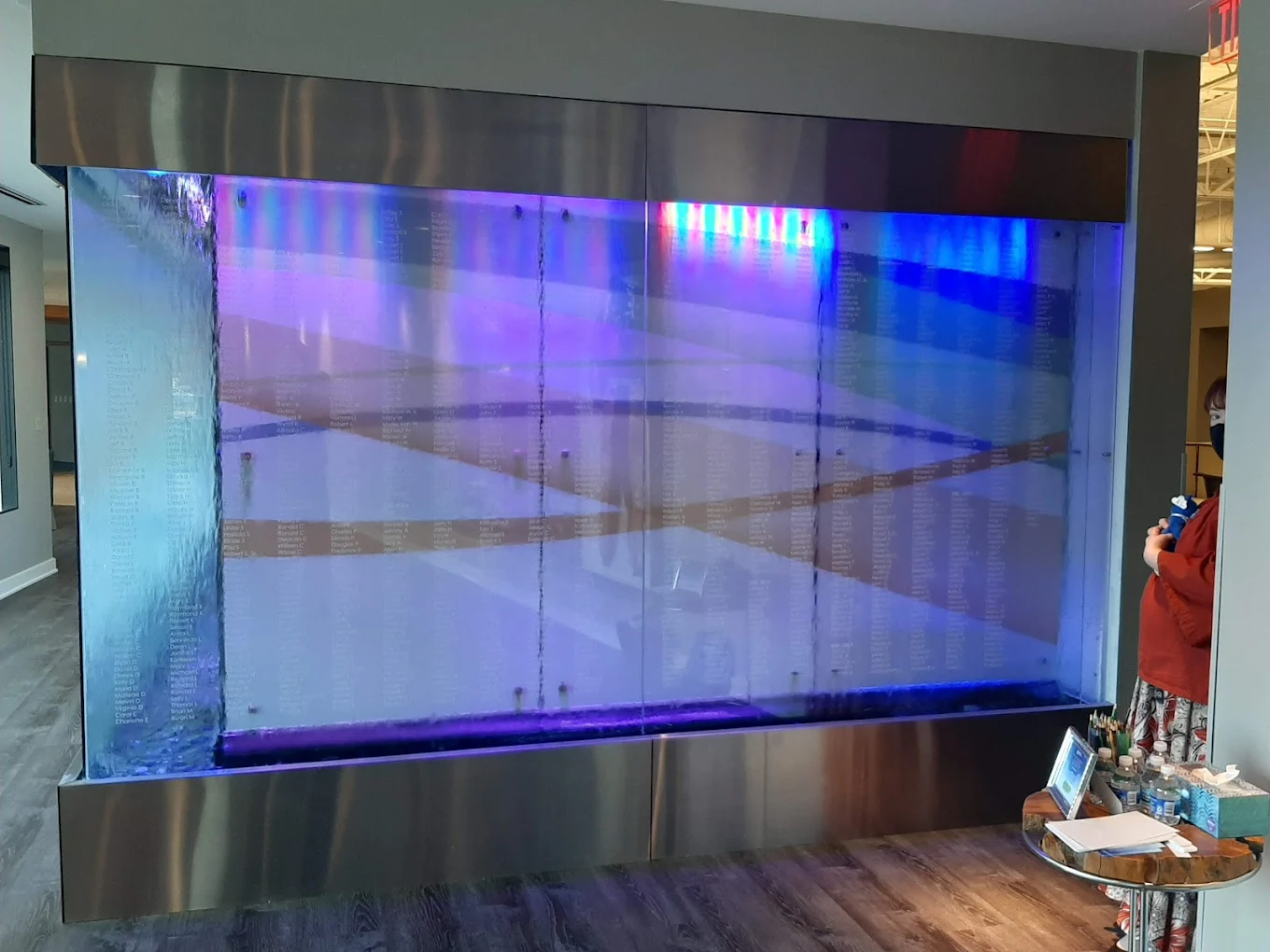
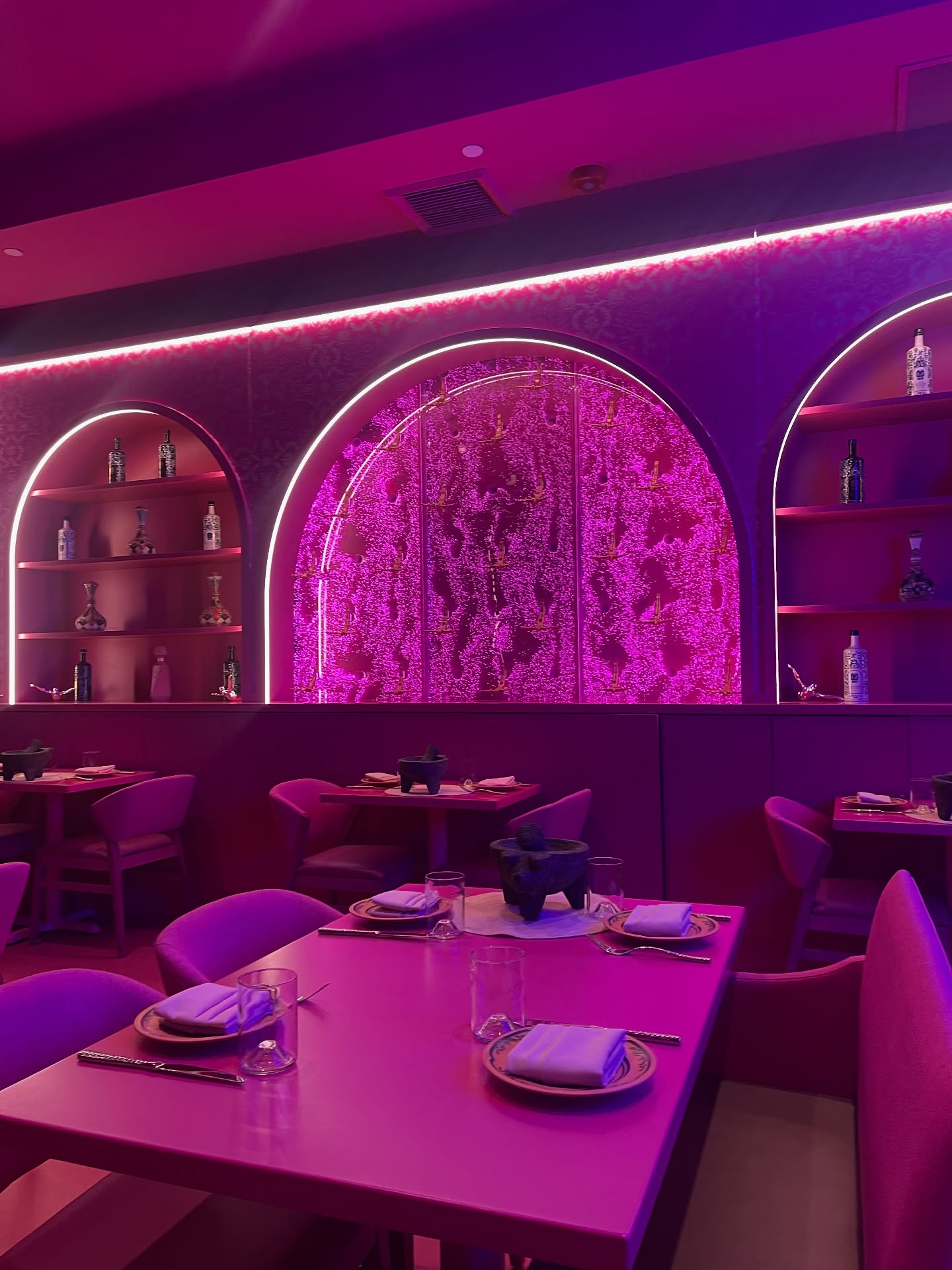
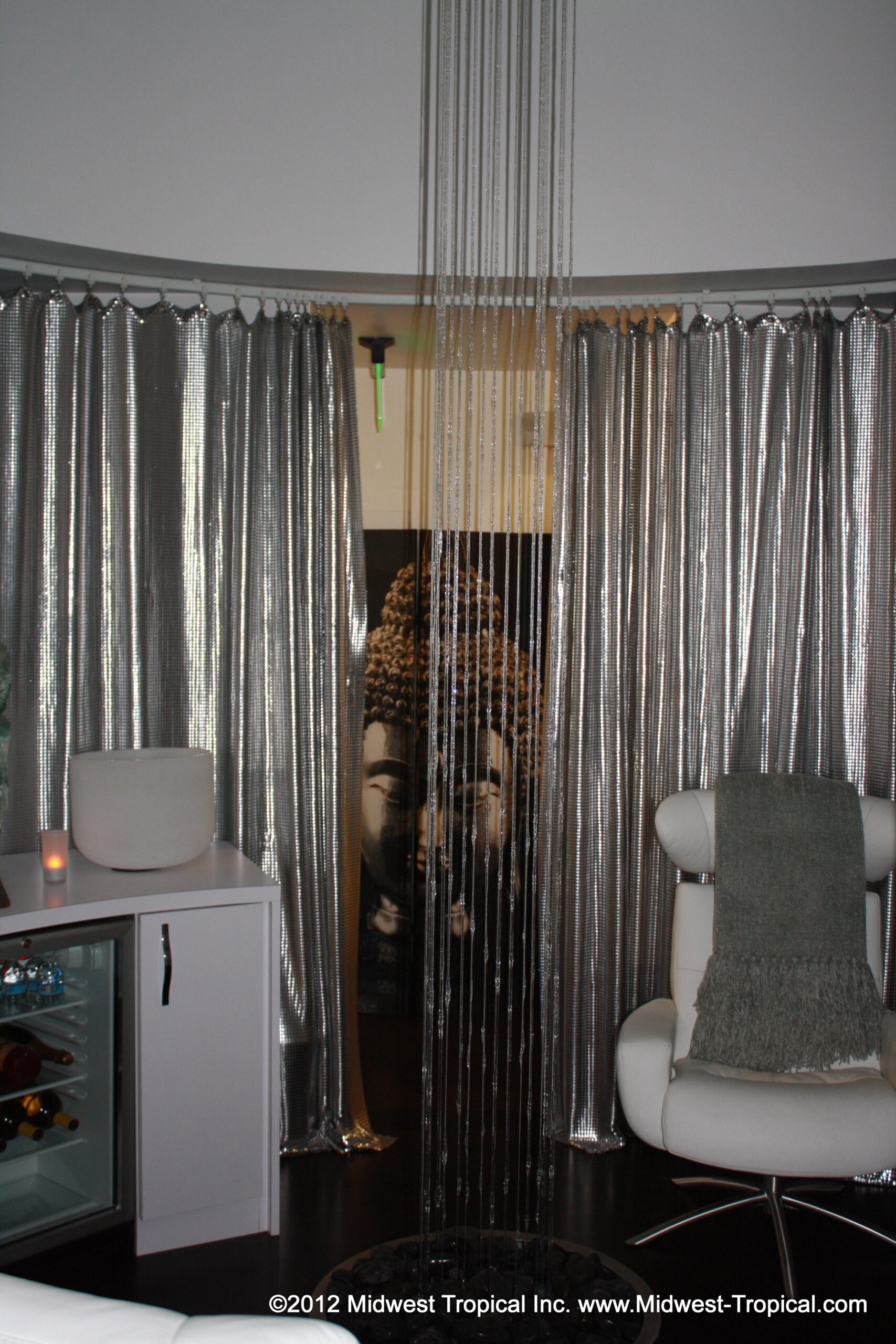
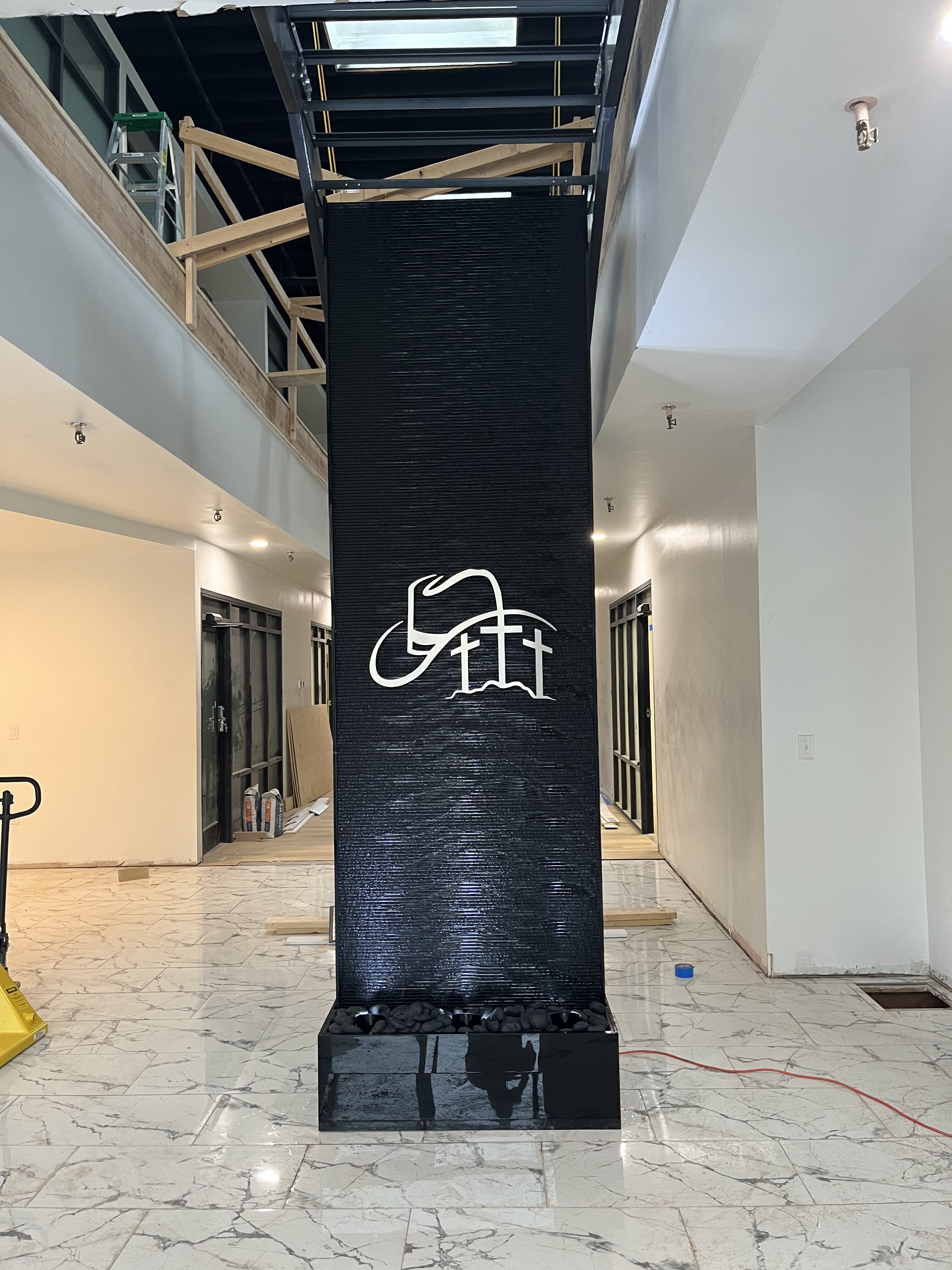
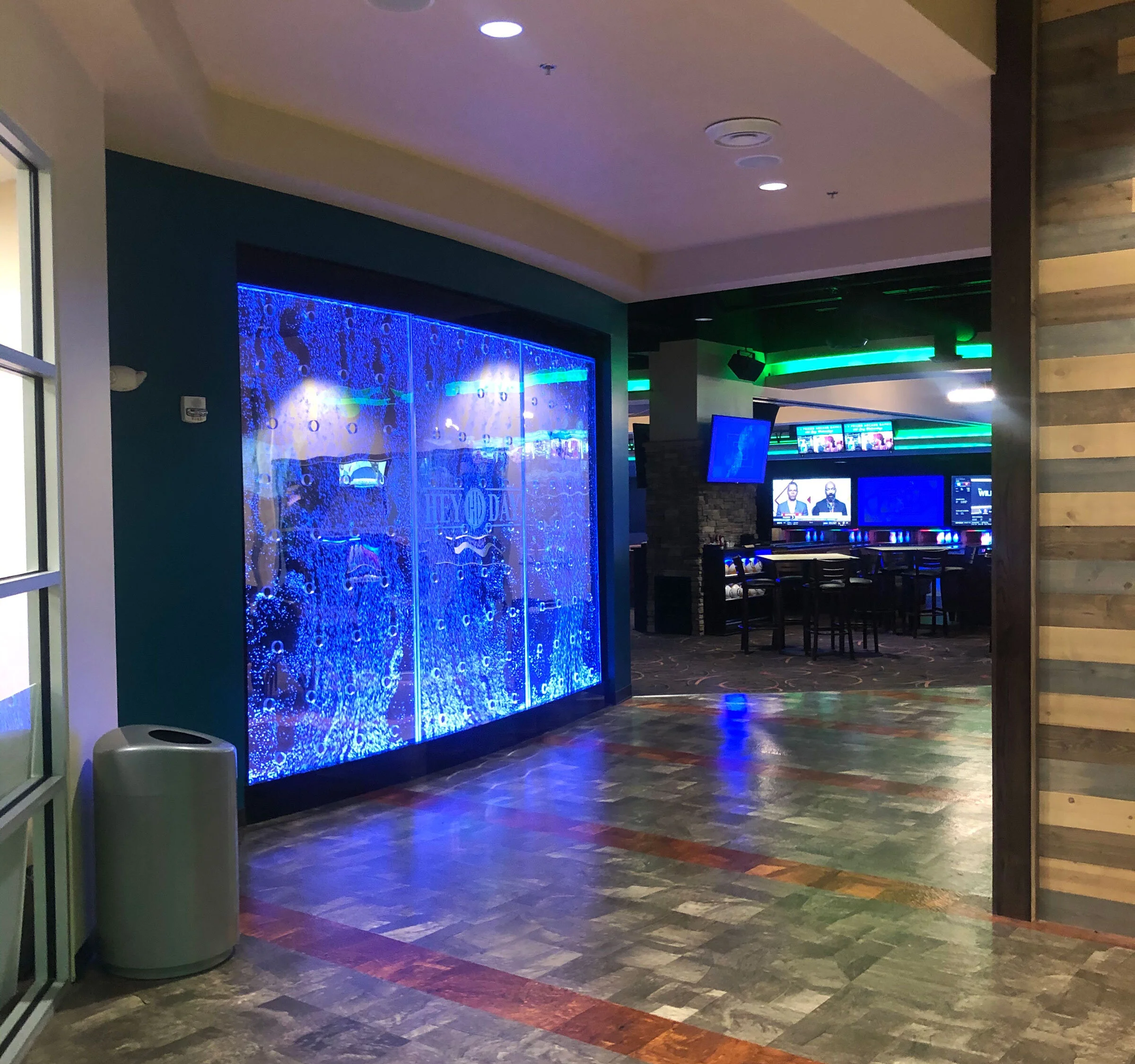
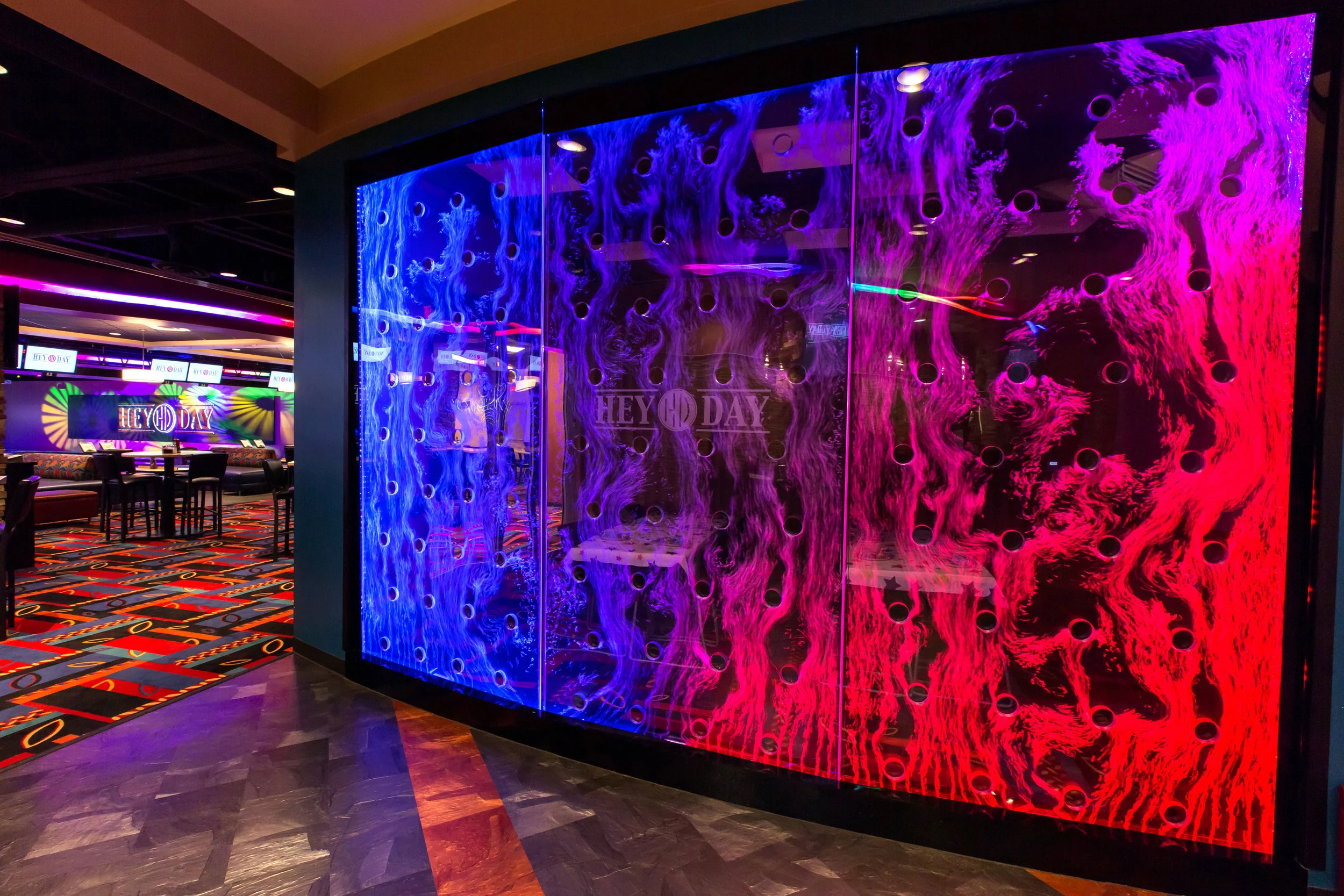
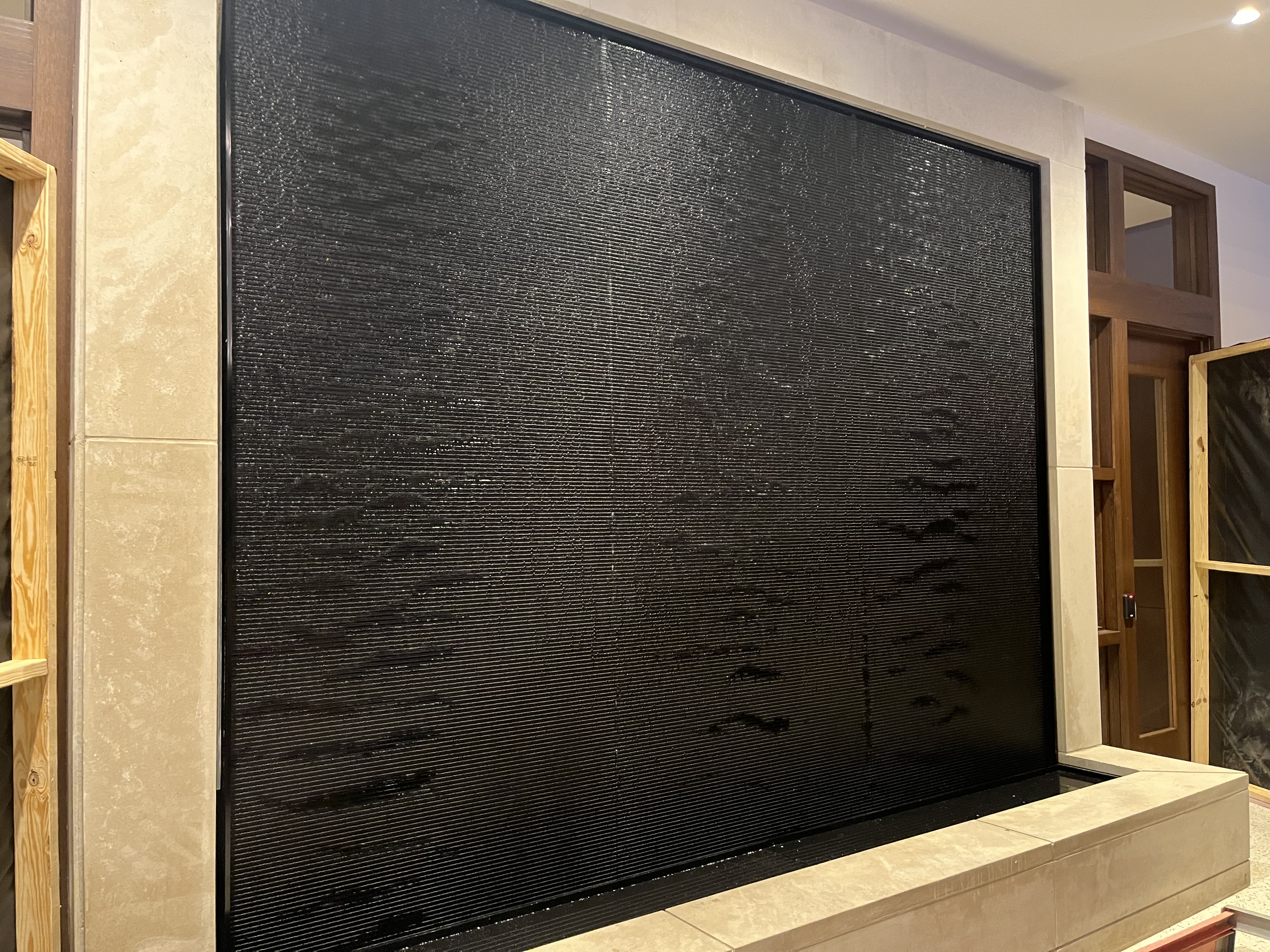
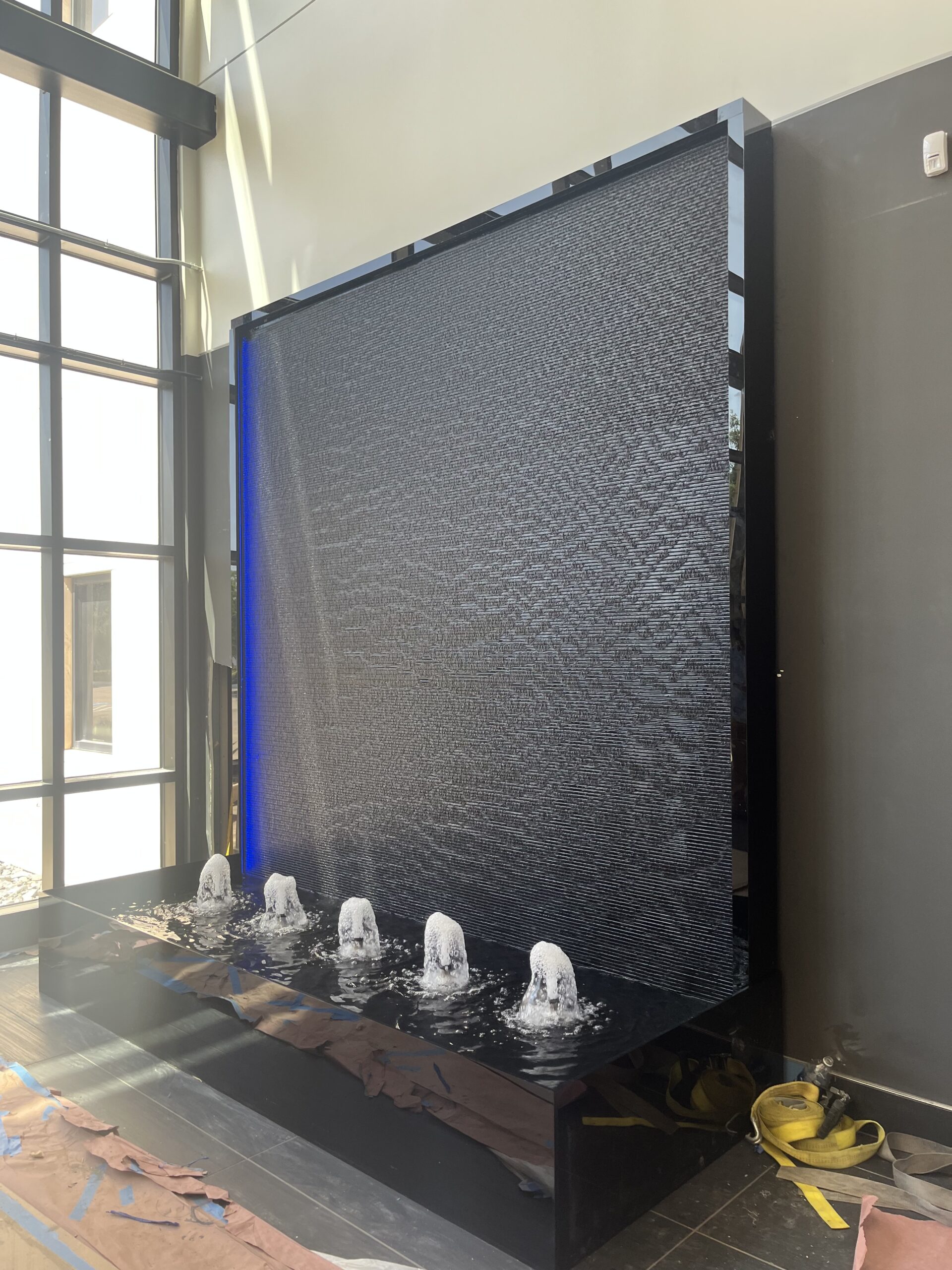
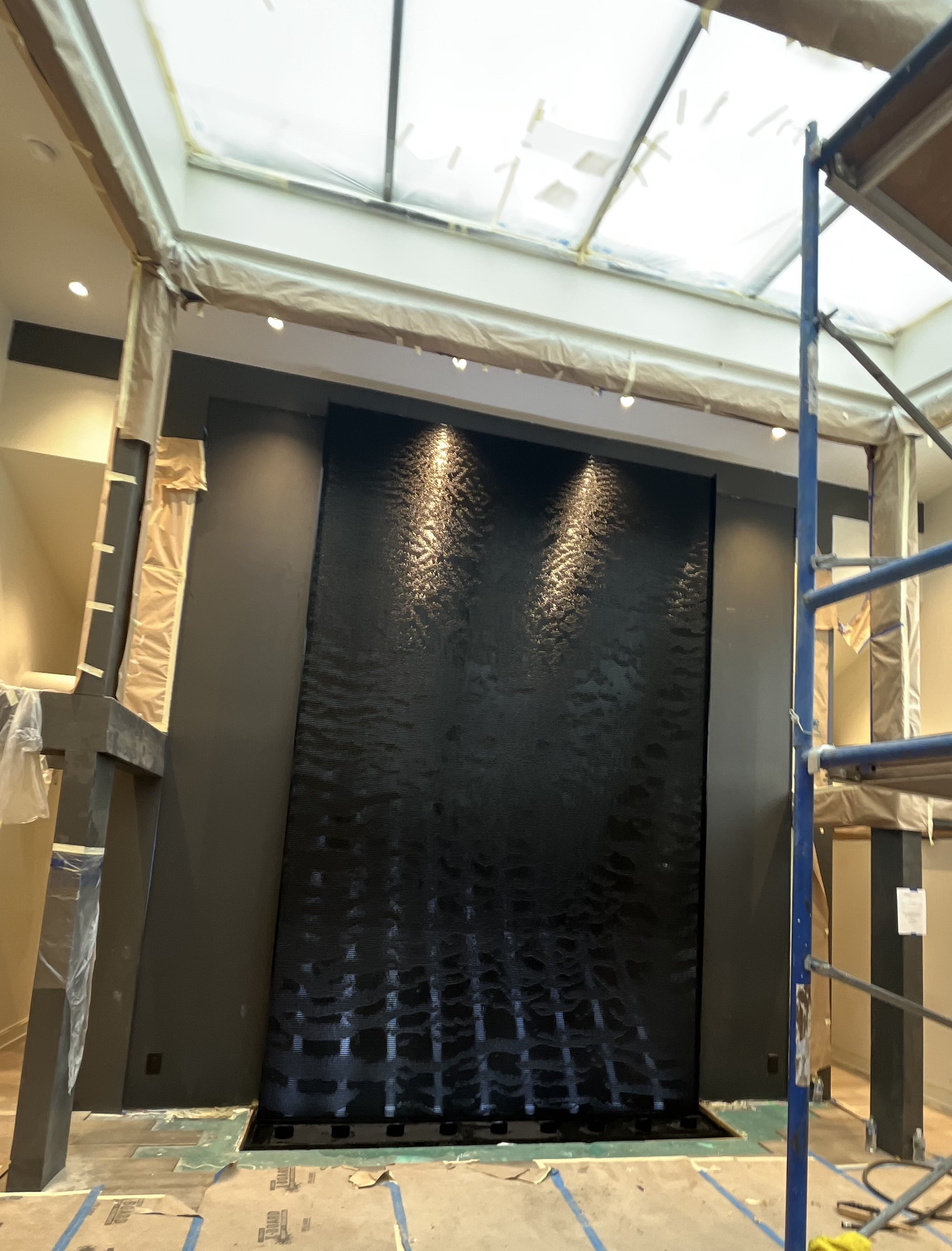
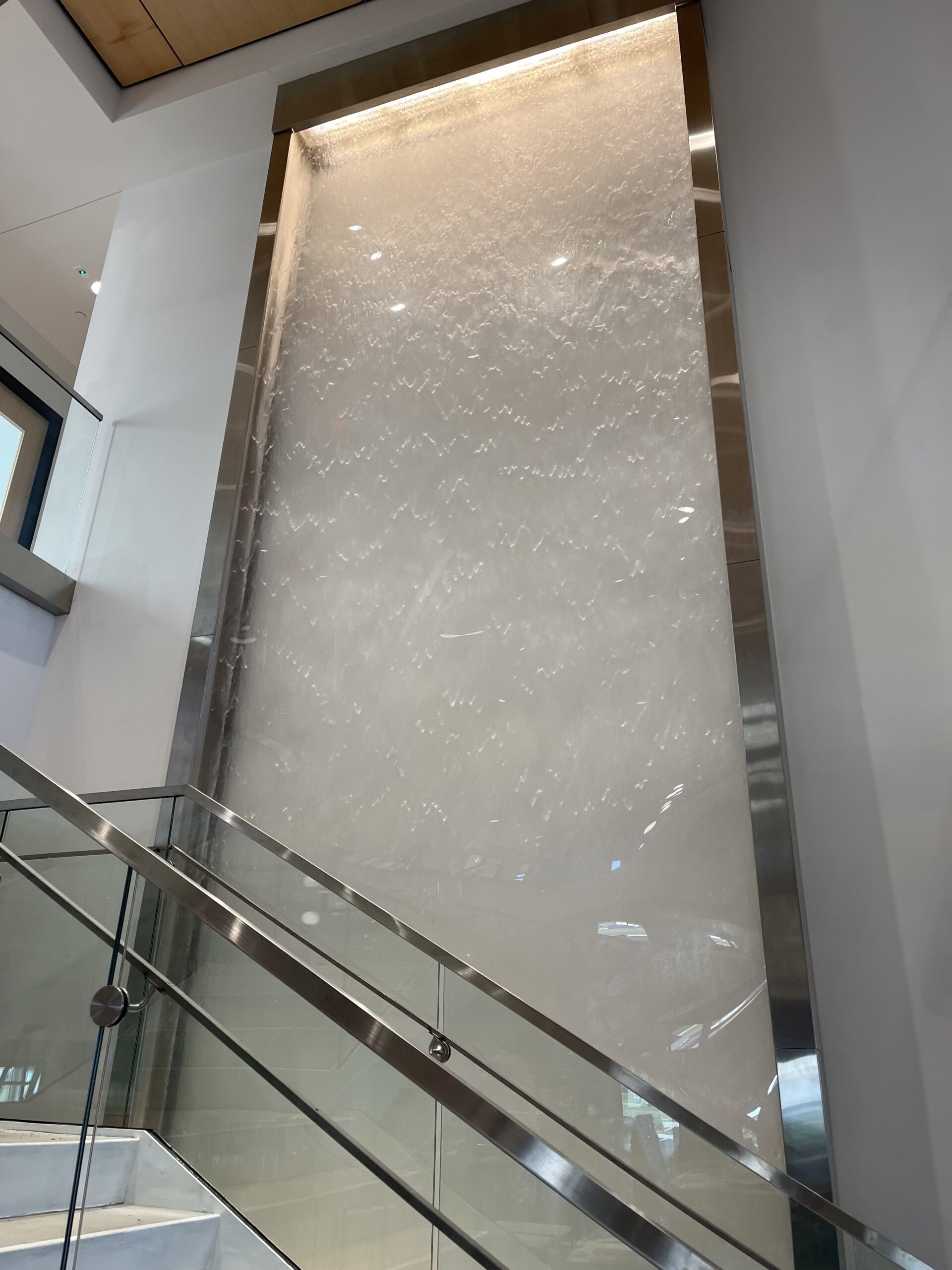
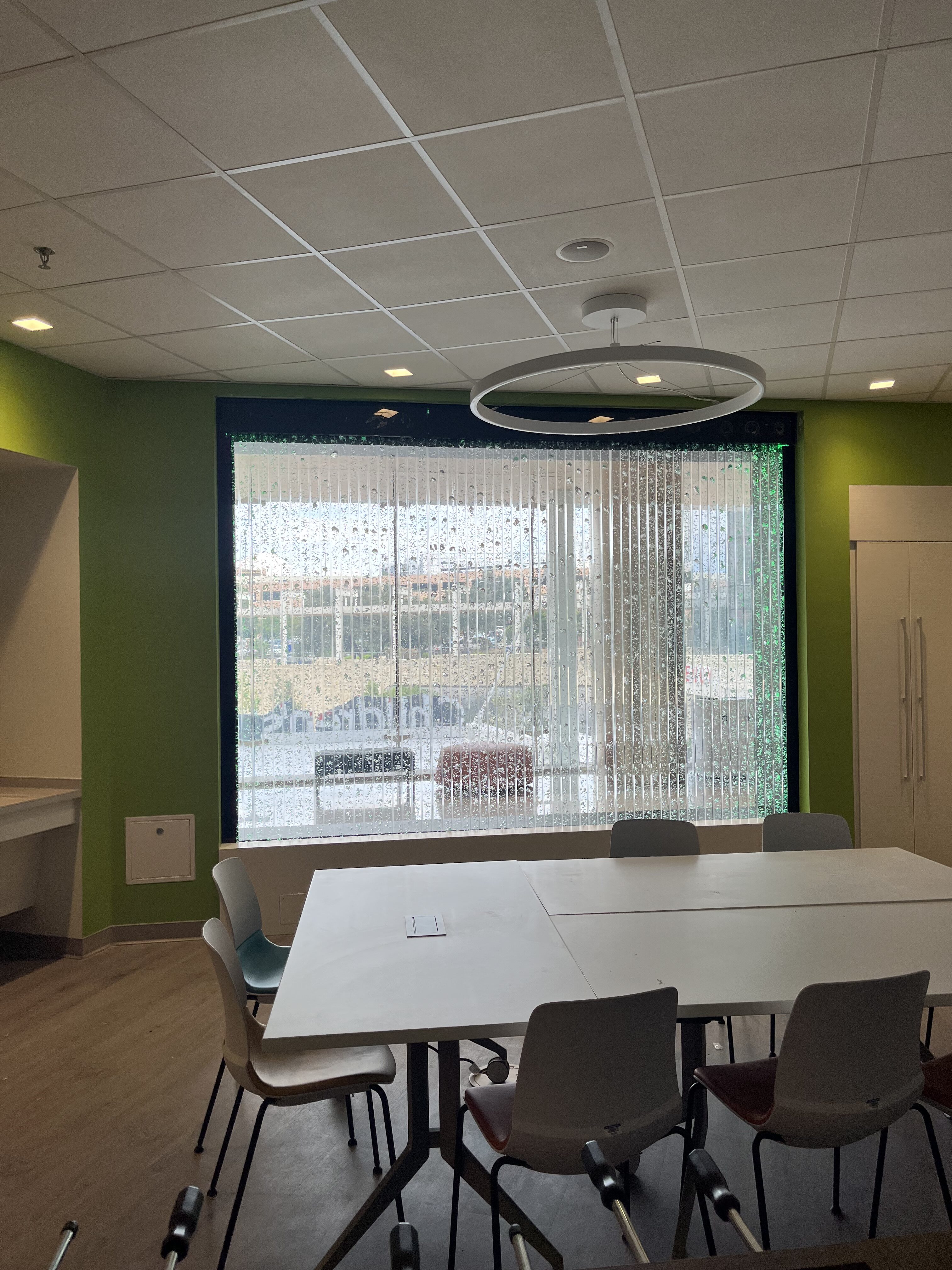
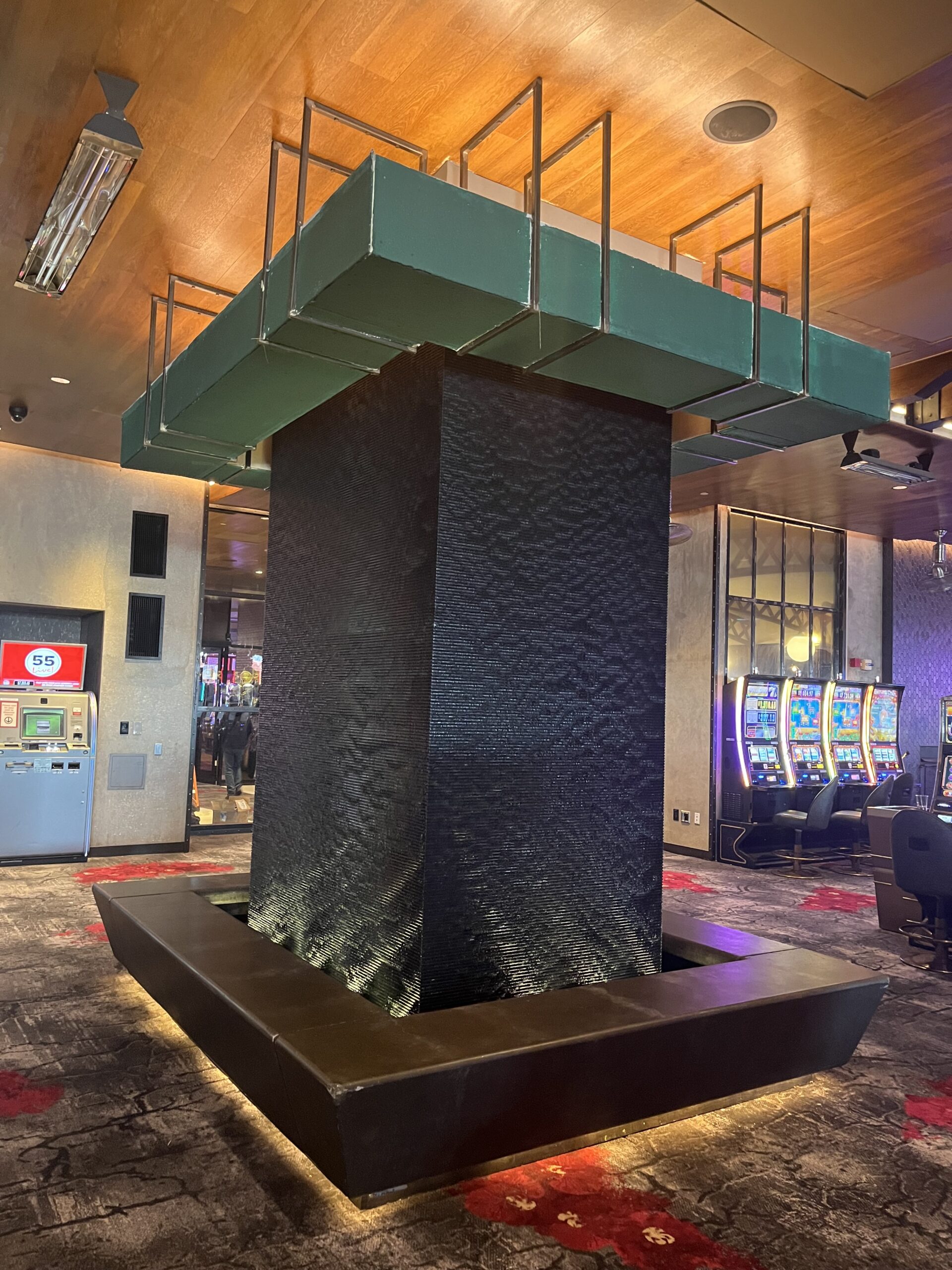
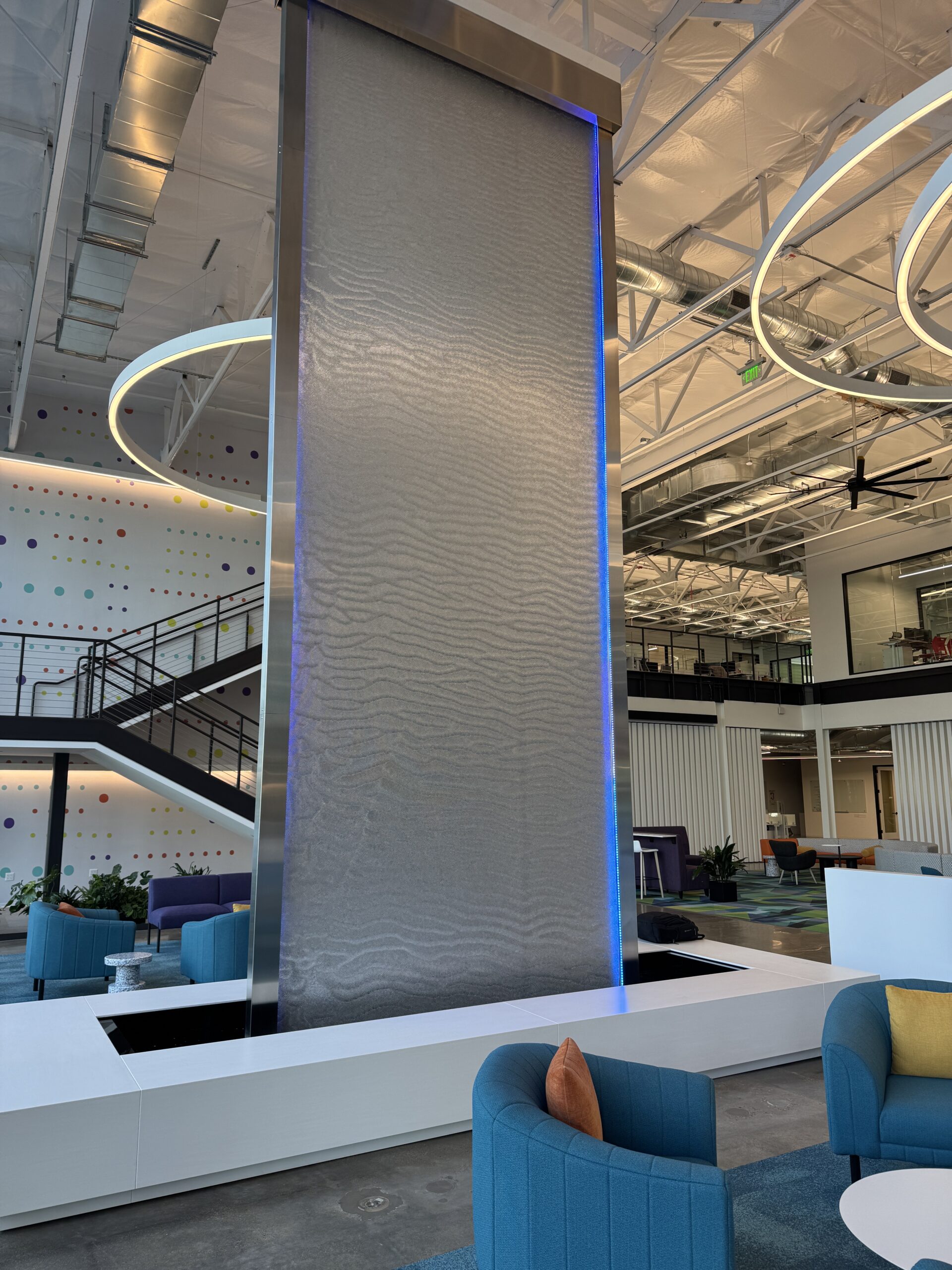
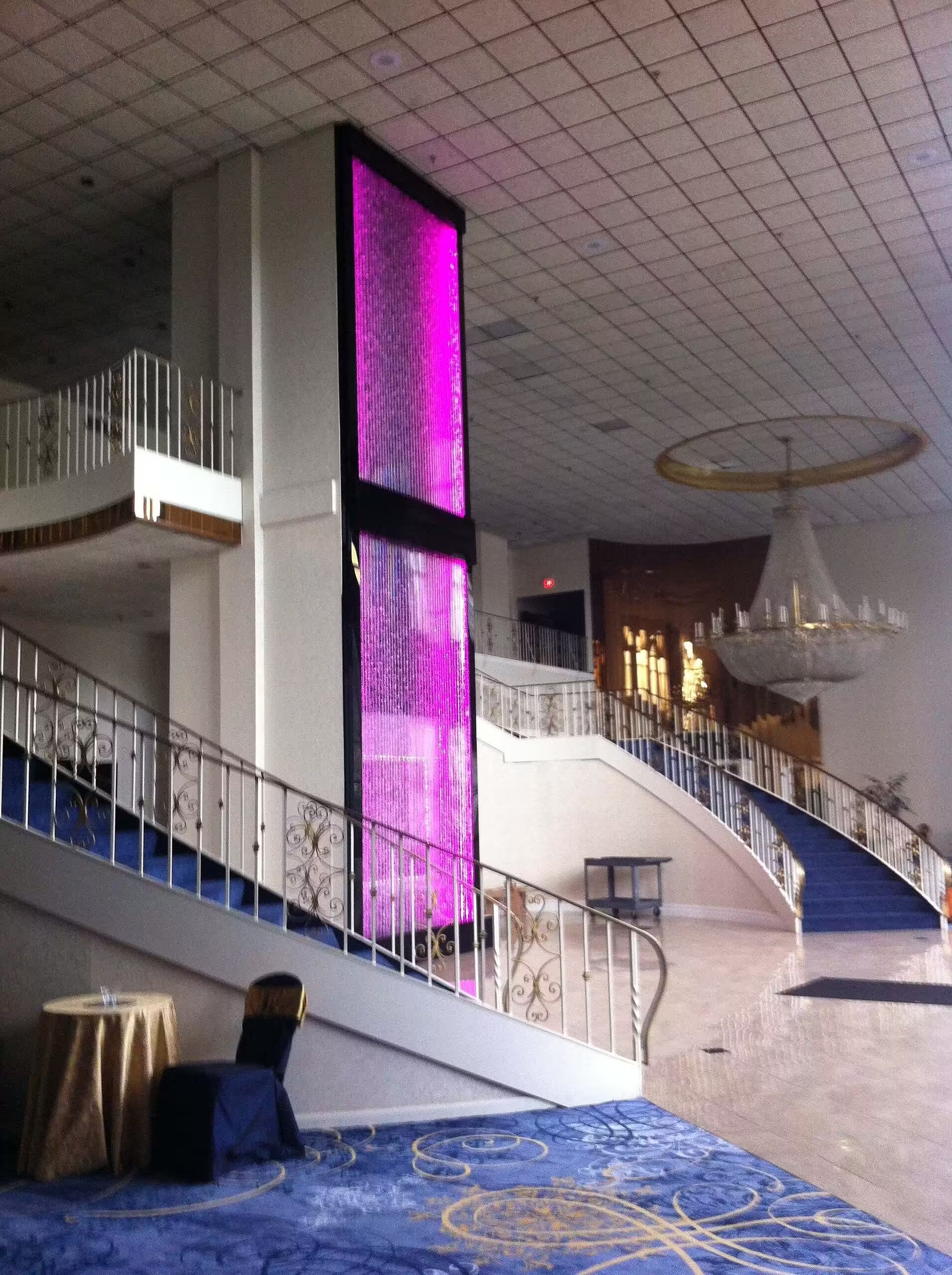
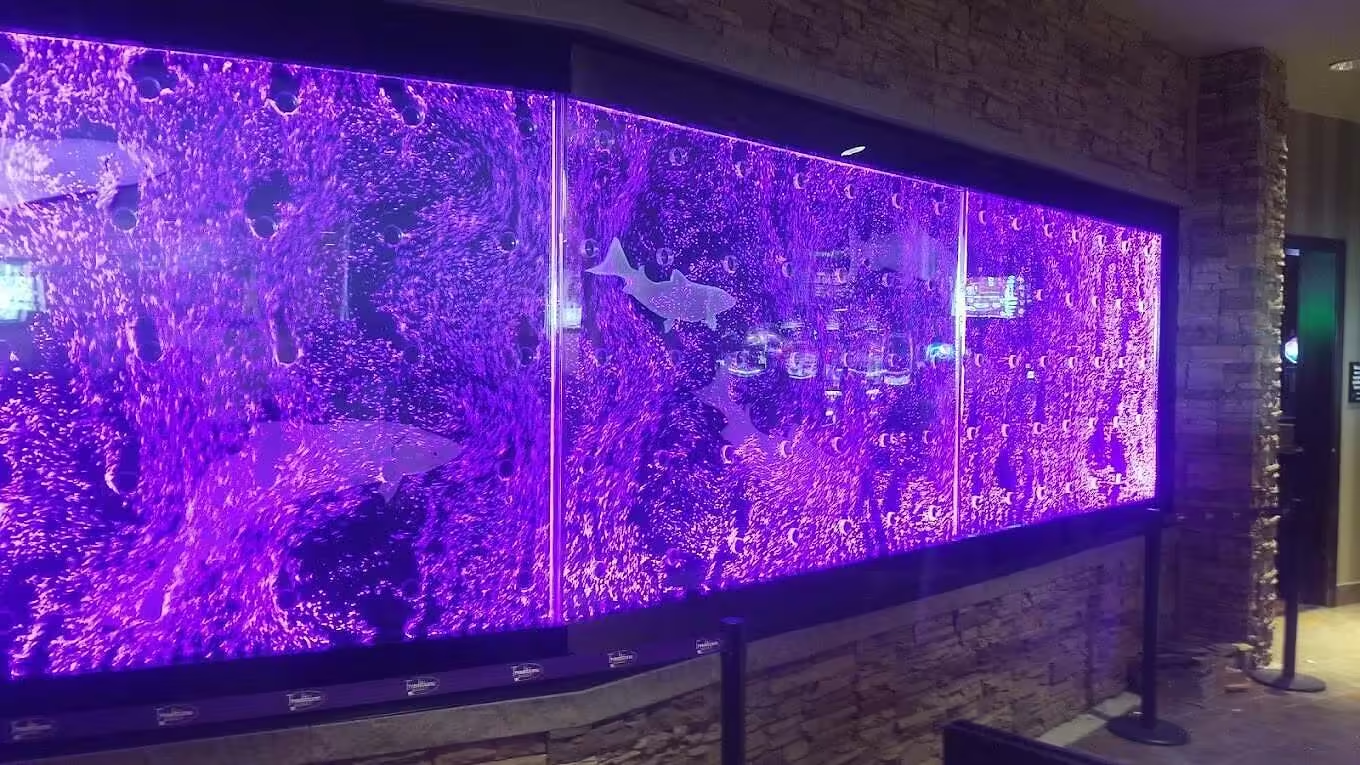
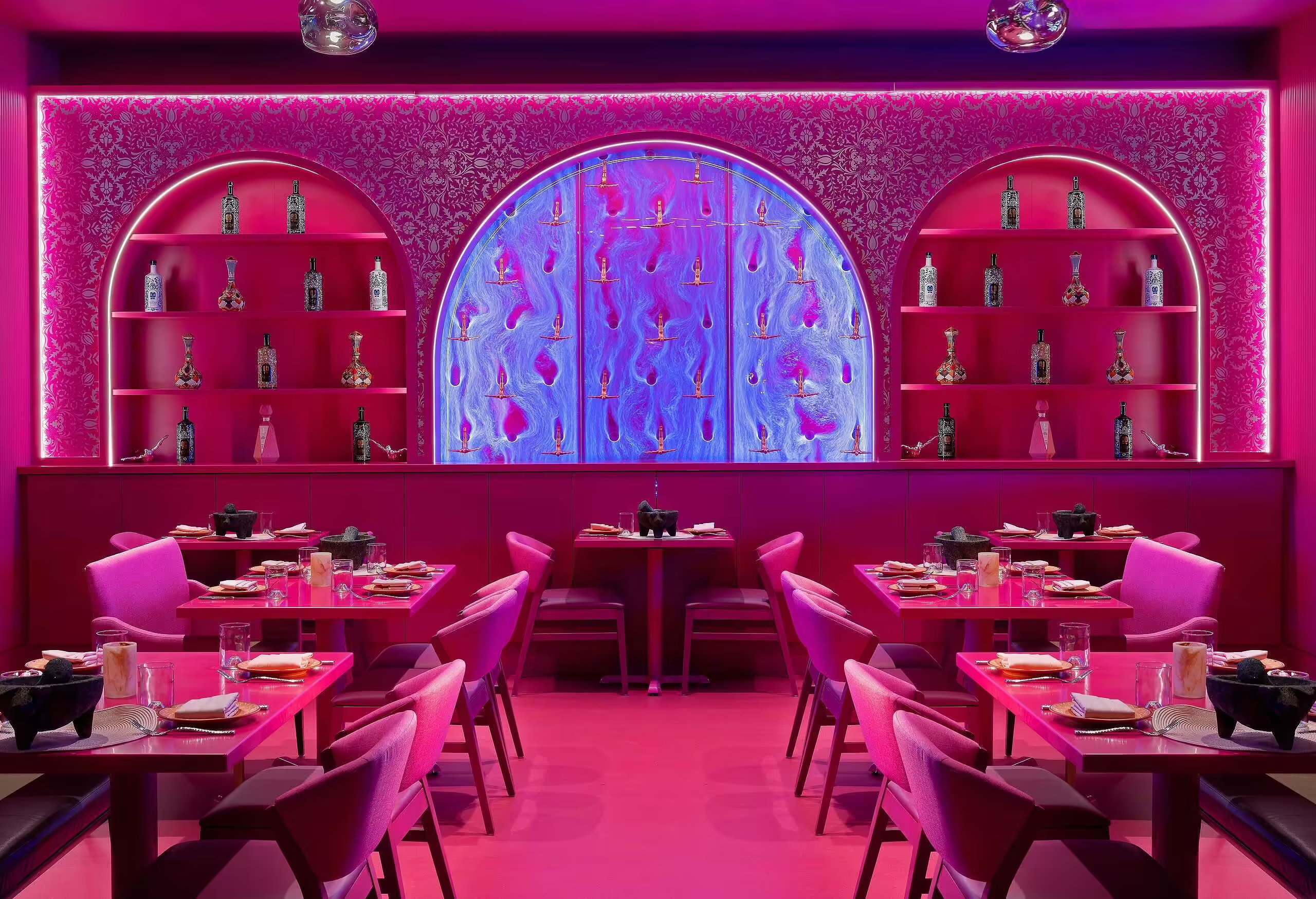
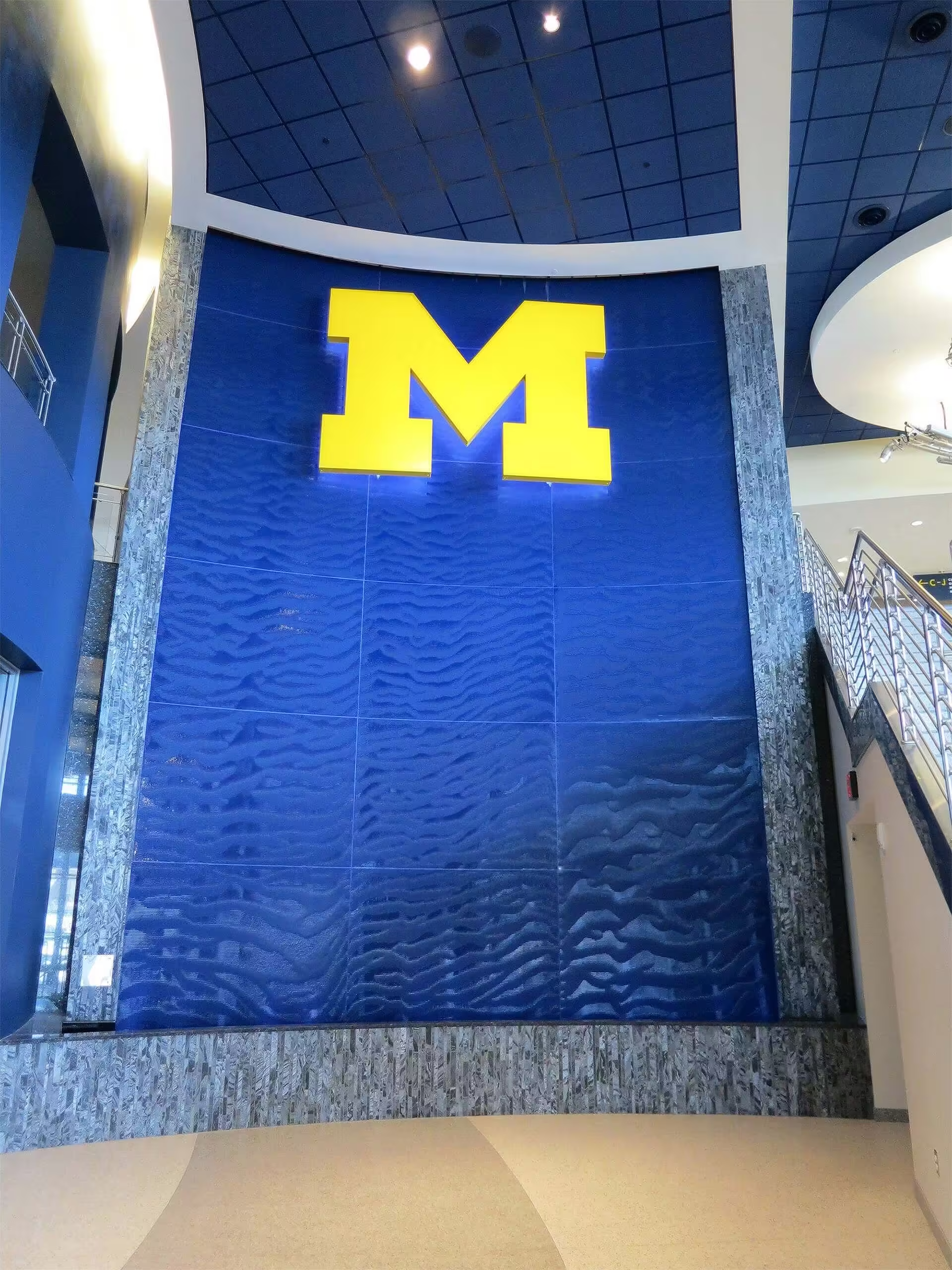
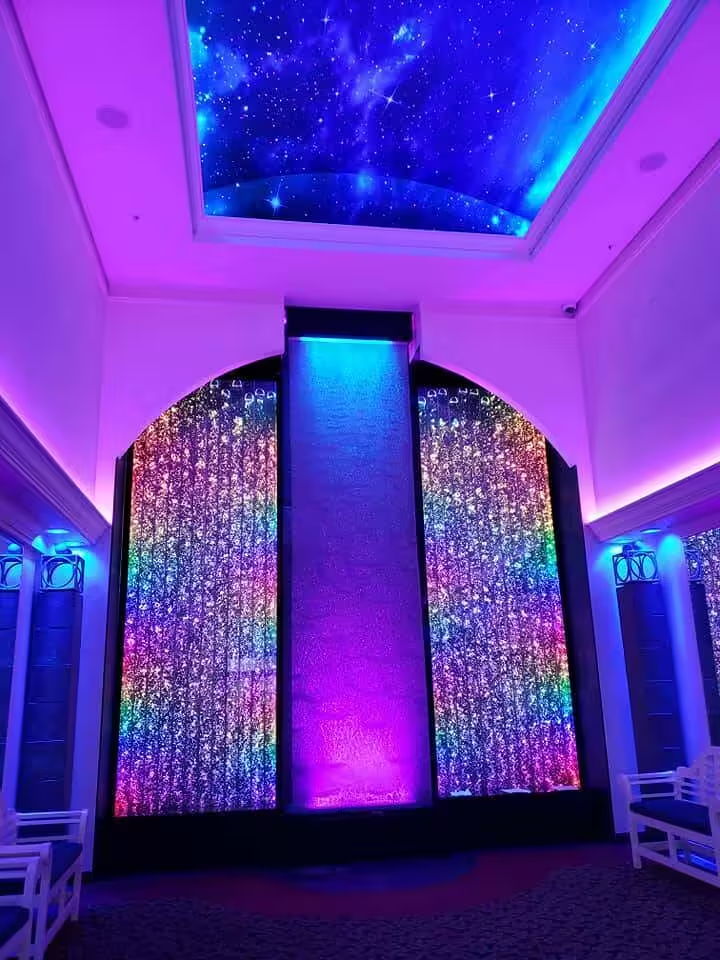
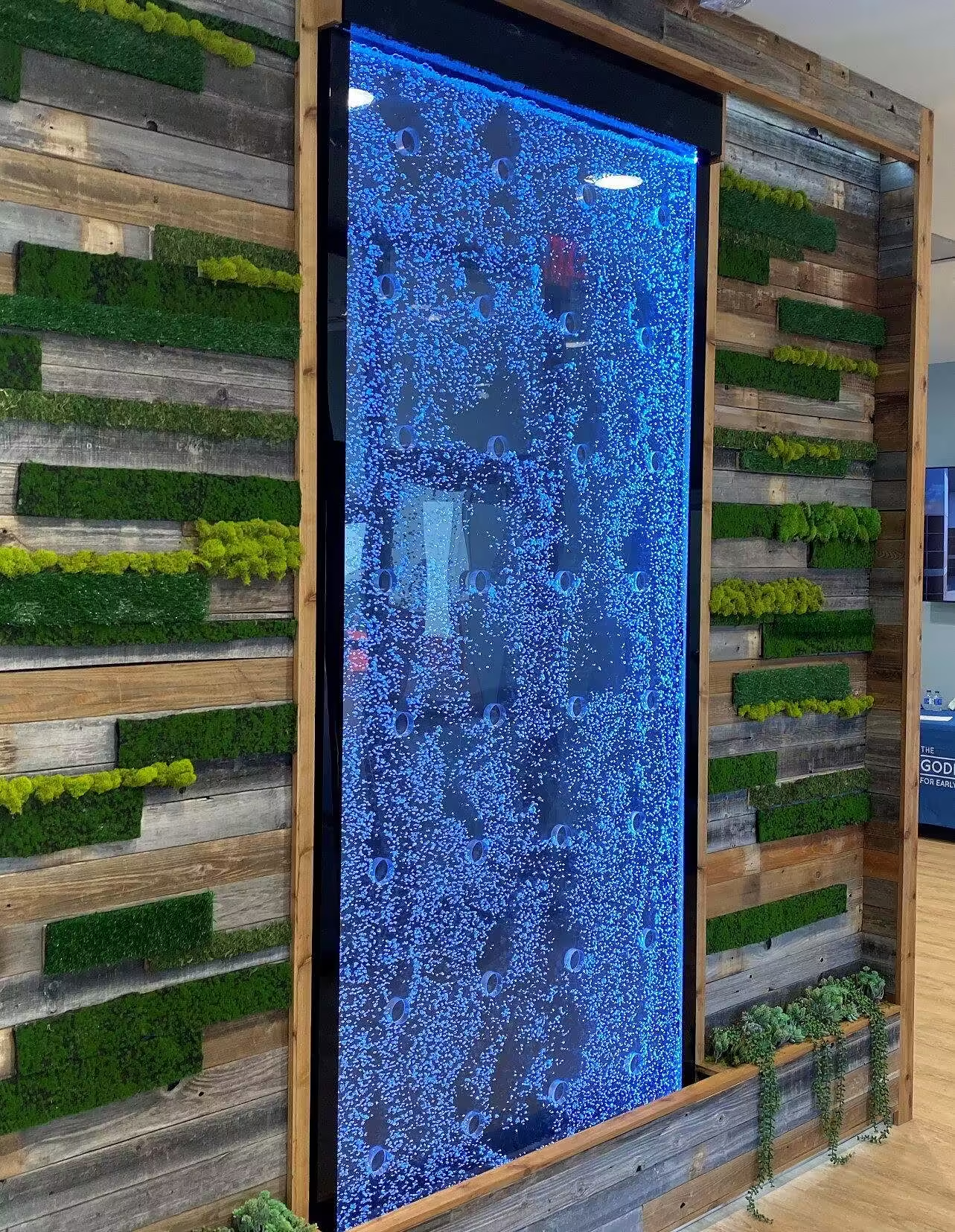
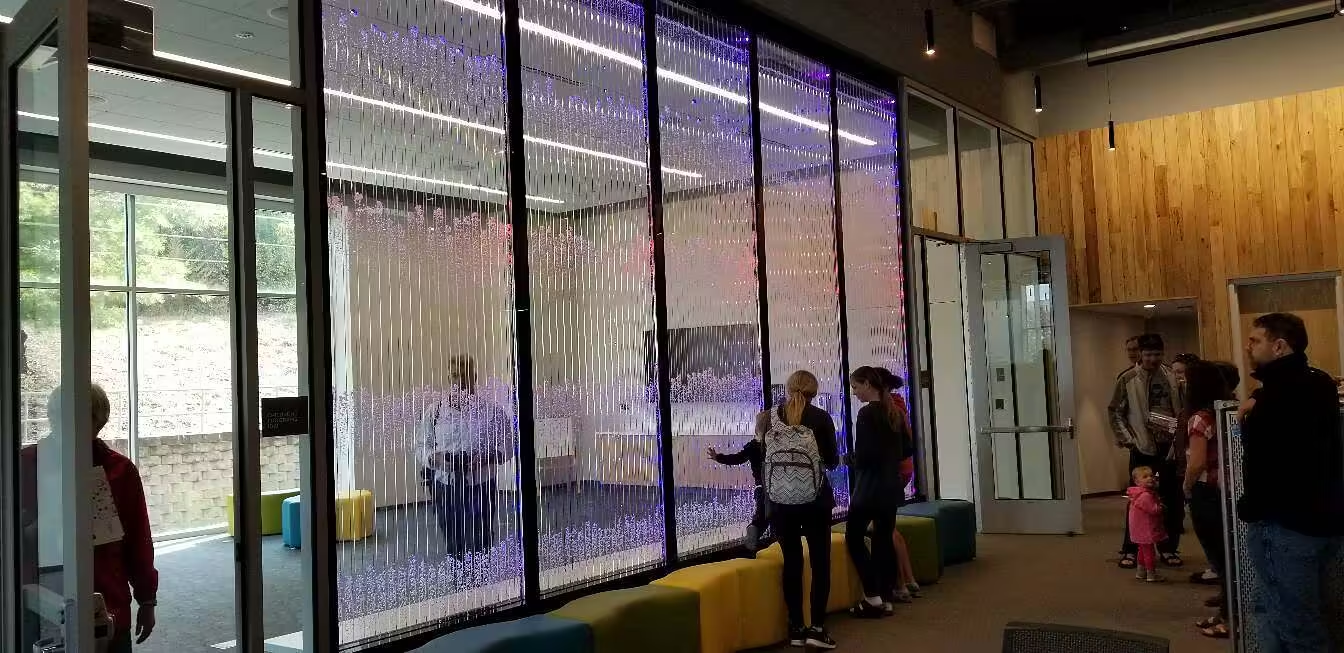
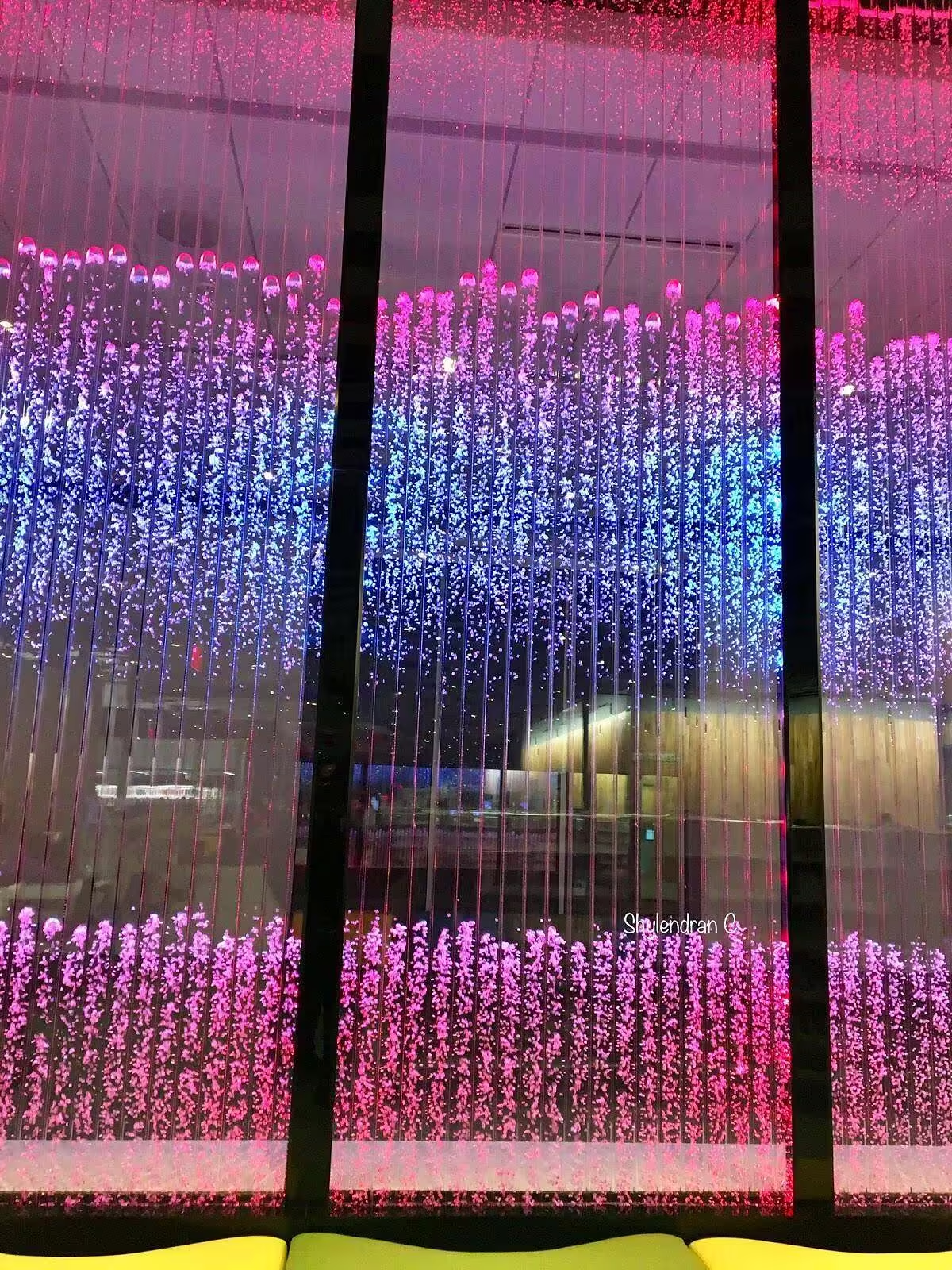
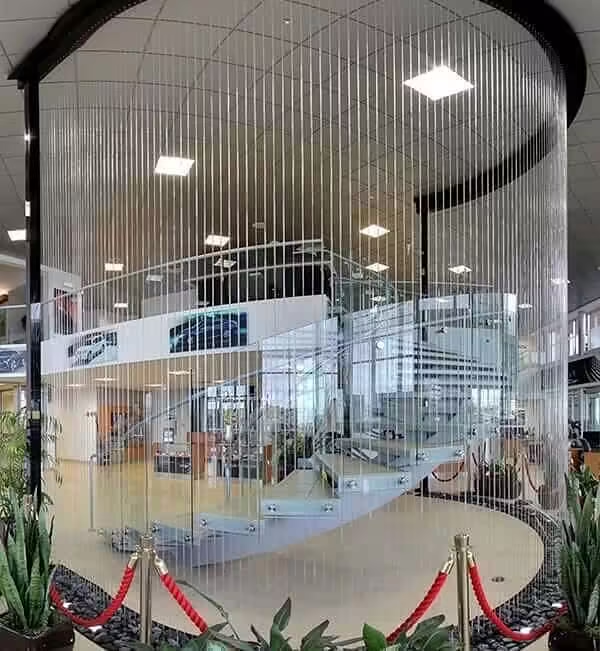
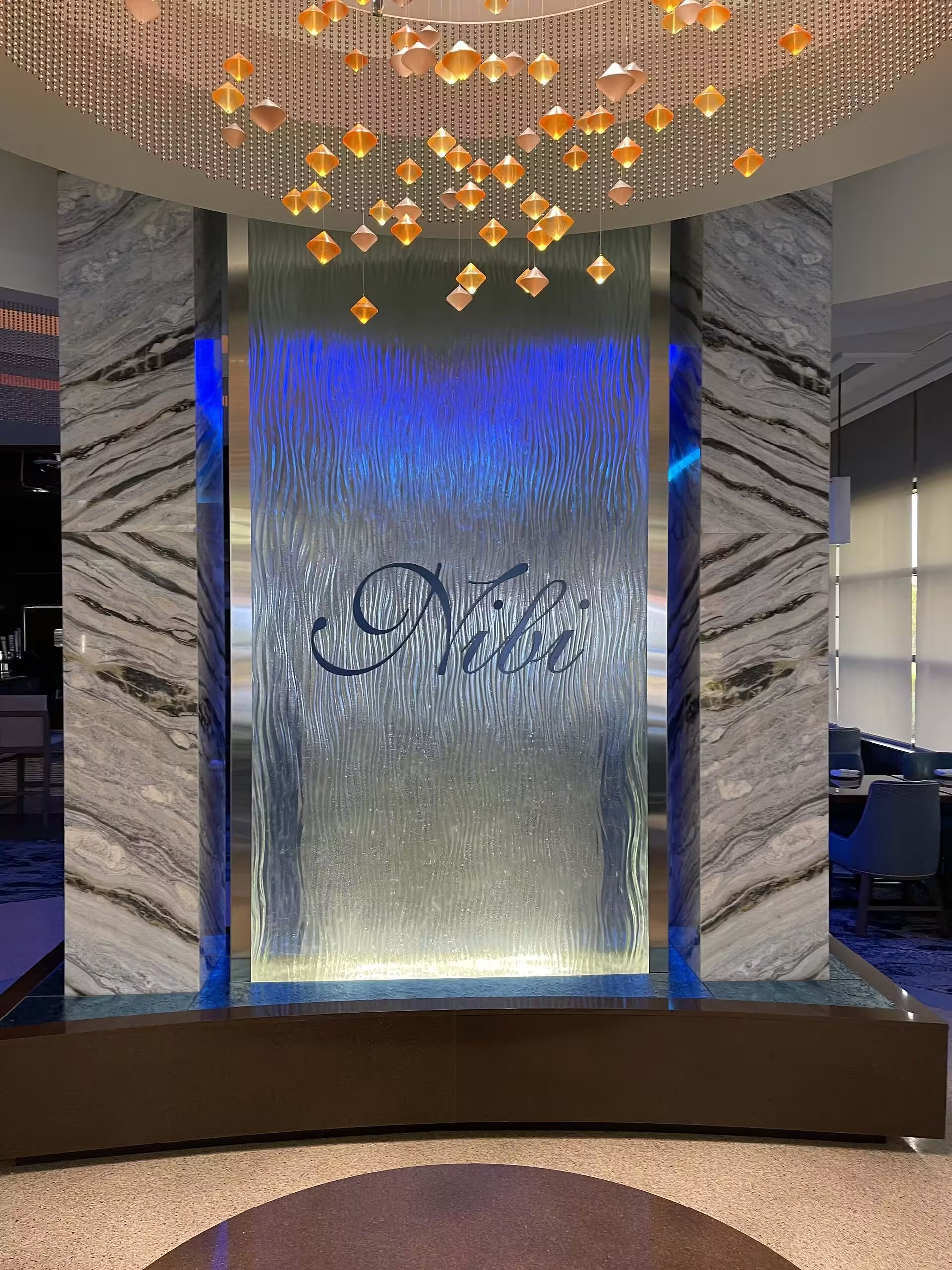
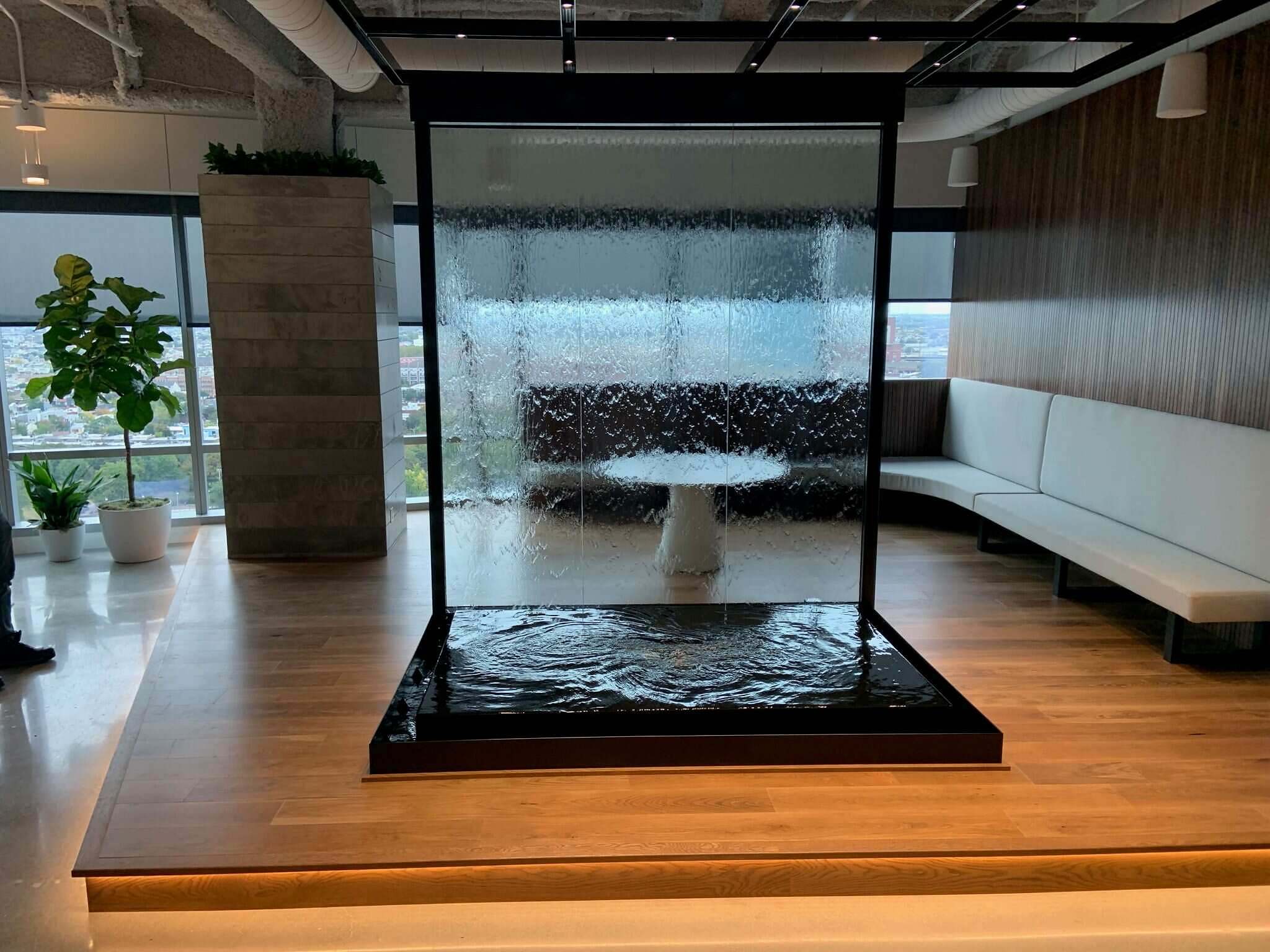
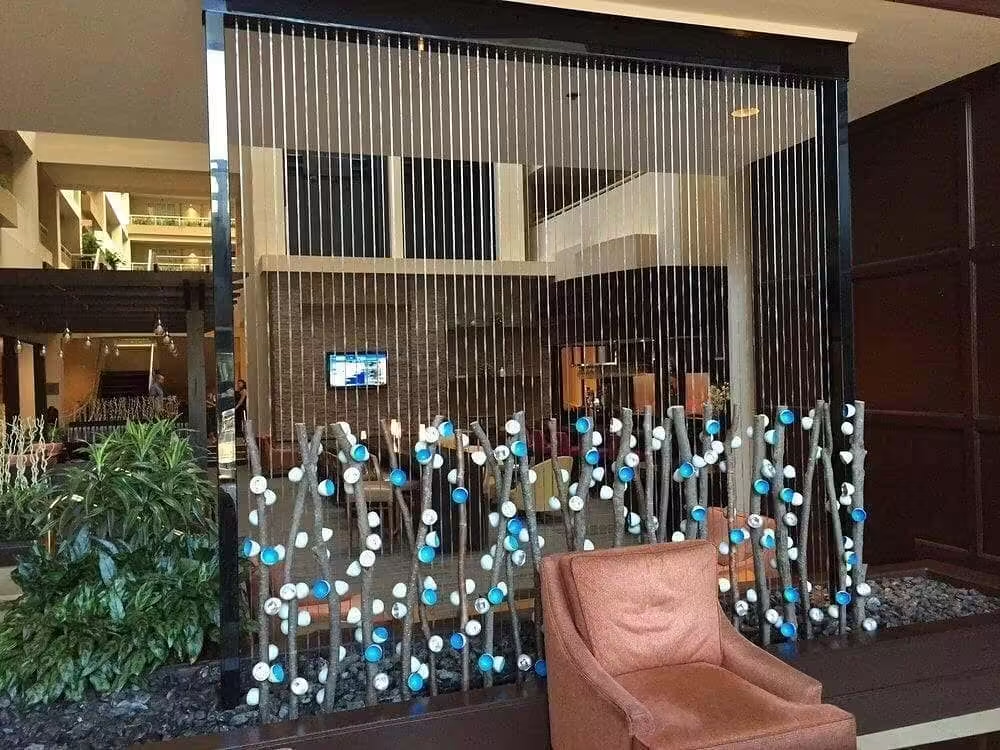
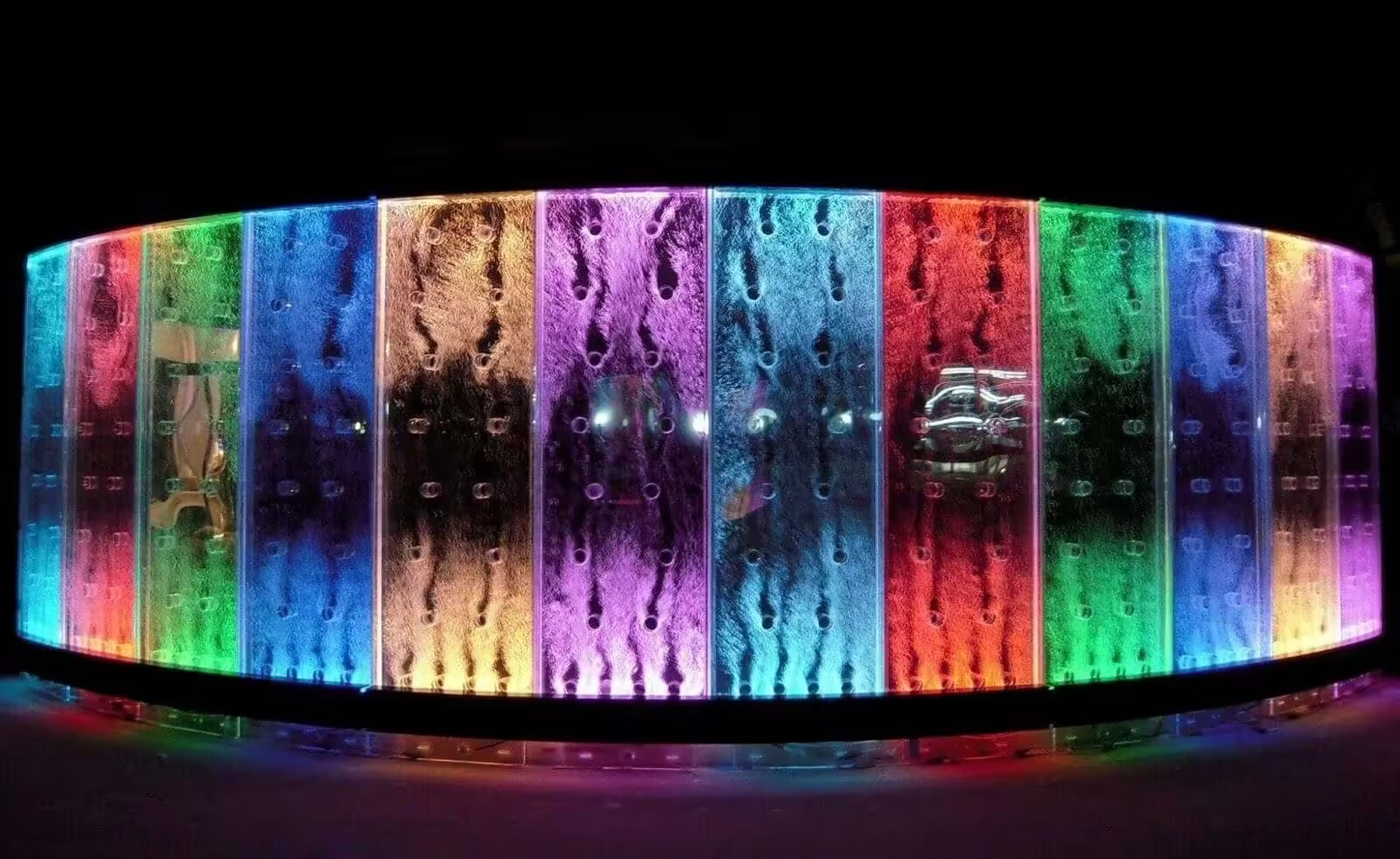
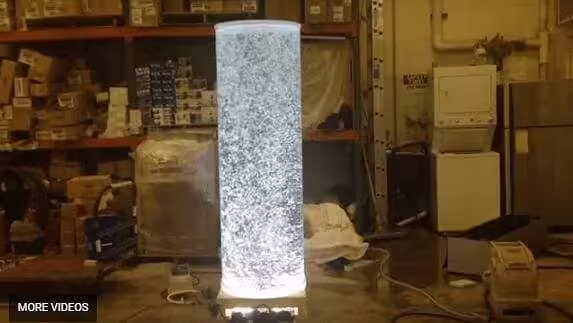
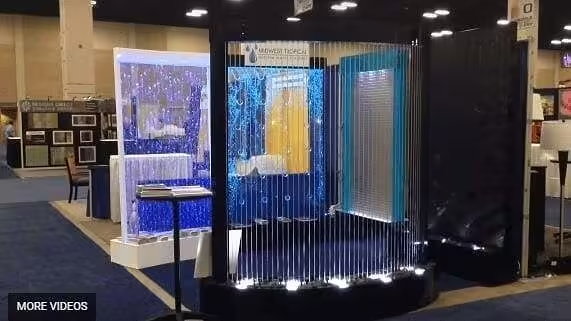
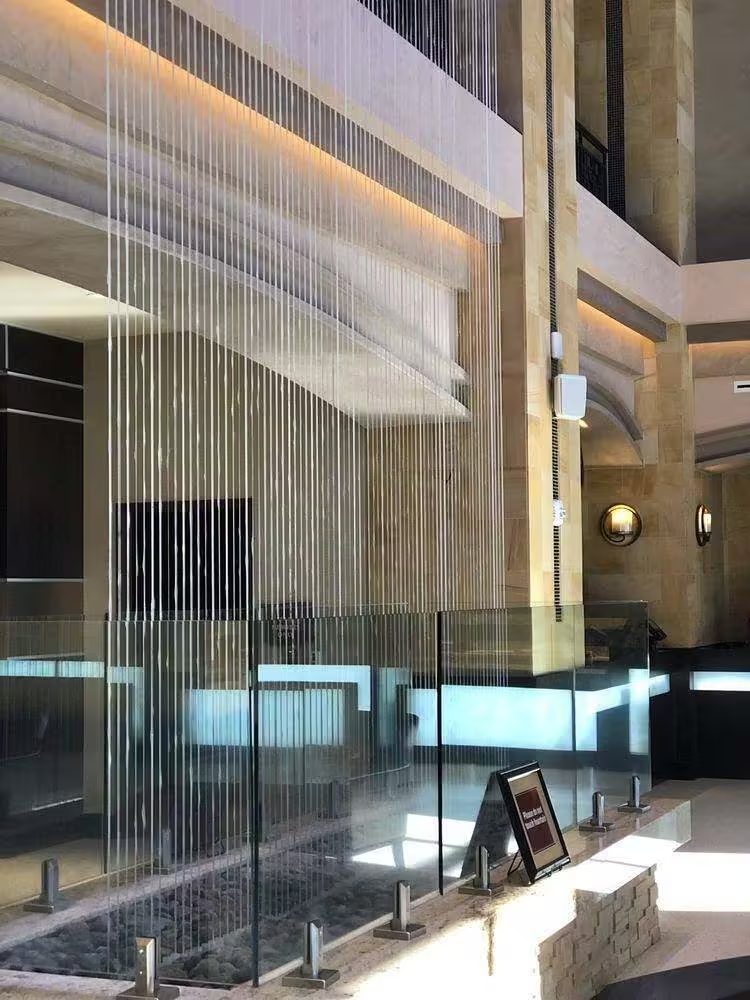
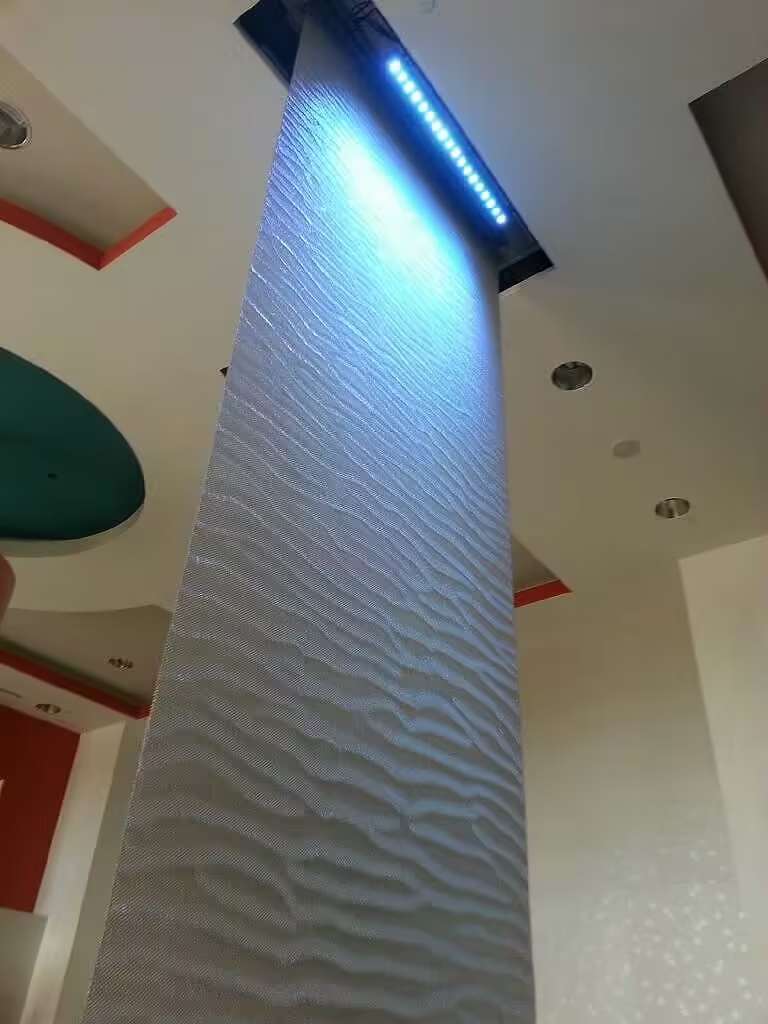
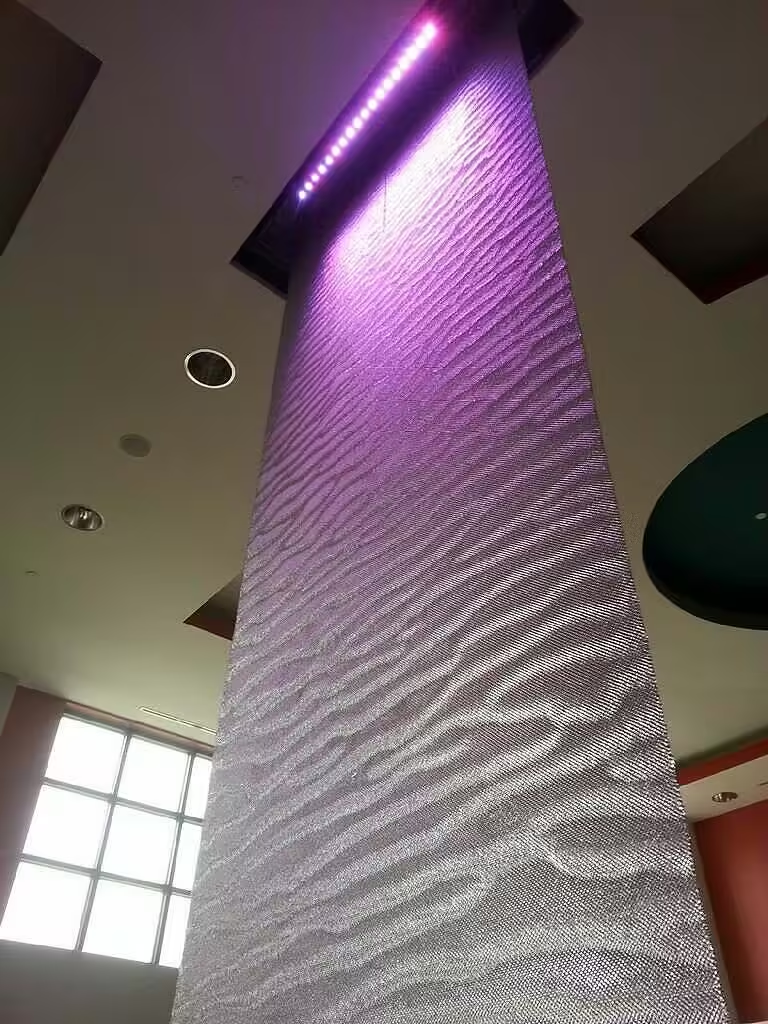
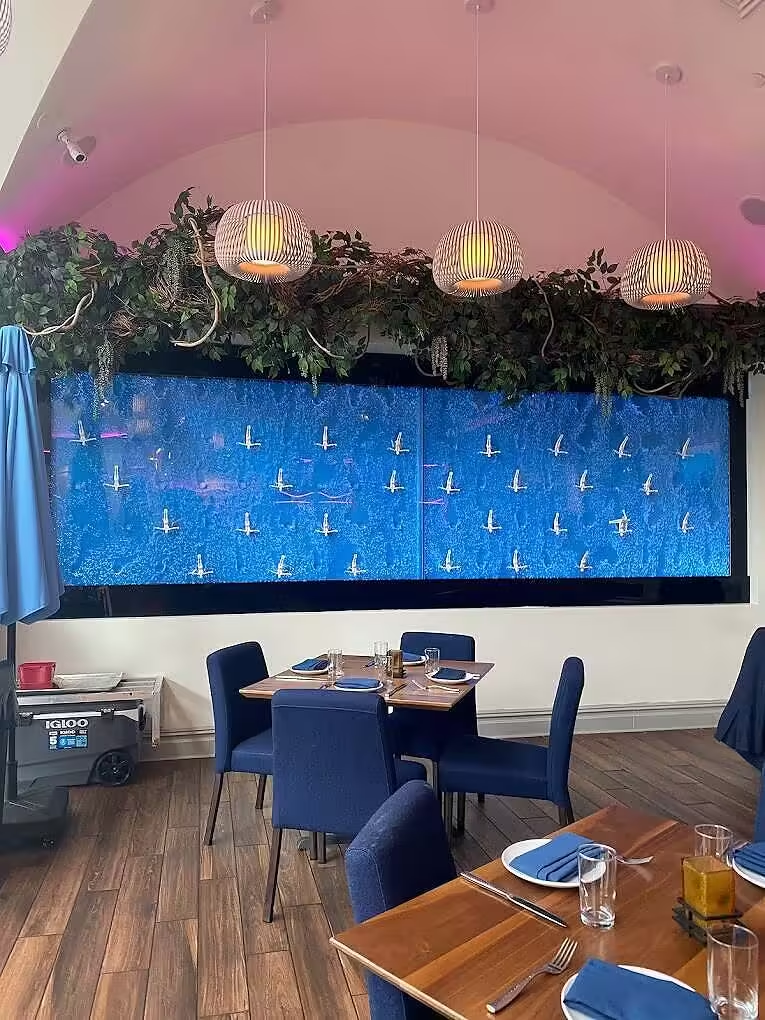
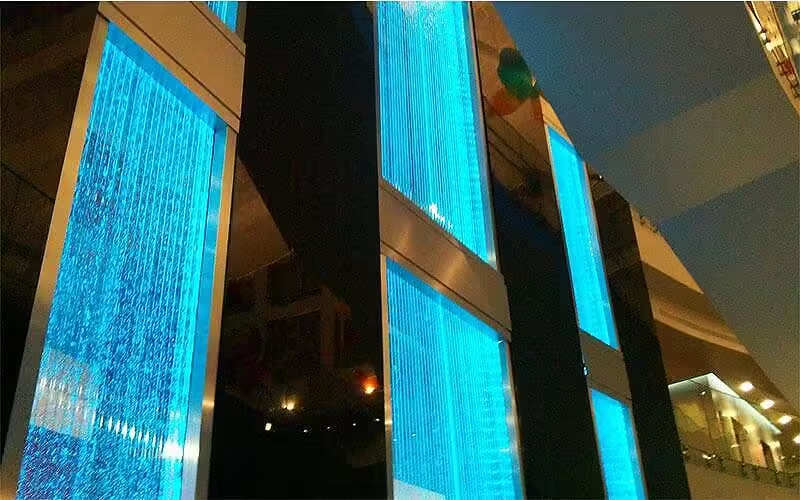
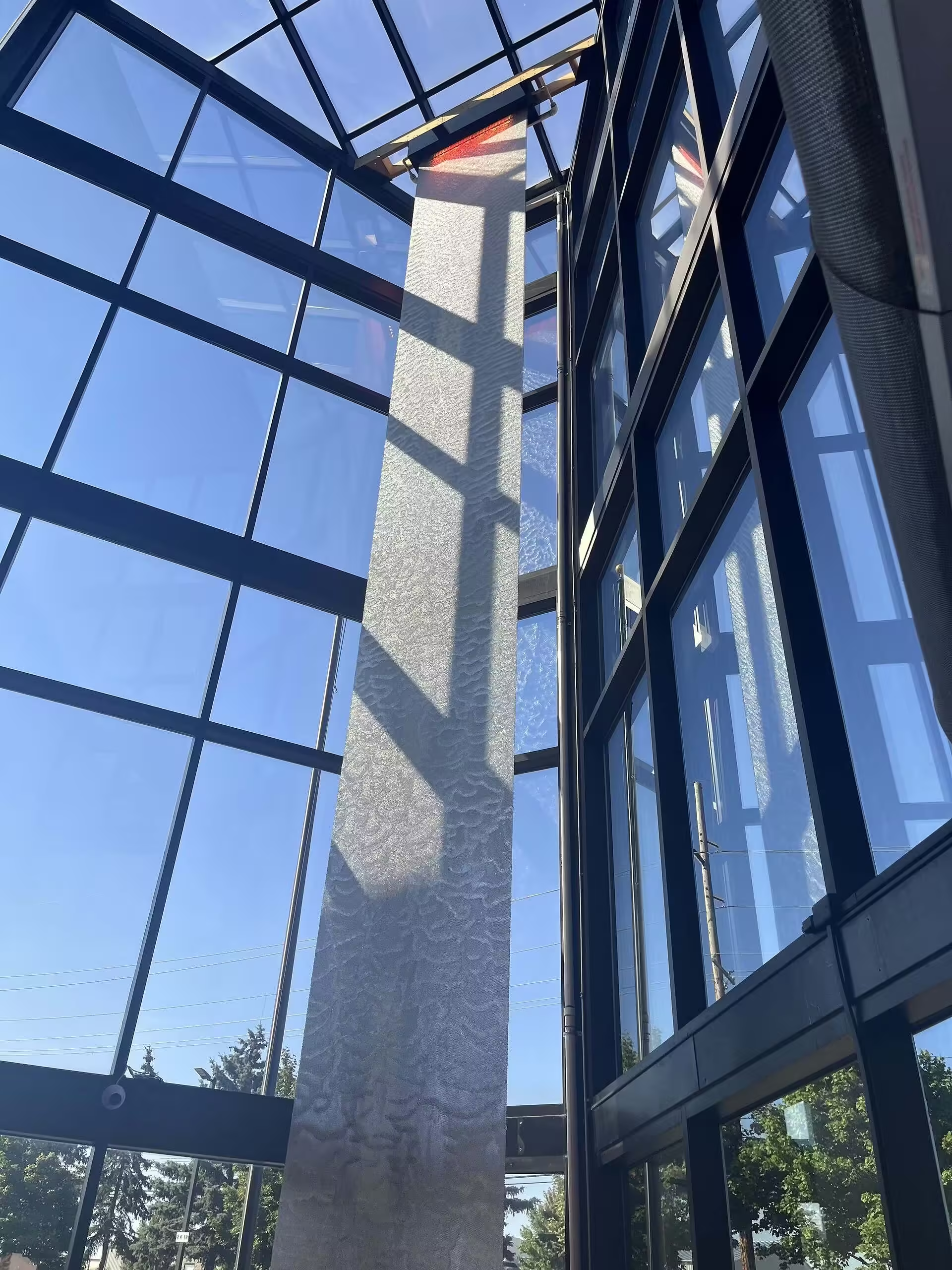
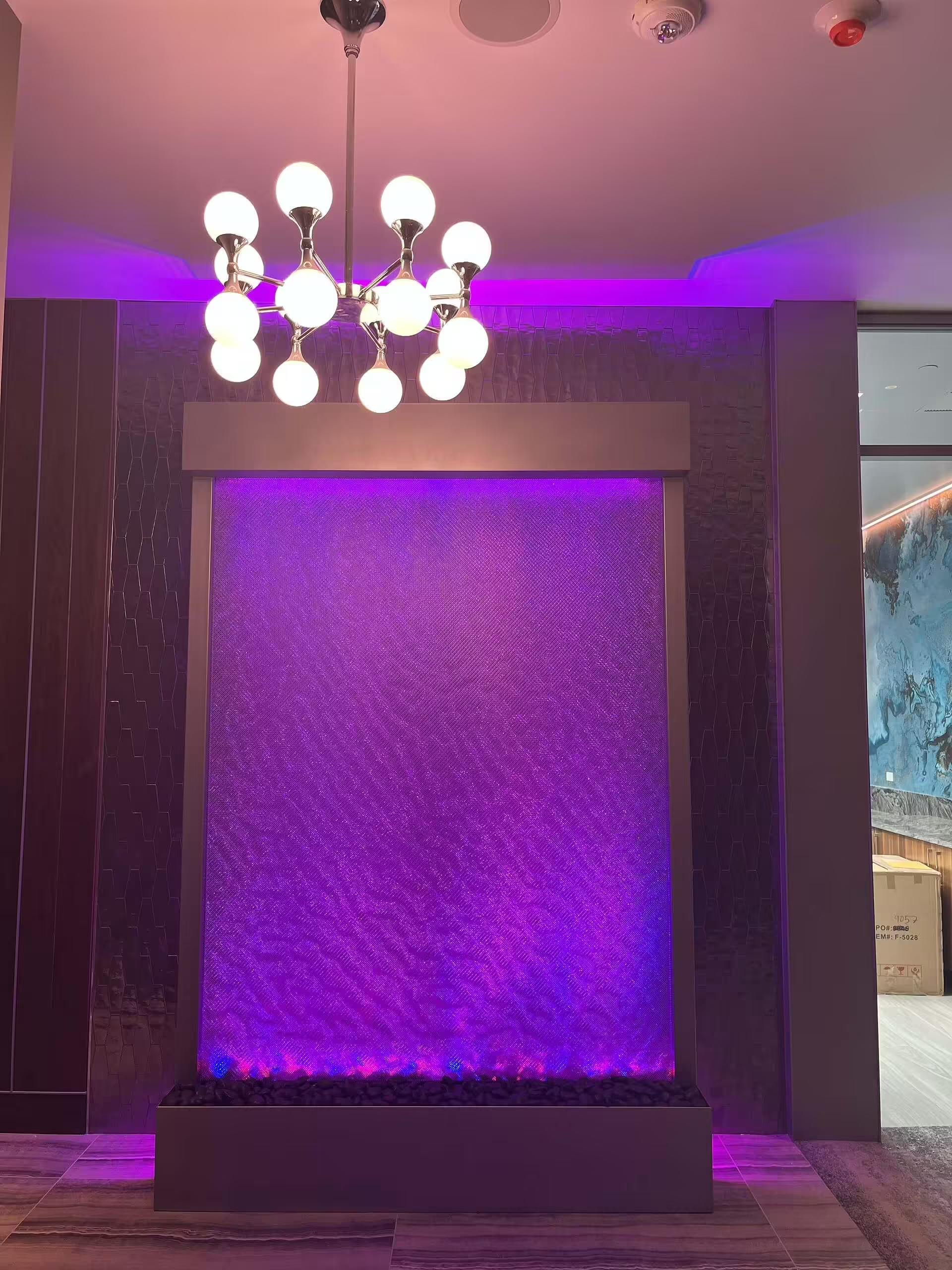
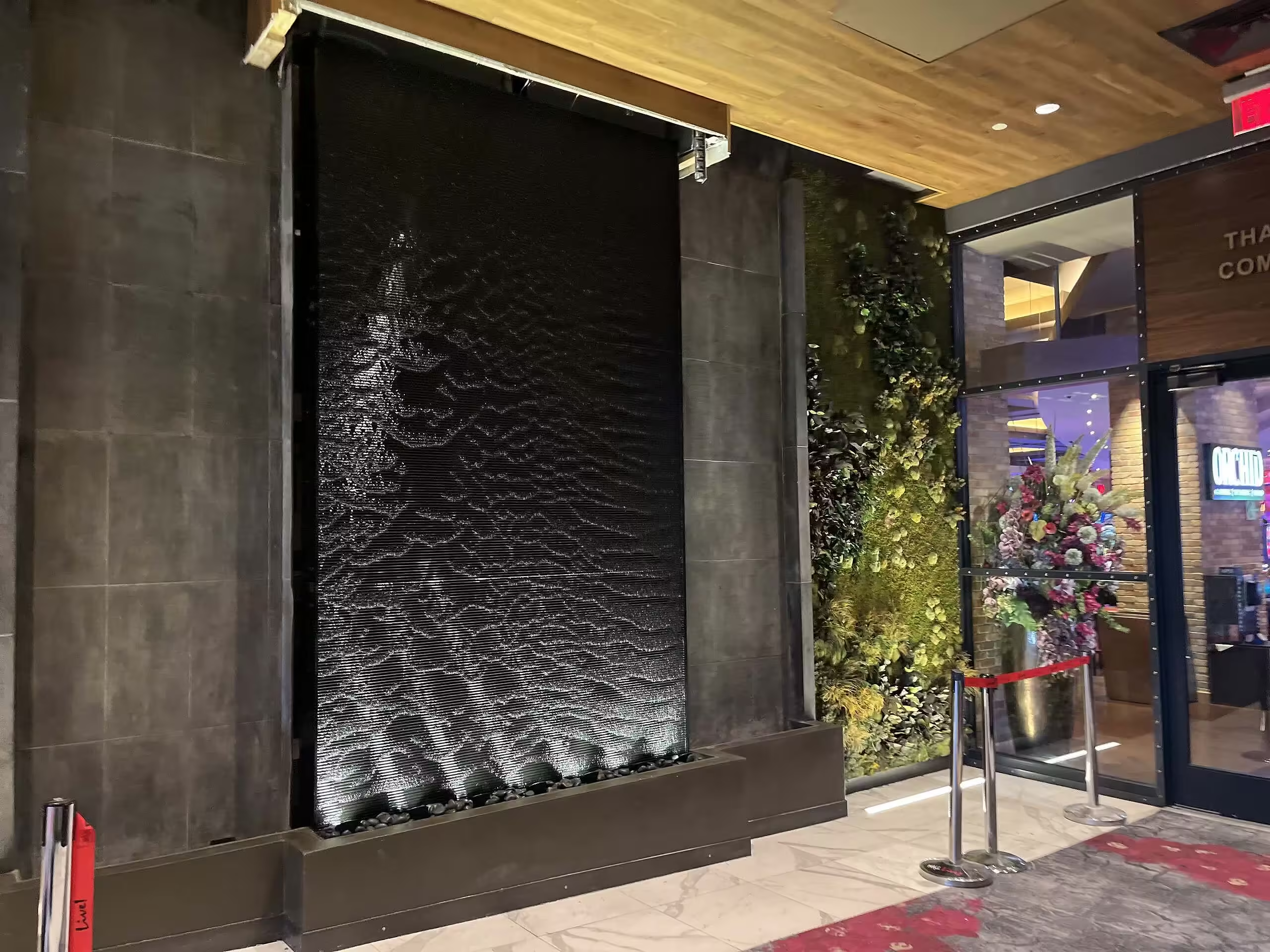
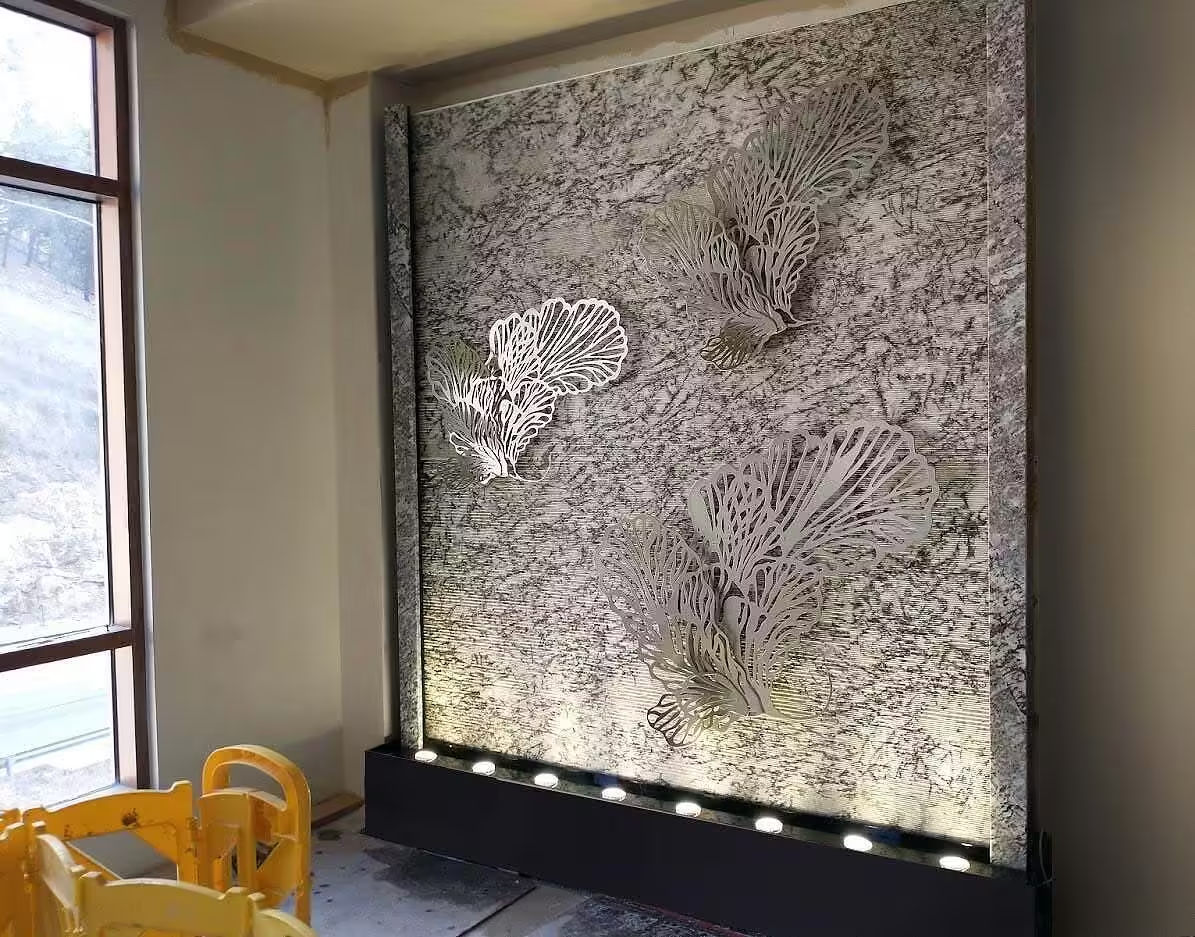
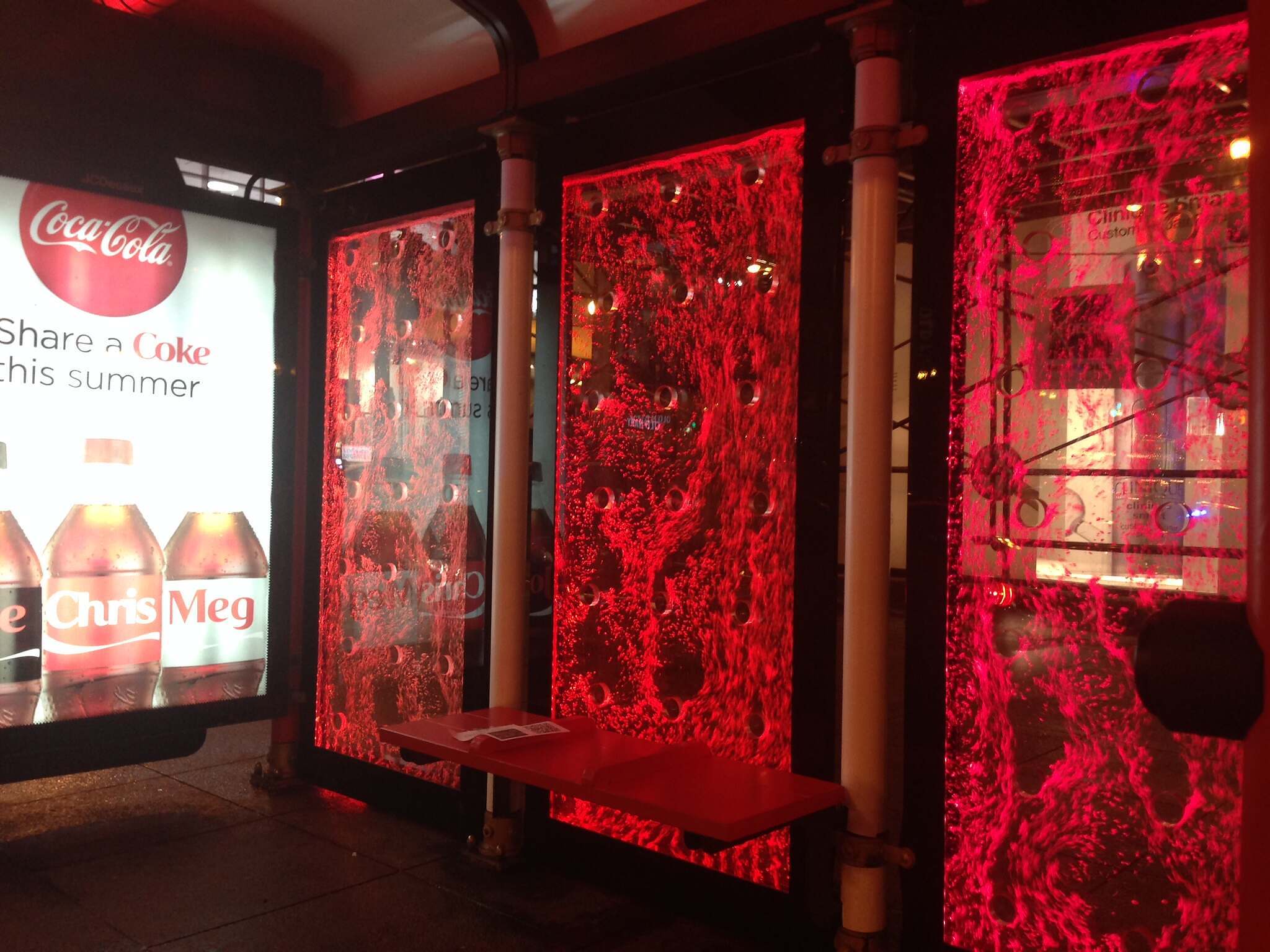
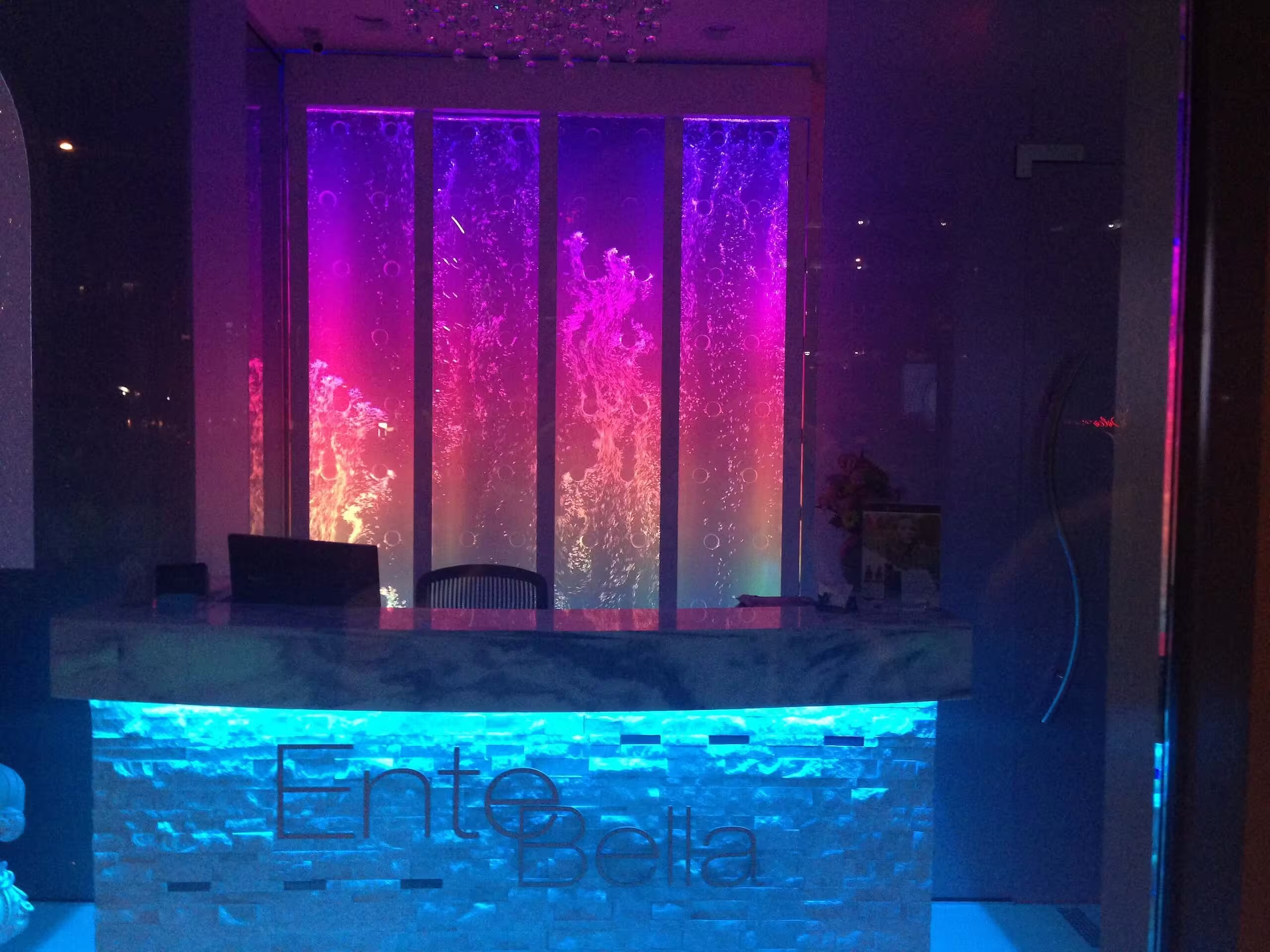
As sensory design evolves, more dynamic expressions are emerging. Swirly bubble walls add an extra layer of movement, creating fluid patterns that feel organic and immersive. These designs introduce visual storytelling through motion, turning the wall into a living element of the space.
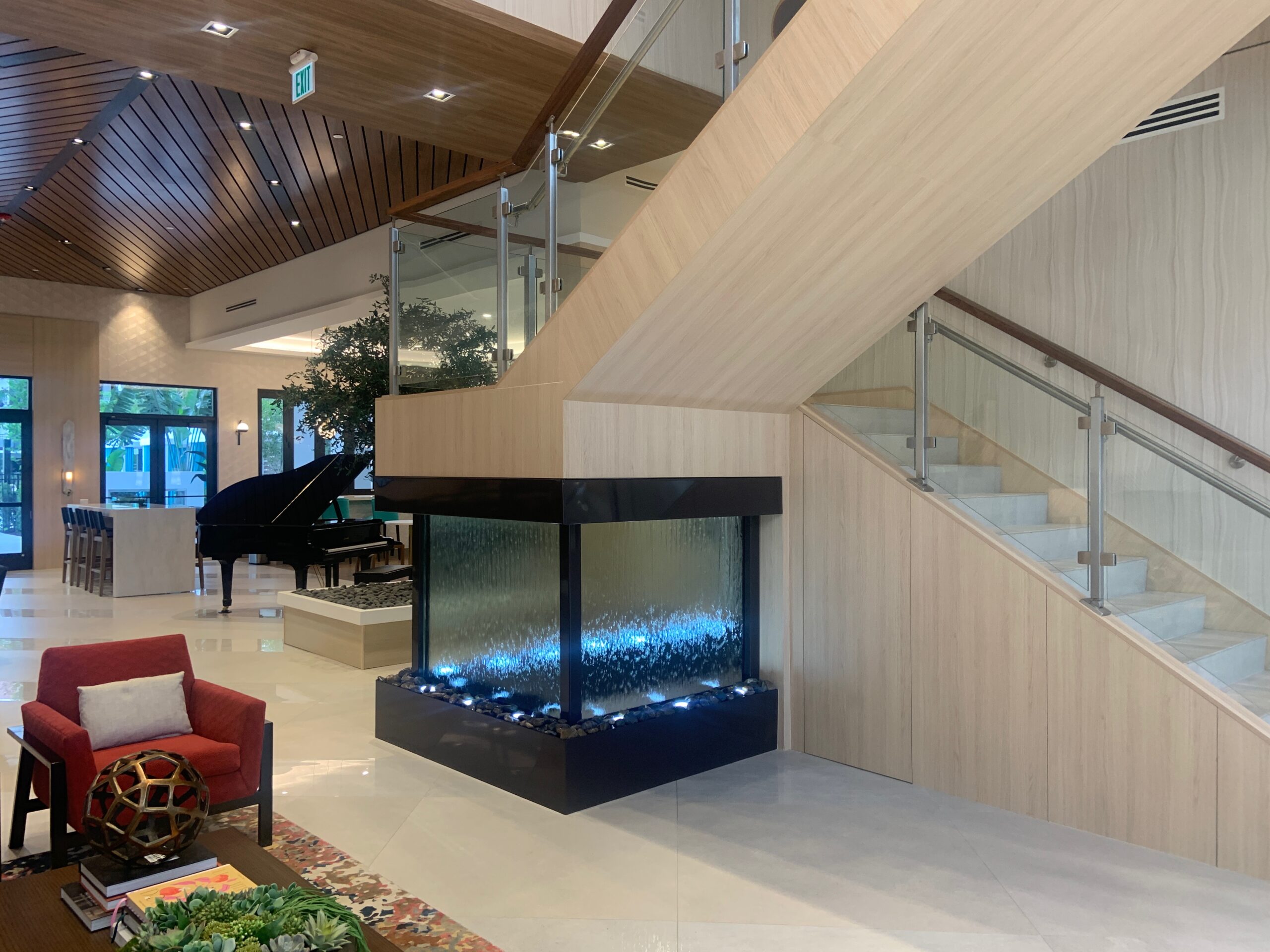
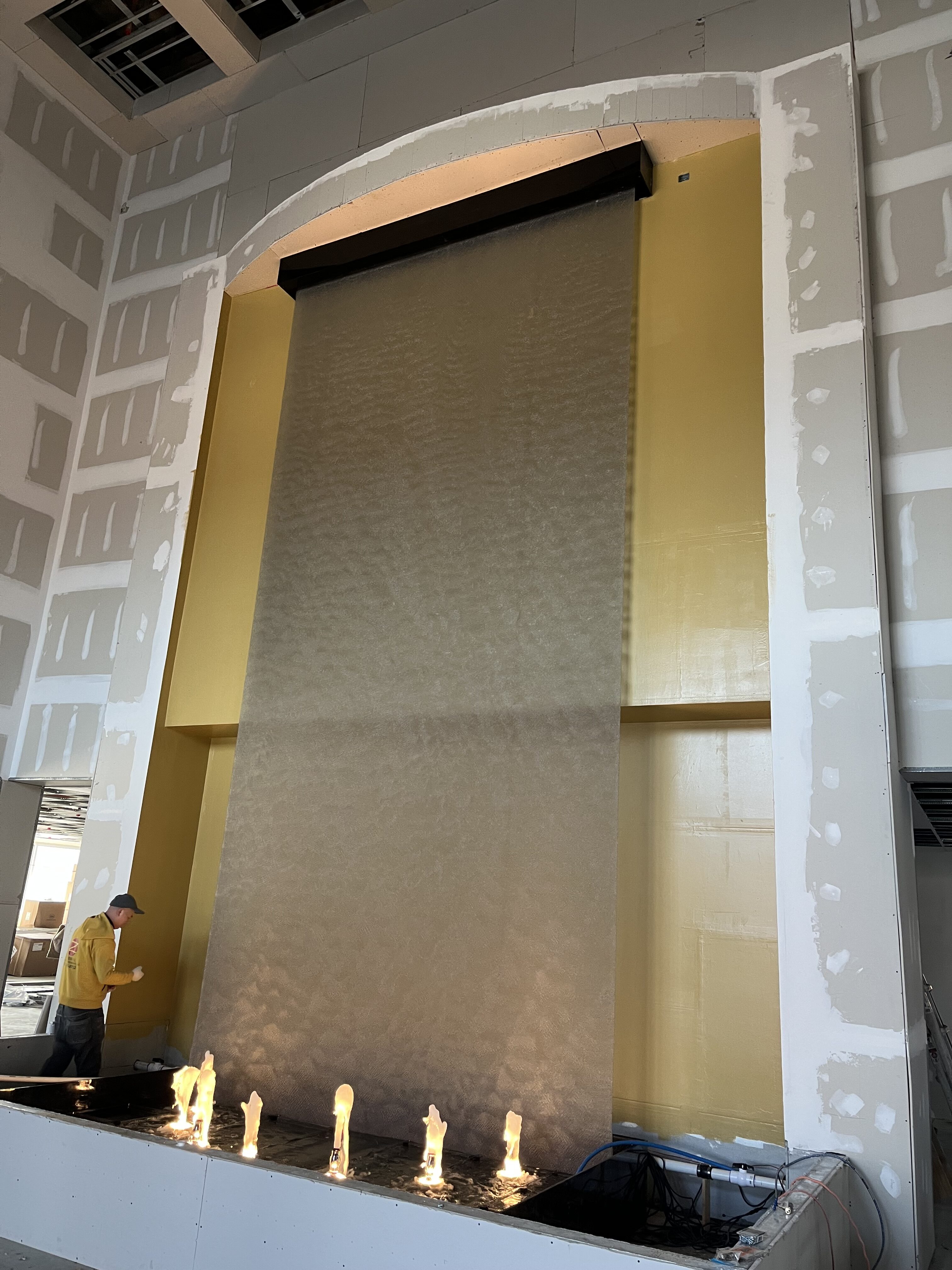
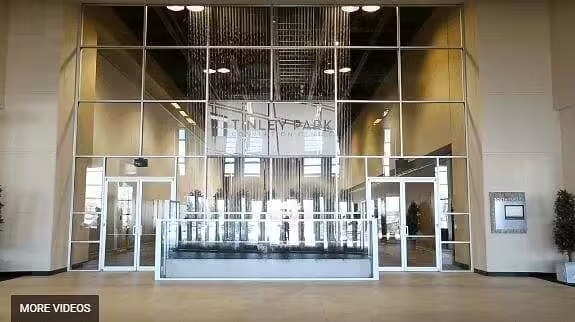
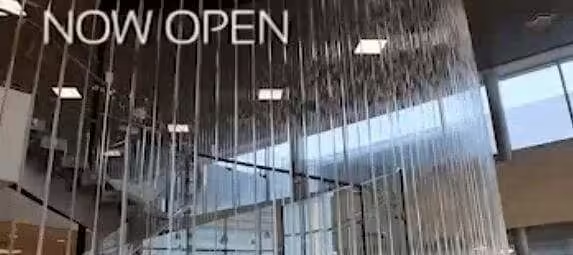
Swirly bubble walls are often chosen for feature installations where designers want a stronger emotional presence. They work especially well in large open areas where movement can be appreciated from multiple angles. The effect is subtle, yet memorable.
Technology + Craft
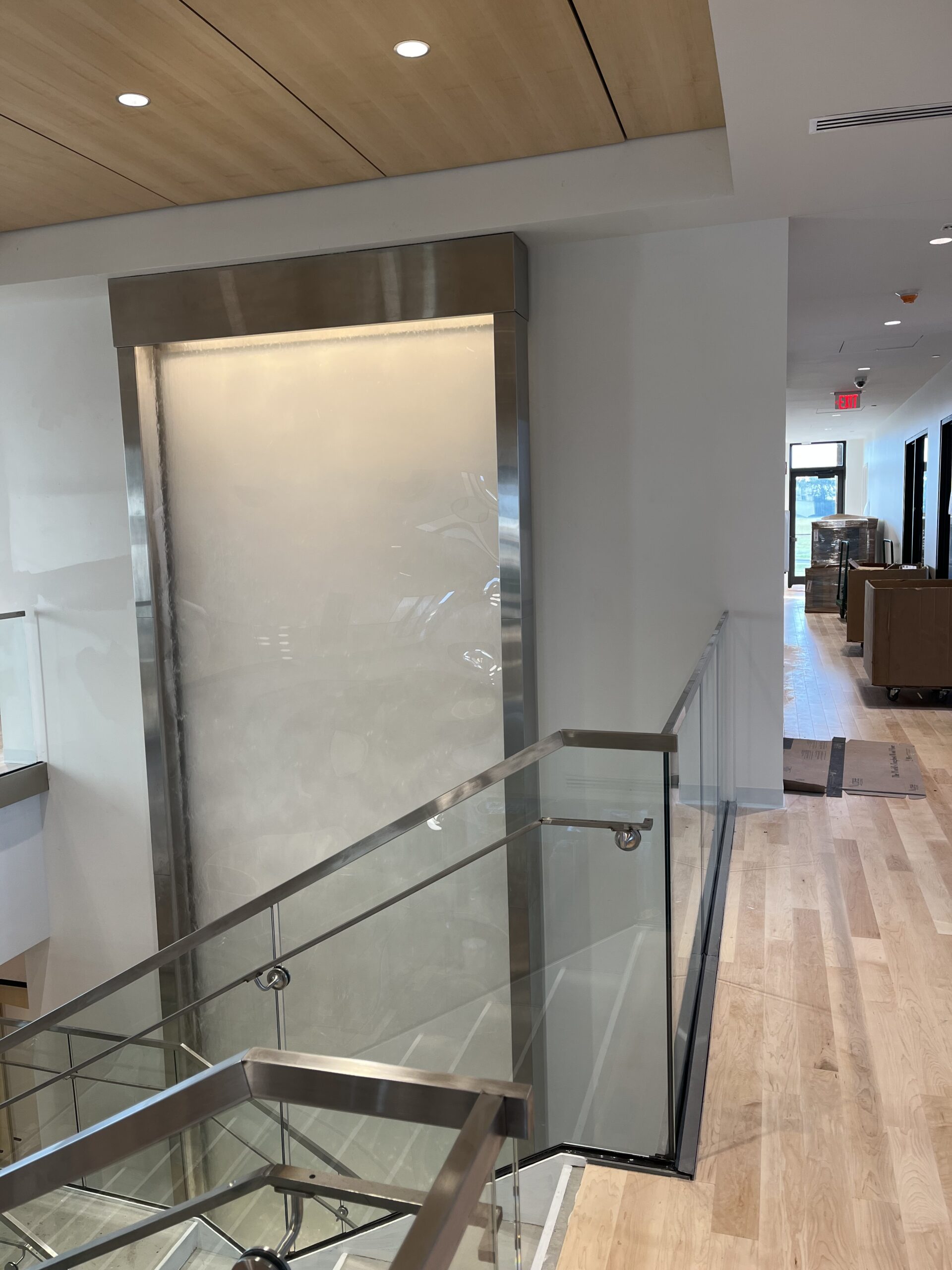
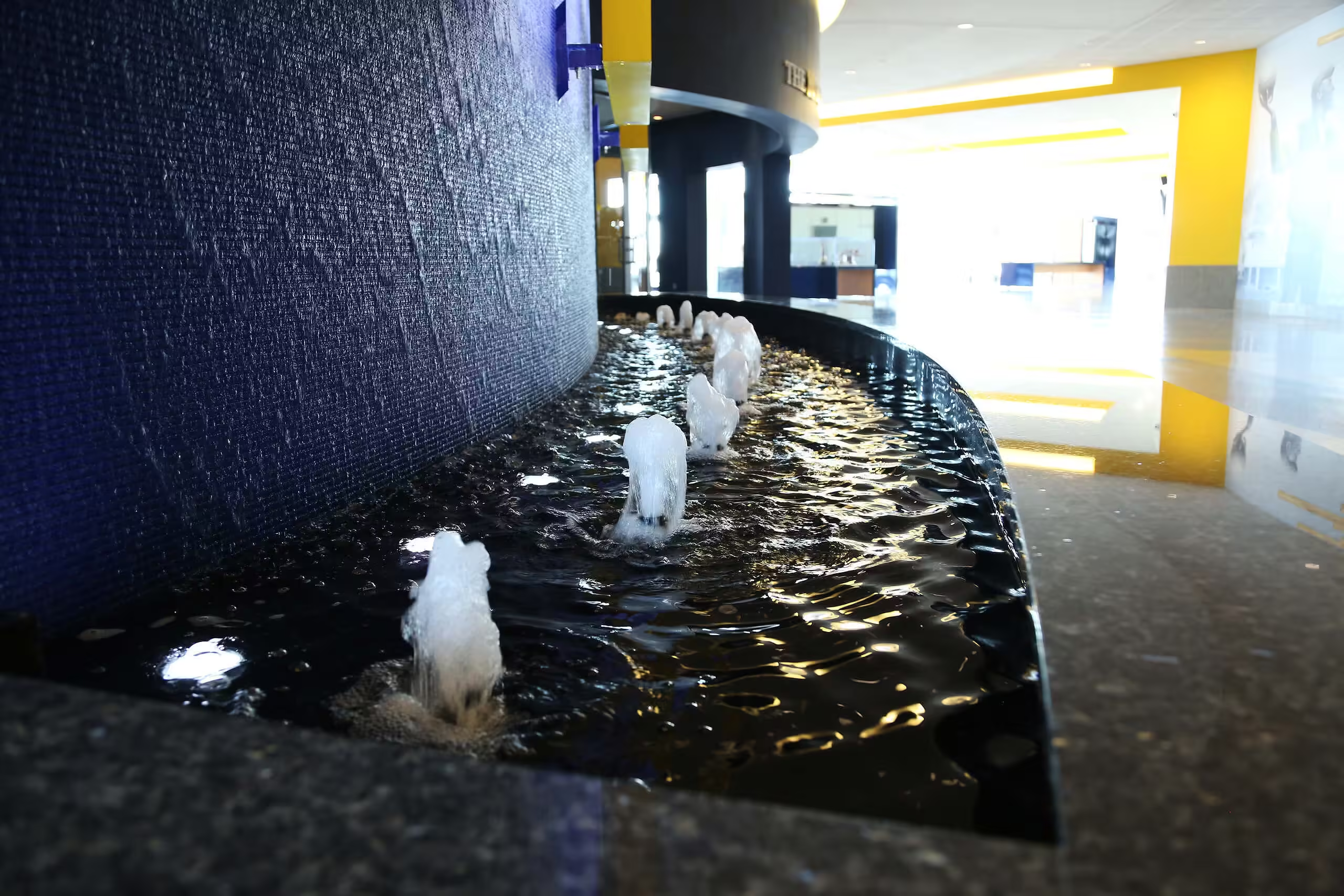
Modern bubble wall systems are a blend of engineering and artistry. Precision air flow, lighting control, and durable materials ensure consistent performance over time. This reliability is essential in commercial settings where features must function continuously without disruption.
At Midwest Tropical, bubble walls are designed with long-term use in mind. Systems are built to integrate cleanly into the architecture, with maintenance and performance considered from the start. We offer a feature that feels effortless within the space.
Why Designers Are Choosing Bubble Walls Now
The growing use of bubble walls reflects a larger design truth. People crave environments that feel human. Spaces that acknowledge emotion, stress, and sensory needs are no longer optional. They are expected.
Bubble walls answer this demand without spectacle. They offer engagement without excess. They add character without noise. In a design landscape that often swings between minimalism and overload, bubble walls sit comfortably in the middle.
Designing With Intention
Bubble walls are not about novelty. Their rise is tied to a deeper understanding of how environments affect behavior and well-being. Designers are choosing them because they work.
At Midwest Tropical, bubble walls are approached as sensory architecture. Every element is considered in context: movement, light, scale, and purpose. The goal is not to decorate a wall, but to shape an experience.
Explore Sensory Design That Moves People
If you’re exploring how bubble walls or swirly bubble walls could support your next project, Midwest Tropical offers the experience and insight to guide the process from concept to completion. Whether the goal is calm, connection, or quiet impact, we help create features that feel intentional and lasting.
Let’s design a space people feel, not just glance at.



![Rod Style Bubble Wall Swirley for Bounce Empire in Denver, Colorado[84]](https://www.midwest-tropical.com/wp-content/uploads/Rod-Style-Bubble-Wall-Swirley-for-Bounce-Empire-in-Denver-Colorado84-jpg.avif "Rod Style Bubble Wall Swirley for Bounce Empire in Denver, Colorado[84]")
![Rod Style Bubble Wall Swirley for Bounce Empire in Denver, Colorado 2[2]](https://www.midwest-tropical.com/wp-content/uploads/Rod-Style-Bubble-Wall-Swirley-for-Bounce-Empire-in-Denver-Colorado-22-jpg.avif "Rod Style Bubble Wall Swirley for Bounce Empire in Denver, Colorado 2[2]")